
If you find a bird with a broken wing, the most important thing you can do right now is contain it gently, keep it warm and quiet, and get it to a wildlife rehabilitator or avian vet as fast as possible. Do not try to splint it yourself, do not give it food or water, and do not leave it outside to "recover on its own." Broken wings are almost always serious, and the bird needs professional care to have any real chance of survival.
What to Do When a Bird Breaks Its Wing: First Aid Steps
Marcus Chen
29 Apr 2026
What you'll likely see after a broken wing
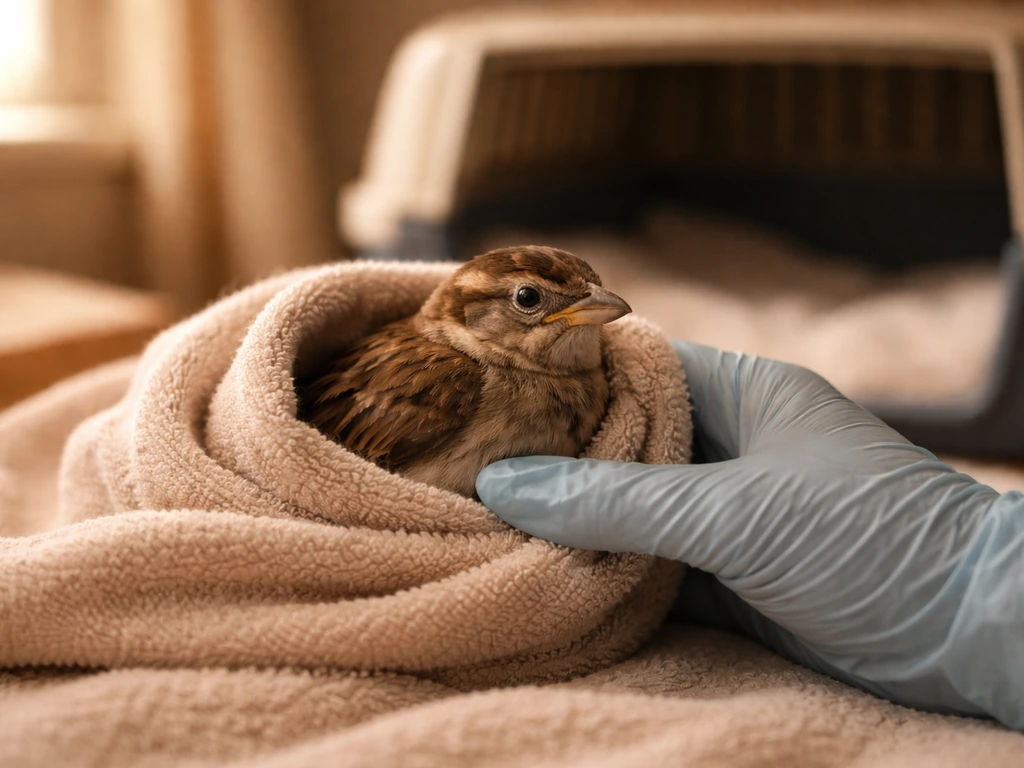
The most obvious sign is a wing that droops or hangs lower than normal, sometimes tilted at an odd angle compared to the other side. The bird may hold the injured wing away from its body or let it drag on the ground. It won't be able to fly, and in many cases it won't even try. You might also notice the bird sitting hunched or tilted, struggling to keep its balance, or unable to stand upright at all.
If there's an open fracture, you may see a visible wound, exposed bone, or blood around the wing joint. Active bleeding is a red flag that puts this into emergency territory. Even without blood, a bird that can't perch, keeps falling over, or is panting and breathing fast for more than a few minutes is likely in shock. Shock can become life-threatening very quickly in birds, so every minute counts once you spot those signs.
Some birds will try to appear calm or "play dead" when threatened, which is a natural stress response. Don't let a quiet bird fool you into thinking it's fine. If the wing position looks wrong and it isn't flying away from you, assume it's injured and act accordingly.
Immediate first aid: keep the bird safe and stable
Your job right now is stabilization, not treatment. You're not trying to fix the wing. You're trying to reduce stress, prevent further injury, and keep the bird alive until a professional can take over. Here's what to do, in order.
- Protect yourself first. Even a small injured bird can scratch or bite when frightened. Put on gloves if you have them, or use a folded towel to pick the bird up.
- Scoop the bird gently using both hands, keeping the wings against its body so it can't flap and cause more damage. Don't squeeze, but hold firmly enough that it can't thrash.
- Place the bird in a ventilated box. A cardboard box with several small air holes punched in the lid works well. Line the bottom with crumpled paper towels or a folded cloth so the bird has something to grip and won't slide around.
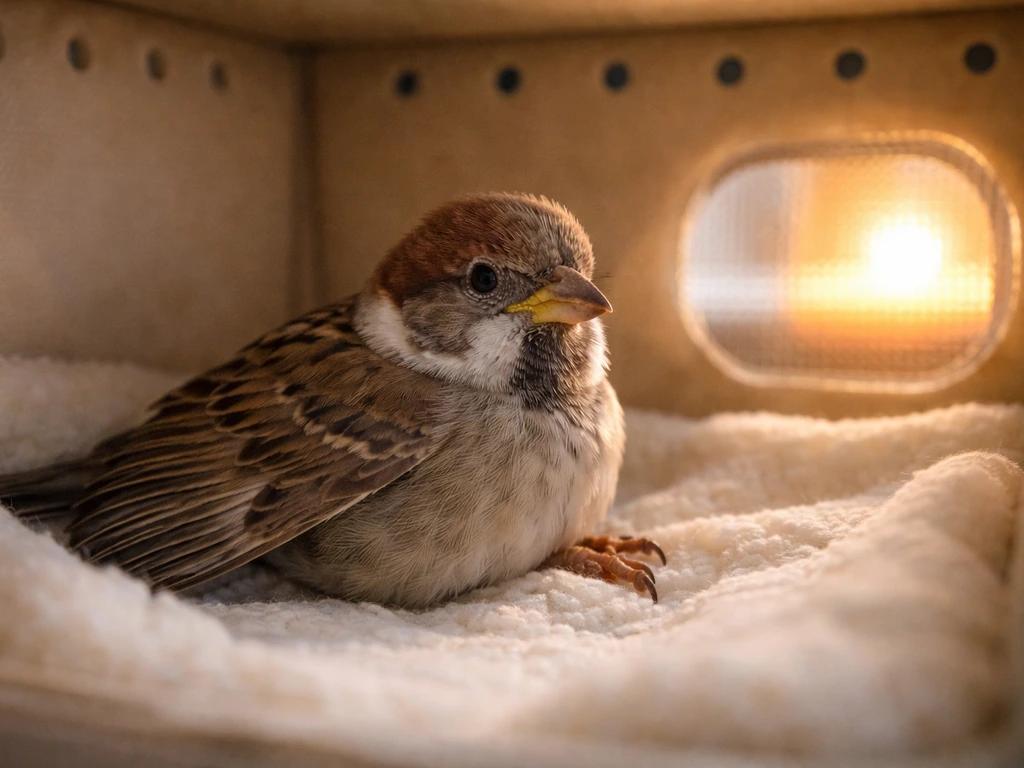
- Cover the box with a light towel or sheet and place it somewhere warm, dark, and quiet. Away from pets, kids, loud TVs, and air conditioning vents. Darkness helps calm the bird and reduces stress significantly.
- Add a gentle heat source if the bird seems cold or is shivering. Wrap a hot water bottle or a hand warmer in a towel and place it to one side of the box, not directly under the bird. Test it with your hand first: it should feel comfortably warm, not hot.
- Do not open the box repeatedly to check on the bird. Every time you look in, you're adding stress.
- If there is active bleeding, apply light, gentle pressure over the wound using a clean cloth. Do not wrap the wing tightly or try to bandage it yourself.
Once the bird is contained and stable, your immediate next step is making phone calls, not providing more first aid. The U.S. Fish & Wildlife Service also notes that injured or orphaned wildlife care should involve state or federal permitting and that you should contact the appropriate wildlife authorities or rehabilitation resources rather than trying to care for the animal yourself making phone calls, not providing more first aid. The goal is to get this bird to a professional within a few hours.
How to tell a fracture from a minor wing problem
You don't need to diagnose the bird. That's the vet's job. But it helps to know whether you're looking at something that needs emergency care right now versus something that's serious but not life-threatening in the next hour.
A true fracture usually shows as a wing that hangs in a clearly abnormal position, often lower than the other side, sometimes bent at an unnatural angle mid-wing. The bird won't be able to lift or fold that wing normally. A minor strain or bruise might cause some drooping or reluctance to use the wing, but the overall posture will look more normal and the bird may still be able to move it somewhat.
| Sign | Likely minor issue | Likely fracture or serious injury |
|---|---|---|
| Wing position | Slight droop, bird can partially fold wing | Wing hangs low, dragging, or bent at odd angle |
| Ability to move wing | Some movement present | Little to no movement, or movement causes obvious distress |
| Bleeding | None | Present, possibly active |
| Ability to stand/perch | Yes, mostly normal | Struggling, falling over, or unable to stand |
| Breathing | Normal | Fast, labored, or panting |
| Overall alertness | Mildly stressed but reactive | Lethargic, glassy-eyed, or unresponsive |
Even if you think the problem looks minor, if the bird can't fly and won't leave when approached, treat it as a real injury and contact a professional. Many birds with injuries that look survivable will die without treatment because the internal damage is worse than what you can see.
What NOT to do
This is just as important as the first aid steps above. Well-meaning mistakes are one of the biggest reasons injured birds don't make it.
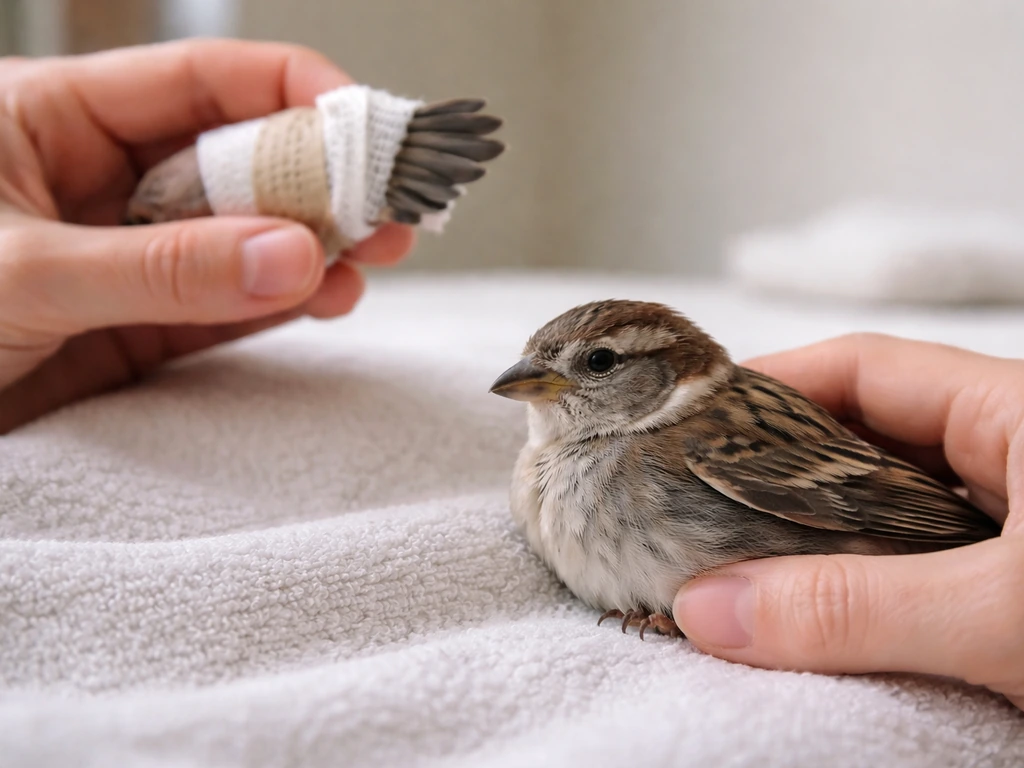
- Do not try to splint or bandage the wing yourself. Improper splinting can cut off circulation, restrict breathing, or cause more bone damage. It looks straightforward but it genuinely isn't, and even experienced rehabilitators follow detailed protocols for it.
- Do not give the bird food or water. This feels cruel, but it's the right call. Force-feeding can cause aspiration (food or liquid entering the airway), which can kill a bird in minutes. A stressed, injured bird also can't digest food normally. Wait for a professional to advise you.
- Do not use any human medicines, antiseptic sprays, or ointments. These can be toxic to birds and may make the injury worse.
- Do not try to straighten the wing or reposition it. You could cause more pain and damage.
- Do not release the bird outside to "see if it can fly." An injured bird that gets away from you has almost no chance of surviving in the wild without treatment.
- Do not handle the bird more than necessary. Every interaction is stress, and stress can be fatal in an already-compromised bird.
- Do not put the bird in a cage with other birds, or near pets of any kind.
- Do not assume a calm bird is a recovering bird. Birds mask pain and distress instinctively.
When to seek help: vet vs wildlife rehab, and urgency signs
The short version: always seek professional help for a bird with a broken wing. There is no version of this that resolves on its own at home. The question is how fast you need to move.
Get help immediately if you see any of these
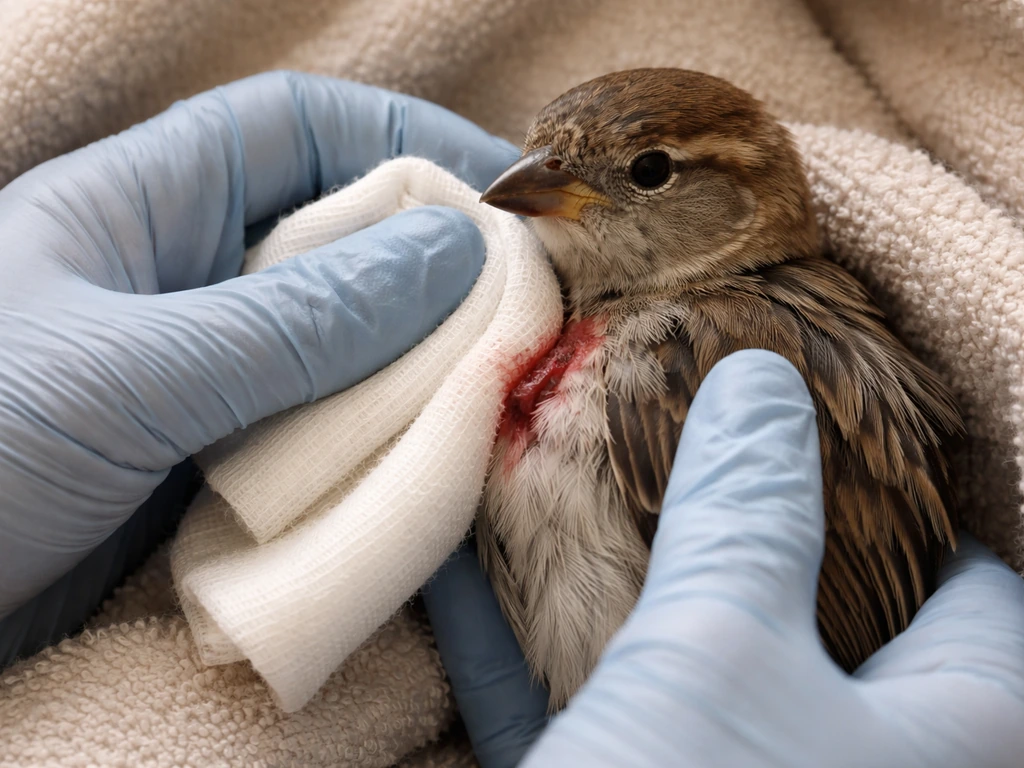
- Active, ongoing bleeding that isn't slowing down
- An open fracture (bone visible, wound around the wing)
- The bird is unconscious or barely responsive
- Rapid or labored breathing, panting, or gasping
- The bird cannot stand at all or keeps falling over
- Obvious signs of shock: glassy eyes, limpness, extreme lethargy
- The injury involves a large bird like a raptor, heron, or goose (these need specialist handling)
For wild birds, your best first call is usually a licensed wildlife rehabilitator rather than a regular vet. Rehabilitators are specifically trained and legally authorized to treat wild birds, and most vets (even good ones) will refer you to a rehab center anyway. Search for "wildlife rehabilitator near me" or call your state's fish and wildlife agency for a referral. In the US, the USFWS website and the National Wildlife Rehabilitators Association both maintain searchable directories.
If the bird is a pet (a parrot, cockatiel, or other companion bird), go straight to an avian vet or emergency animal hospital. If the bird has a broken wing, the rehab team will often use a bandage or wrapping to protect the injury until it can be evaluated and treated broken wing bandage. Call ahead so they can prepare. When you call, tell them the species if you know it, what the wing looks like, whether there's bleeding, and how the bird is behaving. That information helps them prioritize and give you better guidance while you're on the way.
How to transport the bird to get help
Transporting an injured bird badly can undo all the good you've done in the first-aid stage. The goal during transport is minimal stress and minimal movement. Merck Veterinary Manual also recommends transporting pet birds in a secure, well-ventilated carrier and using a quiet, low-activity setup to reduce stress during emergencies.
- Keep the bird in the ventilated box you've already set up. Don't transfer it to a carrier or cage for a short trip unless specifically advised to.
- Place the box on a flat surface in your vehicle, wedged so it can't slide or tip. The floor of the back seat or the footwell works well.
- Keep the car quiet: no loud music, minimal talking near the box.
- Drive smoothly. Hard braking and sharp turns are surprisingly stressful for an already fragile bird.
- Keep the car at a comfortable temperature. Not too hot, not blasting cold air.
- Do not open the box during transport to check on the bird.
- If you have a passenger, have them hold the box steady rather than hold or touch the bird.
If you can't transport the bird yourself, call the wildlife rehabilitator or vet and explain the situation. Many rehab centers have volunteers who can help with pickup, especially for raptors or larger birds that are difficult to handle safely without training.
Recovery aftercare basics and preventing repeat injuries
If a rehabilitator or vet gives you instructions for short-term care while you wait or during a recovery period at home, follow them exactly. The general principles are: quiet and dark environment, warmth without overheating, no food or water unless explicitly told otherwise, and as little handling as possible. Your role is to keep the bird stable, not to nurture it back to health yourself. That part takes training, time, and equipment most people don't have.
For pet birds recovering from a wing injury under veterinary guidance, you'll likely be advised to restrict movement in a smaller cage to prevent re-injury, give prescribed medications on schedule, and attend follow-up appointments to check healing. Don't rush the process. Bones that haven't healed fully can re-fracture easily, and that's a much worse outcome than a longer recovery.
Reducing the chance of it happening again
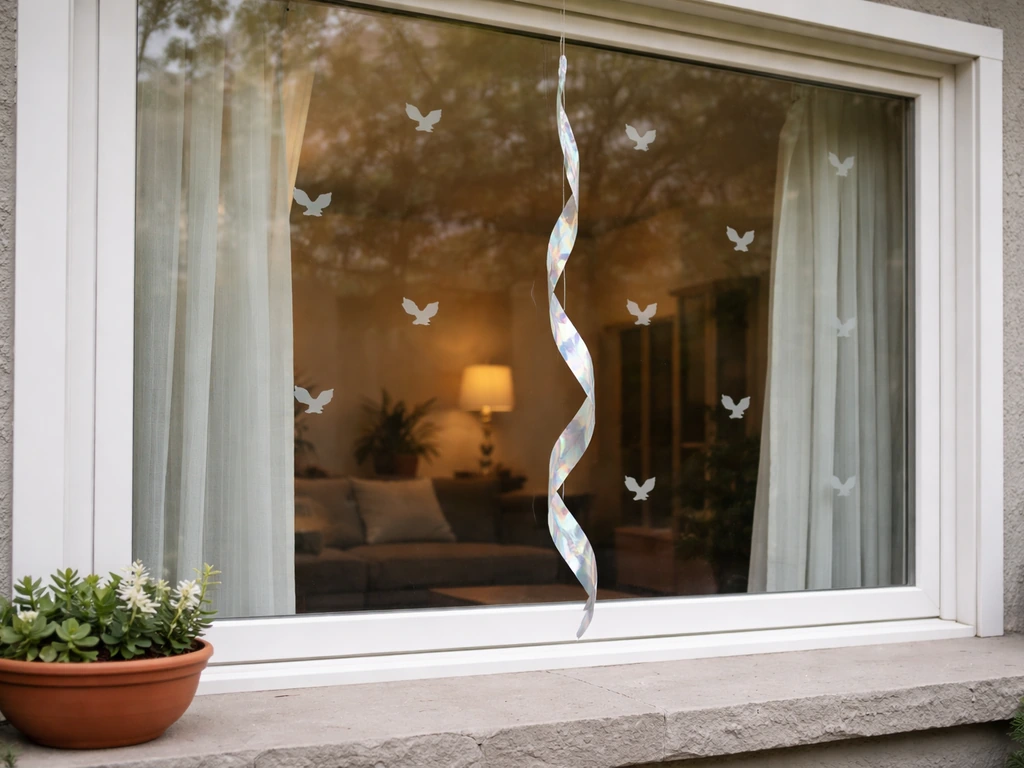
Window collisions are one of the most common causes of broken wings in wild birds. If you're finding injured birds repeatedly near the same window, apply window alert decals, external screens, or angled glass treatments that break up the reflection. Even moving a bird feeder to within three feet of the window (so birds can't build up speed) or more than thirty feet away (so they have time to veer off) makes a measurable difference.
Cats are the other major culprit, responsible for a huge proportion of wild bird injuries. Keeping cats indoors is the single most effective prevention step. If outdoor access is important to you, a enclosed "catio" or a breakaway collar with a bell significantly reduces hunting success.
For pet birds, broken wings most often happen from falls, collisions during out-of-cage time, or interactions with other animals in the home. Supervised flight time, trimmed flight feathers where appropriate (discuss with your vet), and keeping dogs and cats separate from free-flying birds removes most of the risk. Wing injuries like a broken nail or a leg fracture can sometimes happen in similar accidents, so the same precautions apply broadly to keeping your bird physically safe at home.
The bottom line: you can absolutely make a real difference for an injured bird in the first critical hour, but your role is containment, calm, and speed, not treatment. Get it warm, get it quiet, get it to a professional, and don't try to do more than that. If you’re worried about broken wing treatment costs, ask the clinic or rehabilitator what to expect before care when possible. That's genuinely the best thing you can do.
FAQ
Can I try to wrap the wing or tape it to the body to stop the bleeding or movement?
Do not tape or splint the wing yourself. Improper wrapping can cut off circulation, worsen a fracture, or damage soft tissue. If you must transport immediately and the professional is unreachable, call first for guidance and only aim for gentle immobilization as they direct, otherwise focus on keeping the bird warm, dark, and still.
Should I give the bird water, honey, or food to “help it recover”?
No. Do not offer food or water unless the vet or rehabilitator explicitly tells you to. Birds that are in shock may aspirate liquids, and feeding can also delay care and increase stress.
What temperature is safe to keep the bird warm without overheating?
Use a warm, draft-free environment, but do not heat the container directly (for example, no hot water bottles against skin). You should aim for gentle warmth you can comfortably tolerate with your hand near the bird’s container, and stop if the bird is getting unusually warm, panting, or struggling.
How do I tell if this is a fracture versus a minor bruise or strain?
A true fracture often includes a clearly abnormal wing angle, a wing that hangs much lower than the other side, or a wing that cannot lift or fold normally. Bruises or strains usually look more symmetrical and the bird may still move the wing somewhat. If the bird cannot fly, will not leave, or is wobbling or falling, treat it as serious and contact a professional anyway.
If the bird is quiet and “not moving much,” is it safe to wait and see?
No. Quiet behavior can be a stress response, and birds can deteriorate quickly from shock even if they look calm. If the wing position looks wrong, or it cannot perch or balance, prioritize a same-day call and transport.
Can I move the bird to a safer spot outside (like on a porch) while I arrange help?
Not outside. Avoid leaving it where it can get chilled, overheated, attacked, or trampled. Keep it indoors in a quiet, dark, secure container until you can contact and get instructions or transport.
What container should I use for transport, and how should I line it?
Use a ventilated, escape-proof box or carrier. Line it with something that prevents slipping (for example, a towel) but keep the bird as stable as possible so it does not slide and twist the injured wing. Avoid loose bedding that can entangle claws.
Is it okay to take photos or videos before calling the rehabilitator?
Yes, as long as it does not delay action. Photos can help the professional assess whether there is visible bleeding or an abnormal wing angle, but prioritize calling and transport first. Do not handle the bird repeatedly for pictures.
What information should I tell the rehabilitator or vet when I call?
Share species (if known), whether there is bleeding or an open wound, what the wing looks like (drooping, bent angle, dragging), and how the bird is behaving (hunched, unable to perch, falling, panting, breathing fast). Also mention your location and how soon you can arrive so they can prioritize.
What if the bird is a raptor or larger bird and I cannot safely pick it up?
Call for pickup options or an alternative handling plan. Many wildlife centers can arrange volunteer assistance for difficult-to-handle birds. If you do not feel safe, do not attempt restraint yourself, focus on keeping the bird contained and minimizing stress while you wait.
If the vet tells me to do home care while we wait, what is the safest minimal routine?
Follow their exact instructions, but generally it means a quiet, dark, draft-free space, warmth without overheating, minimal handling, and no food or water unless specifically directed. If the bird’s condition worsens (more panting, inability to stay upright, new bleeding), contact them again immediately.
For pet birds, should I restrict movement even if the bird seems to be okay?
Often yes. If a wing injury is suspected or diagnosed, restrict movement in a smaller safe cage area to prevent slips, flapping, and re-injury. Follow the vet’s plan for medication timing and follow-up visits, and avoid rushing back to normal flight or free roaming.
How can I prevent broken wings from happening again at windows and from cats?
For windows, use alert decals, external screens, or angled glass treatments, and adjust feeder placement so birds cannot build up speed (very close or much farther away can both reduce impact). For cats, the highest-impact change is keeping them indoors, and if that is not possible, use a catio or a reliable deterrent like a breakaway collar with a bell.
Next Articles
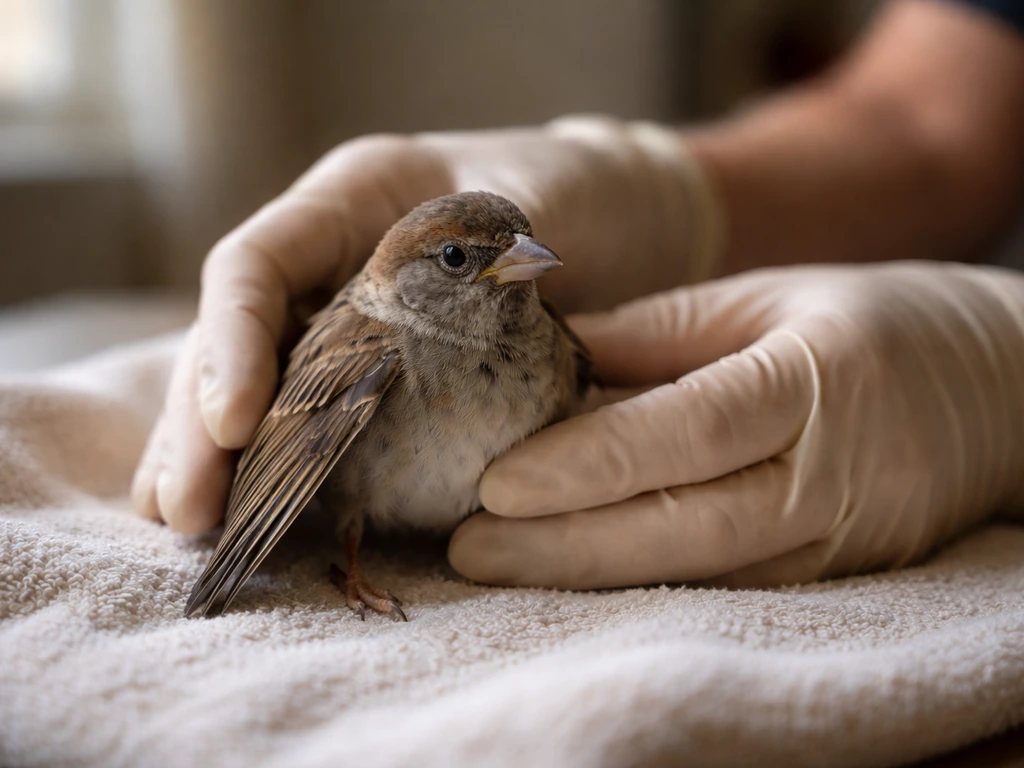
Can a Bird Live With One Wing? Survival and First Aid
Can a bird live with one wing? Injury outcomes and step-by-step first aid, plus when to get urgent help.
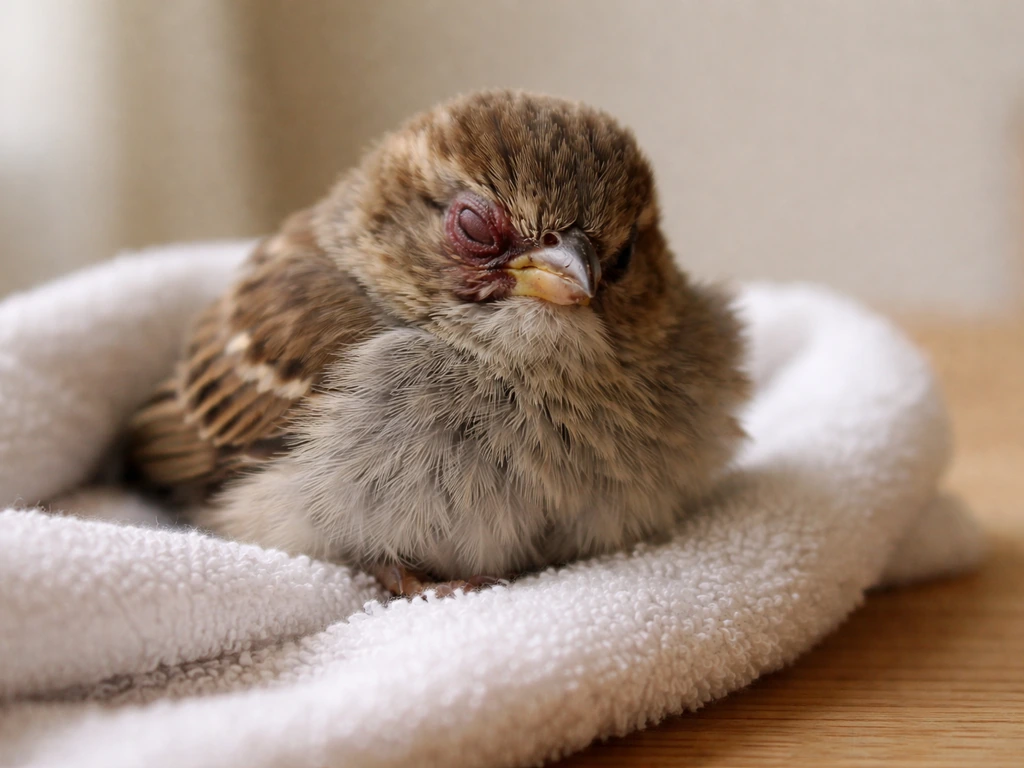
Can a Bird Survive With One Eye? What to Do Now
Learn if birds can cope with one eye and what to do now for an injured bird’s eye safely and urgently.
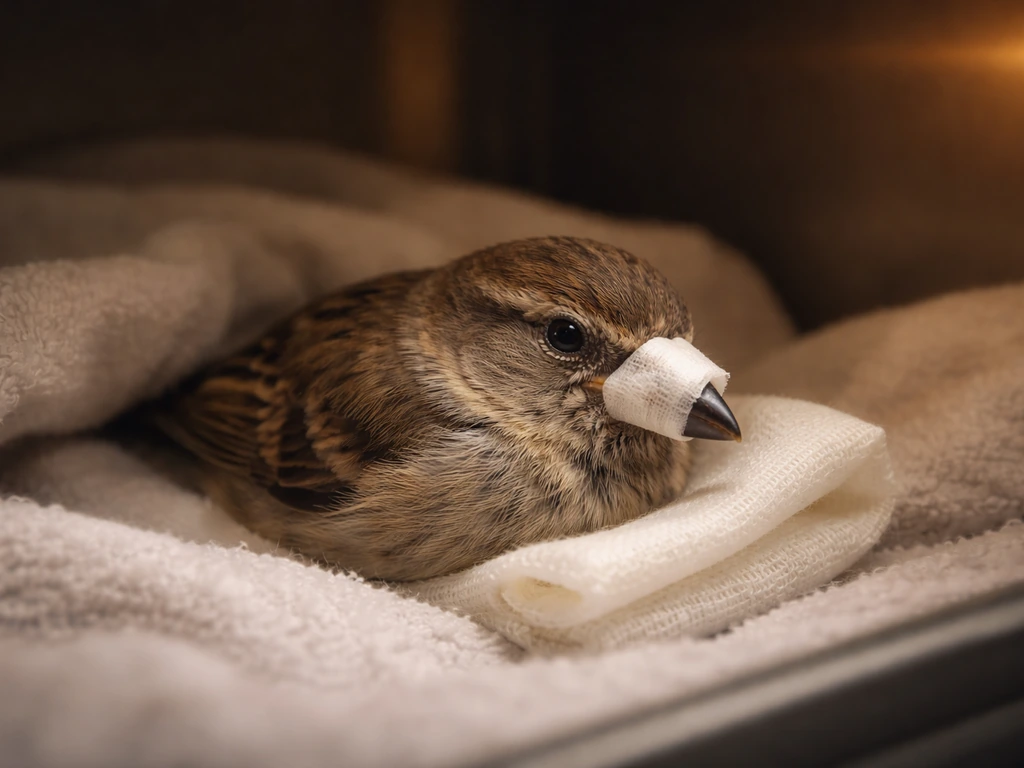
Can a Bird Survive With a Broken Beak? What to Do Now
Learn if a bird with a broken beak can survive, spot danger signs, and do safe first aid until a vet rescues it.