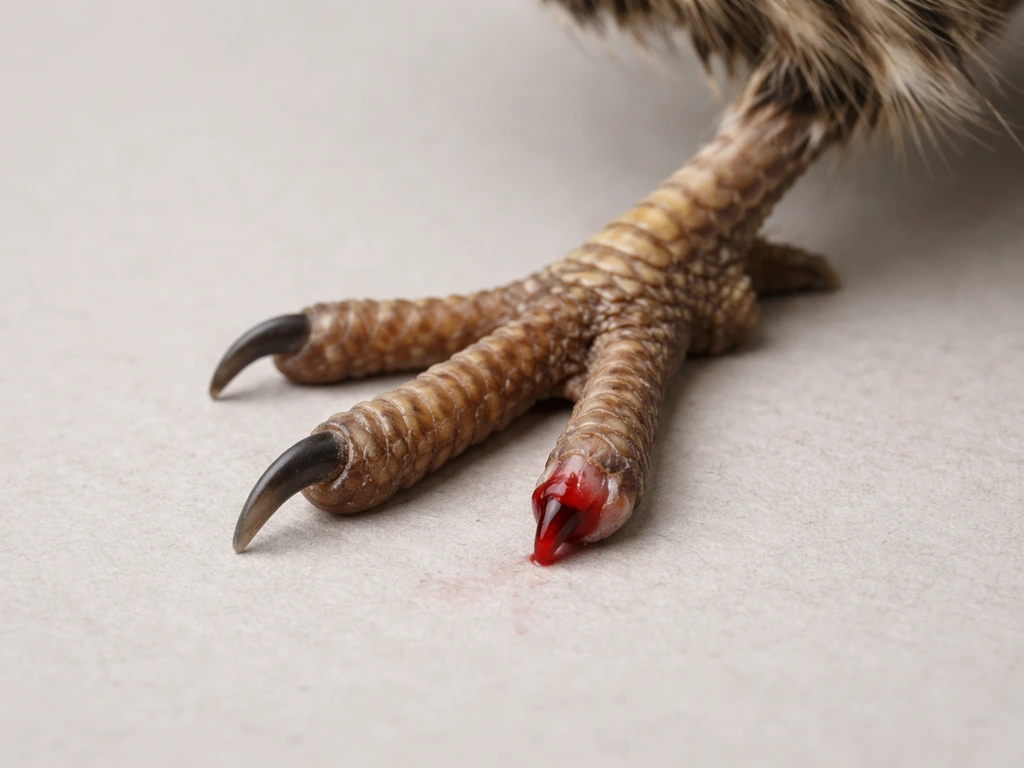
If your bird has a broken nail that's bleeding, press a clean cloth or your fingertip firmly against the sides of the toe (not the tip of the nail) for 2 to 3 minutes. If the bleeding slows or stops, you're in manageable territory. If it's still dripping after 5 minutes despite steady pressure, or if the bird is weak, fluffed up, or sitting on the cage floor, that's your cue to call an avian vet or wildlife rescue right now, not after reading the rest of this article.
Bird Broken Nail Bleeding: First Aid Steps and When to Get Help
Marcus Chen
6 May 2026
Quick triage: is it really just a nail, or something worse?
Before you do anything else, take 30 seconds to look at what you're actually dealing with. A broken or torn nail is the most common foot injury in birds, but it can look a lot like a cracked toe, a puncture wound from a cage wire, or even a deeper fracture. Getting this right matters because the first aid steps are a little different.
Check these things as quickly and calmly as you can:
- Nail only: The nail itself is split, snapped off at the base, or hanging. You might see a small amount of bright red blood at the nail bed. The toe itself looks normal, not swollen or bent.
- Cracked or broken toe: The toe looks bent at an odd angle, is noticeably swollen, or the bird is holding the foot completely off the perch and won't put weight on it at all. This suggests a fracture beyond just the nail.
- Puncture or laceration: There's a hole or torn skin on the toe or foot, possibly from cage mesh, wire, or a cat/dog interaction. These get infected fast and often look worse under the surface than they appear.
- Blood on the cage with no active bleeding: The bird may have already stopped bleeding on its own. This still warrants a closer look, but it's not the same emergency as active dripping blood.
If the toe is bent, the foot is swollen, or the bird was grabbed by another animal, treat it as a more serious injury. A fractured toe or a bite wound from a cat or dog needs a vet today, even if the bleeding seems minor. PetMD notes that cat bite wounds can become seriously infected because mouth bacteria can cause infection and abscesses that often require systemic antibiotics cat saliva can cause rapid, life-threatening infection. Cat saliva in particular carries bacteria that can cause rapid, life-threatening infection in birds within hours.
Immediate first aid: how to stop the bleeding safely
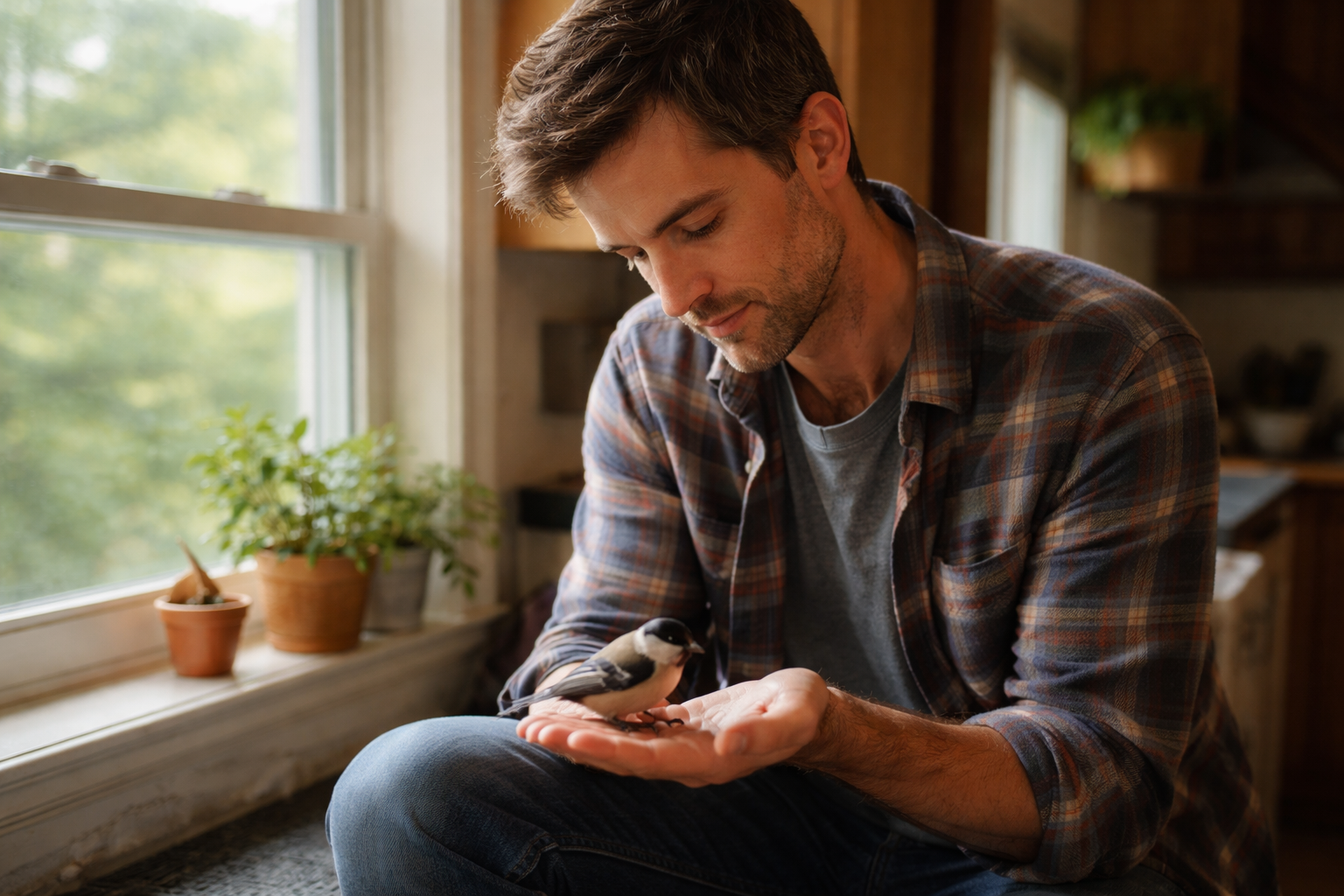
Wrap the bird loosely but securely in a small hand towel. This restrains it gently, protects you from bites or scratches, and helps keep the bird calm. Hold the bird in your non-dominant hand with the towel, leaving the injured foot accessible.
Now apply gentle but firm pressure to the sides of the toe, not directly onto the tip of the broken nail. Pinch lightly with your thumb and finger on either side of the toe, just behind the nail. Hold steady pressure for 2 to 3 minutes without lifting to check. Every time you lift too soon, you restart the clotting process.
If you have styptic powder (Kwik-Stop is the most common brand), apply a small pinch directly to the bleeding nail edge and press gently for 30 to 60 seconds. Styptic powder works by causing the blood vessels to contract and clot faster. It will sting briefly, and the bird may react, so keep your grip secure. Styptic gel works the same way and is sometimes easier to apply. Cornstarch or flour can work as a backup if you have nothing else, though they're less effective. Apply the same way: pinch onto the spot with moderate pressure.
If bleeding does not slow or stop within 5 minutes of consistent pressure, that's not a minor injury. Move to contacting an avian vet or wildlife rescue while you continue applying gentle pressure.
Clean and protect the injured toe
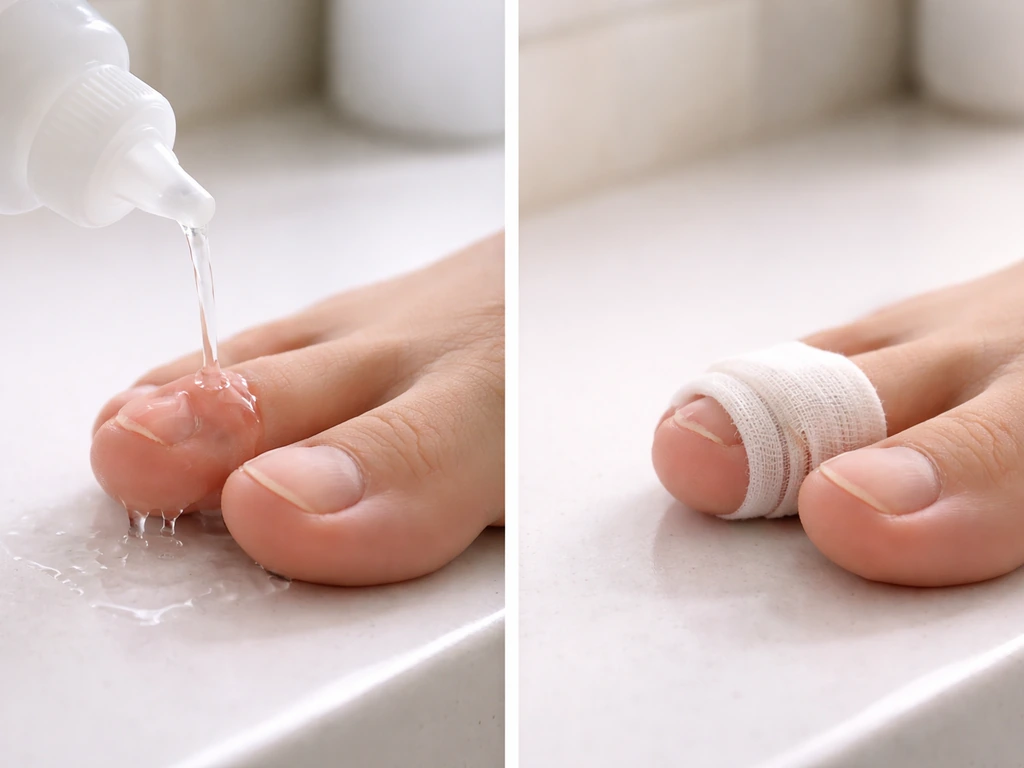
Once bleeding is controlled, rinse the area gently with sterile saline solution or plain clean water. This flushes out debris and reduces infection risk without damaging tissue. If you have diluted chlorhexidine or povidone-iodine solution, you can use a small amount on the wound itself. These are the safest antiseptic choices for birds.
There are a few things you should absolutely avoid putting on a bird's wound:
- Hydrogen peroxide: destroys tissue and slows healing. Do not use it.
- Neosporin, bacitracin, or any antibiotic ointment: oily ointments and salves can mat feathers, disrupt the bird's ability to regulate temperature, and are not recommended without veterinary guidance.
- Petroleum jelly or Vaseline: same problem, keep it away from feathers and wounds.
- Betadine or iodine at full strength: needs to be heavily diluted first (pale gold color, not dark brown) or it damages tissue.
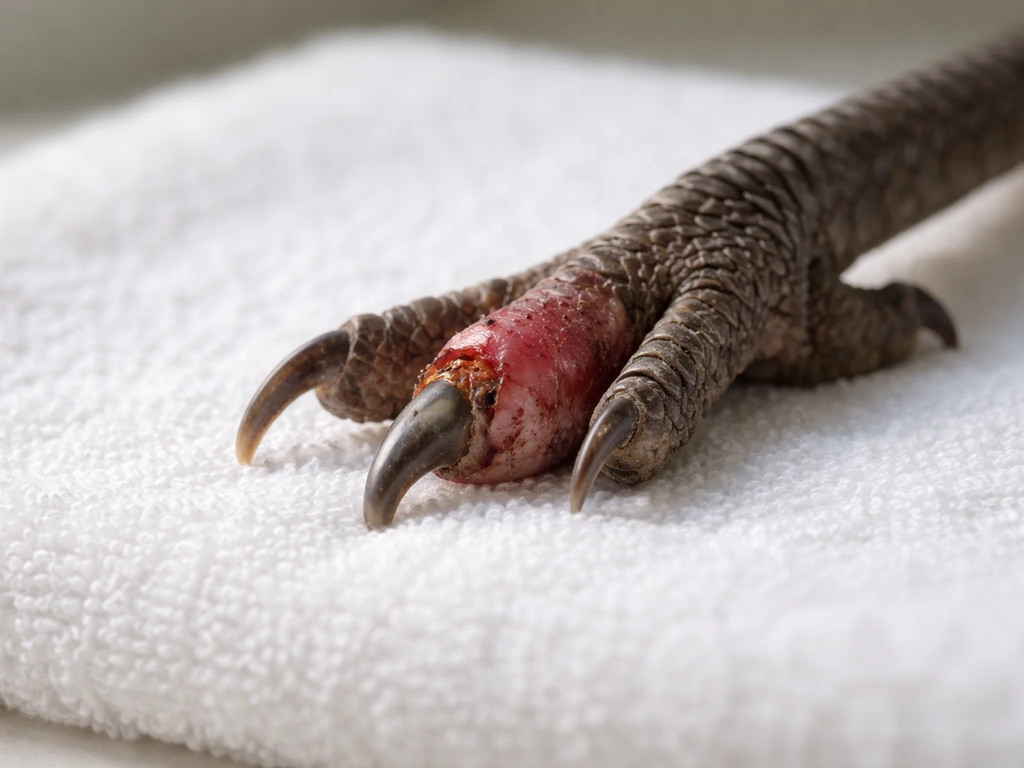
After cleaning, if the nail is fully snapped off and the nail bed is exposed, you can cover it loosely with a small piece of non-stick gauze and a single layer of vet wrap or medical tape, wrapped gently around the toe. If the injury is a broken wing bandage or involves a wing wrap, get the bird checked by an avian vet or wildlife rescue as soon as possible. The goal is protection from dirt and further trauma, not compression. Do not wrap tightly. You should be able to slide the wrap off without force. Check that the toe isn't turning darker (which would indicate the wrap is cutting off circulation).
Keep the bird calm and prevent further damage
Set up what's often called a hospital cage. This doesn't need to be fancy. A small cardboard box or a travel carrier works. Line the bottom with a clean, non-frayed towel (loose threads can snag injured toes again). Remove all perches for now. A bird with a foot injury should rest on a flat, padded surface at ground level so it doesn't have to grip or bear weight on the hurt toe.
Keep the space warm. An ideal temperature range for an injured bird is around 80 to 85 degrees Fahrenheit. A heating pad set to low, placed under half the box (not the whole bottom, so the bird can move away if it gets too hot), works well. Do not use a heat lamp directly over the bird as it can cause burns or overheat the bird without you realizing it. Drape a light cloth over the box to dim the light and reduce visual stress, but make sure there's ventilation.
Keep other pets completely away. Even a curious dog nose approaching the box is enough to spike a bird's stress hormones to dangerous levels. Put the box in a quiet room, away from loud noises, TV, children, and other animals. Minimize how often you open the box to check. Every disturbance delays recovery.
If the bird is a wild bird, the same setup applies, but handle it as little as possible. Wild birds don't tolerate handling the way pet birds sometimes do, and excess stress can be fatal even when the injury itself is manageable.
Pain, shock, and what to watch for in the hours after
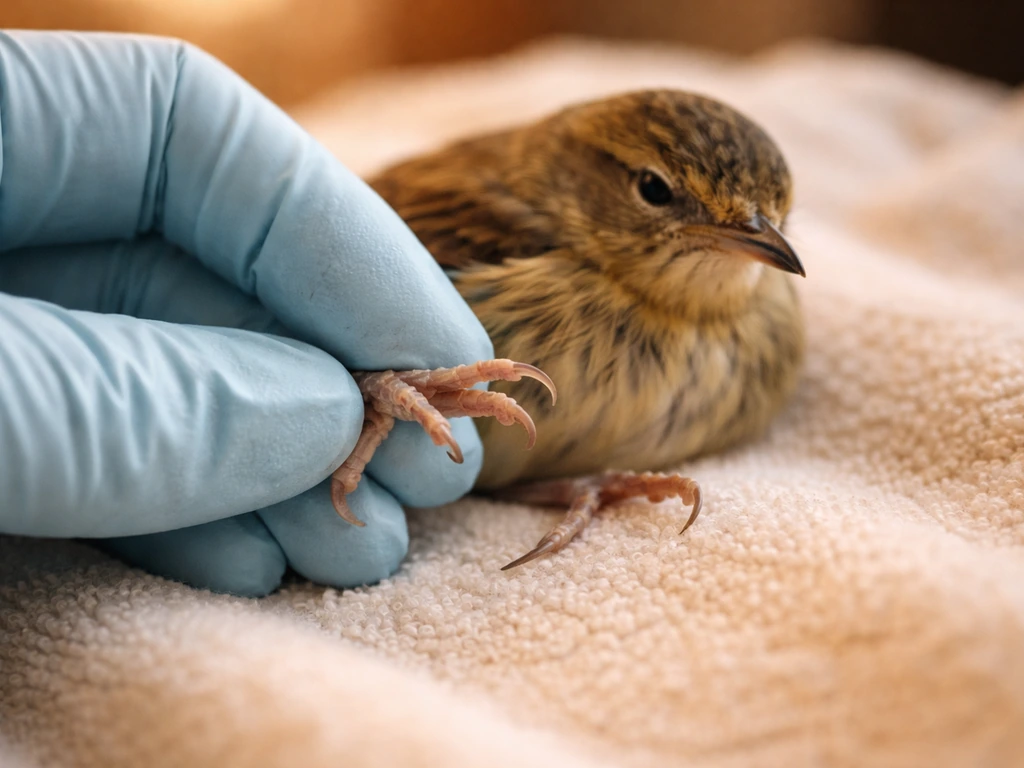
Birds hide pain well, which is a survival instinct that makes it hard to judge how they're really doing. Even after you've controlled the bleeding and settled the bird into a warm, quiet space, you need to monitor it over the next few hours for signs that things are going the wrong direction. If your bird has a suspected broken neck and still appears alive, treat it as urgent and contact an avian vet or wildlife rescue right away bird broken neck still alive.
These are signs of shock in birds. If you see any of them, contact a vet immediately:
- Feathers puffed out and fluffed, not just after a bath
- Sitting on the floor of the box or cage, unable or unwilling to perch
- Extreme stillness or unresponsiveness, not reacting to your approach
- Rapid, labored, or open-mouth breathing
- Cool or cold feet and legs (healthy birds normally have warm feet)
- Pale or bluish coloring at the edges of the beak or around the eyes
- Weakness, wobbling, or falling over
A bird that lost enough blood to show these signs is not stable. The warmth and quiet setup buys time while you get help, but it is not treatment. Blood loss in small birds is serious even in small amounts. A parakeet or finch losing just a few drops represents a much higher proportion of its total blood volume than the same amount would in a dog or cat.
Also keep an eye on the injured foot itself over the next several hours. Swelling that spreads up the toe or foot, darkening of the skin, or discharge from the wound are signs of infection or compromised circulation that need veterinary attention.
When to contact an avian vet or wildlife rescue urgently
Some nail injuries are genuinely minor and manageable at home for a short time. Broken neck treatment is different from foot-injury care, so if you suspect neck injury, call an avian vet or wildlife rescue urgently. Others look minor but aren't. Here's a clear line between the two:
| Situation | What to do |
|---|---|
| Bleeding stopped within 5 minutes with pressure | Monitor closely at home; vet visit recommended within 24 hours |
| Bleeding continues past 5 minutes despite pressure | Call an avian vet or wildlife rescue now |
| Toe is bent, swollen, or clearly fractured | Urgent vet visit today |
| Bird was grabbed or bitten by a cat or dog | Emergency vet visit today, even if wound looks small |
| Bird shows any signs of shock (listed above) | Emergency vet visit immediately |
| Wild bird with nail or foot injury | Contact wildlife rescue now; do not attempt home treatment beyond basic stabilization |
| Wound looks infected (discharge, spreading redness, smell) | Vet visit today |
To find an avian vet, search for 'avian vet near me' or check the Association of Avian Veterinarians directory. You can use the Association of Avian Veterinarians' Find-A-Vet directory to locate an avian veterinarian in your community Association of Avian Veterinarians directory. For wild birds, search 'wildlife rehabilitator near me' or contact your local animal control or nature center. Many wildlife rehab hotlines can give phone guidance while you transport the bird.
Don't let cost be the reason you delay. Explain the situation when you call. Many wildlife rehab organizations treat wild birds for free, and avian vets can often tell you over the phone whether your specific situation is a come-in-now emergency or a next-day appointment.
What to do (and what not to do) at home until you get help
Do these things
- Control bleeding first with firm side-pressure on the toe and styptic powder if available.
- Keep the bird warm (80 to 85°F), dim, and quiet in a small, secure container with a padded flat floor.
- Offer water in a shallow dish once the bird is stable, but don't force it to drink.
- Call ahead to an avian vet or wildlife rescue so they know you're coming and can give you transport guidance specific to your bird.
- Transport the bird in the same small, dark, warm container, covered with a cloth, with minimal stops and conversation in the car.
Avoid these things
- Do not use hydrogen peroxide, full-strength iodine, or oily ointments on the wound.
- Do not wrap the toe or foot so tightly that you restrict blood flow. Check the color of the toe regularly.
- Do not let the bird return to a cage with perches, rough surfaces, or other birds until the foot is healed.
- Do not use a cautery pen or any heat-based device to stop bleeding at home. These tools are for trained professionals only and can cause serious burns.
- Do not attempt to splint or immobilize a suspected broken toe yourself unless you've been specifically instructed by a vet on the phone.
- Do not leave the bird with access to a water bowl deep enough to drown in. Injured birds can fall.
- Do not assume a small, controlled-looking injury means everything is fine internally. What looks like a nail injury can sometimes involve deeper tissue damage or bone.
If you're dealing with a bird that has other injuries alongside the broken nail, such as a wing held low and loose, a leg that looks fractured, or a bird that hit a window before you noticed the nail, those injuries change the priority. Foot and nail injuries in birds often go hand-in-hand with other trauma from falls, impacts, or predator encounters, and the full picture matters more than any single wound.
The most important thing you can do in the first 30 minutes is stay calm, control the bleeding, get the bird warm and quiet, and make the phone call. You don't have to have all the answers yourself. That's what avian vets and wildlife rehabilitators are there for. If you're wondering what to do when a bird breaks its wing, treat it as potentially serious and get professional help right away.
FAQ
My bird’s broken nail is bleeding, but I can see a nail fragment. Should I pull it off?
Do not remove any trapped debris or nail fragments yourself. If you see a piece of nail still attached or something embedded in the nail bed, rinse gently with sterile saline or clean water, then cover loosely with non-stick gauze and seek avian vet or wildlife rescue guidance.
I don’t have styptic powder or gel. Will cornstarch stop bird nail bleeding safely?
Flour or cornstarch can help in a pinch, but it can leave residue and may not stop bleeding as reliably as styptic products. If you start with cornstarch and the bleeding is still present after 5 minutes of steady pressure, switch to contacting a vet or wildlife rescue while continuing pressure.
Can I wrap a bleeding toe after I stop the bleeding, and how tight should it be?
Yes, but only as long as you keep the bird warm and check circulation and comfort. If the wrap is too tight, the toe can darken or the bird may stop using the foot. Loosen or remove it if you notice discoloration, swelling that worsens, or increased distress, and get professional advice.
What should I do if the nail is fully snapped off and the nail bed is exposed?
If the nail is completely snapped off and the nail bed is exposed, loosely cover with non-stick gauze and a gentle wrap, mainly to prevent dirt and further trauma. Do not use tight bandaging or anything that hardens into a shell, because it can restrict movement and circulation.
Is it okay to use hydrogen peroxide or rubbing alcohol on a bleeding bird nail?
Avoid alcohol, hydrogen peroxide, and essential oils on avian wounds. They can damage tissue or irritate the bird, and they may delay healing. Stick to sterile saline or plain clean water for rinsing, and only use diluted chlorhexidine or povidone-iodine on the wound if you have it.
The cloth soaks through. Should I keep lifting to check or just reapply pressure?
If your bird bleeds through the first cloth or gauze, do not repeatedly remove and re-check. Apply steady pressure again using fresh clean material for another interval, and reassess the 5-minute threshold. Persistent dripping beyond that point means urgent professional input.
If the bleeding stops, do I still need to monitor the toe later? What changes are concerning?
Even if the bleeding stops, reassess the toe within the next several hours. Look for spreading swelling, skin darkening, discharge, foul odor, or the bird refusing to bear any weight on the foot. These can indicate infection or circulation problems and warrant veterinary care.
Can I give my bird ibuprofen, aspirin, or other human pain medicine for the broken nail?
Do not give pain-relieving human medications unless an avian vet specifically instructs you. Many common painkillers are unsafe for birds due to metabolism differences. If you need relief, call for professional guidance rather than trying leftovers at home.
I was told to “restrain firmly.” How do I hold my bird without making the injury worse?
Yes, grabbing can worsen injuries, especially if the toe is bent, swollen, or there was any bite or fall. Handle gently, keep the injured foot accessible, and use a towel restraint to reduce flailing without squeezing the toe area.
My bird keeps trying to grip the perch after a nail injury. Should I remove all perches?
Remove perches and keep the foot from gripping. Provide a flat, padded, ground-level rest area so the injured toe is not constantly bearing weight. If it still seems to press hard on the injury, adjust the setup and seek help.
How do I know it’s more than a nail injury and could be shock?
If you see weakness, fluffed posture, sitting on the cage floor, pale skin, cold extremities, or rapid worsening, treat it as urgent. For small birds, small amounts of blood loss can be critical, so contact an avian vet or wildlife rescue right away even if the nail bleeding looks “not that much.”
What should I do differently for a wild bird with a bleeding broken nail?
If it’s a wild bird, minimize handling and keep it warm and quiet in a carrier with ventilation, then contact a wildlife rehabilitator or local animal control/nature center. Wild birds can deteriorate quickly from stress, so prioritize a safe containment setup and timely phone guidance.