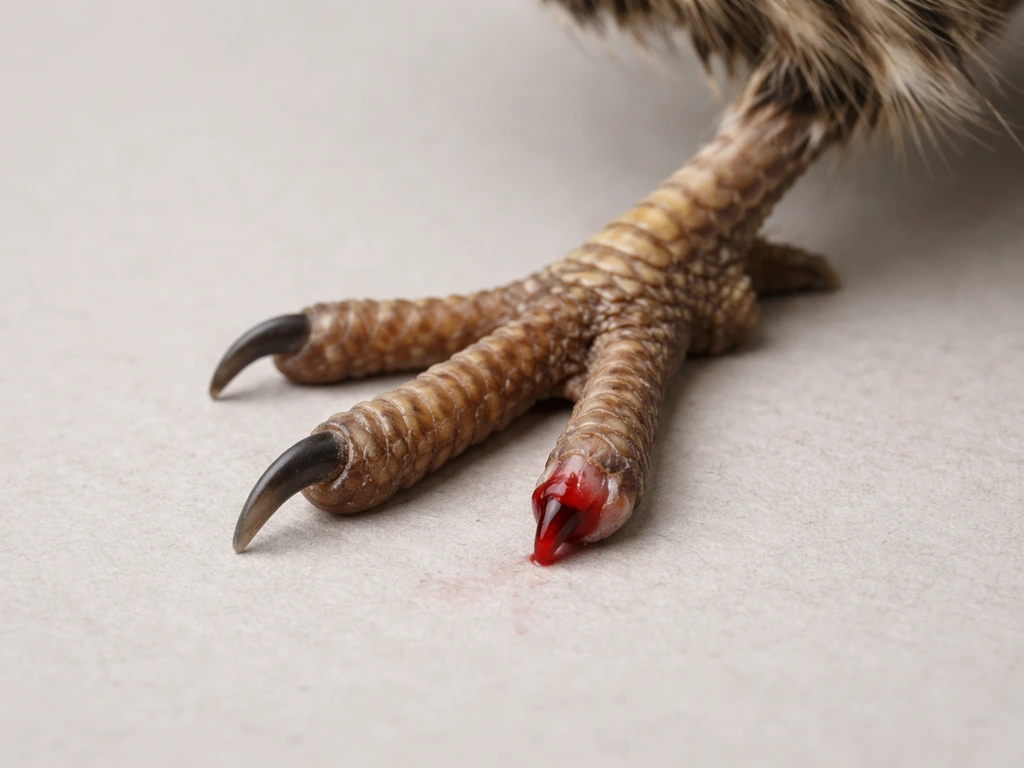
Treating a bird's broken leg typically costs anywhere from $150 to $500 for straightforward splinting cases at a wildlife rehab center or low-cost avian clinic, and $500 to $3,500 or more if surgery, advanced imaging, hospitalization, or specialist care is involved. If you've found a bird and can't afford a vet right now, there's a very real path forward: wildlife rehabilitation centers often treat wild birds for free or at no cost to you.
Bird Broken Leg Cost: What It Usually Costs and What to Do Now
Marcus Chen
11 May 2026
Animal Help Now’s quick guide also explains its referral process for getting wildlife emergencies to the appropriate rehabilitator [real path forward: wildlife rehabilitation centers often treat wild birds for free or at no cost to you. ](https://www. ahnow. org/resources/AnimalHelpNowQuickGuide-HowItWorks_low-res.
pdf). In rare emergency cases, some birds with broken neck injuries can still survive with prompt specialized care and careful handling bird broken neck still alive. The first thing to do, before worrying about cost, is get the bird into a dark, warm, quiet box and make some calls. Everything below will walk you through exactly how.
Is it actually a broken leg? Signs to look for
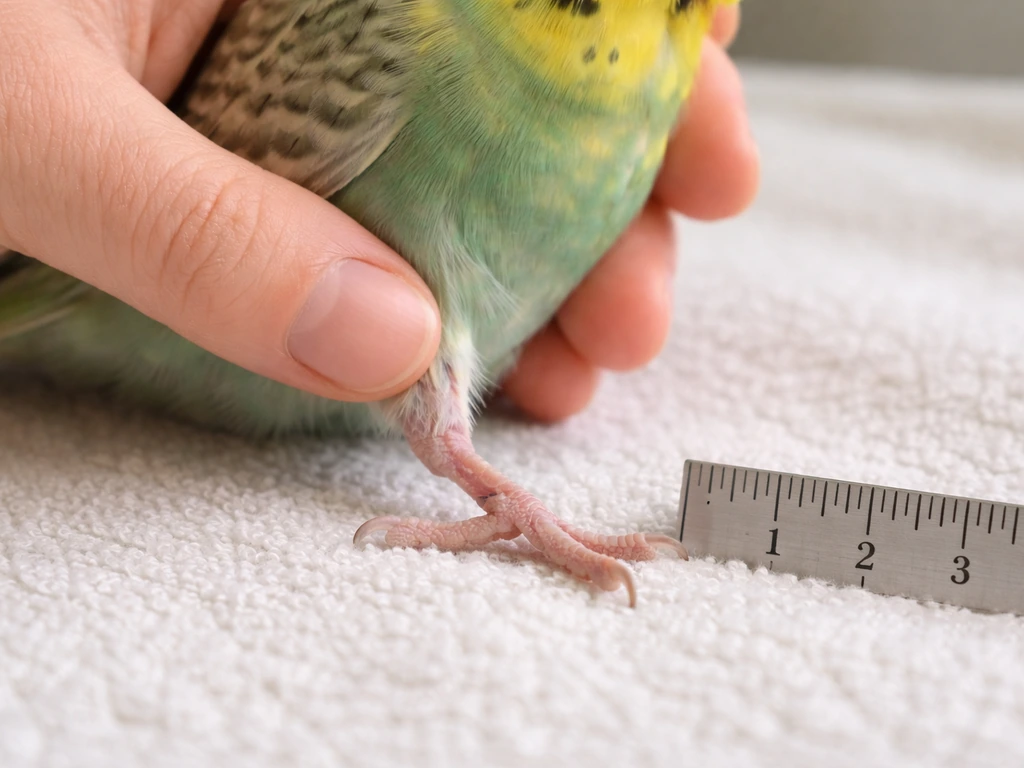
A broken leg in a bird doesn't always look dramatic. Sometimes there's an obvious deformity or a limb hanging at a wrong angle, but often you're just watching a bird that won't put weight on one leg, is sitting very still on the ground, or keeps one leg tucked up while the other looks normal. These are all worth taking seriously.
Here are the clearest signs that suggest a leg fracture or serious leg injury rather than something minor:
- The bird is completely non-weight-bearing on one leg and won't use it at all
- The leg or foot is twisted, angulated, or pointing in a direction it shouldn't
- Visible swelling, bruising, or a lump along the leg or around a joint
- An open wound near the leg, or exposed bone (this is a compound/open fracture and is urgent)
- The foot looks cold, dark, or discolored compared to the other one
- You can hear or feel a faint crackling when the leg moves (called crepitus)
- The bird is on the ground and can't or won't fly away when approached
One practical field check from wildlife rehab: gently pinch a toe on the injured leg. If the bird still pulls back even slightly, there's often still nerve and blood supply intact, which is a better sign than total limpness. That said, this doesn't rule out a fracture. It's also worth knowing that limping doesn't automatically equal a break. Bumblefoot (a pressure sore on the foot), a sprain, a dislocation, or even a toe wound can look similar from the outside. That's exactly why an avian vet or wildlife rehabber needs to assess it. Wild birds also instinctively hide pain when people are nearby, so if a bird is letting you get close, that alone signals something is seriously wrong.
What to do right now, before anything else
If you've just found the bird, your job in the next 10 minutes is simple: contain it safely without making things worse. Here's how to do that.
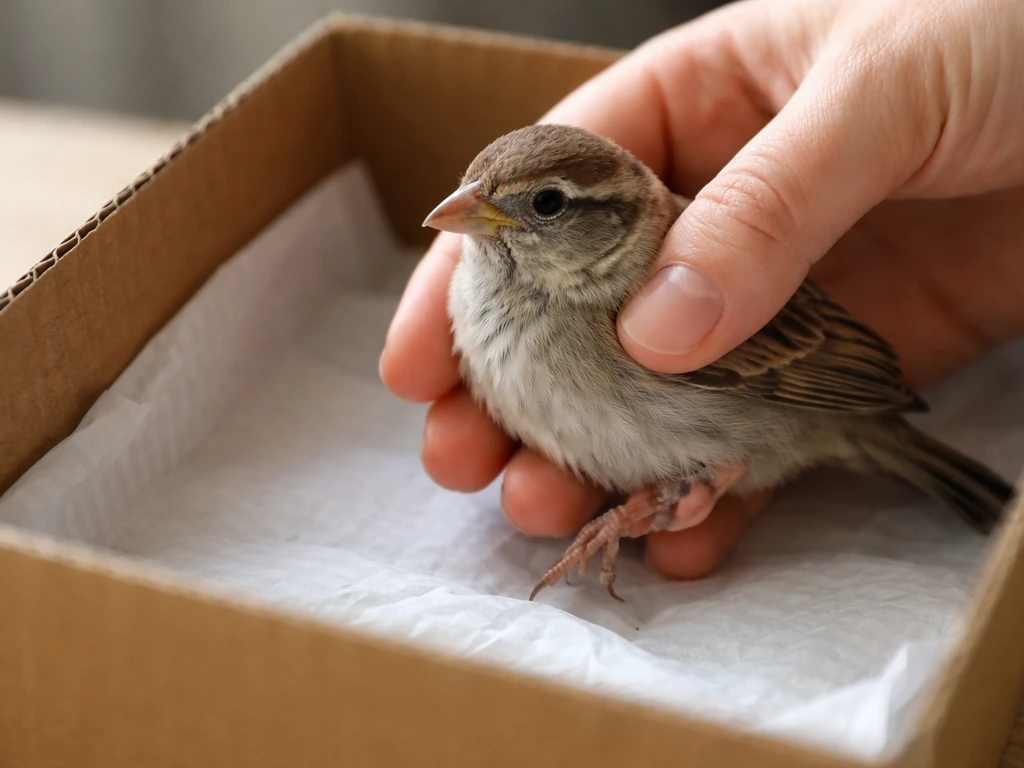
- Get a cardboard box or shoebox and line it with a cloth, paper towel, or a handful of tissue. The box should be big enough for the bird to sit comfortably but not so large it can thrash around.
- Punch a few small air holes in the sides or lid for ventilation, then put the lid on. Darkness calms birds significantly and reduces stress on the body.
- Place the box somewhere warm, around 80–85°F if possible. A warm room works. You can place a hand warmer or a sealed bottle of warm water under half the box so the bird can move away from it if it gets too warm. Do not use a heating pad directly under the bird.
- Do not offer food or water. This is counterintuitive but important. Feeding the wrong thing (or feeding a stressed, injured bird at all) can cause choking or aspiration, or make things medically worse.
- Do not attempt to splint or bandage the leg yourself. Improperly applied splints cut off circulation and cause more damage than the original injury.
- Minimize handling. Every time you pick up or check on the bird, you're adding stress that can push a fragile bird into shock.
- Now make your calls while the bird rests in the box.
If there is active bleeding from the leg area, you can apply very gentle pressure with a clean cloth, but do not wrap tightly. For similar emergency bleeding situations, see bird broken nail bleeding for first-aid steps active bleeding. An open (compound) fracture with exposed bone or heavy bleeding is an emergency: don't wait, go directly to the nearest wildlife hospital or avian vet.
What drives the cost of treating a bird's broken leg
The final bill depends on a surprising number of variables, and understanding them helps you ask smarter questions when you call ahead. Here's what actually moves the number.
The initial exam and diagnostics
Every case starts with an exam. An avian vet will assess the bird's overall condition, not just the leg, because a bird hit by a car or attacked by a cat may have internal injuries that aren't visible. X-rays (radiographs) are usually needed to confirm the fracture, see how many pieces the bone is in, and check alignment. Expect to pay roughly $75 to $150 for X-rays alone, on top of the exam fee. Exotic Vet Finder estimates a routine exotic vet exam typically runs about $75 to $250, with emergency or more complex cases costing more $75 to $150 for X-rays alone. Some clinics bundle these.
Splinting vs. surgery
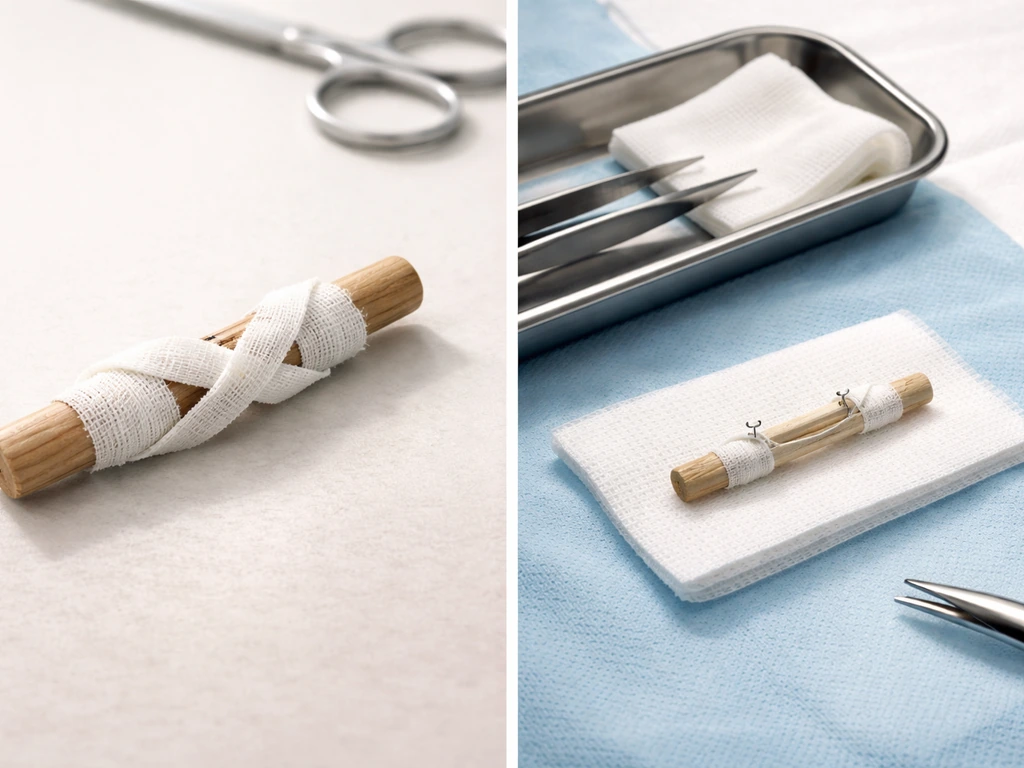
A clean, simple fracture in a small bird can often be managed with external coaptation: a lightweight splint or figure-eight bandage that immobilizes the bone while it heals. If the injury involves a broken wing, the bandage approach is similar, but a rehab-trained team should guide the exact wrapping and immobilization a lightweight splint or figure-eight bandage. This is the lower-cost path.
More complex fractures, displaced breaks, compound fractures, or fractures close to a joint often require surgical repair with pins or wires. Surgery adds sedation/anesthesia costs on top of the procedure itself, and hospitalization may follow. For context, splinting alone at a private avian vet might run $300 to $900, while a surgical case can push $1,200 to $3,500 or beyond depending on the clinic and the complexity.
Pain control and medications
Pain medication, antibiotics (especially if there's a wound), and anti-inflammatory drugs are almost always part of treatment. These add to the total but are not optional for bird welfare or recovery success.
Species size and anatomy
A tiny songbird and a large crow or raptor are not the same surgical or handling challenge. Larger birds sometimes need more sedation, larger implants, and more intensive post-op monitoring. Raptors in particular often require specialist wildlife vets.
Urgency and location

Emergency or after-hours care costs more than a scheduled appointment, sometimes significantly. Geographic location also matters: urban clinics in high cost-of-living areas generally charge more than rural ones. If you're in a major metro area, expect costs toward the higher end of any range.
Rehab and follow-up
After the bone is stabilized, the bird often needs a period of restricted movement and monitoring before it can be released or returned to full activity. For pet birds, this may include follow-up vet visits. For wild birds at a rehab center, this is usually built into their care.
Real cost ranges: avian vet vs. wildlife rehab
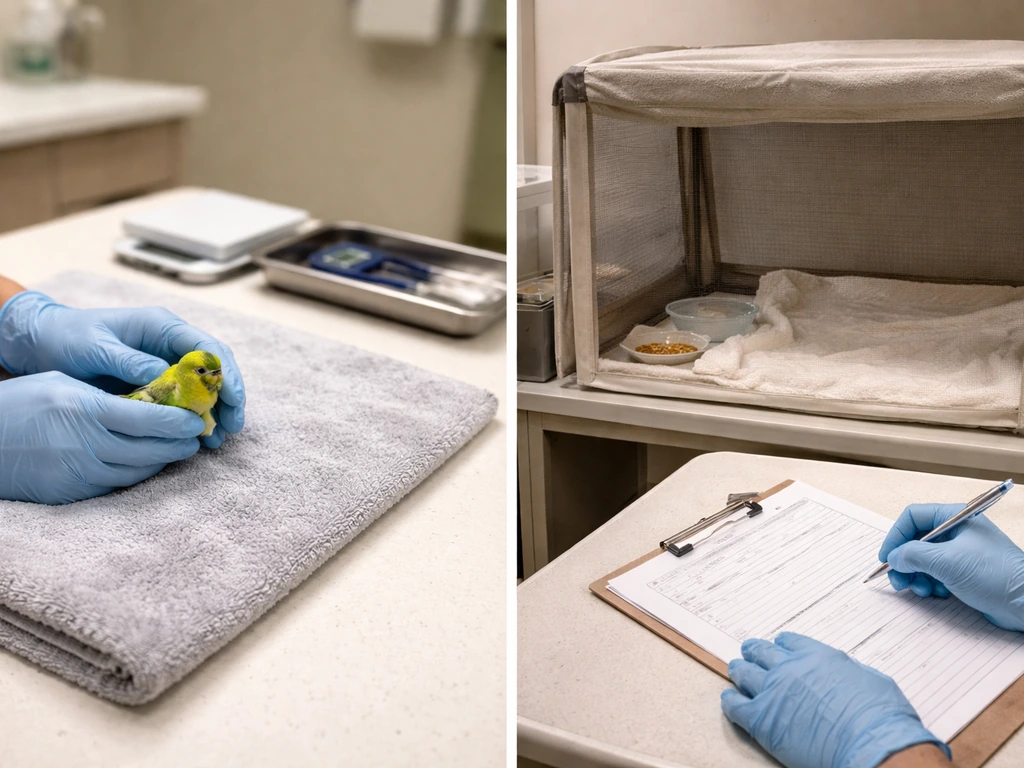
| Provider type | Typical cost to you | Best for |
|---|---|---|
| Wildlife rehabilitation center (licensed) | $0 to low donation (often free for wild birds) | Wild birds: songbirds, raptors, waterfowl |
| Low-cost or humane society avian clinic | $75 to $400 depending on services | Wild or pet birds, budget-conscious owners |
| Private avian veterinarian (simple fracture) | $200 to $900 | Pet birds, or wild birds if rehab is unavailable |
| Private avian vet (surgical/complex fracture) | $1,200 to $3,500+ | Severe breaks, compound fractures, large birds |
| Emergency exotic/avian clinic (after hours) | $300 to $5,000+ depending on severity | When no other option is available after hours |
If the bird is wild (a house sparrow, pigeon, robin, hawk, etc.), a licensed wildlife rehabilitator is almost always your best first call. They are trained specifically in wild bird care, they operate under state or federal permits, and they typically don't charge you for treatment of wild birds. Your cost is usually just transportation to get the bird there.
If the bird is a pet (a parrot, cockatiel, canary, or other companion bird), you'll need an avian vet, and you should plan for the costs in the private vet range above. For a cockatiel-sized bird with a simple leg fracture requiring splinting, a realistic budget is $300 to $700 at a typical private avian clinic. Budget more if imaging shows the fracture is complex or if surgery is needed.
How to get a cost estimate fast: who to call and what to say
Don't wait until you're standing at a vet's front desk to ask about cost. Call ahead, describe the situation clearly, and ask directly. Most clinics and rehab centers will give you a rough estimate or at least a range over the phone. Here's how to do it efficiently.
For a wild bird
- Go to animalhelpnow.org or call your state's wildlife agency. These connect you to the nearest licensed wildlife rehabilitator, often within minutes.
- Search 'wildlife rehabilitator near me' or 'bird rescue [your city]' for local options.
- Call and say: 'I have a [small/medium/large] wild bird with what looks like a broken leg. It cannot walk or perch on one leg. What should I do and can you take it?' Ask if they accept the species you have.
- Ask about transport: many rehab centers can point you to volunteer transport networks if you can't drive the bird yourself.
For a pet bird
- Search 'avian vet near me' or the Association of Avian Veterinarians directory (aav.org) for board-certified specialists.
- Call and say: 'My [species] has a suspected broken leg. It's non-weight-bearing and [describe any other signs]. What is your exam fee, and what would X-rays and splinting typically cost? Do you require payment upfront?'
- Ask specifically: 'Do you have payment plans or do you accept CareCredit?' Many avian vets do.
- If the clinic sounds expensive, ask if they can refer you to a lower-cost option or a wildlife rehab that might assist.
When it's an emergency and when you can wait a little
Go now, don't wait for a callback, if the bird has any of these:
- Exposed bone or an open wound on the leg (compound fracture)
- Heavy or uncontrolled bleeding
- Trouble breathing: open-mouth breathing, tail bobbing, labored chest movement
- The bird is unconscious, unresponsive, or lying on its side
- The foot is visibly dark, cold, or the circulation looks cut off
- The bird is clearly in severe distress or deteriorating rapidly
If the bird is stable, contained in its box, and breathing normally, you have a short window to make calls before heading out. A bird resting quietly in a dark, warm box is in a much better state than one being repeatedly handled while you figure out logistics. Use that window to line up the right destination before you drive anywhere.
On recovery: a simple leg fracture in a small bird can heal in 2 to 4 weeks with proper immobilization and care. More complex fractures, especially those requiring surgery, may take 6 to 10 weeks of restricted movement and follow-up before the bird can bear weight normally.
Some birds with severe compound fractures may ultimately need amputation if the bone or blood supply is too damaged, which sounds alarming but many birds actually adapt well and can still be released or live comfortably. Delaying care always makes outcomes worse and often makes treatment more expensive, because infections, circulation loss, and bone displacement worsen quickly. Getting prompt bird broken neck treatment can make a major difference in outcomes when the injury is severe broken leg.
Lower-cost options and ways to get the bird help even if you can't pay
Cost should not be the reason a bird doesn't get care, because there are real options even when money is tight. If you are dealing with a bird wing injury instead of a leg injury, the safest steps are similar: keep it warm, contained, and get expert help as soon as possible.
- Wildlife rehab centers treat wild birds at no charge to the finder in most cases. This is the single biggest cost-saver available.
- Surrender to a licensed rehabilitator: if you genuinely cannot transport the bird or afford any care, you can surrender it to a rehab center and they take it from there. You don't need to stay involved or pay.
- Volunteer transport networks: many states have bird rescue transport volunteers who will come to you or meet you partway. Ask any rehab center about this when you call.
- Humane societies and SPCAs in some areas have low-cost or subsidized exotic/avian clinics, particularly in larger cities.
- Payment plans and CareCredit: if you have a pet bird, ask every clinic upfront about financing. Many avian vets offer CareCredit or in-house payment plans.
- Avian rescue organizations: groups like parrot rescues sometimes have vet partnerships or can point you to discounted care for companion birds.
- Ask about a reduced-cost exam only: some vets will do a triage exam at a lower fee to at least confirm the injury type and give you options before committing to a full treatment plan.
If you found a wild bird and are worried about the cost of taking it anywhere, remember: the moment you hand a wild bird to a licensed rehabilitator, the financial responsibility is theirs, not yours. When you encounter injured wildlife, Animal Help Now says it connects people to the closest wildlife emergency helpers or rehabilitators and other experts. You are not obligated to fund its treatment. Your role is just to get it there safely.
One last note on timing and cost: every hour a bird with a broken leg goes without care is an hour its condition can deteriorate. Open fractures get infected. Bone fragments shift. Circulation gets cut off to the foot. What might have been a $300 splinting case at 8am can become a $1,500 surgical case by evening. Acting today, even if that just means making the right call and lining up transport, is the most cost-effective thing you can do.
FAQ
How can I get a more accurate bird broken leg cost estimate over the phone?
Many clinics and rehabbers will not finalize a total price without imaging, but they can usually quote a low, likely, and high scenario (splint only, splint plus meds, surgery plus imaging). When you call, ask what is included in the estimate (exam, radiographs, pain meds, bandage supplies) and whether a deposit is required before treatment starts.
Can I stabilize a broken leg myself to reduce the bird broken leg cost before seeing a vet?
For a suspected fracture, it is usually fine to transport the bird in a secure, dark, warm box and keep handling to a minimum until you arrive. Avoid applying splints yourself, using tape too tightly, or giving human painkillers, because both swelling and incorrect immobilization can worsen circulation or alignment.
Will splinting always be the cheaper option, or could it be unnecessary?
Yes. Immobilization alone sometimes works for minor sprains or dislocations, but you cannot tell fracture versus other injury by appearance. That is why clinics often recommend X-rays even when the budget is tight, because a sprain or bumblefoot may need different treatment than a fracture.
When is a bird broken leg an emergency, not a “call tomorrow” situation?
If there is exposed bone, heavy bleeding, or the bird is weak, cold, or not breathing normally, treat it as an emergency and go immediately. Waiting to schedule during business hours can turn a potentially manageable case into a higher-cost one due to infection risk and shifting bone fragments.
What should I ask about payment plans or assistance to lower bird broken leg cost?
Ask the clinic whether they can treat first and bill later, or whether they offer payment plans or social assistance for emergency wildlife cases. If the bird is wild, also ask if the service is permit-based and whether you only pay transportation, since many licensed rehabbers cover treatment for wild birds.
Why does the bird broken leg cost vary so much for injuries that look similar?
Birds with fractures near a joint often require more precise immobilization and may need different hardware than shaft fractures. That complexity can increase both imaging time and surgical difficulty, so cost usually rises even if the external wound looks small.
Should I feed or give water to a bird with a broken leg while I’m getting help?
Avoid feeding or watering by force. In many cases, the clinic will assess hydration and pain control first, and sedation or anesthesia planning may affect timing for any feeding. For transport, focus on warmth, darkness, and minimal movement rather than food.
How do I choose between a wildlife rehabilitator and an avian vet to manage bird broken leg cost?
If you have more than one option nearby, compare the type of provider: a licensed wildlife rehabilitator for wild birds versus an avian vet for pets. This can meaningfully change cost, because rehab centers often treat wild birds at no charge to you and may coordinate release or follow-up as part of their program.
What’s the most cost-effective thing I can do if I’m short on money today?
For wild birds, delays can increase deterioration, but your best “cost-effective” move is still prompt transport and correct containment. Carry the bird in a secure box to prevent repeated handling, then call en route. For pets, the cost rises quickly with delays, so aim for same-day evaluation if possible.
If amputation is mentioned, does it always mean the bird will die or need expensive long-term care?
Even when amputation is recommended for severe compound fractures or compromised blood supply, it may still be compatible with good quality of life for some birds. The immediate goal is resolving infection and restoring stable circulation, and rehab follow-up may focus on how the bird will perch and balance afterward.
Is there a safe time window to call about cost before I bring the bird in?
If the bird is warm, breathing normally, and contained, you can usually make a few key calls before driving. However, do not let the bird stay out in temperature swings or be handled repeatedly while you wait for quotes. A better plan is: contain, call ahead, and confirm arrival instructions immediately so you do not waste time.
Which parts of bird broken leg cost are negotiable or more variable, and which are not?
Yes, some costs are easier to control than others. You can ask whether bandage-only management is appropriate while awaiting imaging, whether radiographs are bundled with the exam, and whether follow-up visits are scheduled and priced up front. You cannot usually cut anesthesia, pain control, or antibiotics, because those directly affect recovery.
Next Article
Bird Broken Nail Bleeding: First Aid Steps and When to Get Help
Step-by-step first aid for a bird with a broken, bleeding nail: stop bleeding, clean safely, protect foot, spot red flag