
Yes, a bird can live with one leg. It is not comfortable, it is not ideal, and it depends heavily on the species, the severity of the injury, and the care it receives. But it is genuinely possible. Birds are remarkably adaptable, and one-legged birds have been documented surviving both in the wild and in captivity for years. A bird with no legs faces much longer odds, but even that is not automatically a death sentence depending on circumstances. The most important thing right now is not to panic, and to understand what you are actually dealing with before you do anything.
Can a Bird Live With One Leg? What to Do Right Now
Marcus Chen
8 Apr 2026
Can birds live with one leg, and what does "survive" actually mean?
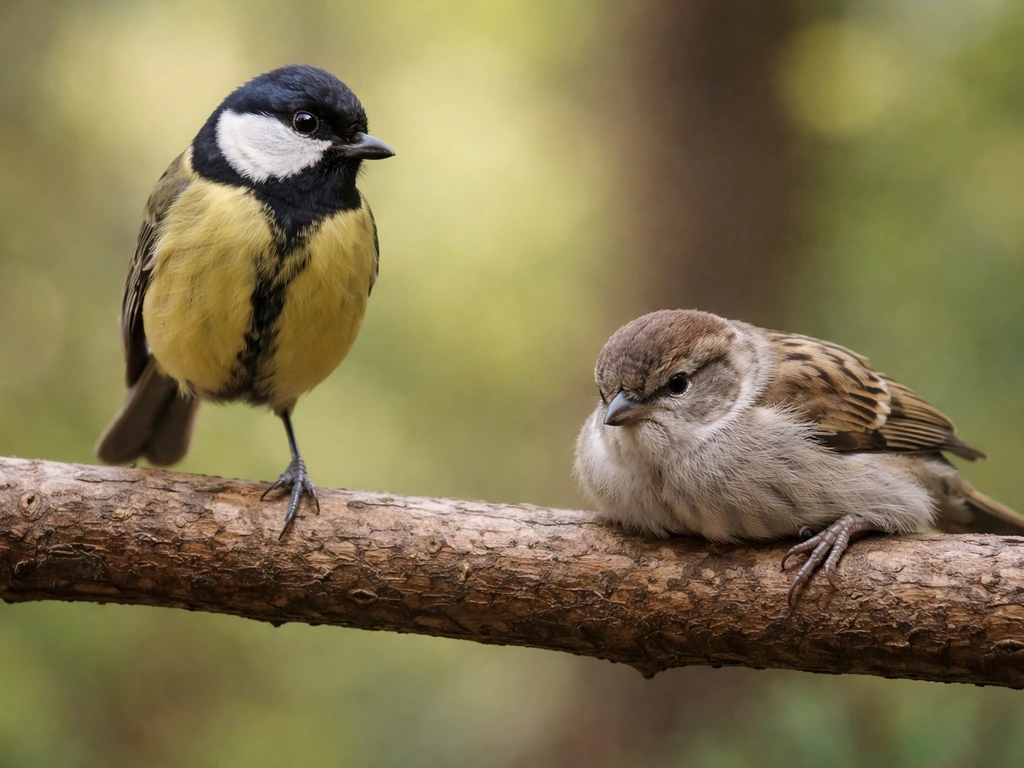
When people ask whether a bird can survive with one leg, they usually mean two different things without realizing it. The first is biological survival: can the body keep going? The second is quality of life: can this bird actually feed itself, stay balanced, avoid predators, and live without constant pain? Both questions matter, and the honest answer is different for each.
Biologically, yes. Birds that lose one leg at the foot or ankle level often adapt with time. Perching birds can grip a branch with one foot and tuck the other against their body. Waterfowl and wading birds commonly manage with one functional leg. Raptors are trickier because they rely on their talons for hunting, but even there, documented cases exist of birds surviving partial limb loss in the wild. A Harris' Hawk was recorded surviving in the wild after losing half a wing and one of its hallux toes, which shows just how much birds can compensate when the core injury leaves some function intact.
Quality of life is where it gets complicated. A bird that is in chronic pain, cannot reach food or water, or cannot maintain balance long enough to rest is not truly "surviving" in any meaningful sense. This is why the species matters so much. A small songbird missing one leg may hop and perch well enough to thrive in a protected sanctuary. A ground-feeding shorebird missing one leg in the wild is in a far more difficult position. When wildlife rehabilitators evaluate a one-legged bird, they are asking: can this animal have a reasonable quality of life, or is humane intervention a kinder outcome? That is not a question you need to answer yourself, but it is the right question to hold in mind.
What about a bird with no legs at all?
This is rare, but it does happen. A bird with no functional legs cannot perch, cannot stand, cannot self-groom effectively, and will struggle to access food and water without direct human support. Long-term survival without intensive care is very unlikely. That said, "very unlikely" is not "impossible," and species-level differences matter. The USGS documented a female American Kestrel that survived what amounted to a double amputation at the hindlimb and foot level, which is about as extreme a case as you can find. That bird survived because it received professional care.
If the bird in front of you has lost or severely damaged both legs, your job is not to assess prognosis. Your job is to contain the bird safely, keep it warm and quiet, and get it to a wildlife rehabilitator or avian vet as fast as possible. The outcome question is theirs to answer with proper tools and training.
How to figure out what you are actually looking at
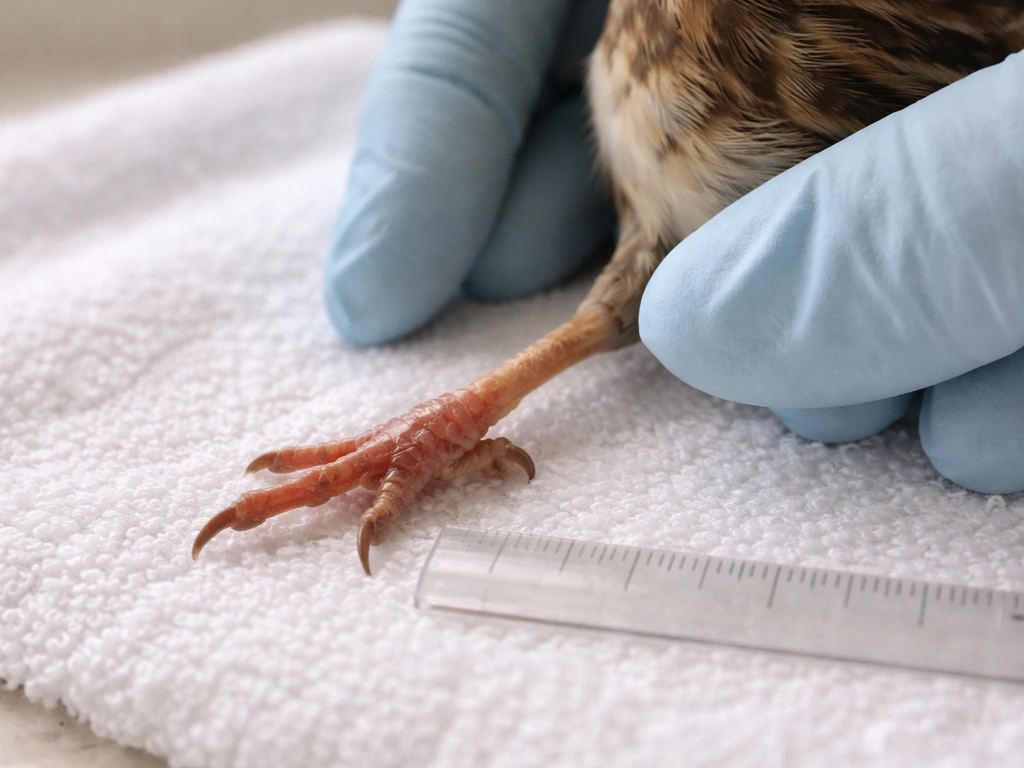
Not every leg injury is the same, and what you observe will help the vet or rehabilitator enormously. You do not need to diagnose the bird yourself, but a quick visual assessment before you handle it is useful. Here is what to look for from a safe distance first.
Break vs. dislocation vs. nerve damage vs. amputation
| What you see | What it likely means | Urgency level |
|---|---|---|
| Leg hanging at an abnormal angle, bird not bearing weight | Fracture (broken bone) | High: vet same day |
| Leg swollen at the joint, not dangling but clearly painful | Dislocation or joint injury | High: vet same day |
| Leg dragging, bird has no pain response in the limb, toes do not curl | Nerve damage (could be from a collision or spinal injury) | High: may affect whole body |
| Partial or complete absence of the foot or lower leg, wound visible | Traumatic amputation or partial amputation | Emergency: get help now |
| Foot curled into a fist, bird cannot open toes to grip | Tendon injury or "curled toe" syndrome (common in young birds) | Urgent but often treatable |
| Open wound, exposed bone, active bleeding | Open fracture or severe soft tissue injury | Emergency: get help now |
One thing to watch for specifically: if you find a bird near a window or outside after a pet interaction, assume there is more going on than just the leg. Window collisions cause internal injuries, concussion, and spinal trauma. Cat bites inject bacteria deep into tissue and can be fatal within 24 to 48 hours even when the wound looks minor. Leg damage in those contexts is often one piece of a larger picture. This is also why, if you are wondering how fast a bird can deteriorate from an untreated injury, the answer is faster than most people expect.
Immediate first aid: what to do right now
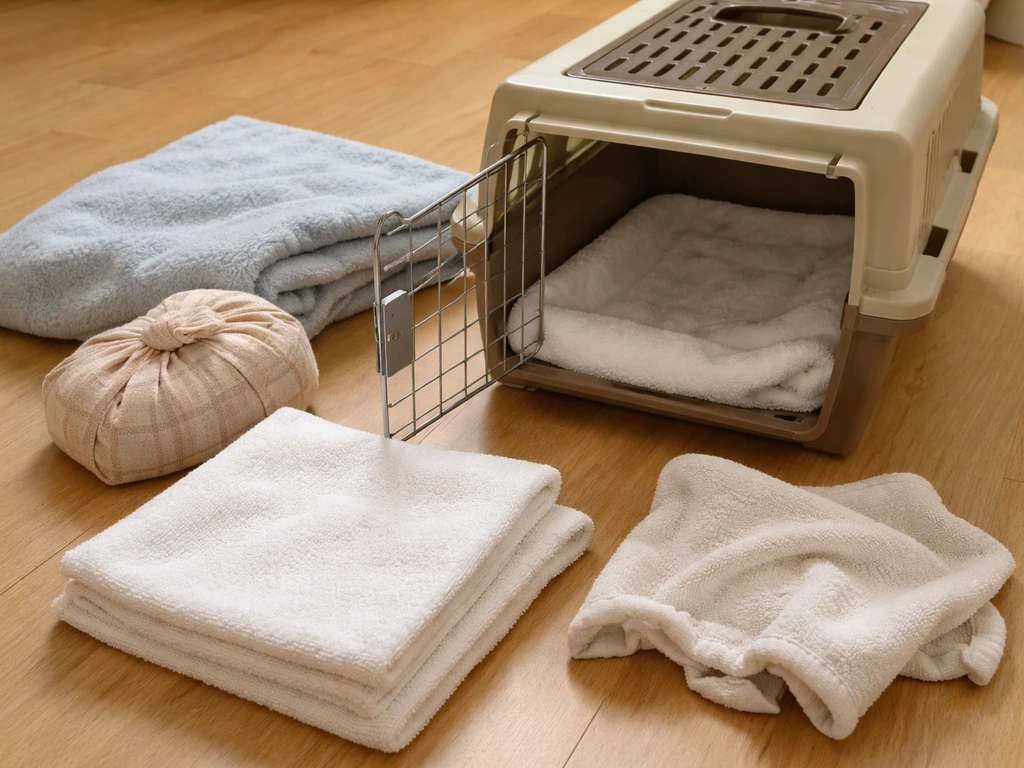
Your goals in the first few minutes are warmth, containment, and minimizing stress. You are not treating the injury. You are stabilizing the bird long enough to get it to someone who can.
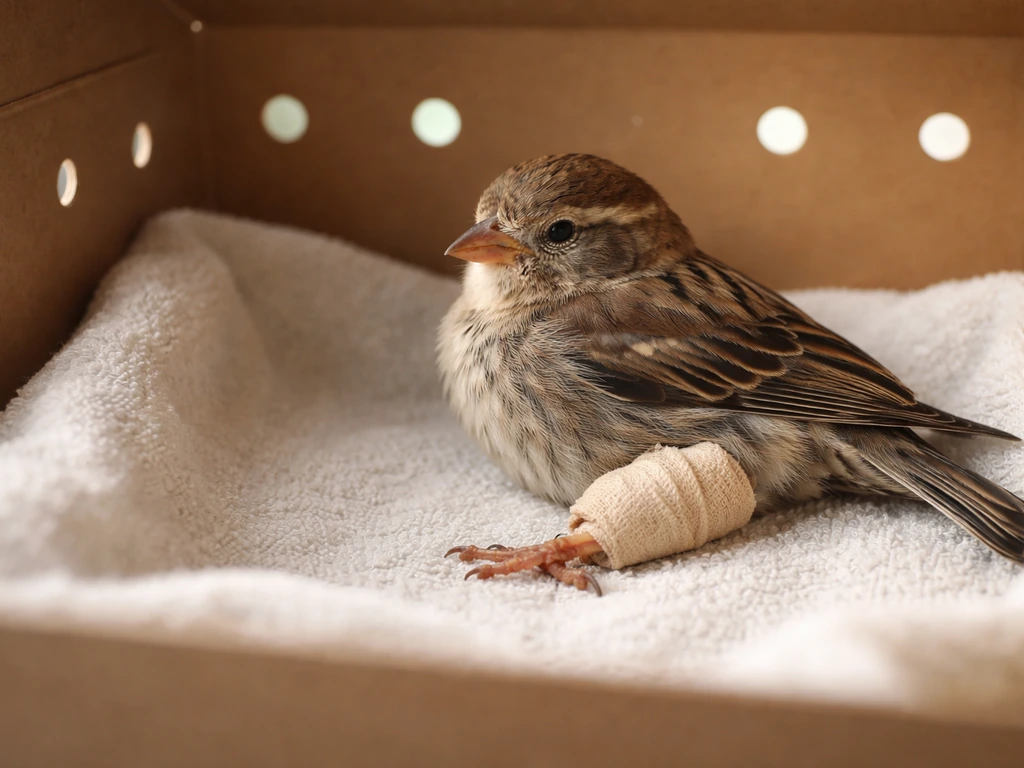
- Find a cardboard box with a lid or a carrier with ventilation. Line the bottom with a non-fluffy cloth like a clean dish towel. Avoid loose fibers that can wrap around a damaged leg.
- Approach the bird calmly and slowly. Drape a lightweight cloth or thin towel over it before picking it up. This reduces visual stress and makes the bird less likely to thrash.
- Cup the bird gently with both hands, keeping the wings folded against its body. Do not squeeze. Support the body from below.
- Place the bird in the box and close it. Dark and quiet is exactly what a stressed bird needs. Do not keep checking on it every two minutes.
- If the temperature is below about 70°F (21°C), place the box on a heating pad set to low, covering only half the bottom so the bird can move off the heat if it gets too warm. Alternatively, fill a plastic bottle with warm (not hot) water and place it beside the bird wrapped in a cloth.
- Do not offer food or water right now. A bird in shock can aspirate water, and an injured bird's digestive system shuts down under stress. Hydration can wait for the professionals.
- Call a wildlife rehabilitator or avian vet immediately while the bird is contained.
If there is active bleeding, apply very gentle pressure with a clean cloth for a few minutes. Do not use antiseptic sprays unless instructed by a vet. Do not try to clean or flush a wound beyond blotting obvious blood away from the feathers.
Red flags that mean go now, not later
Some leg injuries are urgent. Some are emergencies. Here is the difference.
- Exposed bone or an open fracture (bone visible through skin or wound)
- Bleeding that does not slow down within a few minutes of gentle pressure
- Complete inability to hold itself upright or lift its head
- Eyes closed, bird unresponsive or very minimally responsive to being handled (signs of shock)
- Partial or full amputation with a raw, open wound
- Suspected cat or dog bite anywhere on the body, even if the wound looks small
- Seizure-like movements or the bird spinning in circles
- Labored breathing, open-mouth breathing, or tail-bobbing with each breath
If you see any of those, do not wait to see if the bird improves. Get it to an avian vet or wildlife rehabilitator immediately. Many areas have 24-hour wildlife hotlines. In the US, the Wildlife Rehabilitators directory and your state's fish and wildlife agency are the fastest routes. Calling a local vet clinic and asking for a referral also works when it is after hours.
Things that feel helpful but will make it worse
This is not a criticism. These are the mistakes nearly everyone makes because they come from a good place. Knowing them now saves the bird.
- Do not try to splint the leg yourself. An improperly applied splint on a bird can cut off circulation in minutes and cause permanent damage or loss of the limb. It takes training, the right materials, and usually sedation to do it safely.
- Do not try to push a dislocated joint back into place. You will cause more trauma and extreme pain.
- Do not offer bread, milk, seeds, or fruit as emergency food. Even species-appropriate food given at the wrong time can cause aspiration or stress the system further.
- Do not keep the bird in a cage with perches if it cannot stand. A bird that falls from a perch onto an injured leg makes everything worse. Box it flat.
- Do not let children or other pets near the box. Stress kills injured birds. Even muffled noise and vibration is too much.
- Do not post on social media asking for advice before calling a professional. Every minute matters with a severely injured bird.
- Do not assume it will "be fine by morning." Birds hide pain and weakness as a survival instinct. By the time a bird looks visibly ill, it has already been struggling for a while.
What to expect when you reach a vet or rehabilitator
The first thing a vet or wildlife rehabilitator will do is a full physical exam, not just the leg. They are checking for internal injuries, respiratory distress, signs of systemic infection, and neurological function. Pain relief comes early in the process because a bird in pain goes into shock faster and heals more slowly. If imaging is available, X-rays help identify whether a bone is fractured, displaced, or already showing signs of healing from an older injury.
For fractures, treatment depends on the location and type. Many bird fractures are managed with external coaptation (wrapping and splinting the limb in a proper clinical setting) rather than surgery. Complex or open fractures sometimes require surgical fixation with pins or plates. The prognosis for a clean fracture caught early is generally good. Whether a bird can survive a broken leg often comes down to how quickly it received proper care and what other injuries were present.
For amputations or severe non-salvageable limb damage, the vet will assess whether surgical amputation of what remains is the best path and whether the bird can have a reasonable quality of life afterward. Research tracking raptors that underwent wing or limb amputation found median survival times of over 1,000 days, with some living more than 13 years. Those outcomes require ongoing managed care, but they are real. The survival question and the quality-of-life question are both answerable with proper evaluation.
One-legged birds that cannot be released into the wild sometimes become education ambassadors at wildlife centers. This is not a consolation prize. These birds receive consistent food, veterinary attention, and enrichment, and many live full lifespans. The outcome for a wild bird found with a leg injury is not always release, but it is often a good life in another form.
How species and mobility needs shape the prognosis
Not all birds are in the same position when they lose a leg. Species that perch (songbirds, raptors, parrots) generally have better functional outcomes with one leg than birds that walk or wade for their food. Ground feeders like killdeer, pigeons, or thrushes can manage, but it takes longer adaptation and usually requires that the remaining leg be fully functional. Waterfowl like ducks can often paddle with one foot well enough to survive.
Raptors are a special case because they depend on both feet for hunting. A one-footed raptor may be able to survive with help, but some individuals assessed by rehabilitators are found to have virtually no chance of surviving in the wild without permanent human support. That determination is species and individual specific. It is also worth noting that leg injuries are not always the only limb-related worry: whether a bird can live with one wing follows a similar logic, where adapted function and species matter enormously to the outcome.
Pet birds, including parrots, cockatiels, and canaries, generally do very well with one leg because they live in a controlled environment with consistent access to food, water, perches set at appropriate heights, and veterinary care. Many pet owners have reported their birds adapting within weeks after professional treatment. The key is modifying the cage environment so the bird does not need to climb far or grip tightly on perches that are too large in diameter.
The bigger picture on bird injury survival
Leg injuries do not happen in a vacuum. Birds that show up with damaged legs have often been through something traumatic, and the leg is just the most visible result. The same collision that breaks a leg can cause a concussion. The same predator attack that injures a foot can leave puncture wounds across the back. If you have been reading about other types of bird injuries, you may find that the approach is similar across all of them: stabilize, contain, minimize stress, and get professional help quickly. Whether a bird with a broken wing can survive and whether one with a broken leg can survive often come down to the same core variables: speed of intervention, severity of the full injury picture, and the quality of care received.
It is also worth knowing that some injuries that look dramatic are more survivable than they appear, while some that look minor are more serious. A bird with a visibly missing toe that is alert and standing is in better shape than a bird lying on its side with intact legs but signs of internal bleeding. This is why your observation notes matter when you call for help: describe what you see, where you found the bird, and what you think may have caused the injury. That context helps the professional triage faster.
Injuries that affect multiple systems are the highest risk. A bird that cannot see out of one eye and also has a leg injury is dealing with compounded problems: poor depth perception affects landing, which puts more stress on the injured leg. If you are facing that kind of situation, understanding whether a bird can survive with one eye may help you grasp the full picture of what recovery looks like for a bird dealing with more than one impairment at once.
Beak injuries sometimes accompany leg injuries in collision or predator attack cases. A bird that cannot forage because of a damaged beak and cannot stand well because of a damaged leg faces serious challenges on two fronts. Knowing how beak injuries affect a bird's survival chances rounds out the picture if you are looking at a bird with multiple trauma sites and trying to understand the overall prognosis.
The short version if you need it right now
Yes, a bird can live with one leg, and some birds have survived even more severe limb loss with professional care. If you have a bird in front of you right now: put it in a dark, ventilated box lined with a smooth cloth, keep it warm but not hot, do not feed or water it, do not try to treat the leg yourself, and call a wildlife rehabilitator or avian vet immediately. That is the whole job right now. Everything else, the prognosis, the treatment plan, the question of release versus permanent care, belongs to the professionals. Your role is to keep the bird alive and calm long enough to hand it to someone with the tools to help it properly.
FAQ
If a bird seems fine on one leg, should I still contact a wildlife rehabilitator or avian vet?
Yes. Some internal injuries, fractures, nerve damage, or infection are not obvious at first glance. Call anyway and describe how it was found (window strike, cat interaction, outdoor location, bleeding or swelling), because professionals may need to treat beyond the leg to prevent rapid deterioration.
How should I transport a one-legged bird, and can I use a carrier I already have?
Use a dark, ventilated box or carrier lined with a smooth cloth (avoid loose towels that can snag claws). Keep the bird warm but not overheated, and transport promptly. Do not let it roam in a room, because extra movement can worsen a fracture or compromise balance.
Is it okay to give water or food to a one-legged bird I found?
In most rescue situations, do not offer food or water until a professional evaluates it. Many birds cannot swallow normally if they are in shock, concussed, or unable to stabilize, and giving food or water too early increases choking risk and can waste time that should be used for triage.
What should I do if the bird is bleeding but the leg wound looks small?
Apply gentle pressure with a clean cloth for a few minutes to control bleeding, then focus on warmth, containment, and getting help. Avoid antiseptic sprays unless instructed, and do not scrub or flush the wound, because small-appearing wounds (especially from cats) can hide deep injury.
Can I try to clean the wound to remove dirt or feathers?
Only blot away obvious surface blood. If feathers are stuck to tissue or the wound looks deep, stop and leave cleaning to the vet or rehabilitator. Over-manipulation can increase bleeding, worsen tissue damage, and delay proper pain control.
How can I tell whether the injury is actually “one leg” versus a bigger trauma?
Look for red flags like trouble breathing, severe lethargy, disorientation, inability to right itself, swollen abdomen, abnormal posture, or any signs of cat bites or window strike. Even if one leg is the visible problem, professionals will check the whole body because internal or neurological injuries may be present.
What are the most common situations where a one-legged bird will deteriorate faster?
Window collisions and cat interactions are high risk, even when the leg injury seems minor. Also, prolonged exposure to cold or stress, and inability to perch or maintain balance can accelerate shock and decline. That is why you should treat time as critical and contact help immediately.
Does the species matter, for example songbirds vs ducks vs raptors?
Yes, because the way the bird uses its legs changes the outcome. Perching birds often manage with one foot better than ground-feeders or waders, and hunting raptors depend heavily on both feet for normal behavior. A rehabilitator will use species and individual function to decide release likelihood and treatment goals.
If the bird is a pet with one leg injury, do I still need an avian vet even if it is eating?
You should still arrange veterinary evaluation. A bird that is eating can still have a fracture, misalignment, or nerve damage that worsens over time. Early imaging or splinting, when appropriate, can prevent chronic pain and improve long-term function.
What should I do with a one-legged bird that cannot perch or stand well during the first hour?
Keep it warm, quiet, and contained, and do not attempt exercises or perching adjustments. Focus on minimizing stress and arranging rapid professional care. Difficulty balancing early often signals more severe injury or systemic shock, which needs prompt assessment.