
Yes, a bird with a broken wing can survive, but the honest answer is: survival almost always depends on getting the right help quickly. A broken wing is serious. Left untreated, it can kill a bird within days, not from the break itself, but from shock, blood loss, infection, or the inability to eat and drink. With proper care, including professional treatment, many birds do survive, though flying again is a different question entirely.
Can a Bird With a Broken Wing Survive? What to Do Now
Marcus Chen
4 Apr 2026
What survival actually looks like
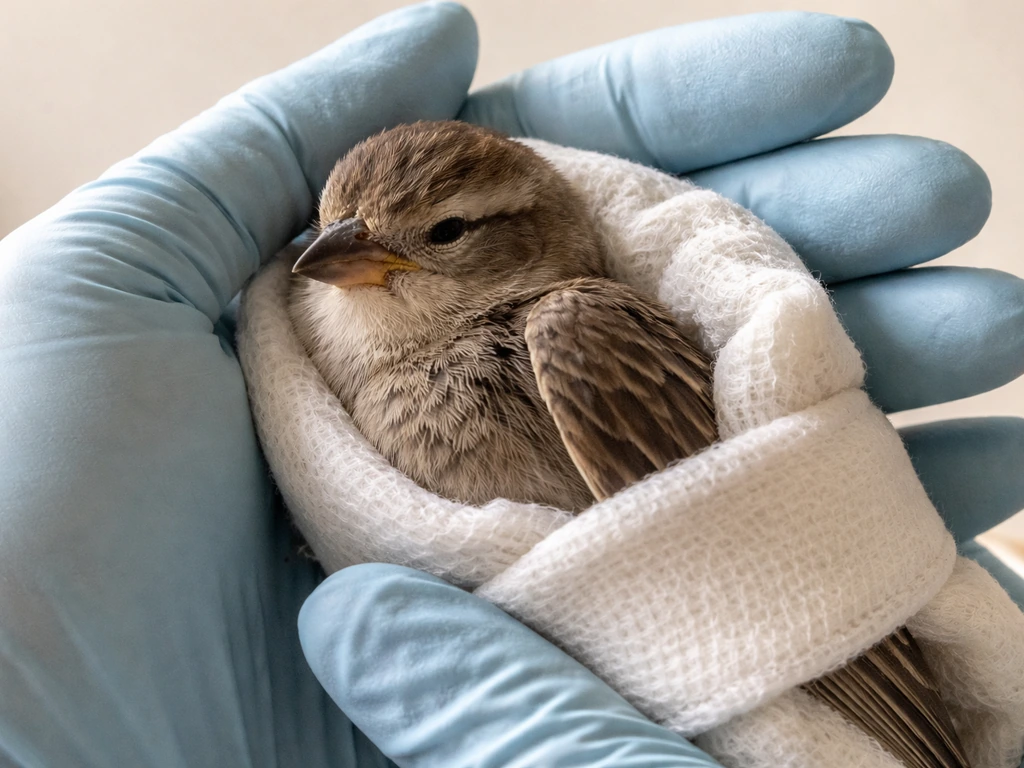
When people search "can a bird with a broken wing survive," they're usually hoping for a yes. The yes is real, but it comes with context. Surviving a broken wing, for most birds, means being grounded and receiving care. It does not automatically mean returning to the wild or flying again. A bird that gets prompt veterinary attention, proper immobilization, and a safe recovery environment has a genuine shot at living a full life, even if that life looks different than before the injury.
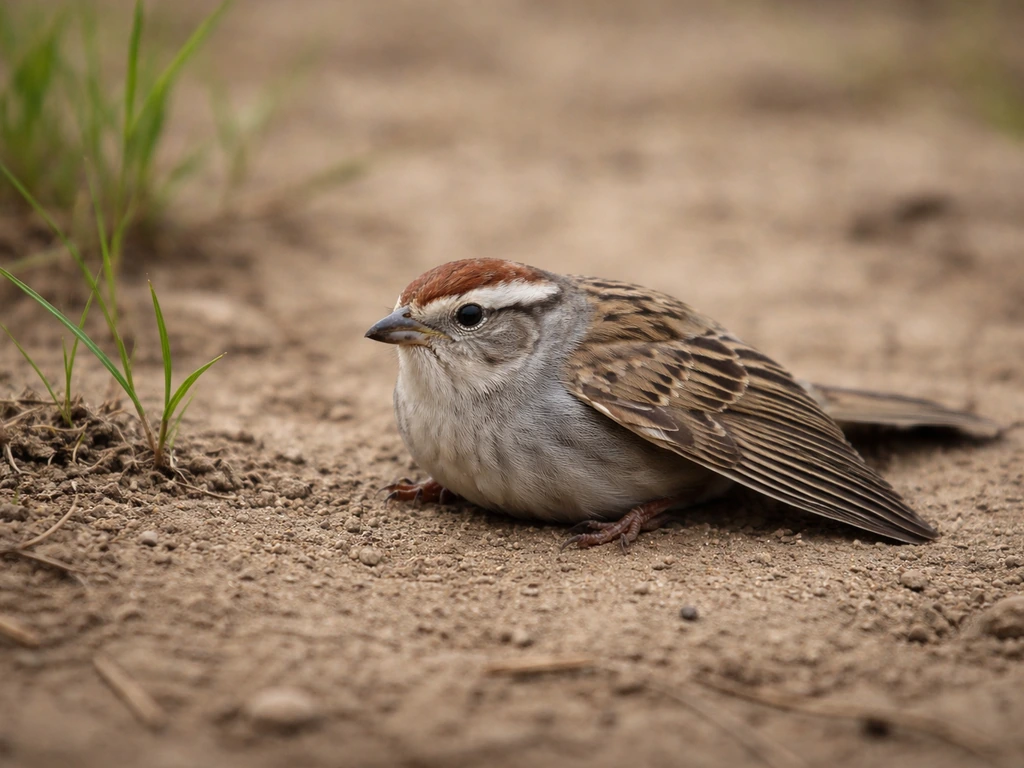
The wing itself isn't the only threat. Birds are prey animals by instinct, which means they hide pain and stress extremely well. By the time a bird looks visibly distressed, it has often already been struggling for a while. That's why a broken wing paired with shock, blood loss, or untreated infection can become fatal faster than most people expect. The U.S. Fish & Wildlife Service says a wild animal likely needs help if it has a visible broken limb or is bleeding or shivering shock, blood loss, or untreated infection.
How long can a bird survive with a broken wing
There's no single number, but if you're looking for a practical timeline: a bird with an untreated broken wing can decline rapidly within 24 to 48 hours. In severe cases involving significant blood loss, deep shock, or compound fractures, that window is even shorter. You can read more about how fast a bird can die from a broken wing if you want a fuller picture of what drives that timeline, because understanding the risk helps you move faster.
The variables that matter most are the severity of the fracture (a hairline crack versus a compound break are very different situations), whether there is active bleeding, whether the bird is already in shock, and how quickly it receives care. A small backyard songbird and a large raptor like a hawk will have different physical resilience, but neither should be left without help for more than a few hours if it can be avoided.
Will a broken wing heal on its own
In short: not well, and not without risk. Birds do have some capacity to heal bone, but a wing fracture that isn't properly set and immobilized will almost always heal crooked, if it heals at all. That means even if the bone knits, the wing may be permanently deformed and non-functional. Worse, a fracture involving a major bone like the humerus (the upper wing bone, equivalent to your upper arm) typically requires surgical intervention for there to be any realistic hope of proper healing. Trying to let it "heal itself" at home usually results in a worse outcome than if the bird had received professional care early.
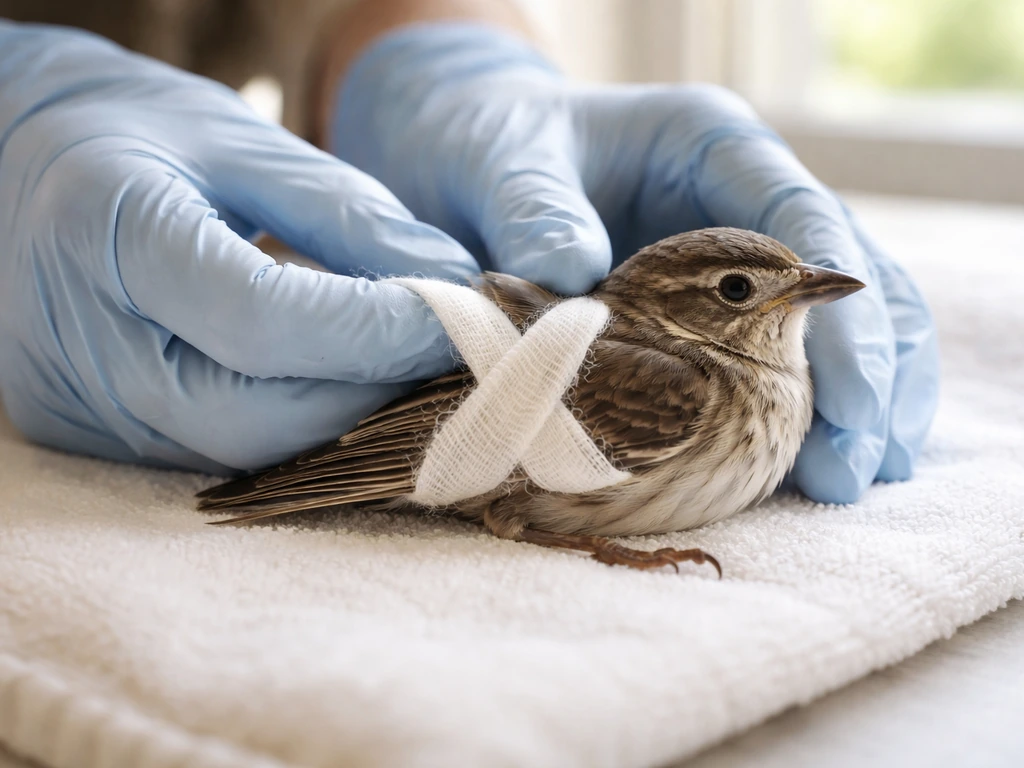
Wildlife rehabilitators sometimes use figure-eight bandaging to immobilize a wing temporarily, but this is a trained skill. Done incorrectly, it can cut off circulation or cause more damage. Your job in the first hour is not to fix the wing. It's to stabilize the bird and get it to someone who can.
Can a bird with a broken wing fly again
This is the question most people really want answered. The truth is: it depends on the fracture location, severity, and treatment. Some birds, especially those that receive prompt veterinary care and proper immobilization, do regain flight capability after a wing fracture. Others heal but lose full range of motion. And some, particularly those with severe fractures involving the major structural bones, may never fly again regardless of treatment.
A bird that cannot fly after recovery isn't necessarily doomed. Domestic birds like parrots, cockatiels, and ducks can adapt well to life without flight under human care. Wild birds that cannot fly, however, cannot be released back into the wild, which is why the question of whether a bird can live with one wing becomes relevant for birds that end up needing permanent sanctuary placement. Many wildlife rehabilitation centers maintain non-releasable birds as education animals, giving them a safe and enriched life.
What a bird cannot do safely is use a broken wing to fly or flap at full strength. Attempting flight on a fractured wing risks worsening the fracture, causing displacement, or creating an open wound. If you see an injured bird trying to flap, that's a sign it's panicked and stressed, not that the wing is fine.
Wild birds vs. domestic birds: different expectations
The bird's status, wild or domestic, changes everything about what you should expect and what comes next. Wild birds are legally protected in most countries. In the US, for example, most wild birds fall under federal protection, which means only licensed wildlife rehabilitators can legally treat and hold them. You can provide emergency stabilization, but you cannot keep a wild bird long-term without a license, even with good intentions.
Wild birds also have a much lower tolerance for human handling. Stress alone can kill a wild bird, especially a small one. Every second of unnecessary handling increases the risk. Domestic birds like pet parrots, chickens, or ducks are more accustomed to human interaction, which makes handling easier, but they still need professional veterinary care for a broken wing. A broken wing in a pet bird is not a "wait and see" situation.
It's worth noting that broken wings aren't the only serious injury birds face. Leg fractures carry their own set of complications, and you can get a sense of those odds by looking at how a bird can survive with a broken leg, which follows a similarly urgent timeline. Beak injuries are another scenario that often surprises people with how serious they can become, similar in urgency to what you'd expect with a bird surviving with a broken beak.
How to spot a broken wing (what to look for)
You don't need to be a vet to recognize the signs. The most common indicators of a broken or seriously injured wing are:
- One wing droops lower than the other while the bird is at rest
- The wing appears tilted at an unnatural angle or cannot be folded close to the body
- Visible deformity, swelling, or a break in the skin near the wing
- The bird is on the ground and cannot fly away even when approached
- The bird is flapping one wing but not the other
One important caution: a bird sitting on the ground with a drooped wing could also have a spinal injury, especially if it seems unable to move normally or holds its body at a strange angle. Handle these birds with extra care, minimizing any movement of the spine, and contact a rehabilitator as soon as possible.
What to do in the first hour: immediate first aid
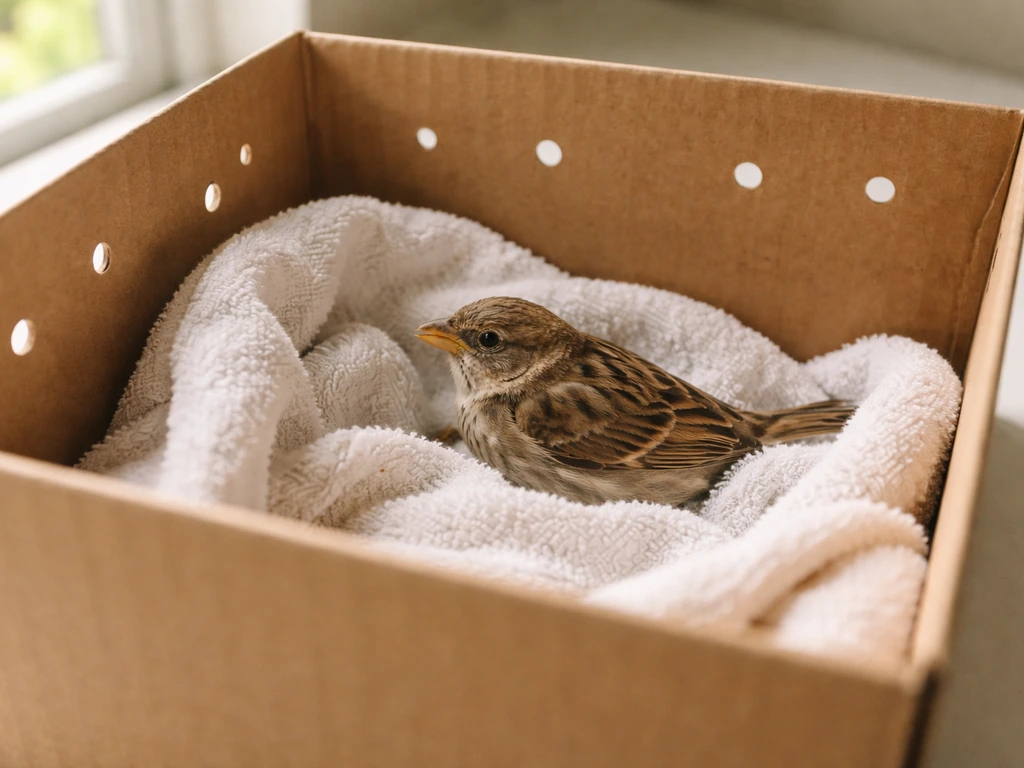
This is where you can genuinely make a difference. The goal in the first hour is not to fix anything. It's to keep the bird alive and calm until it reaches professional care. Here's how to do that:
- Contain the bird gently. Place it in a cardboard box or paper bag with air holes. Line the bottom with a soft cloth or paper towel. The box should be just large enough for the bird to sit comfortably, not so large that it can thrash around.
- Keep it warm. An injured bird is almost always at risk of hypothermia. Place the box in a warm room (around 85-90°F for small birds if possible), or put one half of the box over a heating pad set to low. Never put the bird directly on the heat source.
- Keep it dark and quiet. Darkness reduces panic. Covering the box helps. Avoid talking loudly, playing music, or letting pets and children crowd the area.
- Control bleeding if present. If you see active bleeding, apply very gentle pressure with a clean cloth. Do not remove feathers or probe the wound. Get the bird to a vet or rehabber urgently if there is blood.
- Do not offer food or water. A bird in shock can aspirate (inhale) water and choke. Unless you are certain the bird is alert and stable, skip food and water until a professional advises otherwise.
- Do not try to splint or bandage the wing yourself. This requires training. An improperly applied bandage can cut off circulation and cause the wing to die within hours.
- Call a wildlife rescue or avian vet immediately and get the bird there as fast as safely possible.
When to call for help right now vs. when you have a moment
Some situations require you to pick up the phone immediately. Others are urgent but allow a few minutes to gather your thoughts. Here's how to read the situation:
| Situation | What to do |
|---|---|
| Active bleeding from the wing area | Call immediately, apply gentle pressure while you do |
| Bird is unconscious or unresponsive | Call immediately, handle as little as possible |
| Bird is in shock (cold, eyes half-closed, very still) | Call immediately, prioritize warmth |
| Visible bone through skin (compound fracture) | Call immediately, do not touch the exposed area |
| Wing droops but bird is alert and responsive | Contain the bird, then call within the next 30 minutes |
| Bird hit a window and seems stunned but breathing | Keep it dark and warm for 15-20 minutes, then reassess; if not improving, call |
| Domestic pet bird with suspected broken wing | Call an avian vet same day, even if bird seems stable |
Finding help near you right now
To find a licensed wildlife rehabilitator in the US, the fastest option is calling your state's fish and wildlife agency or searching the National Wildlife Rehabilitators Association (NWRA) directory online. The Humane Society's wildlife help line and local animal shelters often have referrals too. For domestic and pet birds, search for an avian-certified veterinarian in your area, since a general vet may not have the equipment or training to treat bird fractures effectively.
When you call, tell them: the species if you know it, where you found it, what you observed (drooped wing, bleeding, etc.), and how the bird is behaving right now. That information helps them triage and give you better guidance over the phone while you're in transit.
Long-term outlook: what happens after treatment
Birds that receive timely, professional care for a broken wing have genuinely good odds of surviving. Whether they fly again depends on the fracture. Whether a wild bird gets released depends on its flight capability after recovery. Some birds end up in permanent care, and that's not a failure. A bird living comfortably in a sanctuary or as an education animal is still a bird that survived.
Adaptability is something birds tend to surprise people with. A bird missing a leg can still thrive, as explored in the question of whether a bird can live with one leg, and birds with other significant impairments often adapt in ways their caretakers don't expect. Similarly, a bird surviving with one eye is a realistic outcome when proper care is provided early. The common thread in all of these cases is early intervention and professional support.
If you've found a bird with a broken wing today, the most important thing you've already done is look for answers. Now the next step is making that call. Don't wait to see if the bird improves on its own. Get it contained, keep it warm and quiet, and get it to help within the hour. Golden Gate Bird Alliance recommends giving an injured bird about an hour, then placing it in a warm, dark, quiet place (for example, a shoebox lined with cloth or paper towel) and not attempting to provide food, water, or first aid keep it warm and quiet. That window matters more than almost anything else you can do.
FAQ
If I cannot confirm it is broken, how can I tell whether a wing injury is serious enough to act right away?
A simple rule is this, if the wing is drooping, dangling, visibly crooked, or the bird cannot perch normally, treat it as a fracture until proven otherwise. Swelling, bleeding, or a bird holding the wing away from the body are additional strong clues that it needs immediate professional care, even if the bird still seems alert.
Should I try to feed or give water to a bird with a suspected broken wing right away?
Do not offer water or food by hand during the first hour unless the bird is fully alert and swallowing normally. Improper feeding can cause choking or aspiration, especially in stressed birds. Focus on warmth, minimal handling, and getting to a licensed wildlife rehabilitator or avian vet.
Can I bandage or splint the wing myself to help it heal faster?
In the moment, the priority is immobilization of the body, not trying to “set” the wing. Use a secure, ventilated box and keep the wing against the body. Avoid homemade splints, tape, or tight wraps, because incorrect bandaging can worsen the fracture or cut off circulation.
If the bird looks energetic, is it still a bad idea to let it flap or move around?
Limit exercise or movement immediately. A bird attempting to flap or get away can displace the fracture, increase bleeding, and create an open wound. Keep the bird in a quiet, dim, secure container and handle only enough to move it toward care.
Can a bird appear fine at first even if the wing is broken?
Yes, a bird with a broken wing can still show normal breathing and appear responsive early, but deterioration can happen quickly. That is why “acting normal” is not a reliable sign of safety. Decline can start within 24 to 48 hours if the injury is not treated.
What should I do if the injured wing is bleeding?
If there is active bleeding, apply gentle pressure with clean gauze and maintain warmth and low stress while you wait for help. If bleeding soaks through materials, do not remove everything at once, add an additional layer on top and keep pressure steady.
Can I give the bird pain medicine or an anti-inflammatory I already have at home?
Soothe the environment rather than the bird’s pain with at-home medications. Human pain medicines and anti-inflammatories can be dangerous for birds, even small doses. If you think you have to medicate, stop and wait for an avian vet or wildlife professional to advise.
At what point would a wild bird be eligible for release after a wing injury?
A bird should not be released back into the wild after a wing injury if it cannot fly strongly and consistently. Many wildlife programs also require evidence of good flight endurance and safe handling clearance before any release attempt. If the injury was severe or involved a major bone, reintegration may not be realistic.
If it cannot fly again, does that always mean the bird will still need to be kept long-term?
Yes, a bird can survive and adapt even if flight never returns, but the pathway depends on whether it is wild or domestic. Wild birds usually require sanctuary or rehab non-release placement if flight capability is insufficient, while domestic birds can often adjust with environmental changes like ramps, lower perches, and safer access to food and water.
How do I know whether the bird is in shock versus only stunned from the accident?
Do not assume the bird is “just stunned.” Shock can look like weakness, disorientation, or reduced responsiveness, and it can coincide with bleeding or internal injury. If a wild bird is particularly quiet, cold, or unwilling to stand, treat it as urgent and contact a rehabilitator immediately.