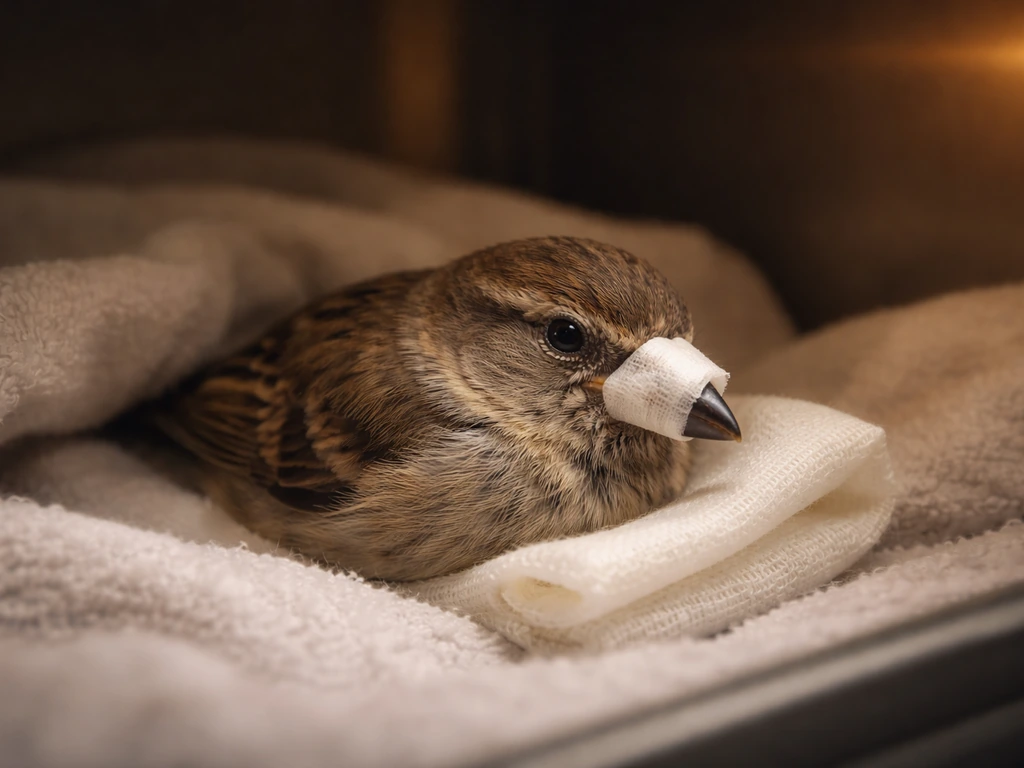
Yes, a bird can survive with one eye, and many do. Birds are remarkably adaptable, and losing vision in one eye is not automatically a death sentence. That said, survival depends on the species, the severity of the injury, how quickly the bird gets professional care, and whether it can realistically be released or needs permanent sanctuary. If you are looking at a bird right now with a damaged or missing eye, the most important thing to know is this: keep it calm, contained, and warm, and get it to a wildlife rehabilitator or avian vet within hours, not days.
Can a Bird Survive With One Eye? What to Do Now
Marcus Chen
4 May 2026
Can a bird actually function with one eye
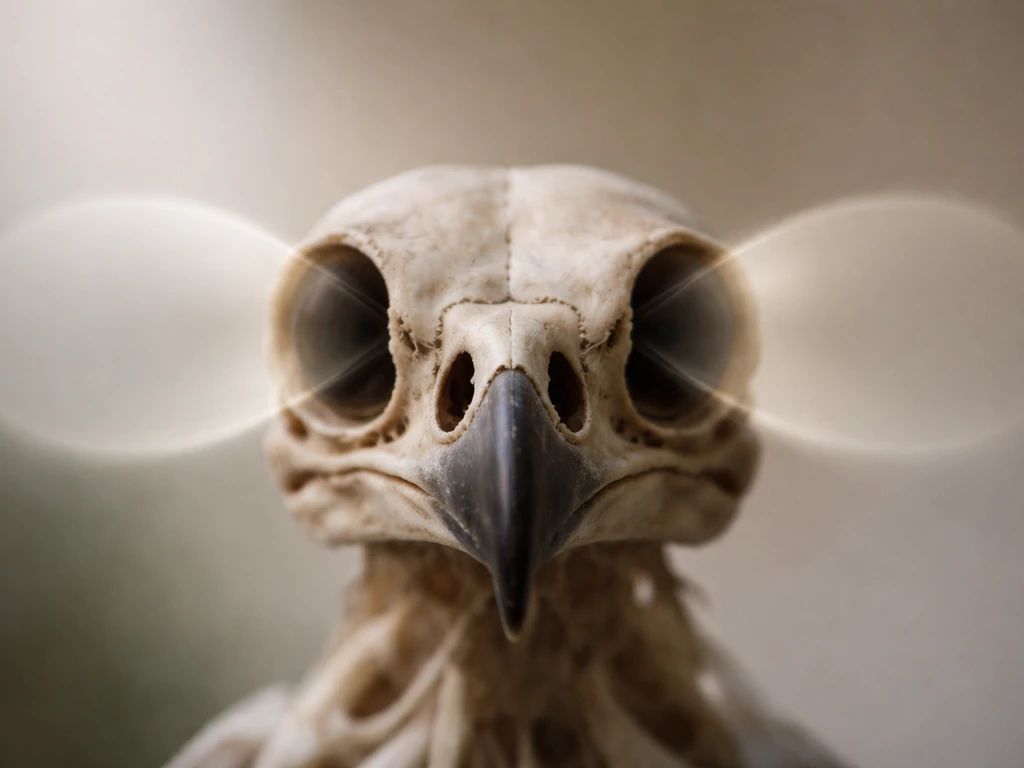
Birds are wired differently than mammals when it comes to vision. Most species rely heavily on monocular vision, meaning each eye operates largely independently to scan a wide field of view. Songbirds, ducks, and similar species have eyes on the sides of their heads and use this wide-angle monocular view to watch for predators. Losing one eye reduces that field of view significantly, but it does not eliminate their ability to see. They can still use monocular depth cues like motion parallax and object interposition to judge distances.
Predatory birds like hawks and owls rely more on binocular overlap to judge depth and distance for hunting. This kind of front-facing eye placement and binocular overlap is especially important in owls and other hunting birds for depth and distance judgments blank" rel="noopener noreferrer">binocular overlap to judge depth and distance for hunting. Losing one eye is a bigger functional setback for them, and most raptors that lose an eye cannot be released to the wild because hunting accurately becomes extremely difficult. Whether a bird can live with one wing is a similar question, and it also depends on the injury severity and access to proper veterinary or rehabilitative care one-eye cannot be released. They often end up as permanent education birds at raptor centers. For non-raptors like sparrows, robins, or pigeons, the functional impact is real but more manageable, and some go on to live healthy lives, especially in a protected environment like a backyard with a patient caretaker. If the bird cannot be released, you may be wondering whether it can still live comfortably with one eye, similar to how some birds can manage with one leg when properly cared for.
The honest bottom line: one-eyed birds can have a good quality of life, particularly as pets or in sanctuary settings. Wild release depends heavily on species and individual assessment by a licensed rehabilitator. Short-term, the injury itself is survivable with proper care. Long-term outcomes depend on what caused the eye damage, whether it has been treated, and what support the bird has access to.
What one-eye blindness looks like in a bird
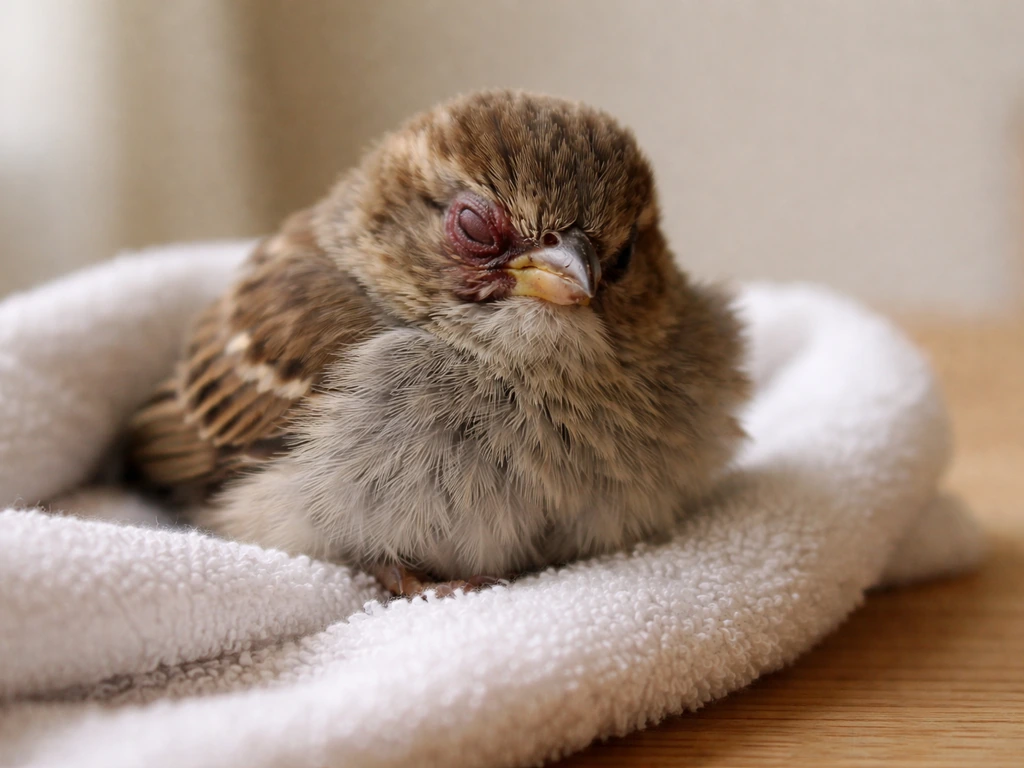
Before anything else, you need to figure out what you are actually dealing with. Not every eye problem means total blindness in that eye, and the signs can range from subtle to obvious. Here is what to look for without getting too close or stressing the bird further.
- Holding one eye closed or squinting it shut while the other stays open
- Visible swelling around one eye, often puffing the lid out or partially shut
- Redness, cloudiness, or a film over the eye
- Discharge from the eye, including thick white or tan crusting, watery seeping, or dried debris matting the feathers around the socket
- Excessive blinking or rapid fluttering of one eyelid
- Tilting the head repeatedly to one side, as if trying to lead with the good eye
- Bumping into objects, misjudging perch landings, or circling in one direction
- Flinching or snapping defensively when approached from the injured side
- Difficulty orienting toward food or water, or missing it entirely on the first attempt
It is also worth noting what eye damage is not. Some birds, especially those that have just hit a window, may appear dazed or off-balance without any obvious eye injury. Orientation problems and head tilting can also come from neurological trauma after a collision. If you see no visible eye abnormality but the bird is disoriented or unable to stand, that is a separate emergency covered in the red flags section below. If there is visible eye damage on top of those signs, treat it as urgent.
Eye injuries from infection look different from traumatic injuries. Infection-related conjunctivitis tends to cause discharge, crusting, and swelling in both eyes or one eye without obvious physical trauma. Traumatic injuries (from cat attacks, window collisions, or predator encounters) may show torn tissue, bleeding, or what looks like tissue protruding from the socket. If you can see exposed or displaced tissue in or around the eye, that is a rupture or prolapse situation and is a genuine emergency. Get help immediately.
Immediate steps: assess the situation safely
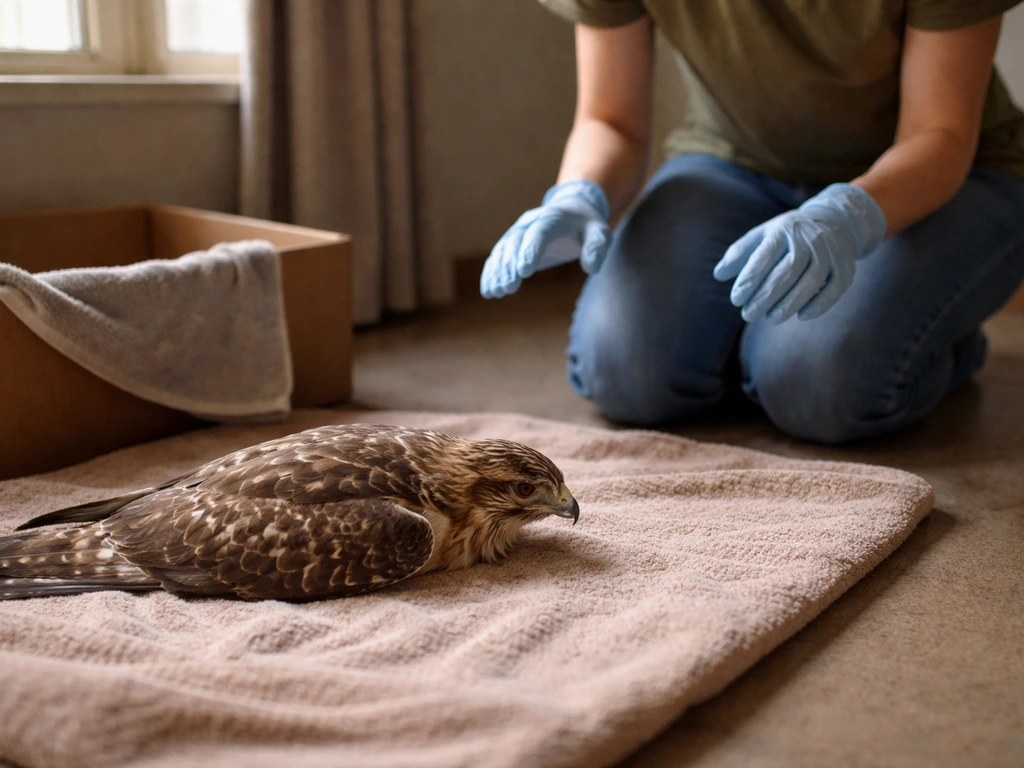
The first few minutes matter a lot. Your job right now is not to treat the bird. It is to assess, contain, and reduce stress. Here is how to do that without making things worse.
- Observe before touching. Spend 60 seconds watching from a few feet away. Note whether the bird can stand, whether it is breathing with its mouth open, whether it is bleeding, and which eye looks affected. This information matters when you call for help.
- Remove immediate dangers first. If there is a cat, dog, or other animal nearby, move it away before approaching the bird. Cat saliva carries bacteria that can cause fatal infection in birds within hours, so even a bird that looks fine after a cat encounter needs to be seen by a professional that same day.
- Prepare your container before you pick the bird up. Use a shoebox, cardboard box, or similar container with ventilation holes poked in the lid. Line it with a soft cloth, paper towels, or a thin layer of tissue. Do not use terry cloth towels with loops, as birds catch their claws in them.
- Pick the bird up with minimal handling. Use a light cloth or thin gloves (not thick gardening gloves) to gently scoop the bird, keeping its wings folded against its body. Cup it firmly but not tight. Place it in the box and close the lid immediately.
- Check for active bleeding. If you see blood around the eye or anywhere else, do not try to remove clotted blood. Applying gentle, clean gauze pressure to a wound that is actively flowing for 60 seconds is acceptable, but do not probe the eye area with anything.
- Put the box in a warm, dark, quiet place. Room temperature around 80 to 85 degrees Fahrenheit is ideal if the bird is in shock. A bathroom away from household traffic, pets, and noise works well. Cover the box with a light towel if the room is bright.
- Do not offer food or water yet. A stressed or injured bird cannot safely swallow. Attempting to force water can cause aspiration and kill the bird. Wait until you have spoken to a professional.
First aid and supportive care while you arrange help
True first aid for a bird with eye injury is mostly about supportive care, which means keeping the bird alive, calm, and stable until a professional can take over. There is very little you should attempt to do directly to the eye itself.
Do not attempt to rinse the eye with water, saline, or any over-the-counter eye drops unless a vet or rehabilitator specifically tells you to on the phone. Do not try to remove debris or discharge from inside the eye. Do not apply any ointments, antibiotic creams, or human eye medications. If a bird has a broken beak, it may need prompt veterinary or rehabilitator care to prevent infection and help it eat properly. These can cause serious additional damage or interfere with the vet's ability to assess the injury. The one exception is if a vet or rehabilitator walks you through a specific step over the phone while you are waiting for transport.
What you can do is focus on environment. Keep the container at a stable, warm temperature. Reduce noise, vibration, and light as much as possible. Dim surroundings lower stress hormones and reduce the bird's urge to thrash inside the box, which can worsen eye injuries or cause new ones. Check on the bird by lifting the lid just briefly every 30 to 45 minutes. If it is upright and quiet, that is a good sign. If it is lying on its side, breathing heavily, or making distress calls, escalate to an emergency vet immediately.
If the bird came into contact with a cat or other pet, note this when you call for help. Cat-exposed birds need to start on antibiotics within hours to survive the bacterial infection risk, and this is not something supportive care at home can address. The same urgency applies to birds that have been in a dog's mouth or that have puncture wounds anywhere on the body.
When it is an emergency: red flags that mean call right now
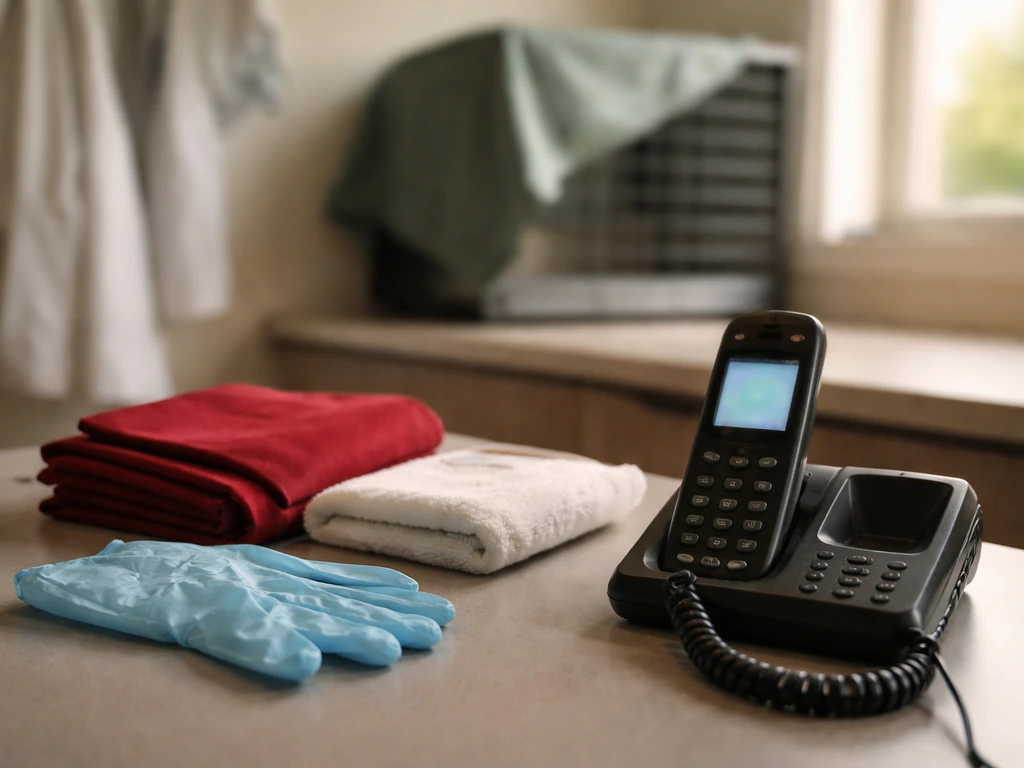
Some situations cannot wait. If you see any of the following, stop reading and make the call to an avian vet or wildlife rehabilitator immediately. Time is genuinely the difference between survival and death in these cases.
- Active, ongoing bleeding from the eye or anywhere on the face or head
- Visible tissue protruding from or around the eye socket (possible iris prolapse or rupture)
- The bird cannot stand or keep itself upright
- Open-mouthed breathing or tail bobbing (signs of respiratory distress or shock)
- The bird was caught or mauled by a cat or dog
- Significant swelling of the eye area that is visibly growing
- The bird hit a window and also has signs of trauma beyond the eye (drooping wing, head tilt, seizure-like movement)
- The eye appears completely missing or sunken in
- The bird is cold to the touch or unresponsive to your presence
For injuries that do not include these red flags, you still have a window of a few hours to arrange professional help, but do not let that turn into overnight waiting. Eye injuries can deteriorate rapidly, and infections that start in the eye can spread systemically and become life-threatening. Same-day care is always the goal.
How to get the right professional help
There are two main paths: an avian veterinarian or a licensed wildlife rehabilitator. Which one you contact first depends on whether the bird is a pet or a wild bird.
| Situation | Who to Call First | Why |
|---|---|---|
| Pet bird (parrot, cockatiel, canary, etc.) | Avian veterinarian | They can diagnose and treat legally, prescribe medication, and provide ongoing care |
| Wild bird (songbird, waterfowl, pigeon, raptor, etc.) | Wildlife rehabilitator | Licensed to handle native wildlife; knows species-specific needs; often free or low-cost |
| Wild bird and no rehabilitator available quickly | Avian vet as backup | Can stabilize and often has rehabilitator contacts in the area |
| Any bird, red flag emergency signs present | Emergency avian vet or wildlife emergency line | Fastest path to medical intervention |
To find a wildlife rehabilitator near you, search the National Wildlife Rehabilitators Association directory or your state wildlife agency's website. In the U.S., your state Department of Fish and Wildlife can also direct you. In genuinely urgent situations, contacting local animal control or calling 911 for guidance on wildlife emergency contacts is reasonable.
When you call, have this information ready: the species if you know it (or a description like 'small brown songbird' or 'large black bird with a red beak'), where you found it and what happened (window collision, cat attack, or unknown), exactly what the eye looks like right now (swollen, cloudy, discharging, missing), and how the bird is behaving (standing, on its side, alert, unresponsive). The more specific you are, the faster they can triage and tell you exactly what to do next.
Do not try to treat a wild bird yourself and then release it without professional assessment. A bird that looks like it is doing better after a few hours of quiet rest may still have an underlying injury or infection that will kill it in the wild within days. Always get a professional sign-off before release.
Preventing further eye damage and protecting the bird at home
Once the bird is contained and help is arranged, your job shifts to preventing anything else from going wrong. This applies both to the bird in your care right now and to wild birds around your home going forward.
While the bird is in your care
- Keep pets completely away from the recovery container at all times, even if the box is closed
- Do not let children handle or peek at the bird repeatedly, as stress alone can kill an already-compromised bird
- Keep the environment dim but not pitch black, as total darkness can cause additional disorientation
- Do not place the box in direct sunlight, near a heat vent, or in a drafty area
- If the bird is a pet living in a cage, temporarily cover the cage on all sides and reduce perch height so it cannot fall far if it misjudges a landing
- Remove any sharp objects, mirrors, or swinging toys from a pet bird's environment until the eye is assessed
- If you have multiple birds, separate the injured one to prevent the others from pecking at the injured eye (a real risk in group settings)
Preventing future window collisions
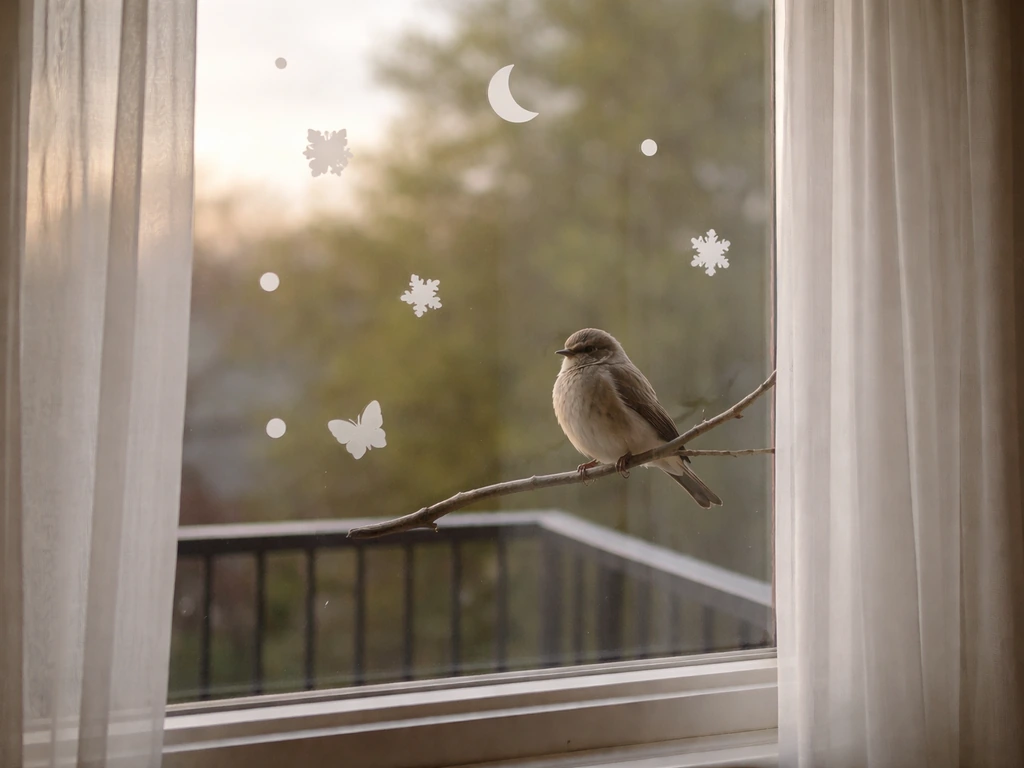
Window strikes are one of the leading causes of eye injuries in wild birds, along with broken wings and head trauma. If the injury is a broken leg as well as a head or eye problem, it is still urgent to get the bird to an avian vet or wildlife rehabilitator quickly so it can be stabilized and treated properly broken wings. If a bird hit your window today, it will likely happen again without intervention. The most effective fix is applying a bird-safe window film or tape to the outside of the glass, with vertical or horizontal elements spaced about 2 inches apart. You can also close blinds or curtains partway, especially during morning and late afternoon when reflections are worst. Moving bird feeders to within 3 feet of windows (so a collision is too slow to cause injury) or more than 30 feet away (so birds have time to see the glass) are both proven strategies.
Keeping your yard safer overall
If you feed wild birds, clean feeders regularly with a 10 percent bleach solution and rinse thoroughly. Conjunctivitis spreads between birds through contaminated feeder surfaces and eye discharge contact, and a sick bird at your feeder can infect others quickly. If you see birds at your feeder with crusty, swollen, or closed eyes, take the feeder down, clean it thoroughly, and leave it down for a week to break the transmission cycle. Keep cats indoors. Even well-fed domestic cats are a major source of bird injury, and a cat-attacked bird that survives the initial encounter often dies from bacterial infection within 24 to 48 hours without treatment. With a broken wing, the key question is often how quickly complications like shock, bleeding, and inability to eat can make the situation life-threatening.
Eye injuries share a lot of common ground with other serious bird injuries. The same calm, contained, and warm approach that works here applies whether you are dealing with a broken wing, a broken leg, or a bird that has had a bad collision. The core rule is always the same: stabilize, minimize stress, and get professional eyes on the bird as fast as you can.
FAQ
Can a bird still function normally if it loses one eye permanently?
Often it can adapt, especially species that naturally rely on each eye independently for scanning. The practical limits are reduced side visibility (harder predator detection) and slower, less accurate depth judgment, so you should expect changes in foraging confidence and landing precision even if the bird otherwise eats and moves well.
What caused the one eye to be missing or damaged, and does the cause affect survival?
Yes. Trauma from collisions or fights can be survivable, but infections, especially those following cat exposure, can turn life-threatening quickly without antibiotics. If the eye issue is paired with lethargy, discharge, or head swelling, treat it as a complication, not just a cosmetic loss.
Is it ever safe to put a one-eyed bird back outside after a few hours of quiet?
Usually no. Even if the bird seems calmer or more upright, underlying infection or internal damage can worsen after release. A licensed rehabilitator or avian vet needs to confirm it can see well enough to escape threats, feed effectively, and perch safely.
If the bird has discharge or a cloudy eye, should I rinse it or use antibiotic drops from my medicine cabinet?
Do not unless a vet or rehabilitator directs you. Irrigation can worsen a rupture or drive debris deeper, and human drops can be toxic or interfere with diagnostic assessment. Instead, keep the bird warm, dim, and contained while you arrange same-day care.
Can a one-eyed bird eat and drink on its own while waiting for transport?
Sometimes, but do not assume. If it cannot swallow confidently, keeps food touching the same spot without success, or gets too weak to maintain posture, request guidance immediately because feeding support may be needed and attempts to force food can cause choking.
Does one-eyed survival differ between backyard pet birds and wild birds?
Yes. Pet birds can be monitored and protected from cats, collisions, and bullying, which dramatically improves outcomes. Wild birds must also hunt and evade predators accurately, so a one-eyed raptor or disoriented bird is more likely to require permanent rehabilitation or sanctuary.
Is a bird with one eye more likely to get injured again, like hitting windows?
It can be. Reduced depth and field of view increases misjudged approaches, especially in bright reflections. If a window strike caused the injury, apply window film or tape, adjust feeder distance, and reduce reflections right away to prevent repeat trauma.
How long can a bird with an eye injury wait before it becomes an emergency?
If the eye looks ruptured, tissue is displaced, there is cat or dog contact, or the bird is unable to stand or is severely disoriented, treat it as immediate. For other visible eye injuries, aim for professional care the same day, because eye infections can progress quickly.
Next Article
Can a Bird Survive With a Broken Beak? What to Do Now
Learn if a bird with a broken beak can survive, spot danger signs, and do safe first aid until a vet rescues it.