
The honest answer: for most sick or injured wild birds, the best thing you can give them right now is warmth, darkness, quiet, and a safe container while you get a wildlife rehabilitator on the phone. If you think the bird has a cold, the safest approach is still to keep it warm, dark, and calm, and contact a wildlife rehabilitator for guidance warmth, darkness, quiet, and a safe container. Not food. Not water. Not anything from your medicine cabinet. That might feel like doing nothing, but it is genuinely the right move, and it can save the bird's life.
What Do You Give a Sick Bird: Immediate Help Checklist
Marcus Chen
1 Jun 2026
Step one: stabilize and keep the bird safe
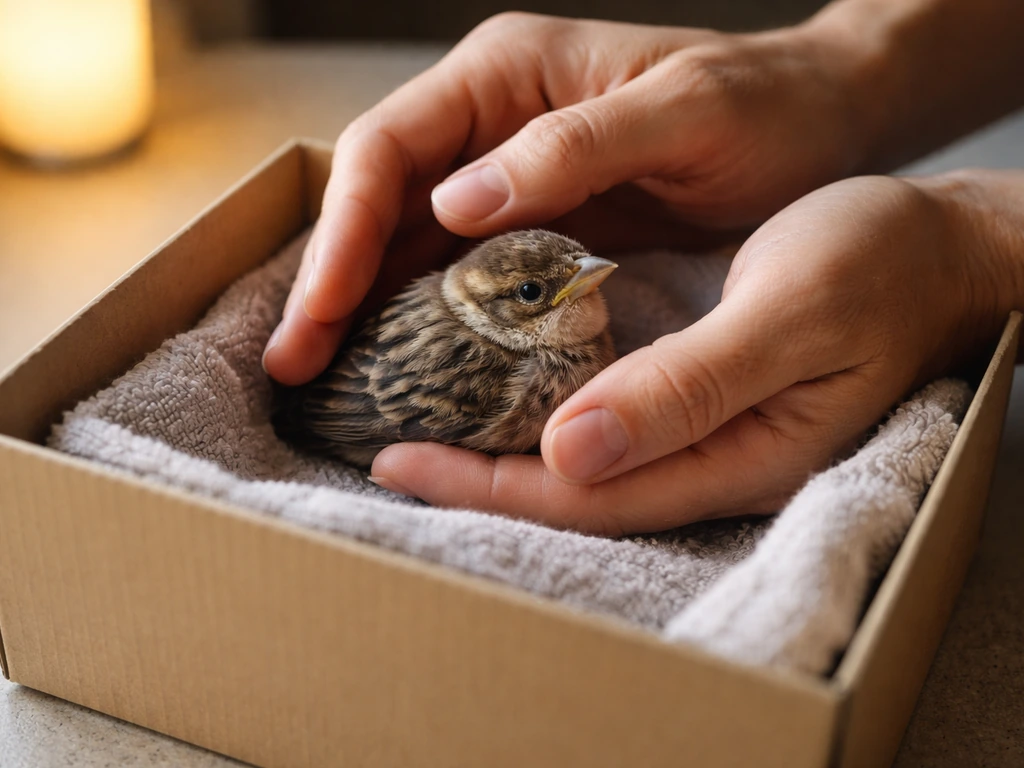
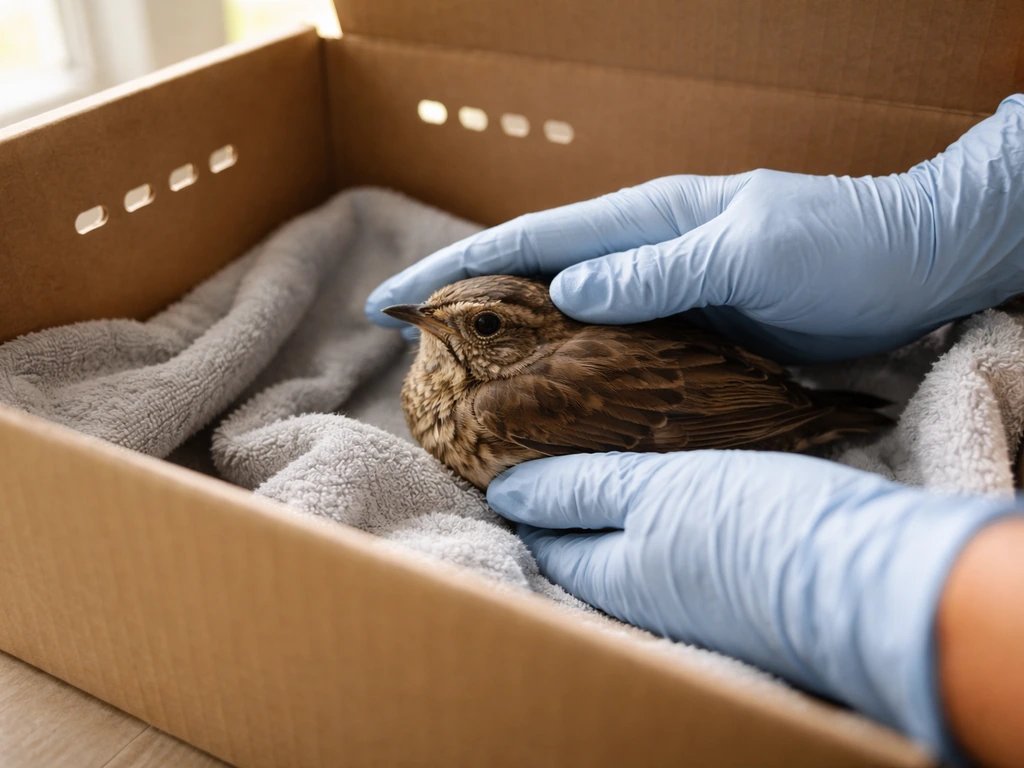
Before you do anything else, get the bird off the ground and away from danger. Cats, dogs, traffic, and weather are all immediate threats. Cup the bird gently in your hands using a light cloth or towel, or scoop it into a small cardboard box lined with a paper towel or thin cloth. A shoebox with a few air holes punched in the lid works perfectly. Put the lid on. Set the box somewhere warm, dark, and quiet, away from pets, kids, noise, and direct sunlight.
Warmth matters more than most people realize. Birds run a body temperature of around 105°F, and a stunned or injured bird lying on pavement, even on a mild day, can lose heat fast. If the bird feels cold, place a warm water bottle (not hot) wrapped in a towel inside the box so the bird can lean against it without direct contact. A hand warmer wrapped in a cloth works too. You want gentle, steady warmth, not heat.
Keep handling to an absolute minimum. Every time you pick up the bird, look at it, or let someone else peek at it, you are adding stress that a sick bird genuinely cannot afford. Darkness calms birds. Quiet keeps their heart rate down. The box is doing real work even when you feel like you're just waiting.
Do you give water or food?
This is where most people get it wrong, and understandably so. The instinct to offer food or water to a suffering creature is completely natural. But across the board, Tufts, Audubon, the Wildlife Center of Virginia, the Wild Bird Fund, and virtually every wildlife rehabilitation authority give the same clear guidance: do not give food or water to an injured or sick wild bird unless a licensed rehabilitator or avian vet tells you to.
The reason isn't bureaucratic. It's physical. An injured bird's digestive system may be in shock. Force-feeding or even offering the wrong thing can cause aspiration (fluid in the lungs), which is fatal. Help Wild Birds also cautions that when you force feed a baby bird, food or water can do more damage than good blank" rel="noopener noreferrer">Force-feeding can cause aspiration, which is fatal.. An injured bird blank" rel="noopener noreferrer">needs gradual, specialized rehydration, not tap water from a dropper. Food can actually make an injured animal sicker and can interfere with the treatment a rehabber needs to provide the moment they receive the bird.
The one small nuance comes from the Wild Bird Fund: if you have a bird that is alert, upright, and clearly just resting (not collapsed, not bleeding, not puffed up or lethargic), a very shallow dish of plain water nearby is considered fine. But if the bird is puffed, wobbly, unconscious, or visibly injured, skip even that. When in doubt, skip it.
What NOT to give a sick bird
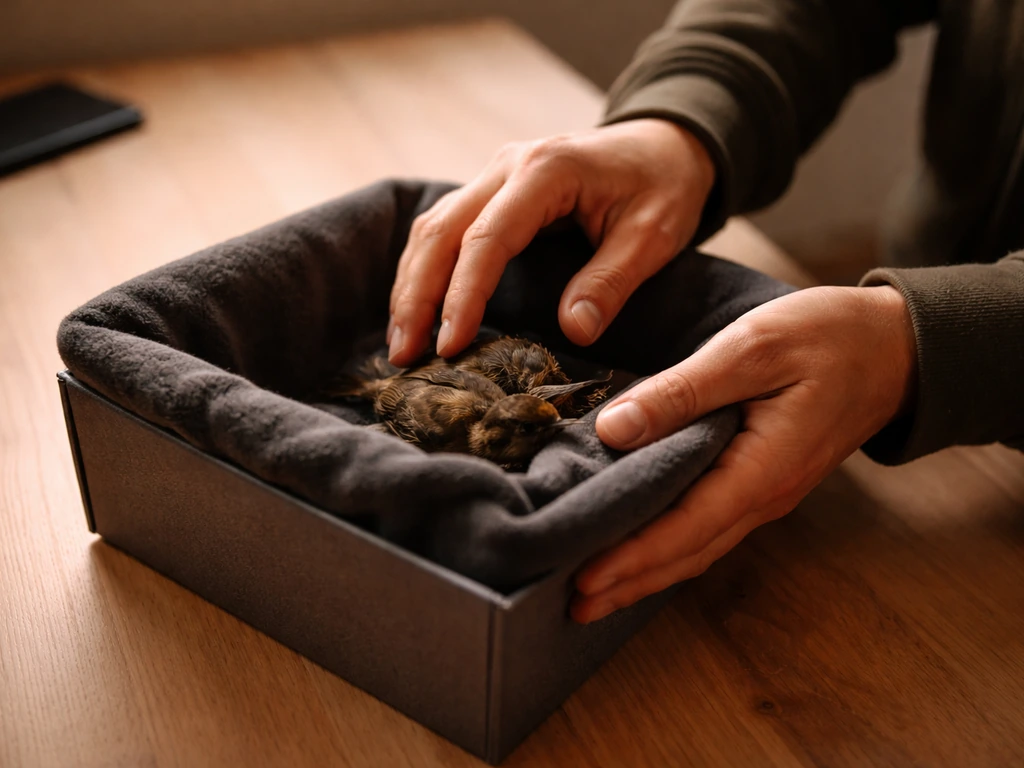
Let's be direct about the things that can seriously harm or kill a bird you're trying to help.
- Milk: birds cannot digest dairy at all. It will make things worse.
- Bread: nutritionally empty and can cause serious digestive problems.
- Human pain medications: ibuprofen, acetaminophen (Tylenol), aspirin, and similar drugs are toxic to birds. Do not give them, ever, no matter how distressed the bird appears.
- Alcohol, sugary drinks, juice, or sports drinks: none of these are appropriate and several are outright toxic.
- Worms, seeds, or insects you've collected yourself: you don't know if the bird is safe to eat, whether it can swallow safely, or what species-specific diet it needs.
- Water by dropper or syringe into the beak: this is one of the most common causes of aspiration death in rescued birds. Do not do it.
- Force-feeding anything: if the bird is not eating voluntarily, forcing food does more damage than good every single time.
If you're wondering about specific medications like ibuprofen or Tylenol for a bird in pain, the answer is no. Both are documented as toxic to birds and other animals. Pain management for an injured bird requires an avian vet, not your medicine cabinet.
What to do based on the bird's condition
Not every sick bird looks the same, and the right response shifts depending on what you're actually seeing. Here's a quick read on the most common situations.
Unconscious or collapsed bird
This is a genuine emergency. Do not offer food or water. Get the bird into a warm, dark container immediately and call a wildlife rehabilitator or avian vet right now. A collapsed bird may have internal injuries, a concussion, or severe shock. Every minute matters, and feeding is the last thing to think about.
Injured wing or leg
Do not try to splint it yourself. Incorrect splinting causes more damage. Contain the bird in a box (a smaller box reduces the chance it will thrash and worsen the break), keep it warm and dark, skip food and water, and get to a rehabber. Broken bones need professional care, and the bird needs anti-inflammatory or pain medication that only a vet can safely provide.
Bleeding
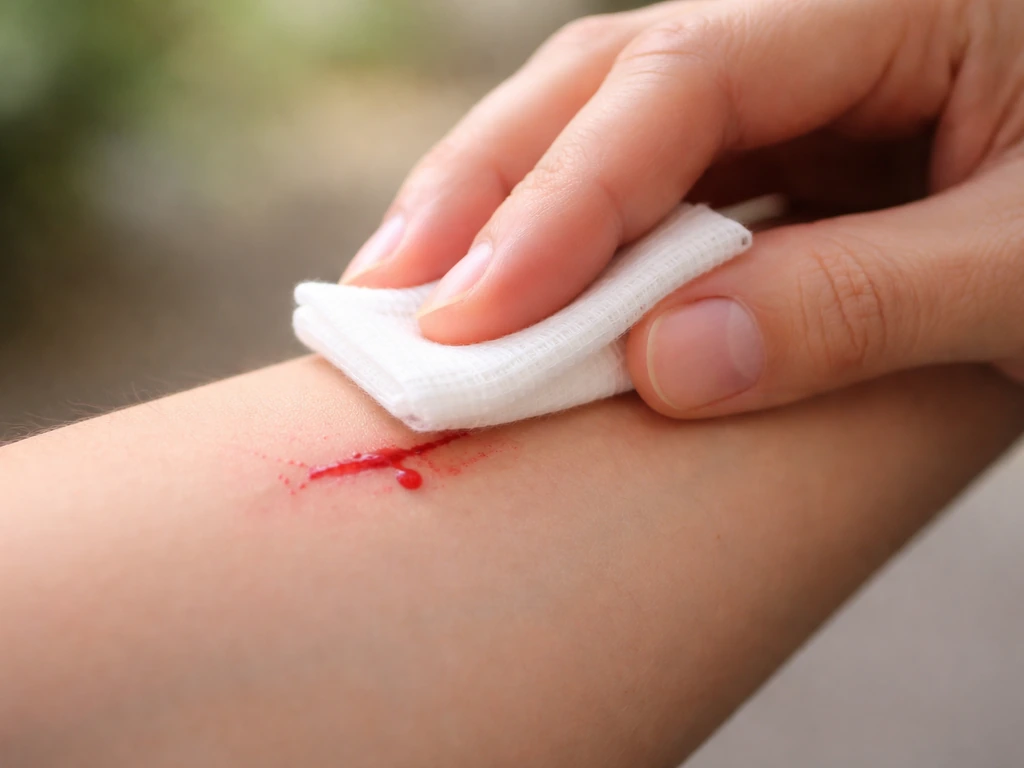
Visible blood means you need professional help urgently. If bleeding is active and severe, you can very gently apply light pressure with a clean cloth for a moment, but do not wrap or bandage the bird yourself. Get it to care fast. Cat bites and puncture wounds in particular are life-threatening even when they look minor, because bacteria from a cat's mouth cause deep infection within hours.
Beak injury
A damaged beak is a feeding emergency as much as a structural one. The bird cannot eat or drink safely with a broken or severely damaged beak, which makes home feeding even more dangerous than usual. Contain, warm, dark, quiet, and call a professional. Do not attempt to feed or water a bird with a beak injury.
Alert but puffed up or lethargic
A bird that's sitting still, feathers fluffed out, and not moving much is telling you it's sick or in distress. This is not the time to try hand-feeding. Warmth, darkness, quiet box, and a call to a rehabber. Puffing up is a bird conserving heat and energy, which means it needs both, not food.
Quick playbook for the most common scenarios
Window collision
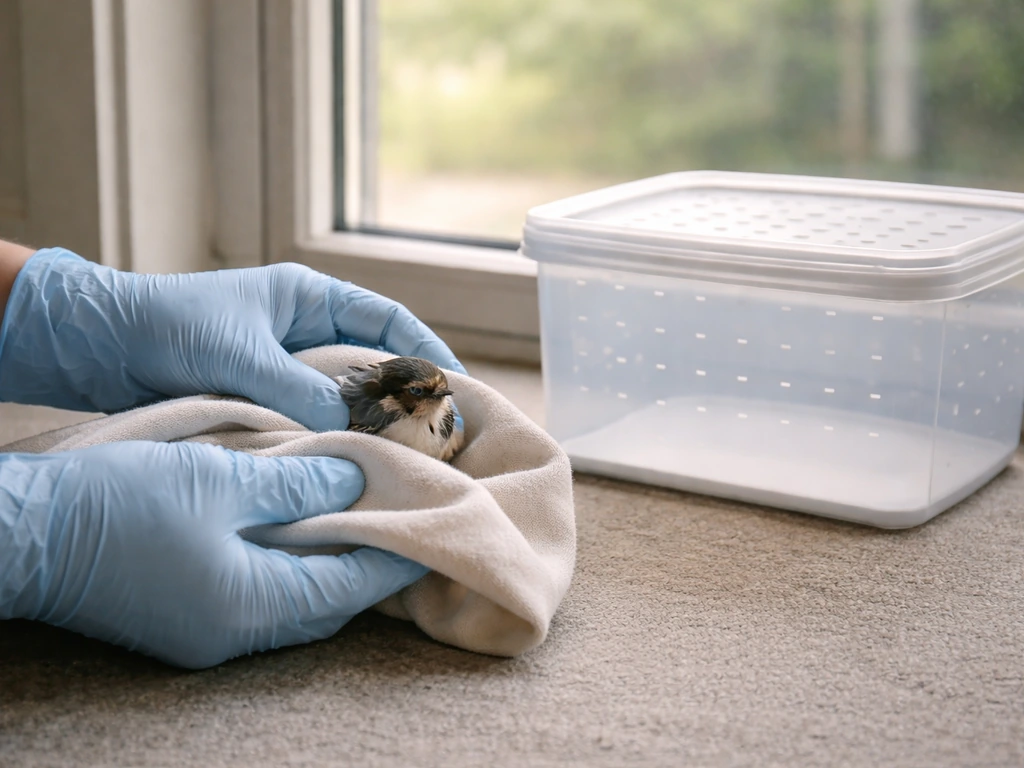
This is the scenario most people encounter. A bird hits your window and is either on the ground or clinging nearby, dazed. Pick it up gently with a cloth or place it directly into a shoebox. Do not try to revive it with food or water.
The darkness of the box is actually the treatment here: it calms the bird and allows the concussion to resolve. Give it roughly an hour in the dark, quiet box. If it's alert and active after that time, take it outside and open the box in a safe spot. If it's still wobbly, not moving, or clearly injured, call a wildlife rehabber.
Even a bird that seems to recover may have internal injuries, so contacting a rehabber for a quick check is always the safer call.
Pet attack or cat/dog contact
Cat bites are a wildlife emergency, full stop. Even if the bird looks completely fine, cat saliva carries bacteria that will cause fatal septicemia within 24 to 48 hours without antibiotic treatment. Do not wait to see if the bird improves. Contain it, skip food and water, and get it to an avian vet or wildlife rehabilitator the same day. Dog attacks often cause blunt trauma and internal injuries that aren't visible. Treat those the same way: warmth, darkness, quiet, and urgent professional care.
Nest emergency or baby bird on the ground
First check: is the baby feathered (a fledgling) or naked and pink (a nestling)? A feathered fledgling hopping on the ground is usually fine and being watched by its parents nearby. The best thing you can do is leave it alone and keep pets away. Parents are not scared off by human scent, so if you can safely return a nestling to its nest, do it.
If you can't reach the nest, keep the baby warm in a small container with a cloth lining. Do not give it food or water. If you are wondering what to feed a newborn bird that fell, the safest move is to contact a wildlife rehabilitator before offering anything besides warmth and a secure container. A nestling needs species-specific food fed in the right way, and getting that wrong, even with good intentions, can be fatal.
Call a rehabber right away.
When to stop first aid and call a professional immediately
Home stabilization is a bridge, not a treatment. Here's when you should be on the phone with a wildlife rehabilitator or avian vet without waiting:
- The bird is unconscious or not responsive
- There is visible bleeding that doesn't stop quickly
- You suspect a broken bone (wing drooping awkwardly, leg hanging)
- The bird was in a cat's or dog's mouth, even briefly
- There is a beak injury
- The bird is a baby (nestling) with no feathers
- The bird has been in the box for over an hour and shows no signs of improvement
- You're unsure of anything at all and want guidance
There is no situation where waiting longer to see if a seriously injured bird improves on its own is the better choice.
How to find a wildlife rehabilitator or avian vet near you
Speed matters here, so here are the fastest paths to professional help.
- Search 'wildlife rehabilitator near me' or 'bird rescue near me' right now. Most areas have a local wildlife center or licensed rehabilitator within reasonable driving distance.
- In the US, the Wildlife Center of Virginia will help connect you to a rehabber in your area even if you're not in Virginia. Call them with your location and the species if you know it.
- In Virginia specifically, the state wildlife conflict helpline is 1-855-571-9003 (Monday to Friday, 8 AM to 4:30 PM). They can direct you to a permitted rehabilitator.
- The IWRC (International Wildlife Rehabilitation Council) maintains a database of rehabilitators internationally, including outside the US. Their contact is [email protected].
- Your local Humane Society, SPCA, or animal control office can often refer you to a licensed wildlife rehabber even if they don't handle birds themselves.
- Search for an avian veterinarian if a wildlife rehabber isn't available. An avian vet can provide emergency stabilization and anti-inflammatory treatment while you locate a rehabber.
When you call, have ready: the species if you know it (or a description), where you found the bird, what condition it's in, and whether you've given it anything to eat or drink. That last detail helps the rehabber know exactly what they're working with when the bird arrives.
The 5-minute checklist for right now
| Action | Do it or skip it? |
|---|---|
| Put the bird in a small box with air holes, lined with cloth or paper towel | Do it |
| Put the lid on and keep it dark | Do it |
| Place a warm (not hot) water bottle or hand warmer wrapped in a towel inside the box | Do it if bird seems cold |
| Keep the box in a warm, quiet room away from pets and noise | Do it |
| Offer food | Skip it |
| Give water by dropper or syringe | Skip it |
| Give milk, bread, juice, or human medication | Never |
| Force-feed anything | Never |
| Call a wildlife rehabilitator or avian vet | Do it now |
| Keep checking on the bird every few minutes | Skip it — leave it alone |
The question of what to give a sick bird turns out to have a surprisingly simple answer: mostly nothing except safety, warmth, and calm. What you don't give matters just as much. The real help comes from getting the bird to someone trained to treat it, and doing that as quickly as possible. You've already done the most important part by picking it up and getting it safe. The next call you make could be the one that saves it.
FAQ
Can I give a sick bird sugar water, honey, or an electrolyte drink to help it “get strength” faster?
No. Skip all flavored liquids, supplements, and electrolytes. Even if the bird is alert, homemade drinks can cause aspiration or interfere with emergency rehydration plans, and sugar changes fluid balance in ways a rehabber would want to control. Keep it warm, dark, quiet, and call a wildlife rehabilitator.
What if the bird won’t stop panting with its beak open, can I give water so it doesn’t dehydrate?
Don’t offer water directly. Open-beak breathing can be stress, shock, aspiration risk, or a breathing problem, and giving liquid can send it into the lungs. Instead, contain it safely, keep it warm and calm, and get same-day guidance from an avian vet or wildlife rehabilitator.
Is it okay to put a few drops of water on the beak or use a dropper just once?
Usually no. Small feedings and “just a taste” still carry the same risks, aspiration and incorrect rehydration. If the bird is truly stable and alert and the only issue seems like thirst while it is upright, a rehabber may advise shallow water, but when you are unsure, skip it and call.
Can I give birdseed, mealworms, or bread if I’m certain it’s not injured, just “cold”?
Don’t. Digestive shutdown from stress or illness can make food harmful even when the bird looks only mildly unwell. Provide warmth first and only give food if a licensed rehabilitator or avian vet instructs you to.
How warm should the “warm water bottle” be, and how do I prevent burns?
Use warmth, not heat. Wrap it in a towel and check that the wrapped surface feels comfortably warm to you, not hot. Place it so the bird can lean away if it gets too warm, and keep the bird in a ventilated container with the lid secure.
If the bird is alert after an hour in the dark box from a window strike, should I release it immediately?
Not necessarily. If it can stand and is steady, you can usually release it in a safe, quiet area away from cats and traffic. If it is still wobbling, remains unusually quiet, or you suspect hidden injuries, call a rehabber for a check before releasing.
What should I do if the bird is bleeding but I don’t have access to a rehabber right away?
Get it to the fastest available professional help, including an urgent wildlife intake or avian vet. For the moment, you can apply light pressure with a clean cloth briefly, then keep it contained and warm. Avoid bandaging or wrapping the entire bird.
Is there any medicine I can give for pain like ibuprofen or Tylenol, “just a tiny amount”?
No. Dose guessing is dangerous, and these medications are documented as toxic to birds. If you suspect severe pain or trauma, focus on warmth and immediate professional care, not medication.
If I found a fledgling, can I offer water or food because it seems hungry?
Generally no. A feathered fledgling usually needs to stay where it is and be watched from a distance while parents care for it. Keep it safe from pets and people, and only intervene with food if a rehabilitator tells you the species and the exact feeding method.
What if I accidentally already gave food or water, did I ruin the bird’s chances?
It can complicate care, but it is not always fatal. Call a wildlife rehabilitator or avian vet and tell them exactly what you offered, how much, and when. That detail helps them decide on monitoring for aspiration, rehydration, and next steps.
How long is too long before I call, can I wait overnight if the bird seems calmer?
If the bird is seriously injured, collapsed, bleeding, puffed up, wobbly, or a result of cat bite, window strike, or trauma, waiting is risky. For anything more than brief stabilization, call as soon as you can, because conditions can worsen quickly even while the bird looks quieter.