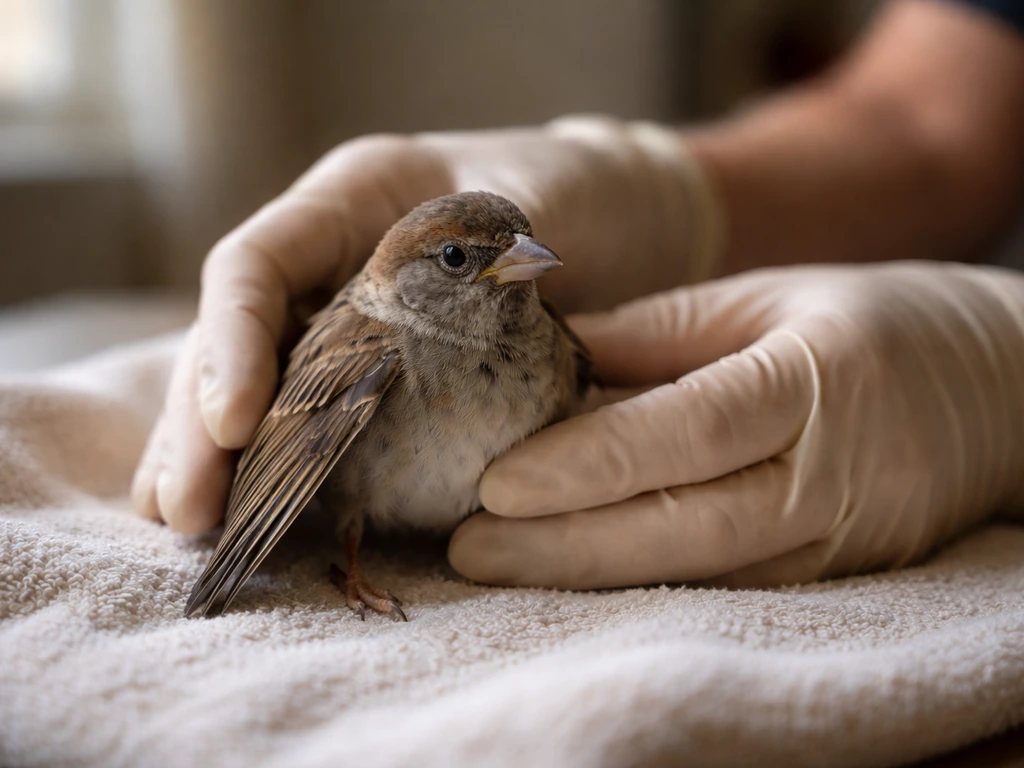
If you did something for an injured or distressed bird and you're now wondering whether it actually helped, here's the honest answer: the best thing you can do right now is stop, assess the bird's condition, keep it warm and quiet in a dark box, and call a licensed wildlife rehabilitator or avian vet. What you did before may have bought the bird time, but a professional needs to make the call on whether it's recovering or getting worse.
How Did It Help the Bird? What to Do Next Safely
Marcus Chen
27 Apr 2026
What 'it' and 'help' probably mean in this situation
People search 'how did it help the bird' for a few different reasons. Maybe you put a stunned bird in a box after a window strike and you're wondering if that was the right move. Maybe you gave it water, or warmth, or tried a home remedy, and now you're second-guessing yourself. Or maybe you found a bird that someone else helped and you want to know what they did and whether it was correct. If you are asking a riddle like this one, the key is to figure out whether your bird first-aid actually improved the bird or whether it needs urgent professional care sick bird riddle.
In any of those cases, 'it' is the action you took (or that was taken), and 'help' means: did the bird's condition actually improve? The way to answer that is to look at the bird right now. Is it breathing steadily? Is it sitting upright? Is it alert and reactive when you approach? If yes to all three, the action probably helped, at least in the short term. If the bird is limp, on its side, breathing with its mouth open, or bleeding, it still needs urgent care regardless of what was done earlier.
Immediate first aid: the one thing that helps almost every injured bird
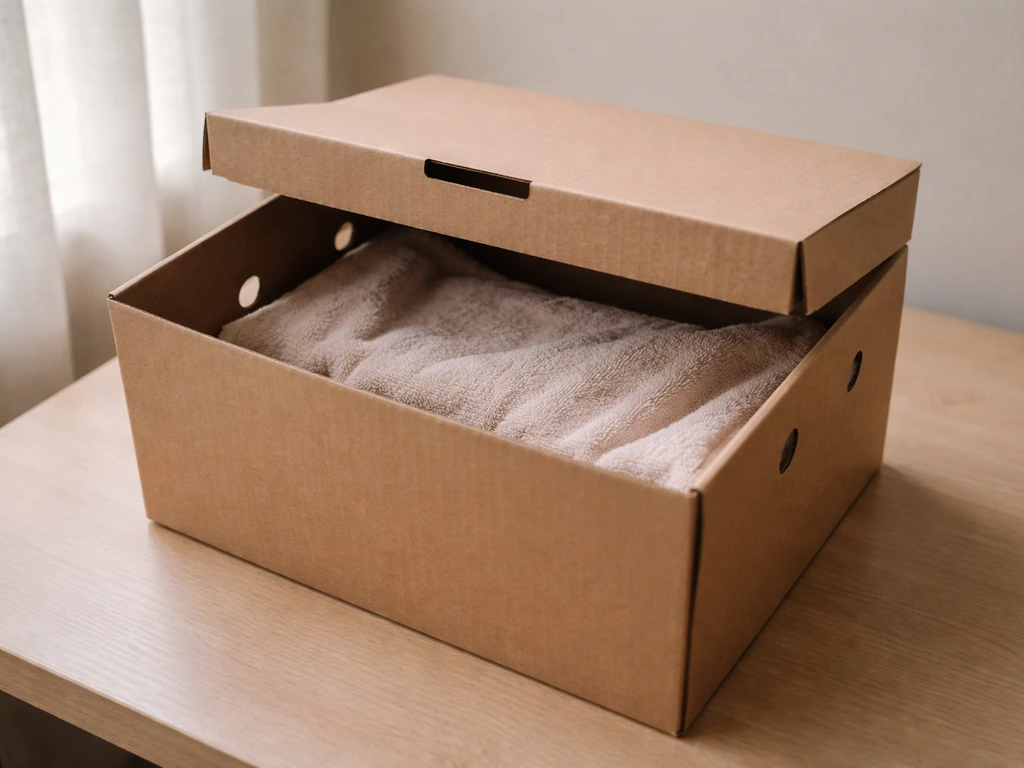
Before anything else, get the bird into a dark, warm, quiet space. This single step does more than almost anything else you can do at home. Darkness reduces panic. Warmth helps a bird in shock stabilize. Quiet prevents additional stress that can be genuinely fatal for an already weakened bird.
Use a cardboard box with a lid. Put a folded towel or paper towel on the bottom for grip (a bare cardboard surface makes it hard for the bird to stand). Poke a few small air holes in the sides. If the bird is cold or wet, place one end of the box on a folded towel that's sitting on a heating pad set to low, or tuck a warm (not hot) water bottle wrapped in a cloth under one side of the box. That way the bird can move toward or away from the heat as needed. Virginia DWR also suggests placing the box near a 75-watt bulb as an alternative heat source.
Do not give the bird food, water, or any medication. If you’re trying to figure out what to feed a newborn bird that fell, the safest move is to contact a wildlife rehabilitator first Do not give the bird food, water, or any medication.. This is the most important 'don't' in bird rescue, and it applies to almost every situation. Giving water to an injured bird can cause it to aspirate and drown. Giving food to a bird in shock can cause further harm. Unless you are a licensed rehabilitator or a professional has told you otherwise, keep food and water out of the box entirely.
Common injury scenarios and what to actually do
Window strikes
A bird that hits a window hard enough to fall is in shock. It may be sitting on the ground looking stunned, or it may be lying on its side. Box it up immediately. Many window-strike birds recover in 30 to 60 minutes once they're in a dark, quiet space. After that time, take the box outside, open it gently, and see if the bird flies off on its own. Virginia DWR notes that birds often cannot clearly see glass or reflections, which is why window strikes can happen even when a bird looks alert. If it doesn't, or if it's bleeding or can't hold its head up, call a wildlife rehabilitator. Don't wait longer than an hour to reassess.
Broken wings or legs
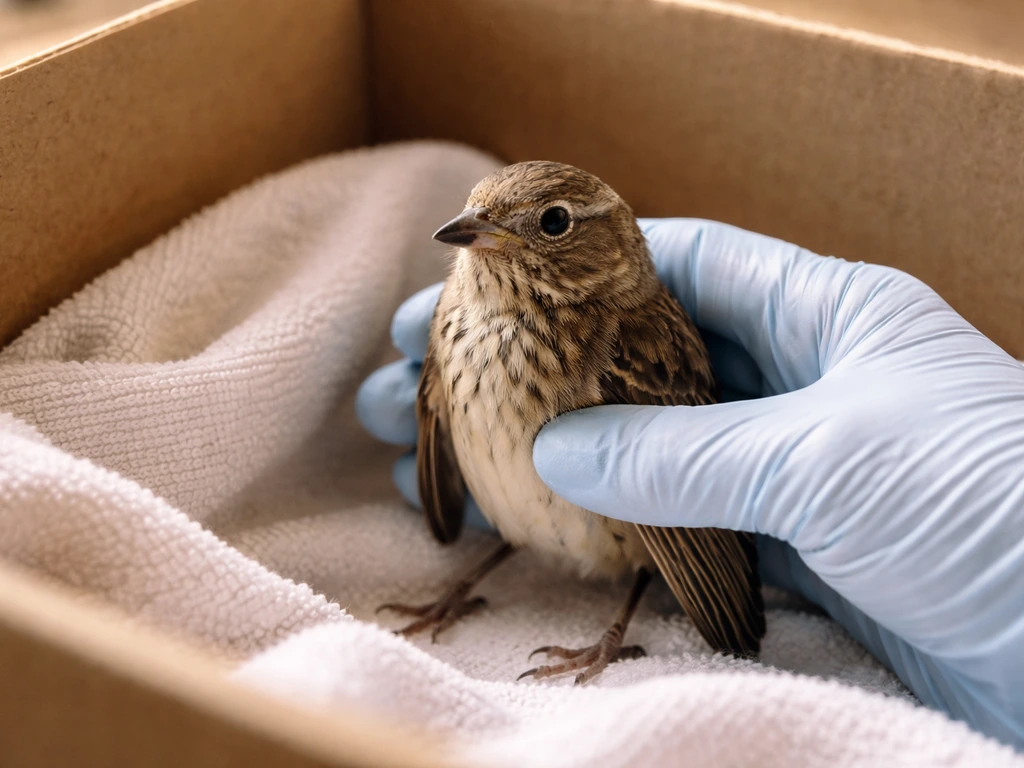
If a wing is drooping at an odd angle, or the bird is dragging a leg, do not try to splint it yourself. You'll almost certainly make it worse. Get the bird into the box (upright, not on its back), keep it warm and calm, and contact a wildlife rehabilitator or avian vet right away. A broken bone is a professional repair job. The goal at home is just to keep the bird still and prevent further injury until you can hand it off.
Beak injuries
A damaged beak is serious because birds use their beaks to eat, preen, and defend themselves. If you see blood or a visibly cracked or broken beak, do not try to clean inside the mouth or flush it with water. You can gently wipe the outside of the beak with a moistened soft tissue or a cotton swab to remove debris, but that's the limit of safe home care. Get the bird to a professional. Beak injuries often look worse than they are, but they always need expert assessment.
Pet contact injuries (cats and dogs)
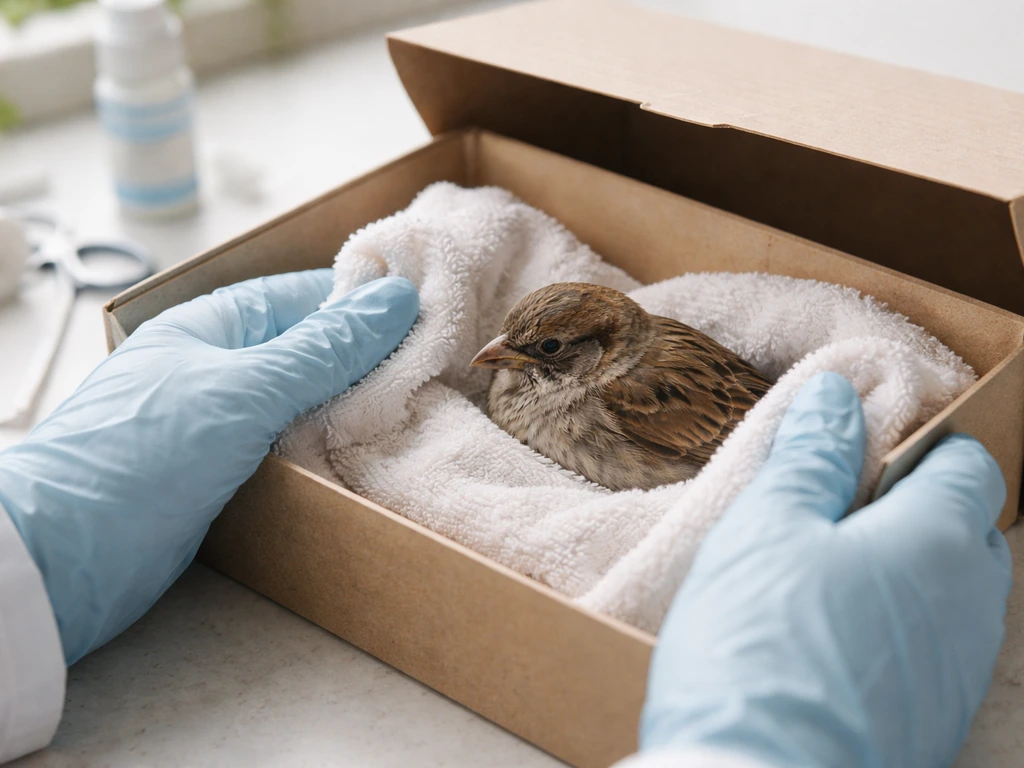
This is a situation where the clock is ticking, even if the bird looks fine. Cat saliva in particular contains bacteria that can kill a bird within 24 to 48 hours from a wound that's invisible to the naked eye. If a cat or dog has had the bird in its mouth, or has scratched it, treat it as a medical emergency. Do not wait to see how the bird does. Box it, keep it calm, and get it to a wildlife rehabilitator or avian vet the same day. Tell them about the cat or dog contact immediately. Antibiotic treatment started quickly can save the bird's life.
Nest emergencies and baby birds
A baby bird on the ground isn't always in trouble. If it has feathers and is hopping around, it's probably a fledgling learning to fly and the parents are likely nearby. Leave it alone and keep pets away. If it's featherless, has its eyes closed, or is clearly injured (bleeding, shivering, visible wound), it needs help. The U.S. Fish and Wildlife Service is clear that human intervention is warranted when you see a visible broken limb, bleeding, shivering, or a deceased parent nearby, but not just because the bird is on the ground.
How to tell if the bird needs urgent care right now
Some situations cannot wait even an hour. Call a wildlife rehabilitator or emergency avian vet immediately if you see any of the following:
- Breathing with mouth open, or gasping, or the tail is bobbing with every breath
- Bleeding that won't stop or an open wound with exposed tissue or bone
- The bird is lying on its side or completely non-responsive
- Obvious broken limb at a severe angle
- The bird was in a cat's or dog's mouth
- Seizure-like movement or the bird is spinning in circles
- Visible swelling around the head or eyes
If the bird is sitting upright, blinking, and reacting to your presence, that's a better sign. But 'better' doesn't mean 'fine.' Even a bird that seems to be improving can crash quickly if it has an internal injury. Keep monitoring, and if you're unsure, call a professional anyway. A two-minute phone call to a rehabilitator is always worth it.
One important posture note: never leave an injured bird on its back. Birds have difficulty breathing in that position. Always make sure the bird is upright or on its chest in the box.
How to handle and transport the bird safely
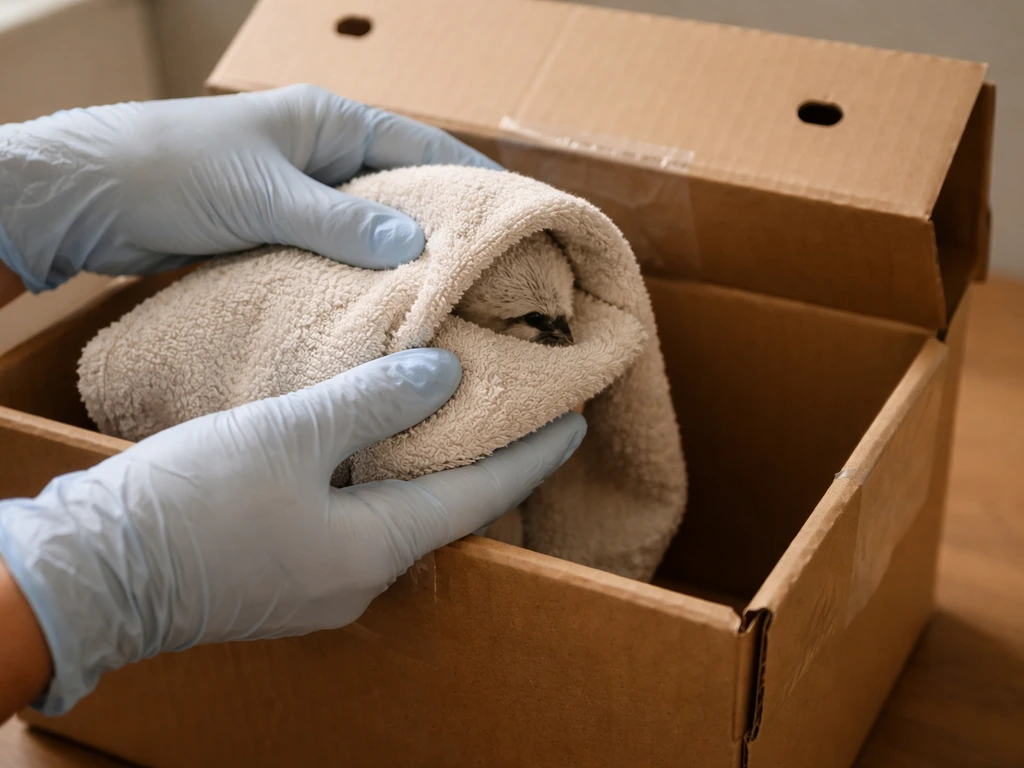
Avoid picking up a wild bird with bare hands. Use gloves if you have them, or wrap the bird loosely in a light towel. Cover the bird's head gently while you transfer it to the box. This darkness reflex helps calm them almost instantly. Hold the bird firmly but not tightly. You don't want it to escape and injure itself further, but you also don't want to restrict its breathing.
Once the bird is in the box, tape the lid shut or fold it closed. Keep the box level during transport. Put it on the seat next to you rather than the trunk, so you can keep it stable. Turn off loud music and keep conversation minimal. Noise adds stress, and a stressed bird uses energy it desperately needs for recovery.
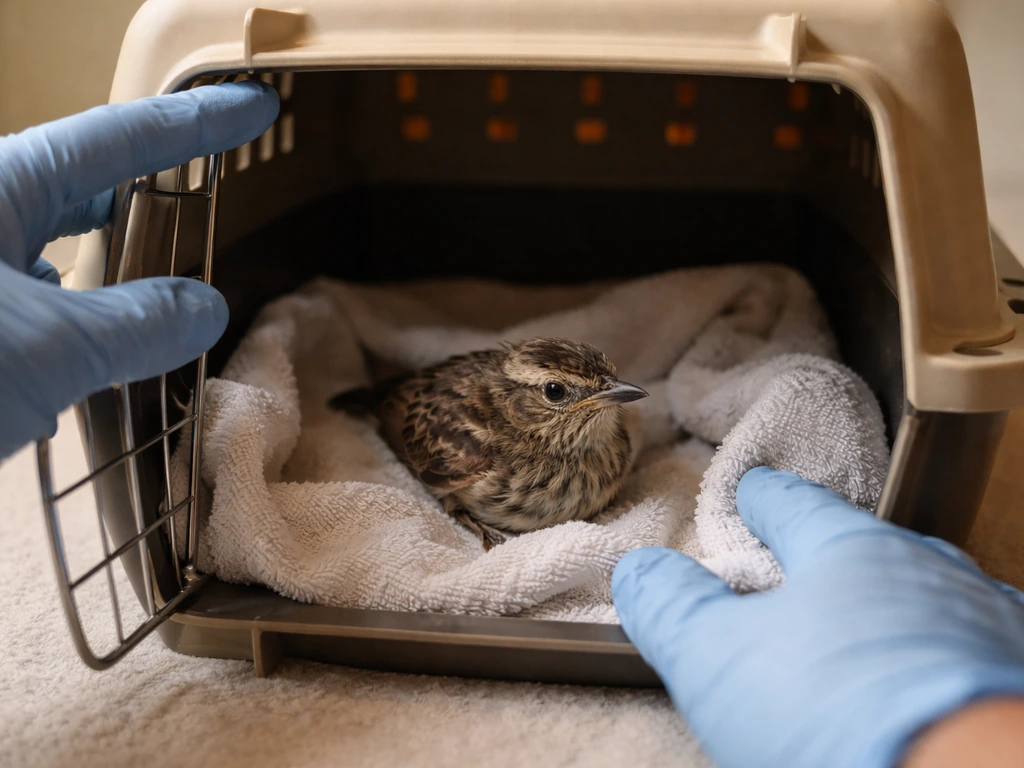
Do not put the bird in a birdcage, a wire crate, or any container where it can see through the sides. Transparency increases panic. A plain cardboard box with a lid is genuinely the best transport container for an injured wild bird.
Finding help and what to say when you call
Search for 'wildlife rehabilitator near me' or 'bird rescue (your city or county).' You can also call your local humane society, animal control office, or a nature center. The Humane Society of the United States and the National Wildlife Rehabilitators Association both have online locators. If you can't reach anyone immediately, your local avian veterinarian may be able to triage and refer.
When you call, be ready to answer these questions clearly:
- What kind of bird is it (to the best of your knowledge)?
- Where did you find it, and what were the circumstances?
- What injuries or symptoms are you seeing right now?
- What (if anything) have you already done for it?
- How long has it been since you found it?
That last question matters. Rehabilitators need to know the timeline. If you gave the bird water or food before reading this, tell them honestly. It affects what they'll do next. Don't leave it out to avoid embarrassment. They've heard it all and they just need accurate information to help the bird.
Aftercare basics: if you're waiting or bridging the gap
If you can't get the bird to a professional for several hours, or you're waiting for a callback, here's what appropriate home care looks like in the meantime. If the bird appears to have a cold, the same basic approach applies: keep it warm and quiet, and contact a wildlife rehabilitator or avian vet for guidance how to treat a bird with a cold.
| Category | Do this | Don't do this |
|---|---|---|
| Housing | Cardboard box, dark, quiet, one end near gentle warmth | Wire cage, transparent container, bright light, loud environment |
| Feeding | Nothing, unless a licensed rehabber has specifically told you what and how much | Seeds, bread, worms, water, milk, fruit juice, or anything else |
| Water | Nothing until a professional advises you | Squirt water into the beak or leave a dish of water in the box |
| Wound care | Gentle external wipe with damp soft tissue if there's debris on the beak or feathers | Wash wounds, apply antiseptic, pull out feathers, try to set bones |
| Checking on it | Peek quietly once every 30 to 60 minutes | Open the box frequently, handle the bird repeatedly, or let children or pets near it |
| Medication | None, ever, without professional guidance | Ibuprofen, Tylenol, aspirin, or any human or pet medication |
On the topic of medication: it comes up more than you'd think. People ask about giving birds ibuprofen or Tylenol when they're trying to help with what looks like pain. Both are toxic to birds. There is no safe over-the-counter human pain reliever for wild birds. The same goes for most home remedies. The 'do nothing except warmth and darkness' approach feels passive, but it's genuinely what keeps the bird alive long enough for a professional to help.
When to stop home care and escalate
Stop home care and escalate immediately if the bird's condition is worsening rather than staying stable. Signs that things are going wrong: the bird was sitting upright and is now slumped, it was blinking and is now unresponsive, its breathing has become labored, or it has started seizing. These are not 'wait and see' moments. If a rehabilitator hasn't called back, call again. Drive to the nearest avian vet. The goal of everything you've done at home is to buy time for a professional, not to replace one.
Home care for wild birds has a very short shelf life. Twenty-four hours is typically the outer limit of what's appropriate before the bird absolutely needs professional hands-on assessment, even if it seems stable. Wild birds are experts at masking weakness, and what looks like 'doing okay' can change fast. Trust your gut, and when in doubt, make the call.
FAQ
If the bird seems better after I boxed it, does that mean it was helped and I can let it go?
You can look for steady improvement, but you cannot confirm full recovery at home. If the bird was stunned or overheated and it stays upright, alert, and breathing normally after about 30 to 60 minutes, that suggests your dark, warm, quiet step helped. If it does not recover that quickly, or you see any new problem (crooked posture, mouth-open breathing, bleeding), contact a rehabilitator immediately.
How long should I wait after first aid before deciding whether to escalate?
Do not keep the bird with you for hours “just in case.” Plan to reassess promptly: for common window strikes, check after 30 to 60 minutes, and do not exceed about an hour before escalating if it has not recovered. For anything else, treat “stable” as temporary and use the 24-hour outer limit described in the article as a safety boundary.
What if the bird is alert and responsive, but I’m still worried it could be injured internally?
Yes, a “good” reaction can still be dangerous. Birds can appear upright and responsive while suffering internal injury, concussion, or trauma. That is why the right move is continued monitoring, and if you are unsure, a quick call to a wildlife rehabilitator is appropriate even if the bird looks improved.
What’s the safest way to warm a cold bird without making it worse?
If the bird is cold, you should warm it indirectly so it can choose its own comfort. Use the one-side heat approach (heating pad on low under part of the box, or a warm water bottle wrapped in cloth tucked under one side) and avoid overheating. If the bird pants or seems worse after warming, stop trying to adjust heat and call a professional.
My bird looks hungry. Can I give it food or water to help it recover?
Avoid feeding because it increases the risk of aspiration and choking, especially when the bird is weak, shocked, or unable to swallow normally. Even if you think it “needs energy,” do not offer water, food, milk, or supplements unless a rehabilitator specifically tells you what to give and how to administer it.
What if I’m not sure why the bird is injured or what exactly I helped with?
If you do not know what happened, treat it as potentially traumatic. Box it in a dark, warm, quiet container, keep it upright (not on its back), minimize handling and noise, and call for triage. The bird’s actual condition in front of you matters more than guessing the cause.
Are there injuries that look minor but still mean I should get professional help right away?
Yes, even minor-looking external issues can mask serious problems. Cat or dog contact is a key example, because bites and scratches can hide deep infection. Also, a beak that looks “slightly off” or a small bleeding spot can be enough to require professional assessment.
How should I transport the bird so it has the best chance after my first aid?
When transporting, prioritize stability and comfort. Keep the box level, secure it so it cannot tip, avoid the trunk when possible so you can monitor, and do not drive fast or make sudden stops. If you are calling a rehabilitator, tell them when you plan to arrive and whether the bird remains upright and breathing steadily.
If I made a mistake during first aid, should I still call a rehabilitator?
It depends on what kind of “bird help” you did. If you placed it in a box, stopped it from panicking, and kept it warm and quiet, that typically helps by reducing stress. If you gave water, attempted feeding, or used any human medication or home remedy, mention it when you call, because it affects what the professional may treat next.
The wing or leg looks “only slightly wrong,” should I try to splint it or can it wait?
Do not attempt home splinting or set injuries. Even if the bird seems able to stand, drooping wings or a dragging leg can involve fractures or nerve damage. The safest approach is to box it upright, keep it still and warm, and get professional care promptly.
Why can’t I keep the bird in a cage or an open box while waiting for help?
For injured birds, a cage or open container usually makes the situation worse by increasing panic and causing stress-related energy loss. A plain cardboard box with a lid is the safer choice because it blocks visual stimulation and provides a calm environment during calls or transport.
If someone else already helped the bird, how do I tell whether my next steps are still necessary?
If the bird was in someone else’s care, you should still treat the bird based on its current condition. Ask the person what they did, especially whether food, water, or medication was given, and whether there was cat or dog contact. Then follow the same assessment and escalation steps based on breathing, posture, responsiveness, and any bleeding.
Next Article
Can a Bird Live With One Wing? Survival and First Aid
Can a bird live with one wing? Injury outcomes and step-by-step first aid, plus when to get urgent help.