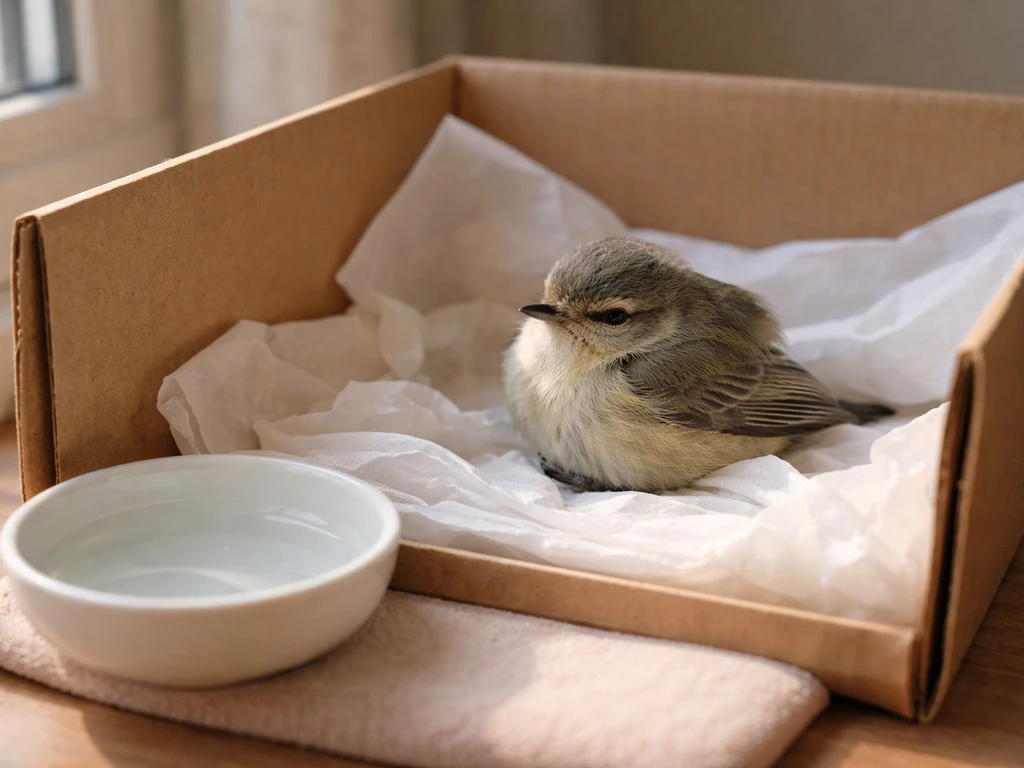
No, you should not give a bird Tylenol. Acetaminophen (the active ingredient in Tylenol) is toxic to birds and can cause serious, potentially fatal harm even in very small amounts. There is no established safe dose for birds, and giving any human pain reliever without direct guidance from an avian veterinarian or licensed wildlife rehabilitator is one of the most dangerous things you can do when trying to help an injured bird.
Can You Give a Bird Tylenol? Safe First Aid Steps Now
Marcus Chen
7 Jun 2026
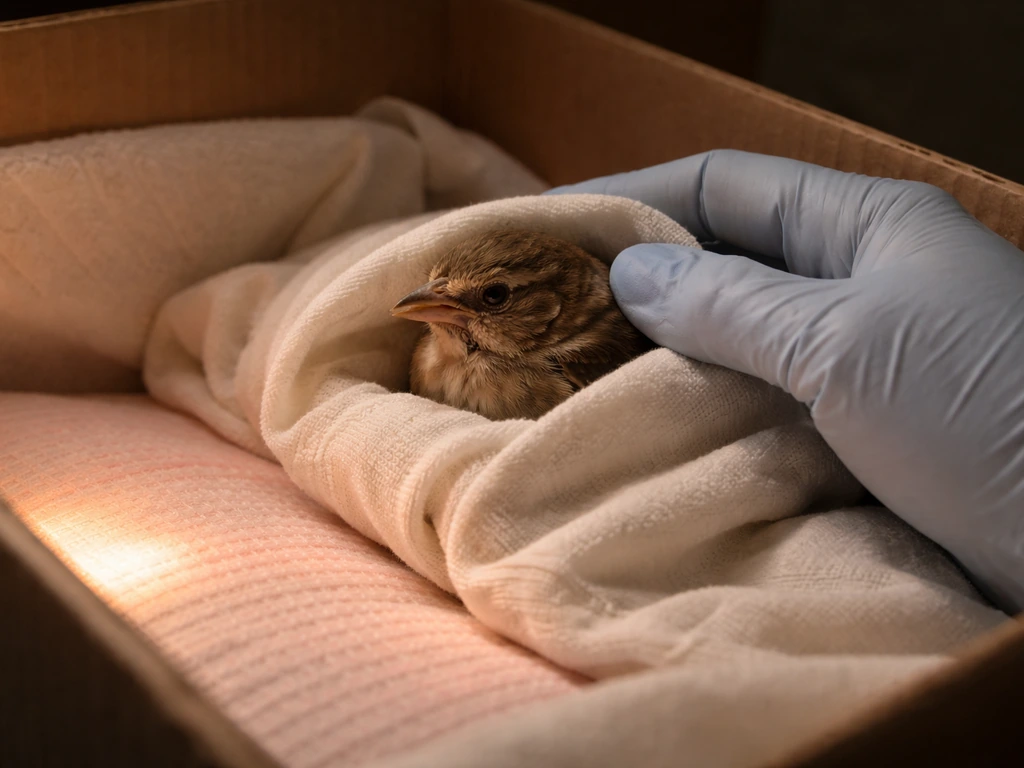
Why human medicine is so dangerous for birds
Birds have a completely different metabolism from humans, and even medications that are relatively safe for us can be lethal to them. Acetaminophen in particular can cause methemoglobinemia, a condition where the blood loses its ability to carry oxygen properly. The result is that the bird effectively suffocates from the inside, showing signs like cyanosis (bluish color around the beak or skin), labored breathing, and rapid decline. These signs can appear quickly, and by the time they're visible, serious damage has already been done.
It's not just Tylenol you need to avoid. Other human pain relievers like ibuprofen (Advil, Motrin) are also dangerous. Even NSAIDs that veterinarians use specifically for birds come with an important caveat: according to clinical avian medicine resources, blank" rel="noopener noreferrer">the correct dose and frequency for NSAID use has not been established for most bird species. That means even trained professionals are working carefully and conservatively with pain medication in birds. A well-meaning guess at home could easily go very wrong.
The general rule is simple: do not give any bird any medication unless an avian vet or licensed wildlife rehabilitator has specifically told you to, with the exact dose and instructions for that individual bird. If you suspect a bird has already eaten or been given acetaminophen, call the ASPCA Poison Control line at (888) 426-4435, which is available 24 hours a day, 7 days a week, 365 days a year.
What to do right now instead
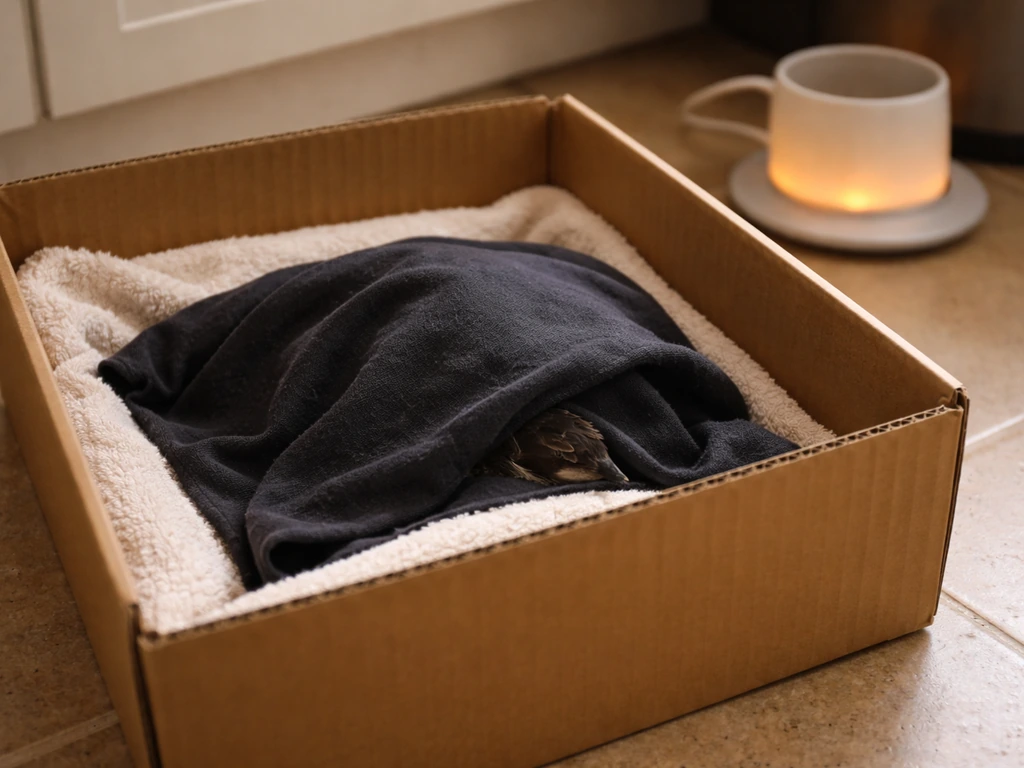
The good news is there is plenty you can do to help an injured bird without medication. The priorities are warmth, darkness, quiet, and safety. These four things can genuinely make the difference between a bird that recovers and one that doesn't, and none of them require any special equipment or knowledge.
Here's the basic first aid process to follow the moment you find an injured bird:
- Contain the bird gently. Use a small cardboard box or paper bag with air holes. Line it with a soft cloth or paper towels. Avoid wire cages or anything the bird can hook its talons or beak on.
- Keep it warm. Place the box somewhere between 85 and 90 degrees Fahrenheit if possible, or simply keep it in a warm room away from drafts and air conditioning. A heating pad set to low under half the box works well, so the bird can move away from the heat if needed.
- Keep it dark. A dark, enclosed space reduces panic and stress, which is one of the biggest killers of injured wild birds. Stress alone can cause cardiac arrest in some species.
- Do not offer food or water. This is counterintuitive, but feeding or watering an injured bird can cause aspiration (inhaling liquid into the lungs), choke the bird, or make injuries worse. Leave this to the professionals.
- Minimize handling. Every time you handle the bird, its stress levels spike. Pick it up once to place it in the box, then leave it alone until you can get it to help.
- Control bleeding if present. If there is active bleeding, apply gentle pressure with a clean cloth or gauze. Do not use hydrogen peroxide or antiseptic sprays on open wounds on birds.
That's really the core of it. Your job right now is stabilization and transport, not treatment. The sooner you can get the bird to a professional, the better its chances. If the bird's symptoms suggest a cold, they can advise on safe, species-appropriate supportive care and when treatment is needed a licensed wildlife rehabilitator.
Safe pain relief options: what to ask a vet or rescue about
If you're worried about the bird being in pain (and that's a completely understandable concern), the honest answer is that pain management for birds needs to happen under professional supervision. Licensed wildlife rehabilitators and avian veterinarians do have access to bird-appropriate medications, but what they use, how much, and how often varies by species, the bird's weight, and the nature of the injury.
When you contact a rehabilitator or avian vet, you can absolutely ask them: "Is this bird in pain and what can be done about it?" A good rehabilitator will give you species-specific guidance. Some organizations have a help desk specifically so you can call before you even bring the bird in, and they'll walk you through what to do in the meantime. The focus at home should be keeping the bird calm and warm, because reducing stress genuinely reduces the bird's immediate suffering in a measurable way.
Signs the bird needs urgent care right now
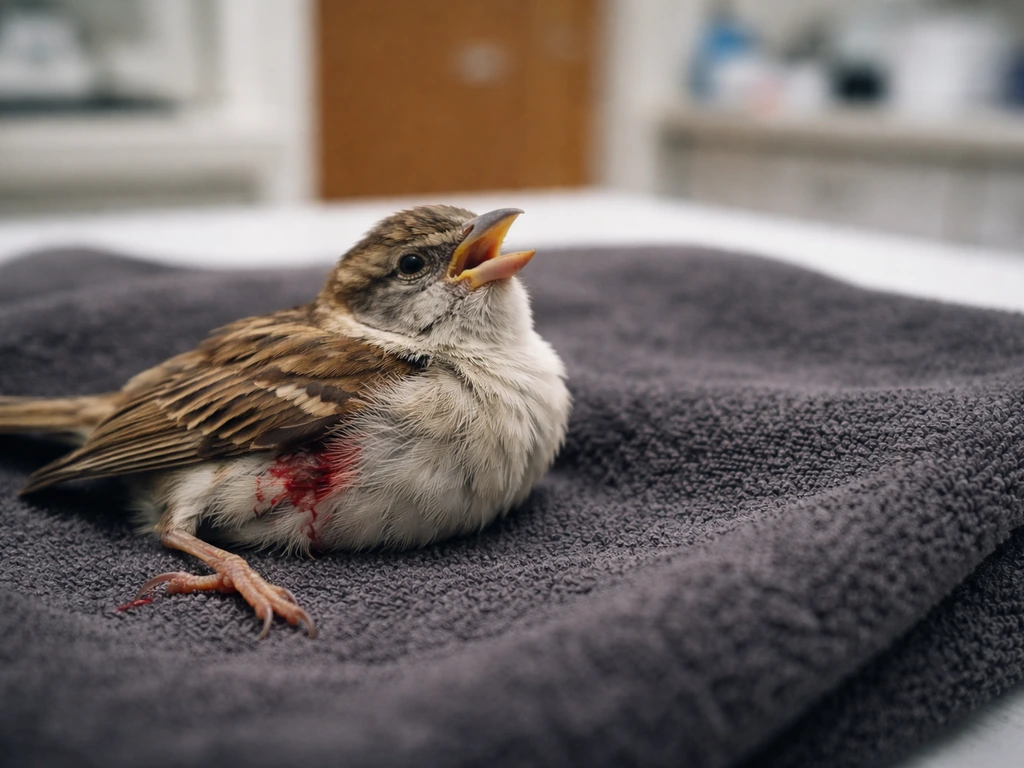
Some situations are more urgent than others. If you're seeing any of the following, treat it as an emergency and contact help immediately rather than waiting to see if the bird improves on its own:
- Difficulty breathing, open-mouth breathing, or wheezing
- Uncontrolled or heavy bleeding
- Obvious fractures (a wing or leg at an unnatural angle)
- Head trauma signs: spinning, circling, seizures, inability to hold the head upright
- Complete inability to stand or right itself
- Exposed tissue, bone, or internal organs
- Signs of shock: extremely fluffed feathers, eyes closed, unresponsive to being handled
- Cat or dog bite wounds (even small punctures are medical emergencies due to bacteria)
- Prolonged decline over more than an hour without any improvement
A bird that is simply stunned after a window strike and sitting quietly may recover on its own within an hour if kept safe and warm. But a bird showing any of the signs above needs professional care, and waiting is not a safe option.
Common scenarios and what to do in each one
Window collision
This is one of the most common situations people encounter. A bird hits a window and ends up on the ground, stunned. If there are no obvious injuries (no bleeding, no visible fractures, the bird can blink and hold its head up), place it in a dark, ventilated box and wait about an hour. Keep it upright, not on its back. Do not offer food or water. After about 60 minutes in a safe, warm, dark space, many birds will recover enough to be released. If it has not improved after an hour, or if it worsens at any point, contact a wildlife rehabilitator.
Cat or dog bite or attack
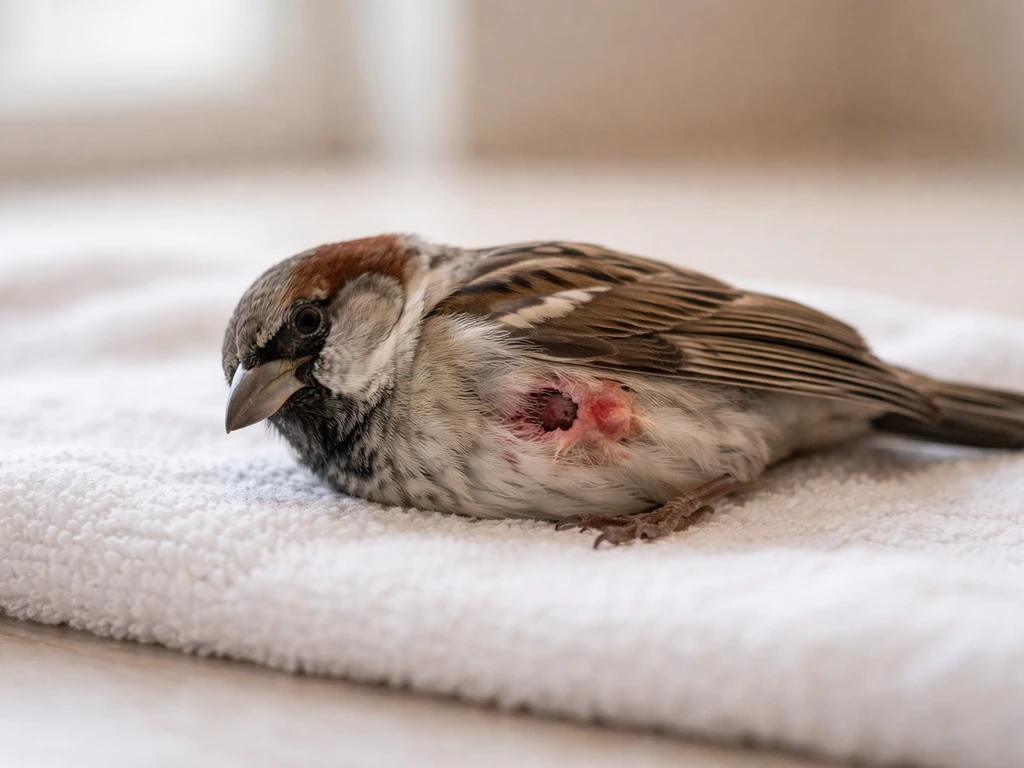
This is a genuine emergency every single time, even if the bird looks okay on the outside. Cat saliva in particular contains bacteria called Pasteurella that can kill a bird from a puncture wound that looks completely minor. Birds can go from apparently stable to dead within 24 to 48 hours if bite wounds aren't treated with antibiotics. Do not wait to see if the bird improves. Box it up, keep it warm, and get it to an avian vet or wildlife rehabilitator the same day.
Broken wing or leg
If you can see that a wing or leg is broken (it's drooping, at a strange angle, or the bird can't bear weight on it), do not try to splint or set the fracture yourself. For a broken wing, you can gently fold the wing against the bird's body and wrap it loosely with a strip of soft cloth or self-adhesive wrap to prevent it from flopping around during transport. Use something easy to remove and don't wrap tightly. Then get the bird to professional care as quickly as possible. Fractures in birds heal differently than in mammals, and timing matters for the outcome.
Beak injury
A damaged beak is serious because birds use their beaks for everything: eating, drinking, preening, and interacting with their environment. If the beak is cracked, broken, or bleeding, do not attempt to glue or splint it. Apply gentle pressure if there's active bleeding, box the bird in a dark, warm space, and contact an avian vet. Beak injuries are very difficult to manage at home and almost always require professional repair.
Nest emergencies (fallen chick or orphaned baby bird)
If you find a baby bird on the ground, first look for the nest. If it's reachable, you can gently place the bird back in it. The common myth that a parent will reject a chick touched by humans is not true for most bird species. If the nest is destroyed or unreachable, put the chick in a small container lined with tissue and placed as high as possible near where it was found.
Keep an eye out for the parents returning to feed it. If no parents appear within a couple of hours, or if the bird is cold, lethargic, or injured, contact a wildlife rehabilitator. Do not try to feed a baby bird formula, worms, or anything else without specific guidance, as feeding the wrong thing can be fatal.
Do not give a newborn bird food or formula unless you have specific instructions from an avian veterinarian or a licensed wildlife rehabilitator feed a baby bird formula.
How to find help fast
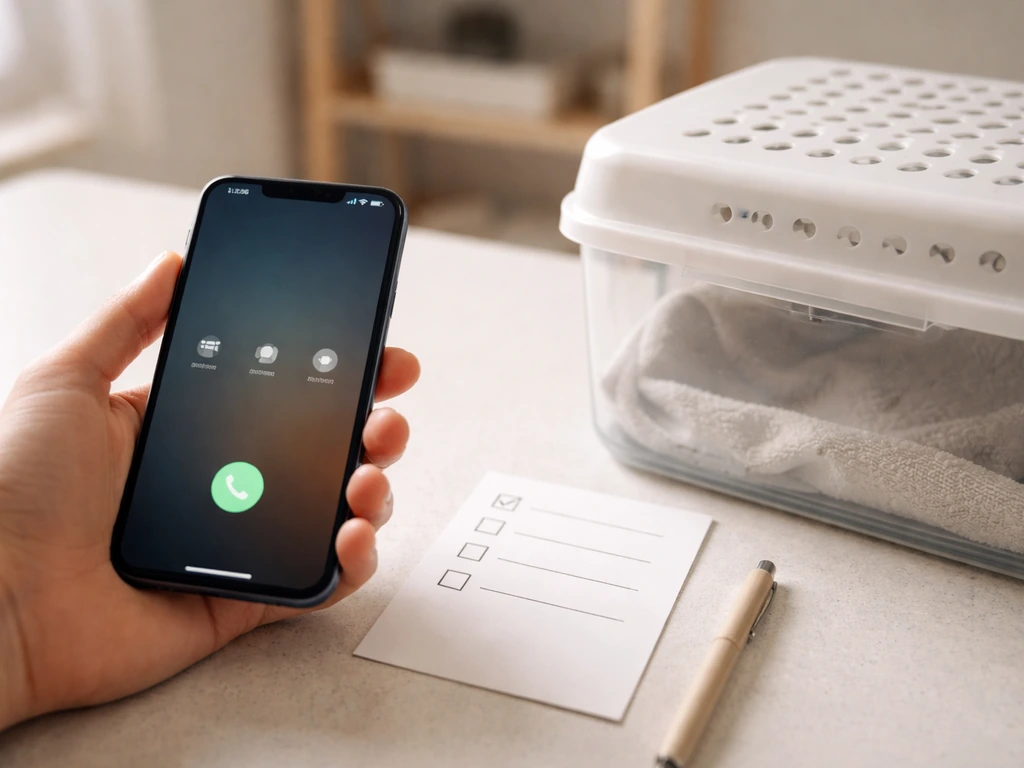
There are two main types of professional help you're looking for: an avian veterinarian (for pet birds or when you need immediate medical treatment) and a licensed wildlife rehabilitator (for wild birds, which is almost always the right call for the situations described above). Here's how to find both quickly. You can also use the Association of Avian Veterinarians Find-A-Vet Search to locate avian veterinarians in your community.
| Type of Help | Best For | How to Find Them |
|---|---|---|
| Avian Veterinarian | Pet birds, emergency medical treatment, beak injuries, severe trauma | Search the Association of Avian Veterinarians' Find-A-Vet directory at aav.org |
| Licensed Wildlife Rehabilitator | Wild birds, window strikes, orphaned chicks, most common scenarios | Search your state wildlife agency's online directory, or visit wildliferehab.org |
| ASPCA Poison Control | Suspected poisoning or accidental medication exposure | Call (888) 426-4435, available 24/7/365 |
When you call a wildlife rehabilitator, tell them the species if you know it, where you found the bird, and what you're observing. They may give you specific instructions over the phone before you even bring the bird in. Many rehabilitators have intake limits by species due to federal and state permitting requirements under laws like the Migratory Bird Treaty Act, so they may refer you to a colleague. Don't be discouraged if the first call doesn't result in an immediate intake. Keep calling until you find someone who can take the bird.
If you're having trouble finding a local rehabilitator, your state's fish and wildlife agency website almost always maintains a searchable directory of permitted rehabilitators organized by county or region. The Wildlife Center of Virginia also provides a national referral pathway on their website if you're stuck. The key is to make the call early rather than waiting to see if the bird recovers on its own, especially in the urgent situations listed above.
The bottom line: skip the Tylenol, keep the bird warm and dark and quiet, and get it to a professional as fast as you can. That combination gives any injured bird the best possible chance.
FAQ
If I already gave a bird a tiny amount of Tylenol, what should I do right now?
Do not. Even if the tablet seems “made for babies” or you think it is a tiny amount, acetaminophen still has no established safe dose for birds. If you already gave it, call a poison control line for immediate guidance and treat it as time-sensitive, do not try home remedies.
What symptoms would suggest a bird is having a reaction to acetaminophen?
Look for worsening breathing (open-mouth breathing, gasping), bluish skin or beak (cyanosis), weakness, collapse, and rapid decline over hours. If you see any of these after medication exposure, treat it as an emergency and get professional help immediately.
Can I give water or food to a bird instead of medication if it seems sick or in pain?
For injured birds, the safest default is to offer nothing by mouth, including water or food. Dehydration and shock can be addressed by warmth and rapid transport to a rehabilitator, and forced feeding or fluids can increase aspiration risk.
Are there any other over-the-counter medicines besides Tylenol that I should never give a bird?
Yes, many common “human” items are unsafe. Avoid cough syrups, cold medicines, topical pain gels, essential oils, and any multi-symptom products, because doses and ingredients vary and birds can absorb toxins through skin or by inhalation.
Is it safe to use a topical pain reliever or numbing gel on a bird?
Do not apply numbing creams or pain-relief lotions to wounds or intact skin. Topicals can contain ingredients that birds absorb quickly, and they can also irritate delicate tissues or trap chemicals under dressings.
How quickly do I need to contact an avian vet or wildlife rehabilitator after finding an injured bird?
Contact a professional as soon as you can, but prioritize emergencies first. If the bird was attacked by a cat or shows any serious breathing or injury signs, same-day care is important even if it looks outwardly okay.
How do I decide whether a window-strike bird is “recovering” versus needing emergency help?
For a window strike, if the bird is improving and remains alert enough to hold its head up, you may give the recommended short stabilization period in a warm, dark, ventilated box. If it does not clearly improve within the timeframe, or worsens at any point, get it to a rehabilitator.
Should I wrap or bandage a bird’s wound at home to stop bleeding?
If a bird is actively bleeding or you suspect a deep injury, do not attempt home bandaging that is tight or restrictive. Use a loose covering only for transport if needed, keep it warm and dark, and get to a professional promptly.
What’s the safest way to handle a possible broken wing or leg during transport?
For fractures, avoid splinting with rigid materials or trying to set bones. Gentle support for transport is okay, but the key is preventing flopping and getting to care quickly because healing timelines differ for birds.
If I am worried about pain, what can I do at home that is actually helpful while waiting for help?
You can help by keeping the bird calm: dim light, quiet room, gentle handling, and consistent warmth. Ask the rehabilitator whether the bird is likely in pain and what signs to watch for, since stress reduction can improve comfort while you wait.
Next Article
How to Treat a Bird With a Cold: First Aid Steps
Step-by-step first aid for a cold-like bird illness: warm setup, safe feeding, breathing help, red flags, and when to ca