The safest thing to feed a newborn bird that fell out of the nest is nothing, at least not yet. I know that sounds counterintuitive when you're holding a tiny, trembling bird and feeling the urge to help, but feeding is one of the last steps, not the first. Get the bird warm, calm, and breathing steadily first. If you do need to offer food while waiting for professional help, small pieces of moistened high-protein food like mealworms or wet cat food (not fish-flavored) are the closest safe emergency options for most insect-eating nestlings. But the single most important thing you can do right now is contact a licensed wildlife rehabilitator, because the wrong food given the wrong way can kill a baby bird faster than hunger will.
What to Feed a Newborn Bird That Fell: Urgent Guide
Marcus Chen
11 May 2026
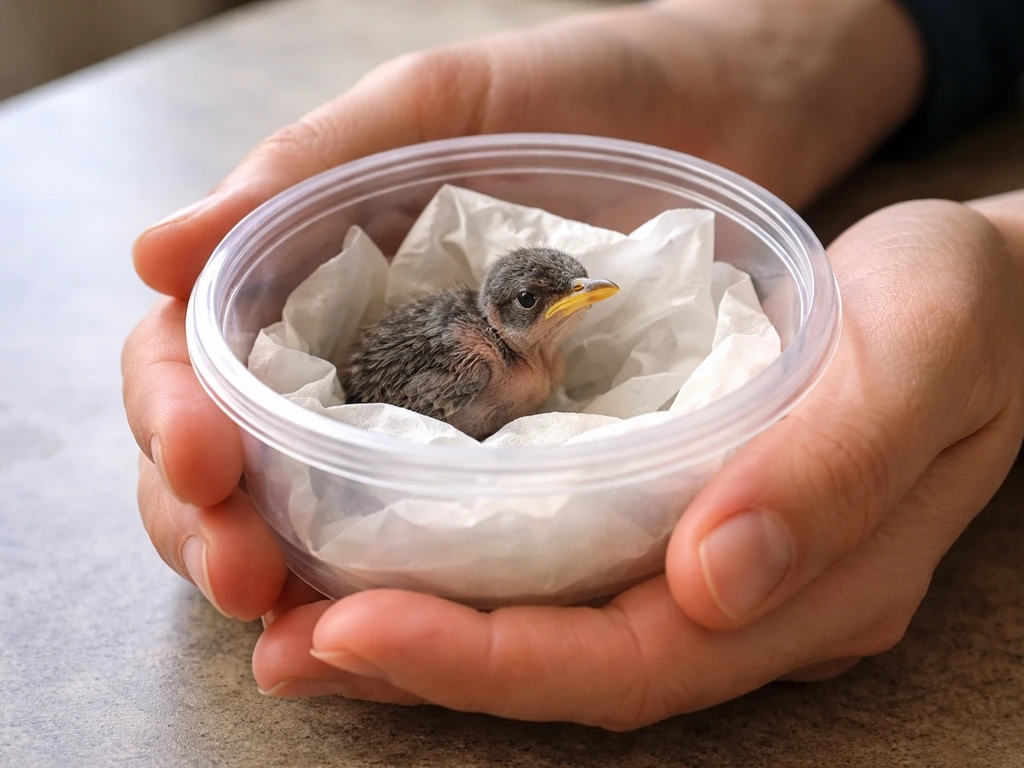
Quick check: is it really a newborn, and is it injured?
Before you do anything else, take 30 seconds to figure out what you're actually dealing with. Not every bird on the ground is a nestling in crisis, and misidentifying the situation leads to unnecessary intervention that can cause real harm.
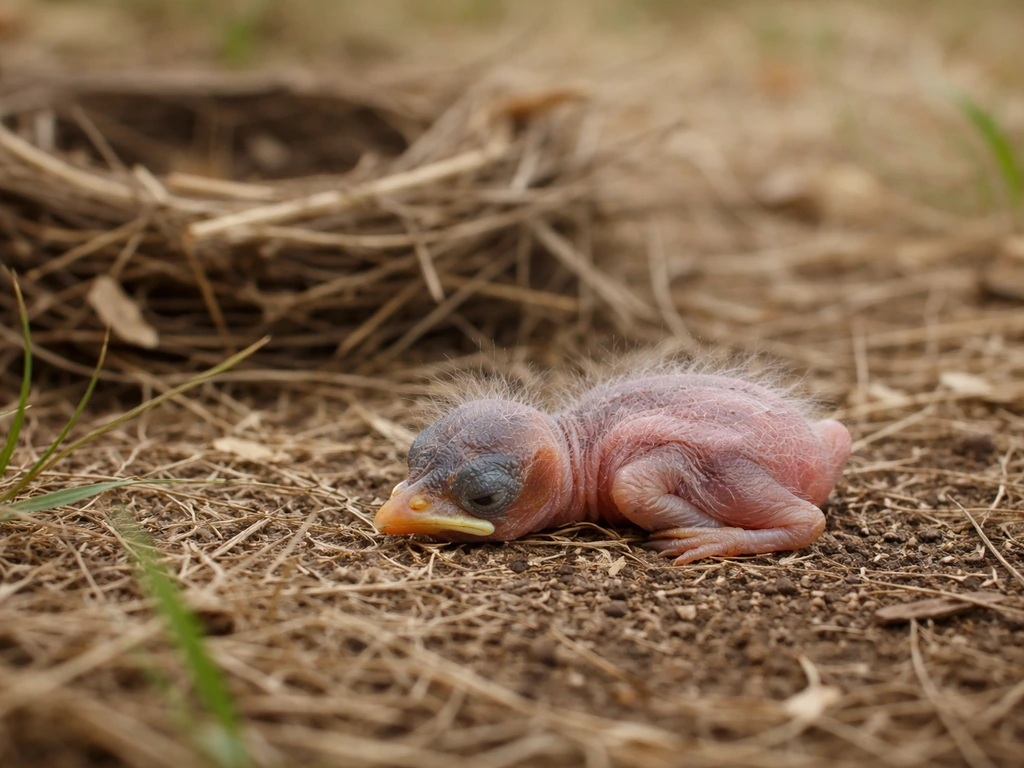
A nestling is featherless or has only sparse pin feathers just starting to come in. Its eyes may be closed or barely open. It cannot stand or hop on its own. This bird absolutely cannot survive outside the nest and needs help. A fledgling, by contrast, looks fluffy and a bit awkward, has real feathers, and can hop or even flutter short distances. Fledglings are supposed to be on the ground. Their parents are usually watching nearby, and the best thing you can do for a fledgling is leave it alone (or move it gently out of immediate danger like away from a road or cat).
If you have a nestling, scan the area for the nest. If it's reachable, place the bird back in it. The myth that parent birds abandon chicks touched by humans is false. Parents identify their young by sight and sound, not smell. If the nest is destroyed or unreachable, keep reading.
Now check for obvious injury: Is the bird bleeding? Is one wing drooping at an odd angle while the other is held normally? Is it breathing with its beak open, gasping? Is it completely limp and unresponsive? Any of these signals mean injury or serious illness on top of the fall. Don't try to feed an injured bird. Skip ahead to the 'When feeding isn't enough' section below.
Do these things before you even think about food
Warmth comes first. A cold baby bird cannot digest food, and feeding a chilled bird can cause fatal complications. Nestlings have no ability to regulate their own body temperature, so if they've been on the ground any length of time, they're probably cold even if you can't tell by touching them. Place the bird in a small box lined with paper towels (not terry cloth, loose fibers wrap around tiny feet and toes). Put a heating pad set to low under half the box, or place a hand warmer wrapped in a cloth next to, not under, the bird. The bird needs one cooler side it can move to if it gets too warm. Aim for a temperature of around 85 to 90 degrees Fahrenheit for a featherless nestling.
Keep it dark and quiet. Stress kills baby birds. Every time you handle the bird, make eye contact with it, or expose it to noise and movement, you're triggering a stress response. Cover the box with a light towel, put it somewhere away from pets, children, and loud sounds, and resist the urge to keep checking on it. I know it's hard. Check every 20 to 30 minutes, not every five.
Check for dehydration before offering any food. A dehydrated bird cannot safely process food. Gently pinch a tiny fold of skin on the bird's back or leg. If it snaps back immediately, hydration is likely okay. If it stays tented or returns slowly, the bird is dehydrated. Do not give water by dropper to a newborn bird. Wildlife Center of Virginia also advises not to give a baby bird any food or water, and notes that bird parents are not frightened off by human scent and will return to feed if the baby calls not to give water by dropper to a newborn bird. Aspiration (inhaling liquid into the lungs) is a serious, often fatal risk. Dehydration in a newborn bird is a signal to call a rehabilitator immediately, not to try home rehydration.
Watch the breathing. A healthy baby bird breathes steadily through its nostrils with its beak closed. Open-beak breathing, gurgling sounds, clicking, or rapid shallow breaths are all warning signs of respiratory distress, infection, or internal injury. If you see any of these, feeding is off the table. Get help now.
What to feed a newborn bird in an emergency
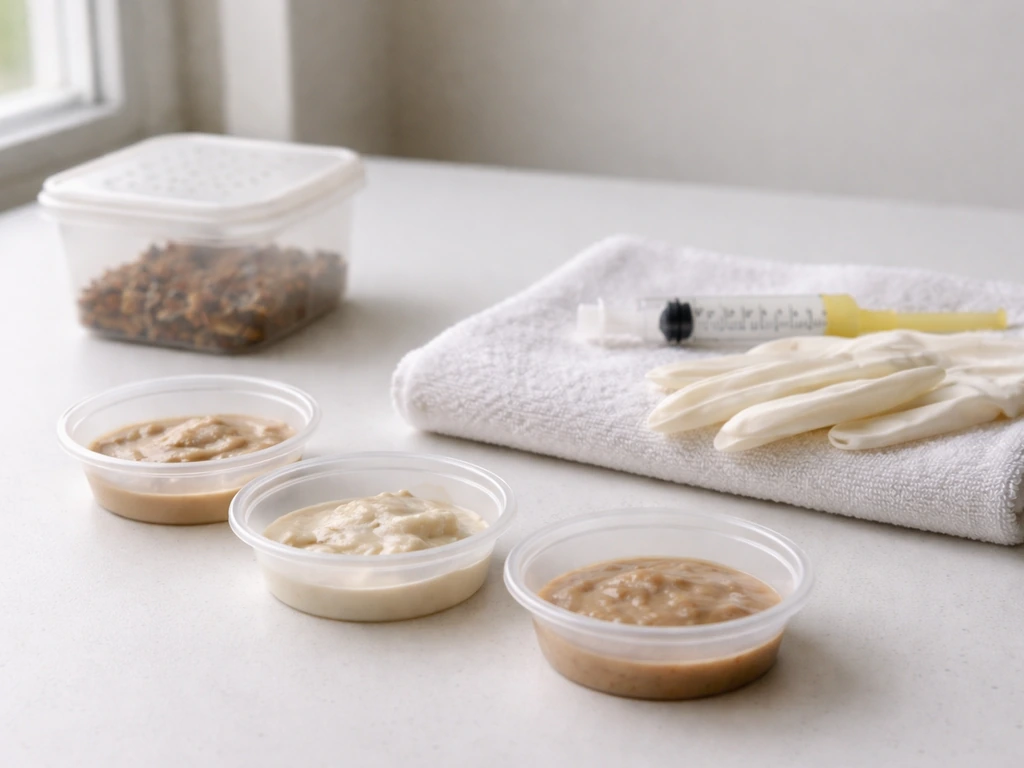
Let me be direct: the official guidance from organizations like the Wildlife Center of Virginia, the Washington Department of Fish and Wildlife, and blank" rel="noopener noreferrer">California Wildlife Center is to not feed a baby wild bird unless instructed to by a wildlife professional. If you are wondering what you give a sick bird in an emergency, the safest answer is to contact a wildlife professional first so you do not accidentally make things worse. That guidance exists for very good reasons. But I also know that sometimes a rehabilitator is hours away, it's a Sunday night, and you need something to work with. Here's what's actually safe for most nestlings as a short-term emergency measure while you're arranging help.
For most insectivorous species (which covers the majority of songbirds, including robins, sparrows, wrens, and warblers), small soft insects are the closest thing to their natural diet. Mealworms, either live or dried and rehydrated in warm water, are a reasonable emergency option. Wet them thoroughly so they're soft and easy to swallow. You can also use canned (not dry) cat food with a meat or poultry base, not fish, softened with a tiny amount of warm water to a paste consistency. A very small amount of hard-boiled egg yolk mashed with water is another option that many rehabilitators will accept as an emergency interim food.
Species matter more than most people realize. A hummingbird nestling needs nectar and tiny insects, not mealworms. A raptor nestling (hawk, owl, falcon) needs raw meat, not insects. A waterfowl chick needs different things entirely. If you're not certain what species you have, describe the bird to a rehabilitator before offering any food. Cornell Lab's All About Birds website has a photo ID tool that can help you identify the species quickly.
| Bird Type | Emergency Food Option | Avoid |
|---|---|---|
| Songbird nestling (robin, sparrow, wren) | Rehydrated mealworms, wet meat-based cat food paste, mashed hard-boiled egg yolk | Seeds, bread, milk, fruit juice |
| Raptor nestling (hawk, owl) | Tiny pieces of raw lean meat (chicken, mouse if available) | Insects, bread, dairy, processed food |
| Hummingbird nestling | Contact a rehabilitator immediately — do not attempt to feed | Anything other than professional guidance |
| Waterfowl chick (duck, goose) | Chick starter crumble moistened with water, finely chopped greens | Bread, crackers, seeds, milk |
How to feed safely without causing harm
Even the right food given the wrong way can kill a baby bird. Aspiration, where food or liquid enters the airway instead of the stomach, is the most common feeding mistake and it's often fatal. Here's how to avoid it.
- Never use a dropper or syringe to push liquid into the bird's mouth. Liquid must not be forced. If you offer anything liquid-adjacent, it should be absorbed into soft food, not dripped in.
- Use blunt-tipped tweezers, a toothpick, or even your fingertip to offer tiny pieces of food directly to the side of the beak, not down the throat.
- Wait for the bird to gape (open its beak wide and tilt its head back). That's its feeding signal. Only offer food when it gapes. Never pry the beak open.
- Keep pieces tiny, no larger than the width of the bird's beak and no longer than a grain of rice for very small nestlings.
- Feed every 20 to 30 minutes during daylight hours only. Wild parents do not feed at night, and a digestive system forced to work overnight can't handle it.
- After each feeding, give the bird 15 to 20 minutes of quiet in a dark, warm box before the next feeding session.
- If the bird doesn't gape or swallow within a few attempts, stop and call a rehabilitator. Forced feeding is dangerous.
A healthy nestling will gape eagerly and swallow quickly. If the bird is lethargic, not gaping, or seems to be struggling to swallow, those are signs it needs medical attention, not more food.
What not to feed a newborn bird (this list matters)
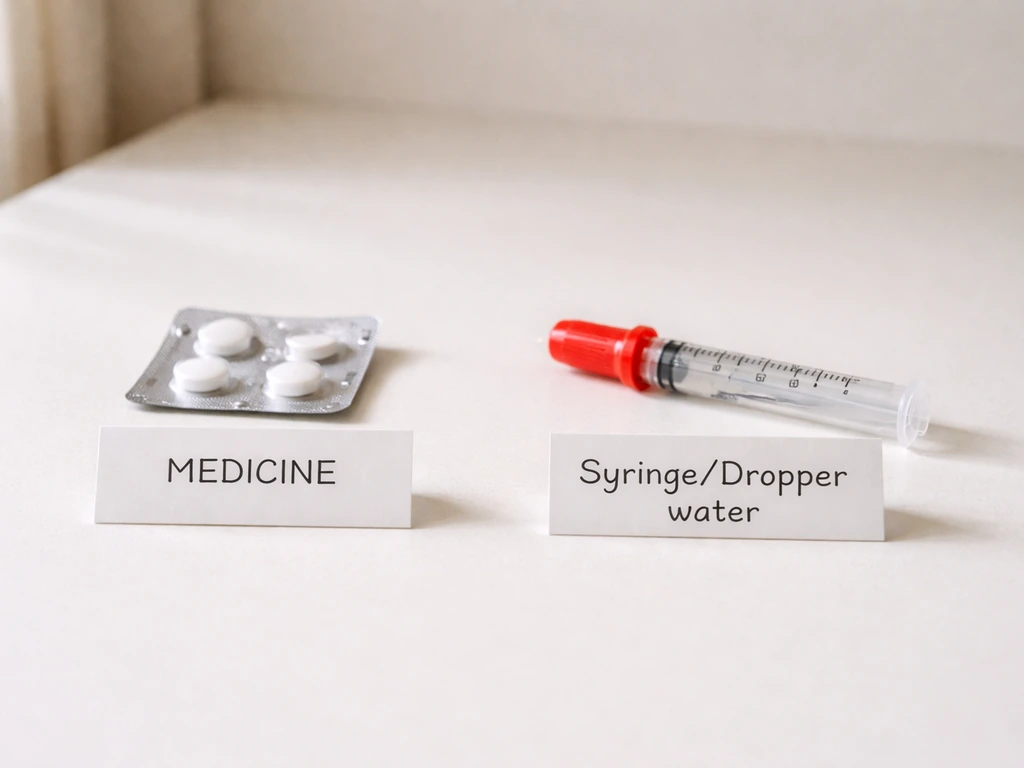
The list of things people instinctively reach for that are actually harmful is long. Please read this section even if you're in a hurry. If you're tempted to give human pain medicine, for example asking “can i give my bird ibuprofen,” this guide explains why many common household choices are unsafe and what to do instead.
- Water by dropper or syringe: Aspiration risk is extremely high in nestlings. Never drip water into a baby bird's mouth.
- Bread, crackers, or any baked goods: These are nutritionally empty and can cause a condition called 'angel wing' in waterfowl with prolonged use. They fill the bird up without providing any of the protein or nutrients it needs.
- Milk or dairy of any kind: Birds cannot digest lactose. Dairy causes diarrhea and rapid dehydration, which can be fatal.
- Seeds or seed mixes: Most nestlings cannot digest seeds yet and have no gizzard development to process them. Seeds are for adult birds.
- Worms from the garden (as a first choice): Earthworms can carry parasites and pesticide residue. Mealworms are safer.
- Fruit juice or any sugary liquid: Sugar solutions encourage bacterial growth and do not replicate the nutrition in natural nectar for most species.
- Human baby formula or infant cereal: Wrong nutritional profile entirely. Baby bird digestive systems are nothing like human infant systems.
- Yeast-based products or alcohol: Toxic to birds at very small amounts.
- Raw fish: High mercury and thiaminase content in many species; also wrong for most baby songbirds.
- Cat food with fish flavoring: Fish-based cat foods have too much fat and wrong nutrient ratios for most nestlings.
When feeding isn't enough: signs you need professional help right now
Feeding is a stopgap, not a treatment. There are clear situations where the bird needs a licensed rehabilitator or avian vet, not more mealworms. Don't wait to see if these signs improve on their own.
- Visible bleeding from anywhere on the body, including the beak
- A wing that droops noticeably lower than the other, suggesting a fracture
- Open-beak breathing, gasping, or any unusual sounds while breathing
- Complete limpness or unresponsiveness to touch
- The bird is cold and stays cold even after 30 minutes of appropriate warming
- Skin that tents and doesn't return quickly when pinched (dehydration)
- The bird is not gaping or swallowing after multiple gentle attempts to feed
- Eyes that are crusted, swollen, or closed when they should be open
- The bird appears to be seizuring or moving involuntarily
- A cat or dog has had the bird in its mouth, even briefly (cat saliva carries bacteria that cause fatal infection within hours even with no visible wound)
A cat-caught bird is a genuine emergency regardless of how healthy it looks. The bacteria Pasteurella multocida, which lives in cat saliva, can kill a bird within 24 to 48 hours of exposure. If a cat or dog has touched this bird, call a wildlife rehabilitator immediately and mention the cat contact specifically. The bird will likely need antibiotics to survive.
If the bird seems healthy but you simply cannot find or reach the nest, Greenwood Wildlife Rehabilitation Center suggests placing the nestlings in a small container (with ventilation) and watching from a distance for two hours to see if parents return. If parents don't come back within two hours, that's your cue to call a rehabilitator and talk through next steps.
How to find real help and what to say when you call
Your best starting point is the National Wildlife Rehabilitators Association (NWRA) or the Wildlife Rehabilitator directory at wildlifehelp.org. You can also search 'wildlife rehabilitator near me' and your city name, or call your local animal control office, humane society, or nature center. Many areas have 24-hour hotlines. In the US, the USGS National Wildlife Health Center also maintains state-by-state resources.
When you call, tell them: the species if you know it, the approximate age or description (featherless, pin feathers, fully feathered but small), where you found it, whether a cat or dog was involved, what if anything you've fed it, and what the bird is doing right now (breathing, gaping, limp, active). The more specific you are, the faster they can triage and advise you. If the rehabilitator is more than an hour away, ask what you should and should not do in the meantime.
If you need an avian vet rather than a rehabilitator (for example, if you suspect injury), the Association of Avian Veterinarians at aav.org has a 'find a vet' directory. Not all standard vets treat wild birds, so calling ahead and specifically asking about wild bird or wildlife experience is important.
While you wait for help to arrive or for a callback, keep the bird warm, dark, and quiet. Resist handling it. Don't offer more food than the minimal amounts above. The single biggest thing you can do for this bird's chances is get it into trained hands as fast as possible. If you are tempted to ask, “can you give a bird tylenol,” the right move is to contact a wildlife rehabilitator or avian vet instead of medicating it yourself. Feeding correctly buys time. It doesn't substitute for proper care.
FAQ
If I found a newborn bird, how long should I wait before trying to feed it?
In general, don’t attempt feedings for the first minutes to hours if the bird is cold, dehydrated, injured, or breathing oddly. Even “the right” food can be dangerous if the chick cannot swallow safely, so the safest sequence is warmth and quiet first, then reassess breathing and hydration before any emergency food.
How much should I feed a newborn bird that fell, and how often?
If it is gaping and swallowing promptly, offer only very small amounts and stop if the bird shows repeated pauses, coughing, clicking, or struggle swallowing. The goal is emergency nutrition while you arrange professional help, not full feedings or forcing intake.
What if the bird seems cold but also breathing with its beak open, should I still try to feed?
Yes, you should still get it warm first, then reassess dehydration and breathing before offering anything. But if the bird’s beak is open with audible gasping, gurgling, or rapid shallow breathing, do not feed, treat it as respiratory distress, and contact a rehabilitator immediately.
How can I tell if it’s dehydrated without giving it water?
Look for a snap-back when gently pinching a tiny fold of skin on the back or leg. If the skin stays tented or returns slowly, hydration is not something to manage at home with fluids, because adding water can lead to aspiration. Call a rehabilitator and keep the bird warm and calm.
Can I give water to a newborn bird with a dropper to prevent dehydration?
Do not give water or any liquid by dropper or syringe. Newborn birds are at high risk of aspirating liquid into the airway, which can quickly become fatal. If a professional says fluids are needed, they will instruct a method that matches the bird’s size and condition.
Is it okay to wash or clean a newborn bird before feeding it?
Try to avoid it, especially with uninjured nestlings where you can return them to the nest. If you must handle briefly to reposition or return the bird, keep time short, support the body fully, and avoid rubbing or cleaning unless a rehabilitator instructs you, because stress and heat loss matter as much as contamination.
What should I do differently if a cat or dog touched the baby bird?
If a cat, dog, or any household pet had contact, call for help immediately and mention the animal contact. Even if the bird looks alive, bacteria from saliva can cause illness within a day or two, and the bird may require antibiotics rather than more food.
Do mealworms or wet cat food work for every type of baby bird?
Yes, because diet requirements vary widely by species. Hummingbird nestlings generally need nectar plus tiny insects, raptor nestlings need raw meat, and waterfowl chicks have different needs entirely. If you cannot identify the species, describe the bird to a rehabilitator before offering any food.
How do I know whether it’s actually a nestling versus a fledgling, and does that change what I feed it?
If it might be a fledgling, don’t feed it as if it’s a nestling. Fledglings usually have real feathers and can hop or flutter short distances, and the best action is to move it away from immediate danger and watch for parents unless it looks injured or doesn’t improve with supervision.
When feeding is unsafe, what injuries or symptoms should make me stop and call for medical help?
If it has any signs of injury or severe illness, such as bleeding, a wing held at an odd angle, complete limpness, or dangerous breathing, feeding can worsen complications. Focus on keeping it warm and protected, then get help from a wildlife rehabilitator or an avian vet.
I can’t find the nest or can’t reach it, should I start feeding anyway?
If you cannot reach the nest, set the bird in a small ventilated container lined with paper towels and keep it warm, then watch from a distance for a short period to see if parents return. If parents do not come back within about two hours, that’s the cue to contact a rehabilitator.
What if the bird refuses food or seems to choke while I’m trying to feed it?
If it starts to gasp, click, gurgle, or seems to be struggling to swallow or repeatedly refusing food, stop feeding immediately and prioritize professional help. Those signs can mean respiratory distress or aspiration risk.
What household foods should I avoid giving a newborn bird that fell?
If feeding is your only option temporarily, use only the emergency foods mentioned for insect-eating nestlings (for example, small soft mealworms, or moistened high-protein cat food without fish flavor) and make the food thoroughly soft. Do not offer seeds, bread, milk, or anything that isn’t appropriate for the species and swallow safely.