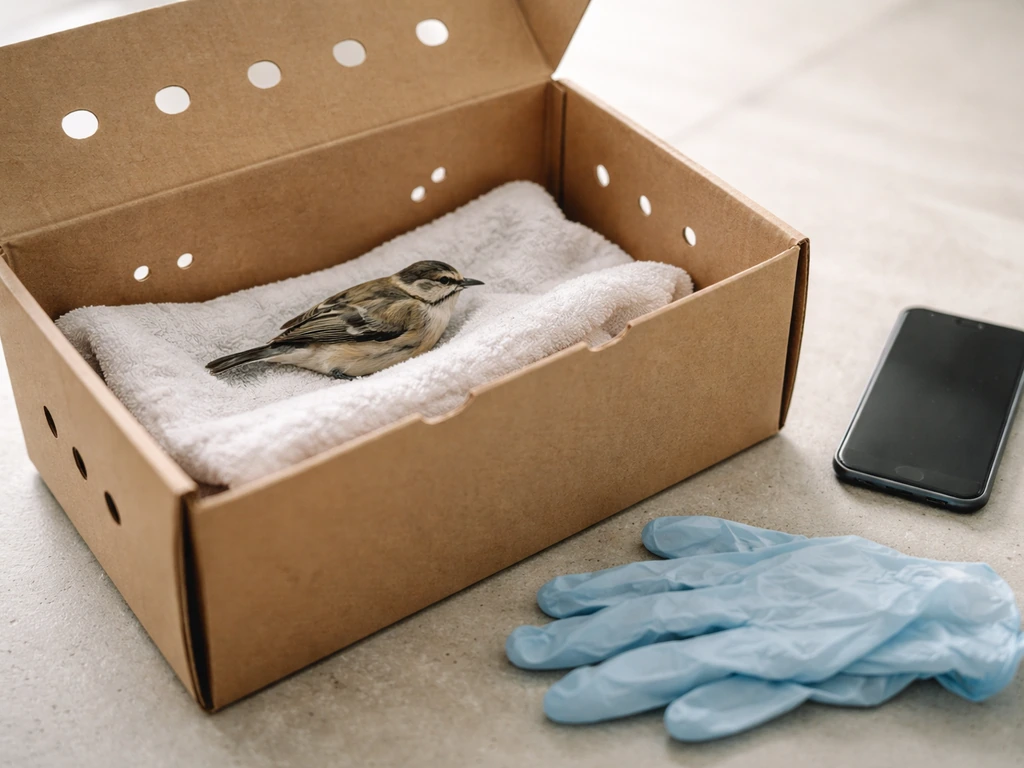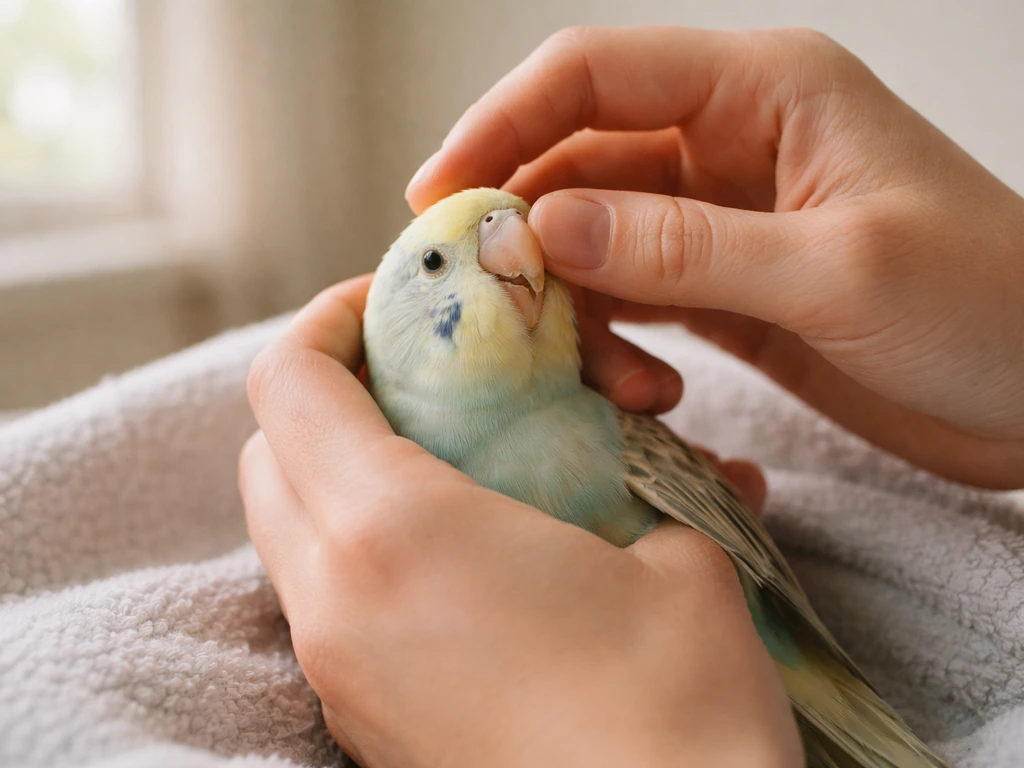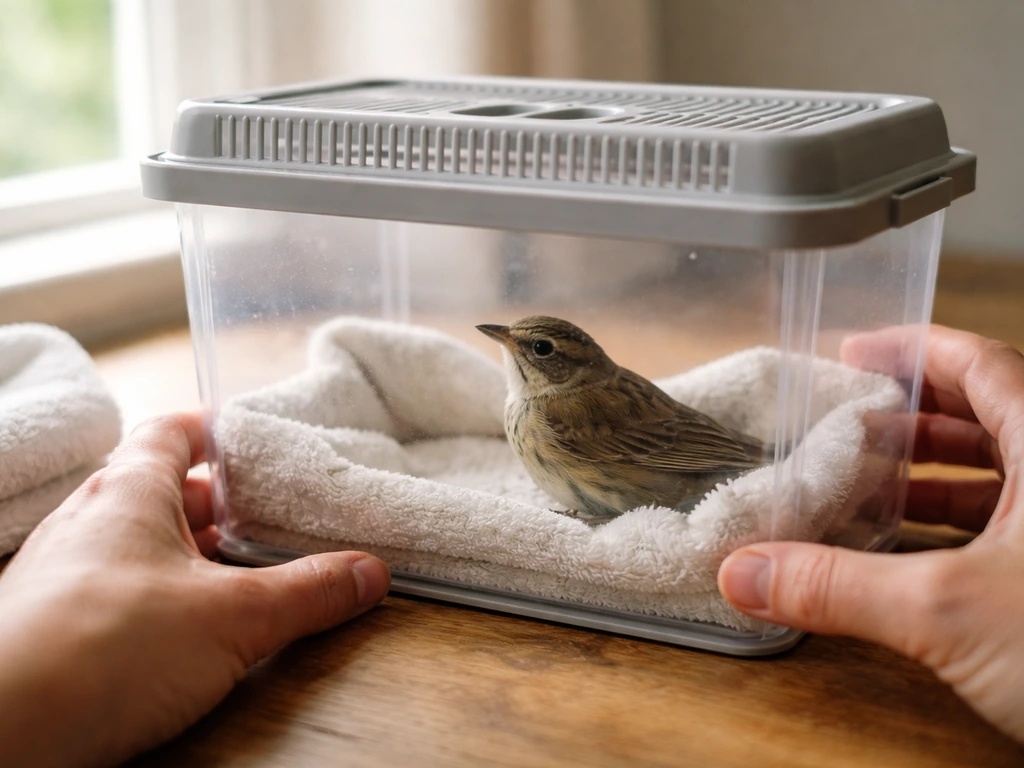
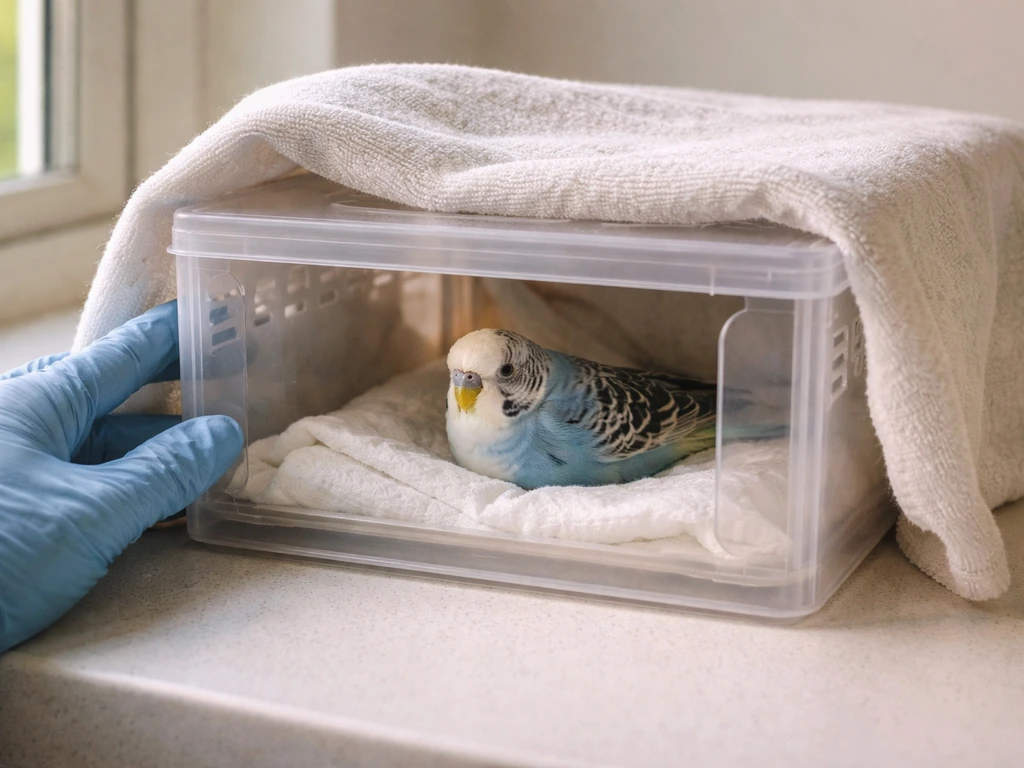
If your bird is sick or acting abnormally right now, do this first: stop, stay calm, and don't rush to handle it. Put the bird in a small, dark, ventilated box lined with a paper towel, place it somewhere warm and quiet, and then call an avian vet or wildlife rehabber. That single sequence, assess, contain, warm, call, covers roughly 90% of what you should do in the next 30 minutes. Everything else below helps you fill in the details for your specific situation.
What to Do If My Bird Is Sick: First Aid Steps
Marcus Chen
6 May 2026
Do this right now (before you read anything else)
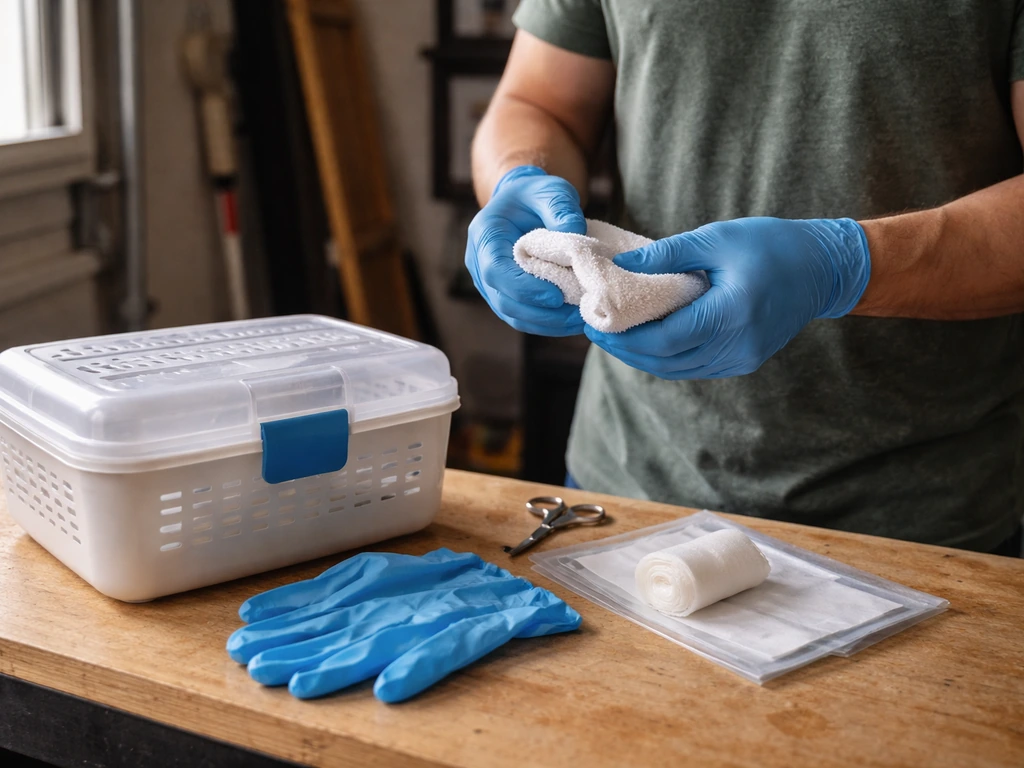
Before you try to figure out what's wrong, protect yourself. Birds that are sick or injured can carry bacteria, parasites, or in rare cases avian influenza. The CDC is clear: don't touch a sick or dead bird without protection. Grab a pair of disposable gloves if you have them. If you don't, use a folded cloth, a plastic bag over your hand, or a small towel. After any contact, wash your hands thoroughly with soap and water, or use an alcohol-based hand sanitizer if that's all you have.
Once you're protected, here's the immediate sequence to follow:
- Don't chase or grab the bird aggressively. Stress alone can kill a compromised bird.
- Gently scoop the bird using a towel or gloved hands. Cup it firmly but without squeezing the chest.
- Place it in a shoebox or small cardboard box with a few small air holes punched in the top. Line it with a paper towel or clean cloth so it has grip underfoot.
- Close the box. Darkness calms birds and reduces the shock response.
- Put the box somewhere warm and quiet, away from pets, children, and noise. A bathroom counter, a shelf, or a corner of a quiet room works fine.
- Call an avian vet or wildlife rehabber right away. Don't wait to see if the bird "gets better on its own."
That's the core protocol. Now let's help you figure out exactly what you're dealing with.
Triage: is this illness, injury, a collision, or a nest emergency?
"Sick" is a catch-all word people use when a bird looks wrong. But the cause matters because it changes a few things about immediate care. Use this quick checklist to narrow it down.
| What you're seeing | Most likely cause | Urgency level |
|---|---|---|
| Lethargic, fluffed feathers, eyes half-closed, not moving much | Illness or internal issue | High, call vet today |
| Breathing fast, labored, tail bobbing with each breath, open-mouth breathing | Respiratory distress (illness or injury) | Urgent, call immediately |
| Found near a window, stunned but otherwise intact | Window/collision strike | Medium-high, monitor and call if no recovery in 30 min |
| Dragging a wing, leg held at odd angle, visible wound or blood | Injury (broken bone, laceration) | High, needs vet same day |
| Evidence of a cat or dog bite or scratch, even minor puncture | Pet interaction injury | Urgent, call immediately (infection risk is extreme) |
| Baby bird on ground, no or few feathers | Nest emergency (fallen nestling) | High, attempt nest return or call rehabber |
| Baby bird on ground, fully feathered, hopping | Normal fledgling behavior | Low unless injured, watch from a distance |
| Not eating, losing weight over days | Possible illness or infection | Medium, call vet within 24 hours |
Two things are always urgent regardless of suspected cause: any breathing that looks labored or abnormal, and any wound that came from a cat or dog. If you suspect your bird is choking, act immediately and focus on clearing the blockage while you get professional help what to do if your bird is choking. Both need professional attention within hours, not days.
First aid basics: warmth, quiet, containment
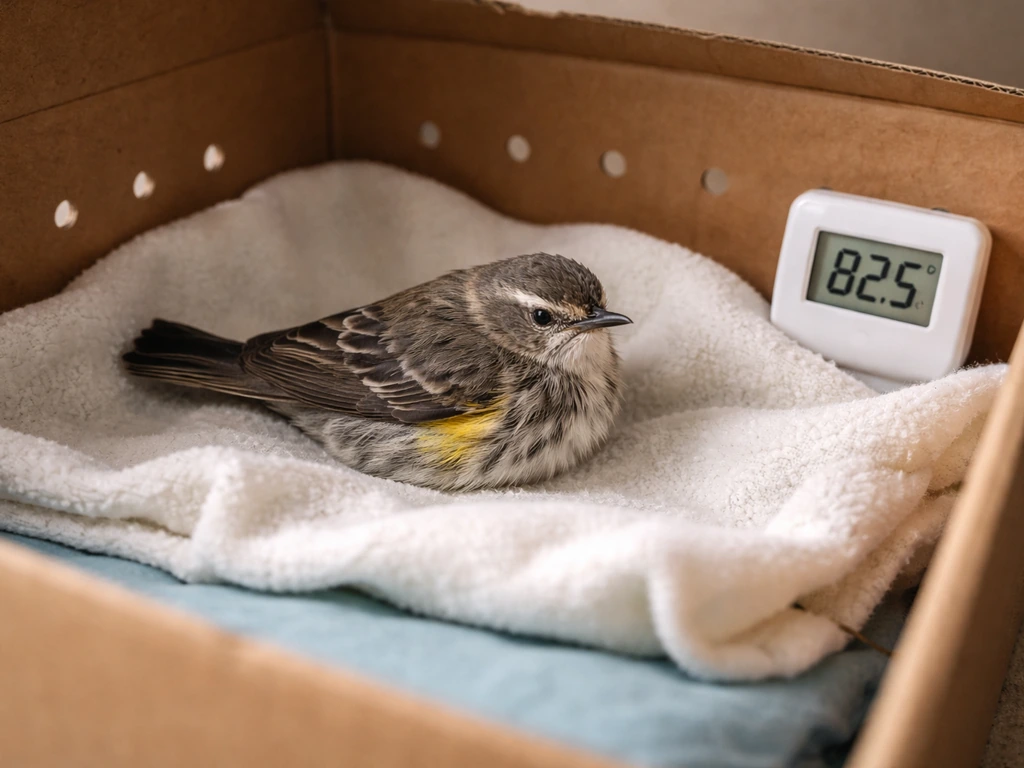
Birds run a normal body temperature between 103 and 106°F. When they're sick or injured, they lose heat fast and go into shock quickly. Keeping a bird warm is genuinely one of the most useful things you can do before a vet sees it. A supportive care temperature of at least 85°F is the target for a sick or injured bird. You can achieve this by placing a heating pad on its lowest setting under half the box (so the bird can move away from the heat if needed), or by placing the box near a heat source. Never put a heat lamp or direct heat source on top of a bird.
Quiet matters just as much as warmth. Birds in distress go into a fight-or-flight panic response even when they can't physically flee, and that panic burns energy they can't spare. Turn off the radio. Keep other pets out of the room. Don't open the box repeatedly to check on it. Every peek costs the bird energy.
What NOT to do
- Do not give food or water. This is the rule experts repeat most often. Giving water or food to a sick, injured, or stunned bird can cause it to aspirate (inhale liquid into its lungs) and die. Do not do it unless an avian vet has specifically told you to.
- Do not force-feed. Even if you think you know what it eats, force-feeding causes more harm than it prevents.
- Do not medicate. Human medications, essential oils, honey, and even some bird supplements can be toxic. Don't give anything.
- Do not put the bird in a cage with other birds. Stress, pecking from cage-mates, and disease transmission are all real risks.
- Do not place the bird in a container without ventilation. Air holes are essential.
- Do not keep checking on it every few minutes. Leave it alone in the box and let it rest.
Steps for specific common scenarios
Window collision (strike)
Window strikes are one of the most common reasons people find a bird that seems "sick" but isn't. The bird has hit glass, stunned itself, and may be sitting on the ground or on a windowsill looking dazed. Here's what to do:
- Pick the bird up gently using a towel and place it in a ventilated box as described above.
- Keep it warm and dark for up to 30 minutes.
- After 30 minutes, take the box outside, open it, and give the bird the chance to fly away on its own.
- If it doesn't fly away, or if it's showing signs of injury (drooping wing, bleeding, asymmetrical posture), treat it as injured and call a wildlife rehabber or avian vet immediately.
- Keep cats, dogs, and other animals away from the area during recovery.
Many birds recover fully from a window strike within 20 to 30 minutes. But if the bird is still dazed or injured after that window, it needs professional care.
Broken wing, leg, or beak
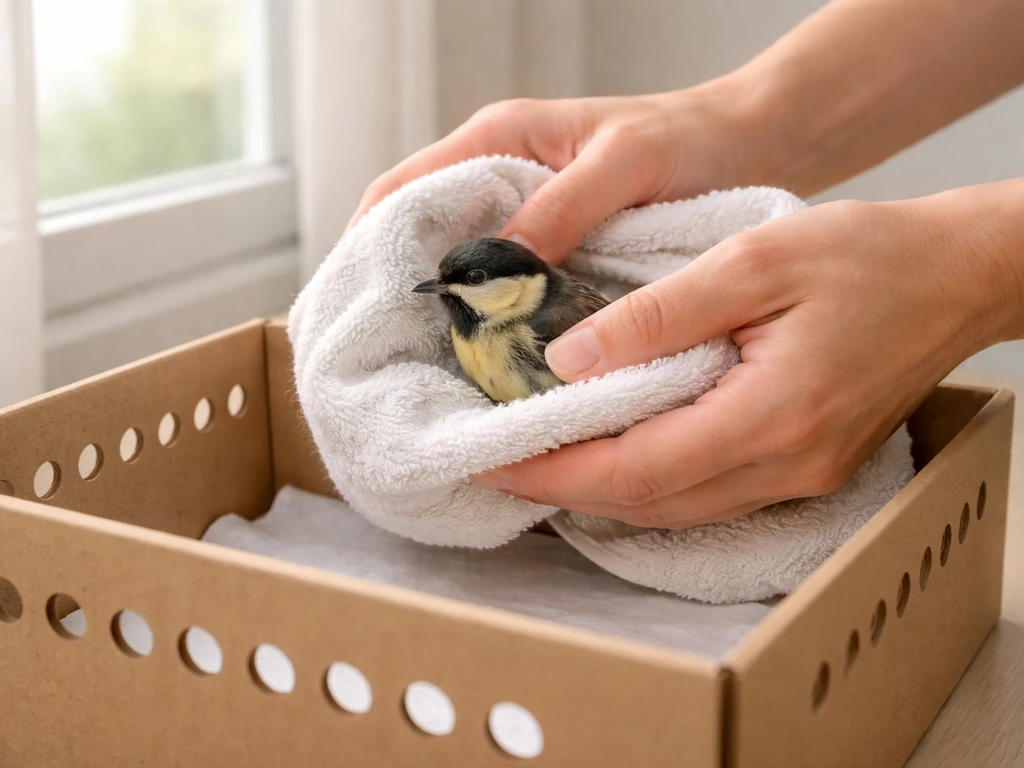
If you can see a wing hanging at an odd angle, a leg that isn't bearing weight correctly, or a beak that looks cracked or misaligned, do not attempt to splint, bandage, or manipulate the injury yourself. You can cause more damage. The only first aid here is containment: keep the bird in a small, secure box so it can't thrash and injure itself further. Limit the space in the box so the bird can sit upright but can't flap around. Then get it to a vet or rehabber the same day. Broken bones and beak injuries need X-rays and professional intervention.
If there is active bleeding, you can gently apply light pressure with a clean cloth or gauze. Don't try to remove feathers around a wound or trim broken blood feathers (quills with an active blood supply) yourself. That's a vet job.
Cat or dog bite or scratch
This one cannot wait. Even a tiny puncture from a cat's claw or tooth is a genuine emergency for a bird. Cats carry bacteria (particularly Pasteurella) in their mouths that can cause fatal sepsis in a bird within hours. The wound may look minor or invisible, but that doesn't matter. If your bird has had any contact with a cat or dog, get it to an avian vet the same day, ideally within the hour. Antibiotic treatment needs to start fast. This is one scenario where a call while you're already in the car is fine.
Illness (lethargic, fluffed, not eating, abnormal breathing)
If your bird (especially a pet bird like a parrot, cockatiel, canary, or finch) is sitting fluffed at the bottom of the cage, barely moving, breathing with its tail bobbing, or has stopped eating over a day or more, this is a vet call. Birds hide illness as a survival instinct, which means by the time they look visibly sick, they're often already significantly ill. Don't wait a day or two to see if they improve.
Call today. When your bird is not eating, follow the same urgent steps and contact a vet or rehabber today what to do if bird is not eating. While you're waiting for the appointment, keep the bird warm (use the heating pad method above), keep it away from drafts, and don't change its environment dramatically.
Baby bird and nest emergencies
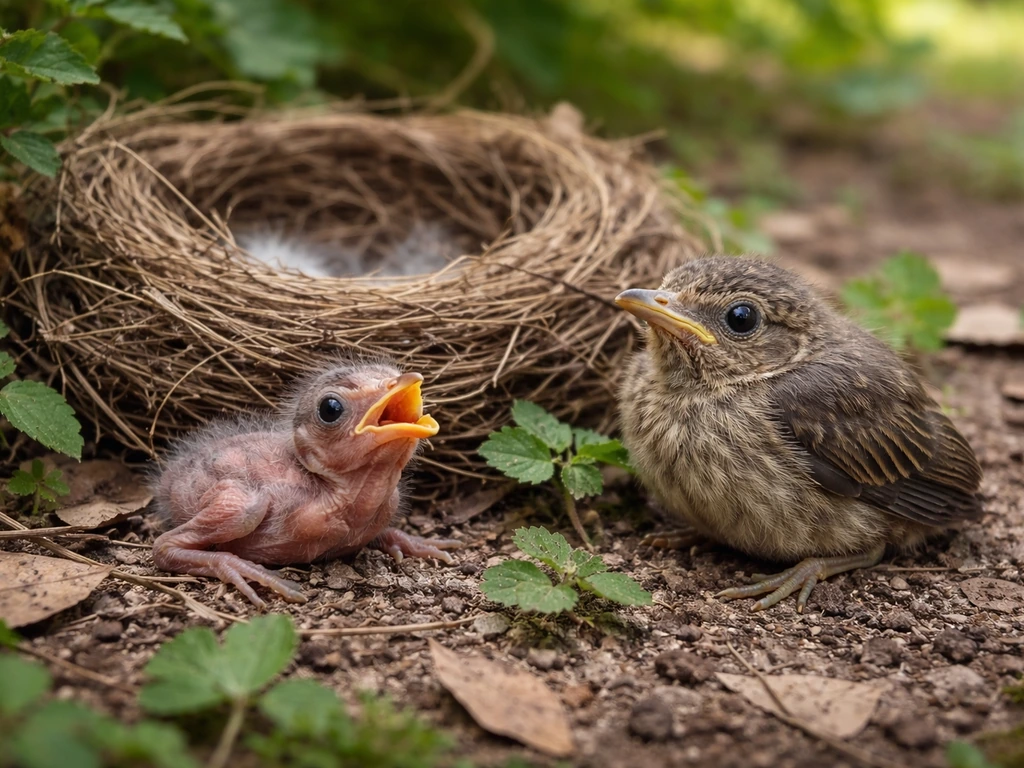
Finding a baby bird on the ground is one of the most common "sick bird" calls wildlife rehabbers get, and most of the time the bird doesn't need rescuing at all. Knowing the difference saves you time and potentially saves the bird's life.
Nestling vs. fledgling: the key distinction
A nestling is a baby with no feathers or very sparse pin feathers. It belongs in a nest and can't survive on the ground. A fledgling is a baby bird with full or mostly full feathers, and it's supposed to be on the ground or hopping around. Fledglings are learning to fly, and their parents are almost certainly nearby feeding them every hour or so. If you see a fully feathered baby bird on the ground that isn't injured, leave it alone and keep pets and people away. Watch from a distance to confirm the parents are coming.
If it's a nestling (no feathers)
- Check for injury first. If it looks unharmed, look for the nest nearby.
- If you can reach the nest safely, return the bird to it. The myth that parent birds reject touched babies is false. Their sense of smell doesn't work that way.
- If the nest is destroyed or unreachable, you can make a substitute nest from a small basket or container with drainage holes, lined with natural material, and placed as high up in the nearest tree or shrub as possible.
- If the bird is cold, cup it gently in your hands for a few minutes to warm it before returning it to the nest.
- Watch from a distance for at least an hour to confirm parent birds are returning.
- If parents don't return, or if the bird is injured, call a wildlife rehabber.
Feeding baby birds: don't
Every major wildlife clinic says the same thing: do not feed baby birds anything. No worms, no water, no bread, no formula unless a licensed rehabber has told you exactly what to give and how. Tufts Wildlife Clinic similarly advises that you should not give a sick or injured bird food or water No worms, no water. Baby birds have specific nutritional requirements, and well-meaning feeding attempts routinely kill them. Liquid in particular can drown a baby bird very quickly. Keep it warm, keep it in a quiet container, and get it to a rehabber.
When to call a vet or wildlife rescue (and how to find one)
If you're unsure whether your situation is an emergency, here's a practical rule: if the bird is a pet, call an avian vet. If it's a wild bird, call a licensed wildlife rehabber. Both calls can happen at the same time you're stabilizing the bird. You don't need to have all the answers before you pick up the phone.
Call immediately (same hour) if:
- The bird had contact with a cat or dog
- There is active, ongoing bleeding
- The bird is breathing with its mouth open or has labored, visibly strained breathing
- The bird is on its back or completely unable to stand
- The bird is a pet and appears to be in severe distress or unconscious
- A baby bird is cold and you cannot locate or reach the nest
Call today (within a few hours) if:
- A wild bird didn't recover from a window strike within 30 minutes
- There's a visible broken wing, leg, or beak injury
- A pet bird has been visibly ill for more than a few hours
- A nestling cannot be returned to its nest and parent birds aren't coming back
- The bird is severely lethargic and not responding to its environment
How to find help near you
For wild birds, search online for "wildlife rehabilitator near me" or "bird rescue [your city/county]." In the US, the National Wildlife Rehabilitators Association (NWRA) and the Wildlife Rehabilitator Directory at wildlifehotline.com are good starting points. If you can't find a rehabber quickly, call your local animal control or animal services center. They often have contacts for bird emergencies even if they don't handle birds themselves.
For pet birds, search for an "avian vet" or "avian specialist" specifically. Not all veterinary practices treat birds, and a general small-animal vet may not have the knowledge or equipment for bird care. An avian vet is worth the search. If it's after hours, call the practice's emergency line or look for an emergency exotic animal hospital in your area.
What to tell them when you call
- What species it is (or your best guess)
- Where you found it or what happened
- What symptoms you're seeing (breathing, posture, visible injuries)
- How long it's been like this
- What you've done so far (contained it, kept it warm, etc.)
- Whether it's a pet or wild bird
During transport, keep the bird in the closed box in a warm, quiet car. Turn the radio off. Don't stop to check on it. Your job right now is safe delivery, not home treatment. The vet or rehabber handles everything else once you arrive.
FAQ
How long should I keep my bird in the warm, quiet box before the vet tells me what to do next?
As long as you are waiting for professional guidance, keep the bird contained and warm in the same way, avoid repeated checking, and plan for a continuous stabilization period. If the vet says to bring the bird in immediately, transport it as soon as you can rather than trying to “monitor” for hours.
Should I try to give water or food if my bird is sick but alert?
In most sick situations, do not force food or water. Only offer food if the avian vet explicitly instructs you to, because birds can aspirate liquid or choke if swallowing or breathing is compromised. If the bird is not eating, treat it as urgent rather than attempting home feeding.
Is there any safe way to check a bird’s breathing or condition at home while it’s in the box?
Limit handling. You can observe from a distance for breathing effort, tail bobbing, posture, and whether the bird is responsive, without opening the container. If breathing looks labored or abnormal, that is the trigger for urgent vet or rehab care rather than deeper at-home inspection.
What temperature should the heating source be, and how do I avoid overheating?
Use the lowest setting and place the heat under only part of the box so the bird can move away if it gets too warm. Check that the box is warm overall but not hot to your hand, never place the heat source directly on top of the bird, and stop using heat if the area becomes uncomfortable to touch.
Can I use a heating blanket, hot water bottle, or microwaved rice sock for warmth?
Those can be risky because they may create hotspots or slow, uneven warming. If you use anything besides a heating pad, ensure there is no direct contact with the bird, the source cannot burn it, and you can reliably keep the bird in a warm, ventilated, partially heated area with an escape zone.
What should I do if my bird is bleeding but the wound is from an unknown cause?
If bleeding is visible, apply gentle light pressure with clean gauze or cloth to help slow it, then contact an avian vet or wildlife rehabber as soon as possible. Avoid trimming feathers around active blood supply or trying to remove anything embedded, unless a professional instructs you.
If I suspect a cat or dog injury, what if there is no obvious puncture wound?
Still treat it as urgent. Cat and dog oral bacteria can cause rapid, severe infection even when the skin looks only mildly damaged. Same-day avian vet care, ideally within hours, is the safest choice.
My bird might be choking. Can I open its beak and try to remove whatever it swallowed?
Do not put your fingers inside the beak. Focus on getting professional help quickly and follow the specific choking guidance you have, because incorrect removal can worsen obstruction or cause aspiration. Keep the bird calm, contained, and warm while you arrange immediate assistance.
A wild bird looks dazed after a window strike. How do I decide if I should keep waiting or call right away?
If the bird stays dazed, cannot right itself, has visible injury, or you notice abnormal posture or movement after about 20 to 30 minutes, get professional care. If you see signs like a wing at an odd angle, a leg not bearing weight, or beak misalignment, treat it as same-day.
What if I find a baby bird that is fully feathered, but it seems weak or injured?
Feathered does not automatically mean leave it alone. If it cannot stand or move normally, has visible injuries, or seems like it is not being cared for, contact a licensed wildlife rehabber and keep it warm and contained. Do not feed it.
Can I give baby birds water or small amounts of food “just to help” until help arrives?
No. Do not offer water, bread, worms, or formula unless a licensed rehabber tells you exactly what to give and how. Improper feeding and liquid are common causes of death in baby birds.
Should I put gloves on only if the bird is a bird I found dead or outside?
Gloves are a good idea any time you are handling a sick or injured bird, whether it is wild or pet. After contact, wash hands thoroughly, and avoid touching your face or cleaning the bird in a way that increases contamination.
Is it ever okay to take the bird to a regular small-animal vet instead of an avian vet?
If you cannot reach an avian specialist quickly, emergency evaluation at the nearest appropriate clinic can be better than waiting. But when possible, look specifically for an avian vet or an exotic/emergency bird-capable hospital, because bird physiology and treatment differ from mammals.
During transport, should I open the box for ventilation or to check if the bird is okay?
No. Keep the box closed and avoid checking repeatedly. Transport conditions should prioritize safety, warmth, and minimal stress, with radio off and no frequent stops to “see how it’s doing.”