
If you've found a bird that can't fly, the most important thing you can do right now is keep it contained, keep it calm, and resist the urge to feed it or force it to move. Most birds in this situation need professional help, and the steps you take in the next few minutes can genuinely make or break their chances of survival. Here's exactly what to do, in order.
What to Do With a Bird That Can’t Fly: Step-by-Step
Marcus Chen
7 Apr 2026
Immediate steps when a bird isn't flying
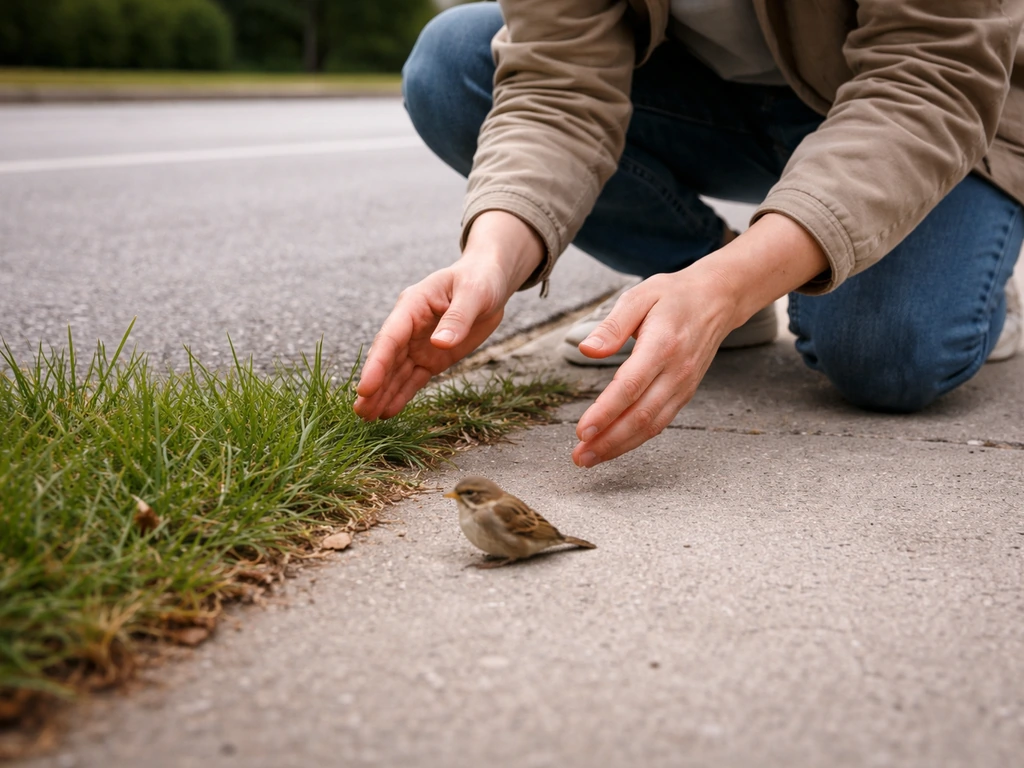
Before you do anything else, get the bird out of immediate danger. If it's on a road, a sidewalk, or anywhere a cat, dog, or car could reach it, gently move it to a safer spot nearby. You don't need to pick it up yet. Use a towel, a folded jacket, or even your hands (wash them after) to scoop it up carefully. Move it to a shaded, quiet area close to where you found it.
Once it's safe, step back. Seriously. The more you hover over it, the more stressed it becomes, and stress alone can kill a bird that's already in crisis. Note exactly where you found it, because that detail matters a lot when you call a wildlife rehabilitator. Then go get a box.
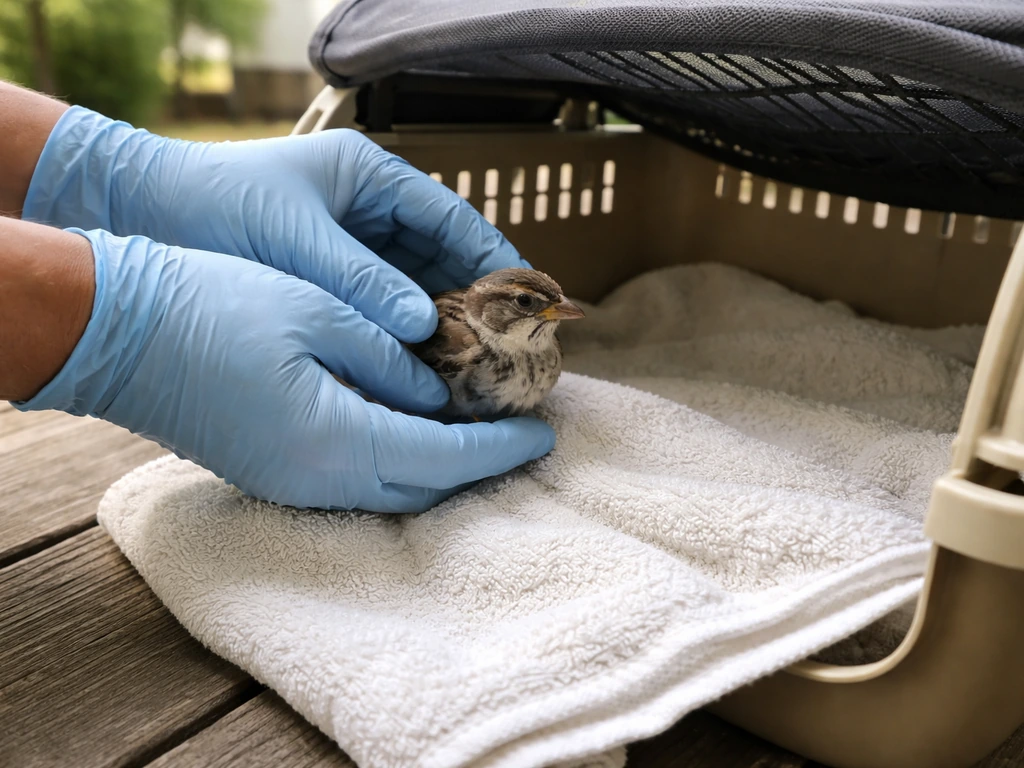
A cardboard shoebox or any similarly sized container with a lid works perfectly. Line it with a paper towel or a soft cloth. Put the bird inside, close the lid (with small air holes poked in it), and place it somewhere warm, dark, and quiet indoors. Away from pets. Away from kids. Away from noise. That's it for now. This single step, containment in a dark quiet space, is the single most helpful thing most people do for an injured bird that can't fly.
Is it injured, sick, a fledgling, or a nestling? Here's how to tell
This is the most important assessment you'll make. The answer changes everything about what you should do next. Before you assume a bird needs rescue, take thirty seconds to look at it closely.
Nestlings: featherless or barely feathered
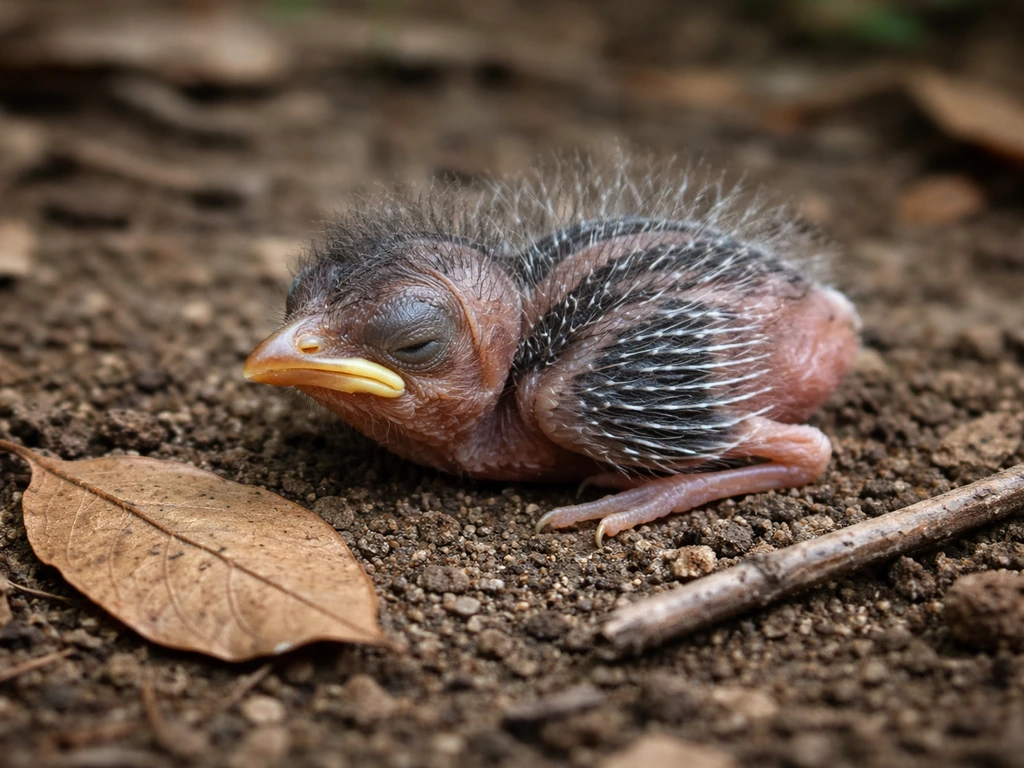
A nestling has no feathers, or only sparse pinfeathers just starting to come in. Its eyes may still be closed. If you see a bird like this on the ground, it almost certainly fell or was pushed from a nearby nest. Look around for the nest. If you can find it and reach it, gently place the bird back inside. You will not cause the parents to abandon it by touching it. That's a myth. If you can't find the nest, you can make a simple replacement: put the nestling in a small container lined with dry grass or paper towel, and fasten it to a shaded spot in a tree or tall shrub as close to where you found it as possible. Then watch from a distance.
Fledglings: feathered but grounded
A fledgling looks like a real bird, just a smaller, fluffier version with a short tail and sometimes a bit of yellow at the corners of its beak. It has feathers. It hops. It might flap awkwardly. This is completely normal. Fledglings spend two to three days on the ground while they figure out how to fly, and their parents are almost always watching from nearby. The best thing you can do for a fledgling is leave it alone and keep pets and people away from it so its parents can keep feeding it. If you're worried about it, monitor from a distance for a few hours to confirm the parents are returning. They usually are.
If you've already picked up what turns out to be a healthy fledgling, that's okay. Just put it back where you found it. As a quick reference for anyone who found a bird that can't fly and isn't sure whether to intervene, the feathering test is the fastest starting point: no feathers means act, full feathers means wait and watch.
Adult birds: injury or illness
An adult bird sitting on the ground and not flying is almost always in some kind of trouble. Healthy adult wild birds do not hang around on the ground by choice. Common causes include window strikes, broken wings or legs, bleeding wounds, illness, and entanglement in string, wire, or netting. Look for visible signs: a wing held out at an odd angle, a leg that drags, a bird that's tilting to one side, gasping, or not responding to your presence. Any of these are red flags that need professional attention, not home care.
How to handle and stabilize the bird safely
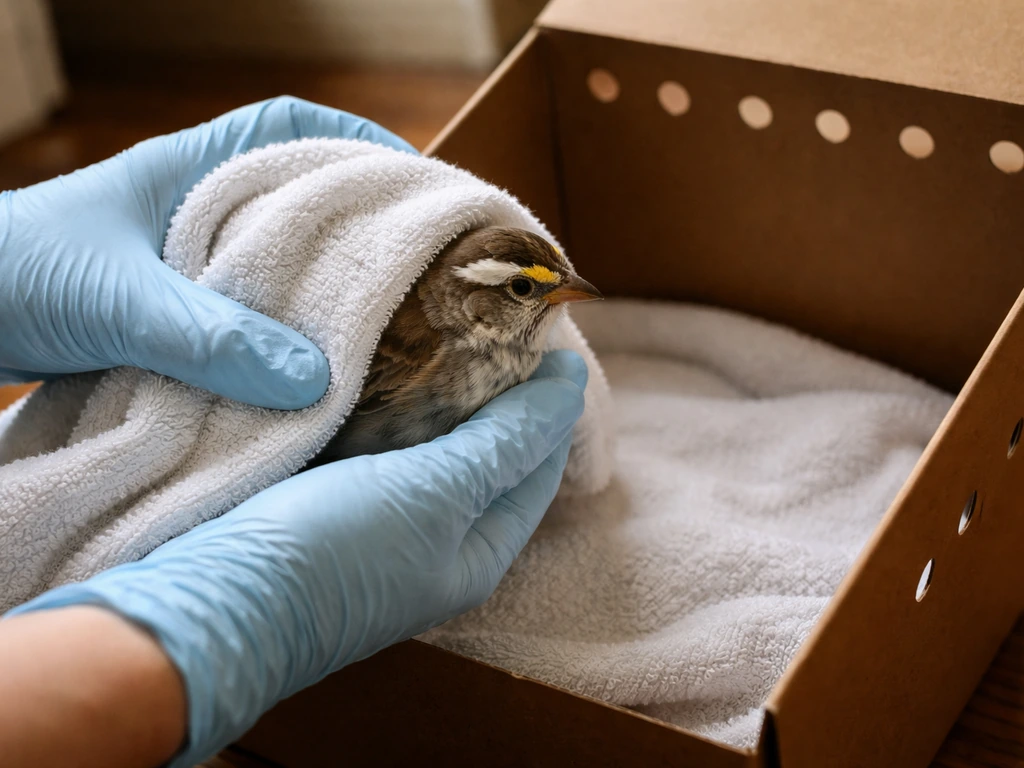
When you do need to pick up a bird, do it with calm, deliberate movements. Drape a light cloth or small towel over the bird first, then scoop it up from underneath. This keeps it from panicking and also protects you from bites and scratches. Most songbirds won't seriously hurt you, but larger birds like pigeons, crows, or raptors can. For anything bigger than a robin, extra caution is worth it.
Once it's in the box, resist the urge to keep checking on it. Every time you open the lid, you're adding stress. Keep the box in a warm room (not hot, not cold, just room temperature is fine). If the bird seems cold or is shivering, you can place a warm water bottle wrapped in a towel next to the box, not inside it with the bird, so it can move toward or away from the heat. Watch for panting: if the bird starts panting, remove the heat source immediately.
Limit human contact as much as possible. No eye contact, no talking to it, no letting children or other pets near the box. Wildlife rehabilitators often say that stress from handling is one of the top causes of death in birds that might otherwise have survived. Think of yourself as a temporary transport pod, not a caregiver.
First aid basics for the most common situations
Your job is not to treat the bird. Your job is to stabilize it until it gets to someone qualified. That said, there are a few scenario-specific things worth knowing.
Window strikes
This is one of the most common reasons people find a bird on the ground. If a bird has just hit a window, it may be stunned rather than seriously injured. Place it in a dark container with a lid and put it somewhere warm and quiet. For window strikes, the IWRC recommends putting the bird in a box or paper bag with air holes, keeping it warm, dark, and quiet, and then calling the nearest wildlife rehabilitator for medical care Place it in a dark container with a lid and put it somewhere warm and quiet.. Give it up to a few hours to recover. Do not try to give it food or water, and do not handle it more than necessary. If it seems alert and is moving normally after a couple of hours, you can try releasing it in a safe outdoor area. If it's still unresponsive, not improving, or showing signs of injury, it needs a rehabilitator.
Broken wing or leg
You can usually tell a broken wing by the way it droops or sticks out at an angle compared to the other side. A broken leg may drag or be held off the ground. Do not attempt to splint it yourself. I know it feels like the right thing to do, but improvised splints cause more harm than good in most cases. The best thing you can do is get the bird into a box (lined with a soft cloth so it doesn't injure itself further) and get it to a professional as fast as possible. This is not a wait-and-see situation.
Bleeding
If there is active bleeding, you can apply very gentle pressure with a clean cloth or gauze. Don't press hard, just hold it softly against the wound for a few minutes. Then get the bird into a box and get it moving toward help. Internal bleeding is also possible and won't be visible, so any bird that has been hit by a car, caught by a cat, or struck by an object needs professional evaluation regardless of what you can see.
Shock
A bird in shock will often sit very still, look glassy-eyed, and not respond much to your presence. Warmth, darkness, and quiet are genuinely helpful here. The dark-box approach works for shock the same way it works for window strikes: it reduces stress hormones and gives the bird's system a chance to stabilize. Do not offer food or water to a bird in shock.
Entanglement
If the bird is tangled in string, fishing line, wire, netting, or similar material, do not try to cut or pull it free yourself unless the bird is in immediate life-threatening danger. Entangled tissue can be severely damaged without looking it, and cutting the wrong way can make things much worse. The process often requires anesthesia and specialized veterinary removal. When a bird is unable to fly because of entanglement specifically, your job is to contain it carefully (without tightening the entangling material) and get it to professional care as fast as possible.
Cat or dog attacks
Even if the bird looks physically unharmed after being caught by a pet, it needs to see a wildlife rehabilitator or avian vet that same day. Cat saliva in particular contains bacteria that cause fatal infections in birds within 24 to 48 hours, even from a scratch. Do not assume it's fine because it's walking around.
When to call for help right now
There are situations where you skip the monitoring phase entirely and go straight to calling a professional. If any of the following are true, make the call now while the bird is in the box:
- The bird is gasping, breathing with an open beak, or showing visible chest movement while at rest
- There is active bleeding that isn't slowing
- A wing or leg is visibly broken or at an abnormal angle
- The bird was caught by a cat or dog
- The bird has been hit by a car
- The bird is showing signs of entanglement
- It's a featherless nestling and you can't locate or reach the nest
- The bird is not improving after two hours in a quiet, dark, warm space
- You're unsure and your gut says something is wrong
To find help, search for 'wildlife rehabilitator near me' or 'wildlife rescue [your city or county]'. The USDA Animal Care search tool and the National Wildlife Rehabilitators Association (NWRA) both have online locators. Your local humane society, animal control office, or even a regular veterinary clinic can often point you to the nearest licensed wildlife rehabilitator. Some areas also have avian specialty vets who accept wild birds. Keep in mind that it may be illegal in your state to keep a wild bird in your possession without a permit, so getting it to a licensed facility quickly is important both for the bird and for you.
If you're not sure where to start, reading through the guidance on what to do when a bird can't fly can also help you frame the right questions when you call a local rescue or clinic.
What NOT to do (this part matters a lot)
People mean well, but some of the most instinctive things to do when you find a hurt bird are actually harmful. Here's what to avoid:
- Do not offer food or water. Feeding the wrong thing can injure or kill a bird. Even water given incorrectly can cause aspiration. Leave feeding entirely to professionals.
- Do not leave the bird outside in a box. Predators, temperature changes, and stress will make the situation worse.
- Do not try to force the bird to fly or 'test' whether it can fly by tossing it into the air. This can cause or worsen injuries.
- Do not attempt to splint a broken limb yourself.
- Do not try to remove entangled material unless the bird will die without it and professional help is genuinely unavailable.
- Do not handle the bird more than necessary. Every interaction is stressful.
- Do not keep eye contact with the bird. To a prey animal, direct eye contact from a large creature is terrifying.
- Do not keep the bird as a pet or attempt extended at-home care. Wild birds need specialized nutrition, medical care, and eventually behavioral preparation for release that most people cannot provide.
Monitoring until help arrives
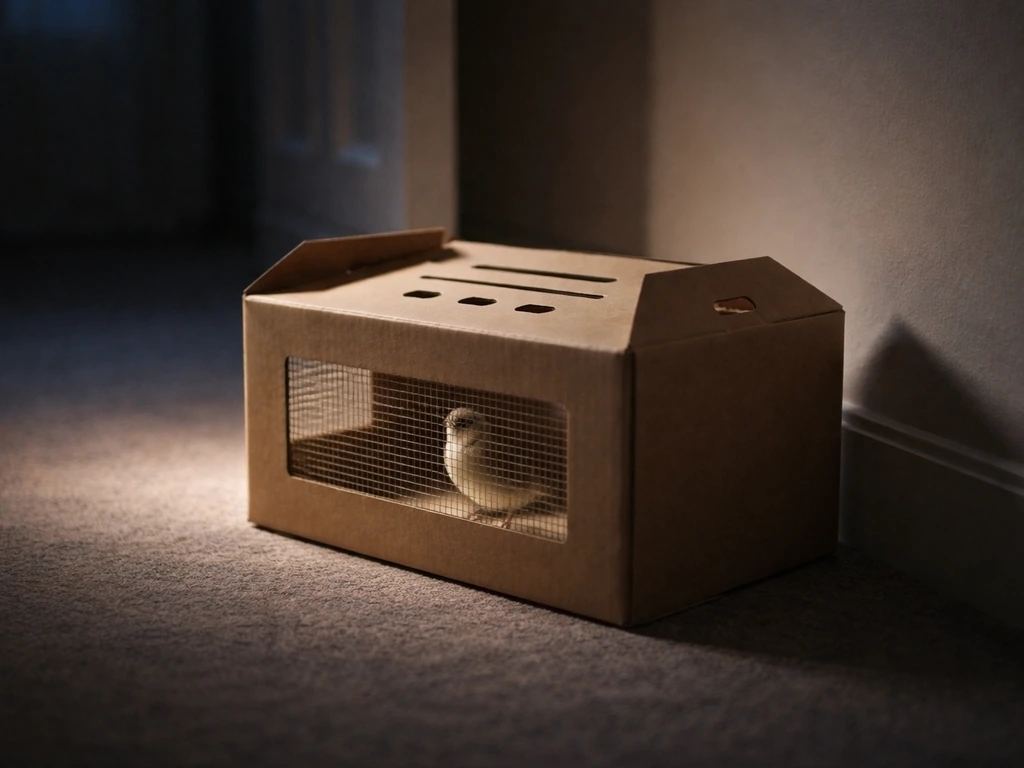
Once the bird is boxed and you've made your calls, your main job is to leave it alone and check in gently every hour or so. You're looking for signs of improvement (more alert, moving around, trying to stand) or deterioration (labored breathing, completely unresponsive, visible worsening). Write down what you observe so you can report it to the rehabilitator when you reach them.
Keep the box away from TV noise, conversations, and other animals. A quiet bedroom or utility room works well. If you have children in the house, explain to them that the bird needs rest and that interacting with it could hurt it. Most kids actually respond really well to being given a role: 'your job is to make sure nobody disturbs the box.'
Releasing the bird: when and how
If the bird recovers on its own (most common with window strikes), release it close to where you found it, in a safe area with nearby vegetation for cover. Early morning or late afternoon is a better time to release than midday. Open the box and let the bird choose to leave on its own. Don't shake it out or tip the box. If it doesn't leave immediately, that's okay. Give it a few minutes.
If the bird has been with a wildlife rehabilitator, they will handle release timing and location. Don't try to release a bird that's been in care without the rehabilitator's guidance, even if it looks better to you. Some birds require specific conditions or locations for successful release.
Quick comparison: fledgling vs. nestling vs. injured adult
| Feature | Fledgling | Nestling | Injured adult |
|---|---|---|---|
| Feathering | Fully feathered, short tail | Featherless or sparse pinfeathers | Fully feathered |
| Eyes | Open, alert | Often closed | Open (glassy if in shock) |
| Behavior on ground | Hops, flaps, moves around | Helpless, minimal movement | Still, unresponsive, or struggling |
| Parents nearby? | Usually yes | Possibly, if nest is near | Unlikely to be relevant |
| What to do | Leave it, keep pets away, monitor | Return to nest or make substitute nest, call rehab if injured | Contain, keep warm/dark/quiet, call wildlife rehab or avian vet immediately |
| Urgency | Low, unless injured or parents absent 4+ hours | Moderate to high | High |
The most common mistake people make is treating a healthy fledgling as an emergency. The second most common mistake is waiting too long to call for help with a genuinely injured adult. Use this table to anchor your first assessment and then act accordingly.
Whatever the situation, the fact that you stopped to help matters. Taking the right steps in the first hour gives any bird its best shot. Contain, keep calm, call a professional, and let the experts take it from there. That's really the whole job.
FAQ
Can I give a bird that can't fly water or sugar water to “help it” before I call for help?
Avoid feeding or offering water. Even when a bird looks hungry, swallowing the wrong way can cause aspiration (fluid going into the lungs), and it also adds handling stress. Focus on warmth, darkness, and minimal movement, then contact a wildlife rehabilitator.
What should I do if the bird is breathing fast or seems to be gasping in the box?
Keep it in a warm, quiet place, but do not overheat it. If you are using a warm water bottle and you notice panting or open-mouth breathing, remove the heat source right away. If breathing remains difficult or it is not improving, call for help immediately.
Is it okay to use a plastic container instead of a shoebox?
Usually not. Plastic is harder to make secure for small, struggling birds, and it can trap moisture and heat. A ventilated cardboard box with soft lining is preferred because it reduces visual stress and prevents sliding injuries. If you must use plastic temporarily, keep it dark, add air holes, and keep ventilation gaps unobstructed.
How warm should the bird be while it is waiting for a professional?
Aim for comfortably warm, room temperature is often enough. Only add gentle external warmth if the bird feels cold or is shivering, and place the heat source next to the box (wrapped in a towel), never inside where the bird can overheat or press directly against it.
Should I cover the entire box or just partially cover it?
Covering is typically helpful because it calms the bird, but do not seal the box. Keep air holes open and ensure the bird can breathe normally. The goal is a dim, quiet environment, not no-ventilation.
I think the bird is a fledgling, but it keeps hopping into danger. Do I still leave it alone?
Yes, as long as it is in a safe area. If it is repeatedly in reach of traffic or pets, gently relocate it a short distance to a safer spot nearby (with minimal handling), then keep people and animals away so parents can feed it.
What if I can't find the nest for an unfeathered nestling?
Place the nestling in a small lined container and secure it to a shaded location in nearby vegetation, as close to where you found it as possible. Watch from a distance to confirm a parent approaches. If no parent activity is seen after a reasonable period, escalate to a wildlife rehabilitator.
How long should I wait after a window strike before trying to release it?
Allow up to a few hours for recovery in a dark, quiet, warm container. Do not release on the spot if it is unresponsive, wobbling, or showing signs of injury. If it is alert and moving normally after the waiting period, release close to the original location when safe conditions allow.
Do I need to check for injuries before putting the bird in a box?
Handle only enough to contain the bird and avoid additional stress. You can do a quick glance for major red flags, like a wing held at an odd angle, a dragging leg, bleeding, or abnormal posture, but avoid prolonged inspection. Once boxed, observe for changes rather than repeatedly re-handling.
What if the bird looks uninjured after a cat encounter, should I still call someone?
Yes. Even without obvious wounds, cat saliva can cause severe infection. Contact a wildlife rehabilitator or avian vet the same day, and keep the bird contained and calm until evaluated.
What if the bird got stuck in a net or fishing line but it is still moving?
Contain it without tightening anything. Do not pull or cut unless it is in immediate life-threatening danger. Entanglements often require anesthesia and specialized removal, so treat the situation as urgent and call for professional care.
Can I bring the bird to my regular vet instead of a wildlife rehabilitator?
If there is an avian-capable option nearby, a regular veterinary clinic can sometimes advise or route you to licensed wildlife care. For best odds, ask specifically whether they treat wild birds and whether they can handle the likely cause of inability to fly. If not, go straight to a wildlife rehabilitator.
Is it ever legal for me to keep a wild bird that can't fly until I find help?
In many places, keeping a wild bird without the proper permit is restricted. Your safest approach is to contain it temporarily only for transport time, contact a licensed facility quickly, and follow local instructions rather than trying to keep it long-term.
How often should I check the bird while waiting for the call or pickup?
Limit access and avoid opening the lid frequently. Hourly visual check-ins are enough to watch for improvement or deterioration, but keep the environment quiet and dim and write down what you see so you can report it to the rehabilitator.
Next Articles
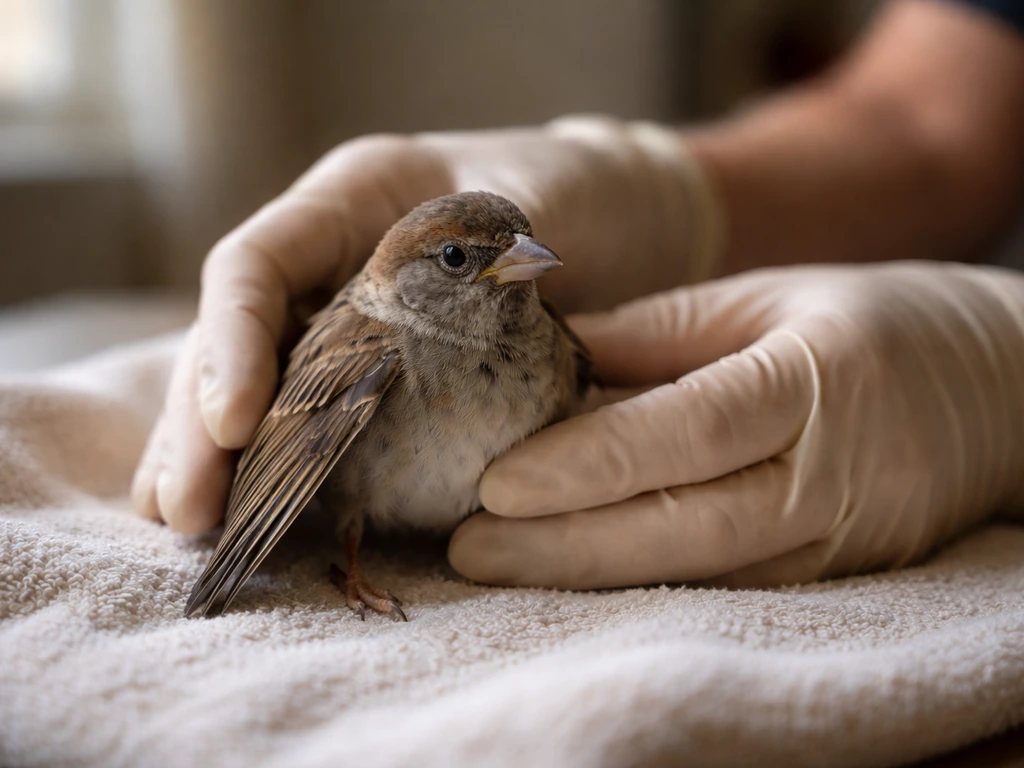
Can a Bird Live With One Wing? Survival and First Aid
Can a bird live with one wing? Injury outcomes and step-by-step first aid, plus when to get urgent help.
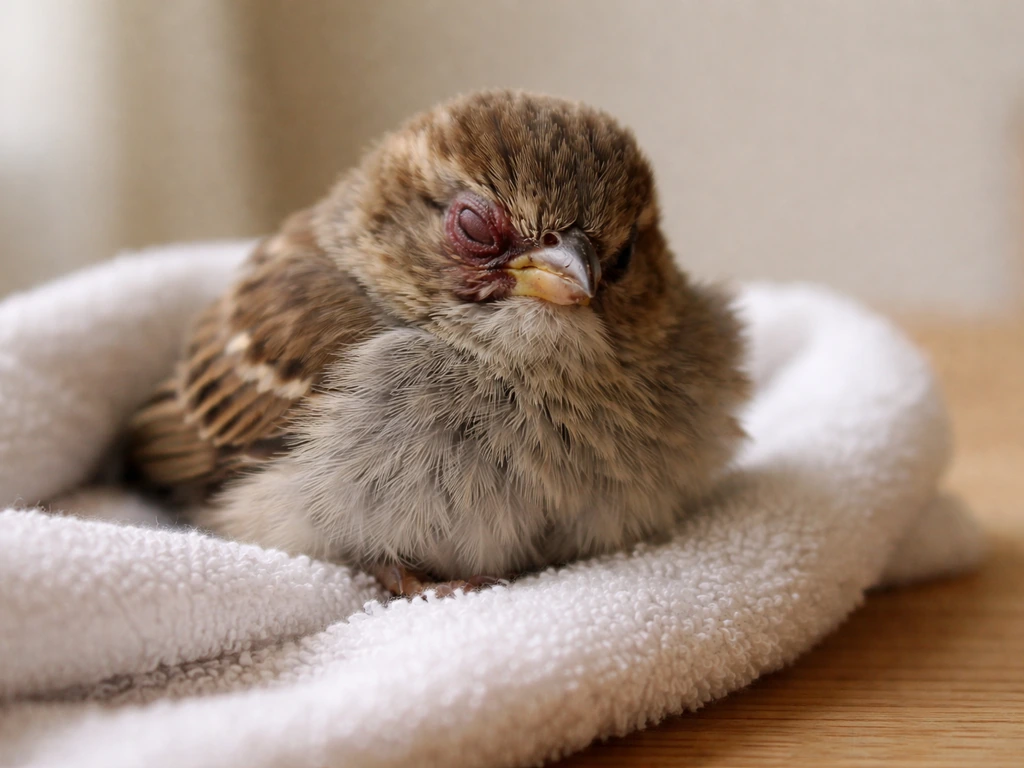
Can a Bird Survive With One Eye? What to Do Now
Learn if birds can cope with one eye and what to do now for an injured bird’s eye safely and urgently.
Can a Bird Survive With a Broken Beak? What to Do Now
Learn if a bird with a broken beak can survive, spot danger signs, and do safe first aid until a vet rescues it.