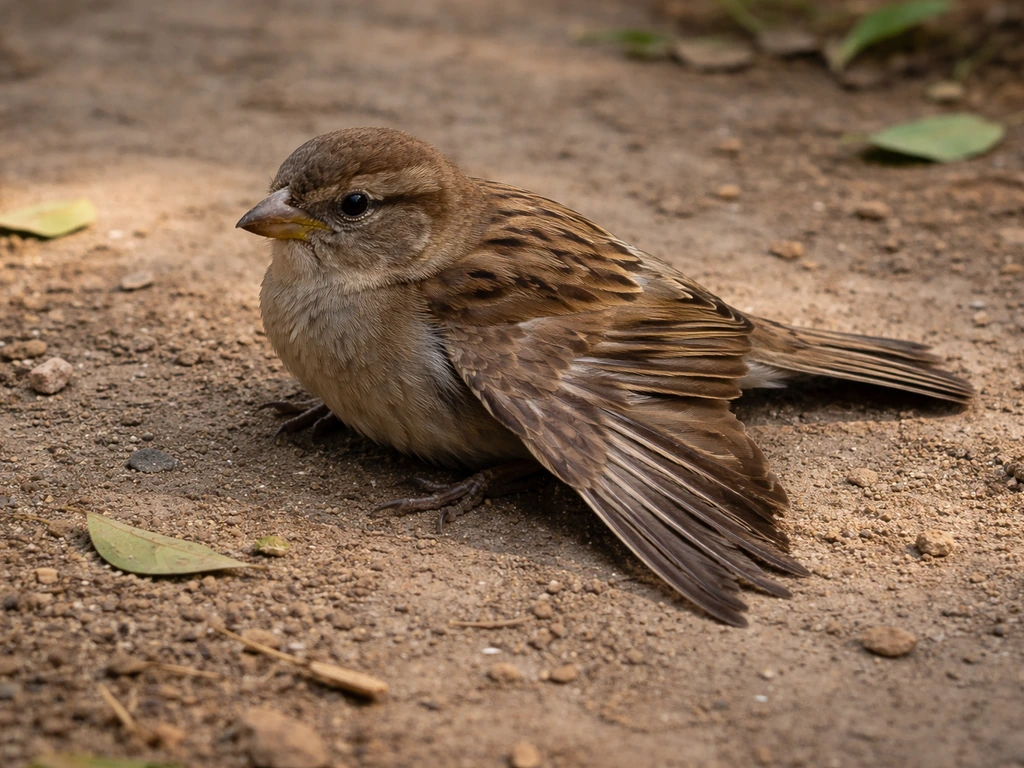
If you've found a young bird or chick that looks hurt, chilled, or just wrong, the most important things you can do right now are: keep it warm, keep it dark and quiet, do not give it food or water, and get it to a licensed wildlife rehabber or avian vet as soon as possible. That's the core of it. Everything else below will help you do those things correctly and safely.
Fix a Young Bird or Young Chicken: First Aid Triage Guide
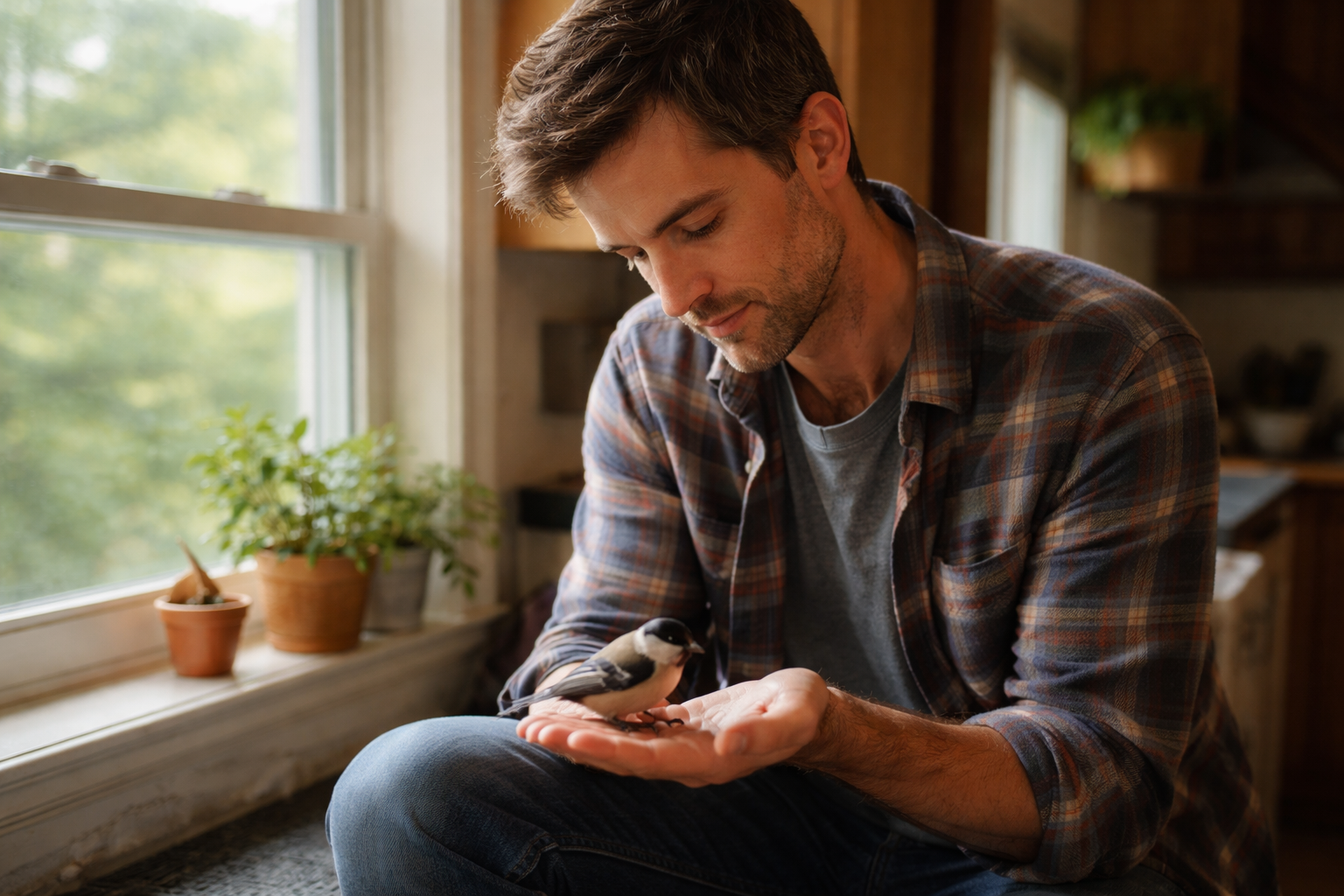
Marcus Chen
16 May 2026
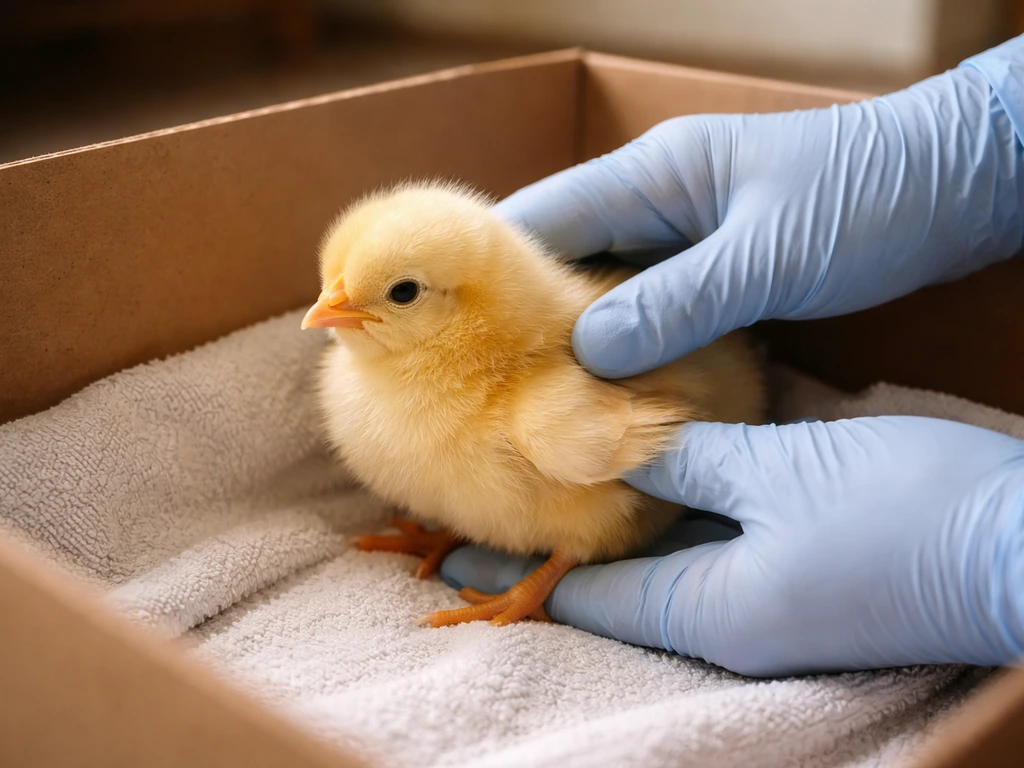
Figure out what's wrong first
Before you do anything else, take 30 seconds to observe the bird from a small distance. A healthy fledgling that doesn't need your help will be alert, vocal, and trying to move away from you. A bird that genuinely needs intervention will look different: quiet, dull, eyes half-closed or fully closed, feathers puffed up, sitting very still, or completely flat on the ground. Those are the signs that something is wrong.
The signs that demand urgent action are: an obvious wound or bleeding, labored or open-mouth breathing, a wing that droops to one side, an inability to stand or bear weight, a twisted or dangling leg, or a bird that doesn't react at all when you approach. Any one of those means it's beyond just being cold or stunned. If a young bird can't fly or can't even stand, treat it as an urgent injury and contact a licensed wildlife rehabber or avian vet right away driven to a vet situation. It needs professional care, not home treatment. Badger Run Wildlife Rehab’s blank" rel="noopener noreferrer">Injured Bird Care PDF also emphasizes that birds need professional care, especially for injury categories like broken wings or legs, rather than DIY treatment.
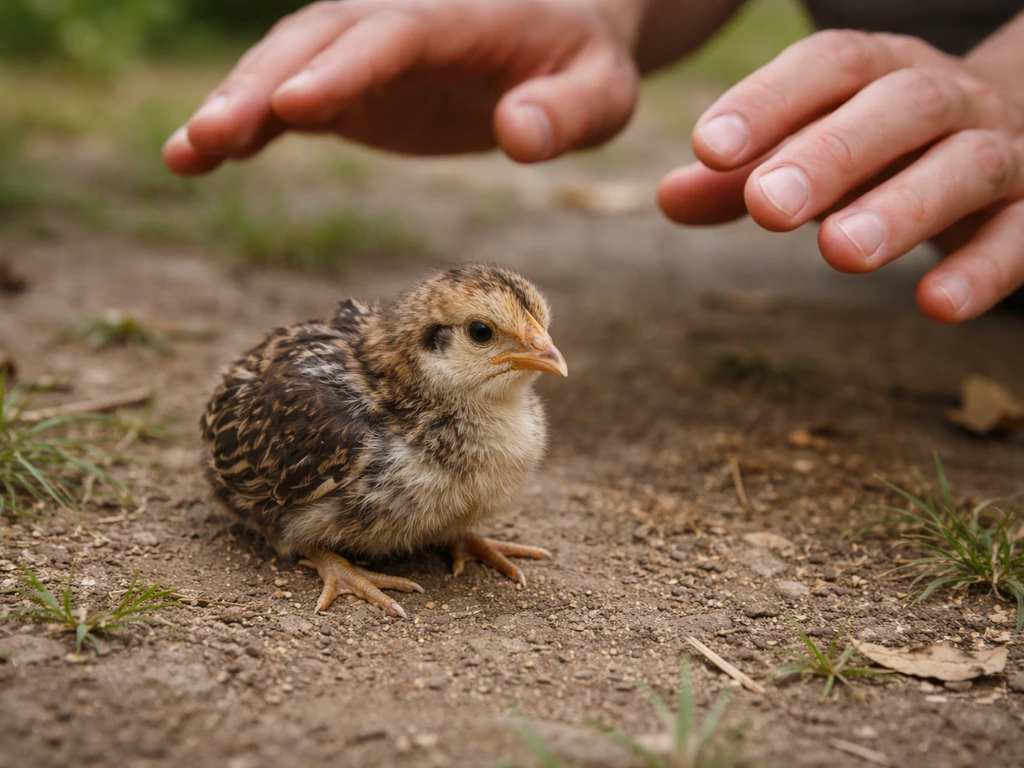
Also check: is the bird actually a chick (no feathers, pink skin, eyes closed) or a fledgling (fluffy with some real feathers, hopping around)? Fledglings are often on the ground normally as part of learning to fly, and their parents are usually nearby. If it looks healthy and uninjured, the best thing you can do is leave it alone or gently place it somewhere slightly elevated and sheltered, then watch from a distance for 30 to 60 minutes to see if a parent returns. If it's clearly a very young chick with no feathers, or if it's injured, that's a different story entirely.
Immediate first aid for a chilled or injured chick
The first priority is warmth. A cold chick can deteriorate and die very quickly. Young birds lose body heat fast, and a chilled bird may look dead when it's actually still recoverable. If the bird is cold to the touch, you need to warm it up gently before anything else.
Put the bird in a small box lined with a paper towel, then place a heat source underneath half the box. A good option is a hand warmer wrapped in a sock or a small hot water bottle wrapped in a thin cloth. The critical rule here: the bird must never touch the heat source directly. You want warmth, not burns. By heating only half the box, the bird can move away from the heat if it gets too warm. Aim for a temperature of around 85 to 90 degrees Fahrenheit (29 to 32 Celsius) for a very young chick. If you don't have a thermometer, your wrist held near the heat source should feel comfortably warm, not hot.
Keep handling to an absolute minimum. Every time you pick up the bird, you're adding stress that a compromised animal can't afford. Do what you need to do to get it into a safe container, then leave it alone. Resist the urge to keep checking on it, showing it to other people, or trying to comfort it. Quiet and dark is genuinely better for the bird than your company right now.
Common injuries you might be dealing with
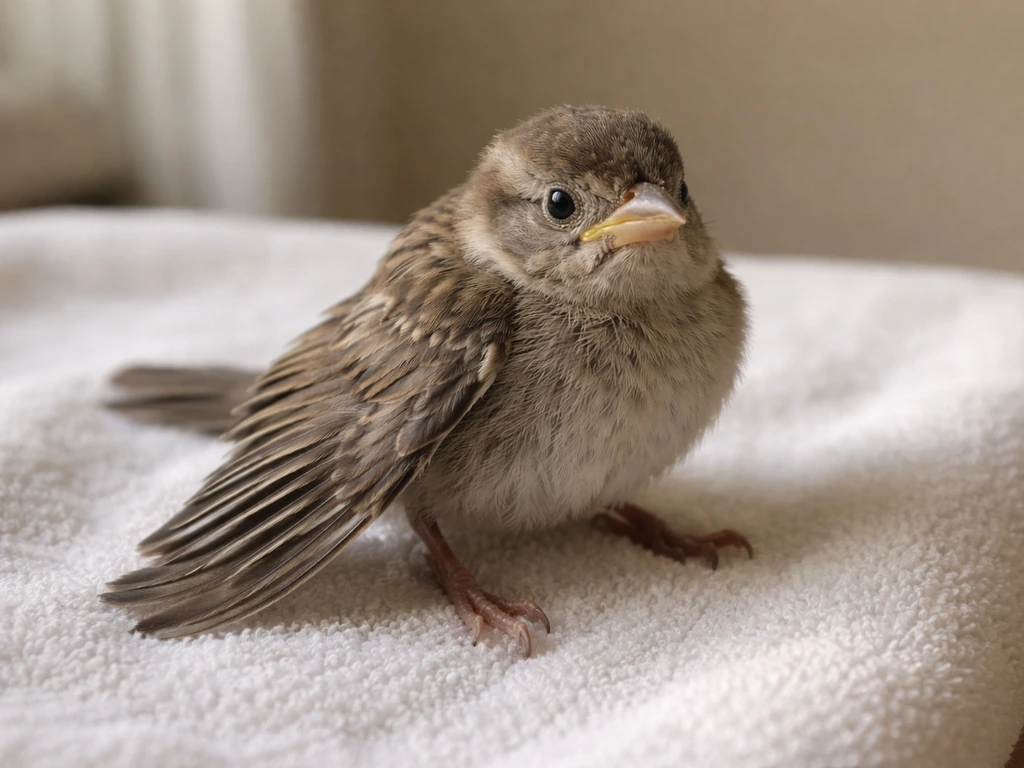
Wing injuries
A drooping wing is one of the clearest signs of injury. The bird may hold one wing lower than the other, drag it along the ground, or be unable to fold it properly. Wing fractures in young birds are serious, but they're also one of the more treatable injuries if handled correctly by a professional. Your job is not to splint or bind the wing yourself. Moving broken bones without training causes further injury. Just get the bird contained and get it to a rehabber.
Leg injuries
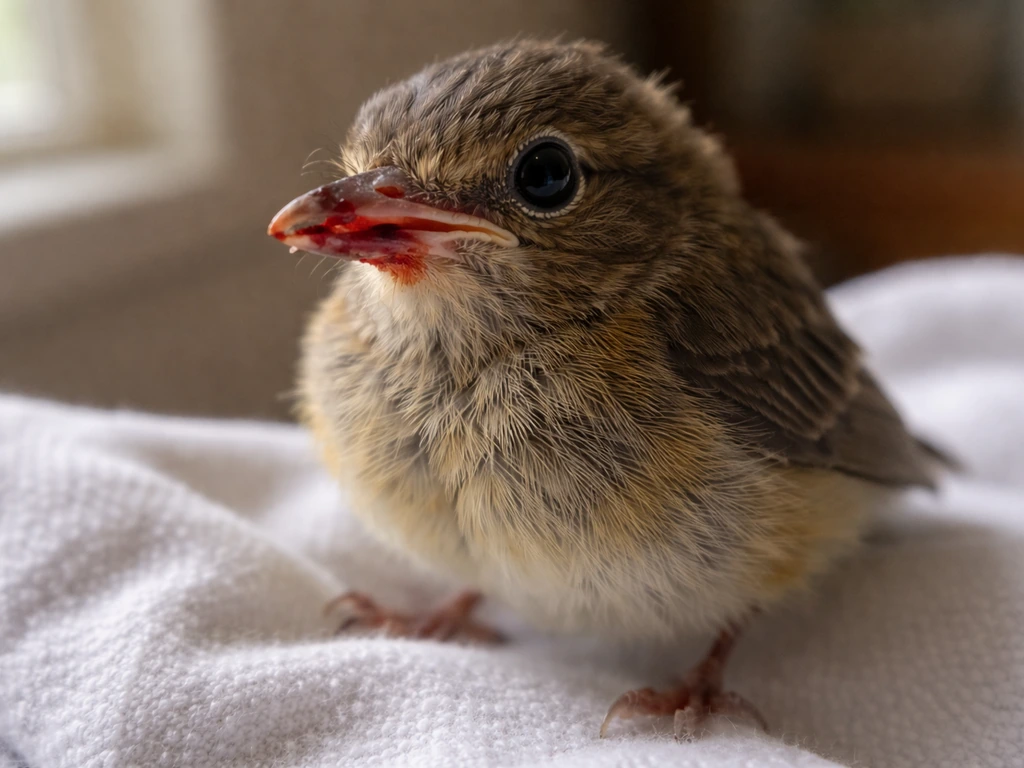
A bird that can't stand, has a leg pointing in an unnatural direction, or keeps falling to one side likely has a leg fracture or joint injury. Like wing injuries, do not attempt to splint it yourself. Stabilizing a fracture without proper knowledge does more harm than good. Get it into a contained space with soft bedding so the leg isn't being further stressed, and treat transport as urgent.
Beak injuries
A cracked, chipped, or misaligned beak is a serious problem for any bird, but especially a young one that depends on its beak to feed. If you see blood around the beak or obvious misalignment, that's a vet situation. Don't try to clean or reposition it. Keep the bird quiet and contained, and make the call.
Window collisions and impact injuries
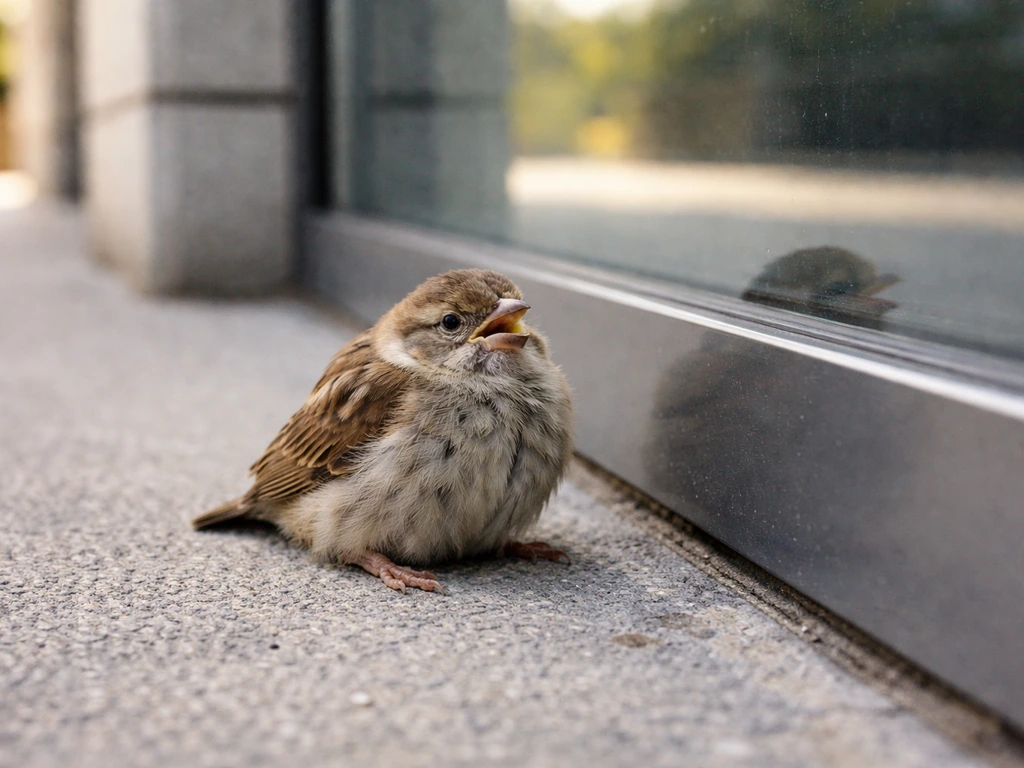
Window strikes happen to young birds too, and the damage isn't always obvious from the outside. A bird that hit a window may be stunned, sitting on the ground nearby looking dazed. Internal injuries and concussions are real possibilities. The bird might recover in an hour or two if it's just stunned, but if it's not improving, or if it shows any of the serious signs mentioned earlier, it needs a vet. Place it in a dark, ventilated box and check after 30 to 60 minutes. Tufts Wildlife Clinic recommends placing window-collision victims in a dark, ventilated box and arranging prompt care for any bird that may have internal injuries Bird Strikes and Windows. If it's alert and trying to move, you can consider release. If it's still dull and unresponsive, call for help.
How to safely contain and transport the bird
A small cardboard box works well. It should be big enough for the bird to stand and extend its head, but not so large that it can thrash around and hurt itself further. Poke small holes in the sides for ventilation, but keep it dark inside. Line the bottom with a paper towel or clean cloth, never anything with loose fibers that can catch on toes or claws.
Put the heat source under one half of the box as described above. Close the lid and secure it. During transport, keep the box level, avoid sudden stops and loud music or conversation in the car, and do not open the box repeatedly to check on the bird. The dark, quiet environment is doing its job.
Watch for signs of overheating during transport. If the bird starts panting or holding its wings out from its body, it's too hot. Move it away from the heat source and add a little more ventilation. A bird that's too warm is just as much in danger as one that's too cold.
Feeding, hydration, and what you should not do
This is where well-meaning people cause real harm. Do not give the bird food or water. That guidance comes from every major wildlife organization for good reason. Forcing liquid into a bird's mouth can cause aspiration, where the liquid goes into the lungs instead of the stomach, and that can kill the bird quickly. Young birds also have very specific dietary needs that vary by species and age. Bread, worms, seeds, milk, water dropped into the mouth: all of these can injure or kill a chick even when given with the best intentions.
The exception is if you are an experienced handler and you know with certainty what species you have, what its exact developmental stage is, and what it needs. If you're reading this article, that almost certainly doesn't describe your situation, and that's completely fine. Your job right now is stabilization and getting it to someone who has that knowledge. A rehabber can assess and feed the bird properly once it's in their hands. In some cases, a bird cannot sing because illness, injury, or stress affects its breathing, energy, or vocal ability when can a bird not sing.
Also avoid: applying any antiseptic, antibiotic cream, or home remedy to wounds. Do not try to clean the bird with soap or water. Do not put it in a container with other animals, even other chicks of unknown health. And do not keep it in a brightly lit environment or near household noise like TV or other pets.
When to call a wildlife rehabber or avian vet (and how to find one)
The honest answer is: sooner than you think. Most people wait too long before making the call, hoping the bird will recover on its own. If any of the following apply, call now rather than waiting.
- The bird has an open wound, visible bleeding, or exposed tissue
- It can't stand or bears no weight on a leg
- One wing droops or the bird can't fold it properly
- It's been more than an hour since a window collision and it's still dull or unresponsive
- The beak is cracked, misaligned, or bleeding
- The bird is gasping, breathing with its mouth open, or making labored sounds
- It's a very young, featherless chick with no nest in sight
- You know or suspect it was caught by a cat or dog (even with no visible wounds, cat bites cause infections that kill within 24 to 48 hours without antibiotics)
It's also worth knowing that in the United States, keeping most wild birds without a permit is illegal under federal and state law, and this includes young birds you intend to rehabilitate. Wildlife rehabilitators are trained and licensed specifically for this work. Turning the bird over to them is both the legal thing to do and the best thing for the bird.
To find help fast, try these resources. In the US, the Wildlife Rehabilitators Association maintains state directories, and the National Wildlife Rehabilitators Association (NWRA) has a locator. You can also search 'wildlife rehabilitator near me' or call your local animal shelter, Humane Society, or animal control, as they usually have referral numbers. In Canada, the BC SPCA Animal Helpline and provincial wildlife offices can direct you. In the UK and Australia, the RSPCA handles injured wildlife calls directly. In many areas, your state or provincial fish and wildlife agency maintains a list of licensed rehabilitators you can find on their website.
When you call, describe what you found clearly: the type of bird if you know it, the approximate age (chick, fledgling), where you found it, and what symptoms you're seeing. They will often give you guidance specific to your situation and tell you how quickly you need to move.
Aftercare while you wait, and knowing when things are improving
If there's going to be any delay before you can reach a rehabber, here's how to manage the bird in the meantime. Keep the box warm, dark, and quiet. Check on it no more than once every 30 to 45 minutes, and keep those checks brief. Look for signs of improvement: the bird is more alert, it's sitting upright rather than slumped, it reacts to your presence, it's trying to move around in the box. Those are good signs.
Signs that mean you need to move faster: the bird is getting colder despite your heat source, it's completely unresponsive, its breathing is worsening, or it's started seizing or twitching. If any of those happen, the situation is critical and you need to get it to a vet or rehabber immediately, even if that means driving to an emergency animal clinic.
Once the bird is in professional hands, the rehabber or vet will assess for fractures, internal injury, infection, and nutritional state. They'll set up appropriate housing, heating, and a feeding schedule matched to the species and age. For a fledgling that was just stunned or chilled, recovery can happen in a matter of days. For a chick with a broken wing, the process takes longer, often several weeks of care before any release assessment happens. A good rehabber will keep you updated if you want to know the outcome.
The goal of all this is to get the bird back to the wild. Every step you take, from containing it correctly to resisting the urge to feed it, is aimed at giving it the best possible chance of that outcome. You don't need to fix the bird yourself. You just need to keep it stable long enough for someone trained to do exactly that. After you contact a wildlife rehabber, ask whether any device or binding that restricts movement can be safely removed can the caged bird seal be removed.
FAQ
Can I give a young bird a little water or fruit juice with a dropper to prevent dehydration?
No. Even small amounts can be aspirated into the lungs, which can be fatal, and the safest hydration plan depends on species and age. If it is not breathing well or is very weak, treat it as urgent and get it to a licensed rehabber or avian vet.
What if the bird has a nest or siblings nearby, should I put it back immediately?
Not if the bird looks chilled, dull, injured, bleeding, or cannot stand or balance. Only return it to the area if it is a fledgling that appears uninjured, alert, and able to move, and you confirm a parent returns after a short watch from a distance.
If I already gave food before reading this, what should I do now?
Stop feeding immediately and keep the bird warm, dark, and contained. Contact a rehabber and tell them exactly what you gave, how much, and when, because the wrong food timing can worsen gut problems and aspiration risk.
How warm should “warm to the touch” be if I do not have a thermometer?
Use the wrist test: it should feel comfortably warm but not hot, with the heat source only under half the container. If the bird is too warm it may pant or hold wings away from the body, then you should reduce heat and increase ventilation.
Should I put the bird in a shoebox or a cage, and how much space is safe?
A small cardboard box is better than a cage, because it reduces thrashing and stress. It should be large enough for the bird to stand and extend its head, but not so large that it can launch or injure itself during weakness.
Is it okay to tape or splint a dangling leg or drooping wing to stop movement?
No. Without training, stabilizing fractures and joint injuries often causes additional harm. Contain the bird with minimal handling and get it to a rehabber or avian vet as soon as possible.
What should I do about a wound on a young bird, can I rinse it with water or apply antibiotic cream?
Do not wash with soap or water, and do not apply antiseptics or antibiotic ointments. Instead, keep the bird contained and warm and get professional care, because products and cleaning can delay healing and increase risk of aspiration or shock.
How long can I wait for help if the bird seems okay, like it is just quiet?
If it is a young chick or clearly not fully alert, do not delay. For a potentially stunned fledgling that is otherwise uninjured, you can watch for parent return for 30 to 60 minutes, but if it remains dull or cannot stand, contact help immediately.
How often should I check on the bird while waiting for a rehabber?
Check no more than once every 30 to 45 minutes, and keep checks brief. Frequent opening increases stress, cools the bird, and can lead to overheating or chilling before you notice changes.
My bird got injured by a window. How can I tell if it is just stunned or needs urgent care?
If it is alert, trying to move, and improving after 30 to 60 minutes in a dark, ventilated box, it may be recoverable. If it stays unresponsive, has worsening breathing, or shows serious signs like inability to stand, persistent dullness, or any neurologic symptoms, treat it as an urgent vet situation.
Can I keep the young bird with my pets or other chicks in the same room?
No. Do not place it in a container with other animals, and avoid household noise and bright light. Cross-contamination, stress, and accidental injury can occur quickly, especially with weakened young birds.
Once I contact a rehabber, should I transport the bird with the lid off or let it breathe freely?
Transport it in a secured, ventilated box with the lid closed. Keep it level in the car, avoid repeated opening, and only adjust ventilation if overheating signs appear, like panting or wings held away from the body.
What questions should I ask the rehabber so I do not handle the bird incorrectly?
Ask whether the bird should be warmed to a specific target, whether any items like tape, bands, or coverings should be removed, and whether you should bring any materials from where you found it. If you already have it contained, ask if they want you to keep it dark and undisturbed during transport.
Next Article
Dirty Bird Can’t Fly With a Broken Wing: What to Do Now
Immediate steps for a distressed bird with a broken wing: assess safely, give first aid, get urgent care.