
A bird can stop singing for completely normal reasons, like molting, time of day, seasonal changes, or stress from a new environment. But silence paired with other signs, such as fluffed feathers, labored breathing, an inability to perch, or a drooping wing, is often a red flag that something is seriously wrong. If the young chicken is injured, follow the same quick first-aid steps and get an avian vet as soon as possible a young chicken. The key is knowing which situation you're looking at, and then acting on it fast.
When Can a Bird Not Sing? Red Flags and What to Do Now
Marcus Chen
1 May 2026
Normal reasons a bird may not sing
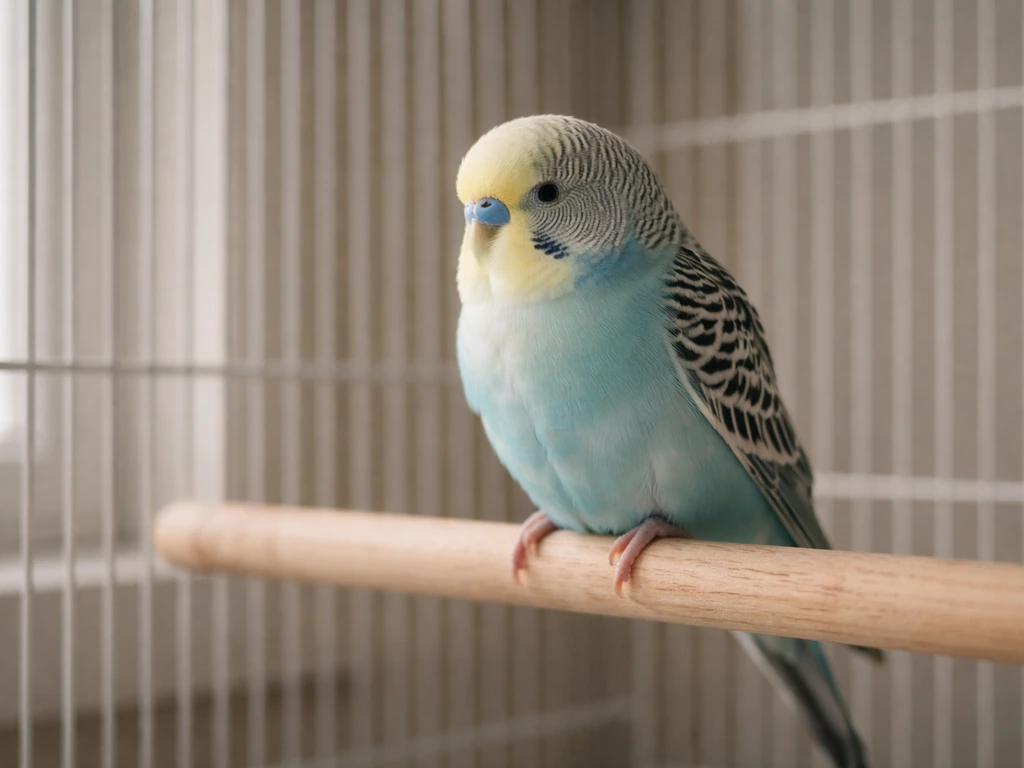
Birds are not singing machines. There are plenty of situations where silence is completely expected and nothing to worry about.
- Time of day: Most birds are quieter at midday and after dusk. Dawn and dusk are peak singing times for many species.
- Molting: When a bird sheds old feathers and grows new ones, it often becomes quieter and even grumpier than usual. This is a normal process, though it can look alarming if you haven't seen it before.
- Seasonal changes: Outside of breeding season, many wild birds simply stop singing. It's not distress, it's just the calendar.
- Weather: A sudden cold snap, strong wind, or storm front can shut down bird song almost immediately.
- New environment or stress: A pet bird moved to a new cage, a new room, or a home with a new animal may go quiet for days while it adjusts.
- Age and temperament: Some birds are naturally quieter. Older birds may sing less. Young birds that haven't fully developed their song yet may only produce soft, irregular sounds.
- Rest: Like any animal, birds have regular rest periods where they are low-activity and quiet. This is normal.
If a bird is quiet but otherwise alert, has bright eyes, is holding its body upright, is perching normally, and is eating and drinking, it's almost certainly fine. Keep an eye on it, but don't panic.
When silence is actually a warning sign
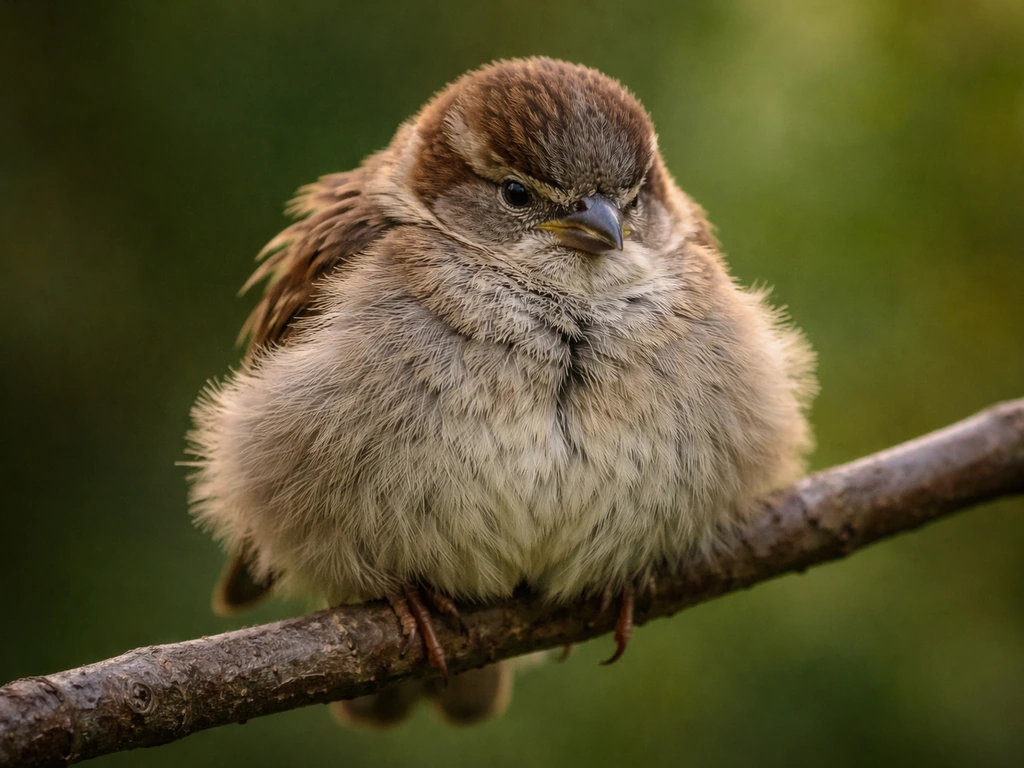
Here's the thing about birds: they are wired to hide illness and injury. In the wild, a bird that looks sick or weak gets eaten. So by the time a bird is obviously unwell, it's often been struggling for a while already. Silence combined with even one other physical or behavioral sign should put you on alert.
Watch for silence alongside any of the following: fluffed feathers while sitting still, eyes that are partially or fully closed, labored or open-mouth breathing, a drooping wing or tail, inability to stand or grip a perch, sitting on the cage floor or ground, loss of appetite, bleeding, swelling, or visible injury. Any one of these paired with not singing is a reason to act, not wait.
It's also worth knowing that abnormal molting, such as irregular feather loss or unusual feather growth combined with weight loss, weakness, diarrhea, or breathing changes, is not normal molting. That combination needs a vet.
Quick checks you can do right now
You don't need any special training to run through these basic checks. Do them from a distance first so you don't cause extra stress.
Alertness and eyes
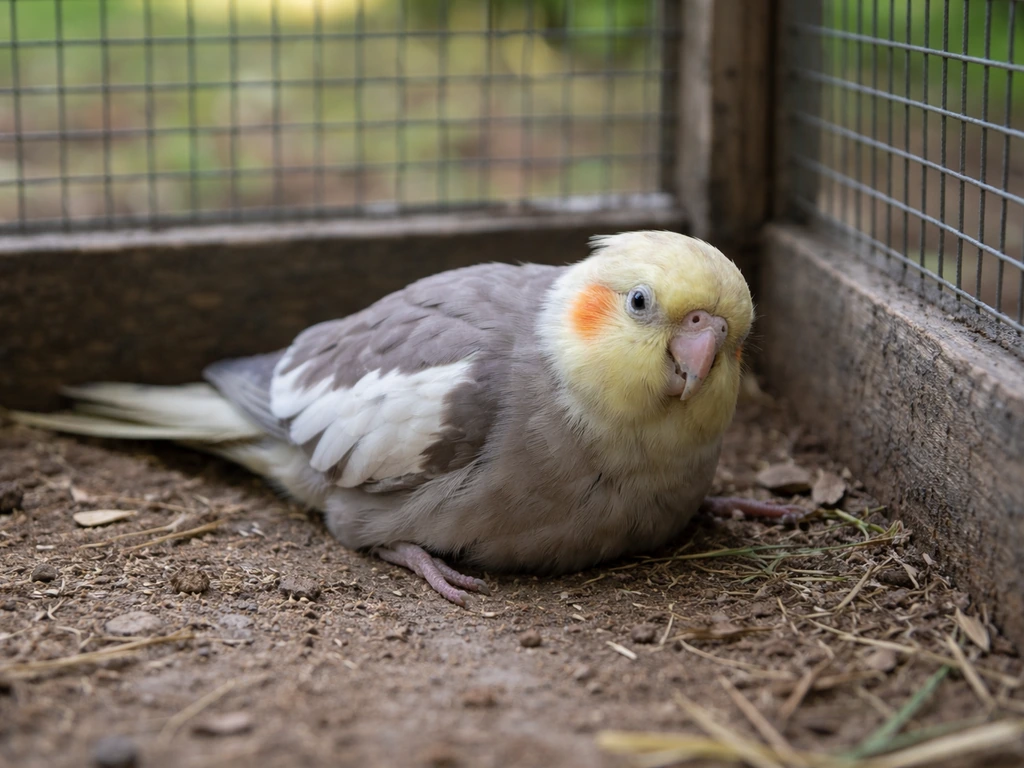
A healthy bird tracks movement and reacts when you approach. Eyes should be open, clear, and responsive. If the bird's eyes are closed or half-closed and it's not sleeping, that's a concern.
Posture and perching
A bird that is hunched over, leaning to one side, sitting on the ground when it should be perching, or holding one wing lower than the other is showing you something is wrong with its body. A healthy bird holds itself upright and grips its perch firmly.
Breathing
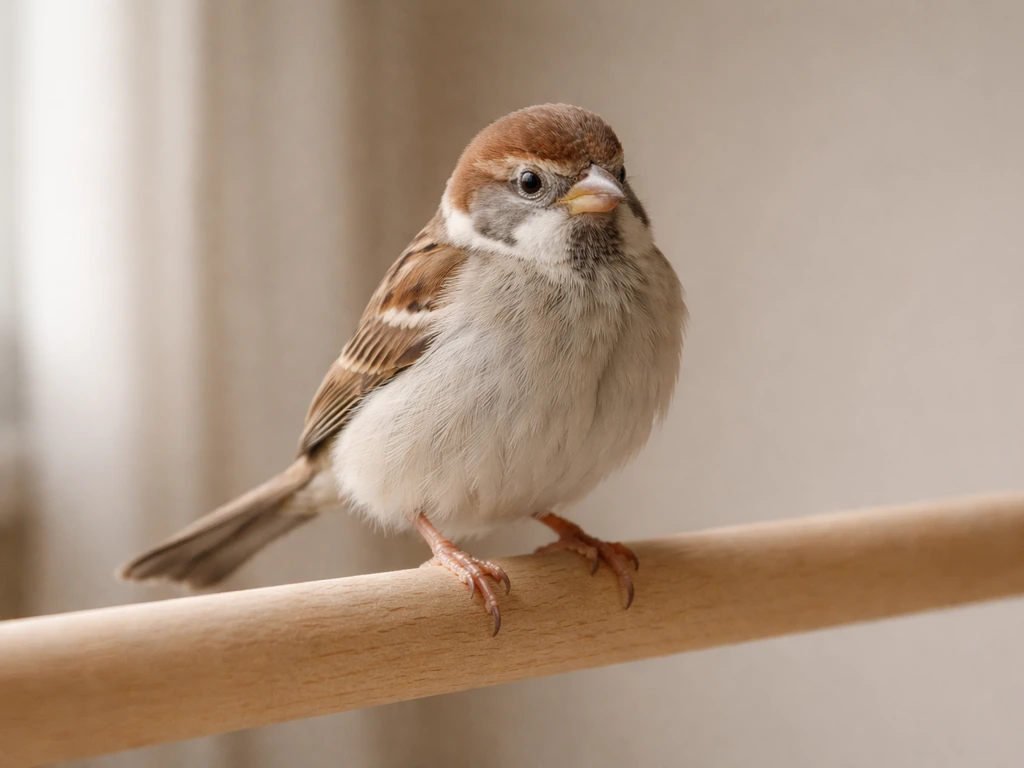
Watch the bird's body for a moment. Normal breathing is quiet and barely visible. If you can see the tail bobbing up and down with each breath, or if the bird is breathing with its mouth open, or if you can hear clicking or wheezing, that's a respiratory emergency. Get help immediately.
Feathers and skin
Ruffled or fluffed feathers while the bird is sitting still (and it's not cold in the room) indicate the bird is trying to conserve heat, which is a sign of illness or shock. Look for any visible bleeding, swelling, or missing patches of feathers that weren't there before.
Legs and feet
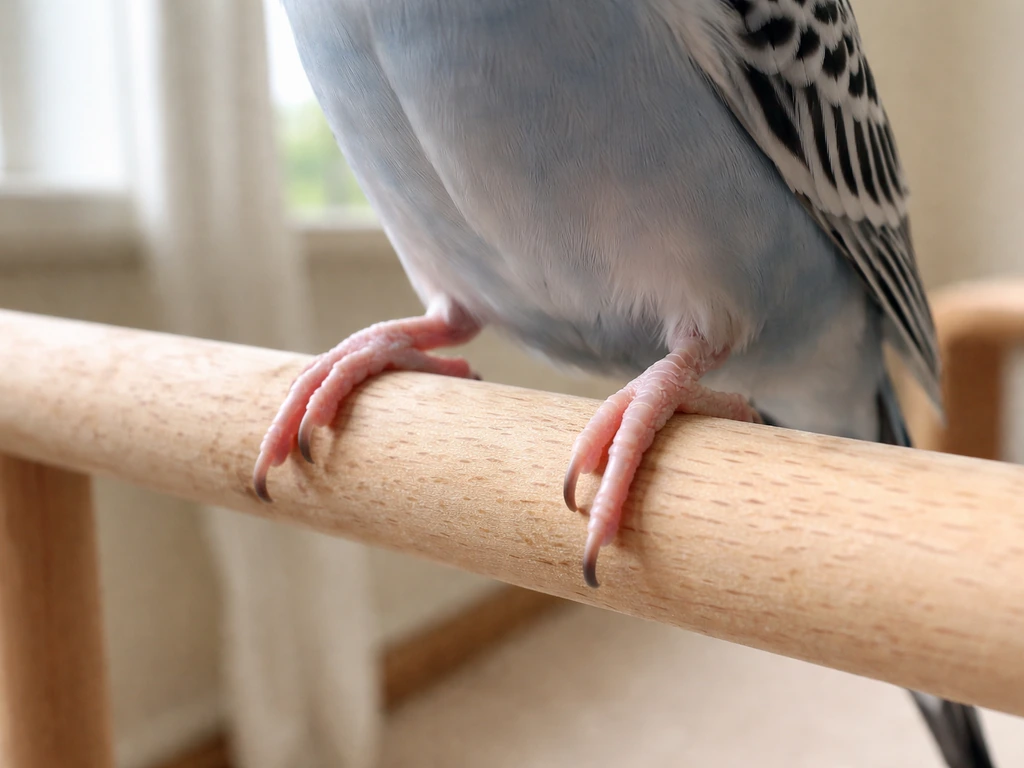
Gently look at the legs and feet if you can do so safely. Cool, pale, or bluish legs and feet can indicate shock or poor circulation. The bird should be able to grip and stand without collapsing.
Responsiveness
Does the bird respond to sound or movement near it? A bird that doesn't react when you move close, or that allows you to pick it up without trying to escape, is in serious trouble. Wild birds that can be easily caught or handled by a person are almost always injured or very ill.
Common scenarios that stop a bird from singing
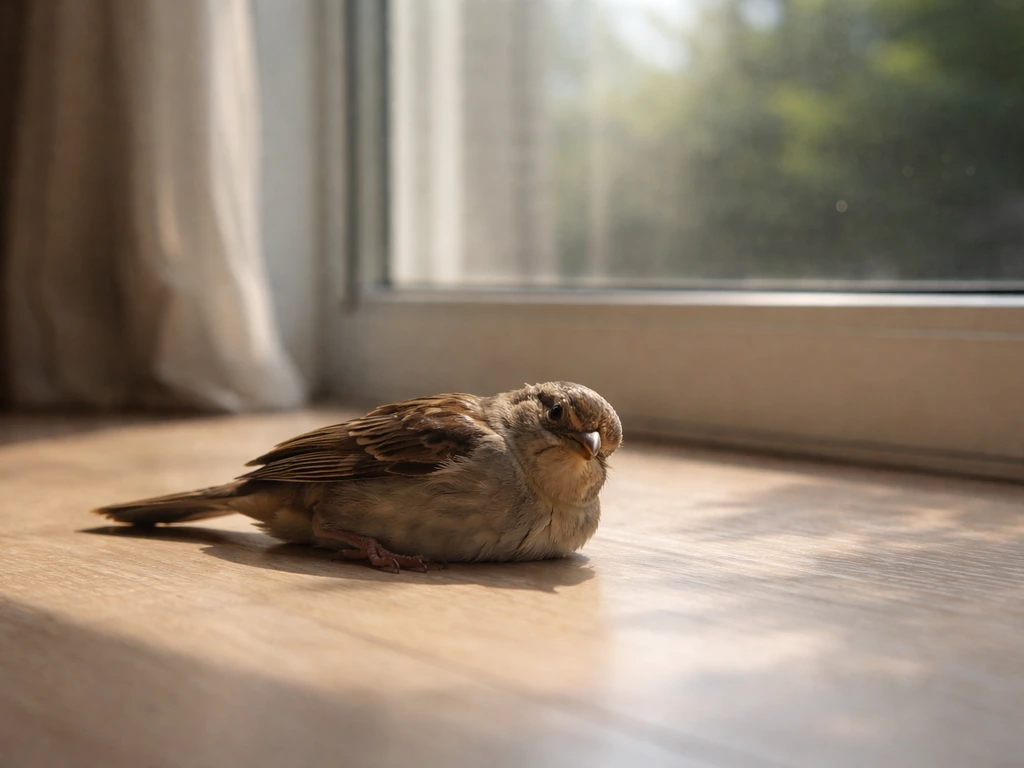
Window collisions
Window strikes are one of the most common causes of sudden bird distress. A bird hits glass, gets stunned, and either falls to the ground or sits dazed near the window. It may look fine externally, but internal injuries are very common with window strikes and can get worse over time even if the bird seems to recover briefly. Silence after a window collision is expected, but it doesn't mean the bird is okay.
Cat or dog encounters
Any contact between a bird and a cat or dog is an emergency, full stop. Even if there's no visible wound, cat saliva in particular carries bacteria that can cause rapid, fatal infection in birds. A bird that has been grabbed, batted, or even just mouthed by a cat needs veterinary evaluation the same day, regardless of how it looks. Don't wait to see if it improves.
Falls from height
A fall from a perch, cage top, tree, or nest can cause internal injuries, broken bones, or head trauma. A bird sitting quietly on the ground after a fall may be in shock. Check for wing drooping, leg weakness, or abnormal posture.
Entanglement and cuts
Birds can get tangled in loose threads, string, wire, netting, or even their own feathers. Entanglement cuts off circulation quickly and causes panic, followed by exhaustion and silence. Check carefully for anything wrapped around legs, wings, or the neck. Cuts and lacerations can also cause significant bleeding that may not be immediately obvious under feathers.
Broken wings or legs
A bird holding one wing noticeably lower than the other, or not using one leg, likely has a fracture. These injuries cause significant pain, and a bird in pain stops singing. Don't try to splint or set a broken bone yourself. A dirty bird can't fly with a broken wing, so keep it contained and get avian help as soon as possible broken bone. Contain the bird and get it to a professional.
Beak injuries
Beak injuries bleed heavily and are extremely painful. A bird with a damaged beak will often stop vocalizing and stop eating because both actions cause pain. Beak injuries need an avian vet, as they require specialized treatment and the bird can't feed itself in the meantime.
General weakness after trauma or illness
Sometimes a bird has been sick or under stress for a while and you only notice when it goes quiet and stops interacting. Weakness, lethargy, and silence can follow trauma, infection, toxin exposure, dehydration, or severe stress. The cause matters less right now than taking the same stabilizing steps and getting help quickly.
What to do right now: stabilizing an injured or distressed bird
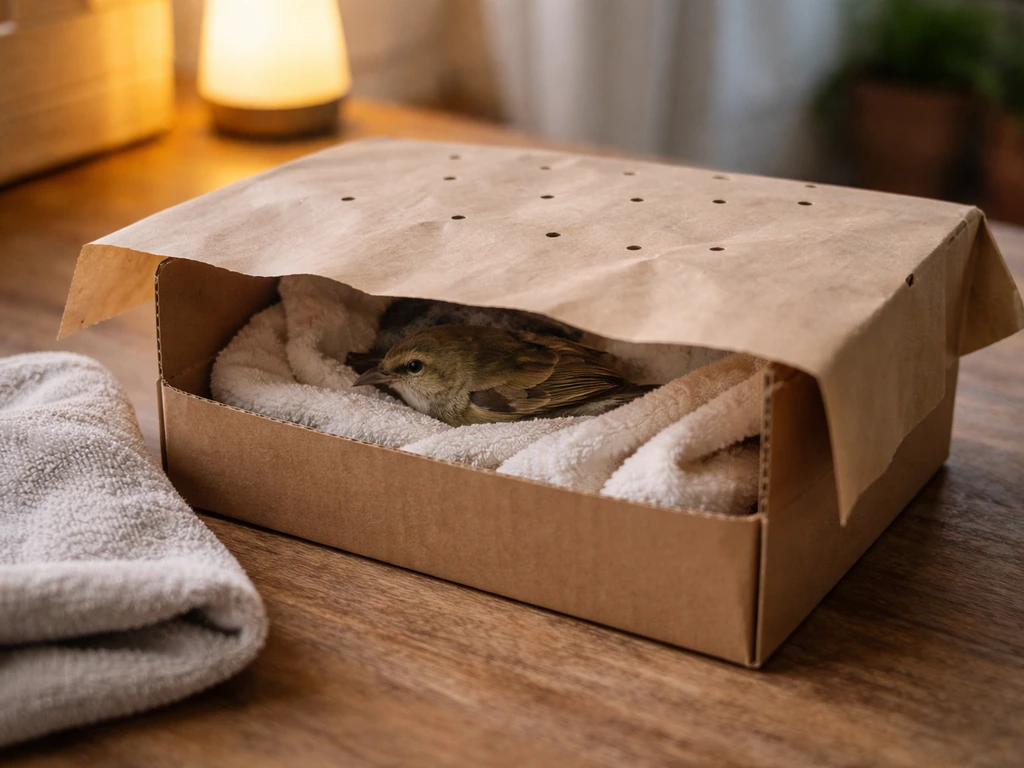
If you've identified that a bird is injured or in distress, here's exactly what to do. Work calmly and quickly. Avoid loud voices, sudden movements, and unnecessary handling.
- Contain the bird safely. Use a cardboard box or a small paper bag with air holes. Line it with a clean cloth or paper towel so the bird has grip. If the bird is a pet, use a travel carrier. Do not use a wire cage for transport since the bird may injure itself further trying to escape.
- Keep it dark and quiet. Place the container in a dimly lit or dark room away from noise, pets, and children. Darkness reduces panic and helps the bird rest. This alone can make a significant difference in stabilizing a stunned or shocked bird.
- Provide gentle warmth. A temperature around 85 to 90 degrees Fahrenheit (29 to 32 Celsius) is ideal for a sick or injured bird. You can place the box near (not on) a heat source, or put a heating pad set to low under half of the box so the bird can move away from the heat if needed. Do not use a heat lamp directly aimed at the bird. It can cause burns and dehydrate the bird quickly.
- Do not offer food or water. This is one of the most important rules. An injured or stunned bird can inhale food or water, especially if it is in shock, and this can be fatal. Do not put anything in the bird's mouth. Wait for professional guidance.
- Minimize handling. Once the bird is contained, leave it alone. Every time you open the box to check on it, you add stress. Stress can be fatal in a bird that is already in shock.
- Call for help while the bird rests. Use this time to contact a wildlife rehabilitator or avian vet (see below). Have the box ready for transport.
If there is active bleeding, you can apply gentle pressure with a clean cloth for 2 to 3 minutes. If bleeding does not stop within that time, that's an emergency and you need to call a vet right now, not later.
Call a wildlife rescue or avian vet immediately if you see any of these
Some situations cannot wait. If you see any of the following, stop and make the call before doing anything else. LafeberVet’s “Do’s & Don’ts of Avian First Aid” emphasizes that first aid is only the initial treatment and should not replace urgent, qualified avian care when needed.
| Sign or Situation | Why It's Urgent |
|---|---|
| Open-mouth breathing or visible tail bobbing with each breath | Indicates respiratory distress or failure, which can be fatal within minutes |
| Blue or gray coloring around beak or skin | Sign of oxygen deprivation or severe shock |
| Collapse or complete unresponsiveness | The bird may be in critical shock or close to death |
| Bleeding that won't stop after 2 to 3 minutes of pressure | Uncontrolled blood loss is life-threatening |
| Broken bone or a cut where bone is visible | Requires surgical or specialist intervention, not first aid |
| Contact with a cat or dog (even with no visible wound) | Risk of rapidly fatal bacterial infection from saliva |
| Drooping wing that the bird is not using at all | Likely fracture; delay causes further damage |
| Unable to stand, grip, or hold itself upright | Indicates neurological injury, severe weakness, or shock |
| Eyes closed and bird is unresponsive to touch | Critical emergency |
To find help fast: search for 'wildlife rehabilitator near me' or 'avian vet emergency near me.' In the US, the Wildlife Center of Virginia's national directory and the NWRA (National Wildlife Rehabilitators Association) finder are good starting points. Many areas also have local bird rescue hotlines. If you're outside the US, search for your country's wildlife rescue authority. Always call ahead if possible so they can prepare for the bird's arrival.
What recovery looks like, and how to support it
Once a bird is being treated by a professional, recovery timelines vary enormously depending on the type and severity of the injury or illness. A stunned window-strike bird with no internal injuries may recover within a few hours. A bird with a broken wing, severe infection, or significant blood loss may need weeks of care. Beak injuries in particular can take a long time to heal and may require dietary changes during recovery, such as soft foods, as directed by a vet.
Singing is often one of the last behaviors to return during recovery. It requires energy, a feeling of safety, and physical comfort. A recovering bird that is still quiet is not necessarily getting worse. What you're looking for as positive signs are increased alertness, improved posture, better appetite, and more interest in its surroundings. Singing will come back when the bird feels well enough.
Here's how you can support recovery once the bird is stable and under professional guidance:
- Keep the environment quiet and low-stimulation. Limit visitors, keep other pets away, and reduce household noise near the bird's space.
- Maintain a consistent, slightly warm temperature as directed by the vet or rehabilitator.
- Follow feeding instructions exactly. Do not improvise diet changes or offer foods that weren't specifically approved.
- Avoid unnecessary handling. Even a recovering bird finds human handling stressful. Let it rest.
- Watch for setbacks: renewed lethargy, loss of appetite, or any breathing difficulty means calling the vet again right away.
- Give it time. Birds that have been through trauma may be quiet and withdrawn for a while. Pressure and overstimulation can set back recovery significantly.
It's worth noting that birds experiencing distress from injury often can't fly normally either, and the reasons overlap heavily with why they stop singing: pain, shock, weakness, and trauma all suppress normal behavior at once. If you're dealing with a bird that both can't sing and can't fly, treat it as an emergency until proven otherwise.
The most important thing you can do for a bird that isn't singing and seems unwell is to act sooner rather than later. Birds decline fast once they stop hiding illness, and the window for effective treatment can be short. blank" rel="noopener noreferrer">Contain it, keep it warm and dark, don't feed it, and get a professional on the phone. If you are wondering, can the caged bird seal be removed, ask an avian vet for safe next steps right away rather than trying to remove it yourself. That combination gives the bird its best chance.
FAQ
If my bird stops singing, but it is still eating and perching normally, should I still call a vet?
Usually you do not need an emergency call if posture, breathing, and appetite are normal and the bird is otherwise alert. Instead, monitor for 6 to 12 hours and check for any new red-flag signs (fluffed feathers, closed eyes, labored breathing, drooping wing, refusal to grip). If silence lasts beyond that, or appetite drops, contact an avian vet for guidance.
Is it ever normal for a bird to be quiet in the morning or at night?
Yes. Many birds are less vocal at certain times of day and during sleep or low-activity periods. The key difference is whether the bird is behaving normally for rest (eyes closed while asleep, stable breathing, relaxed posture) versus being quiet but showing illness signs like hunched posture, ground sitting when it should perch, or abnormal breathing sounds.
How can I tell the difference between a bird conserving heat and a bird having trouble breathing?
Heat conservation often looks like ruffled or fluffed feathers while the bird is sitting still, with breathing that is quiet and not visibly struggling. Breathing trouble is more concerning if you notice open-mouth breathing, wheezing or clicking, or visible effort with tail bobbing on each breath. If breathing seems abnormal, treat it as urgent.
Should I offer food or water if the bird is not singing?
Do not force feeding. If the bird is alert and eating on its own, provide normal water and diet. If the bird is quiet with signs of distress (closed or half-closed eyes, drooping wing, ground sitting, open-mouth breathing), keep it contained, warm, and dark, and do not feed it until an avian professional advises, since improper feeding can worsen aspiration risk.
My bird had a window strike and is awake, should I still get help?
Yes. External recovery can be brief even when internal injury exists. Silence after a collision can be expected, but it does not prove safety. If the bird remains quiet longer than a short period, has any breathing change, disorientation, bleeding, or weakness, call an avian vet or wildlife rehabilitator for same-day assessment.
What if my cat or dog just mouthed or grabbed the bird but I do not see wounds?
Treat it as an emergency anyway. Cat saliva can drive rapid infection in birds even without obvious cuts. Seek same-day veterinary evaluation, and keep the bird contained and warm while you arrange help.
How long is it safe to wait for a bird to start singing again?
Do not use singing alone as the timeline. Use behavior and breathing as the main indicators. If the bird is quiet but otherwise normal, you can observe for several hours. If silence comes with any paired red flag, act immediately and contact help before waiting for vocalization to return.
If I suspect a broken wing, can I splint it temporarily?
No. Do not attempt to set or splint suspected fractures. Instead, keep the bird warm, dark, and safely contained to prevent further injury, and get avian care quickly. Continued pain and stress can delay healing, and incorrect handling can worsen the injury.
My bird got tangled in string or netting, what is the safest first step?
Check for tight loops around legs, wings, or the neck, and only release what you can safely remove without pulling. If there are signs of bleeding, panic, or a limb that seems compromised, treat it as urgent and get veterinary or rehabilitator help the same day because circulation can be impaired quickly.
What should I do if I am unsure whether the bird is ill or just molting?
Look for pattern and context. Molting is typically gradual and consistent, while irregular feather loss or abnormal feather growth combined with weight loss, diarrhea, weakness, or breathing changes is not typical. If you see systemic signs alongside the quiet behavior, contact an avian vet rather than assuming it is only molting.
Can a bird be quiet because of toxins or poisoning, and what should I look for?
Yes. Toxin exposure can cause sudden lethargy and silence, sometimes alongside weakness, abnormal posture, or changes in breathing. If you suspect ingestion or exposure, avoid home attempts at treatment, keep the bird contained and calm, and contact a wildlife rehabilitator or avian vet urgently, ideally with details about what the bird may have been exposed to.
When is it appropriate to remove a caged bird seal or other stuck item?
Do not remove it yourself unless an avian vet confirms it is safe. Since stuck items can worsen bleeding or damage if forced, the safer approach is to contain the bird, keep it calm and warm, and ask a professional for safe next steps as soon as possible.
Next Articles
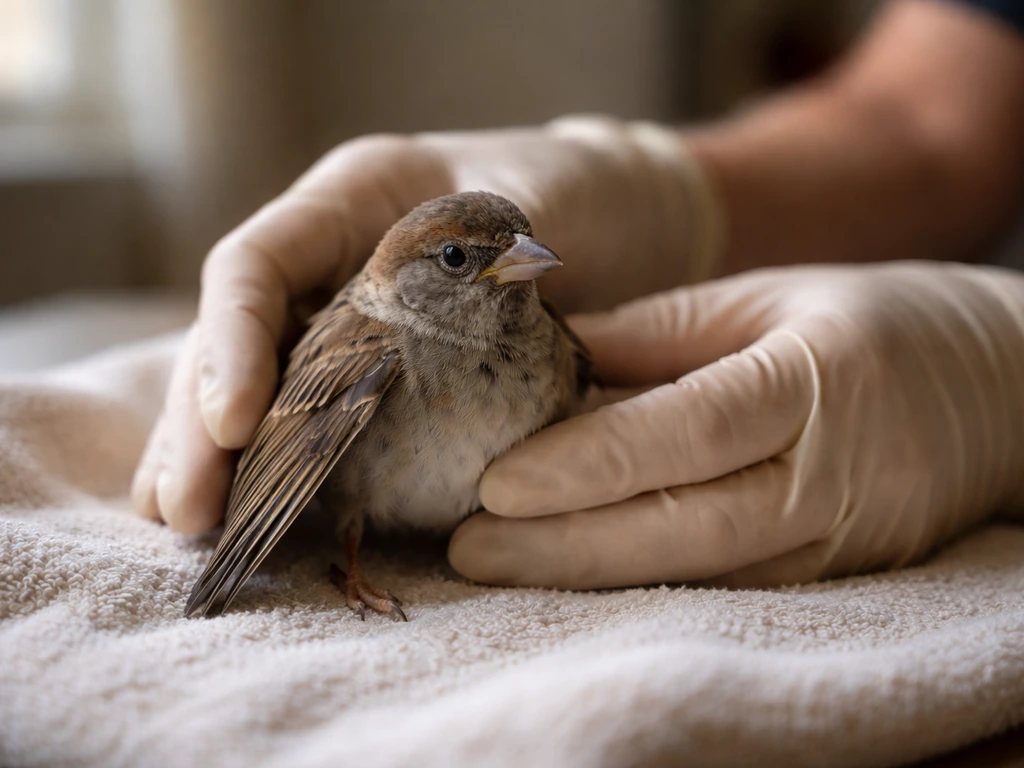
Can a Bird Live With One Wing? Survival and First Aid
Can a bird live with one wing? Injury outcomes and step-by-step first aid, plus when to get urgent help.
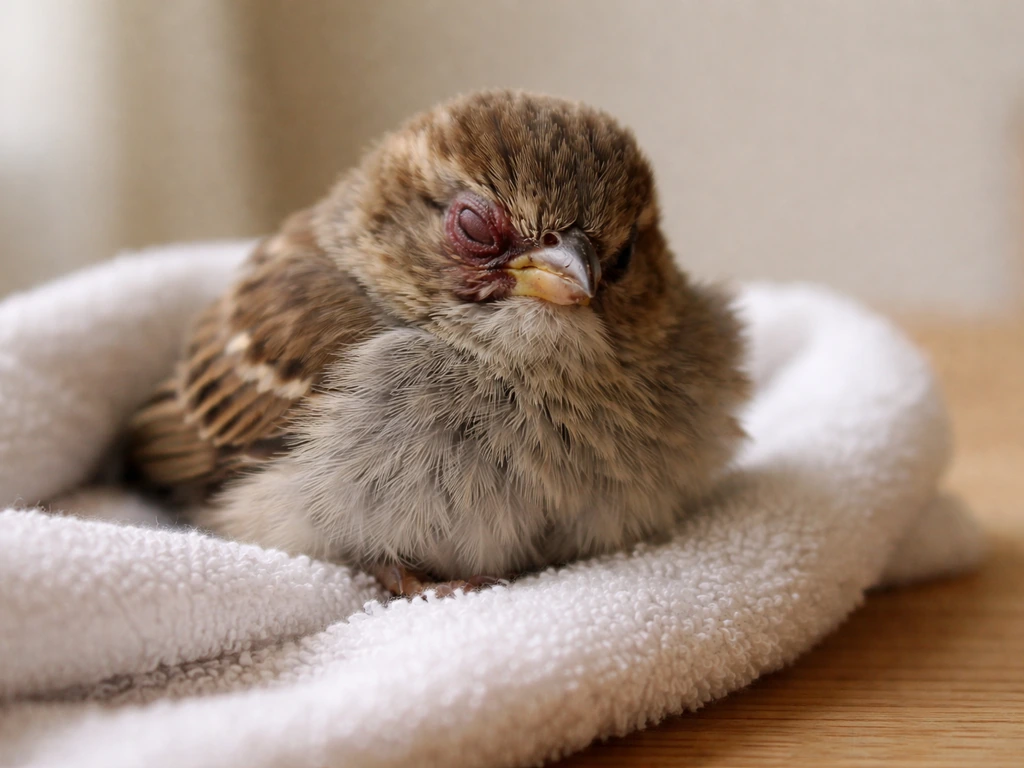
Can a Bird Survive With One Eye? What to Do Now
Learn if birds can cope with one eye and what to do now for an injured bird’s eye safely and urgently.
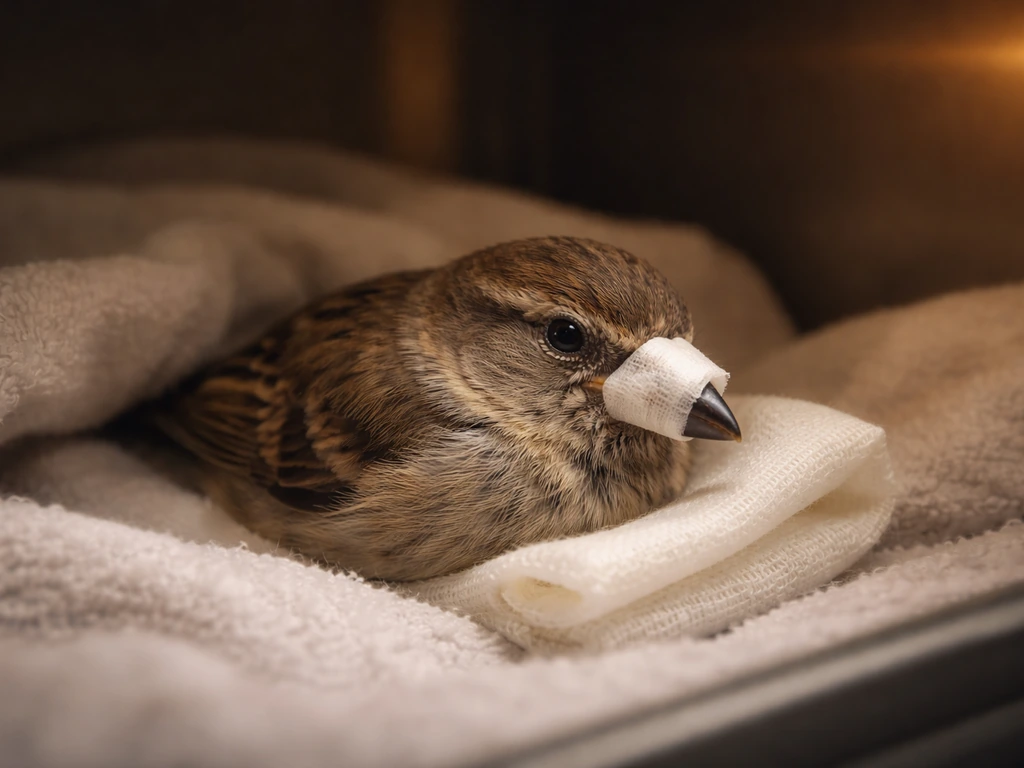
Can a Bird Survive With a Broken Beak? What to Do Now
Learn if a bird with a broken beak can survive, spot danger signs, and do safe first aid until a vet rescues it.