
Birds don't forget how to fly. When a wild bird won't or can't take off, something real is wrong: injury, shock, illness, or it's a young bird that simply hasn't learned yet. Understanding what happens if a bird can't fly helps you respond faster and choose the right next step. But when the cause is something fixable, the bird may be able to fly again once the underlying problem is treated won't or can't take off. If your backyard bird can't fly, treat it as potentially injured or stunned and get help based on what you observe. The good news is that most grounded birds can be helped, and your first job is figuring out which situation you're dealing with before you do anything else. A wild bird can't fly is a sign that you should figure out the cause and get the right kind of help quickly.
Bird Forgets How to Fly: What to Do Today Safely
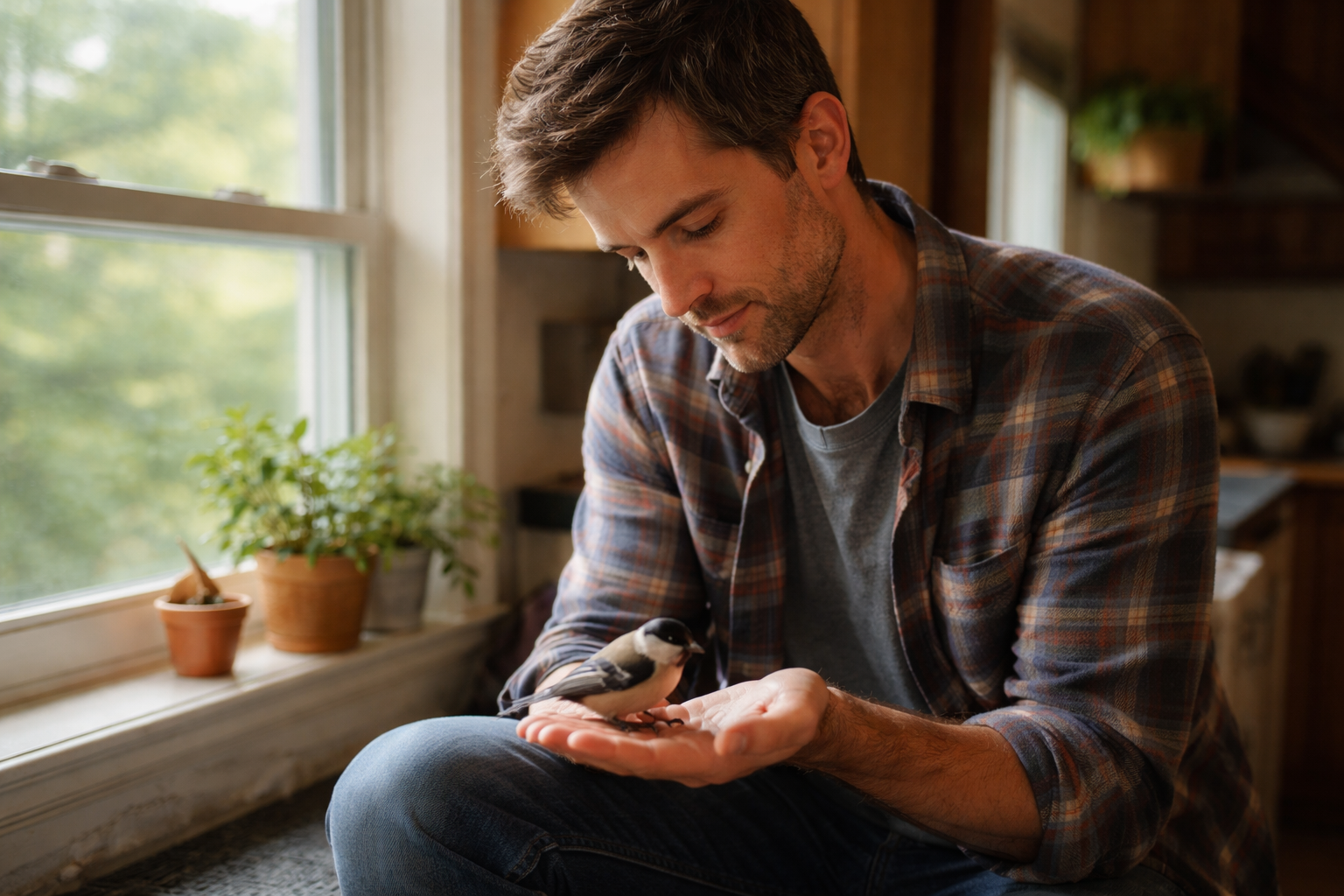
What "can't fly" actually means: injury, shock, or something else?
A grounded bird almost always falls into one of three categories, and telling them apart changes everything about what you should do next.
The first is physical injury. A broken wing, fractured leg, or deep laceration from a cat attack will physically stop a bird from flying. If the bird can't move legs, it can point to a serious leg injury that needs prompt professional care. You may see a wing hanging at an odd angle, swelling, bleeding, or the bird dragging a limb. These birds need professional care, full stop.
The second is shock or concussion. This is the most common scenario after a window collision. The bird hit hard, is stunned, and looks completely helpless. It may be sitting upright but motionless, or it may be tilting, stumbling, or unable to hold its head up. In mild cases, the bird can recover within an hour or two on its own. In serious cases, internal bleeding or brain injury means it will decline without treatment even if it looks okay at first.
The third is a nestling or fledgling. Young birds that are still learning to fly end up on the ground all the time and look like they're in trouble when they're actually fine. A nestling is tiny, has little or no feathers, and genuinely cannot fly. A fledgling is fully feathered, hops around, and may flutter short distances but can't sustain flight yet. This is completely normal and is not a rescue situation unless the bird is injured.
Less commonly, a bird that can't fly may have a neurological or systemic problem: poisoning, severe infection, or a stroke-like event. These birds often can't stand properly, may spin in circles, or hold their head in a twisted position. If your bird can't walk properly, it can be a sign of neurological stress or injury, and it still needs urgent evaluation. A bird can't stand properly may be unable to walk normally, which is another sign it needs urgent help. If you notice any of that, treat it as urgent.
Quick safety steps and how to check for obvious injuries
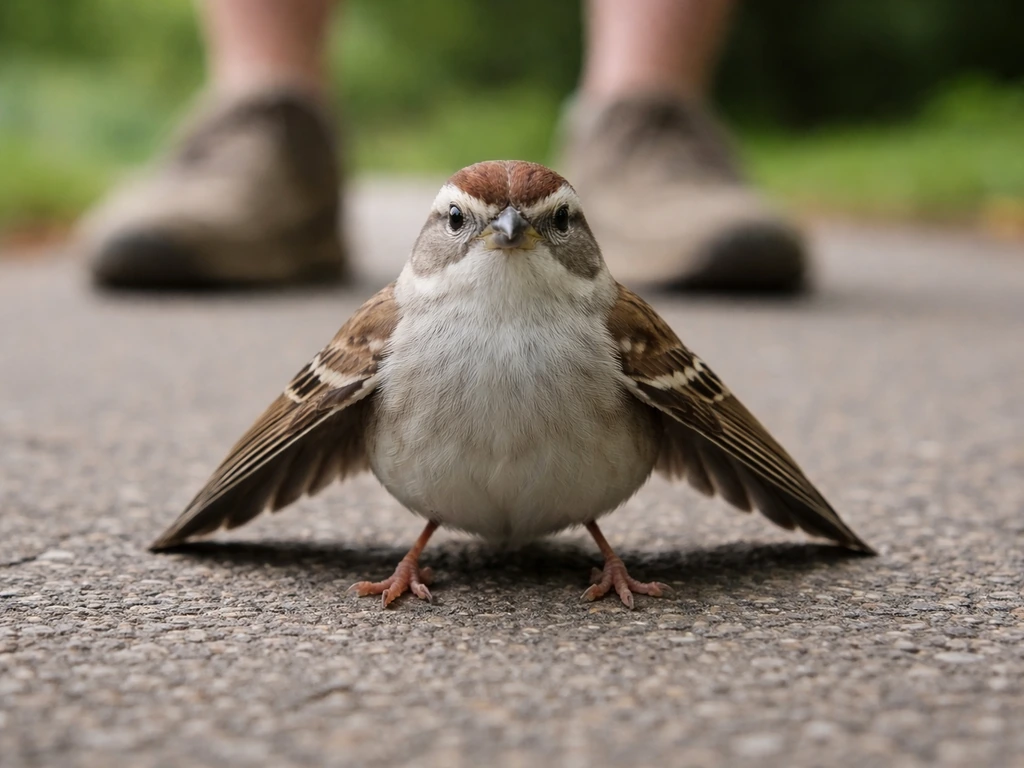
Before you pick the bird up, take 30 seconds to observe from a short distance. Watch how it's holding its body, whether both wings look symmetrical, and whether it can stand on its own. This observation alone tells you a lot and keeps you from startling a bird that just needs a minute to recover.
If the bird is in immediate danger (on a road, near a cat, in a parking lot), move it to a safer nearby spot first. Don't chase it. Approach slowly and calmly, use a towel or light jacket to gently cover and scoop it up, and move it to the nearest safe, shaded spot.
Once you can get a closer look, check for these things without excessive handling:
- Wings: Is one drooping lower than the other or held at an unnatural angle?
- Legs: Can it stand and grip? Is it falling over or unable to right itself?
- Blood: Any visible bleeding on the body, wings, or feet?
- Head: Is it tilting or turning to one side? Pupils unequal in size?
- Feathers: Are they fluffed up excessively, suggesting illness or cold?
- Eyes: Are they both open and responsive to light and movement?
- Entanglement: Is there fishing line, netting, or thread wrapped around the legs, wings, or beak?
If you see any of those red flags, the bird needs more than rest. Move on to containment and contact a rescue. If the bird looks physically intact, it may be stunned, and an hour in a dark, quiet container is a reasonable first step.
Immediate first aid: what to do right now
The most important thing you can do for a grounded bird is reduce stress and keep it stable. Here's how:
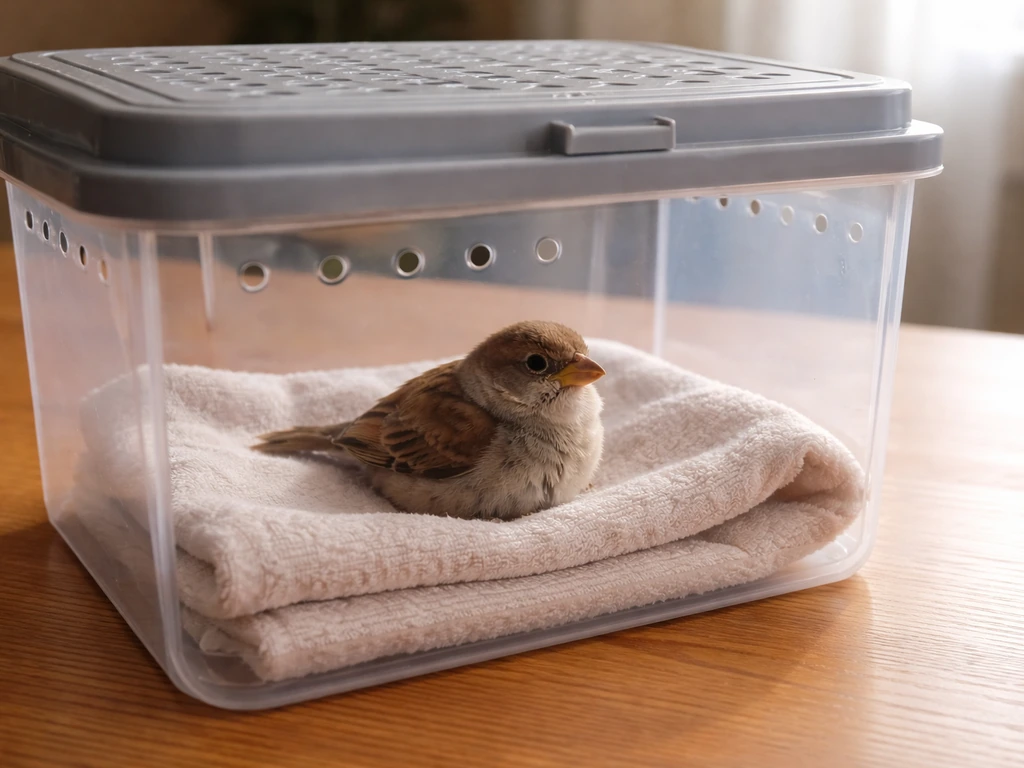
- Find a cardboard box or plastic pet carrier slightly larger than the bird. Ventilate the box by poking a few small holes in the sides.
- Line the bottom with a soft towel, an old t-shirt, or paper towels so the bird has something to grip.
- Use a towel or light jacket to gently cover the bird, then lower it into the container. Tape the lid or close it securely so it can't escape and injure itself further.
- Place the container in a warm, dark, quiet area. Keep it away from children, pets, TVs, and loud noise.
- If the bird feels cold to the touch, warm one end of the container only by placing it on a heating pad set to low, or set a warm water bottle wrapped in a towel underneath one end. Never warm the whole container: the bird needs to be able to move away from the heat if it gets too warm.
- Call a wildlife rehabilitator or avian vet as soon as the bird is contained.
What NOT to do
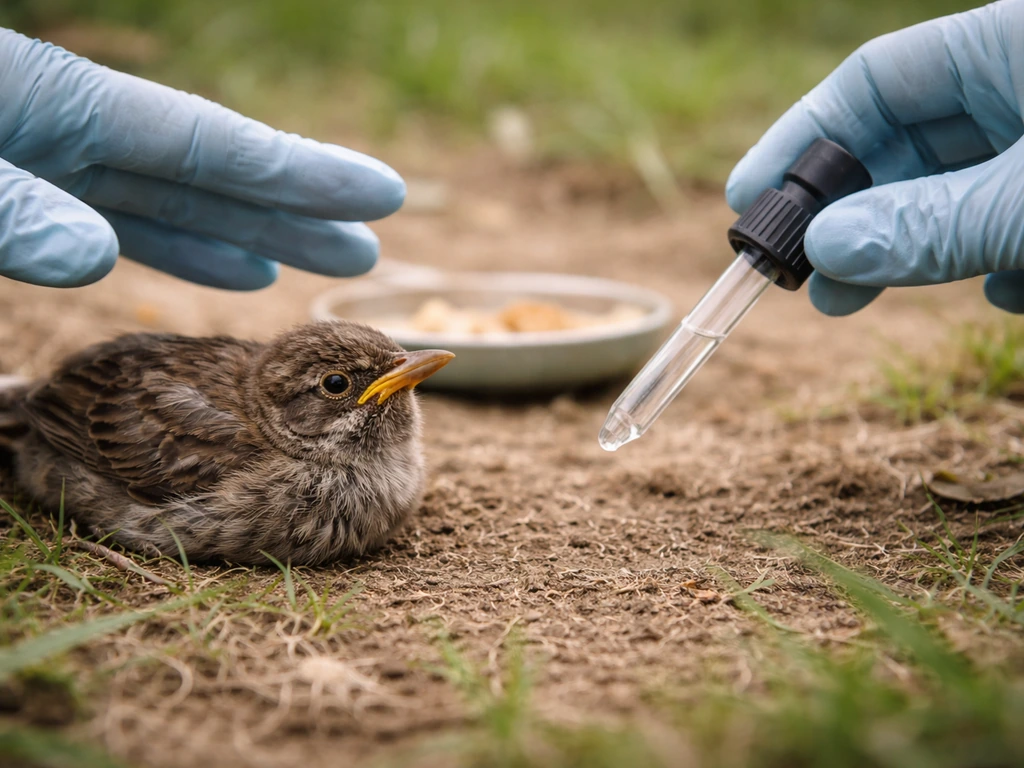
- Do not give food or water. This is the single biggest mistake people make. Force-feeding or dripping water into a stunned bird's mouth can cause it to aspirate and die. Unless a licensed rehabilitator tells you otherwise, nothing goes in its mouth.
- Do not place open water in the box. Even a small dish can be a drowning risk for a weak bird.
- Do not give human medications, electrolyte drinks, or wild bird seed.
- Do not keep checking on it. Every time you open the box, you're adding stress. Let it rest.
- Do not leave it outside in a box where predators can get to it.
- If you find a bird tangled in fishing line or netting, do not cut the line without guidance. The line may be embedded or wrapped in ways that cause additional injury if cut incorrectly. Contain the bird and contact a rehabilitator immediately.
When to call wildlife rescue or an avian vet right now
Some situations don't wait. Contact a wildlife rehabilitator or avian vet immediately if any of these apply:
- Visible bleeding that doesn't stop
- A wing or leg hanging at an obvious broken angle
- The bird was attacked by a cat or dog (cat saliva alone carries bacteria that cause fatal infection within hours even with no visible wound)
- The bird cannot stand or keeps falling over
- Head tilting, circling, or eye irregularities suggesting neurological damage
- The bird hit a window and hasn't recovered or improved within one to two hours
- The bird is shivering, extremely weak, or unresponsive
- Any baby bird that is not fully feathered and cannot be returned to its nest
To find help, search for a licensed wildlife rehabilitator through your state or national wildlife agency. In the US, the Wildlife Center of Virginia has staff available seven days a week from 9:00 am to 5:00 pm. Virginia residents can also call the DWR wildlife conflict helpline at 1-855-571-9003, available Monday through Friday, 8:00 am to 4:30 pm. The NWRA (National Wildlife Rehabilitators Association) and Wildcare.org also have national search tools. When in doubt, call before you act.
Matching your situation to the most likely cause
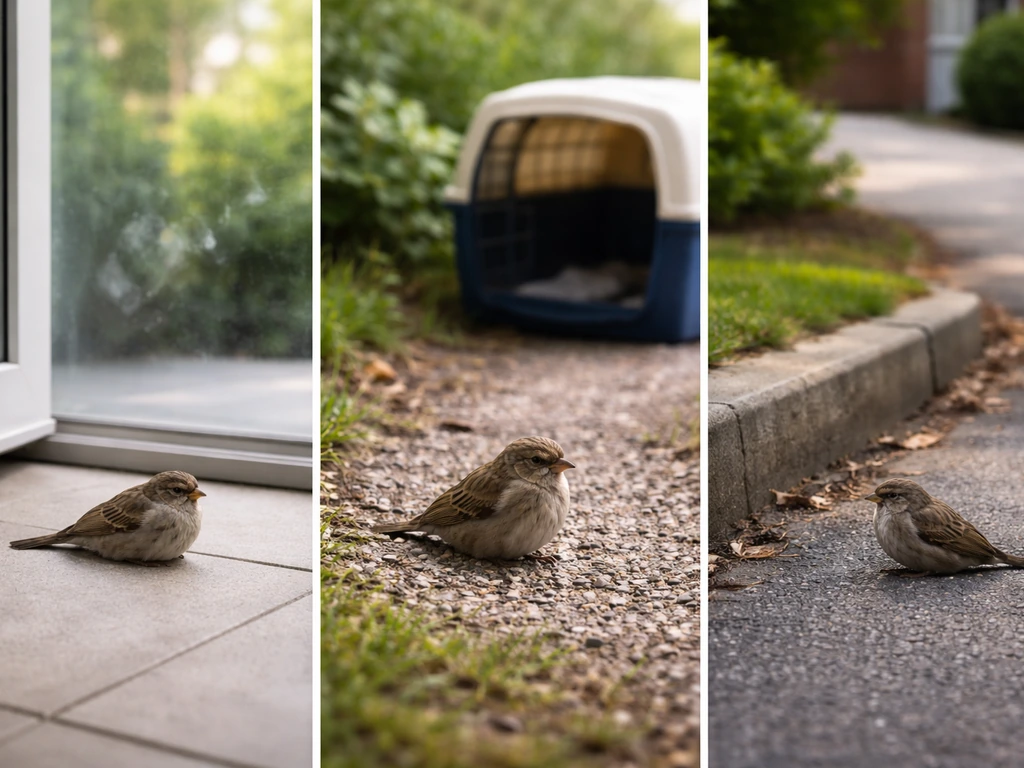
Knowing what probably happened helps you act faster and describe the bird correctly when you call for help.
| What you see | Most likely cause | Key action |
|---|---|---|
| Bird near a window, dazed but physically intact | Window collision/concussion | Dark box for up to 2 hours; if no improvement, get to a rehabber |
| Puncture wounds, missing feathers, cat or dog nearby | Pet attack | Contain immediately and call a rehabber or vet today, even with no visible wounds |
| Wing drooping or at odd angle, can't fold properly | Broken or dislocated wing | Do not try to splint it; contain and get professional help today |
| Leg dangling or bird dragging itself | Broken leg or spinal injury | Minimal handling; contain on a flat towel and call for help |
| Line or netting around legs, beak, or wings | Entanglement | Do NOT cut the line; contain the bird and call a rehabber immediately |
| Small, featherless or lightly feathered baby | Nestling out of nest | Try to return to nest; if can't locate nest, call a rehabber |
| Fully feathered young bird hopping, no obvious injury | Normal fledgling behavior | Leave it alone; keep pets and people away; parents are nearby |
| Adult bird spinning, tilting head, can't stand | Neurological issue or poisoning | Urgent: contain and get to a vet or rehabber now |
A note on nestlings and fledglings: if you find a tiny, naked or barely feathered baby on the ground, try to locate the nest and return it. Parent birds will not reject a baby that's been touched by humans. That's a myth. If you can see the nest, put the baby back. If you can't reach or find the nest, you can place the nestling in a small container (punch drainage holes in the bottom), hang it or set it as close to the original spot as possible, and the parents will often continue to feed it there. For fully feathered fledglings that look healthy, the best thing you can do is walk away and keep your pets indoors. These birds are doing exactly what they're supposed to be doing.
Short-term housing and care checklist while you wait for help
Once the bird is contained and you've made your calls, your job is mainly to stay out of the way and keep it stable. Here's a quick checklist:
- Container is ventilated but escape-proof and securely closed
- Box is lined with a non-slippery surface (towel or paper towels)
- Container is in a warm, dark, quiet room away from pets and children
- If the bird is cold, one end of the container is gently warmed (not the whole box)
- No food or water has been placed in the box
- You have called a wildlife rehabilitator or avian vet and know where you're going
- You have written down roughly when and where you found the bird and any details about what happened (window, cat attack, etc.) to share with the rehabber
- You are not opening the box repeatedly to check on it
- Transport is ready: the box is in a safe spot in your car, away from direct sun and air conditioning vents, and not on the floor where it can slide
Keep checking on the bird as little as possible. If it starts making noise or moving around actively inside the box, that's actually a good sign. It means it's feeling more alert. That said, an alert bird inside a box still needs professional evaluation if it was injured or attacked.
What recovery really looks like: prognosis, rehab, and when birds fly again
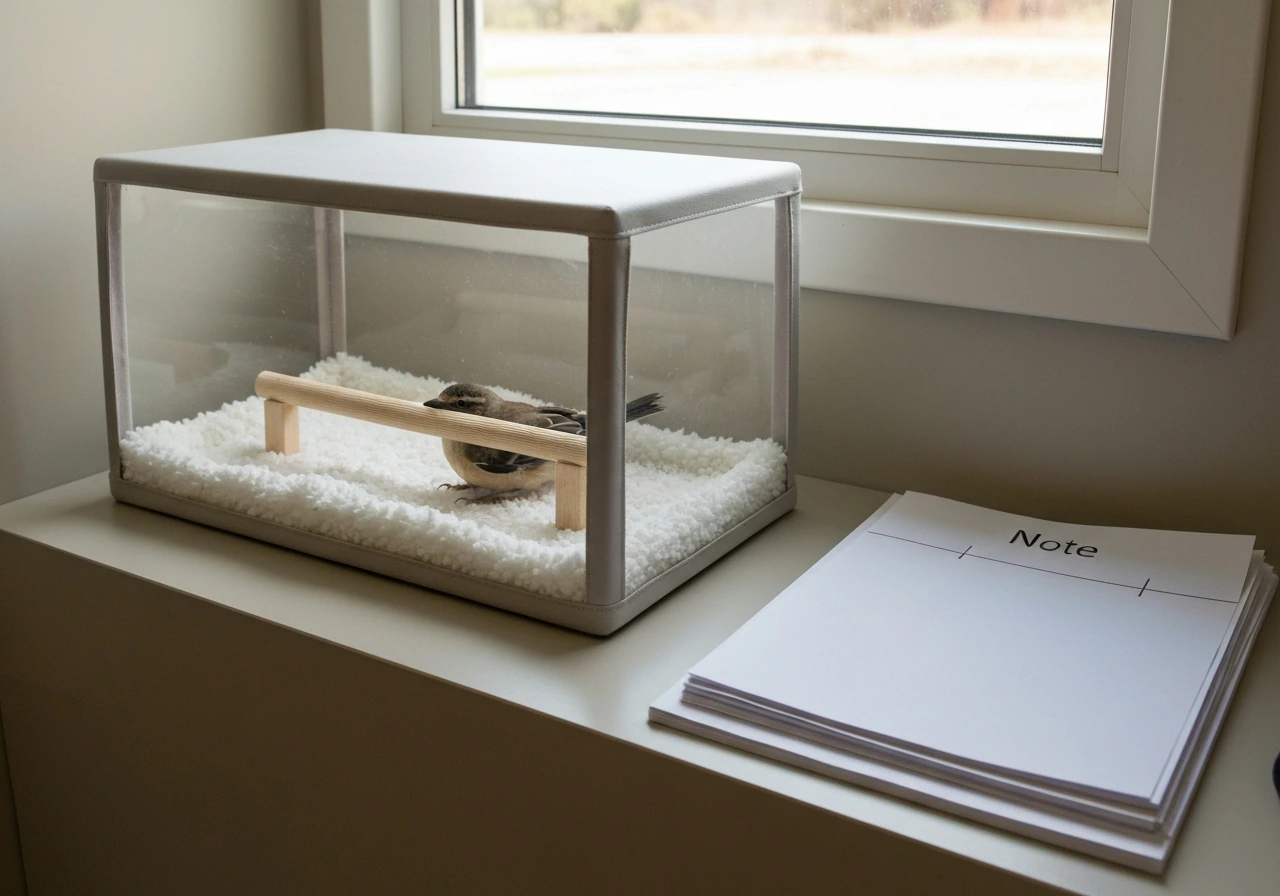
It helps to set honest expectations here, because "helping a bird fly again" is rarely something that happens in a day. Even birds that recover from window strikes and seem fine after a few hours may have internal injuries that show up later. A bird that was attacked by a cat and looked totally fine at first can die from septic infection within 24 to 48 hours without antibiotics.
For birds with broken bones, recovery in professional rehab typically takes weeks. Flight feathers that are damaged or lost may not fully regrow until the next molting cycle, which can be months away. A bird isn't ready for release just because it's calm or eating. It has to be able to perch normally, hold its own body weight, and demonstrate actual sustained flight ability before a good rehabilitator will even consider release.
Flight rehabilitation often involves progressive exercise: starting in small enclosures and working up to larger flight cages where the bird can build strength and coordination back. This process can take anywhere from a few weeks for a mild concussion case to several months for a fracture or severe soft tissue injury.
Release timing depends on the individual bird and its species. Migratory birds may need to be released at a time that allows them to join their species before migration. Resident species have more flexibility. In all cases, the decision belongs to the licensed rehabilitator, not to a timeline you set at home.
The best outcome you can give a grounded bird today is fast, calm containment, no food or water, minimal handling, and getting it to a professional as quickly as possible. That's the entire job. Everything else is up to trained hands.
FAQ
What’s the safest container to use for a grounded bird, and should I cover it?
Use a ventilated container, but do not cover the bird so tightly that air cannot circulate. A small box or carrier with airflow works best, and you want it dark enough to stay calm. Do not put the bird in a drawer, sealed bag, or anything that traps heat, because overheating can worsen shock or internal bleeding.
Can I give a grounded bird water or food to help it recover faster?
Avoid food and water entirely until a rehabilitator or avian vet assesses the bird. Stunned birds may not swallow correctly, and giving food or water increases the risk of aspiration (choking into the airway). If the bird needs fluids or treatment, that’s a professional decision.
If the bird seems better after an hour, is it okay to wait before calling for help?
If the bird was attacked, injured, or hit by a window, assume there may be internal injury or infection even if it seems alert later. Keep your recheck window short but real, and do not delay contacting help while “watching to see.” A bird can decline hours to days after an initially normal appearance, especially after cat bites or window trauma.
How should I pick up the bird if I suspect an injury?
Handle as little as possible and use gentle control for safety. If you must pick it up, scoop with a towel and support the body, wings included, so you do not cause further strain at the shoulder or spine. Do not try to “test” a wing or force a leg to bear weight.
My bird hit a window and now it seems stunned, what should I watch for beyond immediate recovery?
If you suspect a window strike, treat it as more than a quick rest case. Even when the bird sits upright, internal bleeding or concussion can develop later. Place it in a dark, quiet container and call a wildlife rehabilitator so they can decide whether imaging or supportive care is needed.
What should I do if the bird is in a dangerous spot like a road or parking lot?
If the bird is on the road or in a yard with predators nearby, move it only once to the nearest safe, shaded area. Avoid chasing, and do not attempt to guide it by walking it repeatedly, since that increases stress and can worsen injuries. After relocation, contain it and contact help.
When should a fully feathered fledgling be left alone versus rescued?
For fledglings that are fully feathered and acting steady but cannot fly well yet, the priority is supervision from a distance. If there is no visible injury and it is not in immediate danger, you typically walk away, keep pets indoors, and allow the parents time to care for it. Rescue is for injury, persistent inability to stand, bleeding, or obvious exposure issues.
What if I can’t find the nest for a baby bird on the ground?
If you find a naked or barely feathered nestling, your best first step is returning it to the nest if you can locate it. If the nest cannot be reached, you can set the nestling in a small ventilated container with drainage holes and place it close to the original location, then monitor from a distance. Persistent exposure to sun, wind, or rain is a reason to seek immediate help.
Can I stabilize a broken wing or leg at home with tape or a splint?
Do not attempt DIY splinting, wing wrapping, or “rehab exercise” at home. Misaligned wraps and restricted breathing can worsen fractures or soft tissue injuries. Professional rehab typically uses species-appropriate stabilization and gradual recovery plans.
If a cat might have attacked the bird but I don’t see bleeding, do I still need urgent help?
A cat is a major red flag. Even if the bird looks intact, saliva bacteria can lead to rapidly developing infection and tissue damage. Contain, minimize handling, and call an avian vet or wildlife rehabilitator immediately for any suspected cat attack.
How will I know when it’s truly ready to be released?
Yes, but set expectations: the bird may need ongoing treatment and may not be releasable soon even if it becomes active in the container. A bird must be able to perch, hold body weight, and show sustained flight capability appropriate to its species. Release timing is determined by rehab staff after functional checks, not by how calm it seems at home.