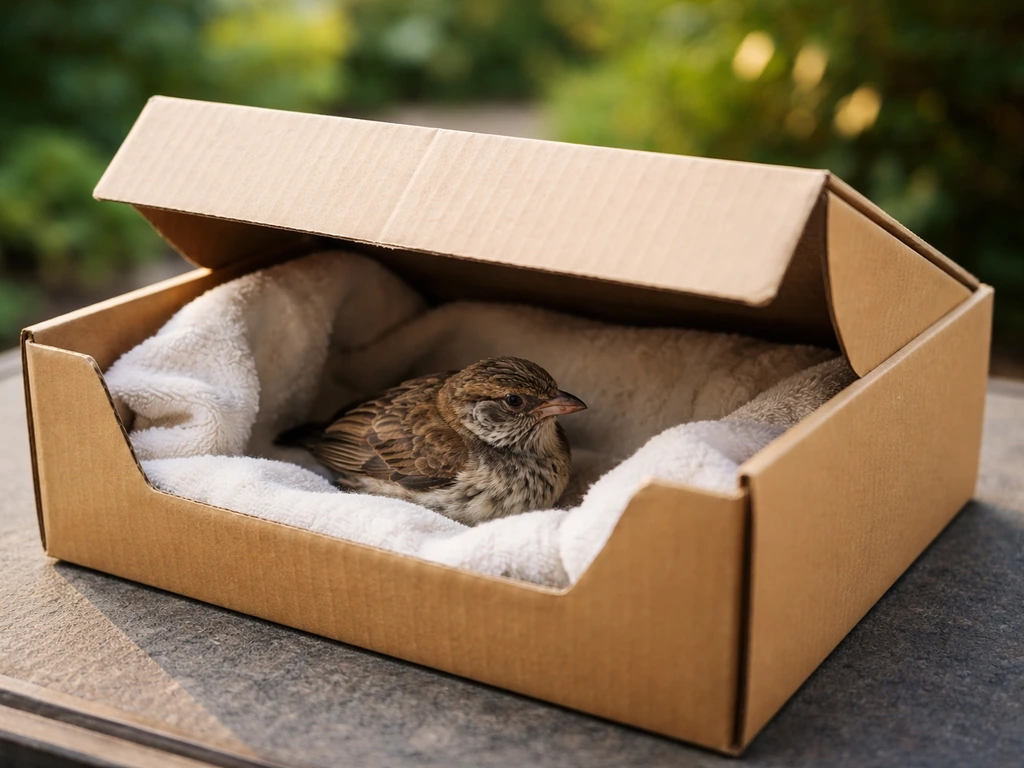
If you've found a bird that seems lost or displaced, the right place to report it depends on one thing: whether it's injured or just out of place. For a healthy-looking bird, start with your local animal shelter, animal control office, or a bird rescue in your area. If the bird looks hurt (bleeding, drooping wing, can't fly, lethargic), skip the reporting step and go straight to a licensed wildlife rehabilitator or avian vet. The faster you act on the right path, the better the bird's odds.
Where to Report a Lost Bird: Exact Steps Today
Marcus Chen
13 May 2026
First: is it really lost? How to assess the situation quickly
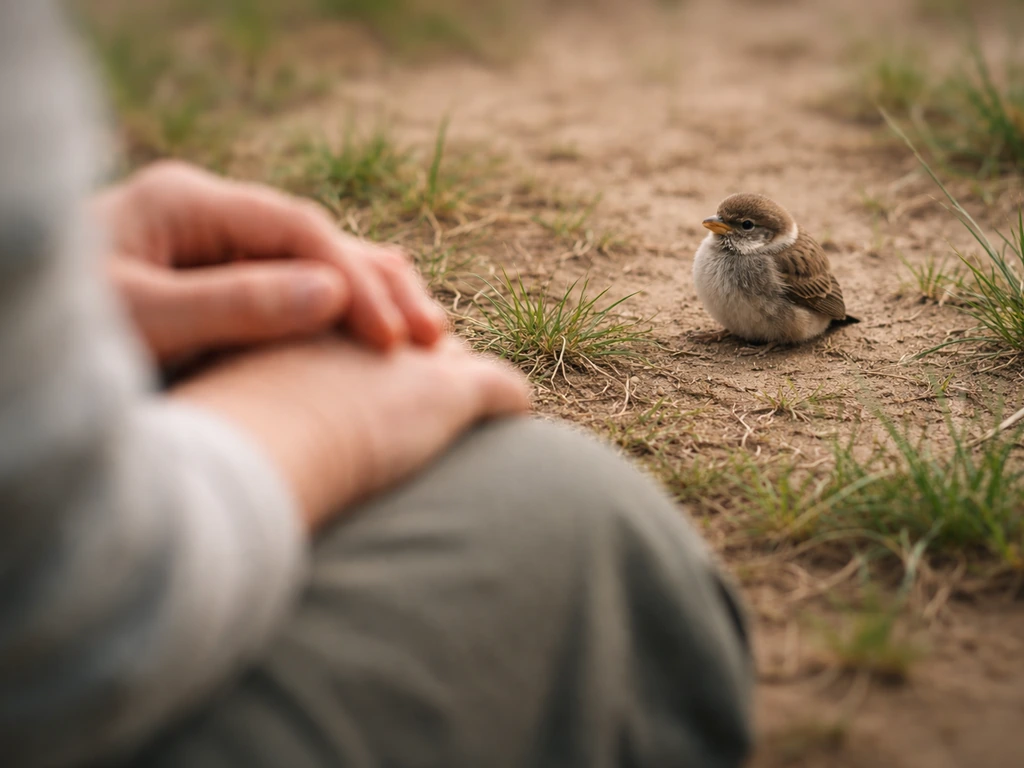
Before you call anyone, spend a few minutes just watching. A bird sitting on the ground or acting dazed isn't automatically lost or in trouble. It might be a fledgling learning to fly, a bird recovering from a brief scare, or an adult resting. Stand back and observe for 10 to 15 minutes without approaching. What you're watching for are clear signs that this bird genuinely needs intervention.
Here's a simple triage checklist. If the bird shows any of the following, it likely needs immediate professional help rather than a standard lost-bird report:
- Visible bleeding or open wounds
- A wing drooping to one side or held at an odd angle
- Inability to fly or move away from you when approached
- Eye swelling, discharge, or a cloudy appearance
- Sitting very still, puffed up, and unresponsive to nearby movement
- Evidence it was caught by a cat or dog
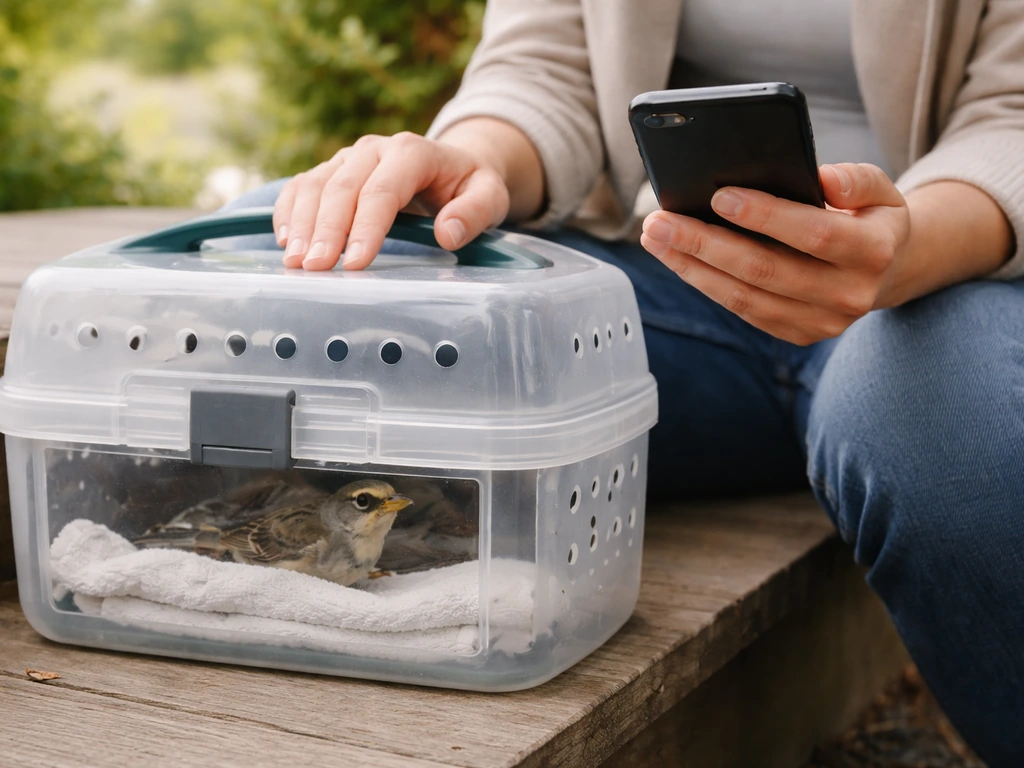
If none of those apply and the bird looks alert, is moving around, and reacts when you get close, it may simply be displaced or going through a natural stage like fledging. That's when standard reporting makes sense. When you're genuinely unsure, take photos or a short video from a safe distance and use those when you call for advice. A wildlife rehabilitator can often triage a situation just from good footage.
Where to report a lost bird today
There isn't one single universal hotline for lost birds, so you'll be working through a short list of local contacts. Start with the options closest to you and work outward.
Animal control and municipal services
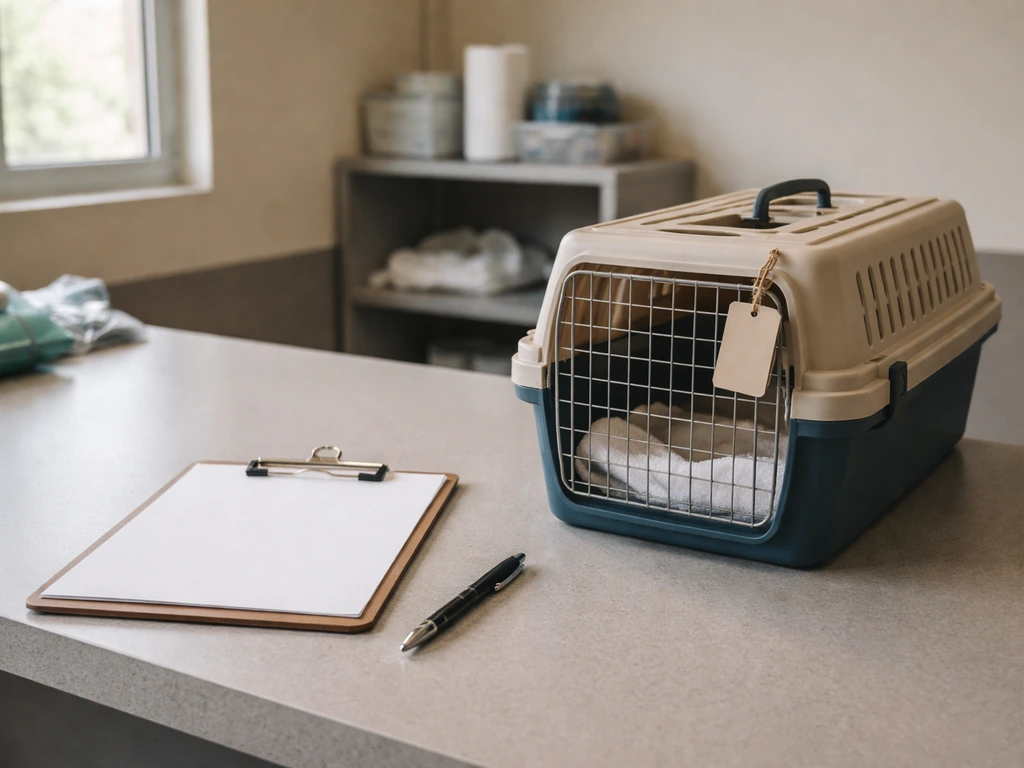
Your local animal control office is usually the fastest starting point, especially if the bird appears to be a domestic or pet bird (like a parrot, cockatiel, or pigeon) rather than a wild species. They keep logs of found animals, so if someone has already reported the bird missing, your call could reunite them the same day. Look up your city or county's animal control number directly rather than using a general emergency line.
Humane societies and animal shelters
Local humane societies and shelters often accept found birds or can at least point you toward someone who does. They also maintain lost-and-found registries where you can file a report so an owner searching for their bird can find your information. Even if they can't take the bird physically, a 2-minute phone call to log your find is worth doing.
Licensed wildlife rehabilitators and bird rescues
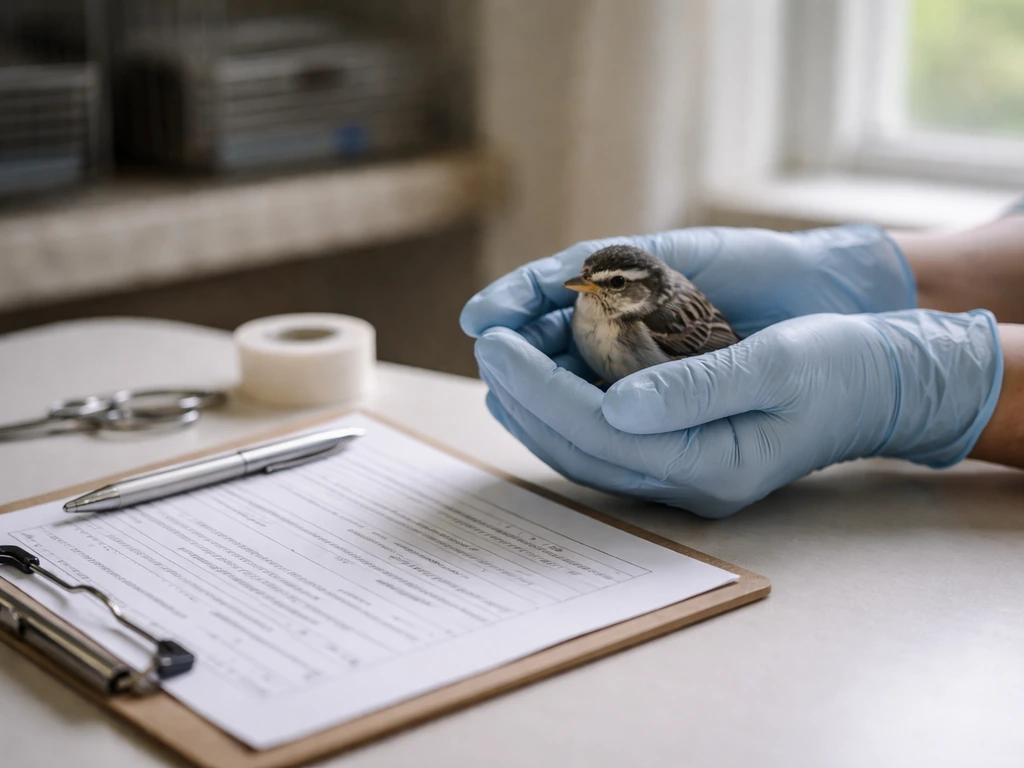
For wild birds, a licensed wildlife rehabilitator is almost always the right destination. In the U.S., rehabilitators are licensed at the state level, and most states maintain a searchable directory. The National Wildlife Rehabilitators Association (NWRA) also has a find-a-rehabilitator tool online. In the UK, the RSPCA's website includes a "Find your nearest wildlife rescue centre" pathway. In Canada, your provincial SPCA (like BC SPCA) maintains similar resources. Search for your state or province plus "licensed wildlife rehabilitator" to find a current list.
Avian vets
If the bird is a pet species (parrots, cockatiels, budgies, etc.) and appears sick or injured, an avian vet is the appropriate contact rather than a wildlife rehabilitator. Not all vets treat birds, so specifically search for "avian veterinarian" in your area rather than a general animal hospital.
How to report effectively: what to say and what to send
When you make that first call or send a message, giving clear information upfront saves time for everyone. Rescuers and shelter staff are often juggling multiple calls, so getting to the point quickly helps them help you faster.
Have this information ready before you call:
- Exact location where you found the bird (address, cross streets, or GPS coordinates if you have them)
- Date and time you found it
- A description of the bird: size, color, any markings, band or ring on the leg, and species if you can identify it
- Whether it can fly and how far
- Its behavior: alert, lethargic, responsive to movement, eating or drinking
- Any visible injuries
- Photos or short video if possible (these are genuinely useful for phone triage)
- Your name and a reliable callback number
One common mistake is calling once and assuming someone else will follow through. Follow up. If you haven't heard back within 24 hours, call again or try a different contact. Keep a note of who you spoke to and when. If you're able to safely contain the bird while you wait for guidance, place it in a cardboard box with small air holes and crumpled paper towels inside. Keep it in a quiet, dark space at room temperature. Don't offer food or water unless a rehabilitator specifically tells you to.
If the bird is injured: go straight to a rehabber or vet
If your assessment shows the bird is hurt, don't spend time trying to file a standard lost-bird report. If you need step-by-step help, the guidance in this article on how to report an injured bird can walk you through who to contact and what to say how to report injured bird. The priority shifts immediately to getting it professional care. Contact a licensed wildlife rehabilitator or, for pet birds, an avian vet.
The U. S. Fish and Wildlife Service is clear on this: do not attempt to capture, feed, or treat the bird yourself until you've spoken to an expert. Handling an injured bird the wrong way can cause additional stress and injury, and some species (raptors especially) can seriously injure you.
If you genuinely can't reach a rehabilitator quickly, Audubon recommends calling your local animal services center as a fallback. They may be able to hold the bird temporarily or connect you with someone licensed to help. In the UK, the RSPCA helpline (0300 1234 999) is a solid first call for injured wildlife when you're unsure what to do next.
The site has more detailed guidance on specific injuries and who to contact depending on your situation, including information on who to call for an injured bird and guidance specific to certain regions. If the bird has clearly been in contact with a cat, treat that as an injury situation immediately, even if no wounds are visible. Cat bites introduce bacteria that cause life-threatening infections in birds very quickly, often within hours.
Special situations that need a different approach
Window collisions
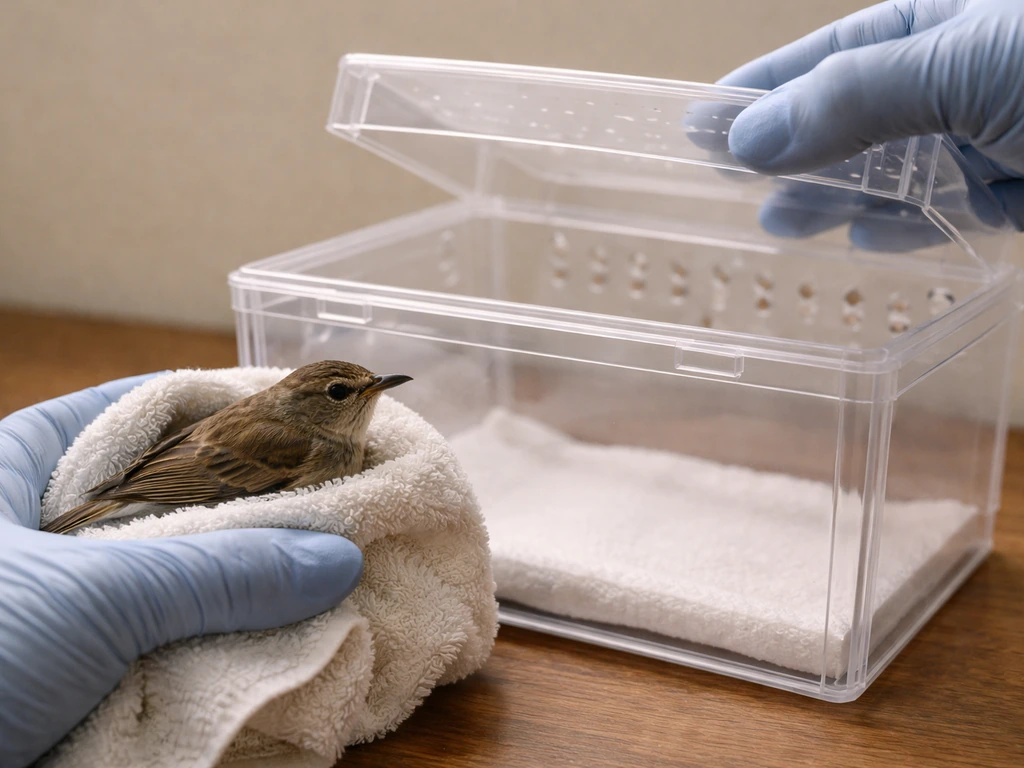
A bird that has just flown into a window may look dead or severely injured but could simply be stunned. Window strikes can cause temporary brain swelling that incapacitates a bird for minutes to an hour. The right move is to carefully place the bird in a small cardboard box with air holes (minimal handling, no food or water), keep it somewhere quiet and dark, and wait up to an hour.
If it recovers fully and is alert, you can release it outside. If it hasn't improved after an hour, or if you notice obvious injury, take it to a wildlife rehabilitator right away. Audubon recommends treating window-collision birds as rehabilitation cases even if they seem to recover, since internal injuries aren't always visible.
Birds caught by cats or dogs
This is an injury situation even when you can't see a mark. Get the bird into a secure box as quickly and calmly as possible (wear gloves if you have them), and call a wildlife rehabilitator or your local SPCA helpline immediately. In British Columbia, the BC SPCA helpline for exactly this situation is 1-855-622-7722. Don't delay on this one: the infection risk from cat saliva is that serious.
Fledglings and nestlings
This is probably the most common case where people accidentally cause more harm by intervening. A fledgling is a baby bird that's mostly or fully feathered and has recently left the nest. It's supposed to be on the ground. Its parents are almost certainly nearby and still feeding it. The right move is to keep people and pets away and observe from a distance for one to two hours. If parents are returning regularly, leave the bird alone completely.
A nestling is a younger bird with few or no feathers that has fallen from or been blown out of its nest. If you can see the nest and safely reach it, you can gently place the bird back in it using gloves. Birds do not abandon their young because a human touched them. If the nest is unreachable, contact a wildlife rehabilitator. Only move a nestling if it's in immediate danger (like being on a busy path). Even then, move it only a few metres to nearby shelter, not to a different location entirely.
Online reporting options to help find the owner
If the bird looks like a pet species (parrots, cockatiels, doves, pigeons with leg bands), online communities can dramatically speed up reunification. An escaped pet bird can travel several city blocks quickly, and owners often search online before anywhere else.
Here's where to post and what works best:
- Nextdoor: Post in your neighborhood with the exact street or intersection where you found the bird. Include a clear photo. This reaches local residents directly.
- Facebook lost and found pet groups: Search for "lost pets [your city or town]" and post in every active group you find. Specific bird groups like "Lost and Found Birds [state/region]" exist in many areas.
- Local community Facebook groups: General neighborhood groups often have high engagement and can quickly spread a found-bird post.
- Craigslist found pets section: Still widely used by older owners and people without social media.
- PetFBI, Pet Amber Alert, or HelpingLostPets.com: These are free online lost and found registries where you can enter your found bird and owners can search by location.
- dBird (for collision reporting in New York City): If you're in NYC and dealing with a window strike, the NYC Bird Alliance asks that both dead and injured collision birds be reported through this platform.
When you write a post, include the location (street and neighborhood, not just city), the date and time found, a physical description, whether it seems tame or wild, and a clear photo. Avoid posting every single identifying detail publicly. It's a good idea to hold one specific detail back (like a specific color marking or band number) so you can verify that someone claiming the bird is the actual owner. Ask anyone who contacts you to describe the bird before you share that detail.
Repost or bump your listing every day or two. Lost pet posts can fall quickly in busy community groups. A bird found on Monday might not be reunited with its owner until Thursday if you stay persistent with updates.
Your fastest path based on what you're seeing right now
| What you're seeing | What to do right now | Who to contact |
|---|---|---|
| Healthy-looking pet bird (parrot, cockatiel, pigeon with band) | Secure safely if possible; report immediately | Animal control, local shelter, online lost pet groups |
| Healthy wild bird on the ground, alert and reactive | Observe for 30-60 mins; leave alone if it moves freely | Wildlife rehabilitator if still grounded after an hour |
| Fledgling on the ground (feathered, hopping) | Keep pets away; monitor for parent activity | Wildlife rehabilitator only if parents don't return after 2 hours |
| Nestling out of nest (few or no feathers) | Return to nest if reachable; move to shelter if in danger | Wildlife rehabilitator |
| Stunned after window collision | Box it up quietly; wait up to 1 hour for recovery | Wildlife rehabilitator if not recovered in 1 hour |
| Caught by a cat or dog | Box it up immediately (wear gloves) | Wildlife rehabilitator or SPCA helpline right now |
| Visibly injured (bleeding, broken wing, lethargic) | Box it carefully; minimize handling | Wildlife rehabilitator or avian vet as fast as possible |
The most important thing is not to wait too long. Birds are fragile and things can change quickly. A few minutes spent assessing the situation honestly and then making one phone call puts this bird in far better hands than most alternatives. Trust what you're seeing, use the table above to pick your path, and make that call today.
FAQ
What if I am not sure whether the bird is injured or just displaced?
If the bird is injured or you suspect an exposure (like a cat bite, window strike, or visible weakness), treat it as an emergency and contact a licensed wildlife rehabilitator or an avian vet immediately. For a healthy-looking wild bird, you can still report it, but keep observing first and share photos so responders can triage quickly.
What location details should I include when reporting a lost bird?
For reporting, give the exact coordinates or the nearest street intersection, not just a city. If you can, include the direction it was last seen flying or where it’s staying (on a specific fence line, tree type, or balcony). This helps shelters and rehabilitators assign the right local resources and advise where to look next.
Can I feed or give water to a lost bird while I’m waiting to report it?
If it is a wild bird, avoid feeding it or offering water, because wrong food, wrong amounts, and forced hydration can worsen injury or shock. If it is a pet species and a vet or shelter says it is safe, follow their instructions for what to feed and how to transport. When in doubt, keep the bird in a quiet, ventilated box and wait for guidance.
How should I handle the bird before I call, especially if it’s calm but on the ground?
A good general rule is to handle the bird as little as possible until you have expert direction. If you must move it to safety (for example, out of traffic), use minimal contact, wear gloves if available, and transport it in a small ventilated cardboard box. Avoid trying to “heal” it yourself even if it seems calm.
If I already picked up the bird, should I mention that when I report it?
Yes. If you captured it, note the timing (how long it was in your care), where you found it, any behaviors you observed (open-mouthed breathing, head tilt, limp wing), and whether there were signs of exposure (cat/dog, window impact). This information often determines whether the case is handled as urgent rehab versus routine found-bird intake.
What do I do if no one answers the first time, and I need help urgently?
If you cannot reach a wildlife rehabilitator quickly, call your local animal services center or humane society for triage and temporary holding guidance, and keep trying again after hours. If you are in the UK and need immediate direction, use the RSPCA helpline, and in British Columbia use the BC SPCA helpline number. Always ask who can legally accept wildlife in your area.
Will shelters or animal control always take the bird in person?
Many communities require phone or online intake for lost-and-found logs, but not all staff can take the bird physically. When you call, ask two specific questions: whether they can accept found birds from your exact neighborhood, and whether they can provide instructions for safe temporary housing until a licensed rehabilitator takes over.
How can I protect the bird from scams or incorrect claims when posting online?
Use photos and short video, but also confirm key identifiers privately. Share only the level of detail needed publicly, then keep one or two non-obvious identifiers (like a specific leg band number, a unique wing mark, or tail pattern) to verify owners. Ask the caller to describe the withheld detail before you share it further.
Do fledglings count as lost birds, and when should I report them?
If you see a fledgling, you typically do not report it as “lost” right away. Keep people and pets away and observe for a short period, unless it appears weak, bleeding, unable to stand, or in immediate danger. If you are unsure, a wildlife rehabilitator can confirm whether it is normal fledging.
What if I know a cat was involved but I don’t see any wounds?
If a bird was hit by a cat, even without visible wounds, treat it as an injury situation and contact a wildlife rehabilitator or SPCA helpline right away. The key detail to mention is the exposure (cat interaction and approximate time), because infection risk can escalate quickly.
If the bird seems stunned after a window strike but then improves, should I still report it?
For window strikes, timing matters. Tell the responder when the strike happened and how long the bird has been in your care, even if it looks alert later. Internal injuries can worsen, so ask whether they want you to deliver it for assessment even if it seems to recover.
What is the safest way to transport a bird temporarily if I’m calling for help?
A small cardboard box with air holes and crumpled paper towels is usually better than a cage for temporary holding, because it limits movement and reduces stress. Keep it in a quiet, dark place at room temperature and do not force food or water unless a rehabilitator tells you to. Ventilation and calm are the priorities.
Next Article
Should I Call RSPCA for an Injured Bird? A Checklist
Use this checklist to decide if you should call RSPCA for an injured bird, plus quick first aid and next steps.