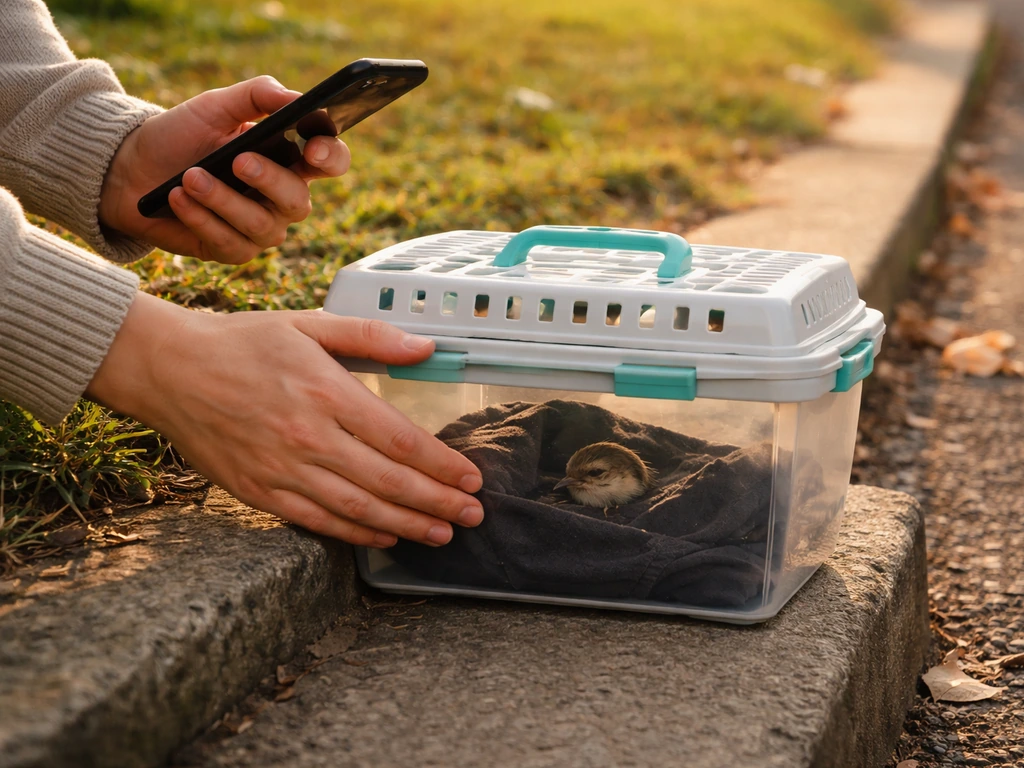
Yes, you can call animal control for an injured bird, but in most cases they are not your best first call. Animal control handles public safety situations, and many jurisdictions either don't have the authority or the resources to treat injured wildlife. Your fastest route to getting the bird real help is usually a licensed wildlife rehabilitator or an avian vet. That said, animal control is the right call in specific situations, and knowing when to dial them versus who else to contact can make a real difference for the bird.
Can You Call Animal Control for an Injured Bird?
Marcus Chen
27 May 2026
When to call animal control vs. wildlife rehab
Animal control is best suited for situations that involve a public safety risk or an active threat. If the bird is large and aggressive (think a hawk or great blue heron flopping in the middle of a busy road), if it's creating a traffic hazard, or if there's any possibility of disease exposure, animal control or even 911 is appropriate. Washington State's wildlife department explicitly recommends calling wildlife enforcement or 911 when there's an immediate public safety concern. Outside of those scenarios, though, most animal control offices will tell you they can't do much for a wild bird, and some will simply refer you elsewhere.
Wildlife rehabilitators are the specialists for injured wild birds. They hold specific permits, they know how to handle and triage birds correctly, and they have the resources to actually treat and release animals. If the bird you've found has blank" rel="noopener noreferrer">obvious injuries like bleeding, a drooping wing, or can't stand, a licensed wildlife rehabilitator is who you want on the phone first. If you're in the UK, the RSPCA is your primary contact point (their line is 0300 1234 999, available between 8am and 7:30pm), and they can coordinate further help. In the US, state wildlife agencies like California's CDFW and Washington's WDFW maintain directories of permitted rehabilitators in your area.
If animal control says they can't help, don't stop there. Ask them to refer you to a local wildlife rehabilitator or wildlife enforcement line. In the meantime, safely contain the bird (more on that below) and start searching for a licensed rehabilitator using your state's wildlife agency website or a national directory.
How to assess an injured bird right now
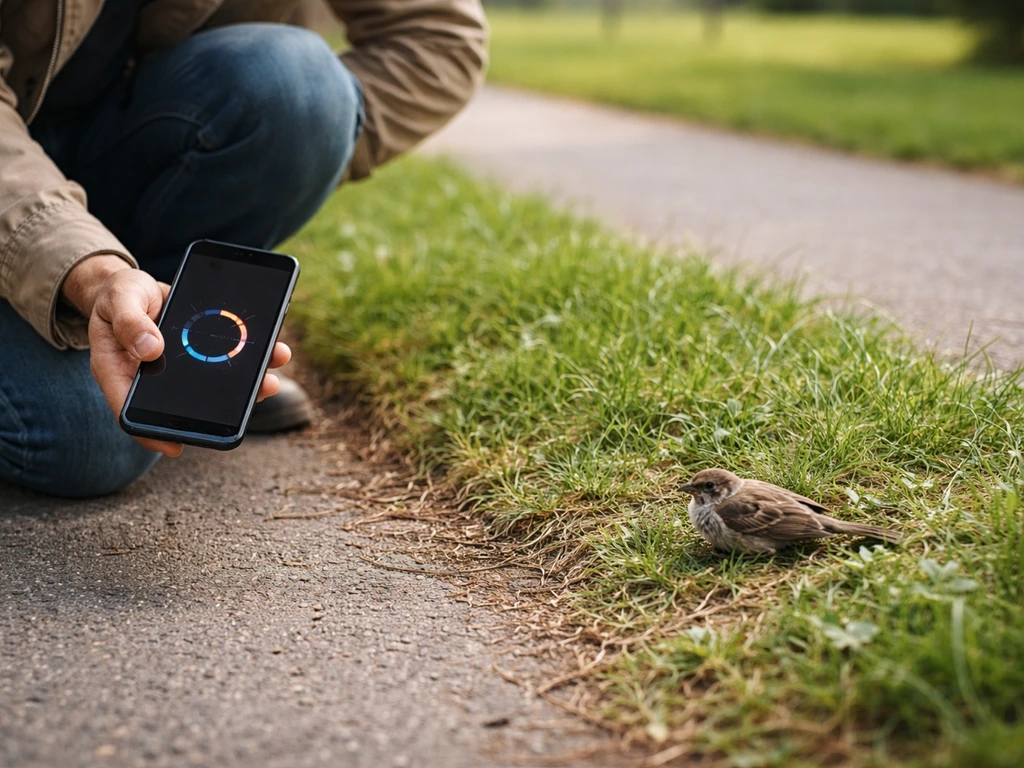
Before you call anyone, take 60 seconds to observe the bird from a safe distance. You don't need to touch it to get a good read on how serious the situation is. Here's what to look for:
- Consciousness: Is the bird awake and reactive, or is it limp and unresponsive? An unresponsive bird needs help immediately.
- Breathing: Is the chest moving normally? Open-mouth breathing or labored breathing is a bad sign.
- Visible bleeding: Any active bleeding visible on feathers, a wound, or the beak needs prompt care.
- Posture: A healthy bird holds itself upright. If it's hunched, leaning to one side, or lying flat, it's in distress.
- Wings and legs: Is one wing drooping lower than the other? Is the bird putting weight on both legs? Asymmetry usually means injury.
- Flight ability: Can it fly at all? A bird sitting calmly on the ground and flying off when you approach is probably fine. One that can't get airborne needs assessment.
- Baby or adult: Is the bird feathered? Does it have a full tail? Baby birds with no feathers (or eyes still closed) are genuinely at-risk and need help. Fledglings with feathers hopping on the ground are often just learning to fly and may not need rescue.
The U.S. Fish and Wildlife Service points out that a feathered fledgling hopping on the ground is typically not abandoned, and intervening can actually do more harm than good. But a bird that is featherless, has its eyes closed, or is clearly injured is a different story. When in doubt, call a rehabilitator and describe what you see. They can triage over the phone.
Common injury types and what they usually mean
Window strikes
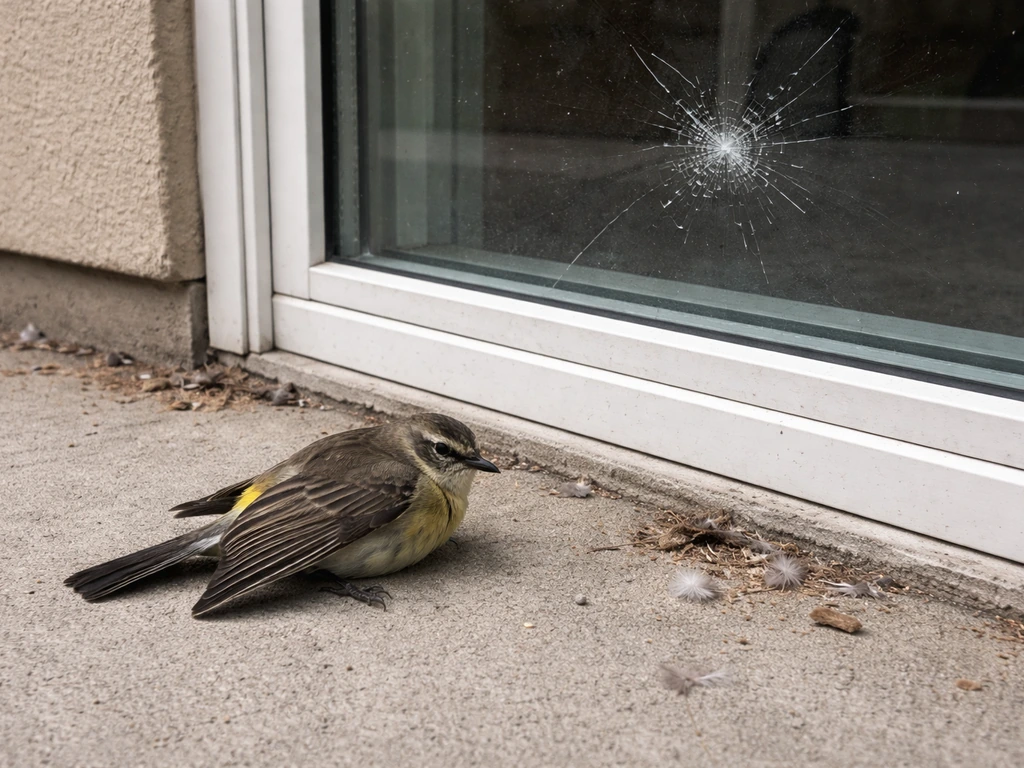
Window collisions are one of the most common reasons people find birds on the ground. The bird hits glass at speed and suffers a concussion, internal bleeding, or both. You might find it lying on the ground below a window, sometimes twitching or just stunned. All About Birds and Greenwood Wildlife Rehabilitation Center both recommend getting a window-strike bird to a wildlife rehabilitation facility as quickly as possible, because internal injuries from the impact aren't always visible and can be fatal if untreated. If you are dealing with an injured bird, use this same guidance to quickly figure out who to call in the UK for help window-strike bird. Don't assume the bird just needs a few minutes to recover.
Broken wings or legs
A drooping wing held lower than the other, or a leg that's dangling or bent at an odd angle, usually means a fracture. This is not something you can splint at home safely. Get the bird contained and get a rehabilitator on the phone. These injuries can be treated successfully if the bird gets to the right person quickly.
Beak injuries
A cracked, broken, or severely misaligned beak is serious because the bird can't eat, drink, or groom itself. Beak injuries often require an avian vet rather than a standard wildlife rehabilitator, because repairs can involve specialized equipment. If you notice obvious beak damage, mention it specifically when you call for help.
Cat or dog bites and attacks
This is one of the more urgent situations. Cat bites in particular are extremely dangerous to birds because cats carry Pasteurella bacteria in their mouths, which causes a rapid systemic infection that can kill a bird within 24 to 48 hours even if the wound looks minor. If your cat or dog grabbed a bird, even briefly, treat it as an emergency and call a rehabilitator or avian vet right away. Don't wait to see if the bird seems okay.
Nest emergencies
If you find a baby bird on the ground and can see the nest, try to gently place it back. The myth that parent birds abandon babies touched by humans is not true. If you can't find the nest or aren't sure whether the bird fell from one, California's CDFW recommends calling a local wildlife rehabilitation facility for guidance before doing anything else.
What to do immediately before help arrives
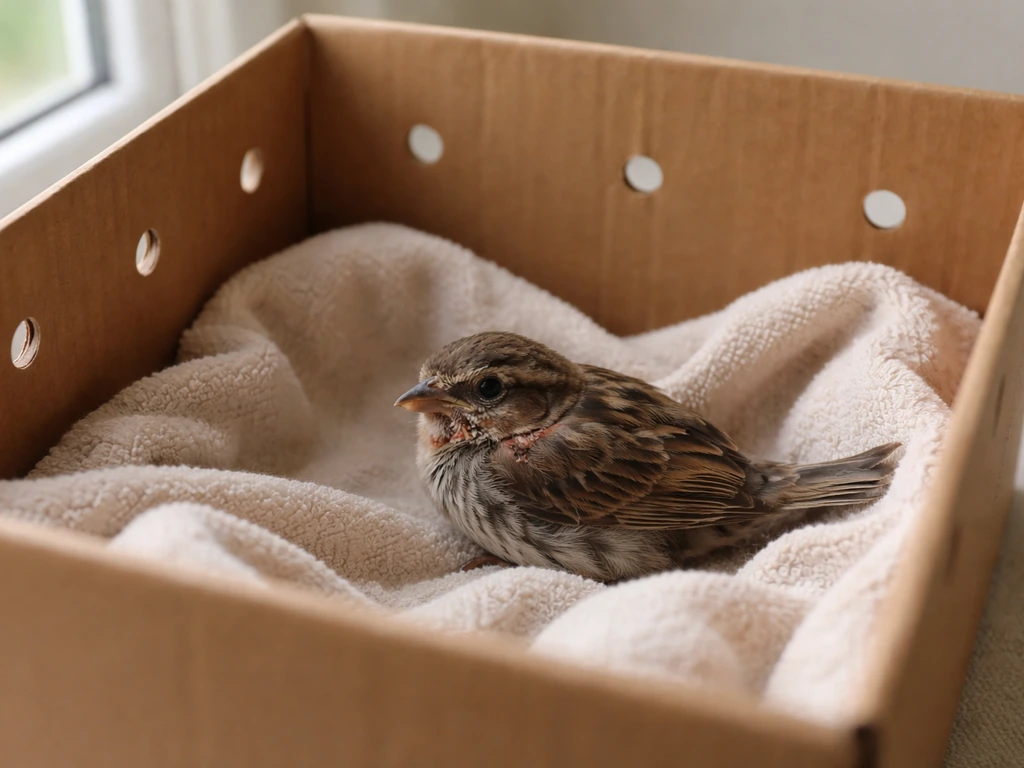
The most important thing you can do while you wait for help is keep the bird calm, warm, and contained. That's it. Tufts Wildlife Clinic puts it simply: keep the bird in a warm, dark, quiet place and do not give food or water. That guidance comes up across virtually every major wildlife rescue organization, and it's repeated because people instinctively want to help by offering water or bread, which can actually cause serious harm.
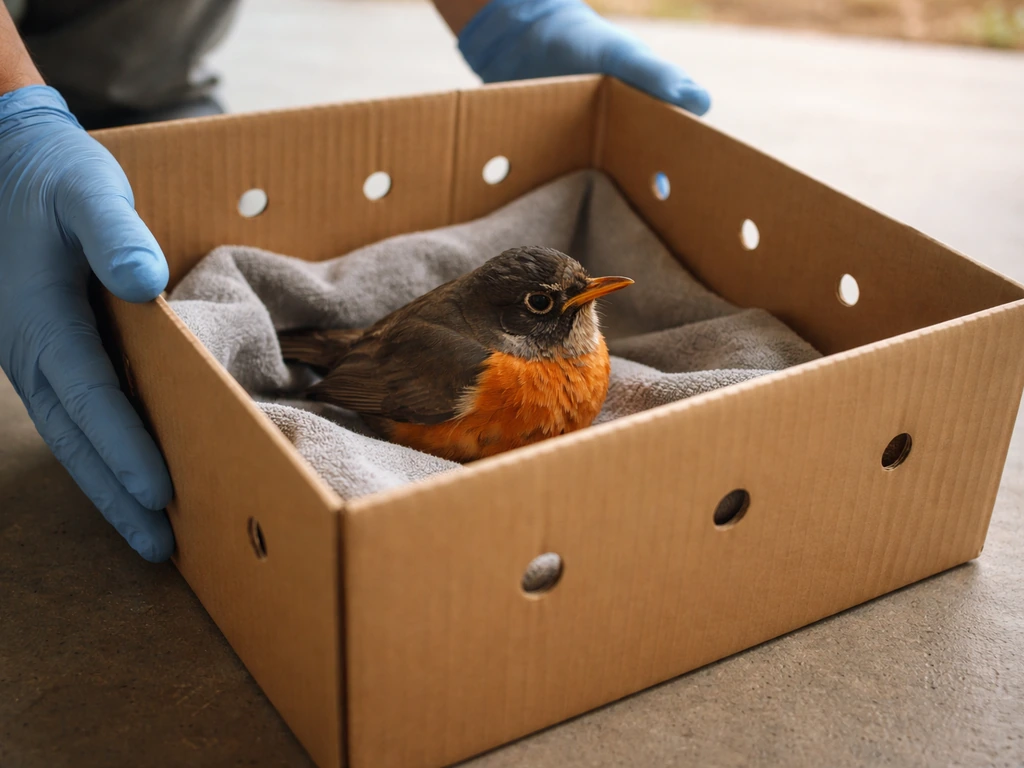
- Find a cardboard box or paper bag with air holes. Line it with a clean cloth or paper towels.
- Carefully place the bird inside using a light towel or cloth over your hands, minimizing how much you touch the bird directly.
- Close the box so it's dark inside. Darkness calms birds significantly.
- Place the box somewhere warm and quiet, away from pets, children, and noise. Room temperature is fine; don't use a heat lamp.
- Do not offer food, water, or any home remedy. Even well-meaning feeding of the wrong food can be fatal.
- Do not keep checking on the bird. Every time you open the box, you're stressing it out.
If the bird is a bird of prey (hawk, owl, falcon), be extra careful. Tufts Wildlife Clinic advises draping a towel over the bird to cover its head before attempting any containment, and keeping your hands clear of the talons. Raptors can inflict serious puncture wounds even when they're injured and disoriented.
How to find the right contact locally
Depending on where you are, the right contact point varies. Here's a breakdown of how to find help quickly:
| Location | Primary contact | Backup contact |
|---|---|---|
| United States (general) | State wildlife agency's licensed rehabilitator directory | Local animal control or USFWS regional office |
| California | CDFW regional office or CCWR (nearly 100 licensed rehab facilities statewide) | Oiled wildlife or marine stranding hotlines for specialist cases |
| Washington State | WDFW permitted wildlife rehabilitator list | WDFW Enforcement or 911 for public safety situations |
| England / Wales | RSPCA (0300 1234 999, 8am to 7:30pm) | Local wildlife rehabilitator or avian vet |
| Scotland / Northern Ireland | SSPCA (Scotland) or USPCA (Northern Ireland) | Local wildlife trust or avian vet |
When you call, have this information ready: your exact location, how many birds are affected, what injuries or symptoms you observed, whether there's any safety risk (traffic, aggressive animal, etc.), and how long ago you found the bird. The more clearly you describe what you saw, the faster the rehabilitator can triage and advise you. Some rehabilitators are not available 24/7, so if you can't reach one, try an avian vet, a general emergency vet clinic, or your local humane society as a bridge.
If you're looking for help with a trapped bird indoors or a bird stuck somewhere, the approach can be slightly different. If you're dealing with a trapped bird indoors or somewhere it can't get out safely, searching for the right local contact is the fastest way to get help trapped bird who to call. Similarly, if you're in the UK specifically, there are more detailed guidance pathways worth exploring for who to call in those situations.
Safe handling and transportation basics
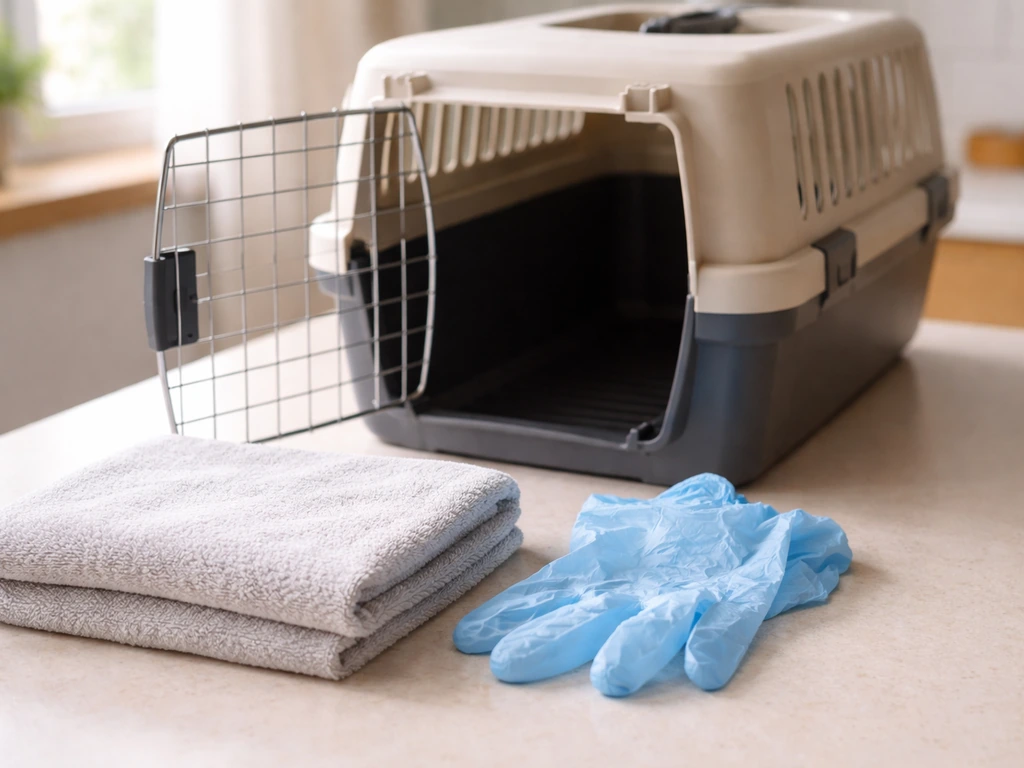
Most of the time, the best approach is minimal handling. Wild birds find human contact extremely stressful, and that stress alone can worsen their condition or cause death, particularly in younger birds. If the baby animal appears truly abandoned or injured, the U.S. Fish & Wildlife Service says a decision aid can help you assess it, and it warns that stress can harm internal organs and death can occur in young animals stress alone can worsen their condition or cause death, particularly in younger birds. That said, sometimes you do need to move a bird to safety. Here's how to do it with the least risk:
- Always use a towel, cloth, or gloves. This protects you from bacteria and sharp talons or beaks, and it reduces direct contact stress on the bird.
- Approach slowly and from the side, not head-on. Sudden movements are terrifying to an injured bird.
- Scoop the bird gently with both hands cupped around the body, with the wings held lightly against its sides. Don't grab or squeeze.
- Place the bird directly into the prepared container rather than holding it for longer than necessary.
- Keep the container level during transport. Don't jostle or tip it.
- Keep the car quiet: no loud music, no AC blowing directly on the box, no kids poking at it.
- Wash your hands thoroughly after any contact with a wild bird.
If the bird is large or dangerous (a goose, raptor, heron, or pelican), and you feel unsure or unsafe, wait for a professional. California's wildlife guidance explicitly warns that attempts to handle wildlife can cause serious injury to both the person and the animal. Your safety comes first.
Mistakes people make (and what to do instead)
Most mistakes with injured birds come from good intentions. Here are the most common ones, and why they matter:
| What people do | Why it's a problem | What to do instead |
|---|---|---|
| Offer bread, seeds, or water | Wrong diet can cause aspiration, choking, or toxic reactions in injured birds | Keep the bird in a dark box; no food or water until a pro says otherwise |
| Keep checking on the bird | Every opening of the box causes stress that can be fatal, especially to baby birds | Contain it, then leave it alone until transport |
| Assume a grounded fledgling is abandoned | Most fledglings on the ground are learning to fly and being watched by their parents | Observe from a distance; only intervene if the bird is clearly injured |
| Wait too long after a cat attack | Bacterial infection from cat bites can kill a bird within 24 to 48 hours | Call a vet or rehabilitator immediately, even if wounds look minor |
| Try to splint a wing or leg at home | Improper splinting causes additional injury and pain | Contain safely and get to a professional as fast as possible |
| Release the bird once it 'seems better' | A bird that appears recovered may still have internal injuries or infections | Always get professional clearance before release |
When to treat it as an emergency
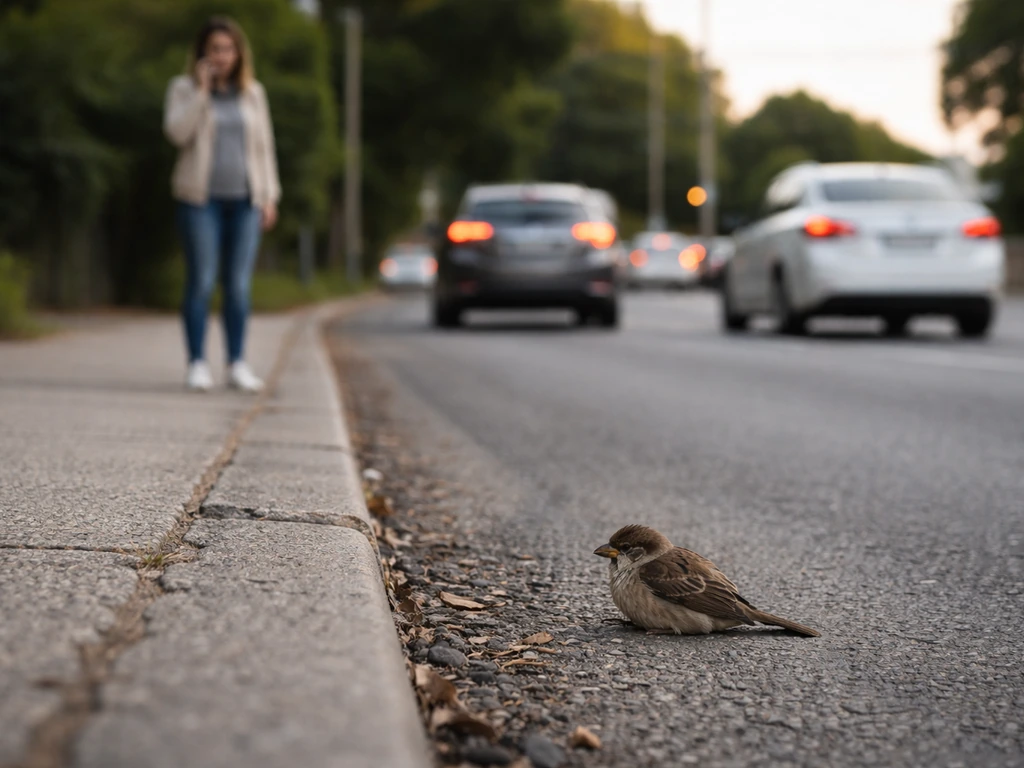
Call immediately (animal control, 911, or an emergency vet) if the bird is in active traffic or a dangerous location, if it's been attacked by a cat or dog, if it's bleeding heavily, if it's completely unresponsive, or if it poses a risk to people nearby. These situations don't have time for careful research. Get the bird contained and make the call at the same time.
For less urgent situations, like a stunned window-strike bird that's breathing but dazed, you have a little more time to find the right rehabilitator. But don't leave it more than an hour or two. The window for effective treatment narrows fast with injuries you can't see.
FAQ
If animal control won’t help, should I still call them again later or switch to a wildlife rehabilitator?
Yes, but only when there is an immediate safety or containment issue. If the bird is not aggressive and is simply injured, animal control may redirect you to wildlife enforcement or a permitted wildlife rehabilitator, since they usually do not provide treatment for wild birds.
What should I ask animal control for if they say they can’t treat the bird?
If you already called animal control and they decline, ask directly for the wildlife enforcement or on-call rehabilitator referral in your area. Mention your exact location, the bird species if you know it, and the injury signs, so the person returning the call can triage faster.
Are there extra precautions when the injured bird is a hawk, owl, or other raptor?
For birds of prey, use containment that prevents escape but minimizes handling, and keep your hands away from the feet and beak. Covering the head can help keep the bird calmer, but avoid wrapping in a way that restricts breathing, and do not attempt to hold it unless you are trained.
My cat grabbed the bird but it looks only slightly hurt, should I wait?
If a cat or dog attacked the bird, treat it as an emergency regardless of how small the visible wound looks. Pasteurella infection can progress quickly, so call a wildlife rehabilitator or an avian-capable vet immediately rather than waiting to see if it improves.
Can a regular vet or emergency clinic handle an injured wild bird if I can’t reach a rehabilitator?
Yes, but confirm whether the person is a licensed wildlife rehabilitator or an avian vet before relying on their instructions. A standard vet may not be equipped for wildlife intake and transport, so clarify the facility’s experience with wild birds when you call.
What if I can’t reach any rehabilitator after several calls?
If you cannot find a permitted rehabilitator after calling, ask animal control, local humane society, or wildlife enforcement for an emergency placement option. Some places accept transfers on a limited basis, and time matters most when there is bleeding, head trauma, or an inability to stand.
Is it okay to give an injured bird water or bread while I wait for help?
Don’t offer food or water, because many species have specific diets and fluids can worsen aspiration risk, especially if the bird is stunned. Instead, focus on keeping it warm, dark, and quiet and get a rehabilitator on the phone for next steps.
How do I tell whether a baby bird I found needs rescuing versus leave it alone?
If the bird is featherless, has eyes closed, or is clearly injured, call a rehabilitator for guidance. For a fledgling that is alert and mobile, intervening can be harmful, so describe its behavior and condition to the person you contact rather than assuming it needs to be taken inside.
What should I do if the bird is trapped indoors or can’t get out of a room?
If the bird is in an enclosed space but can’t escape safely, the right move is to seek the appropriate local contact for trapped wildlife and reduce handling. Keep people and pets away while you figure out who to call, then follow their containment instructions.
If a rehabilitator tells me to bring the bird in, what’s the safest way to transport it?
Don’t transport it in a way that adds risk, for example, by using an unsafe container or handling it repeatedly. Use a secure, ventilated container, minimize movement, keep the bird warm and dark, and drive directly if the contact tells you to bring it in.
When is it better to call 911 or animal control instead of attempting to catch the bird?
If the bird is large, aggressive, or in active traffic, you should prioritize calling 911 or animal control immediately rather than trying to catch it. If there is any chance of disease exposure or a traffic hazard, stay back and ask for professional help with safe removal.
What injuries or symptoms should trigger an urgent call right away?
If you are seeing cat bite wounds, any bleeding, misaligned beak, drooping wing suggesting fracture, or an unresponsive bird, use an urgent call pathway and move to containment right away. Those signs narrow the window for treatment and should not be delayed for research.
Next Article
Will RSPCA Collect an Injured Bird? What to Do Now
Learn when RSPCA collects injured birds, what to do immediately, and how to find a rescue or avian vet fast.