Yes, the RSPCA can and does collect injured birds in England and Wales, but whether they'll come to you depends on call volume, officer availability in your area, and how serious the situation is. If the bird is clearly injured and still there after monitoring it briefly, call 0300 1234 999 right now. That's their 24-hour emergency line. If they can't collect, they'll point you to the next best option, and there are good alternatives available. Either way, you have a workable plan starting in the next few minutes.
Will RSPCA Collect an Injured Bird? What to Do Now
Marcus Chen
21 May 2026
Will RSPCA actually come out for a bird?
The short reality is: they will try. RSPCA Animal Collection Officers are authorised to collect sick, injured, or trapped wild birds and domestic animals in danger. This includes everything from pigeons to ducks to garden birds. However, demand on their service is high, and collection isn't guaranteed in every case. Factors that affect whether they'll attend in person include how serious the injury appears, how many officers are available in your area at that moment, and whether the bird is still accessible when they call back.
Size can also matter. Their guidance draws a distinction between small birds (roughly sparrow to blackbird size) and larger birds (duck or chicken size and above). Larger birds are generally harder to handle safely and may be prioritised differently. But the single most reliable thing you can do is call and describe the situation clearly. They may attend, they may advise you to transport the bird to a vet or rescue centre, or they may walk you through first aid over the phone. Don't wait hoping the situation will resolve itself.
How to assess the bird quickly (you don't need to know the species)
You don't need to identify the species. What you need to figure out is whether the bird actually needs help right now. Stand back and observe for a moment before touching anything. Some birds, especially fledglings, look helpless but are completely fine.
Look for these signs that the bird genuinely needs help:
- Visible wounds, bleeding, or a wing hanging at an unnatural angle
- Fluffed-up feathers combined with no movement for an extended period
- Head twisted or held at a wrong angle (sign of neurological injury, common after window strikes)
- Rapid panting or laboured breathing lasting more than two hours
- Swellings, crusty growths, or discharge around the face, eyes, or legs
- The bird is on the ground and unable to fly when gently encouraged (from a distance first)
- Obvious entanglement in fishing line, netting, or debris
- A cat or dog has had it in its mouth, even briefly
If you're seeing any of these, the bird needs help. If the bird looks alert, is hopping around, and just won't fly away, it may be a fledgling in a normal stage of development, or it may simply be stunned. Keep pets and children well back, and watch from a distance for 20 to 30 minutes before deciding to intervene.
Immediate first aid you can do right now
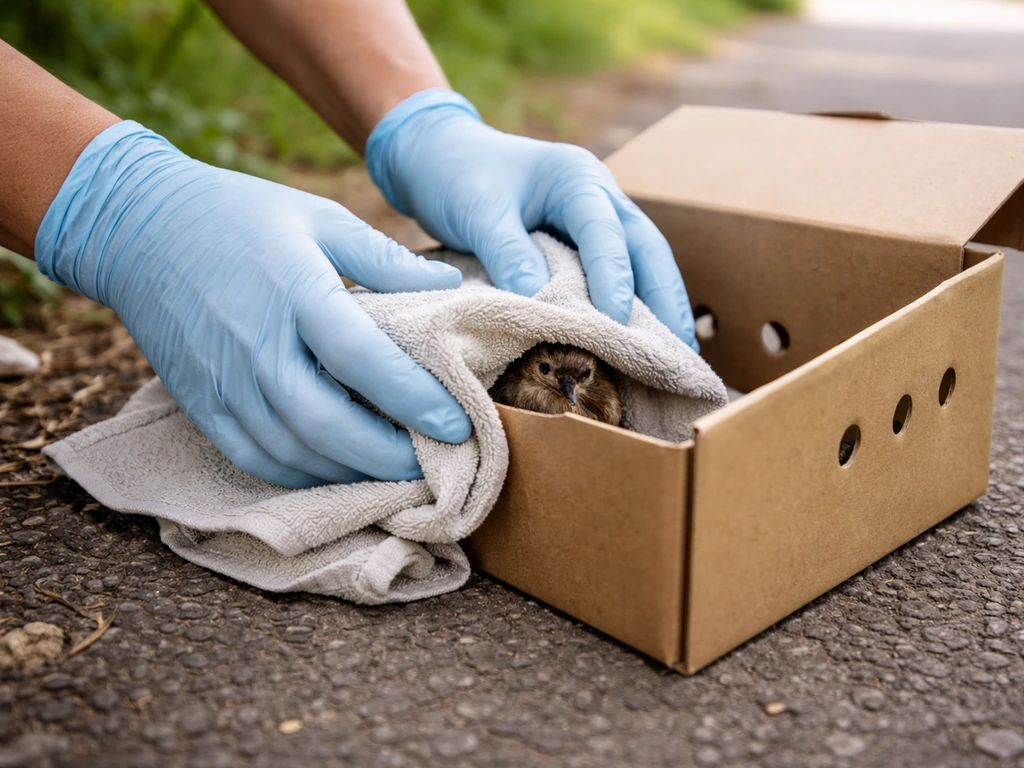
Before anything else: the RSPCA advises you to check bird flu guidance before handling any wild bird. In practice, this means using gloves or a cloth or thick layers of paper to handle the bird, and washing your hands thoroughly afterwards. Don't touch dead or visibly sick birds with bare hands, and don't touch wild bird droppings or feathers without washing up after.
If the bird clearly needs to be moved to safety (away from a road, a cat, or immediate danger), here's what to do:
- Put on gloves or use a folded cloth or several layers of paper towel to pick it up gently but firmly. Wrap it loosely so the wings are held against the body without squeezing.
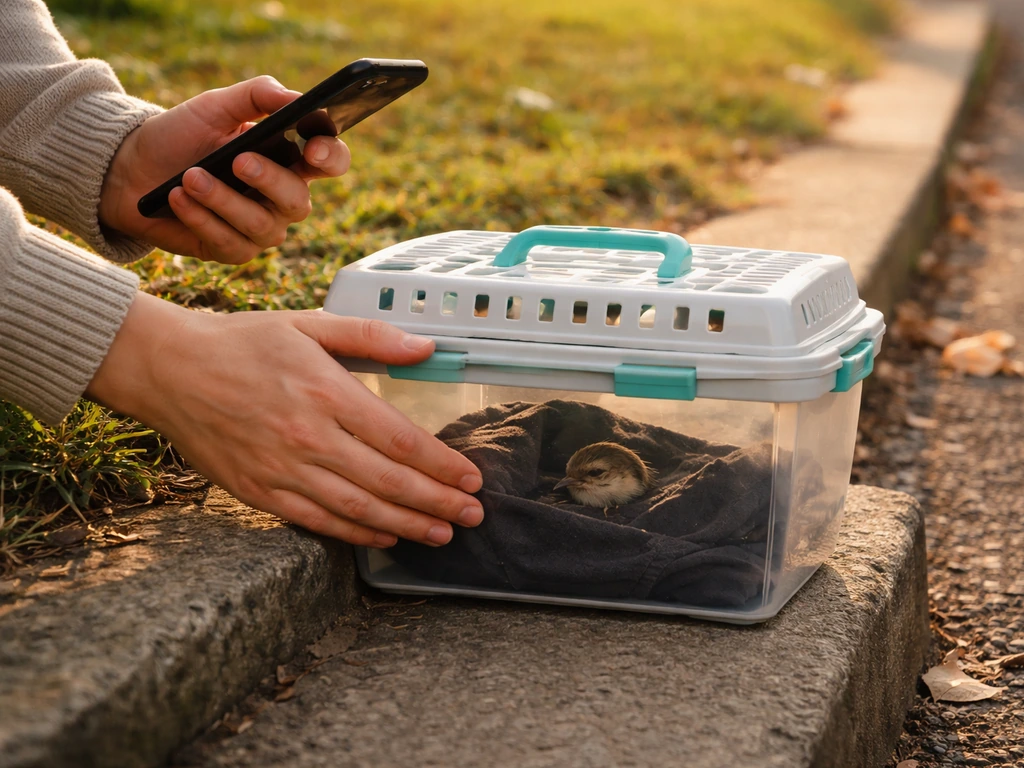
- Place the bird in a cardboard box or carrier lined with a soft cloth or paper towel. The box should be well-ventilated (punch small holes in the lid) but kept dark and quiet.
- Put the box somewhere warm and away from noise, other pets, and children. A warm room is fine; you don't need special equipment.
- Do not attempt to feed or water the bird. Forcing food or liquid into an injured wild bird causes more harm than good and can lead to aspiration. Leave this to the professionals.
- If there is active bleeding from a small wound, gentle pressure with a clean cloth for a minute or two is acceptable. Don't attempt to clean or dress the wound beyond that.
- Do not try to splint a broken wing or leg yourself. Incorrect splinting causes pain and can worsen the injury.
- Call for help as soon as the bird is stable in the box.
Keeping the bird warm, dark, and quiet does most of the work while you arrange help. Golden Gate Bird Alliance recommends this type of triage setup, such as keeping an injured bird in a warm, dark, quiet place, and avoiding force-feeding or unsupervised feeding Keeping the bird warm, dark, and quiet does most of the work while you arrange help.. Darkness reduces panic and stress, which is one of the biggest killers for injured wild birds in the short term.
When to get help urgently (and when to leave the bird alone)
Call for help immediately if the bird has been in a cat or dog's mouth, even if you can't see wounds. Cat bites in particular introduce bacteria that cause fatal infections within hours, even when the injury looks minor. Don't wait and see with a cat-caught bird. The same goes for obvious bone injuries, severe bleeding, head trauma with twisted posture, or any bird that's collapsed and unresponsive.
You can afford to observe briefly (up to 30 minutes from a distance) if the bird is alert, upright, and breathing normally, and you're not sure whether it's stunned or actually injured. Many birds that have hit a window recover on their own within 20 to 30 minutes if left undisturbed in a safe spot. In that case, moving the bird to a sheltered location out of direct sun and away from cats is helpful, then stepping back.
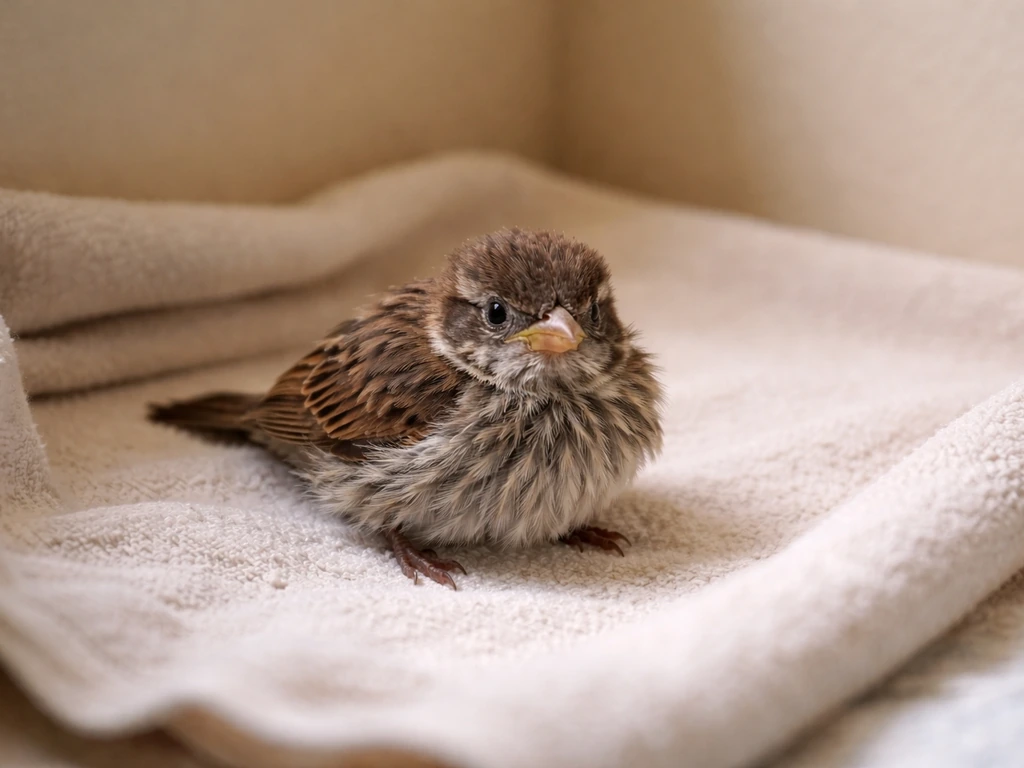
Leave the bird alone if it's a fledgling that looks fluffy and stumpy-tailed, is hopping around, and has no visible injury. Its parents are very likely nearby and will continue to feed it on the ground. Picking up a healthy fledgling is one of the most common well-meaning mistakes, and it does more harm than good. Watch from a distance instead.
How to contact the RSPCA and what to say
Call 0300 1234 999. This is the RSPCA's 24-hour emergency line and it handles injured wildlife reports. If you need an injured bird help contact in the UK, you can also use the RSPCA emergency line and follow the same call-first advice injured bird who to call uk. If you’re worried the bird is badly hurt and needs urgent help, this is the number to call 24-hour emergency line. Have the following information ready before you call, as it speeds up the process significantly:
- Your exact location, including postcode if you have it
- Where the bird is right now (road, garden, building, etc.)
- What species you think it is, or a basic description (small brown bird, large grey bird, etc.)
- What you can see wrong with it (wing down, bleeding, not moving, etc.)
- What happened if you know (hit a window, found by cat, caught in netting, etc.)
- Whether it's in a box already or still loose
- Whether it's in immediate danger (on a road, near cats, etc.)
The more specific you are, the better the call handler can assess urgency and dispatch accordingly. Being clear that you've already contained the bird in a box often helps too, as it tells them the situation is stable rather than an ongoing emergency requiring the fastest response.
You can also find the RSPCA's online reporting and wildlife rescue finder through their website if calling isn't possible right now, though calling is always faster for a genuine emergency.
If RSPCA can't collect: who else can help
RSPCA may redirect you, especially if they're stretched in your area or if the bird needs specialist care they can't provide. That's not a dead end. There are several good alternatives.
HelpWildlife.co.uk has a searchable directory of over 700 wildlife rescue organisations and individuals across the UK. You can search by location and species. Their advice is to contact rescues within at least a 20-mile radius for the best chance of getting someone available. The British Wildlife Rehabilitation Council (BWRC) also maintains a directory of rehabilitators searchable by region, though they caution that they can't personally inspect or endorse every listed centre.
The RSPCA itself has a Find A Wildlife Rescue Centre tool on their website, which is worth checking alongside calling them. Your local wildlife trust is another good contact, as many have relationships with local bird rehabilitators they can refer you to.
Any local avian vet or general small-animal vet can also provide emergency stabilisation for an injured bird and refer you to a wildlife rehabilitator from there. Vets are legally obliged to provide emergency first aid to any animal brought to them, so this is always an option even outside RSPCA collection. Similar questions about who to call come up in other scenarios too, including when dealing with a trapped bird or deciding whether animal control is the right call for a hurt bird, but for a genuinely injured wild bird in the UK, the RSPCA and wildlife rescue routes above are your strongest options.
Transport and temporary care while you wait
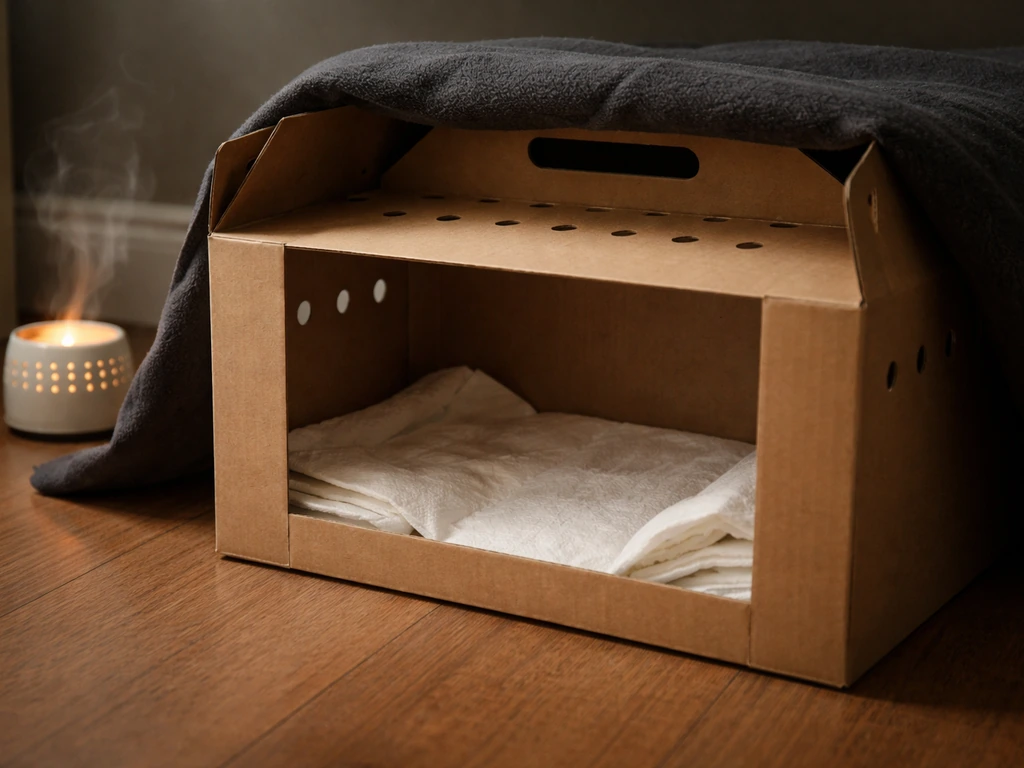
If you're waiting for RSPCA to collect or you need to transport the bird yourself, the box setup described above is your best tool. A cardboard box with ventilation holes, lined with a cloth or paper towel, kept warm, dark, and quiet covers almost everything the bird needs in the short term. Don't use a wire cage as the bird may injure itself further trying to escape.
If you're transporting the bird yourself to a vet or rescue centre, keep the box on the floor of the car rather than on a seat where it can slide. Keep the car quiet (no loud music) and drive smoothly. Don't open the box during the journey to check on the bird. Every time you open it, the bird experiences a fresh burst of stress, which burns energy it can't afford to lose.
Do not put food or water in the box. This is worth repeating because the instinct to offer water to a distressed bird is very strong. A wild bird that's in shock, injured, or unable to swallow normally can inhale water into its lungs and die from it. Leave nutrition entirely to the rehabilitators.
Special situations: what changes in these common scenarios
Window strikes
Window collisions are one of the most common reasons people find stunned birds. The bird often appears dead or is unresponsive with a twisted head posture. Place it in a dark, quiet box in a warm spot and set a timer for 30 minutes. Many birds recover from mild concussion and can be released once they're alert, upright, and attempting to fly inside the box. If there's no improvement after 30 minutes, or the bird is bleeding or has a clearly broken wing, call RSPCA. Don't release a bird that isn't fully alert and coordinated, even if it's been 30 minutes.
Cat or dog attacks
Even a brief contact with a cat's mouth is a veterinary emergency for a bird. Cat saliva contains bacteria (particularly Pasteurella) that are lethal to birds within 24 to 48 hours if left untreated. Don't wait to see how the bird looks; get it to a vet or wildlife rescue the same day. When handling a bird that's been in a pet's mouth, be careful of your own fingers too as injured birds can bite and scratch when frightened.
Entanglement in fishing line, netting, or wire
Birds tangled in fishing line can suffer slow deaths from starvation or from the line cutting off circulation to limbs. The RSPCA specifically flags this as a situation requiring prompt contact for help. Don't attempt to cut the line yourself if the bird is in a tree or high up and you'd need to grab it; instead, call RSPCA immediately. If the bird is on the ground and accessible, you can gently restrain it with a cloth to prevent further injury while you carefully cut visible line away from the body using scissors, but stop if the bird is becoming distressed or if the line is deeply embedded in the skin.
Nest emergencies and orphaned chicks
If you've found a nest that's fallen or a very young chick (with no feathers or only pin feathers, eyes still closed), this is a genuine orphan situation that needs professional help. Call RSPCA or a local wildlife rescue. If the nest has simply fallen from a nearby branch and is intact, you can try to reattach or wedge it back up in the same tree and place the chicks back in it. Parent birds will return to a nest that smells of human hands, despite the old myth that they won't.
The RSPCA is clear that removing wild birds from their parents or nests can do more harm than good, so the priority is always keeping chicks in or near the nest with their parents wherever possible. A fluffy fledgling on the ground with no injury is not an orphan; leave it where it is or move it only a short distance to safety if it's in immediate danger, and keep people and pets away so the parents can return.
For any nest situation you're genuinely unsure about, calling RSPCA or a wildlife trust for phone advice costs nothing and takes two minutes. Getting their guidance before you act is always better than acting first and calling second.
FAQ
What if I am unsure whether the bird is actually injured, or it might just be stunned?
Yes, you can call even if you are not sure the bird is injured. Tell the handler what you observe (alert or collapsed, able to stand, breathing normally, any bleeding or posture issues) and where it is (street, garden, on a windowsill). They will decide whether to dispatch, advise monitoring, or route you to a vet or rescue.
Can I move an injured bird before I call the RSPCA?
If the bird is in immediate danger, such as in the road, in a cat trap, or where you cannot safely keep watch, move only as far as needed to get it out of harm’s way, then call. Use a ventilated cardboard box, keep it warm and dark, and avoid prolonged handling.
Should I offer water or food to an injured wild bird while waiting?
Do not give food or water, even if the bird looks thirsty. Distressed or injured birds can inhale liquids and die from aspiration. Use warmth, darkness, quiet, and call for help.
Is it okay to put the bird in a cage or carry it around?
Do not use a wire cage. A wire cage can increase panic, cause wing and toe injuries, and make it harder for the handler to assess stability. A cardboard box with ventilation holes lined with cloth or paper towel is the safer waiting container.
How should I handle the bird safely, and how do I clean up afterward?
If you must handle it briefly, use gloves or a cloth, and protect your hands because birds can bite or scratch when frightened. Afterward, wash hands thoroughly. If you touched droppings, feathers, or a dead bird, treat it as a contamination risk and wash carefully.
What should I do if I have pets or children nearby while waiting for help?
For possible wildlife incidents at home, calling is still appropriate, even if you have other animals. Keep pets inside, keep children away, and isolate the box in a quiet room. The RSPCA can advise whether they need to collect the bird or whether a vet or local rescue is the right option.
If the RSPCA says they cannot collect, what is the next best step?
If the RSPCA cannot collect, ask who to contact in your area and whether they have a recommended wildlife rescue centre or local vet path. RSPCA redirection is common when local demand is high or specialist care is needed, and you can continue through a vet or wildlife rescue route.
Can I transport the bird to a vet or rescue myself, and how should I do it?
Yes, if it is possible to do so safely. Have the box on the car floor, drive smoothly, keep the environment quiet, and do not open the box during transit to check on it. Opening resets stress and can reduce recovery chances.
If the bird seems to recover after a bit, when is it safe to let it go?
Do not attempt to release it unless it is fully alert, upright, and coordinated. For window-hit birds, you can set up a warm, dark box and reassess after about 30 minutes, but if it is not improving or it is bleeding or has a broken wing, call for urgent help.
My cat grabbed the bird but it looks okay, will it still need urgent help?
Cat contact is treated as urgent. Even if there are no visible wounds, cat saliva bacteria can cause lethal infection within 24 to 48 hours. Contact RSPCA or an emergency vet the same day, and keep the bird warm and contained while you arrange help.
What if the bird is tangled in fishing line, can I cut it free myself?
Yes, fishing line is one of the situations where prompt action matters. Call for help if the bird is high up, tangled in a tree, or hard to reach. If it is on the ground and visible line can be removed safely, you can carefully cut away from the body, stopping if the bird becomes highly distressed or line is deeply embedded.
How do I tell if a ground fledgling is an orphan versus a normal young bird?
A fluffy fledgling on the ground with no visible injury is often not an orphan, its parents are usually nearby. If it is not in immediate danger, keep people and pets back and observe from a distance for 20 to 30 minutes before deciding to intervene. Only call if you see injury or clear signs it needs help.
Next Articles
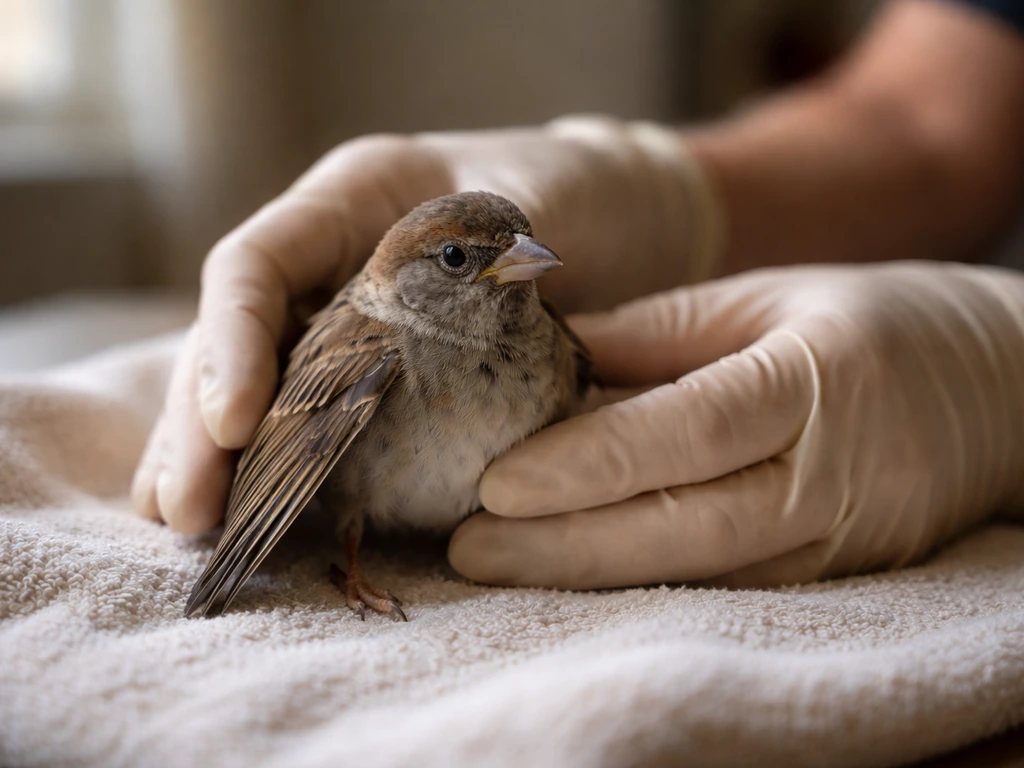
Can a Bird Live With One Wing? Survival and First Aid
Can a bird live with one wing? Injury outcomes and step-by-step first aid, plus when to get urgent help.
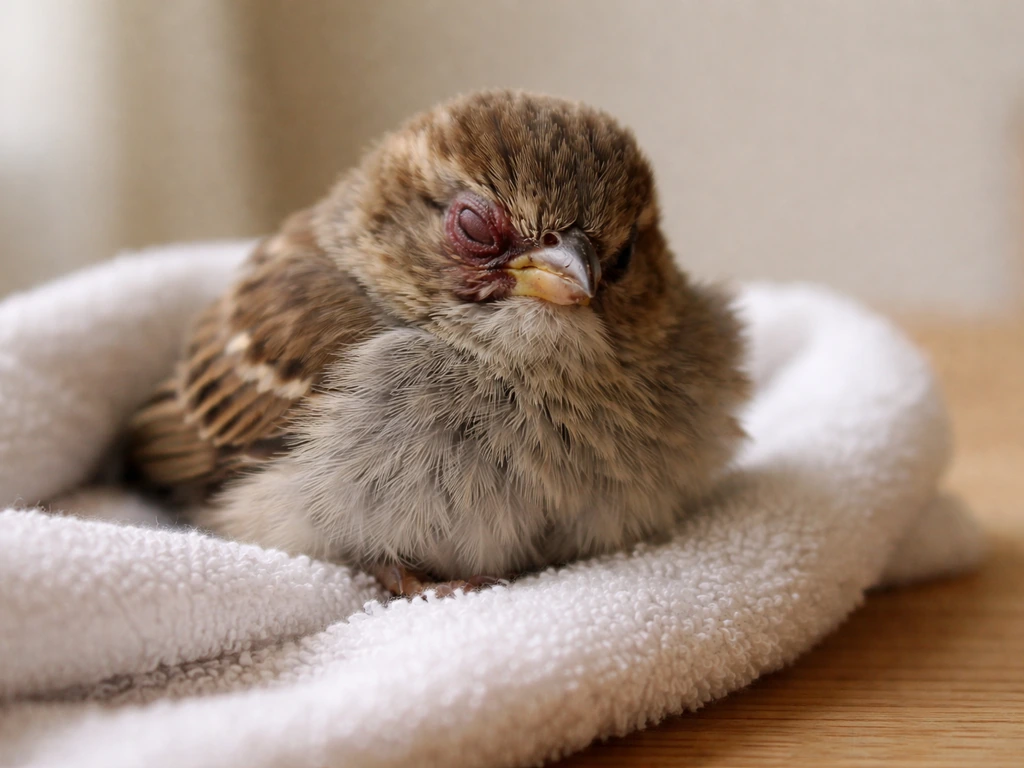
Can a Bird Survive With One Eye? What to Do Now
Learn if birds can cope with one eye and what to do now for an injured bird’s eye safely and urgently.
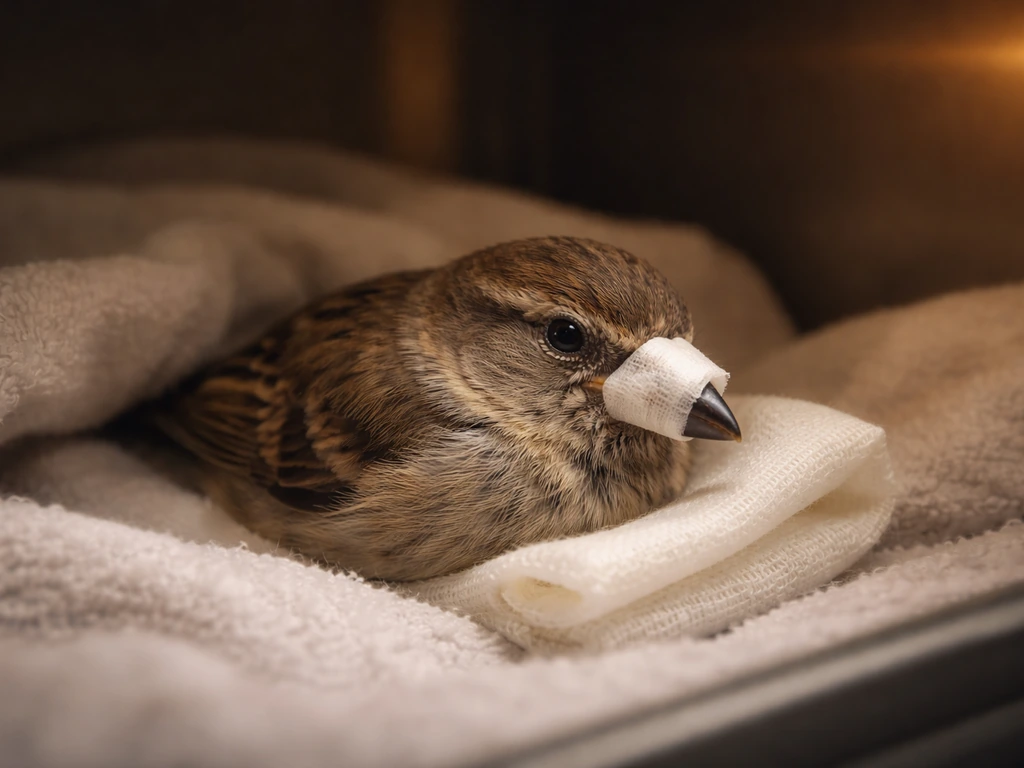
Can a Bird Survive With a Broken Beak? What to Do Now
Learn if a bird with a broken beak can survive, spot danger signs, and do safe first aid until a vet rescues it.