If your bird is hurt right now, do this first: stop handling it, put it in a small, dark, warm box lined with a soft towel, and keep the area quiet. That single step prevents a huge amount of additional harm while you figure out what's actually wrong. Most birds deteriorate faster from stress and cold than from the injury itself, so the box buys you critical time to assess the situation and get the right help.
My Bird Is Broken: Urgent Triage and First Aid Steps
Marcus Chen
4 Jun 2026
Quick triage: what 'broken' might actually mean
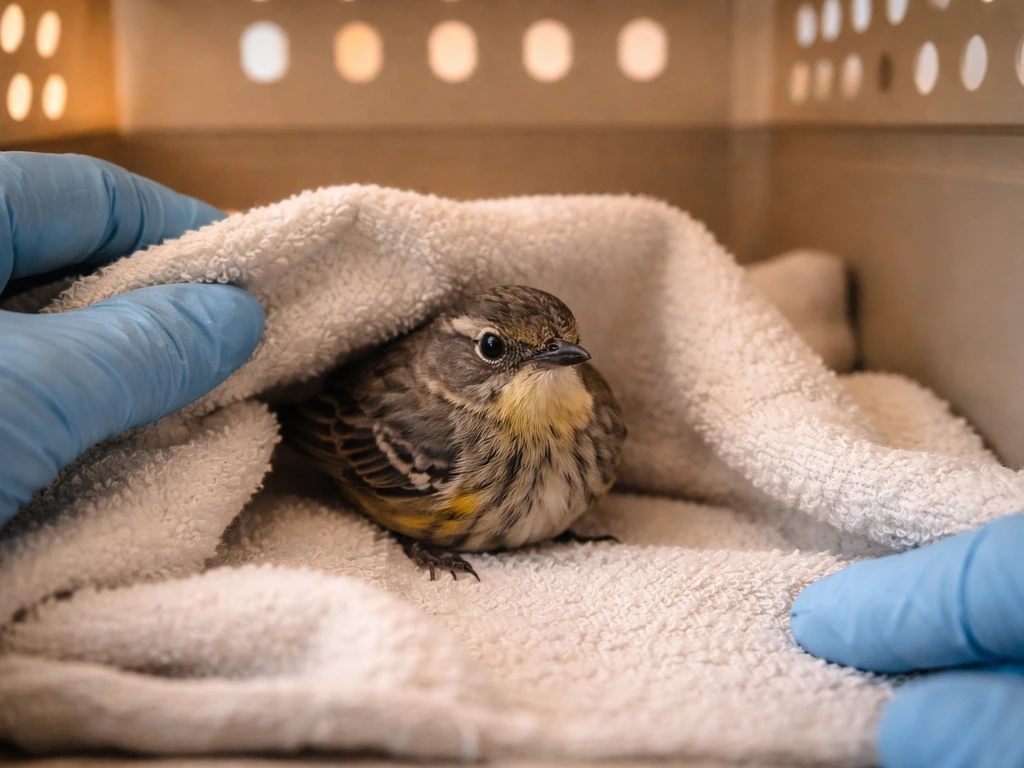
When people say their bird is 'broken,' they usually mean one of four things: a broken wing, a broken leg, a beak injury, or something internal from a collision or fall. Each one looks different and has a different urgency level, but all of them deserve prompt attention because birds hide pain exceptionally well. By the time a bird is obviously showing distress, it has usually been hurting for a while.
- Broken wing: The wing hangs lower than normal, droops at rest, or sticks out at an odd angle. The bird may not be able to fly or will crash immediately on takeoff.
- Broken leg: The bird is unable to stand, is holding one leg up, or the leg is visibly twisted or dangling. It may wobble or fall off a perch repeatedly.
- Beak injury: Cracking, splitting, bleeding from the beak, or a noticeably misaligned beak tip. Beaks contain blood vessels and nerves, so even partial breaks can cause significant pain and bleeding.
- Internal injury or head trauma: No obvious external wound, but the bird is dazed, sitting on the cage floor or ground, not responding normally, tilting its head, or walking in circles. This is common after window collisions and cat attacks.
There can also be confusion around broken blood feathers, which are growing pin feathers that have been snapped. These bleed noticeably and look alarming, but they are a separate issue from a skeletal fracture. Do not try to pull a broken blood feather out at home. Apply gentle pressure, get the bleeding to stop, and call your vet.
Immediate first aid right now
Your goal in the first five minutes is not to fix anything. It is to stop the situation from getting worse. Birds can die quickly from a combination of stress, cold, and blood loss, so restraint and warmth are the two most powerful tools you have before professional help arrives.
Setting up a safe box
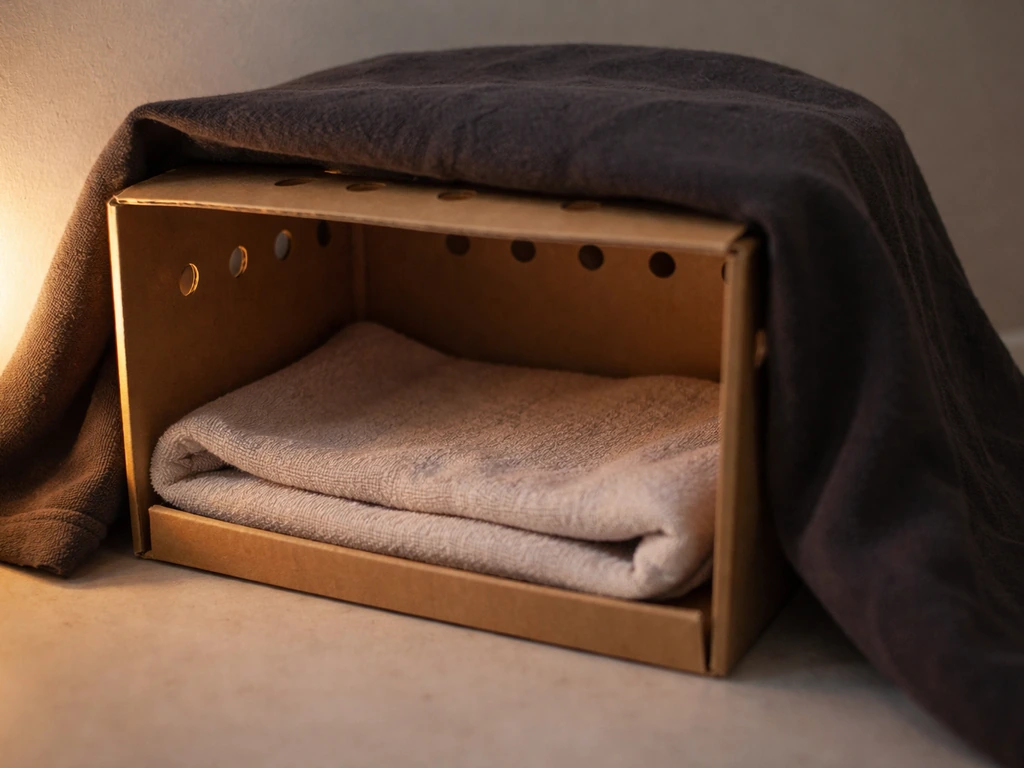
Use a cardboard box or a small carrier with air holes. Line it with a soft, non-looped towel (looped terry cloth can catch toes). The box should be just large enough for the bird to sit without being able to flap or spin around. Darkness calms birds quickly and reduces panic. Place a heating pad set to low under one half of the box so the bird can move away from the heat if needed. If you don't have a heating pad, a warm water bottle wrapped in a towel works. Aim to keep the environment around 85°F. Do not give the bird food or water during this stabilization period. It sounds counterintuitive, but an injured, stressed bird can easily aspirate, and forcing food or water can make things worse.
Handling do's and don'ts
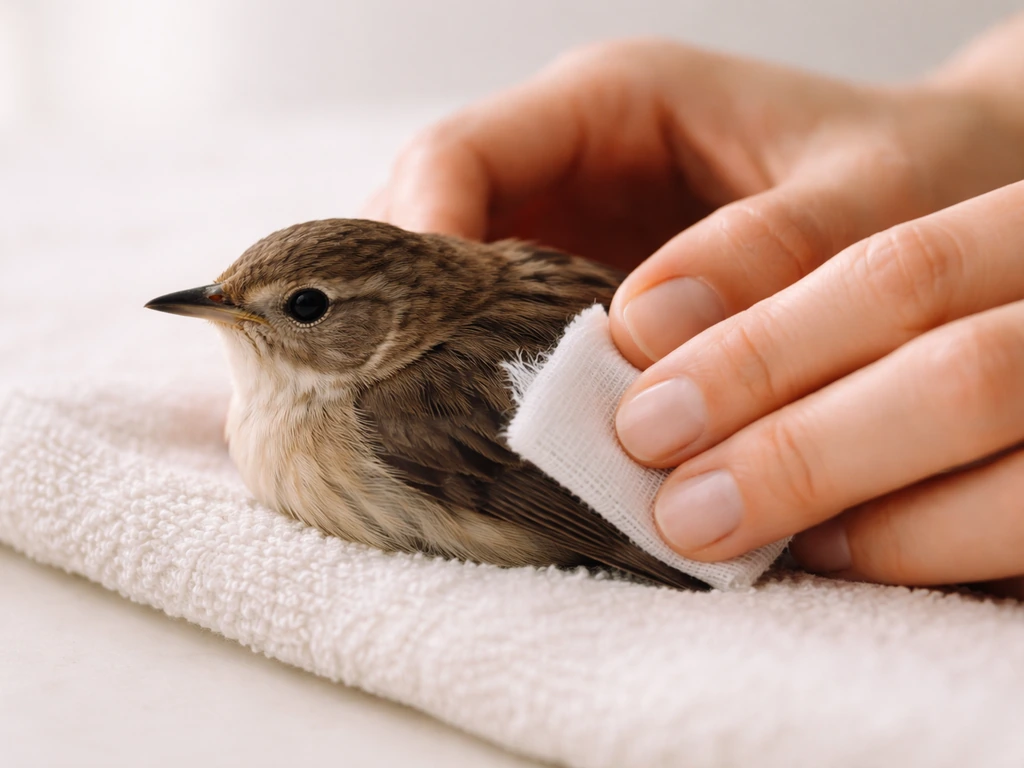
If you need to move or contain the bird, drape a lightweight towel over it first, then scoop it gently. Wrap the towel loosely around the body so the wings stay against the sides, but never squeeze the chest. Birds breathe by expanding their chest, so pressure there can suffocate them within seconds. Hold the bird upright, support the body from underneath, and minimize the time you spend handling it. The less struggling, the better.
Managing active bleeding
If you see active bleeding from a wound, apply gentle but firm pressure with a clean cloth or gauze for several minutes. If you have styptic powder, cornstarch, or flour available, these can help minor bleeding stop more quickly. The key rule: if bleeding does not stop within five minutes of steady pressure, that is an emergency and you need veterinary help immediately. Do not keep lifting the cloth to check, because that disrupts clot formation. Hold it still and keep the bird as calm as possible.
Red flags that mean get help right now
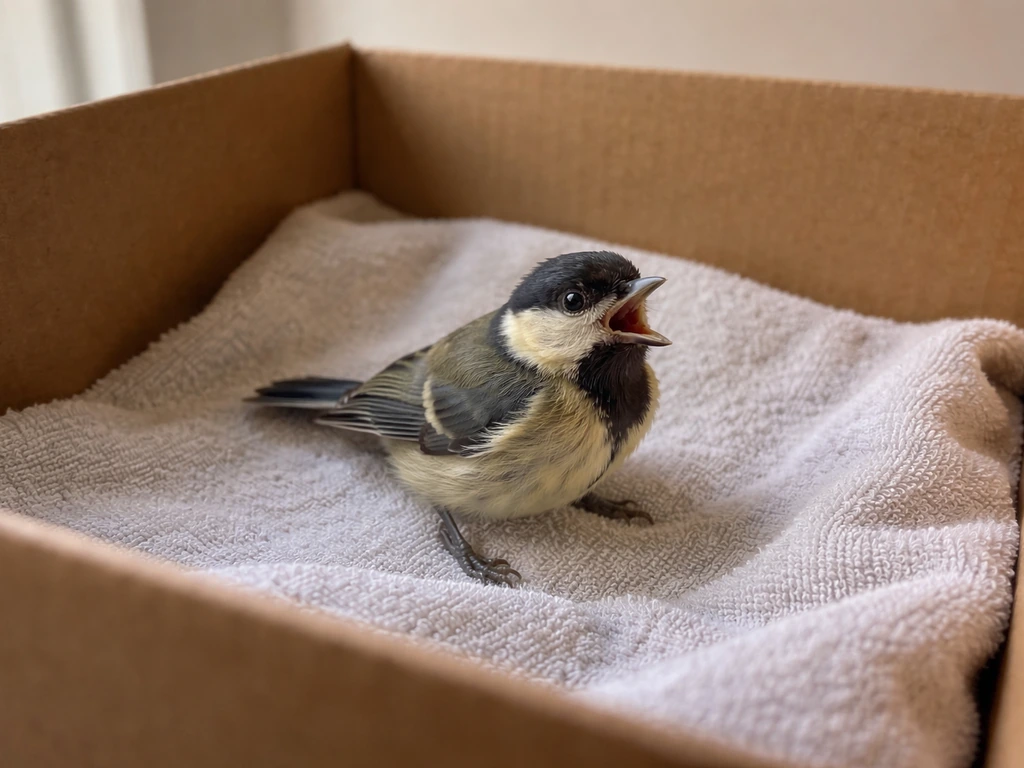
Some situations are beyond first aid. If you see any of the following, skip the home assessment and go straight to calling an avian vet or wildlife rescue line: If you suspect a bird with broken neck or any serious head/neck trauma, do not delay calling an avian vet or wildlife rescue line.
- Open-mouth breathing or tail bobbing with each breath (these are signs of respiratory distress)
- Bleeding that will not stop after five minutes of firm pressure
- The bird is completely limp, unresponsive, or unconscious
- Visible internal tissue, bone, or a wound that is clearly deep
- The bird is lying on its side and cannot right itself
- Eyes are swollen, protruding, or clearly injured
- Obvious severe head tilt, circling, or seizure-like movements
- The beak is severely cracked, split, or partially detached
- The bird was in a cat or dog's mouth, even briefly, even with no visible wound (puncture wounds from animal bites carry serious infection risk that is not visible to the eye)
That last point about cat and dog bites is worth emphasizing. A bird that walks away from a cat attack looking fine can die within 24 to 48 hours from Pasteurella bacteria that enters through tiny puncture wounds. If a predator had your bird in its mouth, treat it as an emergency regardless of how the bird looks.
How to assess common injuries at home
Once the bird is calm, warm, and not actively bleeding, you can do a quiet visual assessment from outside the box. Do not poke or prod. Just observe. This helps you give useful information when you call for help, and it tells you how urgent the situation is.
Broken wing vs. sprain
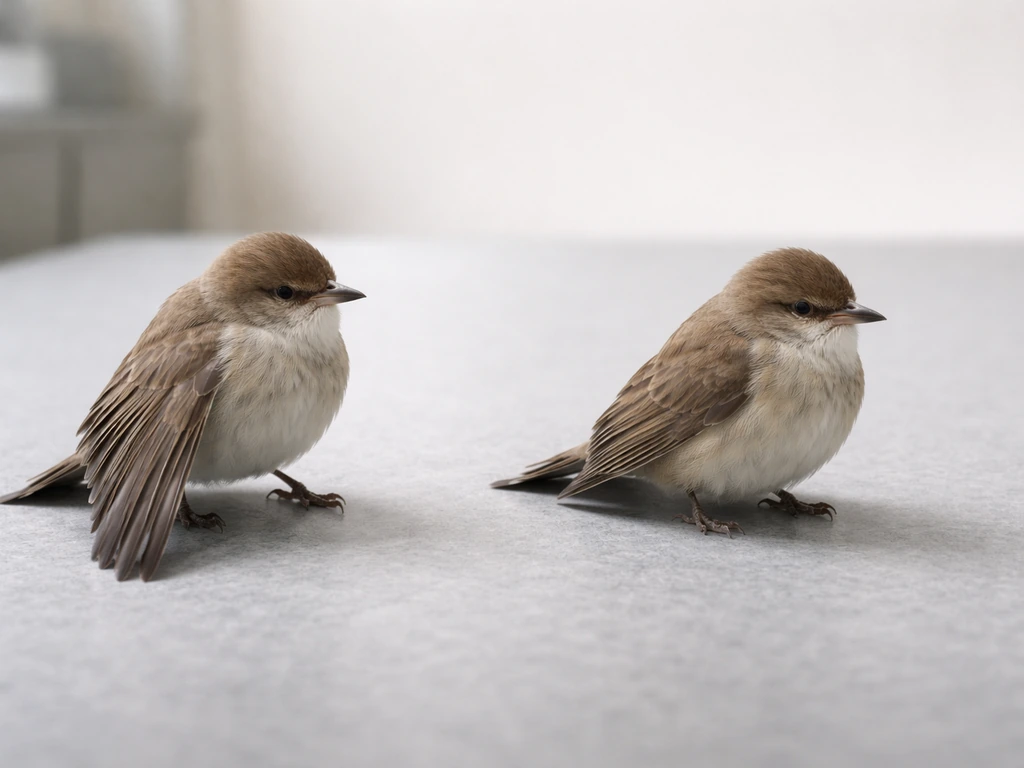
A genuinely fractured wing will hang visibly lower than the other one, often with the tip dragging. The bird cannot hold it against its body. A sprained or bruised wing may still droop slightly but the bird can pull it up somewhat when startled or stimulated. You cannot reliably tell the difference between a fracture and a severe sprain without an X-ray. Assume fracture until proven otherwise, because splinting a sprain does no harm but leaving a fracture unsupported causes ongoing tissue damage.
Broken leg vs. injury
A fractured leg is often visibly bent at an unnatural angle, or the bird cannot put any weight on it at all. However, a badly bruised leg, dislocated joint, or muscle injury can look almost identical. Again, X-rays are the only reliable way to confirm. Watch whether the bird uses both feet. If one foot is consistently held up and not used, that bird needs a vet.
Beak injuries
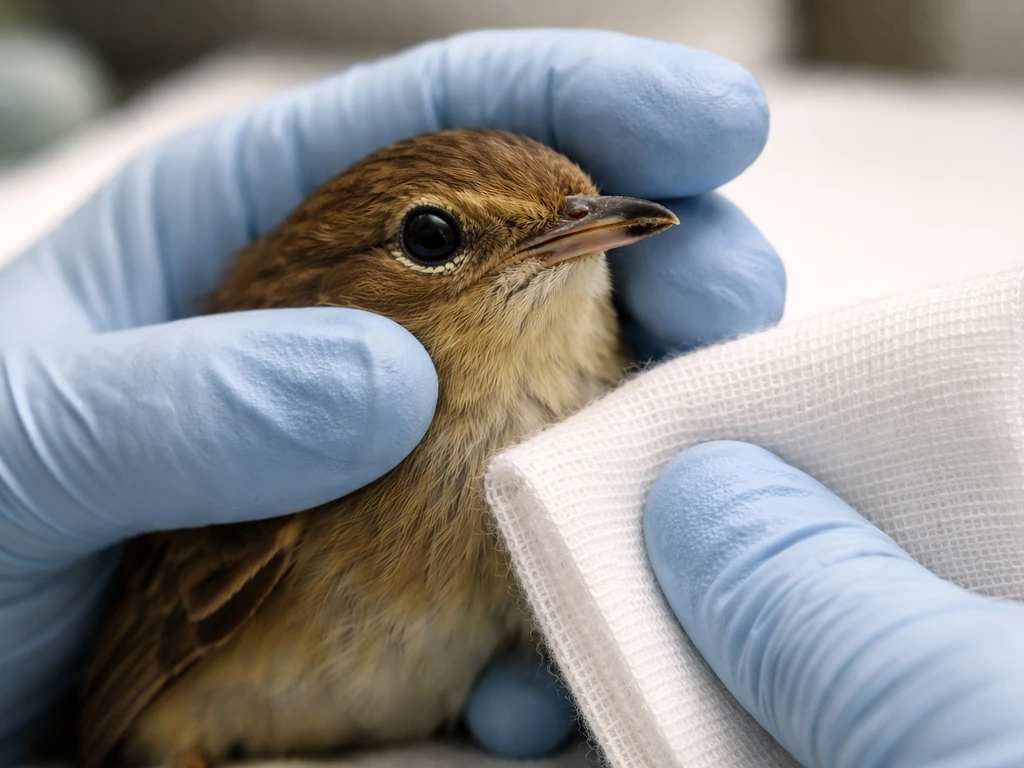
Beak injuries range from a small chip at the tip to a split that runs deep into the base. Minor tip chips may not bleed much and the bird may still be able to eat. Anything beyond a small tip chip, especially anything near the base or involving significant bleeding, needs professional treatment. Beak fractures or broken beaks often need prompt veterinary care because of bleeding and the blood supply in the beak beak injuries. Beaks have blood supply throughout, and severe beak trauma is not something that can be managed at home. Related topics like what happens when a beak breaks further along the structure, or what a fully broken beak looks like, are worth understanding as separate situations because severity varies enormously. If a bird breaks its beak completely, the priority is still stabilization and quick veterinary care because severe trauma can affect bleeding and feeding immediately what happens when a beak breaks further along the structure.
Window collisions and head trauma
After a window strike, a bird may be stunned but alive with no obvious external injury. Place it in the warm, dark box and give it 30 to 60 minutes in a quiet location. Some birds recover on their own from mild concussions. But if after an hour the bird is still uncoordinated, tilting, or cannot stand, assume internal injury and get it to a wildlife rehabilitator or vet. During trauma, the Merck Veterinary Manual advises stabilizing the bird first, then contacting your veterinarian and transporting the bird immediately because birds may be cold and stressed afterward blank" rel="noopener noreferrer">trauma you should contact your veterinarian and transport the bird immediately. After a fall or collision, a broken neck bird may be present even if the bird initially looks alert. Do not assume a bird that 'woke up and hopped around' is fully recovered. Monitor it for several hours before releasing any wild bird, and check with a professional if you have any doubt.
Pet interactions and falls
Falls from height can cause fractures, internal bruising, or head trauma, especially in young birds or birds that hit a hard surface. The bird may appear okay initially because of adrenaline. Observe carefully for the first hour for any of the red flag signs listed above. If a pet bird fell after being attacked by another household pet, prioritize the bite-wound concern above all else.
When and how to get help fast
Getting the right kind of help matters as much as getting help quickly. Avian vets and wildlife rehabilitators have different roles, and knowing which one to call can save you time.
| Situation | Who to call | Why |
|---|---|---|
| Pet bird (parrot, budgie, cockatiel, canary, etc.) | Avian veterinarian | Licensed to treat, prescribe pain relief, perform surgery, and provide X-rays |
| Wild bird found injured outdoors | Licensed wildlife rehabilitator | Legally permitted to handle and treat migratory and wild species; vets can also see them in emergency |
| Wild bird after cat/dog attack | Wildlife rehabilitator or avian vet ASAP | Antibiotic treatment within hours is critical |
| Bird with suspected fracture, any type | Avian vet for diagnosis | X-ray needed to confirm fracture vs. sprain and plan treatment |
| Bird with signs of neck or spinal injury | Avian vet or rehabilitator immediately | Minimize movement of head and spine during transport |
Finding help near you
For pet birds, search for an 'avian vet near me' or ask your regular vet for an emergency referral. Not all general vets are trained in bird care, so specifically ask if they see avian patients before you drive over. For wild birds, the Audubon Society recommends contacting a licensed wildlife rehabilitation agency. In the US, you can use searchable databases like CritterHelp to find licensed rehabilitators in your area. Keep in mind that many rehabilitators are not available 24/7, so call as early in the day as possible and leave a message if needed.
What to tell them when you call
The faster you communicate clearly, the faster you get useful guidance. Have this information ready before you call:
- Species of bird if you know it (pet species name, or a description for wild birds)
- What happened and when (window hit, fall, cat attack, found in yard, etc.)
- What you are seeing right now: wing droop, leg use, breathing, bleeding, consciousness level
- What first aid you have already done
- Your location and whether you have a car for transport
The vet or rehabilitator may be able to walk you through additional steps over the phone before you arrive. Emergency care often starts with that first call, so do not wait until you feel like you have 'done enough' at home first.
Transporting safely
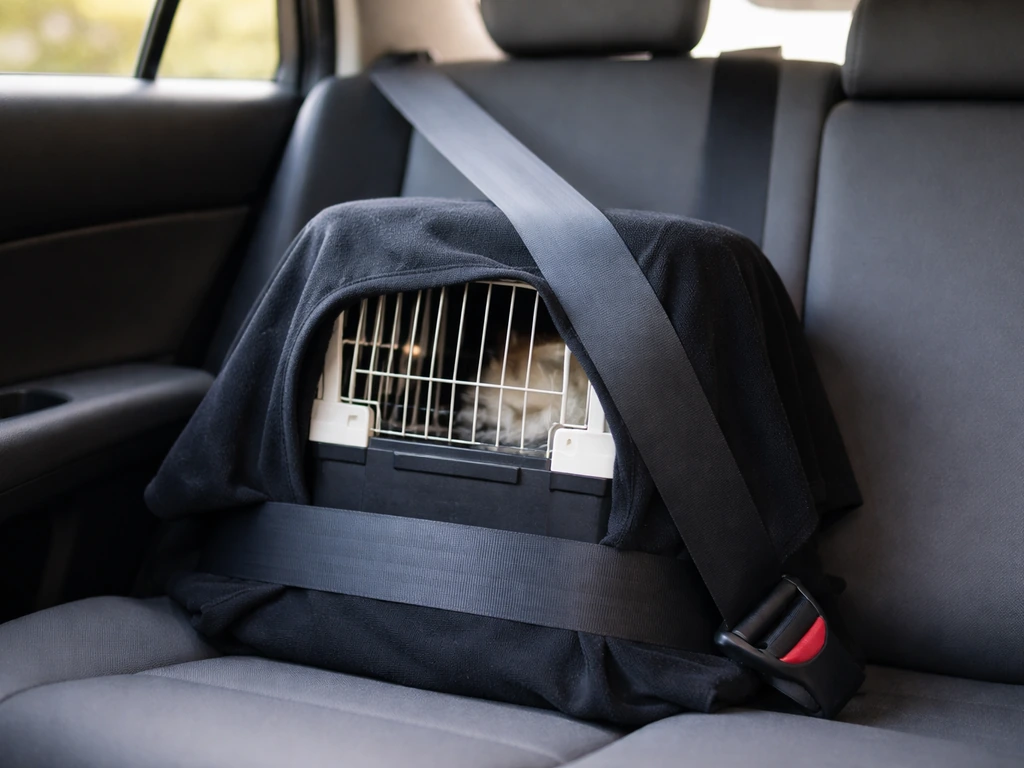
Use the smallest carrier that keeps the bird upright and contained. Keep it warm, dark, and quiet during the drive. If you suspect head or neck injury, minimize any jostling and keep the box as stable as possible. Do not put the bird in a cage where it can flap and re-injure itself. Do not play music or talk loudly during transport.
Preventing the same injury from happening again
Once your bird is treated and recovering, it is worth taking a hard look at what caused the injury. The most common culprits are window collisions, household pets, falls, and nest instability. Most are preventable with simple changes.
Window collisions
Window strikes are one of the leading causes of bird injury. The American Bird Conservancy recommends applying an external pattern of dots, lines, or decals to glass, with no gap larger than two inches in any direction. This is called the two-inch rule, and spacing larger than that leaves an apparent gap that birds will attempt to fly through. External application matters: window treatments placed on the inside of the glass are much less effective because the reflection is still present on the outer surface. You can also place feeders and birdbaths either within three feet of a window (so the bird has no room to build up speed) or more than 30 feet away (so it has time to redirect). Reducing interior lighting at night during migration seasons also helps significantly.
Pets in the household
If you have a cat or dog and a pet bird, physical separation is the only reliable prevention. Cats in particular are driven by instinct and cannot be trained out of predatory behavior reliably. Even supervised time in the same room carries risk. Use separate rooms with closed doors, invest in a secure cage that cannot be tipped or opened by a paw, and never leave them unattended together regardless of how calm previous interactions have been.
Falls and cage safety
Pet birds fall from perches most often when they are startled, sick, or when a perch is too slippery or positioned poorly. Use perches of varying diameters so the feet are not always gripping the same way. Place a softer substrate or padding at the bottom of the cage if you have a bird prone to falling. For baby birds or birds recovering from injury, lower perch heights reduce fall distance and re-injury risk.
Nest emergencies and wild birds
If you found an injured bird because it fell from a nest, and the nest is accessible, the best option is to place the bird back. The parent birds will not reject a chick that has been touched by humans. If the nest is destroyed, a small berry basket lined with natural material placed in the same tree can substitute. If you are regularly finding injured birds from a specific nest location, look at what is nearby: trimming back branches that allow cat access, or adjusting outdoor lighting that confuses fledglings at night, can prevent repeat incidents.
FAQ
My bird is broken, but it seems alert. How long can I wait before calling a vet?
If your bird is breathing normally and you can keep it warm, you can wait briefly while you call for guidance, but do not delay veterinary or wildlife help when the bird has red flags (uncoordinated, head or neck trauma suspected, continuous bleeding past five minutes, or not using one foot). During that call, keep the bird in the warm, dark box and minimize handling.
Should I offer my bird water or food while I’m waiting for the vet?
Do not try to “feed to calm it” or give water to swallow during stabilization. Birds can aspirate because stress and injury reduce swallow coordination. If the bird is fully upright and calm later, ask the avian vet or rehabilitator whether offering water is appropriate, and do it only under their instructions.
Can I splint my bird’s wing or leg at home to prevent movement?
Yes, mild household items are usually safer than risky improvised splints. For example, you can apply gentle pressure to stop bleeding with clean cloth or gauze, but do not attempt to set bones, tape a wing to the body, or wrap a leg in anything tight. If you suspect a fracture, stabilization in the small warm box is the priority until a professional can evaluate or X-ray.
What if the bleeding keeps soaking through the cloth?
If the bleeding is heavy, soaking through the cloth, or does not slow down with steady pressure for five minutes, treat it as an emergency. Change the outer layer if it becomes saturated, but keep pressure and avoid repeatedly lifting to check. If you cannot maintain firm pressure or the bird is too distressed, call for immediate help.
My bird has broken blood feathers. Should I pull the feather out?
A snapped pin feather (broken blood feather) is different from a skeletal break, and pulling it out can cause worse bleeding and damage. Your goal is to keep it clean, apply gentle pressure to stop bleeding, and contact the vet for pin-feather management instructions.
My bird hit a window, it flew to a perch, and seems okay. Do I still need to check for concussion?
For window strikes, the “seems fine” phase can be misleading. Keep the bird warm, dark, and quiet, then monitor for worsening coordination for at least an hour, longer if it remains drowsy or tilted. If it cannot stand, stays uncoordinated after an hour, or you notice abnormal breathing, get professional care.
My cat bite looks minor and my bird is acting better. Do I still need to worry?
Not automatically. If a bird was bitten or had its face or feet in a predator’s mouth, infection can develop even if the wound looks small. Treat cat and dog bites as urgent, and follow up promptly even if the bird improves after the first few hours.
How should I transport my bird if I suspect head or neck trauma?
If you have to move the bird at all, keep it upright, support the body from underneath, and avoid squeezing the chest or jostling the head and neck. Once in transport, keep the carrier stable and quiet. For suspected head or neck injury, limit any repositioning and drive carefully.
What should I do if no one answers right away?
If you cannot reach an avian vet or wildlife rehabilitator immediately, use the stabilization steps you already have: small warm dark box, quiet environment, no food or water, and do not poke or prod. Keep the bird warm enough to reduce shivering, then keep trying to connect by phone. The key is preventing cold and stress while you get expert guidance.
How long should I watch my bird after a fall before deciding it’s okay?
Plan for a longer monitoring period for any fall or collision, especially in young birds or birds that hit a hard surface. Adrenaline can fade, revealing internal injury later. If the bird becomes uncoordinated, tilts, cannot stand, or worsens over several hours, switch from “observe” to “seek help.”
Next Articles
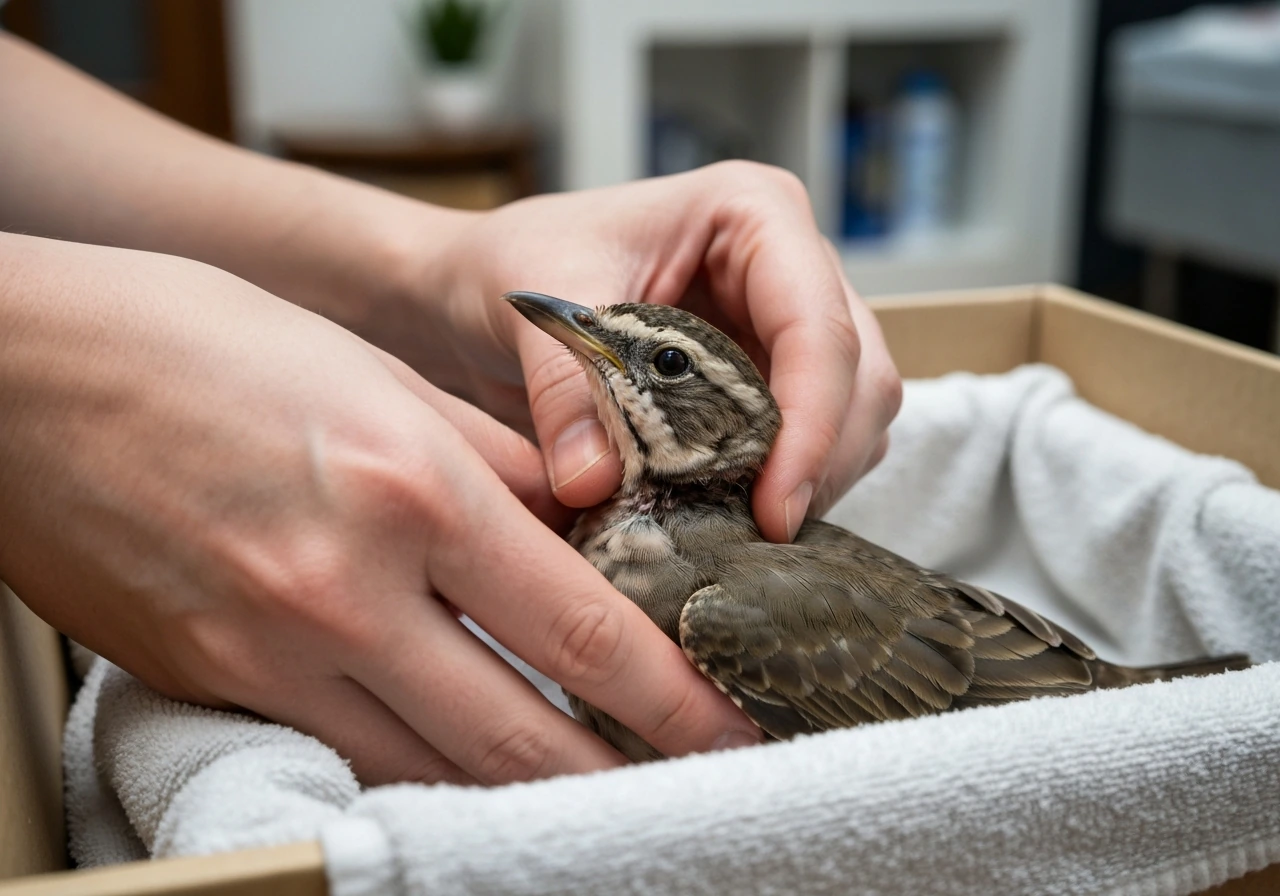
Can a Bird Break Its Own Neck? First Aid for Injured Wild Birds
Can a bird break its own neck? Learn signs of neck or neurologic injury and safe first aid steps.
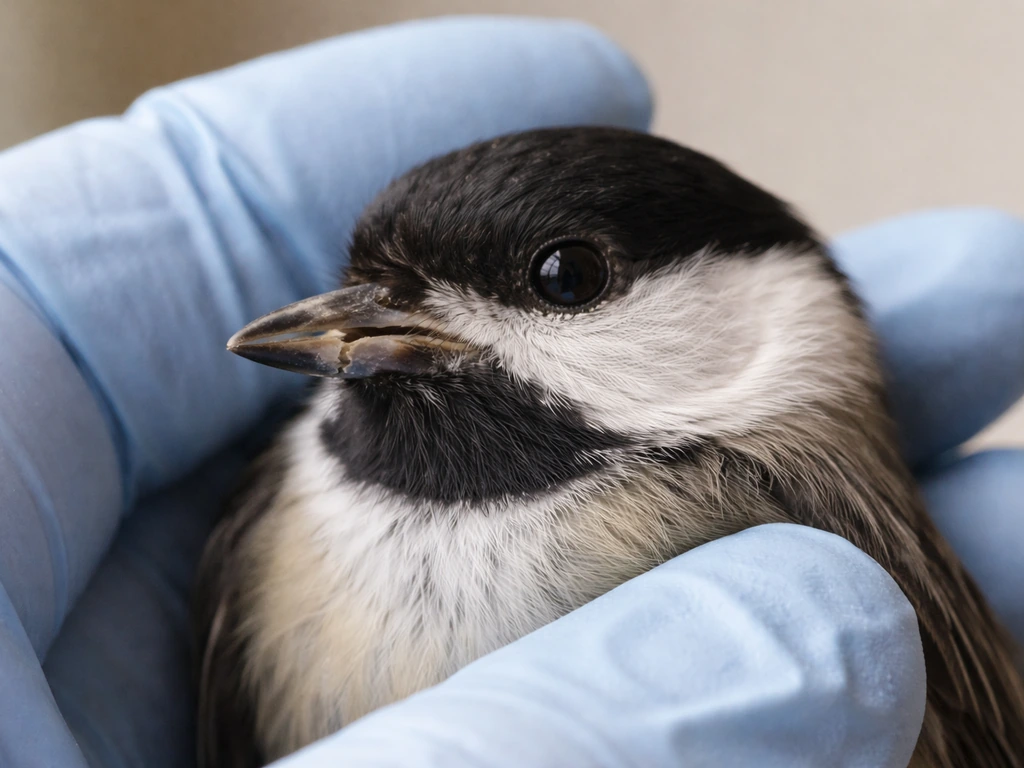
What Happens If a Bird Breaks Its Beak: First Aid Steps
Step-by-step first aid for a bird with a broken beak, when to seek urgent help, and what recovery may involve.
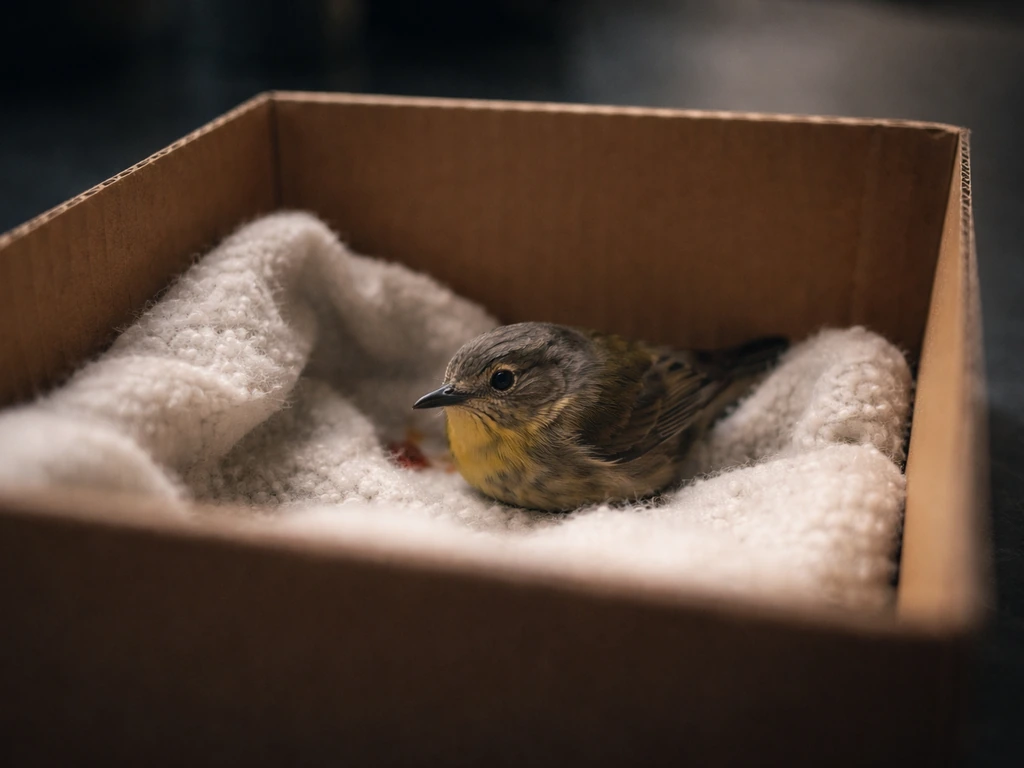
Broken Neck Bird: What to Do Immediately and Next
Step-by-step emergency care for a broken neck bird: safety, danger signs, what not to do, and urgent transport.