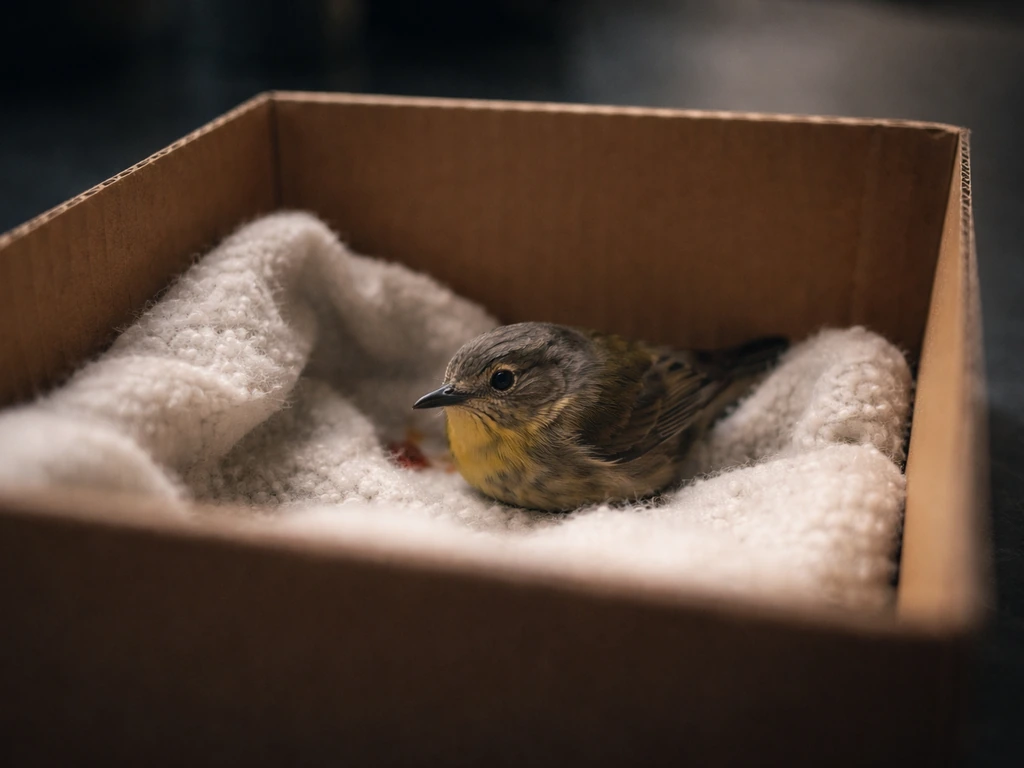
If a bird has broken its beak, it needs professional help as soon as possible. A broken beak is not a minor injury you can manage at home with tape and hope. The beak is packed with blood vessels, nerves, and bone, and a fracture or break can cause serious pain, bleeding, difficulty eating, and risk of infection. Your job right now is to keep the bird calm, stop any active bleeding if you can do so safely, and get it to an avian vet or wildlife rehabilitator as fast as possible. Everything below will walk you through exactly how to do that.
What Happens If a Bird Breaks Its Beak: First Aid Steps
Marcus Chen
16 Apr 2026
What a broken beak usually means for the bird
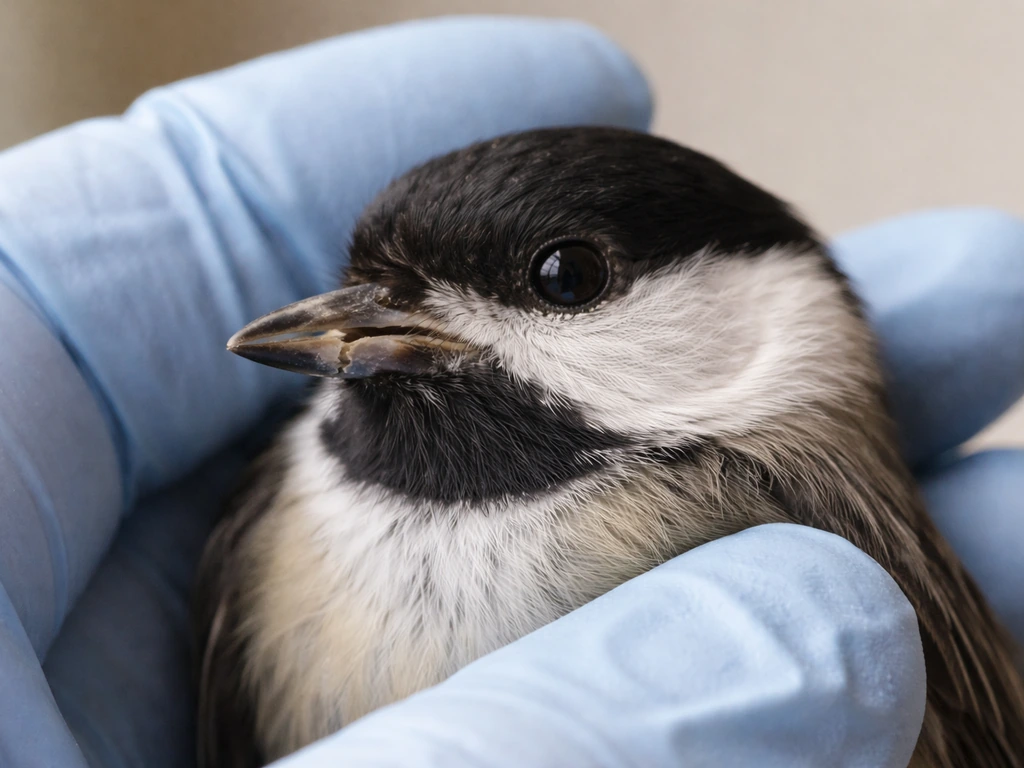
A bird's beak looks hard and tough from the outside, but it is much more complex than it appears. It has a hard outer layer of keratin (the same material as your fingernails) sitting over deeper tissue layers that contain blood vessels, nerves, and bone. When the beak cracks, chips, or fractures, you are often dealing with damage that goes well beyond the surface. That means real pain, possible significant bleeding, and real risk to the structures that keep the beak growing and functioning correctly.
When the outer keratin breaks away, it can expose the bone underneath. Punctures and crushing injuries, like those from a cat or dog attack, can penetrate even deeper. A bird with a damaged beak will typically struggle to pick up food, drink properly, or groom itself. In cases where a significant section of the upper or lower beak is missing, the bird may be completely unable to handle food on its own. This is why beak injuries should always be treated as serious, even if the bird seems alert and is still moving around.
How to tell if it's an emergency
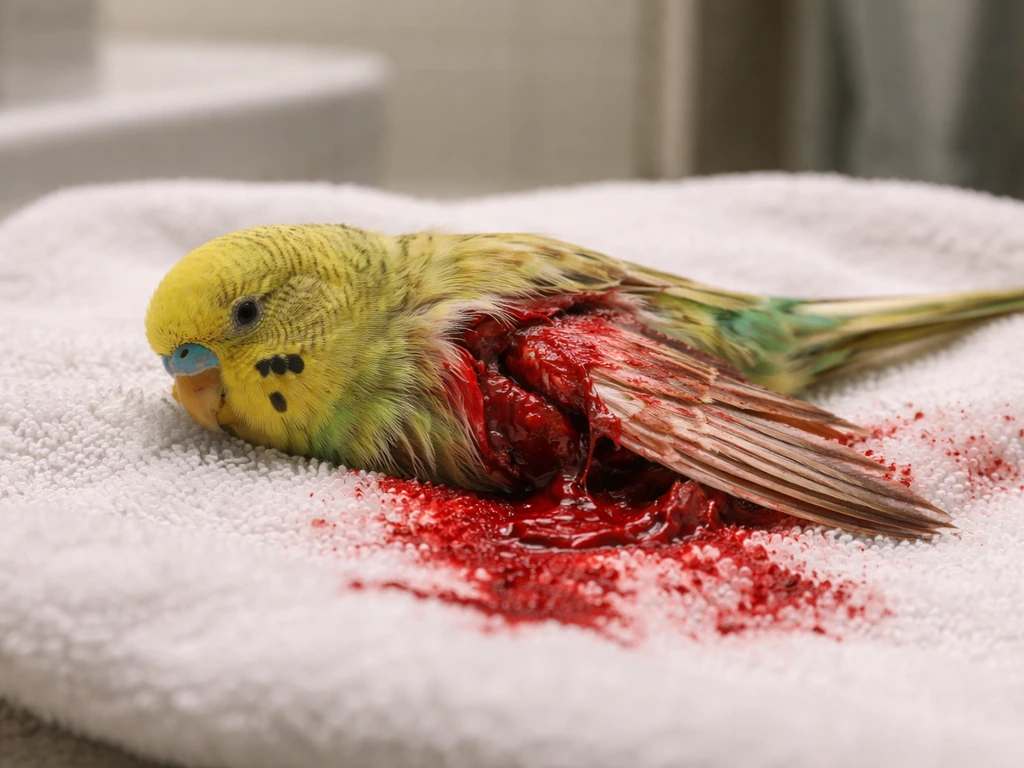
Not every beak injury looks the same, and some are far more urgent than others. The key is knowing which signs mean you need to act within the next few minutes, not the next few hours.
Treat it as an immediate emergency if you see any of the following:
- Active, profuse bleeding from the beak that is not slowing down
- Blood in or coming from the mouth
- A large section of the beak is missing, visibly cracked through, or hanging off
- Exposed bone or raw tissue at the break site
- The bird is limp, unresponsive, or in an open-mouthed panting state (signs of shock)
- The bird was caught by a cat or dog (even without obvious wounds, puncture injuries cause internal damage and introduce bacteria)
- The bird cannot hold its head up or is tilting and falling over
Even if none of those apply, do not assume the bird is fine just because it is sitting upright and blinking at you. A bird with a cracked or misaligned beak, one that keeps dropping food, or one that is fluffed up and breathing fast still needs to be seen. Birds hide pain and injury instinctively, and what looks like a minor chip can hide a deeper fracture. When in doubt, call a wildlife rehabilitator or avian vet and describe what you are seeing. They can help you decide how fast to move.
Immediate first aid steps you can do right now
Move carefully and stay calm. Birds pick up on your stress, and a panicked handler makes everything worse. Here is what to do, in order:
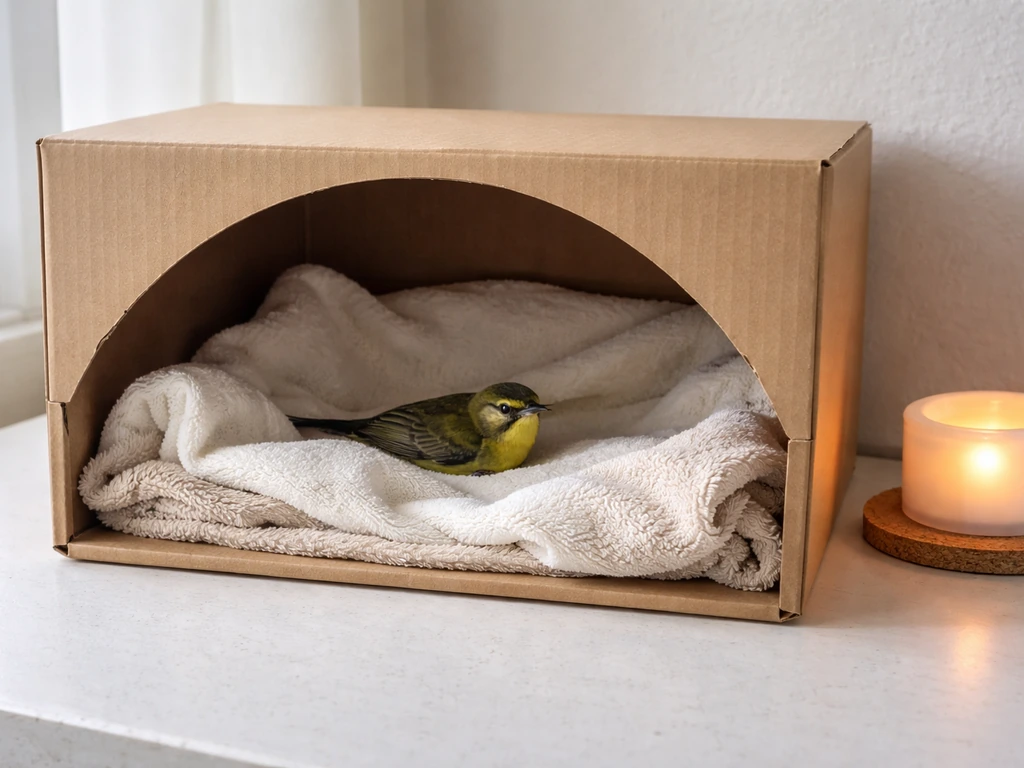
- Contain the bird gently. Use a towel or light gloves to scoop it up. Once you have the bird in hand, do not let go. Keep a firm but not tight hold, and minimize how long you are handling it. Place it into a small cardboard box lined with a paper towel or soft cloth. Small and dark is good: it reduces the bird's stress and limits movement that could worsen the injury.
- Keep it warm. Injured birds lose body heat fast, especially if they are in shock. Place the box in a warm room (around 85–90°F for small birds) or put a heating pad set to low under one half of the box so the bird can move away from the heat if needed. Never use direct heat or a heat lamp directly on the bird.
- Control bleeding if it is actively happening. If you can see blood actively flowing, apply very gentle pressure using a clean cloth or gauze. For minor surface bleeding on a pet bird, styptic powder or gel can help stop it. Do not use creams, ointments, or any other product on the wound unless a veterinarian specifically instructs you to.
- Do not try to clean or treat the beak beyond basic wound care. If there is obvious debris around the wound and you can gently dab it away with a clean damp cloth without disturbing the bird much, that is fine. Do not probe the wound, try to reposition broken pieces, or apply any kind of adhesive.
- Keep the environment quiet. Put the box somewhere dark, quiet, and away from pets, children, and loud noise. Check on the bird every 15–20 minutes without handling it again until you are ready to transport.
What NOT to do when the beak is broken
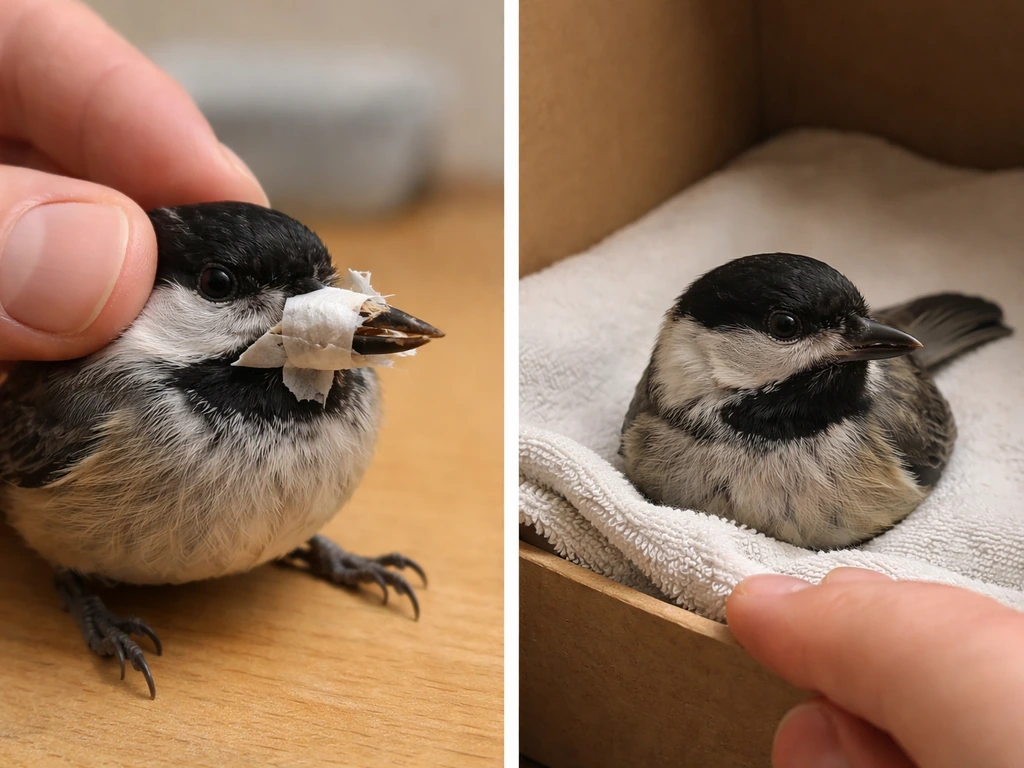
This list matters as much as the steps above. Well-meaning actions can seriously harm an injured bird.
- Do not try to splint, tape, or glue the beak yourself. You can trap bacteria, restrict circulation, or cause further damage to tissue and bone.
- Do not force feed the bird or try to pour water into its mouth. A bird with beak damage can aspirate liquid into its lungs, which can be fatal.
- Do not offer food or water unless specifically instructed by a licensed rehabilitator or veterinarian. Most wildlife rescue organizations say to withhold food and water entirely until a professional has assessed the bird.
- Do not leave the bird outside to 'recover on its own.' Birds with beak injuries cannot forage effectively and will weaken quickly.
- Do not handle the bird more than necessary. Prolonged stress from handling can push a bird already in shock into a fatal decline.
- Do not assume the injury is minor just because the bird is alert. A bird that looks okay can still have a fracture that extends into bone, and that needs imaging and proper treatment to diagnose.
How to get help fast: avian vet vs wildlife rehab and what to say
Your two options for professional help are a licensed wildlife rehabilitator (for wild birds) or an avian veterinarian (for pet birds, or wild birds when no rehab center is nearby). In most cases for wild birds, a wildlife rehabilitation center is the right first call. They are equipped to handle shock, pain management, wound care, and feeding support for injured wild birds without the costs of a full veterinary practice. For pet birds, go straight to an avian vet.
To find help quickly, search online for 'wildlife rehabilitator near me,' or contact your local animal control, humane society, or nature center. In the US, the National Wildlife Rehabilitator's Association and the Wildlife Rehabilitator Directory are good starting points. Most rehabilitation centers have emergency lines or can refer you to someone who can help immediately.
When you call, tell them: the species if you know it (or describe it), where you found the bird, how the injury happened if you know, what the beak looks like right now (bleeding, missing piece, misaligned, swollen), and whether the bird is alert or appears to be in shock. This gives the professional what they need to triage over the phone and tell you whether to come in immediately or how to stabilize for a few more hours.
If you are dealing with a situation involving other injuries alongside the beak damage, such as signs of a serious neck impact from a window collision, it helps to be aware that bird beak broken cases can sometimes involve concurrent trauma to the head or neck. Mention everything you observe, not just what looks most obvious.
Short-term holding and feeding guidance until help arrives
Most wildlife rescue organizations are very clear on this: do not offer food or water to an injured wild bird unless a licensed rehabilitator or vet has told you to do so. That might feel counterintuitive, but there are real reasons behind it. A bird with a damaged beak can aspirate liquid into its lungs if water is offered incorrectly. An injured bird under stress may not be able to swallow safely. And some injuries require the bird to fast before procedures or anesthesia.
If a rehabilitator advises you that the bird can have water and tells you how to offer it, follow their instructions exactly. In most cases, your only job while waiting is to keep the bird warm, dark, quiet, and contained. That is genuinely the most helpful thing you can do in these first hours. For sick pet birds, Merck Veterinary Manual advises setting up a quiet, low-activity area and keeping the bird warm, for example using a heating pad under the carrier or a warm water bottle nearby, as supportive first aid before veterinary care keep the bird warm, dark, quiet, and contained.
If you have a pet bird with a beak injury and your avian vet advises you to offer soft food, do so with a very shallow dish placed close to the bird's face so it does not have to work hard to reach it. Do not syringe feed unless your vet has shown you the correct technique. Improper syringe feeding causes aspiration pneumonia, which can be worse than the original injury.
What professional care and recovery may involve
Once you get the bird to a professional, here is roughly what to expect. The vet or rehabilitator will do a full physical exam to assess the extent of the beak damage and check for any other injuries, including signs of concussion, internal bleeding, or shock. For a suspected fracture, X-rays are typically used to confirm and characterize the break, since some fractures require surgery rather than simple bandaging or splinting.
Pain management comes early. A bird in pain will not eat, will not cooperate with treatment, and is at higher risk of deteriorating. After that, wound care may include cleaning, debriding damaged tissue, and stabilizing or bandaging the beak depending on the location and severity of the fracture. Antibiotics are commonly started to prevent infection, particularly if the injury involved a puncture or exposed tissue.
For pet birds, this is also where a bird that seems fully broken in its behavior, refusing to eat, fluffed and lethargic, starts to show improvement once pain is controlled. It is striking how quickly some birds perk up once they are not hurting anymore.
Recovery typically takes around 3 to 6 weeks for bone fractures in birds, though this varies based on the severity of the break, the fixation method used, and the individual bird's health. During recovery, many birds require assisted or tube feeding until the beak heals enough to function. Wildlife birds will usually stay in a rehabilitation facility through this period and then go through flight conditioning before release. Pet birds typically return home with a treatment plan and follow-up appointments.
In severe cases where a large section of the beak is missing or the damage is too extensive to repair, the prognosis is poor. Depending on the species and circumstances, humane euthanasia may be the most compassionate outcome. This is always a decision made by the professional, not you, and it is not a failure on your part if you got the bird there and gave it a chance.
Prevention: avoiding future beak injuries
Window collisions
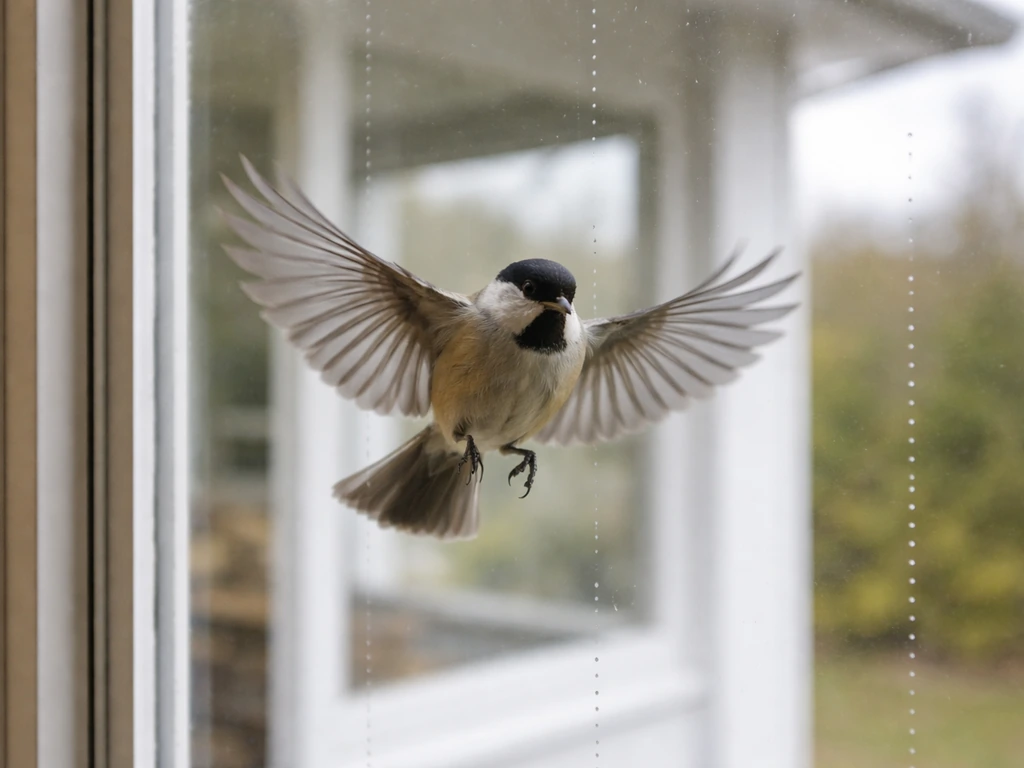
Window strikes are one of the most common causes of beak and head injuries in wild birds. A bird flying at full speed into glass can shatter the beak tip, fracture the bill entirely, or cause brain and neck trauma alongside it. The good news is that window collisions are highly preventable with the right treatments on your glass. The U.
S. Fish and Wildlife Service recommends markers at least one-quarter inch wide, spaced no more than two inches apart vertically and four inches apart horizontally, to make glass visible to birds. If you want to cover hummingbirds too, tighter spacing of around two inches by two inches is more effective. Window films, exterior screens, and angled glass are all options worth considering if you have large windows or frequent strike zones.
Pet interactions and handling
Cat and dog attacks cause a significant share of bird beak injuries, particularly to fledglings and ground-foraging birds. Keeping cats indoors or supervising outdoor time dramatically reduces this risk. For pet bird owners, rough or unsupervised interactions with other household pets are a major hazard. Even a playful swipe from a dog can fracture a parrot's beak. Handle your bird in a safe, calm environment and never allow unsupervised contact with other animals.
Nest and fledgling safety
Fledglings on the ground are often mistaken for injured birds, but many are simply in the normal leave-the-nest phase and their parents are nearby. Unnecessary handling, attempts to feed, or moving them to surfaces they cannot navigate can cause falls and beak trauma. If you are unsure about a young bird on the ground, observe from a distance first. The RSPCA and most wildlife organizations recommend watching before intervening.
A note on neck and head injuries
Because the beak sits at the front of the head and absorbs impact in collisions, beak injuries are sometimes accompanied by head and neck trauma. If you find a bird that survived what looked like a major impact, it is worth knowing that injuries like a bird with a broken neck can look surprisingly similar to beak trauma from the outside. Disorientation, inability to hold the head upright, and falling to one side are all signs that something more serious may be going on. Always mention the full picture when you call for help.
People also sometimes ask whether a bird can break its own neck during a collision or a fall, and the answer is yes, though it is less common than people assume. What matters more practically is that any bird found after a hard impact should be assessed by a professional regardless of which injury appears most visible. And if you are looking at a bird that survived an impact but seems neurologically off, reading up on broken neck injuries in birds can help you understand what you are seeing and communicate it clearly to a rehabilitator.
FAQ
How can I tell if the beak injury is likely just a tip chip or a deeper fracture?
Look for signs of misalignment, bleeding that soaks multiple tissues quickly, missing beak sections, or the bird dropping food. Tip chips often still allow normal picking and grooming, while fractures and exposed tissue usually make swallowing, drinking, and preening harder, even if the bird is upright.
Is it safe to try to tape, bandage, or splint a broken beak at home?
Avoid taping or splinting unless a vet or rehabilitator instructs you. Incorrect placement can increase pain, restrict normal breathing, shift bone fragments, or trap contamination, and birds may also struggle in ways that worsen the fracture.
Should I offer water or food to a wild bird with a broken beak while I wait for help?
Do not offer food or water unless a licensed rehabilitator or avian vet specifically tells you to. Liquid can be aspirated if the bird cannot swallow safely, and some injuries require the bird to fast before treatment.
What if the bird is in my yard and I need to transport it, how do I keep it safe during the trip?
Place the bird in a small, dark, quiet, ventilated container (a paper-lined box works). Keep it warm but not overheated, minimize handling, and do not attempt feeding during transport unless directed by a professional.
Can a bird breathe normally after a beak break, or should I treat breathing trouble as an emergency?
Breathing difficulty is an immediate emergency because it can signal aspiration, head or neck trauma, or swelling. If you see open-mouth breathing, gasping, heavy labored breathing, or persistent mouth drainage, contact an avian professional right away and focus on calm warmth and minimal movement.
What should I tell the rehabilitator or vet when I call, beyond what I see?
Include timing (when you found it and when it likely occurred), suspected cause (cat, window strike, fall), the bird’s behavior (alert vs fluffed and still, responsive vs disoriented), whether it can swallow, and whether there is bleeding from the nares or mouth.
If the bird is still alert and moving, does that mean the injury is not serious?
Not necessarily. Birds often hide pain and may remain upright until they try to feed or drink. A seemingly active bird that drops food, fluffs, or breathes fast still needs assessment, because deeper fractures and nerve damage may not be obvious at first glance.
Is syringe feeding ever appropriate for a bird with a broken beak?
Usually no, especially for wild birds. For pet birds, only syringe feed if your avian vet has shown you the correct technique. Incorrect feeding can cause aspiration pneumonia, which can become life-threatening quickly.
How long will recovery take, and why might the bird seem worse before it improves?
Bone fracture recovery commonly takes several weeks (often around 3 to 6 weeks), but the bird may appear worse temporarily if pain control or stabilization takes time. Once pain is managed and the beak position is stable, appetite and alertness often improve.
When is euthanasia considered, and what does the decision usually depend on?
Professionals may recommend euthanasia if a large portion of the beak is missing, the damage cannot be repaired safely, or the bird’s comfort and ability to eat or function cannot be restored. It depends on severity, species, likelihood of successful fixation, and the bird’s overall condition.
What are common mistakes people make right after a beak injury?
Trying to feed or water a wild bird, using tape or glue, offering syringes without instruction, handling repeatedly for “checking,” and delaying contact with a vet or rehabilitator are the big ones. Even if the beak looks only slightly chipped, deeper injury is possible.
My cat may have injured the bird, does that change how urgent it is?
Yes. Cat bites and puncture wounds greatly increase infection risk because bacteria can be driven deep. Treat it as urgent, keep the bird warm and contained, and do not attempt home cleaning or closure.
I found a baby bird with a beak chip, could it be a fledgling that is not actually injured?
It could be, many fledglings are on the ground during normal development. If it is alert and breathing normally, observe from a distance first, but do not assume. If the beak is bleeding, visibly deformed, or it cannot eat, treat it as injured and call a wildlife rehabilitator.
Next Article
Broken Neck Bird: What to Do Immediately and Next
Step-by-step emergency care for a broken neck bird: safety, danger signs, what not to do, and urgent transport.