Birds almost never break their own necks through self-directed behavior. When you find a bird with a suspected neck or spinal injury, the cause is almost always external trauma: a window strike, a hit from a car, a grab from a cat or dog, a fall from a nest, or being stepped on. That said, what looks like a broken neck is sometimes a serious neurologic injury from spinal cord trauma, a head injury, or even a treatable concussion. blank" rel="noopener noreferrer">MSD Veterinary Manual also notes that avian encephalomyelitis can cause neurologic signs such as ataxia or leg weakness progressing to paresis or paralysis and even recumbency, so not all neck and spine-looking neurologic signs are from vertebral trauma. A broken neck bird is usually the result of outside trauma, so prioritize stabilization and urgent veterinary or wildlife rescue care. Your job right now is not to diagnose it but to keep the bird still, warm, and contained, and get it to a professional as fast as you can.
Can a Bird Break Its Own Neck? First Aid for Injured Wild Birds
Can a bird actually break its own neck?
Technically, yes, but it is extremely rare and almost never the scenario you are dealing with. Self-injurious behavior does exist in captive birds. ScienceDirect Topics (feather-plucking overview) describes feather-damaging, self-directed behaviors in captive birds, showing that self-injury can occur even though it is not the cause of catastrophic self-broken necks. Some species, particularly parrots and other psittacines, can engage in automutilation, which is compulsive self-directed injury sometimes linked to stress, boredom, or underlying illness. However, this type of self-harm typically involves feathers, skin, or soft tissue, not catastrophic spinal fractures. A bird deliberately breaking its own neck simply does not happen in any realistic sense.
What does happen, and often, is that birds sustain severe neck or spinal injuries from the world around them. The cervical and thoracic spine in birds is vulnerable to blunt impact, and the mid-to-lower thoracic region (just cranial to the synsacrum) is especially prone to vertebral fracture and spinal cord trauma when force is applied suddenly. So if you are holding a bird whose head is drooping at a strange angle or whose neck looks wrong, trauma from an outside source is almost certainly the explanation.
What actually causes neck and spinal injuries in birds
In the field, the same handful of causes come up over and over. Knowing what happened, or making your best guess, helps you communicate clearly with a wildlife rehabilitator or avian vet when you call.
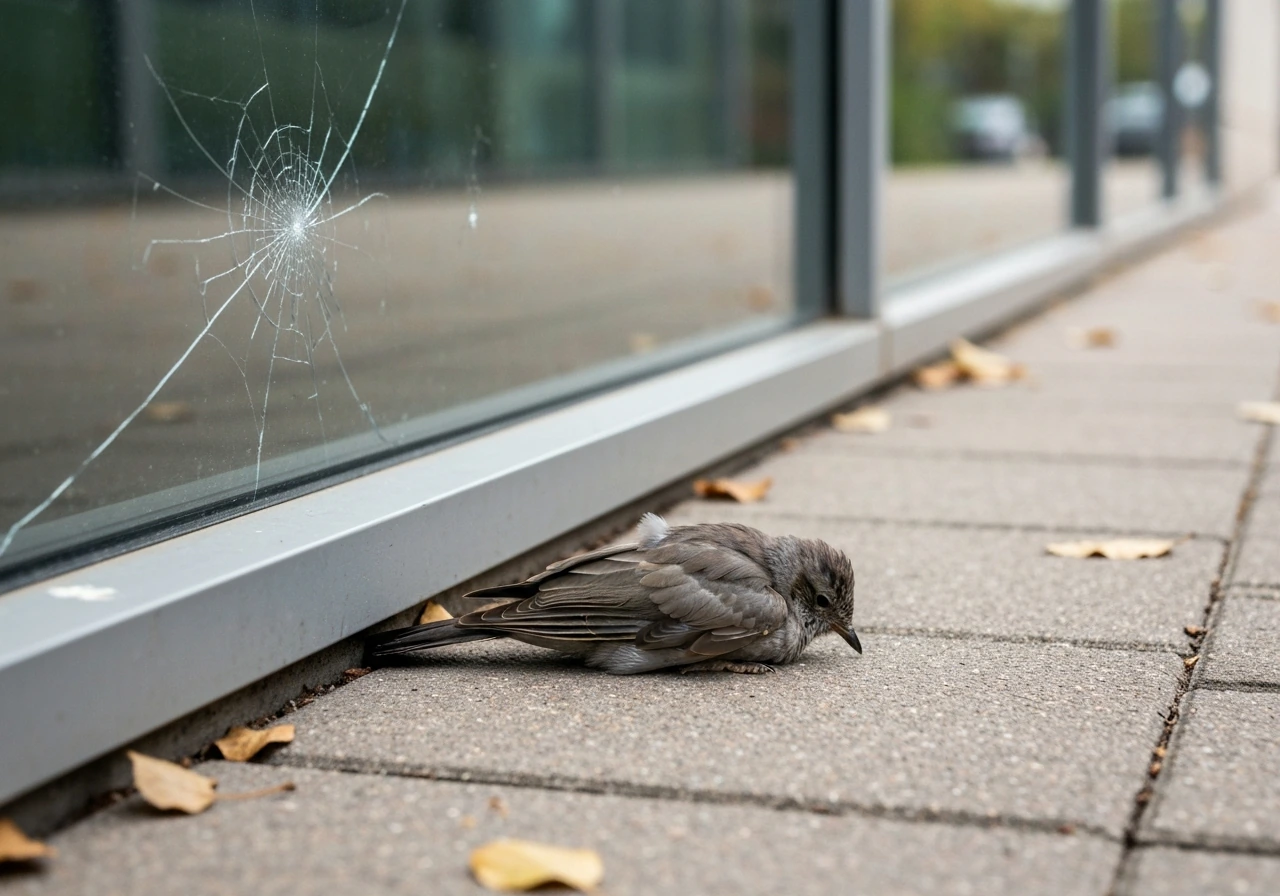
- Window strikes: The bird hits glass at speed, producing blunt trauma to the skull, neck, and spine. Skull and brain injuries are most common, but spinal injuries do occur in harder impacts. These are the most frequent cause of sudden grounded birds.
- Cat and dog attacks: Grabbing, shaking, or being carried in an animal's mouth can fracture vertebrae or cause spinal cord damage even without visible external wounds.
- Vehicle strikes: Birds hit by cars often suffer massive internal trauma including vertebral injury.
- Falls from height: Nestlings that fall from significant height, or adult birds knocked from perches, can land with enough force to cause spinal trauma.
- Entanglement: Birds caught in netting, fishing line, or wire can twist and wrench the neck while struggling to escape.
- Human-caused accidents: Being stepped on, doors closing on a bird, or dropping a bird during handling are common causes in pet bird emergencies.
Signs that point to a neck injury or serious neurologic problem
Here is the tricky part: a bird with a spinal or neck injury may look very similar to one with a head injury, a severe concussion, or a neurologic illness. You probably cannot tell the difference without imaging, and even veterinarians find it difficult because plain X-rays do not always show acute spinal cord damage. What you can do is watch for a cluster of warning signs that all point toward serious neurologic or spinal involvement.
- Head tilt or the head hanging at an abnormal angle
- Inability to stand, perch, or right itself when placed upright
- Leg weakness, paralysis, or one leg dragging while the other works
- Wing droop on one or both sides
- Rolling, spinning, or walking in circles
- Wobbly, staggering movement (ataxia)
- Open-mouth breathing, panting, or tail bobbing (a sign of respiratory distress)
- Complete unresponsiveness or extreme lethargy
- Rapid deterioration even after a few minutes of rest
Keep in mind that birds are wired to hide pain and weakness. A bird sitting quietly in a corner is not necessarily fine. The RSPCA makes this point explicitly: lack of obvious wounds does not rule out a serious injury. If a bird is grounded and cannot fly away after two or more minutes, assume something is wrong and act accordingly. If you are wondering what happens if a bird breaks its beak, remember that serious injuries are also possible from trauma like a window strike.
What to do right now: keep it still, warm, and contained
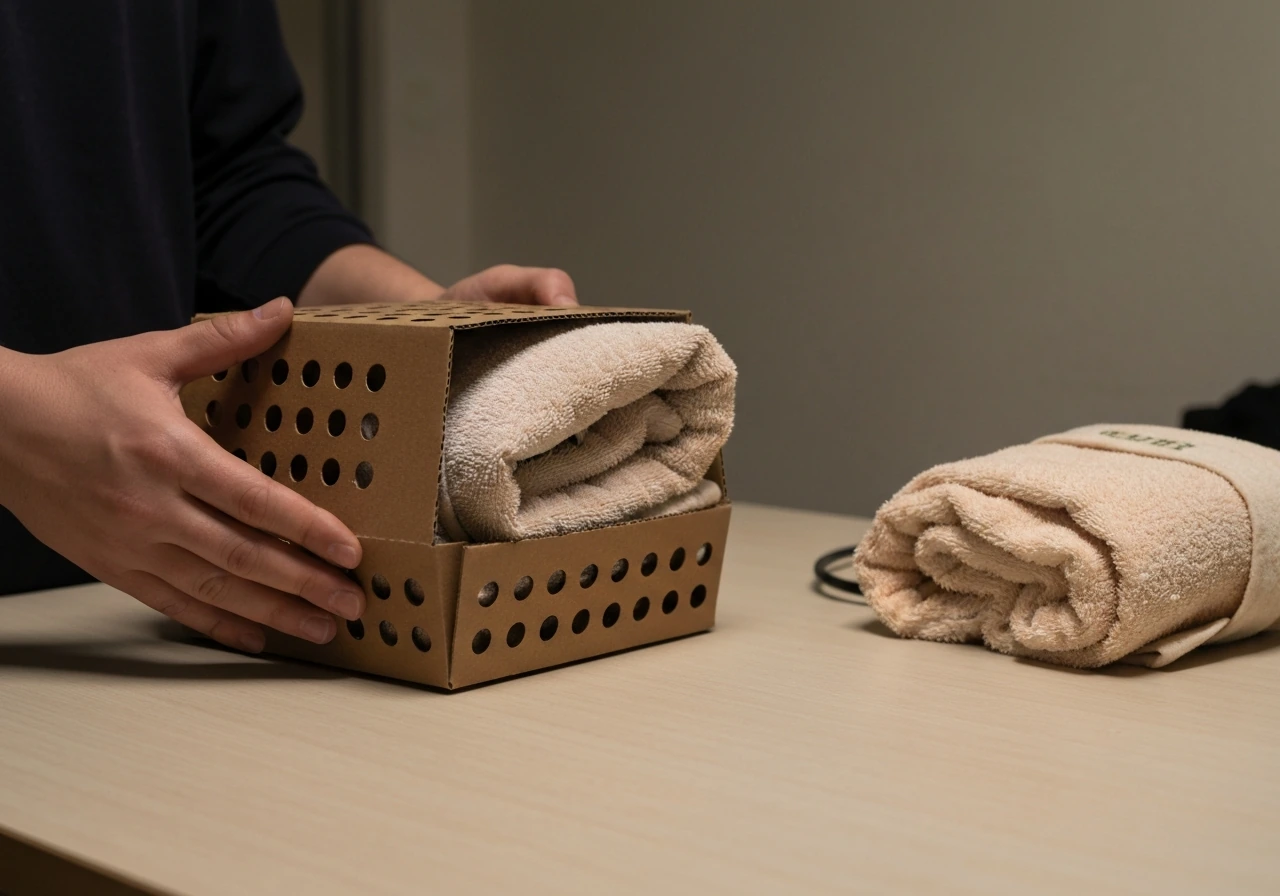
First aid for a bird with a suspected neck or spinal injury has one overriding goal: do not make things worse. That means minimal handling, no sudden movements, and getting the bird into a safe, calm environment as quickly as possible. Here is the practical sequence.
- Approach slowly and quietly. Fast movements spike the bird's stress response and can trigger thrashing, which risks worsening a spinal injury.
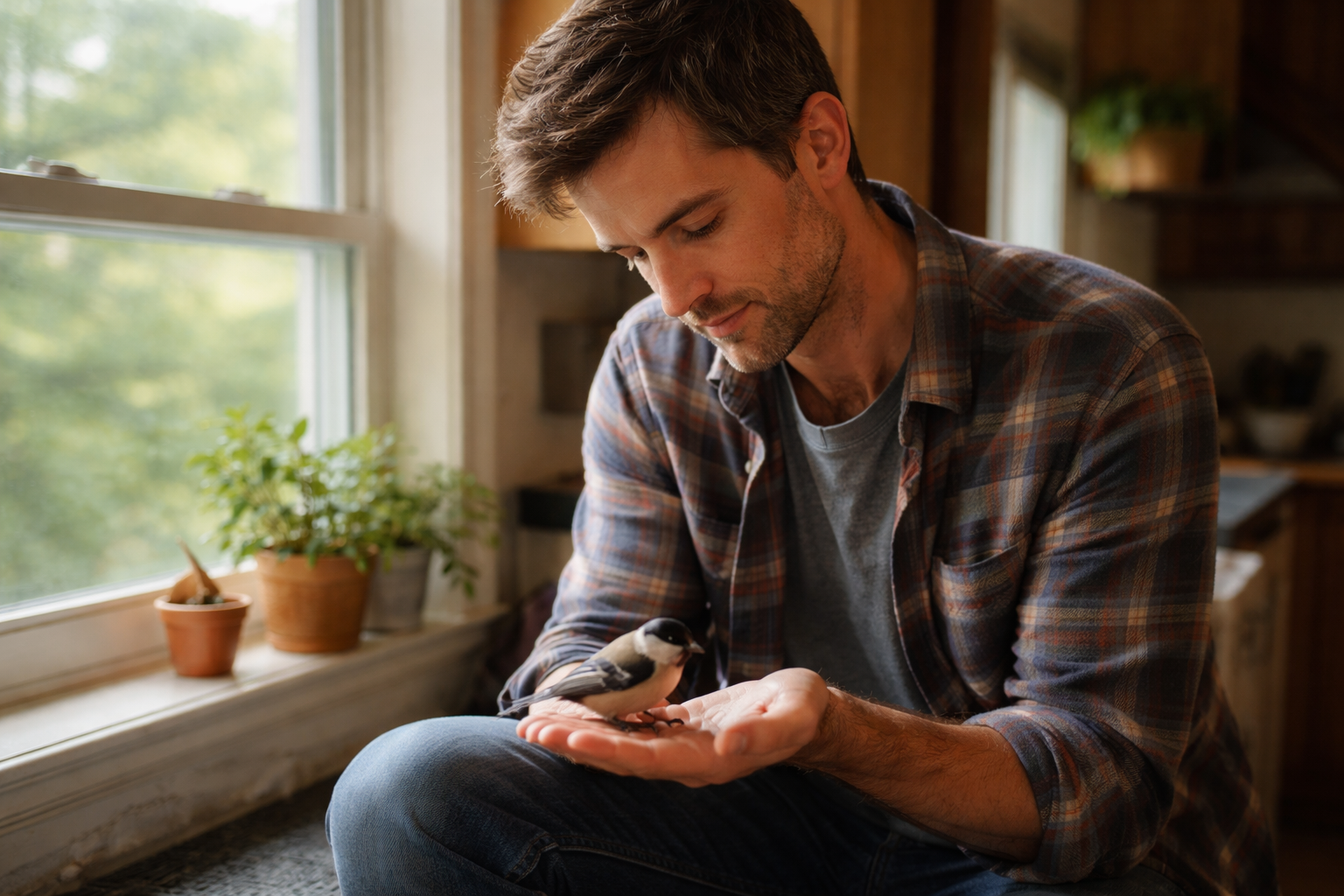
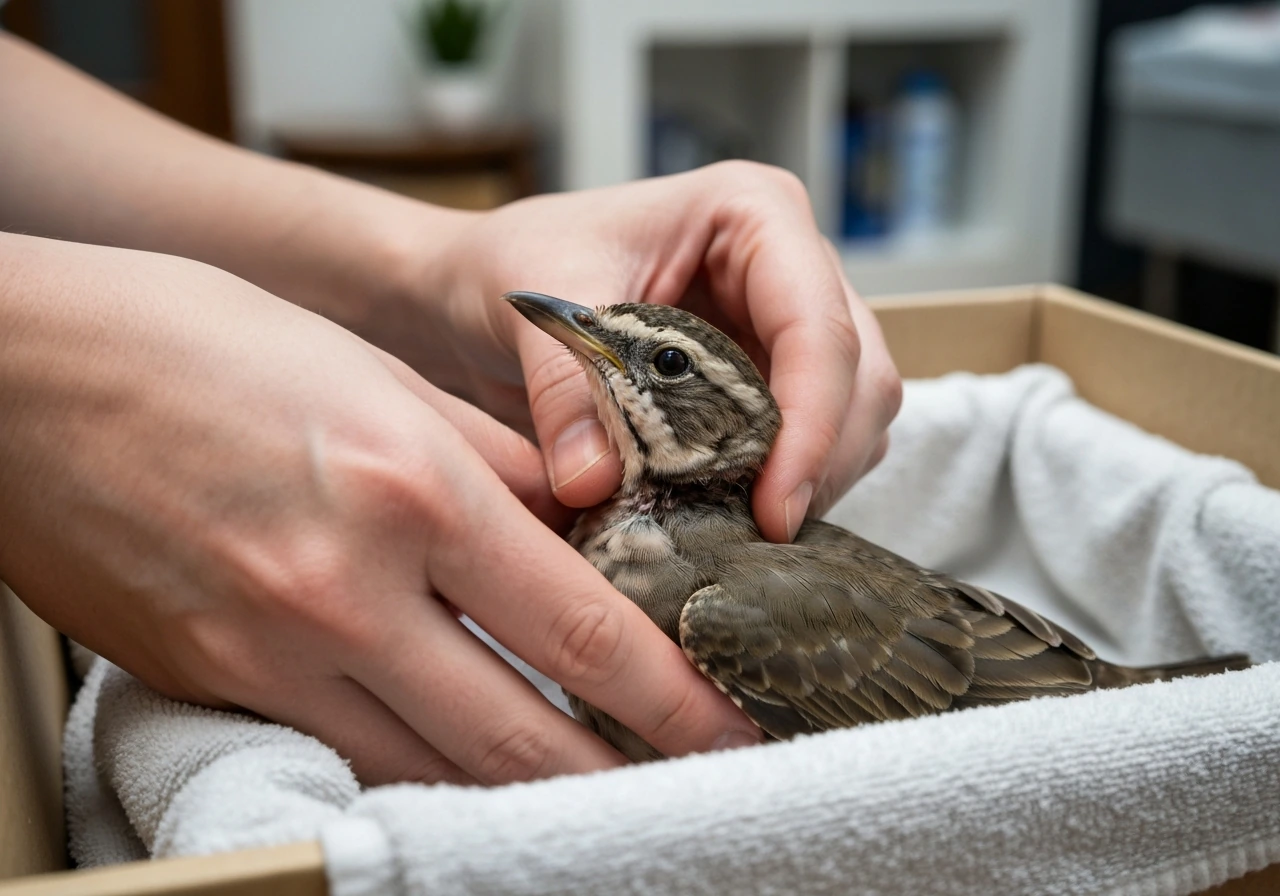
- If you need to pick it up, use both hands cupped gently around its body, wings held lightly against its sides. Do not grip the neck or attempt to reposition the head.
- Place the bird in a cardboard box lined with a plain towel or paper towels. Avoid looped fabrics like terry cloth because talons can catch in the loops.
- Poke several small holes in the box for ventilation, then close the lid. Darkness reduces panic and stress significantly.
- Keep the box warm but not hot. Room temperature around 85 to 90 degrees Fahrenheit is ideal for most injured wild birds. You can place one end of the box on a heating pad set to low so the bird can move toward or away from the heat.
- Put the box in a quiet room away from children, pets, and loud noise. Turn off radios and TVs nearby.
- Do not offer food or water. This is a hard rule. Giving the wrong food can cause further injury or death, and a bird that needs surgery or anesthesia should not have food in its system. Multiple major wildlife organizations, from Tufts to the Wildlife Center of Virginia to Audubon, all state this clearly.
- Call a wildlife rehabilitator or avian vet immediately. Do not wait to see if the bird improves on its own.
One exception worth noting: if the bird hit a window, shows no other signs of injury, and you are watching it for signs of recovery, the U.S. Fish and Wildlife Service recommends opening the box every 15 minutes to see if it can fly away on its own. But if any of the neurologic signs listed above are present, skip the wait-and-see approach entirely and go straight to professional help.
What NOT to do if you think the neck or spine is injured
This list matters as much as the steps above. Well-meaning handling mistakes can turn a survivable injury into a fatal one.
- Do not try to straighten or reposition the neck. Moving a possibly fractured vertebra can severe the spinal cord.
- Do not attempt to splint or immobilize the neck yourself. Avian anatomy is not the same as human anatomy and DIY splinting will almost certainly cause harm.
- Do not give any medication, including over-the-counter pain relievers. Many human and mammal drugs are toxic to birds, including ibuprofen, acetaminophen, and aspirin.
- Do not force feed or drip water into the beak. Aspiration (fluid going into the airway) can kill an already stressed bird rapidly.
- Do not leave the bird in direct sunlight or near a heat source without an escape route from the warmth.
- Do not let children or other pets near the box.
- Do not shake, tap, or repeatedly open the box to check on the bird. Every disturbance adds stress.
- Do not assume that because the bird looks calm it is recovering. Quiet can mean shock.
When to call for help immediately, without waiting
Some situations are clear emergencies that need professional triage right now, not in a few hours. Contact an avian vet or wildlife rescue immediately if you observe any of the following.
- The head is hanging at an abnormal angle or the neck appears visibly deformed
- The bird cannot stand or right itself at all
- One or both legs are completely unresponsive
- The bird is breathing with its mouth open, panting, or bobbing its tail for more than a few minutes
- Active bleeding that is not stopping
- The bird was grabbed by a cat: cat saliva contains bacteria that cause fatal sepsis in birds within hours even when wounds look minor
- Rapid deterioration or loss of consciousness
- The bird is unresponsive to gentle touch
Even in cases that seem less urgent, professional evaluation matters. Scottish SPCA notes honestly that for birds with severe neurologic or spinal damage, euthanasia may be the kindest outcome, and that determination needs to come from a trained professional after proper assessment, not from a guess made at the scene.
How to find a wildlife rehabilitator or avian vet fast
In the U.S., your fastest options are to search the National Wildlife Rehabilitators Association directory (nwrawildlife.org), the Wildlife Center of Virginia's online finder tools, or simply search 'wildlife rehabilitator near me' along with your city or county. State wildlife agencies, like Virginia DWR, also maintain permitted rehabilitator lists online. For pet birds or if a wildlife rehabber is unavailable, search for an avian veterinarian through the Association of Avian Veterinarians directory at aav.org. The Wildlife Center of Virginia has staff available seven days a week during business hours for public guidance calls. If you are outside the U.S., contact your local RSPCA, SPCA, or national wildlife authority directly.
How to transport the bird safely
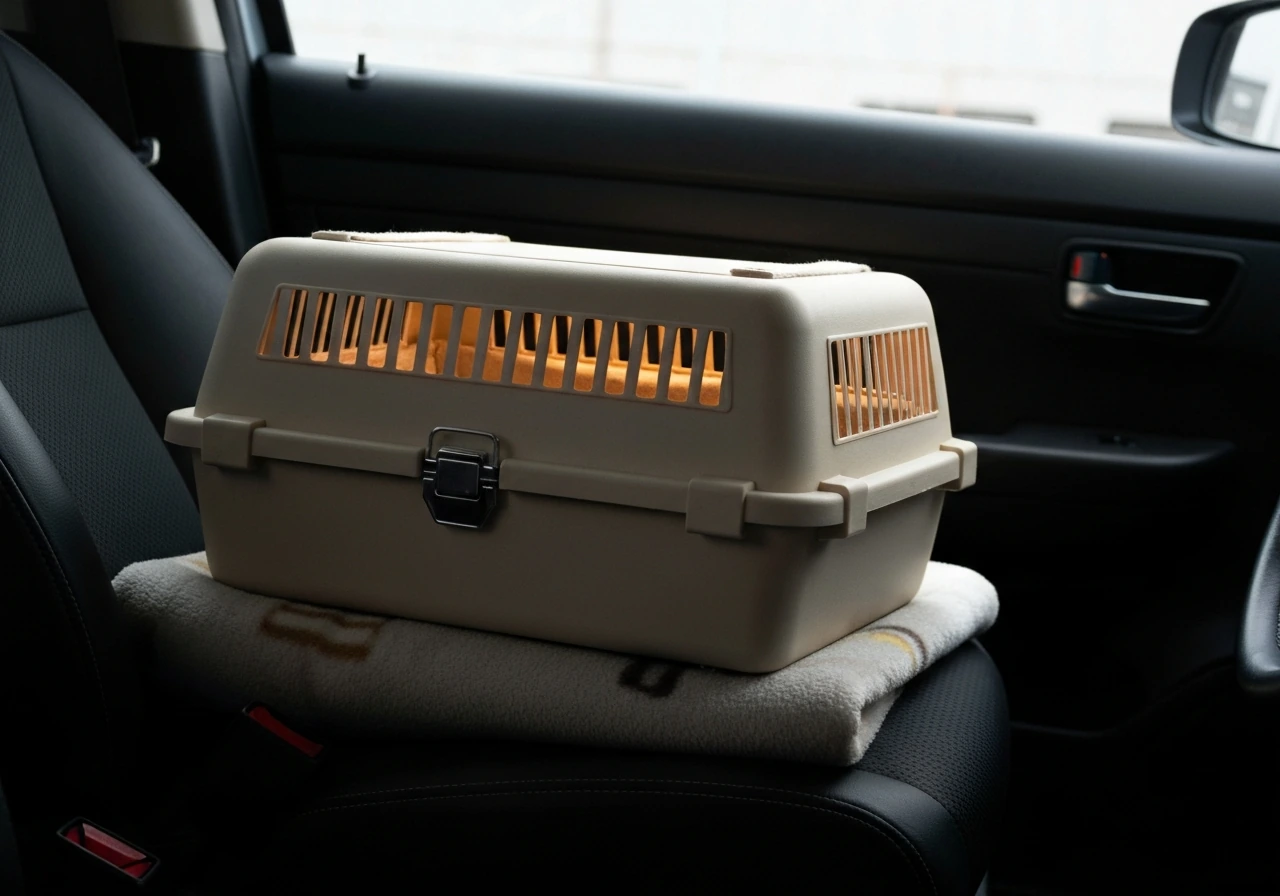
Transport is a moment when well-intentioned people often cause additional harm through handling or jostling. Once the bird is in its box, keep the box level and stable. Put it on the car seat rather than the trunk or cargo area, and secure it so it cannot slide or tip. Keep the car as quiet as possible: radio off, conversation low. Avoid hard stops and sharp turns. Do not open the box during transport to check on the bird.
If you have a longer drive, the box itself provides the warmth and darkness the bird needs. You do not need to add heat during a short transport unless the weather is cold, in which case running the car heater to maintain a comfortable cabin temperature is enough. Resist the urge to peek. The less the bird is disturbed between now and when it reaches professional care, the better its chances.
A note on alert but injured birds
Sometimes the bird you find is clearly awake, responsive, and even trying to move away from you, but something is obviously wrong with the neck or posture. If you are also seeing signs like mouth or beak trauma, such as a bird beak broken, treat it as part of the overall injury picture and get professional help right away. An alert bird is not a safe bird in this context. Alertness does not rule out vertebral fracture or spinal cord injury. It means the bird is still fighting, which is good, but it also means the bird will struggle more during handling, which increases risk. Stay calm, move slowly, contain it quickly, and get it to a professional. The related topics of what a bird with a broken neck looks like and what the range of possible outcomes can be are covered more fully in companion articles on this site, but the first-aid priorities are the same regardless of the severity.
The bottom line is simple: if a bird appears to have a neck or spinal injury, you almost certainly did not cause it, the bird almost certainly did not cause it either, and your role is stabilization and handoff. Keep it still, keep it dark, keep it warm, skip the food and water, and call a professional immediately. That is the best thing you can do.
FAQ
If I suspect a bird has a broken neck, should I gently straighten its head or neck?
Do not try to straighten, massage, or “set” a bird’s neck. If the head is drooping or twisted, assume a possible spine injury and move the bird only as much as needed to place it into the transport box level and stable. Straightening can worsen spinal cord damage even if the bird seems alert afterward.
When can I wait a little to see if a window-strike bird recovers on its own?
Wait-and-see can be unsafe when neurologic or spinal signs are present. The only time delayed checking is reasonable is when the bird hit a window, shows no other injury signs, and you are actively watching for clear improvement. If it is grounded, has abnormal posture, seems unable to coordinate, or shows weakness, skip the waiting approach and contact a professional.
What if the bird looks mostly uninjured, but it will not fly after a couple minutes?
If the bird cannot fly after two or more minutes, treat it as an emergency even if you do not see obvious bleeding or a visible wound. Birds hide illness and pain, so lack of external trauma does not reliably rule out spinal cord injury.
Should I offer food or water to a bird with suspected neck or spinal injury?
Do not give food, water, or medications. With suspected neck or neurologic injury, the bird may have impaired swallowing or coordination, and giving anything can increase choking and aspiration risk. Focus on warmth, quiet, darkness, and rapid professional care.
How do professionals decide whether a severely injured bird should be euthanized?
Euthanasia decisions should be made by a veterinarian or qualified wildlife professional after assessment. If the bird has severe neurologic or spinal damage, humane outcomes may be appropriate, but a roadside decision is often inaccurate because imaging and full neurologic evaluation are not available on scene.
What are the most common handling mistakes that worsen neck or spinal injuries?
One of the most common mistakes is handling the bird repeatedly to “check progress.” Once you have contained it, minimize disturbance, keep the box dark and still, and avoid opening the box until it reaches care. Frequent peeking and repositioning can add jostling and increase risk.
If the bird is still moving around, is it safe to keep trying to catch it?
If the bird is within immediate reach of a hazard, you can quickly contain it, but avoid catching it multiple times. Use a towel or box approach to minimize struggle, then get it into a secure transport container. If it is safe to do so, prioritize reducing environmental risk over prolonged interaction.
What is the safest way to transport a bird with suspected neck or spinal trauma?
For transport, keep the box level, secure it so it cannot tip or slide, and place it on the seat instead of the trunk or cargo area. Keep the ride calm, avoid sharp turns and hard stops, and do not open the box during the drive.
Should I add a heat source if the weather is cold?
If the bird is cold, you may use the vehicle’s cabin warmth rather than adding direct heat to the box, because overheating or hot spots can happen quickly. The goal is comfortable warmth with minimal disturbance during a short transport.
How can I tell the difference between a head injury and a spinal injury in the moment?
Yes, because signs can overlap. A bird can look like it has a head injury or concussion and still have spinal cord trauma that cannot be ruled out without imaging. Treat abnormal posture, weakness, and coordination problems as part of a single serious injury risk and seek professional evaluation.