If you're staring at a bird with a damaged beak right now, here's the short answer: keep the bird warm, dark, and quiet in a covered box, don't try to feed or water it, and call a wildlife rehabilitator or avian vet as soon as possible. A broken beak is a genuine medical emergency. Birds can't eat, drink, or preen properly with a broken beak, and the injury is almost always more serious than it looks. The steps below will walk you through everything from assessing severity to what happens once the bird gets into professional hands.
Bird Beak Broken: First Aid Steps and When to Call a Vet
Marcus Chen
4 Apr 2026
How to tell if the beak is actually broken (and how bad it is)
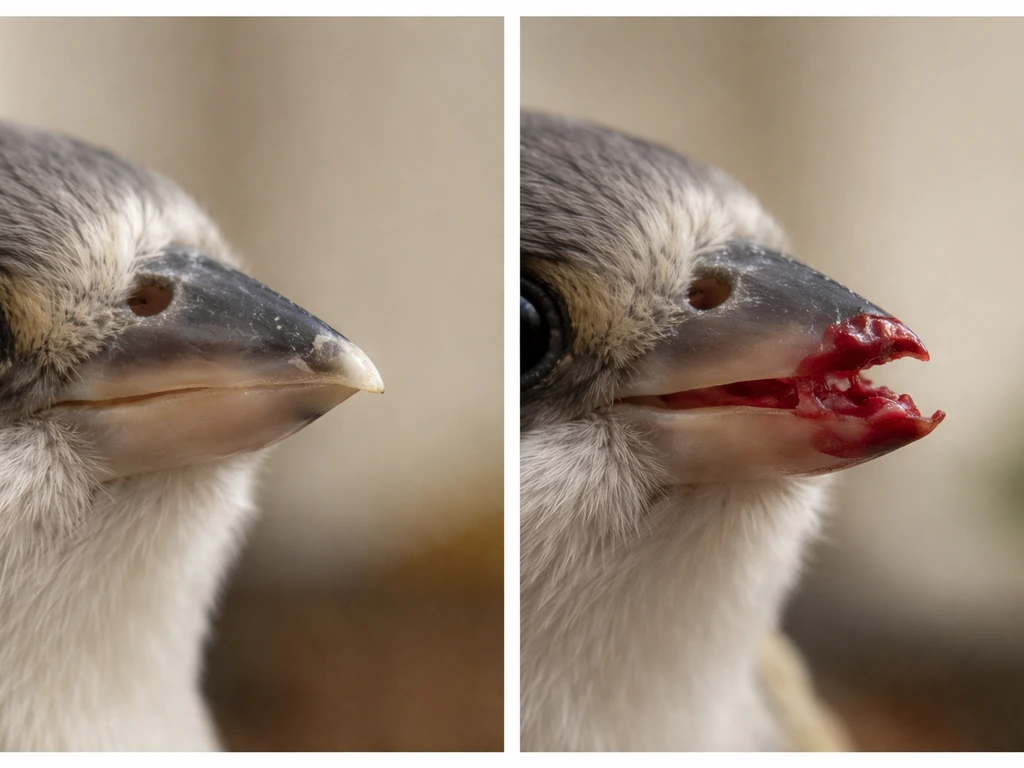
A minor chip or scrape on the tip of the beak looks dramatic but isn't always an emergency. A genuine break is a different situation entirely. The clearest signs of a serious beak fracture are misalignment, bleeding that won't stop, swelling around the face or jaw, and visible missing pieces. If you look at the bird head-on and the upper and lower beak don't line up properly when the mouth closes, that's a red flag. Sometimes the beak deviates to one side like scissors, or the upper beak tip rests inside (rather than over) the lower beak. These misalignments suggest the bone structure itself has been disrupted, not just the surface keratin.
Fresh injuries will usually show active bleeding, and the area may look raw or swollen. Older injuries that happened hours or days ago may already be drying and crusting over, and the bird may seem less acutely painful, but that doesn't mean the situation is minor. A fracture that's had time to start healing in the wrong position can cause long-term eating problems just as serious as an acute break. If you're unsure what happens if a bird breaks its beak and the injury is left untreated, the short version is: the bird eventually can't feed itself and declines rapidly.
Here's a quick way to mentally triage severity:
| What you see | Likely severity | What to do |
|---|---|---|
| Small chip at beak tip, no bleeding, bird alert and active | Minor | Monitor closely, call a vet for advice |
| Crack with bleeding, beak slightly misaligned, bird quiet but responsive | Moderate | Apply gentle pressure, call wildlife rehab/vet now |
| Large section missing, heavy bleeding, beak severely misaligned, bird weak or unresponsive | Severe | Treat as emergency, call immediately and transport |
| Bone visible, bird unable to close mouth, breathing sounds labored | Critical | Call emergency wildlife line right now, transport without delay |
Immediate first aid: what to do in the first few minutes
Before you do anything else, protect yourself. Even small birds can bite hard out of fear and pain, and a panicked bird can injure itself further while struggling. Use a light towel or cloth to gently pick the bird up, keeping your hands as still and firm as possible. Minimize handling time. The goal right now isn't to fix anything, it's to stop active harm and get the bird into a safe container.
If the beak is actively bleeding, apply very gentle direct pressure using a clean, soft cloth or a folded piece of gauze. Don't press hard or poke at the wound. Hold light pressure for one to two minutes. If bleeding is heavy and not slowing, keep the pressure on and get moving toward professional help immediately. You can gently clean dried blood or debris from around the beak and feathers with a moistened soft tissue or cotton swab, but only if the bird is calm and it won't cause further stress or movement of the injured area. Don't attempt to realign or push any broken piece back into place. You will make it worse.
Do not apply any topical treatments, antiseptics, or adhesives to the beak unless an avian vet has specifically told you to. And never try to splint or tape the beak yourself. The beak is a complex structure, and improvised fixation almost always causes more damage.
Getting the bird safe, warm, and calm while you arrange help
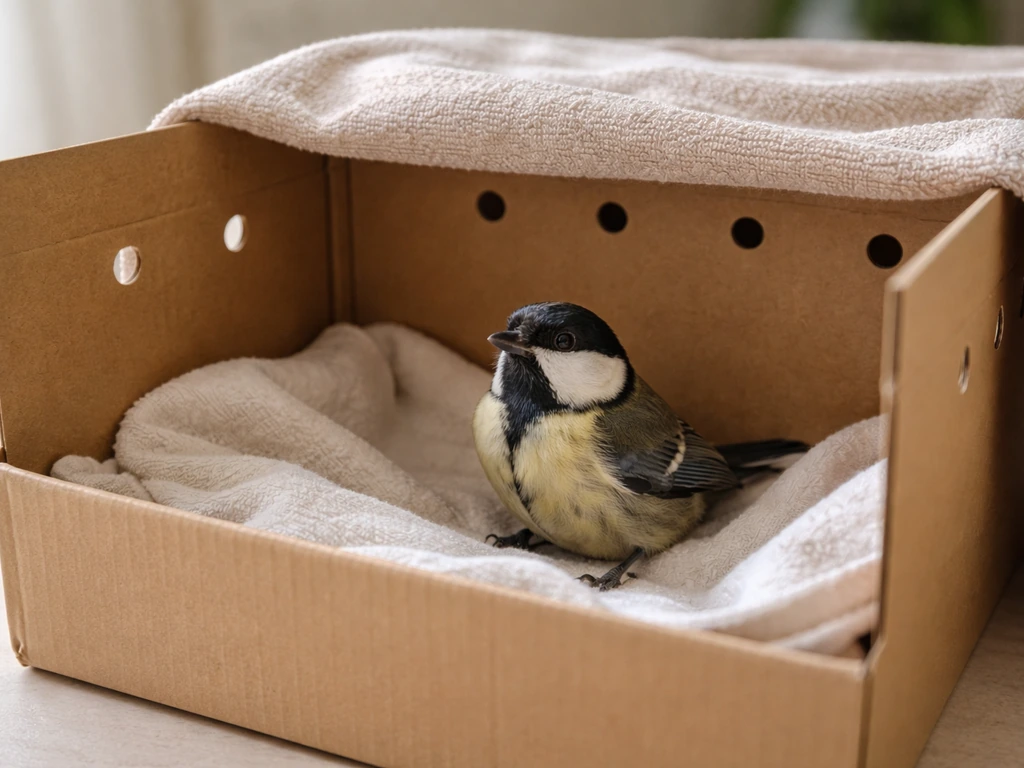
Once you've dealt with any active bleeding, the next job is containment. Find a cardboard box or a plastic tub with a lid. Punch or cut a few small air holes in the sides (not the top, which you'll be covering). Line the bottom with a soft cloth or paper towels. Place the bird inside gently and put the lid on. Darkness genuinely calms injured birds, it reduces stress hormones and helps prevent the bird from injuring itself further by thrashing around. This is one of the most important things you can do.
If the bird feels cold to the touch or is shivering, add gentle warmth. Fill a water bottle with warm (not hot) water, wrap it in a towel, and place it against one side of the box so the bird can move away from it if needed. Never put the heat source directly against the bird. Overheating is a real risk. Keep the box somewhere quiet, away from pets, children, loud noises, and direct sunlight. A bathroom or laundry room with the door closed works well. This "heat, dark, and quiet" combination gives the bird the best chance while you make calls.
While the bird rests, this is a good moment to understand the bigger picture. Beak injuries sometimes happen alongside other trauma. If the bird was found after a window strike or a pet attack, there may be internal injuries, a concussion, or spinal damage you can't see. Understanding how to recognize combined injuries, including signs like a limp neck or inability to right itself (which you can read more about in our guide on bird with broken neck injuries), can help you give the rescue team better information when you call.
Feeding and water: what not to do (and what you can do)
This is the part where most well-meaning people accidentally cause serious harm. Do not give the bird food or water. I know that sounds counterintuitive when you're looking at a distressed creature, but it's critical. Even if the bird appears to be begging, even if it's been hours since the injury, do not attempt to feed or water it without direct instruction from a wildlife professional. The reason is aspiration: fluids and food particles can easily enter the airway of an injured or shocked bird, and that can be fatal. One wildlife rescue group puts it plainly: "Do not give ANY food or water, even if the bird is begging."
Beyond the aspiration risk, a bird with a broken beak physically cannot eat or drink safely. The mechanics just aren't there. Force-feeding won't help, and attempting it could wedge food into the airway or push the fractured beak further out of alignment. The only exception is if a licensed wildlife rehabilitator or avian vet has assessed the situation and given you specific instructions, perhaps for a bird that will be in transit for many hours. In that scenario, follow their guidance exactly.
Once the bird is in professional care, feeding approaches will depend on the injury. Birds with partial beak damage sometimes learn to compensate with soft, moistened foods offered at a specific angle. Birds that are missing a significant section of beak may require hand-feeding for weeks to months while they adapt, and in some cases, a prosthetic or surgical solution changes the long-term picture. But that's for the vet to figure out, not you, right now.
Red flags that mean you need help urgently
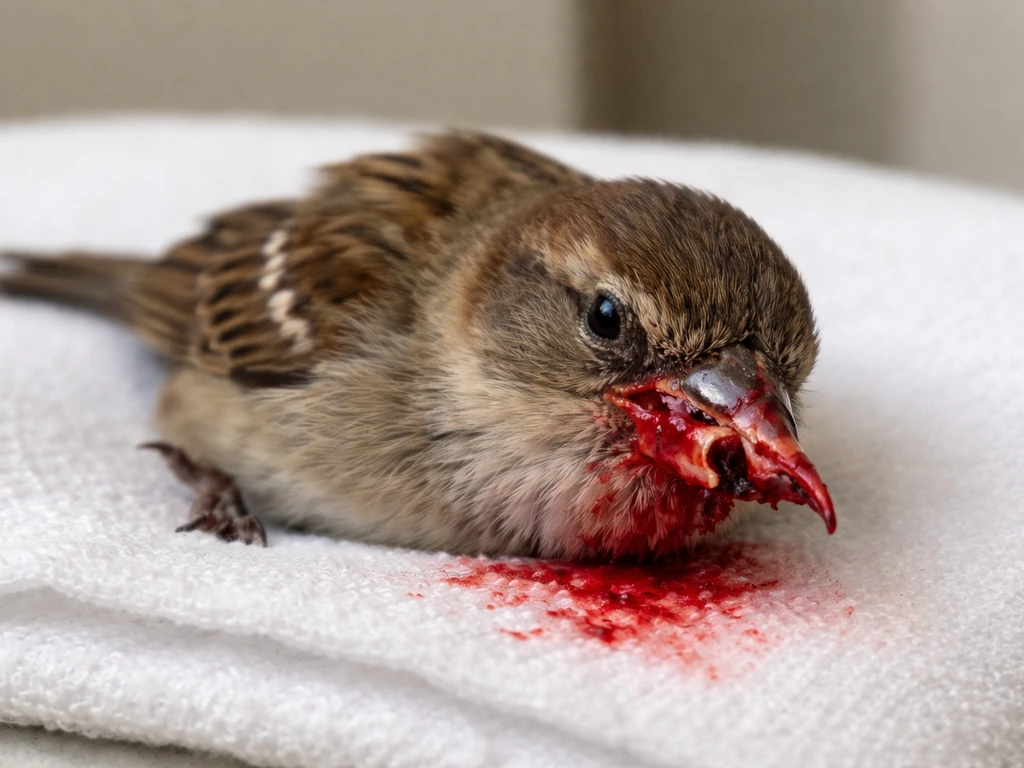
Any beak injury should prompt a call to a wildlife rehabilitator or avian vet. But these specific signs mean you treat it as an emergency and move fast:
- Heavy bleeding that won't slow with gentle pressure after two to three minutes
- Visible bone protruding from the beak or face
- The bird cannot close its mouth at all
- Labored, noisy, or open-mouthed breathing (this suggests the airway may be affected)
- The bird is unable to swallow or is making choking sounds
- Severe swelling around the face, jaw, or eye area
- The bird is limp, unconscious, or completely unresponsive to touch
- The injury came from a cat or dog attack (even a "small" bite puncture can cause hidden internal trauma and introduce dangerous bacteria)
- The bird struck a window at speed and you notice beak damage alongside inability to stand or hold its head up
Window collisions and cat attacks are the two scenarios I'd flag most urgently. Both cause trauma that goes far beyond what you can see on the surface. If you've got a bird that hit a window and has beak damage, assume there's also head trauma. If a cat got to it, assume infection risk and possible internal puncture wounds. These birds need professional hands immediately.
If you're dealing with what looks like combined trauma affecting the bird's head and neck, it helps to know what you're looking at. Our articles on broken neck bird injuries and can a bird break its own neck cover those scenarios in more detail, including how to distinguish neurological symptoms from simple disorientation.
To find help, search for "wildlife rehabilitator near me" or "avian vet near me." In the US, the National Wildlife Rehabilitators Association and the Wildlife Center directory are good starting points. NWRA (National Wildlife Rehabilitators Association) also provides an “I’ve Found an Injured Animal!” contact finder to locate the nearest wildlife rehabilitators or wildlife centers. Many areas also have dedicated bird rescue hotlines. When you call, describe what you see: the species if you know it, how the injury likely happened, what the beak looks like, and the bird's current behavior. That information helps the rescuer prioritize your call and give you accurate guidance.
What happens once the bird is in professional care
When the bird reaches a wildlife rehabilitator or avian vet, the first priority is stabilization. Before anyone touches the beak, the team will assess the bird's overall condition: breathing, heart rate, signs of shock, body temperature, and hydration. A bird in shock gets warmth, quiet, and sometimes fluids administered under the skin before any beak work begins. This is called supportive care, and it often determines whether the bird survives the next few hours regardless of how the beak ultimately gets treated.
Once the bird is stable, the beak injury gets a proper assessment. This typically includes a close physical examination and, for more serious fractures, imaging to see what's happening with the underlying bone. Beak fractures can involve the maxilla (upper beak), the mandible (lower beak), or both, and the approach to treatment depends on which structure is affected and how much bone is intact.
Treatment options the vet may use
For minor fractures or chips where the bone alignment is still basically intact, treatment may be as straightforward as cleaning the wound, managing pain, and allowing healing with close monitoring. For more significant fractures with misalignment, the vet may use dental acrylic, wire, or other materials to stabilize the beak in the correct position while healing occurs. In severe cases, particularly mandibular fractures in larger birds, surgical repair using plates and screws is sometimes performed, similar to how jaw fractures are managed in other animals. If the injury involves an open fracture (bone exposed to air), antibiotics will almost certainly be part of the treatment to prevent infection.
Pain management is a standard part of beak injury treatment. Birds mask pain instinctively because showing weakness in the wild is dangerous, but that doesn't mean they aren't hurting. A good avian vet will address this early.
Recovery: what to realistically expect
Recovery timelines vary a lot depending on severity. A minor chip with good bone integrity might heal in a few weeks with supportive care. A significant fracture that required stabilization may take one to three months before the bird can feed independently again. Birds missing a substantial portion of the beak face the longest road: some adapt remarkably well over time with hand-feeding support and modified food presentation, while others may require ongoing care or, in wildlife cases, may not be releasable. That's a hard reality, but it's also why getting the bird into care quickly matters so much. Earlier intervention usually means better outcomes.
If you're dealing with a pet bird rather than a wild one, the calculus is a little different. Your avian vet becomes the ongoing point of contact for recovery, feeding modifications, and follow-up. If you've found yourself in the broader situation where your bird is broken in multiple ways from a single incident, make sure you describe every symptom you've noticed to the vet, not just the beak, so nothing gets missed in triage.
The bottom line is this: you can't fix a broken beak at home, and you shouldn't try. What you can do, and what genuinely makes a difference, is keep the bird calm, warm, and safe in those critical first minutes and hours, avoid the common mistake of trying to feed it, and get it to professional help as fast as you can. That combination gives the bird the best possible shot at recovery.
FAQ
Can I use gauze or a bandage to hold a bird beak broken area together until I get help?
No. Even a gentle wrap or splint can shift fractured keratin and bone, increase swelling, and worsen misalignment. Stick to light direct pressure only if there is active bleeding, then use only containment (box/tub) plus warmth if needed while you contact a wildlife rehabilitator or avian vet.
If the bird stopped bleeding, does that mean the bird beak broken injury is minor?
Not necessarily. Bleeding may stop because pressure and clotting changed, but a fracture can still be misaligned, still cause pain, and still lead to long-term inability to eat. If the beak is visibly crooked, missing pieces, or the upper and lower beak do not meet properly, treat it as serious.
Is it ever okay to give water to a bird beak broken after it seems calm?
In general, no. Injured and stressed birds are high aspiration risk, even if they appear steady. Only give fluids if an avian vet or licensed rehabilitator has specifically instructed you, often as part of a longer transport plan.
What should I do if the beak broken injury involves a missing piece but the bird is still chirping?
Chirping does not mean the bird can eat or drink. Missing sections usually require professional assessment and may need specialized feeding methods. Keep the bird dark, quiet, and warm if cold, do not handle more than necessary, and call as soon as possible.
The bird beak broken looks like a chip on the tip, can I monitor it at home for a day?
You can watch briefly only while arranging help, but you should still contact a professional if there is any misalignment, ongoing swelling, crusting with obvious injury, or trouble using the beak. Birds can decline quickly if they cannot feed or preen normally, and fractures that start healing incorrectly can cause ongoing eating problems.
How long can I wait before calling a wildlife rehabilitator if the bird beak broken seems stable?
Call immediately or within the next hour, especially if the injury is from a window strike, cat attack, or you see crooked alignment. Delays increase stress, dehydration risk, and the chance that associated head trauma worsens.
What can I safely clean on a bird with a beak broken injury?
You can remove loose dried blood or debris around the beak and nearby feathers with a moistened soft tissue or cotton swab if the bird is calm and you are not moving the injured beak. Do not scrub, irrigate forcefully, or clean deep into the wound.
Should I check the bird beak broken from the inside of the mouth to see if it’s cracked?
Do not probe or insert anything into the mouth. Gentle observation from the outside is enough to look for alignment problems and missing pieces. Probing can cause pain, bleeding, and additional displacement.
How should I provide warmth if the bird beak broken bird is cold, but I’m afraid of overheating it?
Use a warm (not hot) water bottle wrapped in a towel, place it against one side of the box, and ensure the bird can move away. Avoid direct contact with the bird and check frequently, if the area feels hot to your hand, it is too hot.
If I’m transporting a bird with a beak broken injury, should the box be in the car seat or on the floor?
Place the covered box where it will not be jostled, avoid direct sunlight, and keep noise and vibration low. A steadier position reduces thrashing and prevents further impacts to the injured beak.
What information should I tell the vet or rehabilitator about a bird beak broken injury?
Include the likely cause (window strike, cat or other predator, fall), the bird type if known, what you see (bleeding, crooked alignment, missing pieces), behavior (alert versus lethargic), and how long it has been since you found it. This helps them triage for shock, head trauma, and aspiration risk sooner.
Can a bird with a beak broken injury survive if treatment is delayed by a few hours?
Sometimes, but survival depends heavily on whether the bird is in shock, overheated or chilled, and whether it can protect its airway. If it is not eating or drinking, dehydration and aspiration risk rise quickly, so earlier care generally improves outcomes.
Next Articles
Bird With Broken Neck Help: What to Do Today
Step-by-step help for a bird with broken neck: assess signs, give safe first aid today, and know when to call.
Can a Bird Live With One Wing? Survival and First Aid
Can a bird live with one wing? Injury outcomes and step-by-step first aid, plus when to get urgent help.
Can a Bird Survive With One Eye? What to Do Now
Learn if birds can cope with one eye and what to do now for an injured bird’s eye safely and urgently.