Stop, and do not pull the bird. That is the single most important thing right now. Pulling a bird off a glue trap can tear out feathers, break bones, dislocate joints, and cause injuries far worse than the trap itself. Take a breath, get your supplies ready, and follow these steps. You can get the bird free, but it has to be done slowly and carefully. If you are dealing with a big bird stuck on a glue trap, follow the same calm, slow removal steps to protect it from further injury.
My Bird Got Stuck in a Glue Trap: Emergency Steps
Marcus Chen
3 May 2026
First things first: keep calm and do not make it worse
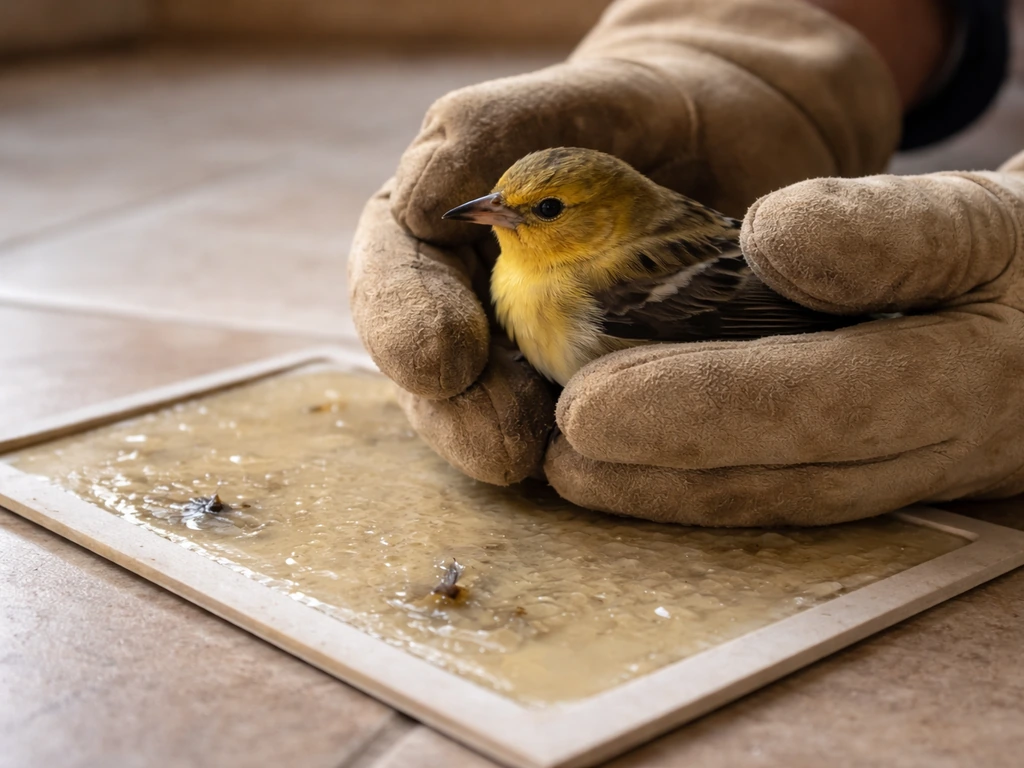
Birds go into shock easily, especially when they are scared and exhausted from struggling. The moment you find your bird on a glue trap, resist the urge to immediately yank it free. That instinct is understandable, but it causes serious harm. Here is what to do in the first few minutes.
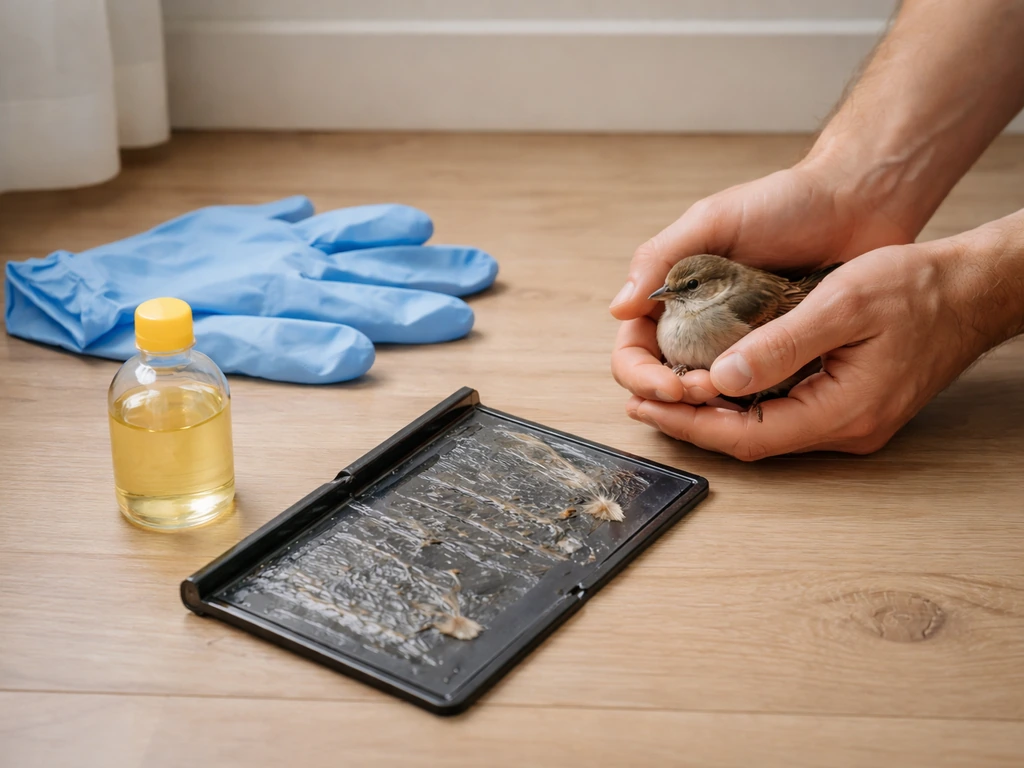
- Put on thick gloves before you touch anything. The glue is extremely sticky and you do not want your hands getting stuck too, which would frighten the bird more and make removal harder.
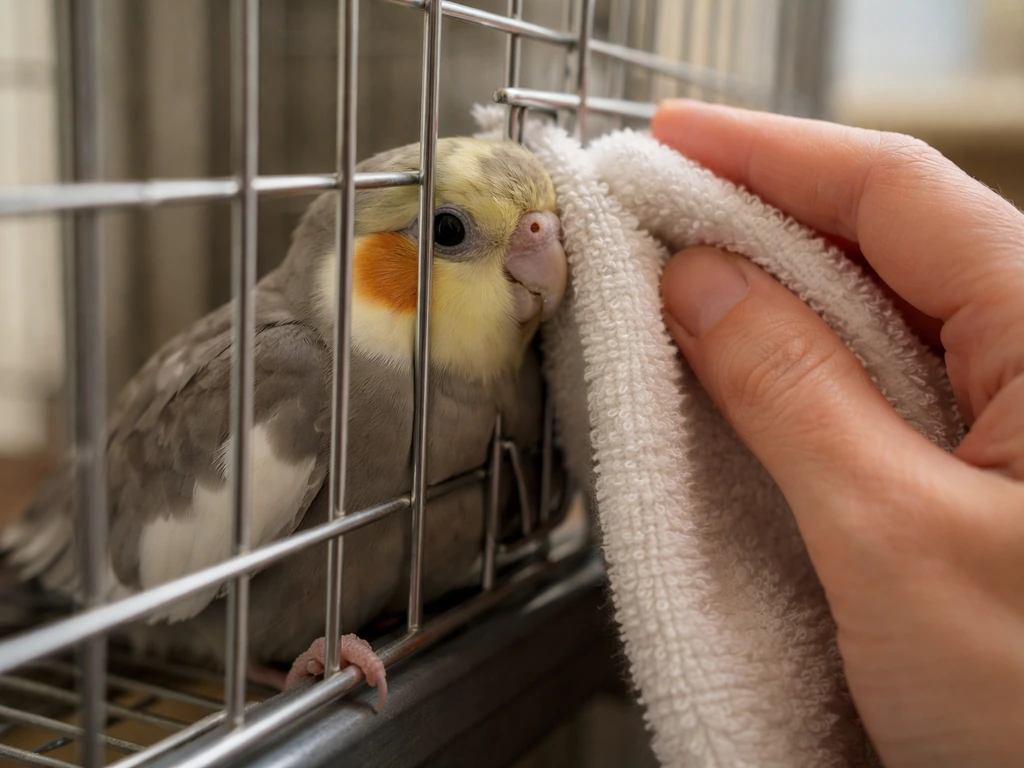
- Cover the bird loosely with a thin cloth or towel, leaving the head uncovered so it can breathe. Darkness helps calm birds almost immediately.
- Move slowly and speak quietly. Avoid sudden movements, bright lights, loud noises, or letting other pets into the room.
- Place a piece of tissue paper or newspaper over any exposed glue on the trap that is not under the bird. This stops the bird from shifting and getting more body parts stuck while you prepare.
- Do not give the bird food or water yet. A bird in shock or stress can aspirate liquid, which is dangerous. Wait until it is calmer and you have assessed its condition.
If the bird is still thrashing or panicking hard, drape the towel over it and give it two to three minutes to settle before you attempt anything. A calmer bird is much easier and safer to free.
How to safely remove a bird from a glue trap
Oil is your best tool here. Cooking oil, vegetable oil, olive oil, or mineral oil all work to break the adhesive bond between the glue and the bird's feathers, feet, or skin. Do not use paint thinner, acetone, WD-40, rubbing alcohol, or any harsh chemical solvent. These are irritating and damaging to a bird's delicate skin and should never be used.
Here is the removal process, step by step:
- Keep the bird on the trap while you work. Do not try to lift the bird away from the trap until each stuck area is fully free.
- Using your fingers or a soft cloth, apply a small amount of cooking oil or mineral oil directly to the area where the bird is stuck, right at the point of contact between feather or skin and the glue.
- Gently work the oil into the adhesive with your fingertip. You are trying to lubricate the bond, not scrub it. Be patient — this takes time.
- Once you feel the adhesive beginning to loosen, very slowly and gently ease that feather or foot away from the trap. Work one small section at a time. If a foot is stuck, gently wiggle each toe free individually before trying to lift the whole foot.
- As you free each section, place a piece of tissue paper over the exposed glue on the trap to prevent the bird from re-sticking while you work on another area.
- Continue applying oil and gently working each stuck point free until the bird is completely off the trap.
- Once free, wrap the bird loosely in a clean dry towel to keep it warm. Do not squeeze. Warmth helps prevent shock.
This process can take anywhere from five minutes to thirty minutes depending on how much of the bird is stuck and how long it has been there. Do not rush it. If the bird's face or beak is stuck, use the same oil approach but be extra gentle and make sure the nostrils stay clear so the bird can breathe throughout.
One important note: many wildlife rescue organizations and the Wildlife Center of Virginia advise that removal from a glue trap is ideally done by a trained professional, especially for wild birds. If you have any doubt about your ability to do this safely, or if the bird is panicking severely, it is better to contain the bird (trap and all) in a ventilated box and transport it directly to a wildlife rehabilitator or avian vet.
What to check after the bird is free
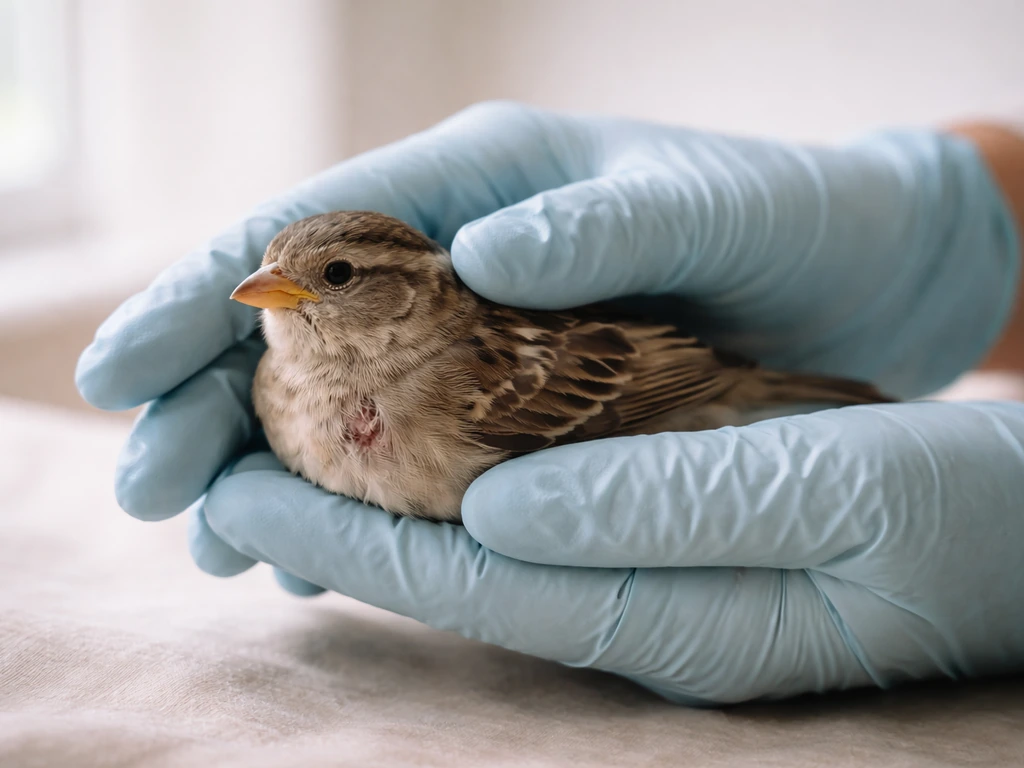
Getting the bird off the trap is not the end. If you are dealing with a Nioh 2 Bird in a Cage stuck situation, follow the specific quest steps for that scenario so you can progress safely. You need to do a quick but careful assessment right after removal.
Breathing and responsiveness
Watch the bird's chest for steady, rhythmic breathing. If it is breathing very rapidly, gasping, wheezing, or holding its beak open and struggling to breathe, that is a medical emergency and you need to get to a vet or wildlife rehab immediately. A non-responsive bird (limp, eyes closed, not reacting to your presence) is also an emergency. Same goes for any active bleeding.
Wings and legs
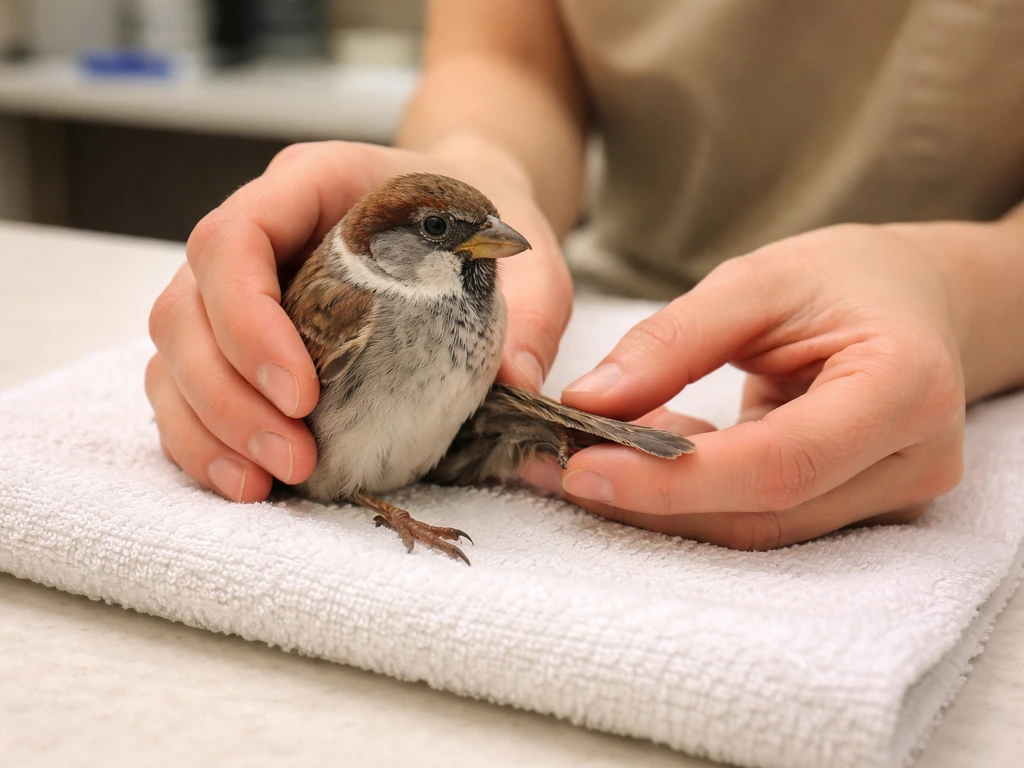
Look at how the bird is holding its wings and legs. Both wings should rest symmetrically against the body. If one wing is drooping or held at an odd angle, there may be a fracture or dislocation. Legs and feet should look even and the bird should be able to grip. If toes are curled unnaturally, swollen, or the bird cannot bear weight, there may be injury from the trap adhesive pulling at the joints. Do not try to straighten or splint anything yourself right now. Just keep the bird still and warm and note what you see so you can describe it to a professional.
Feathers and skin
Glue traps can strip feathers and, in severe cases, pull at skin. Look for any bare patches, redness, swelling, or broken skin. Feather loss alone is concerning because birds rely on their feathers for temperature regulation. A bird that has lost significant feathers in an area will struggle to stay warm and may go into shock more easily.
Shock signs
Even a bird that looks physically okay after removal may be in shock. Signs include fluffed feathers, lethargy, sitting hunched with eyes half-closed, and being unresponsive to sound or movement. Keep the bird in a warm, dark, quiet container. A box lined with a soft cloth, placed somewhere around 85 to 90 degrees Fahrenheit (but not directly on a heating pad), helps. Check on it every 10 to 15 minutes.
Cleaning off glue residue safely
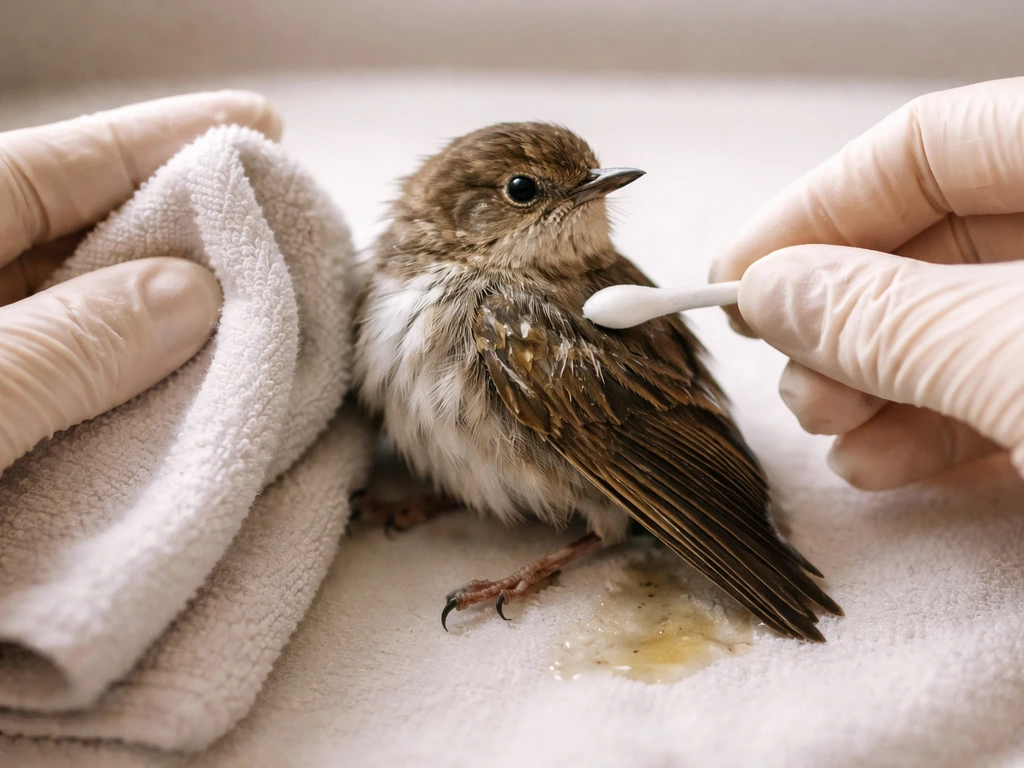
Once the bird is off the trap, it will likely have oily residue and possibly some remaining glue on its feathers. Both need to be dealt with, but gently and in the right order.
For remaining glue residue, continue applying small amounts of vegetable oil, olive oil, or mineral oil and gently working it loose with your fingertips. Peanut butter and butter can also work in a pinch since they contain enough fat to dissolve the adhesive. Work slowly and do not scrub.
Once the glue is dissolved, the oil itself needs to come off because oil-soaked feathers lose their insulating and waterproofing properties, which can be dangerous for the bird. Use a small amount of regular dish soap (like Dawn) in warm water to gently wash the oily areas. Rinse carefully with warm water, making sure not to get water in the bird's nostrils or mouth. Do not submerge the bird.
After washing, the bird needs to be kept warm until completely dry. Wet feathers cause rapid heat loss. If a professional is treating the bird, they may use a blow dryer on a low, warm setting at a safe distance. At home, keep the bird in a warm environment (not drafty) wrapped loosely in a dry cloth while it dries. A wildlife rehab center will do a proper wash and dry as part of their intake process.
| Product | Safe to use? | Notes |
|---|---|---|
| Vegetable oil | Yes | First choice for dissolving glue adhesion |
| Olive oil | Yes | Works well, gentle on skin and feathers |
| Mineral oil | Yes | Used by wildlife professionals |
| Cooking oil (canola, etc.) | Yes | Readily available, effective |
| Butter or peanut butter | Yes (in a pinch) | Contains fats that dissolve glue; messier to clean off |
| Dish soap + warm water | Yes (for cleanup) | Use after oil to remove oil residue from feathers |
| Paint thinner | No | Toxic, causes skin irritation and damage |
| Acetone / nail polish remover | No | Corrosive and toxic to birds |
| Rubbing alcohol | No | Drying, irritating, potentially toxic |
| WD-40 | No | Contains chemicals harmful to birds |
| Harsh chemical solvents | No | Any solvent-based product should be avoided entirely |
When you need to call a professional right now
Honestly, every bird that has been on a glue trap should be seen by a professional, even if it looks okay after removal. Hidden injuries, dehydration, exhaustion, and shock are common and not always visible. But there are situations where you should not wait, skip the at-home steps, and get the bird to an avian vet or wildlife rehabilitator immediately.
- The bird is not breathing normally, is gasping, or is holding its beak open
- The bird is non-responsive or limp
- There is active, significant bleeding
- A wing or leg looks visibly broken, dislocated, or is hanging oddly
- The bird's face or beak is stuck in the trap and you cannot safely free it without risking injury
- The bird has been stuck for a long time (hours) and is very weak
- You cannot safely remove the bird from the trap without causing more trauma
- The bird appears to be in severe shock and not stabilizing after 20 to 30 minutes in a warm, dark space
In any of these cases, place the bird (on the trap if still attached, or in a ventilated box if free) and transport it immediately. Call ahead to the wildlife rehab center or avian vet so they can prepare for your arrival. When you call, tell them the bird's species if you know it, how long it was stuck, what parts of the body were stuck, whether you used any oil or soap, and what injuries you noticed.
To find a wildlife rehabilitator near you, search the National Wildlife Rehabilitators Association directory or call your local animal control, humane society, or state fish and wildlife agency. Most areas have at least one licensed rehabilitator who handles birds. Two-thirds of licensed wildlife rehabilitators in some studies reported treating glue-trap animals regularly, so they know what they are dealing with.
If you have a pet bird (parrot, parakeet, canary, etc.) rather than a wild bird, call your avian vet directly. Pet birds have established veterinary relationships and an avian vet can assess them for internal injuries, feather follicle damage, and other issues that are hard to see at home.
Keeping this from happening again
Glue traps are genuinely dangerous for non-target animals, and birds are especially vulnerable because they forage at ground level and can be attracted to insects caught in the trap. For help with a specific incident, the Seahawks Bird Stuck guide can walk you through what to do next. The CDC itself recommends against glue traps for rodent control, and wildlife organizations consistently flag them as one of the most harmful pest-control tools available.
If you use glue traps for pest control, consider switching to snap traps, which are faster and far less likely to catch non-target animals. If you need to keep using glue traps, place them only in fully enclosed spaces where birds and other pets absolutely cannot access them, such as inside a sealed wall void or bait station.
- Switch to snap traps for rodent control wherever possible
- If you keep glue traps, place them only inside enclosed bait stations that birds and pets physically cannot enter
- Never place glue traps in open areas, under furniture accessible to pets, near windows, or anywhere birds explore
- Check all traps frequently (at least once a day) so any accidentally caught animal can be helped quickly
- If you have pet birds that free-roam, do a full sweep of any room for glue traps before allowing access
- Consider integrated pest management approaches that reduce the need for traps altogether
If a wild bird found its way to a glue trap inside your home, it is also worth figuring out how it got in and sealing that entry point. Birds inside homes often end up in dangerous situations, and preventing access is better for both the bird and you.
The bird you just helped is going to need some recovery time regardless of how quickly you acted. Give it a quiet, warm, dark place to rest, get it to a professional as soon as you can, and know that acting calmly and carefully made a real difference. That is exactly the right thing to do.
FAQ
What should I do if my bird will not come free even after applying cooking oil?
If the bird is actively stuck (you cannot slide it free with oil and slow pressure), do not force it or pull on any feathered area. Instead, keep applying a few more small drops of oil to the adhesive spots and wait for the bond to soften, then try only when the bird moves freely without resistance. If you see blood, a wing drooping at an odd angle, or breathing trouble at any point, stop at-home attempts and contact a wildlife rehabilitator or avian vet immediately.
Can I put my bird in an enclosure while I’m still trying to remove the glue?
Yes, but only if it is from the same calm, soft set-up described in the article. Use a ventilated, dark box or towel-lined container, keep the bird warm, and do not leave it in direct sun or on a heating pad. If the bird is wet or heavily oiled, prioritize gentle removal and then ensure it is fully warm and dry before returning it to any enclosure.
Should I feed or give water to a bird right after it comes off the glue trap?
Do not offer food or water during the first critical period if the bird seems drowsy, breathing rapidly, or has any beak or nostril area stuck. A frightened bird can also aspirate liquid if it cannot breathe normally. Focus on breathing and stability, then ask the vet or rehab center when it is safe to give anything.
What if the glue trap was near other chemicals or rodent bait?
If the glue trap was placed near a pesticide, lawn chemical, or rodent bait, treat the situation as higher risk. Wash your hands thoroughly after contact, avoid touching the bird’s eyes or nostrils, and tell the receiving professional what else was in the area. You should not use additional chemicals beyond the oil and gentle dish soap steps.
How clean do I need to get the bird at home before taking it to a pro?
For the first pass, remove only the softened glue and oil on the bird itself, then plan for a professional bath and full assessment. If you try to fully “scrub clean” at home, you can strip feathers or irritate skin. Use minimal dish soap, rinse carefully (no water in nostrils or mouth), and avoid submerging the bird.
Do I still keep trying at-home steps if I see bleeding or eye issues?
If you notice bleeding or the bird cannot close one eye, keep the bird warm and still and skip further at-home adhesive removal steps. Bleeding can be from skin pulled by adhesive, and eye trauma is especially time-sensitive. Contact an avian vet or wildlife rehabilitator right away, and bring the trap if the bird was still attached.
How can I estimate how long the bird was stuck, and why does it matter?
It helps to estimate duration because it affects dehydration and shock risk. For example, “unknown exact time, likely several hours” is useful, but try to use real clues, like when you last checked the area. When you call, describe how much of the body was stuck (feet only versus legs, wing, chest, face) and whether you used oil and soap.
Is there any risk to my other pet birds after I handle a bird stuck on a glue trap?
If you have pet birds at home, keep them separated from the rescued bird and from the area where the glue trap is located until after it is handled by a professional. Even if disease is unlikely, stress and contamination from adhesive residue are concerns. Wash bedding and hands after assisting, and do not let other birds preen the oiled bird or contact the trap.
What symptoms after rescue mean I should seek care even if it looks better?
After the bird is off and dried, look for lingering difficulty perching or using one leg, persistent limp, tail feathers held abnormally, or ongoing lethargy beyond the first hour. These can be signs of hidden fractures or joint damage. If you see any of these, contact an avian vet promptly, even if breathing seems improved.
What’s the safest way to transport my bird to a wildlife rehabilitator or avian vet?
If the bird is still attached, the safest transport is to keep it in a ventilated box with the trap included, minimizing movement. If it is already free, secure it in a quiet, warm, dark container lined with soft cloth. In both cases, call ahead so the facility can plan for glue-trap injuries and bring the species, estimated time stuck, and any products used.
Next Article
Nioh 2 Bird in a Cage Stuck: First Aid and Rescue Steps
Step-by-step first aid for a bird stuck in a cage: check injuries, free safely, spot emergencies, then care afterward.