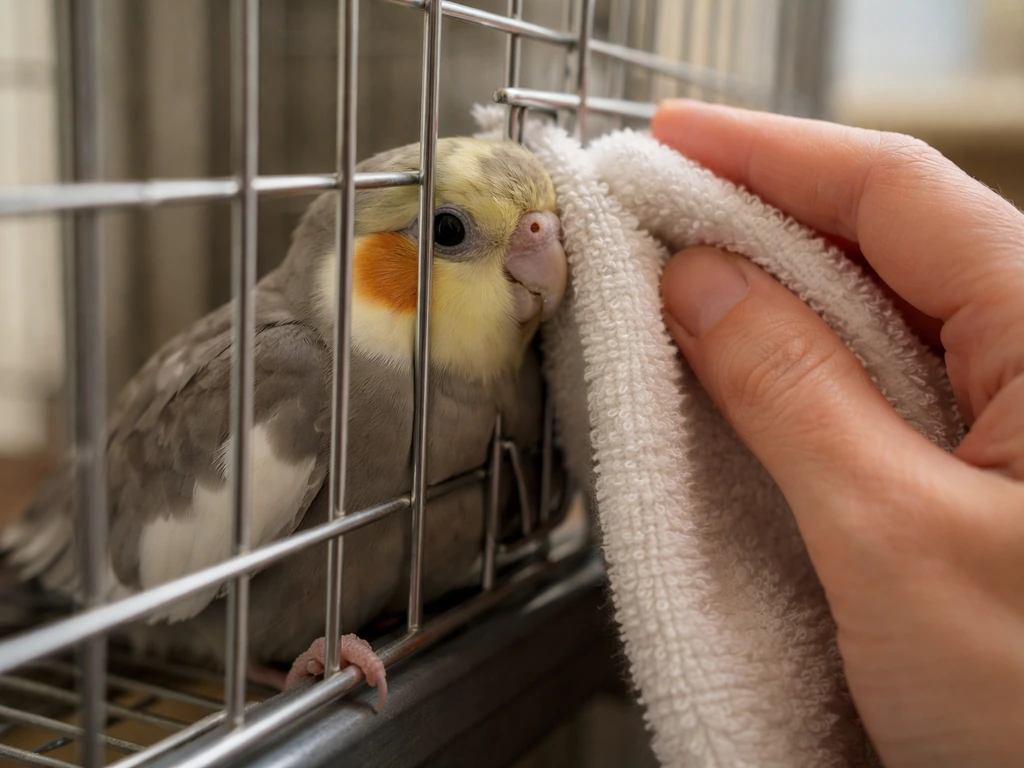
If a bird is physically stuck in a cage right now, stop what you're doing, take a breath, and do not yank or pull it free yet. The safest first move is to drape a light towel over the cage to dim the light and reduce the bird's panic while you figure out exactly where and how it's trapped. Flailing makes injuries worse, and a calm bird is a safer bird to help.
Nioh 2 Bird in a Cage Stuck: First Aid and Rescue Steps
Marcus Chen
28 Apr 2026
What to do the moment you realize the bird is stuck
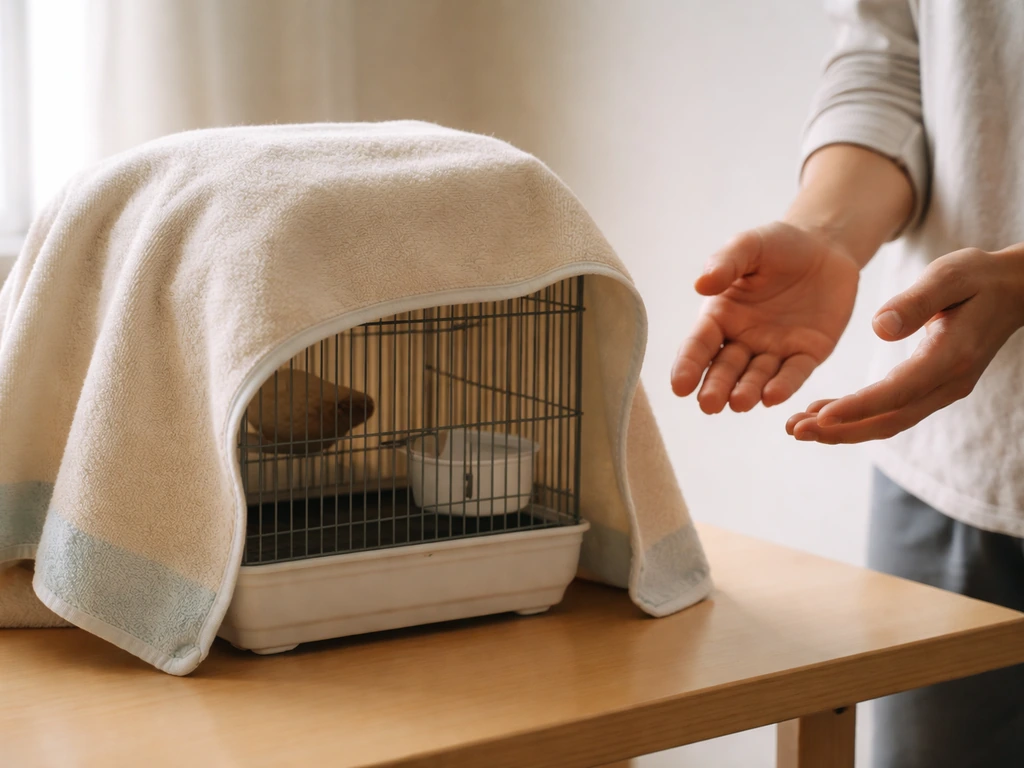
Your first priority is slowing everything down. A bird that's trapped will thrash, and every second of thrashing risks a broken bone, a dislocated joint, or a feather pulled so hard it bleeds. Cover the cage with a towel or sheet right away. This single step reduces visual stimulation, cuts down on panicked movement, and buys you time to assess the situation calmly. Keep the room quiet, move slowly, and speak in a low, steady voice if you speak at all.
While the bird settles, take 30 to 60 seconds to look at exactly where it's caught before touching anything. Is a foot looped in the cage bars? Is the head or beak wedged? Is a wing caught on a toy, a feeder hook, or a wire end? Knowing precisely what you're dealing with before you intervene prevents you from accidentally making a simple snag into a serious injury.
- Cover the cage immediately with a towel or thin sheet to reduce light and stimulation
- Lower your voice and move slowly near the cage
- Do not attempt to free the bird until you have clearly identified how it is trapped
- Keep other people (especially children) and pets out of the room
- Note the time, because how long the bird has been stuck matters when you speak to a vet or rehabilitator
Checking for injuries and signs of shock
Once the bird has calmed a little (give it at least a minute or two under the towel), carefully lift one edge of the cover and observe it without touching. You are looking for specific signs that tell you how serious this is. Pet birds are instinctively wired to hide weakness, so even a badly injured bird may look deceptively composed at first glance. That's why you need to look closely.
Signs that this is a minor situation
- Bird is alert and tracking your movement with its eyes
- Breathing looks normal, beak is closed, no open-mouth panting
- No visible blood on the bird, bars, cage floor, or perches
- Feathers are slightly ruffled but the bird is upright
- The entanglement looks like one foot or one toe caught in the bars
Signs that mean call for help before you do anything else
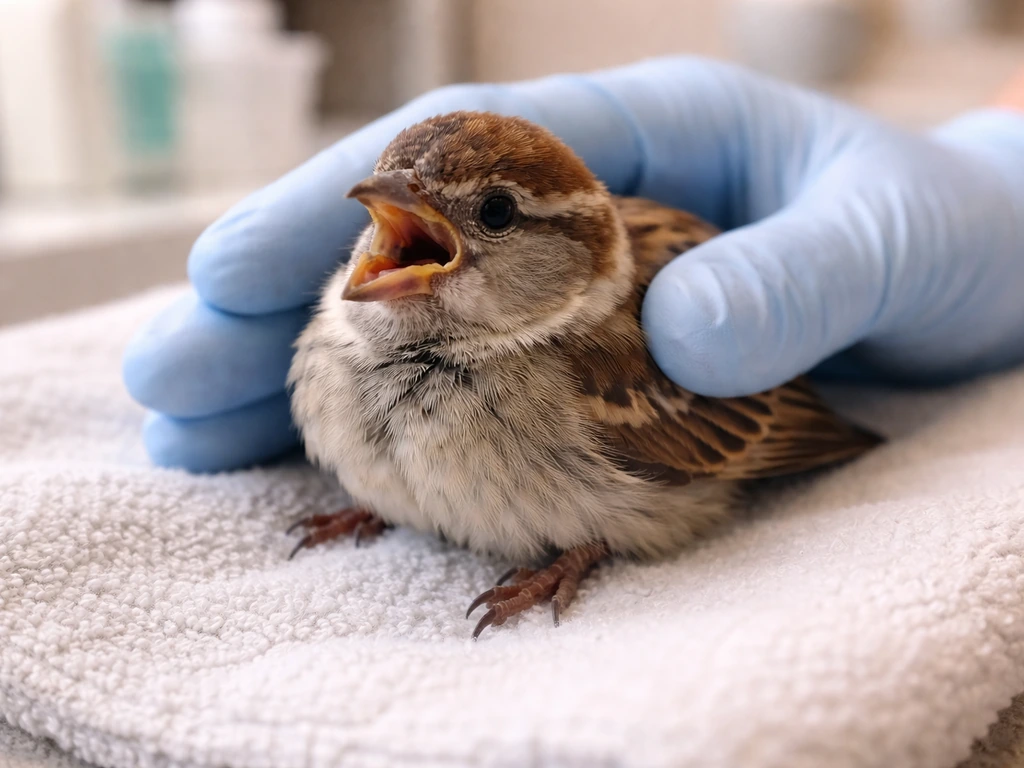
- Active bleeding anywhere on the body, especially from the beak, a foot, or a feather shaft
- Open-mouth breathing, wheezing, tail bobbing with each breath, or labored chest movement
- A wing hanging lower than the other or at an odd angle (possible fracture or dislocation)
- A leg dangling, twisted, or swollen
- The bird is unable to hold itself upright or keep its head up
- Head tilting sharply to one side or appearing to spin
- Eyes swollen shut or the bird is unresponsive to movement near the cage
- The bird is shivering or feels cold to the touch
Any one of those red-flag signs should shift your approach from DIY to 'call a professional right now while keeping the bird warm and calm.' The goal of everything you do at home is stabilization until veterinary or wildlife rehabilitation care can happen, not diagnosis or full treatment.
How to safely free a trapped bird without making things worse
If the situation looks manageable and the bird shows no serious injury signs, here is how to approach the freeing process. Work slowly and have a second pair of hands if at all possible, one person to gently hold or guide the bird, another to manipulate the cage, toy, or bar. If you need exact steps for your specific case, also follow a guide on how to get a bird off your shoulder in ARK without stressing it more.
- Keep the towel partially over the cage so the bird stays as calm as possible throughout
- If a foot or toe is looped through bars, gently cup the bird's body with one hand (using a thin cloth or glove so it can't bite hard enough to startle you into dropping it), and use your other hand's fingers to carefully guide the foot back through the opening the same way it went in — never force a limb in a new direction
- If a beak is wedged between bars, support the bird's body weight with one hand and use your other thumb and index finger to gently ease the beak back along the angle it entered — do not pull straight back if the beak is hooked sideways
- If a wing is caught on a hook, toy ring, or cage accessory, stop the accessory from moving first (hold it steady), then slowly ease the wing free following its natural folded position — never extend a wing forcefully
- If you cannot see a clear, gentle path to freeing the bird in under two minutes of careful maneuvering, stop and call an avian vet or wildlife rehabilitator for guidance before trying further
- Once free, let the bird sit quietly in the covered cage for a few minutes before doing any further assessment
If the cage bars themselves are the problem (a beak or head wedged between two bars that are too close), you may need wire cutters or pliers to gently bend a bar outward to create space. Do this slowly and avoid any sudden movement that could startle the bird into struggling again. Keep the bird's body supported the entire time.
After the bird is free: containment, warmth, and keeping stress low
Getting the bird unstuck is not the end of the job. Entrapment is physically and psychologically traumatic, and even a bird that looks fine can go downhill quickly if it's left in the wrong environment. The standard protocol used by rehabilitators is the same whether you're dealing with a pet parrot or a wild songbird: warm, dark, quiet, and contained.
Temporary containment
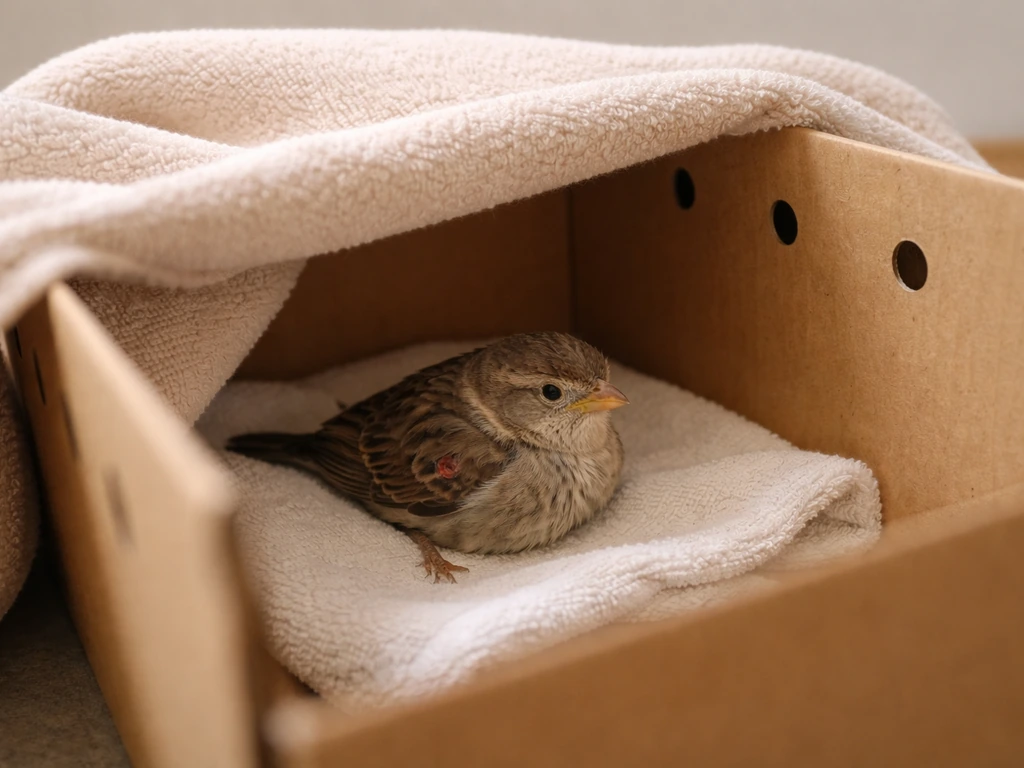
If the bird's own cage is safe (no sharp wire ends, no dangerous toys), leave it there with the towel cover on. If the cage was the problem, transfer the bird to a cardboard box or paper bag with ventilation holes punched in the sides. The container should be big enough for the bird to stand and raise its head, but not so large that it can flap around and re-injure itself. Do not use a wire-mesh container for transport because it can damage feathers and allow toes to get caught again.
Warmth
An injured or stressed bird loses body heat fast. Place a heating pad set to low under half of the box or carrier (never the whole bottom, so the bird can move away if it gets too warm). A warm water bottle wrapped in a thin cloth works too. The target is a gentle, consistent warmth, not hot. Keep the towel or cover on to retain warmth and block light.
Monitoring
Check on the bird every 10 to 15 minutes without removing the cover. Listen for breathing sounds. If you do lift the edge briefly, look for posture, eye condition, and whether blood has appeared. Note any changes so you can describe them accurately to a vet or rehabilitator. Avoid the temptation to keep opening the box or cage to 'check if it's okay' because every peek adds stress.
When to stop DIY and call a professional immediately
There is a clear line between 'I can safely manage this at home for a short time' and 'this bird needs professional care right now.' If you're on the wrong side of that line and don't realize it, you can accidentally turn a survivable injury into a fatal one. Be honest with yourself about what you're seeing.
| What you observe | What it likely means | How urgent is professional help |
|---|---|---|
| Bleeding that does not stop within 5 minutes | Damaged blood feather or significant wound | Call immediately, this is an emergency |
| Open-mouth breathing or tail bobbing with each breath | Respiratory compromise, possible internal trauma | Call immediately, do not wait |
| Wing hanging at odd angle, not held against body | Possible fracture or dislocation | Call the same day, sooner if bird is in distress |
| Leg swollen, dangling, or twisted | Possible fracture or ligament injury | Call the same day, sooner if bird is in distress |
| Bird cannot stand or hold head upright | Shock, neurological injury, or severe weakness | Call immediately |
| Head tilting or circling behavior | Neurological involvement | Call immediately |
| Eyes swollen shut or bird unresponsive | Severe trauma or shock | Call immediately |
| Bird seems okay but was trapped for more than an hour | Internal injury or stress injury possible even without visible signs | Call same day for guidance |
The core principle here, from professional avian first-aid guidance, is that your job at home is to stabilize the bird until veterinary medical care can be provided, not to treat it. If anything on that table describes what you're seeing, pick up the phone.
Finding help and what to tell them
If the bird is a pet, search for an avian veterinarian specifically, not just any local vet. The Association of Avian Veterinarians (AAV) has an online directory called Find-a-Vet that lets you search by location for board-certified or avian-specialist vets. Call ahead so they know you're coming and can prepare.
If the bird is wild, contact a licensed wildlife rehabilitator. In North America, the International Wildlife Rehabilitation Council (IWRC) can point you to emergency resources and local rehabilitators. You can also search your state or province's wildlife agency website, or call your nearest humane society, who will almost always know the right contact for injured wildlife in your area.
What to have ready when you call
- Species of bird if you know it (or a description: size, color, markings)
- How long it was stuck and roughly how it was trapped
- What injuries or symptoms you have observed (use the signs list above)
- Whether bleeding is active or has stopped
- Your location so they can tell you if transport is feasible or if they can come to you
- Photos or a short video of the bird and the cage setup if possible, these are genuinely useful for vets
Transporting the bird safely
Use a small, secure, covered carrier or cardboard box with air holes. Keep the container stable during transport so it doesn't slide around in the car. Drive calmly, keep the radio off or very low, and maintain a warm temperature in the vehicle. Do not place more than one bird in the same container. The Hawaii DLNR rehabilitation guidelines specifically flag wire cages for transport as a problem because they damage feathers and can cause secondary entanglement, so stick to cardboard or a solid plastic carrier with ventilation.
Common mistakes that make things worse
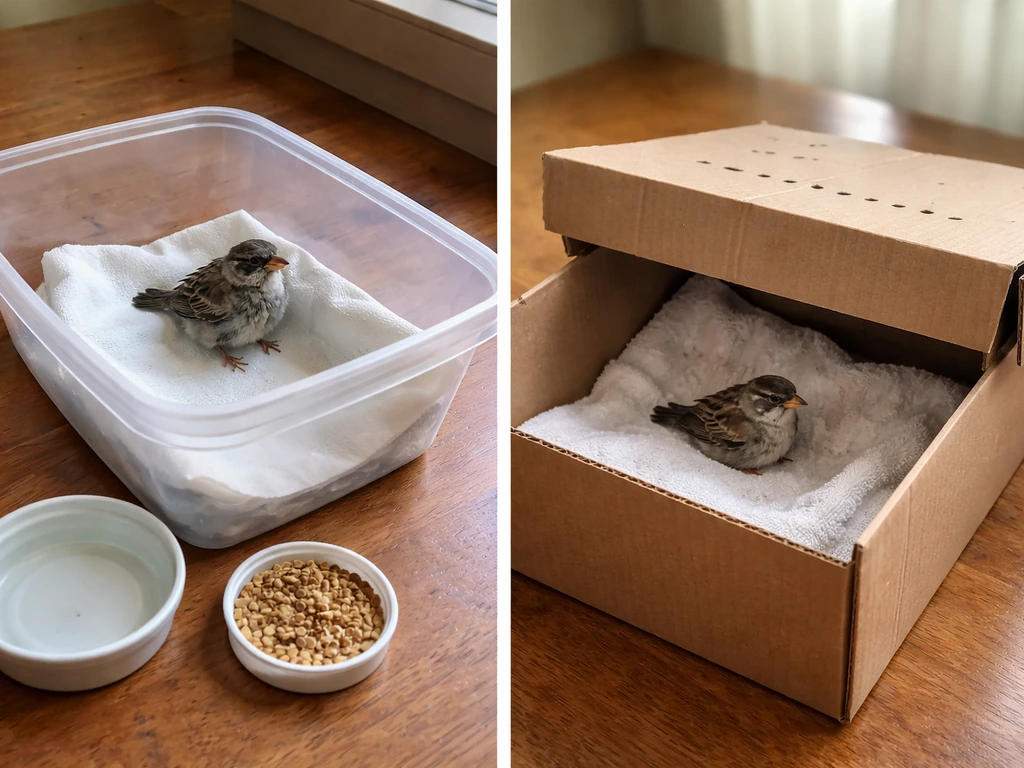
These are the errors that show up repeatedly when people are trying their best but working from instinct rather than bird-specific knowledge. Most of them come from a good place, which is exactly why they're worth naming clearly.
- Feeding or giving water before knowing the bird's condition: an injured bird with internal trauma or a compromised airway can aspirate (inhale liquid), and an animal that needs surgery should not have food or water beforehand. Do not feed or offer water unless a professional tells you to
- Applying ointments, creams, or human medications: do not put anything on wounds, feathers, or skin unless an avian vet specifically instructs you. Many topical products are toxic to birds
- Repeatedly opening the cage or box to check: each check resets the bird's stress level. Trust your initial assessment and limit disturbance to a quick look every 10 to 15 minutes
- Pulling hard or fast to free the bird: a toe or wing that's yanked free from a snag can suffer a fracture or dislocation that wouldn't have happened with a slow, careful approach
- Using a wire cage or mesh container for transport: wire allows toes and beaks to get caught again and feathers to break
- Leaving the bird in a cold, bright, or noisy environment: this keeps the bird in a high-stress, high-energy state that worsens shock and delays recovery
- Waiting too long to call a professional: if you're unsure, call. A five-minute phone conversation with a vet or rehabilitator costs nothing and can save the bird's life
- Over-handling to 'comfort' the bird: human contact is almost always stressful for an injured bird, even a hand-raised pet. Less is more until the bird is stable
Entrapment situations come in a lot of forms. If you've dealt with a bird caught in something sticky rather than a cage structure, the approach shares some of the same stabilization principles but has its own specific steps. If your bird is big bird stuck in something sticky, treat it like an entrapment situation and focus first on calming, assessing, and getting it safely evaluated.
If your bird is stuck in a glue trap, treat it as a different kind of entrapment and use the same calming, assessment-first approach before you try any freeing steps bird caught in something sticky. If your bird is stuck in a glue trap, treat it as a different kind of entrapment and use the same calming, assessment-first approach before you try any freeing steps my bird got stuck in a glue trap.
The same is true for larger birds, where size changes how you physically handle and contain them. The core logic, however, is always the same: calm it down, assess carefully, free it gently, keep it warm and quiet, and get professional eyes on it as soon as there's any doubt about its condition. If you’re dealing with a big bird stuck in a cage or similar entrapment, prioritize calming, careful assessment, and gentle freeing steps before considering professional help.
If you’re dealing with a big bird stuck in a cage or similar entrapment, prioritize calming, careful assessment, and gentle freeing steps before considering professional help.
FAQ
How long should I try to free a bird myself before calling for help?
If you must act quickly, focus on calming first, drape the towel, then reassess the entrapment points without grabbing the bird’s legs or wings. If the bird is bleeding, has trouble breathing, or looks unable to stand normally after a minute or two, stop the DIY attempt and call a vet or wildlife rehabilitator right away.
What should I avoid doing while I’m trying to get the bird unstuck?
Do not spray water or use alcohol, oils, or antiseptics on feathers during rescue, since they can chill the bird, worsen stress, or trap debris in wounds. If there is visible bleeding, keep the bird warm and covered and let the professional decide on cleaning or bandaging.
What’s the safest way to handle it if a wing is trapped in a cage toy or feeder?
If a wing is caught, support the bird’s body with one hand and free the snag with the other, moving only the entangled part while keeping the shoulder and elbow aligned. Try not to pull the wing outward, because that can create a shoulder dislocation.
If I get the bird free, do I still need a vet or rehab check?
Yes. Even if you successfully free the bird, entrapment can cause internal injury or shock. Keep it warm, dark, and quiet, then arrange an avian vet or wildlife rehab check especially if posture is hunched, breathing sounds change, the bird won’t perch, or the eyes look sunken or abnormal.
How do I keep the bird warm under the towel without making it overheat or suffocate?
When you cover the cage, keep air flow unobstructed and avoid fully sealing the container like a closed box with no vents. A towel should reduce visual stimulation, not create overheating, so check the bird’s environment temperature before transport and adjust heating accordingly.
What should I do if I’m alone and there’s no second person to help?
Use the second-person approach when possible: one person maintains gentle body control and prevents new thrashing, the other manipulates only the cage components. If you are alone, prioritize stabilizing the bird first, then carefully manipulate the cage area one small movement at a time rather than trying to handle everything simultaneously.
What if the bird’s head or beak is wedged between cage bars?
If a beak or head is wedged, don’t yank. Create space by adjusting the cage bar configuration slowly, or loosen the snag point if it’s a toy or feeder mechanism. Keep the bird’s body supported so its neck is not forced into a twisting angle while you work.
Should I put the bird back in the same cage after rescue if it seemed safe before?
After you move it, avoid placing it back into the same cage for the “final” wait period if you changed or cut anything, since sharp edges or misaligned bars can create another entrapment event. If the original cage caused the problem, switch to a properly safe transport setup and correct the cage hazard before any return.
What are the clearest red flag signs that mean stop and call immediately?
If you see red flag signs like blood, open wounds, limp posture, twisted body alignment, or labored breathing, you should prioritize professional care over further freeing attempts. At that point, keep the bird warm and contained, minimize handling, and focus on fast transport coordination.
How should I handle transport if the bird is still stressed or possibly injured?
For transportation, use one bird per container and keep the carrier stable so it cannot slide. Keep the radio off or very low, and avoid opening the container at drive stops, since repeated checks can trigger renewed thrashing and re-injury.