
A bird that can't fly is almost always dealing with a physical problem: a broken or dislocated wing, a leg injury affecting balance and launch, spinal or neurological trauma, severe illness-related weakness, or the lingering effects of entrapment (think fishing line, netting, or a cage door that clipped a wing). Window strikes are the single most common cause in backyard birds, and they can leave a bird temporarily stunned or permanently injured depending on the force of impact. If you're reading this because you just found a bird that won't take off, this guide walks you through what to look for, what to do right now, and when you need professional help fast.
What Prevents the Caged Bird From Flying and What to Do Now
Marcus Chen
19 May 2026
The metaphor vs. the real thing
If you searched this phrase after reading Maya Angelou's poem, you already know the "caged bird" there is a metaphor for oppression and the denial of freedom, not a literal animal welfare situation. The image of a bird confined so it cannot fly is used to represent injustice and human social inequity. That's a deeply important literary concept, and it has nothing to do with what's covered here. This article is for the person who has an actual bird in front of them, one that can't get off the ground, and needs to know why and what to do about it. A common reason a bird seems unable to fly is when it appears to have “forgotten how,” which is usually linked to stress or injury rather than learning loss bird forget how to fly.
Quick at-home assessment: what to look for right now
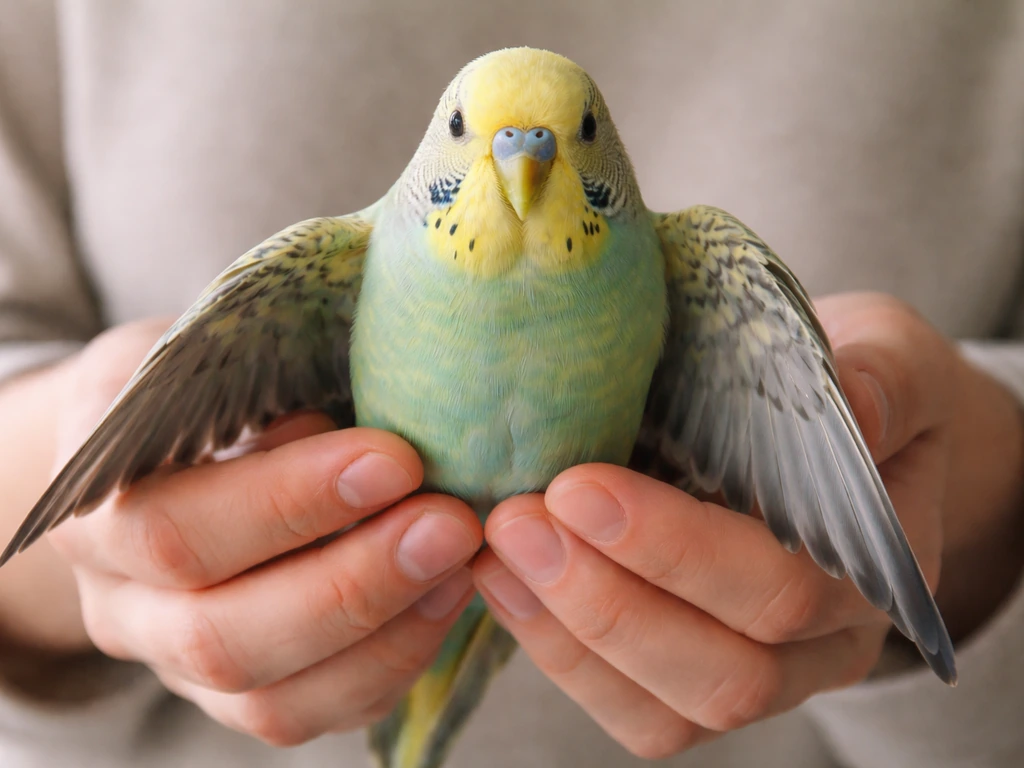
Before you touch the bird, spend 60 seconds just watching it from a short distance. You'll learn a lot without stressing the bird further. Here's what to focus on:
- Wings: Is one wing drooping lower than the other? A drooping wing is one of the clearest signs of a wing fracture or dislocation. Both wings should sit symmetrically against the body when at rest.
- Legs: Is the bird standing on both feet, or favoring one? Is it sitting flat on the ground instead of perching upright? Inability to bear weight or use both legs points to a leg injury or possible neurological damage.
- Balance and posture: Is the bird tilting to one side, falling over, or holding its head at an odd angle? Head tilt and poor balance can indicate a collision injury or inner ear trauma.
- Breathing: Open-mouth breathing, a bobbing tail with each breath, audible wheezing, or a bluish tint to the skin inside the mouth are all serious respiratory distress signs that mean you need a vet today.
- Active bleeding: Check for blood on the feathers, beak, feet, or on the ground near the bird. A small smear of dried blood is different from actively flowing or dripping blood, which is a genuine emergency.
- Responsiveness: Does the bird react when you approach slowly? A bird that doesn't move at all, or that is completely unresponsive, is in critical condition.
You don't need to be a vet to do this assessment. What you're really doing is deciding: does this bird need immediate emergency care, or is it stable enough to rest quietly in a box for an hour while you make calls? The answers above will tell you.
The most common reasons a bird can't fly
Wing injuries
A broken or dislocated wing is the most obvious physical barrier to flight. The hallmark sign is a drooping wing that hangs lower than the other side. The bird may also hold it out slightly from the body in an unnatural position. Wing fractures can happen from window strikes, cat or dog attacks, collisions with vehicles, or in pet birds, from getting a wing caught in a cage door or between cage bars.
Leg and perching problems
Birds need healthy legs to launch into flight. A leg fracture, dislocation, or soft tissue injury can make it impossible for a bird to push off the ground. You'll notice lameness, reluctance to bear weight, or the bird sitting directly on its belly instead of standing upright. Related articles on this site cover situations where a bird can't walk or can't move its legs, and those injuries often overlap with flight inability.
Window and collision trauma
Window strikes are responsible for a huge number of "bird on the ground" situations. The impact can stun a bird temporarily (they may recover in 30 to 60 minutes with rest) or cause serious internal injuries, brain trauma, or broken bones. A stunned bird may look almost normal but sit very still and not fly. A severely injured bird may have a head tilt, be completely unresponsive, or show visible bleeding.
Entrapment and restraint injuries
Fishing line, netting, wire, and even loose cage components can wrap around a wing or leg and cut off circulation or cause serious lacerations. Birds caught this way often struggle violently, which can make the injury worse. If you find a bird tangled, the entrapment itself is preventing flight, but the underlying tissue damage may also need treatment once it's freed. Handle carefully and get professional help to remove anything tightly wound.
Illness-related weakness and neurological causes
A bird that is severely ill, malnourished, or dealing with a spinal or neurological injury may also be grounded. These birds often look fluffed up, are unusually quiet, and may not react normally to your approach. If there's no obvious physical injury but the bird just can't or won't fly, illness or internal trauma is often the cause. If you're wondering what happens if a bird can't fly, start by checking for the specific red flags in the sections ahead.
Panic and acute stress
Occasionally a bird that has been trapped in a confined space (like a garage or inside a building) becomes so exhausted and panicked that it stops attempting to fly even when the exit is open. Once it's calm and in a safe space, it may recover quickly. But don't assume this is the explanation until you've ruled out physical injury.
What to do right now: immediate first aid steps
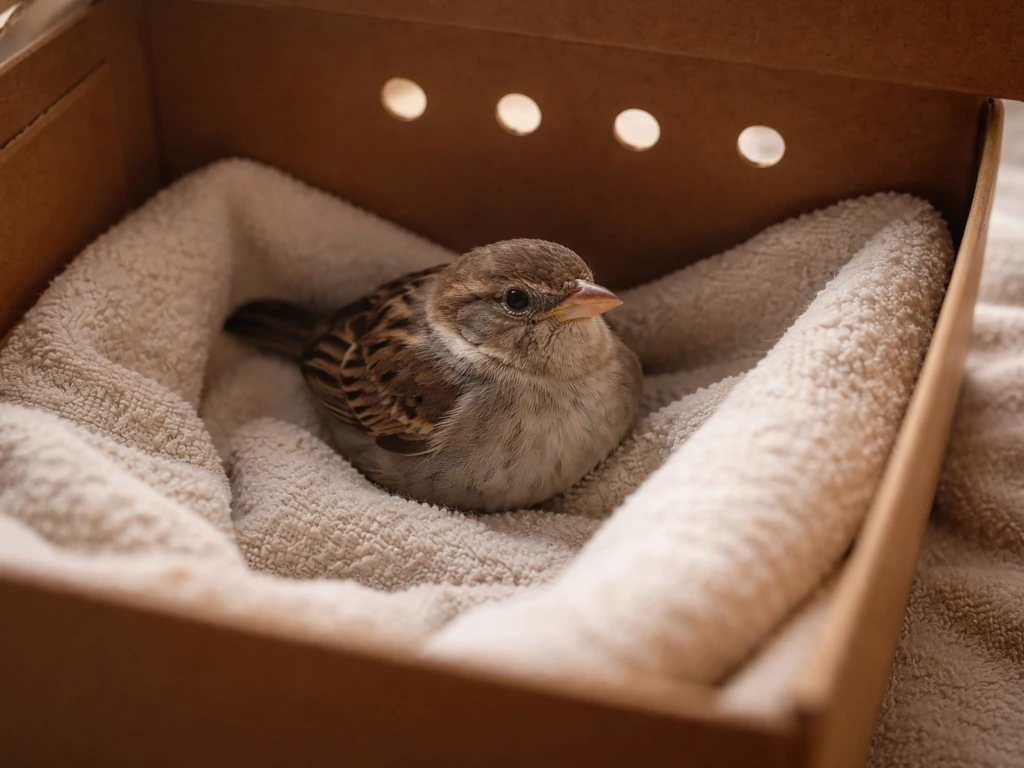
The goal of first aid here is stabilization, not treatment. You're keeping the bird alive and calm until a professional can take over. Here's how to do that safely:
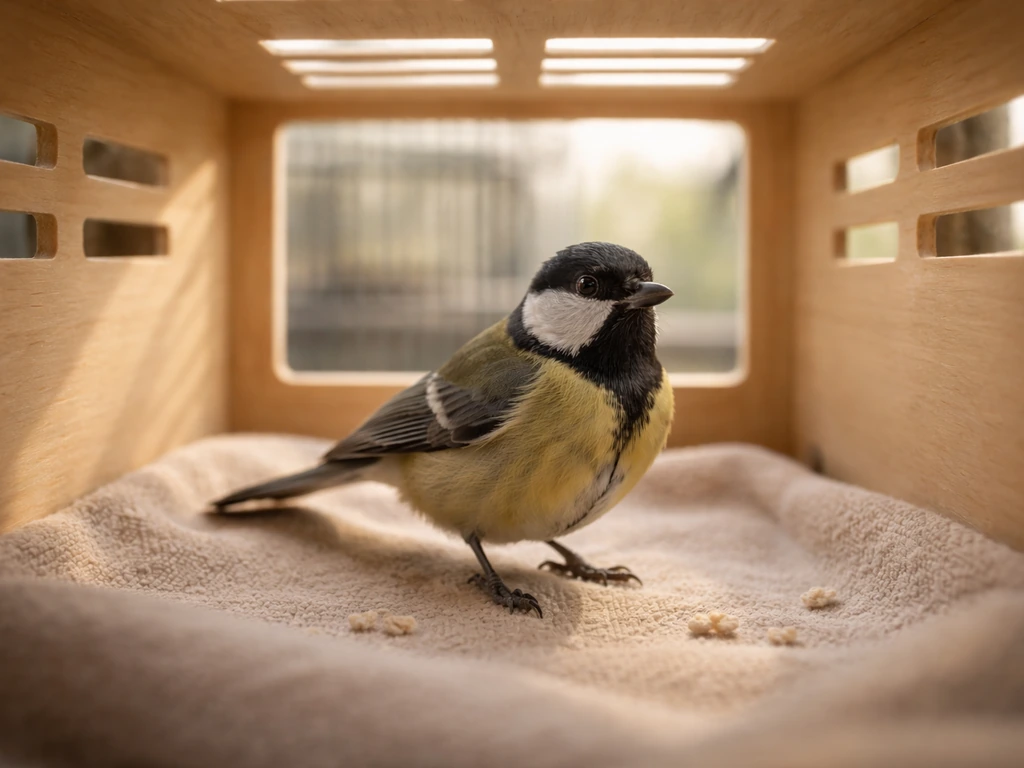
- Get a small cardboard box (a shoebox works perfectly) and line the bottom with a soft cloth or paper towels. Poke a few small air holes in the sides near the top.
- Put on gloves if you have them. Gently place the bird in the box using both hands cupped around its body. Minimize the number of times you handle it.
- Keep the bird warm. Place the box half on a heating pad set to low, or rest a warm (not hot) water bottle wrapped in a towel next to the box. The goal is a gentle, stable warmth, not heat.
- Cover the box with its lid or a dark cloth. Darkness reduces stress significantly. Keep the box in a quiet room away from pets, children, and noise.
- Do not offer food or water. This is counterintuitive but important. Giving the wrong food or dropping liquid into a weak bird's mouth can cause choking or make things worse. Let the vet or rehabilitator handle feeding.
- Do not apply ointments, salves, or petroleum jelly to wounds. Topical products can mat feathers, interfere with the bird's thermoregulation, and cause additional harm. Leave wound management to the professionals.
- If there is active bleeding (blood actively dripping or flowing), apply very gentle, light pressure with a clean dry cloth and get the bird to a vet immediately. Don't delay.
- Call an avian vet or wildlife rehabilitator as soon as the bird is contained. You don't have to wait to see if it improves.
Red flags that mean get help immediately
Some situations are too serious to wait out. Go straight to an avian vet or emergency wildlife rehabilitator if you see any of these:
- Open-mouth breathing, tail bobbing with every breath, audible wheezing, or a bluish color inside the mouth (cyanosis)
- Active bleeding from any part of the body that doesn't stop quickly with gentle pressure
- The bird is completely unresponsive or unconscious
- Obvious bone protruding through skin anywhere on the body
- Seizures or uncontrolled tremors
- The bird can't hold its head up, or has a severe head tilt with rolling or spinning
- The bird has been in a cat's or dog's mouth, even if there are no visible wounds (bacteria from cat saliva are fatal to birds within 24 to 48 hours without antibiotic treatment)
- The bird is lying flat and cannot right itself at all
If the bird can't hold its head up or can't move its legs, those are especially urgent signs. If the bird can't move its legs, that is a red flag similar to other severe mobility problems, including when the bird can't move legs, so seek urgent help. If the bird can't hold its head up, treat it as a neurological or spinal red flag and get professional help right away bird can t hold head up. They may indicate spinal cord or brain injury that needs immediate assessment.
How to find an avian vet or wildlife rescue near you
Not every vet treats birds, so it's worth knowing where to look before you're in a panic. The Association of Avian Veterinarians (AAV) maintains an official searchable directory to find a certified avian vet in your area. For wild birds, the International Wildlife Rehabilitation Council (IWRC) has an international directory of licensed rehabilitators. Audubon's local chapters and the National Wildlife Rehabilitators Association are also good starting points. When you call, describe what you're seeing (the specific signs from your assessment) so they can advise you on urgency and whether to bring the bird in immediately or stabilize and wait.
Transport basics: getting the bird to help safely
How you transport the bird matters. A stressed bird in a noisy car can go into shock. Here's how to minimize that risk:
- Keep the bird in the covered box, secured so it can't slide around. A seat belt looped through the handles works well.
- Turn the car radio off. Keep the drive as quiet as possible.
- Maintain warmth during transport, especially in cold weather. The box next to a heat vent (not blasting directly) is fine for short trips.
- Drive calmly. Sudden braking and acceleration are stressful and disorienting for an injured bird.
- Don't peek at the bird repeatedly during transit. Every time you open the box you add stress and lose warmth.
If the rehab center or vet is more than an hour away, call ahead and ask for guidance specific to the bird's condition. Some injuries need faster transport than others.
Preventing this from happening again
Window collisions
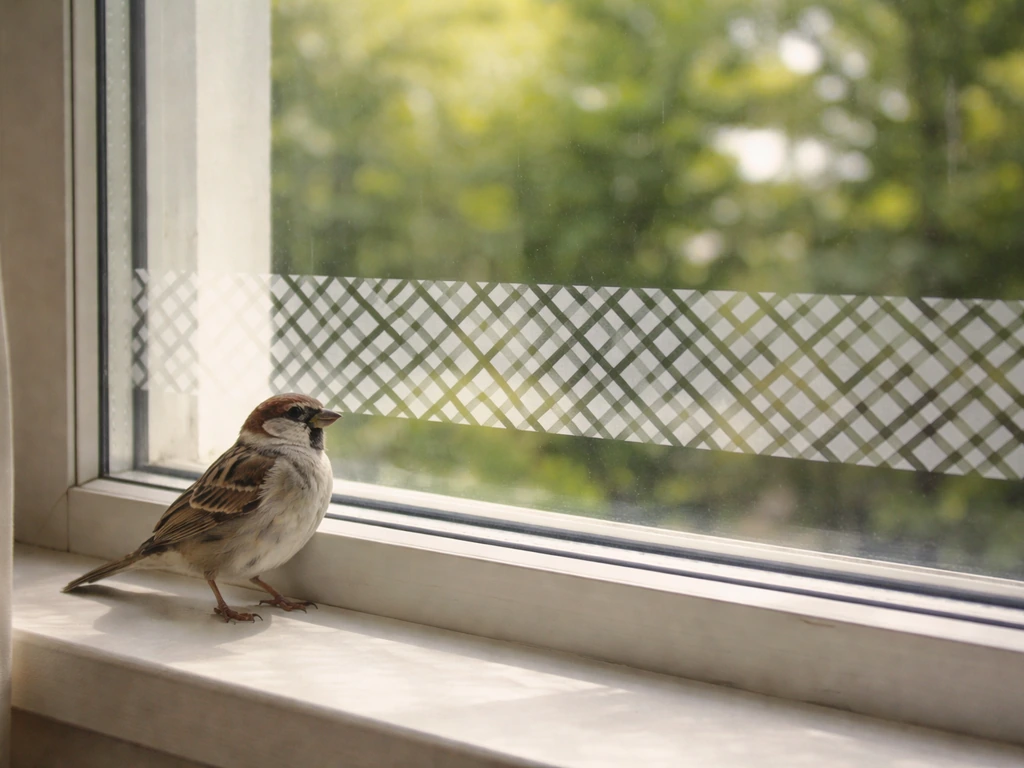
Window strikes are almost entirely preventable. Birds can't see glass as a barrier, especially when it reflects trees or sky. The most effective fixes are applying window tape, decals, or exterior screens that break up the reflection. Patterns need to be no more than 2 inches apart horizontally and 4 inches apart vertically to be effective. Keeping feeders either very close to windows (within 3 feet, so a collision has minimal force) or more than 30 feet away (so birds have time to change course) also dramatically reduces strike rates.
Cage and pet hazards
For pet birds, the most common injury sources are cage doors and bar spacing. Wings and legs can get caught between bars that are too widely spaced, and birds can injure themselves badly on cage door hinges. Check that bar spacing is appropriate for your bird's size, and make sure latches are smooth and flush. When your bird is out of the cage, keep other pets (especially cats) out of the room entirely. A single swipe from a cat's paw can cause a serious wing or leg injury even without a bite. Keep small birds away from ceiling fans, hot surfaces, and open water containers as well.
Outdoor and backyard hazards
Fishing line and netting left accessible outdoors are entanglement hazards for wild birds. Clean up any loose fishing line after use and store or dispose of netting when it's not actively in use. If you feed backyard birds, keep the area clean to avoid attracting predators that could injure visiting birds.
A quick-reference summary of what to do and what to avoid
| Do this | Don't do this |
|---|---|
| Place bird in a warm, dark, quiet box immediately | Leave the bird exposed on the ground or a table |
| Observe breathing, wing position, leg use, and bleeding before touching | Handle the bird more than necessary |
| Apply gentle pressure to active bleeding with a clean dry cloth | Apply ointments, salves, or petroleum jelly to wounds |
| Keep the box half on a low heating pad or near a warm water bottle | Use a heat lamp or direct high heat |
| Call an avian vet or wildlife rehabilitator as soon as the bird is contained | Wait more than an hour if red-flag signs are present |
| Transport in a quiet, warm car with the box secured | Offer food, water, or liquids by mouth |
| Describe exact symptoms when you call for help | Attempt to splint, bandage, or treat injuries yourself |
FAQ
What if the bird looks “fine” but still won’t fly?
Not flying usually means one of several problems, wing or leg injury, entanglement, or illness and internal trauma. If you cannot clearly see a wing droop or leg injury, focus on responsiveness and balance, and treat it as potentially serious until proven otherwise, especially if the bird is very quiet, fluffed, bleeding, or cannot hold its head up.
How long should I wait before assuming it is seriously injured?
A bird that seems stunned can sometimes recover after rest, typically within 30 to 60 minutes, but you should not wait if it shows red flags like inability to hold its head up, inability to move legs, visible bleeding, or unresponsiveness. Put it in a quiet, dark, ventilated box and recheck gently, if no improvement quickly, call an avian vet or wildlife rehabilitator.
Should I offer water or food to a grounded bird?
Do not give food or water on the assumption it is just “scared.” If a bird has neurological injury or is unable to swallow normally, forcing feeding can cause aspiration. If it is stable, focus on warmth and calm, and let a professional handle treatment and hydration.
If the bird is tangled, should I cut the line immediately?
Look for compression or pinching points where a string, fishing line, net, or wire is wrapped, and check both wings and both legs, even if only one limb seems affected. If something is tightly embedded, freeing it can worsen bleeding or tear tissue, in that case stabilize and contact a professional for guidance, especially with visible swelling or heavy bleeding.
What changes if a cat or dog was involved?
Yes, cats can cause serious injury even without a visible bite, especially to wings and legs. If you find any grounded bird after a cat encounter, treat as potentially traumatic injury, isolate the bird, and seek urgent professional help if there is limping, wing droop, or weakness.
How can I tell if a window strike is just temporary shock or something worse?
A window strike can cause internal injury even when the bird looks okay and stays still. The safest approach is rest in a dark box and watch for improvement, if the bird does not become more responsive or cannot right itself, keep it in the box and contact an avian vet or wildlife rehabilitator.
Can I move the bird to see if it will take off?
Avoid handling more than necessary, keep the bird low and supported, and do not try to “test” flight by moving it into open space. Short observation first helps, but once you suspect injury, stabilization in a box is better than repeated attempts that increase stress and risk of further harm.
What is the safest way to transport a bird that cannot fly?
For transport, use a ventilated box lined with a soft cloth, keep it dark and quiet, and secure the lid so it cannot escape. Do not put the bird in a large open carrier where it can thrash and worsen injuries, and keep car noise and temperature stable.
Do I treat a pet bird and a wild bird differently?
If it is clearly a pet bird, contact the owner guidelines or your avian vet promptly, because pet birds may have specific medical needs and they may not survive outdoor exposure. For wild birds, treat it as wildlife care, contact a licensed rehabilitator if available, and do not keep it long term beyond the time needed for stabilization and transfer.
When is it worth calling even if I am not sure what the injury is?
You should still call if you see severe mobility signs, if the bird cannot hold its head up, if it is not improving within about an hour, or if there is bleeding or likely internal trauma. When in doubt, describe the exact signs you observed, so the clinic can decide whether they want immediate transport or guided stabilization.
What does it mean if the bird can stand but won’t try to fly?
If a bird can stand but refuses to launch, it can be due to pain, wing or leg injury that is not obvious, or illness. Recheck wing position for subtle droop, test whether it can balance and push off with each leg, and watch breathing and responsiveness, then seek help if there is no improvement.