
If you are looking at a bird right now with a leg hanging at a wrong angle or dragging on the ground, here is the short answer: contain the bird calmly, keep it warm and dark and quiet, do not feed or water it, and contact a licensed wildlife rehabilitator or avian vet as fast as you can. Everything below explains exactly how to do each of those steps without making things worse.
Bird With Broken Leg: Immediate First Aid Steps
Marcus Chen
3 Apr 2026
How to tell it's really a broken leg (and not something else)
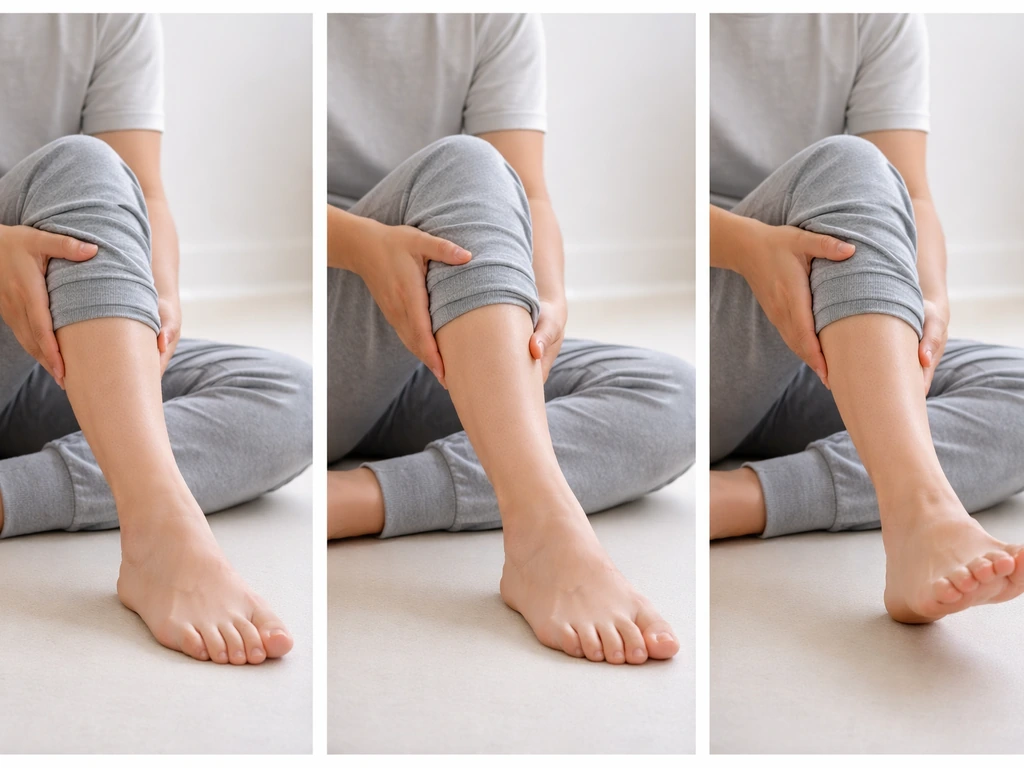
A broken leg looks different from a sprain, a dislocation, or simple weakness. The clearest signs are a limb hanging at an abnormal angle, an inability to bear any weight on that leg, or visible swelling or deformity along the bone. In more severe cases you may see a bone that has broken through the skin (an open or compound fracture), which is a veterinary emergency. If the leg looks twisted or bent in a direction it should not go, treat it as a fracture.
A few things that can look like a broken leg but are not: paralysis from a spinal injury (both legs may be limp and the bird cannot move them at all), a dislocated hip or knee (the joint looks 'out of place' but the bone itself is intact), or severe infection and swelling from bumblefoot or an old wound. For a good breakdown of all the signs specific to broken leg bird presentations, it is worth reading further before you proceed. In practice, if you are not sure, treat it as a fracture: the safe handling steps are the same and you need professional help either way.
One quick field test: a bird with a genuinely injured leg will often try to run or flap away from you, but it cannot fly. Virginia DWR specifically notes that an injured bird needing help may run but cannot fly, and adds clearly: do not chase it. Chasing stresses the bird further and risks additional injury. Approach slowly, stay low, and move with calm purpose.
Immediate first aid for a wild bird with a broken leg
Your job in the first few minutes is not to fix the leg. It is to stop the situation from getting worse. Broken leg bird treatment at the professional level involves imaging, proper alignment, and splinting or surgery. None of that is possible at home, and attempting it without training can cause serious additional harm. What you can do is protect the bird from stress, cold, and further movement while you get it to someone who can actually help.
Do not attempt to splint the leg yourself unless you have been instructed step by step by a rehabilitator over the phone. A home splint applied incorrectly can cut off circulation, shift a fracture into a worse position, or damage the skin and feathers. Professionals use X-rays and trained technique for a reason. The WERC Wildlife Emergencies guidance is direct on this point: do not try to immobilize fractures except by wrapping the whole bird gently in a towel, and call a wildlife rehabilitation center first.
If there is active bleeding, you can apply very gentle pressure with a clean cloth or paper towel for a minute or two before containment. Exposed bone or severe bleeding means you need to move to transport immediately rather than waiting.
How to handle, contain, and transport safely
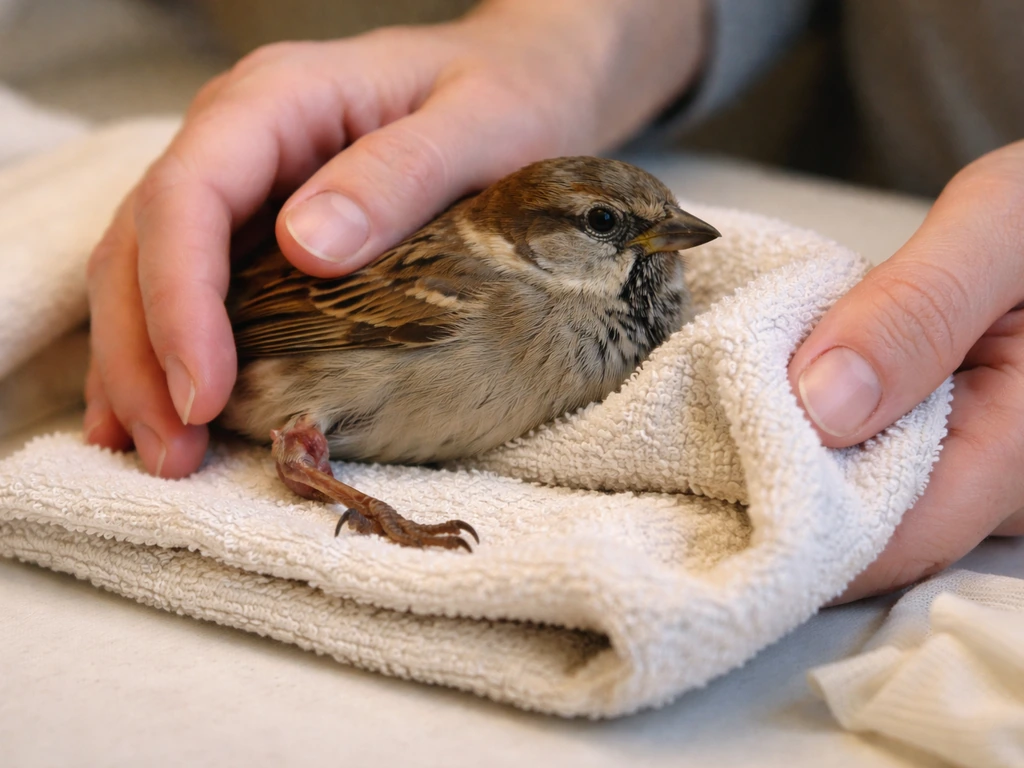
Use gloves or a folded towel to pick the bird up. This protects you from scratches and bites, and it gives the bird something solid to grip rather than your bare skin, which actually reduces panic. Cup the bird gently with both hands, keeping the wings folded naturally against the body. Do not squeeze. The goal is to limit movement, not to restrain aggressively.
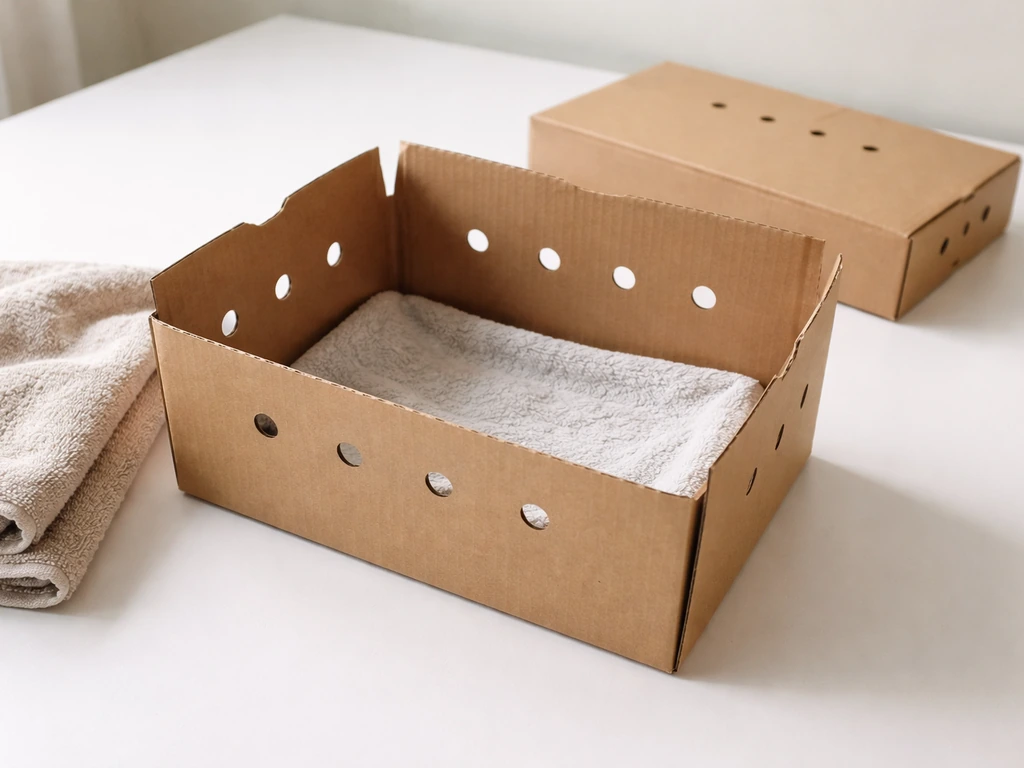
Put the bird in a cardboard box or a plastic container with a lid. Line the bottom with a non-slip surface: a folded hand towel or a piece of non-terry cloth works well. Avoid smooth surfaces like bare plastic or newspaper, because a bird that cannot grip the floor will struggle and thrash, which can worsen the fracture. Poke small air holes in the lid or sides, then close it securely. The American Bird Conservancy recommends this kind of secure, dark container as the best first step for any injured bird.
Keep the box away from pets, children, loud noise, and direct sunlight. A dark environment dramatically reduces a bird's stress response. Think of the container as a waiting room that keeps the bird as calm as possible until it reaches someone who can actually treat it. If you are dealing with a larger bird like a hawk or a heron, a laundry basket with a towel over the top or a large dog crate with a blanket over it works well. The key is that the bird cannot escape and cannot injure itself further by thrashing inside the container.
When you transport, put the box on the floor of your vehicle rather than on a seat. This keeps it from sliding. Drive calmly, keep the radio off, and do not open the box to check on the bird during transport. Every time you open the box, you add stress.
Pain, temperature, and hydration basics while you wait
Temperature is the biggest immediate risk after the injury itself. A bird in shock or pain loses body heat fast. If the bird feels cold to the touch, place the closed box on top of a heating pad set to low, or position it near (not directly against) a 75-watt bulb. Only heat one half of the box so the bird can move away from the heat if it gets too warm. Virginia DWR specifically recommends the 75-watt bulb method for cold or wet birds.
Do not feed the bird. Do not give it water. This is the part most people find hard to accept, because it feels like you are doing nothing. But the reasoning is serious: injured birds have a high risk of aspiration, meaning liquid or food can go into the airway instead of the stomach when they are stressed or compromised. One source puts it plainly: you can very easily aspirate an injured bird by attempting to give fluids. Beyond aspiration risk, food in the stomach can also complicate anesthesia if the bird needs surgery. The Wildlife Center of Virginia, the Wildlife Bird Care Centre, and multiple other rehabilitator organizations are all consistent on this: no food, no water unless a licensed rehabilitator specifically instructs you otherwise.
Pain management is not something you can or should attempt at home. Do not give any human pain medication such as ibuprofen or acetaminophen to a bird. These are toxic to birds and can be fatal even in tiny amounts. Keeping the bird dark, still, and warm is genuinely the most effective thing you can do for its comfort while you arrange professional care.
When to call a wildlife rescue or avian vet vs. when it's a true emergency
For any wild bird with a broken leg, contacting a licensed wildlife rehabilitator is the correct first call. In most countries it is also the law: keeping or treating injured wildlife without a permit is illegal, and for good reason. Virginia DWR is explicit that it is illegal to keep or care for injured wildlife unless you are a permitted rehabilitator. This is not meant to intimidate you; it is meant to protect the bird from well-intentioned but harmful at-home care.
To find a rehabilitator near you, search your state or country wildlife agency website, call a local nature center or wildlife hospital, or use online directories like the National Wildlife Rehabilitators Association finder. Audubon recommends contacting a wildlife rehabilitator as soon as possible for any bird with an obvious broken or dragging leg. If you cannot reach a rehabilitator quickly, an avian veterinarian (a vet who specializes in birds) is the next best option. A standard dog-and-cat vet may not have the experience or equipment to treat bird fractures effectively.
These situations require the fastest possible response rather than waiting for a regular appointment:
- Active bleeding that does not slow down with gentle pressure
- Bone visibly protruding through the skin
- The bird is unresponsive, limp, or showing signs of shock (pale or blue skin around the beak, eyes partially closed, not reacting to handling)
- The bird is a raptor (hawk, owl, eagle) or a large wading bird, which can injure you seriously if mishandled
- There is an immediate threat nearby, such as a cat, dog, or traffic
The IWRC emphasizes transferring the animal to a licensed rehabilitator as soon as possible in genuine emergencies, and coordinating with appropriate emergency veterinary resources if a rehabilitator cannot be reached immediately. If your local rehabilitator has a wait or requires you to transport the bird yourself, that is normal. Get moving.
For pet birds like budgies or parakeets, a wildlife rehabilitator is not the right call. You need an avian veterinarian. Pet birds with broken legs require professional splinting, and the sooner it happens, the better the outcome. If you are not sure whether your small bird's leg is actually fractured, the budgie bird broken leg symptoms guide can help you identify the specific signs before you head to the vet.
What happens after you hand the bird off
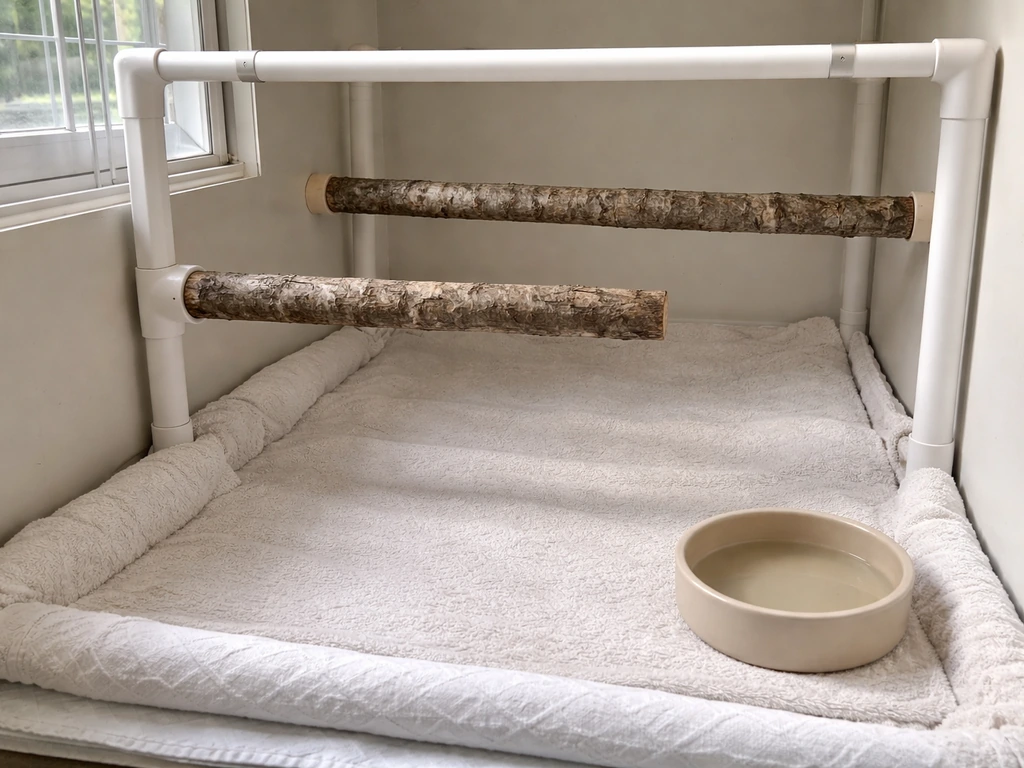
Once the bird reaches a wildlife center or avian vet, the first step is an intake examination. Rehabilitation technicians assess external wounds, check for broken bones by feel, and evaluate the bird's overall condition. Most facilities then use X-rays to confirm the fracture location and type before deciding on treatment. The Raptor Trust, for example, has a full veterinary suite with imaging equipment on site, and their clinical workflow goes from intake exam directly to imaging and treatment planning.
Depending on the fracture, treatment might involve external splinting, surgical pinning, or a figure-eight wrap to immobilize the limb during healing. Wildlife Aid has documented cases where X-rays revealed a tibiotarsus fracture and a splint was applied for alignment and healing support. A professional broken leg bird splint is quite different from anything you can safely replicate at home: it uses specific padding materials, precise tension, and positioning based on the exact fracture type seen on imaging.
A common question is will a bird broken leg heal on its own. The answer depends heavily on the severity and location of the fracture, the species, and how quickly treatment begins. Small, clean fractures in otherwise healthy birds can heal with proper immobilization. Compound fractures, fractures near a joint, or fractures in birds that have been left untreated for days have a much poorer prognosis. Speed matters.
Preventing re-injury after recovery
If a rehabilitated wild bird is eventually released, the release site matters. A bird that broke its leg after a cat attack, a vehicle strike, or a window collision should not be released in a high-risk area. Talk to the rehabilitator about this when you drop the bird off. They often have input on release locations and timing.
For pet birds recovering at home after veterinary treatment, the enclosure setup during recovery is critical. Keep the bird in a smaller, lower space than its normal cage so it is not climbing or flying before the bone has fully healed. Remove perches that require significant grip strength, and line the floor with a non-slip surface. Keep other pets completely away. Follow your vet's exact instructions about restricted movement because premature activity is one of the most common reasons fractures re-break or heal badly in pet birds.
In outdoor spaces where wild birds visit, consider what changes could reduce injury risk. Keeping cats indoors, applying window decals or screens to prevent bird collisions, and removing low-hanging wire or netting from garden areas all reduce common causes of leg fractures in wild birds. These small adjustments genuinely prevent the situation you just dealt with from happening again.
FAQ
Should I try to straighten a bird with a broken leg if it looks twisted or bent?
No. Straightening or repositioning the limb can shift a fracture, damage skin or soft tissue, and worsen pain and swelling. Keep the bird still and contained, then let a licensed rehabilitator or avian vet align it after imaging or an exam.
What should I do if the bird is bleeding but I cannot reach help immediately?
Apply gentle pressure with a clean cloth for a minute or two, then contain the bird right away in a dark, secure box. If bleeding is heavy, the wound is gaping, or you see exposed bone, prioritize immediate transport rather than extended pressure.
Can I use a towel wrap around the leg, or should I immobilize the fracture in the box?
Do not wrap or splint the leg yourself. If you have not been coached step by step by a rehabilitator over the phone, the safest option is containment that prevents whole-body thrashing (secure box, non-slip base, dark and quiet).
How long can I wait before transporting, and how do I know it is urgent?
Treat it as urgent if the bird cannot stand, has an obvious deformity, is dragging the leg, or has any open wound or heavy bleeding. In general, faster is better because prolonged stress and movement worsen outcomes. Arrange contact and transport as soon as you can, even if it means going to an emergency wildlife hospital.
Is it okay to give the bird water or electrolytes if it seems stressed or panting?
No. Do not offer fluids. Stress and compromised breathing increase aspiration risk, and liquids or food can also complicate anesthesia later. Instead, keep the bird warm, dark, and still until a professional provides care.
What human pain medicines are safe for a bird with a broken leg?
None. Avoid all human pain medications such as ibuprofen and acetaminophen, even small doses, because they can be toxic to birds. Focus on warmth and minimal movement while you coordinate veterinary or rehabilitator care.
If the bird cannot fly, should I assume it is definitely a broken leg?
Not necessarily. Some birds cannot fly due to wing injuries, neurologic issues, or shock. However, the safe approach is the same: treat the bird as injured, do not chase, contain it, and get professional assessment.
What if I accidentally drop or handle the bird more than planned?
If the bird was jostled, kept contained, and still breathing normally, proceed with calm containment, warmth, and professional contact. If you notice new bleeding, a change to the leg angle, increased struggling, or worsening inability to move after handling, transport sooner.
Do I need to wear gloves, and is it safe to let the bird bite or scratch?
Use gloves or a folded towel to pick up the bird. Birds can bite or scratch, and handling without protection increases panic and risk of injury. Also avoid holding it too tightly, aim for gentle control of movement only.
What is the best container: cardboard box, plastic carrier, or towel bundle?
Use a secure box or lidded plastic container lined with a non-terry, non-slip surface (like a folded hand towel or non-terry cloth). Avoid smooth bases such as bare plastic or newspaper because the bird cannot grip and may thrash. Do not wrap it tightly like a bundle unless instructed by a professional.
Should I cover the bird completely with a towel or leave it uncovered?
A dark environment is helpful, but avoid tight, restrictive wrapping around the legs. A loose cover over the container can reduce stress, as long as the bird is still able to breathe comfortably and you do not restrict the chest or abdomen.
How should I heat the bird without overheating it?
If the bird feels cold, warm only part of the closed container so it can move away. Use a low setting on a heating pad placed under part of the box, or position near a heat source such as a 75-watt bulb without direct contact. Check periodically from the outside for excessive heat, and stop if it seems too warm.
Can I keep the bird overnight in the box until morning?
Only if you have already contacted a wildlife rehabilitator or avian vet and they agree with the timing. Otherwise, treat it as a same-day emergency and transport or continue calling for an immediate intake. Keeping it longer without professional care can worsen fractures and stress.
If it is a pet bird (budgie, parakeet, etc.), should I still contact a wildlife rehabber?
No. Pet birds need an avian veterinarian for exam and splinting. If you are unsure whether the leg is fractured, use a pet-specific symptom guide and seek avian care quickly rather than waiting.
What should I tell the rehabilitator or vet when I call?
Share where you found the bird, when the injury likely happened, whether it is dragging the leg or holding it at an abnormal angle, whether there is bleeding or an open wound, and whether it could flap or fly at all. Mention if a cat, car, window collision, or another event is suspected.
After treatment for a pet bird, how do I prevent re-injury while the leg heals?
Keep the bird in a smaller, lower enclosure to reduce climbing and jumping. Remove perches that require strong grip, use a non-slip floor, and keep other pets away. Follow your vet’s activity limits exactly, premature movement is a major reason fractures re-break.
Next Articles
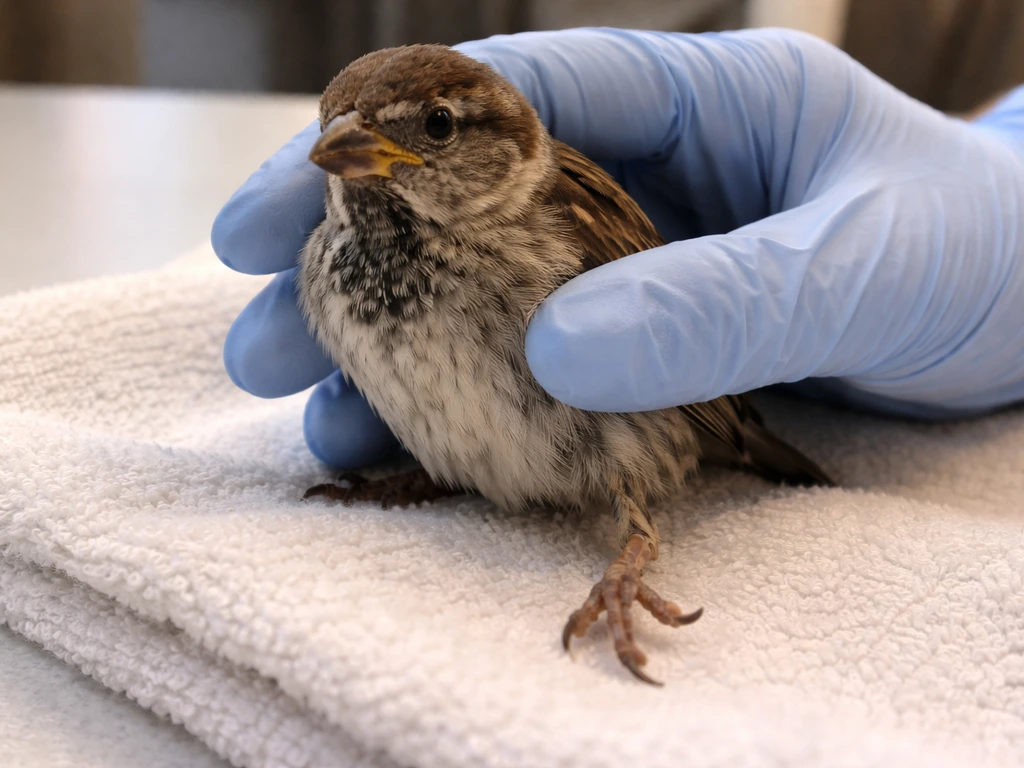
Broken Leg Bird: First Aid, Restraint, and Vet Care
Spot signs of a broken leg bird, give safe first aid and restraint, and transport to an avian vet or rescue fast.
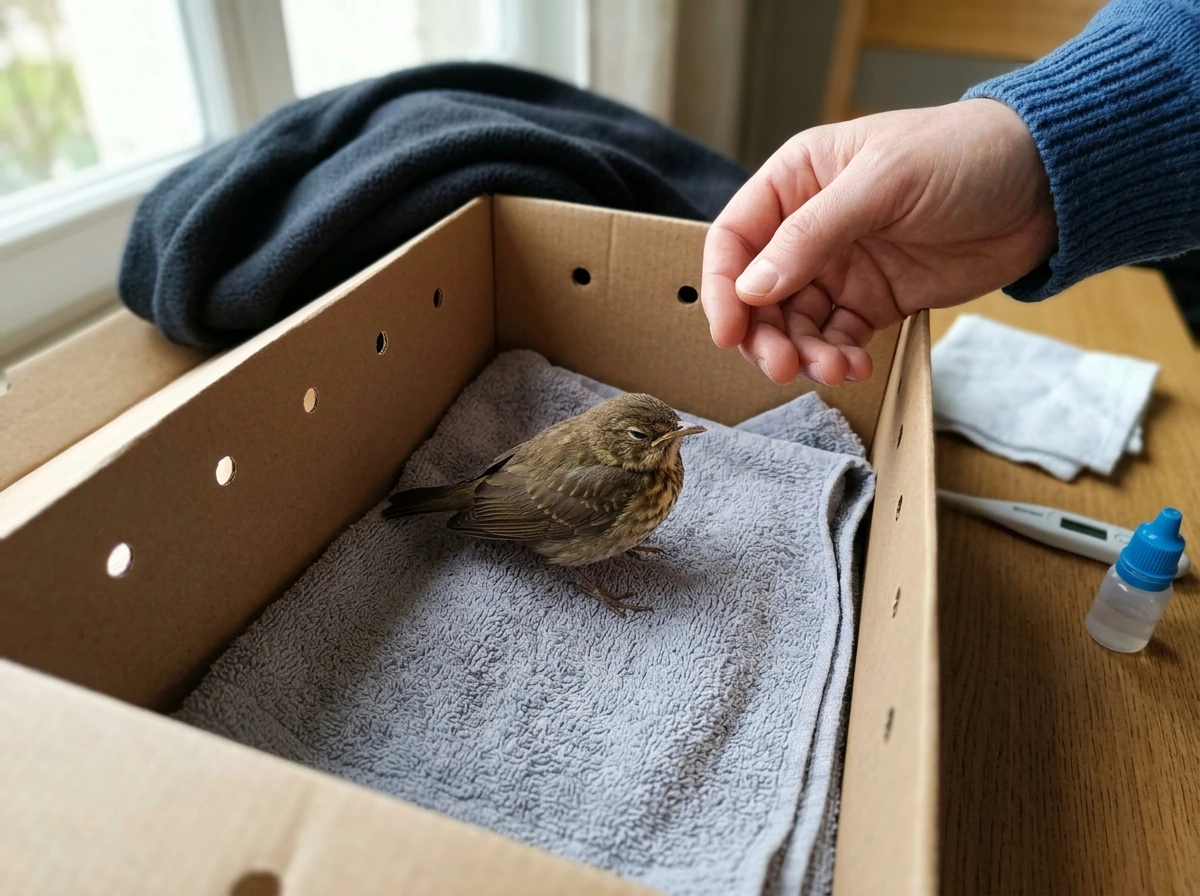
Will a Bird Broken Leg Heal on Its Own? What to Do Now
Broken bird leg usually won’t heal safely on its own; learn signs, first aid, and when to get vet or wildlife help.
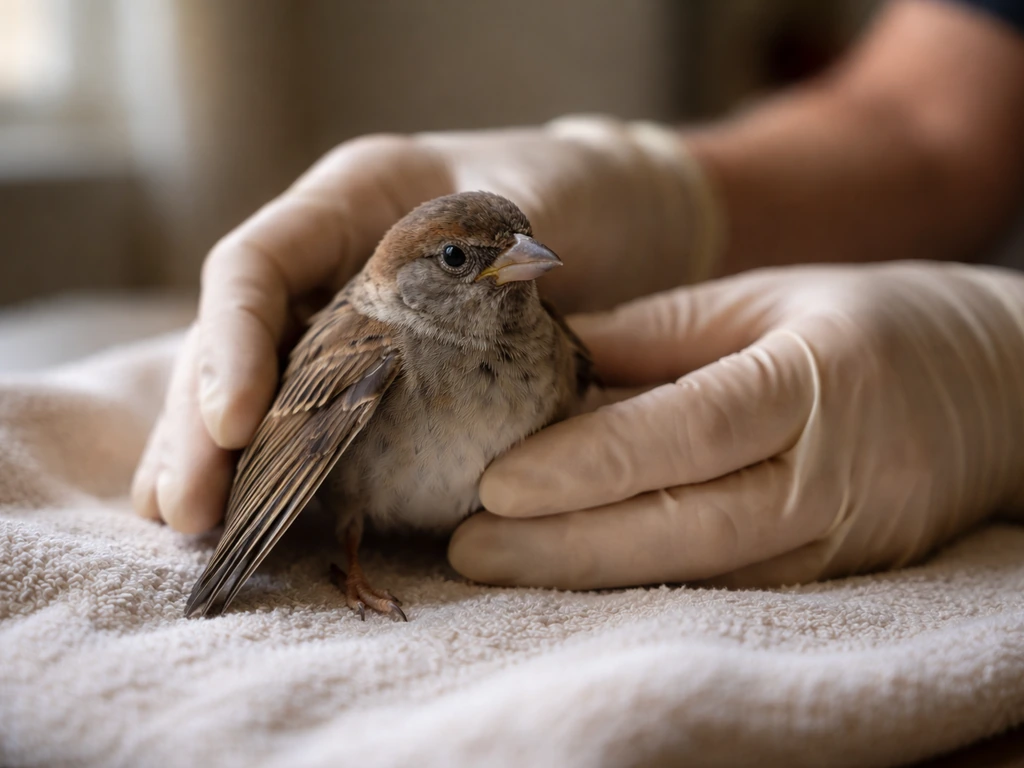
Can a Bird Live With One Wing? Survival and First Aid
Can a bird live with one wing? Injury outcomes and step-by-step first aid, plus when to get urgent help.