
If you've found a bird with a suspected broken leg, here's the short answer: keep it warm, keep it calm, minimize handling, and get it to an avian vet or wildlife rehabilitator as soon as you can. The next hour or two matters a lot, so let's walk through exactly what to do, step by step.
Broken Leg Bird: First Aid, Restraint, and Vet Care
Marcus Chen
2 Apr 2026
What a broken leg actually looks like in birds
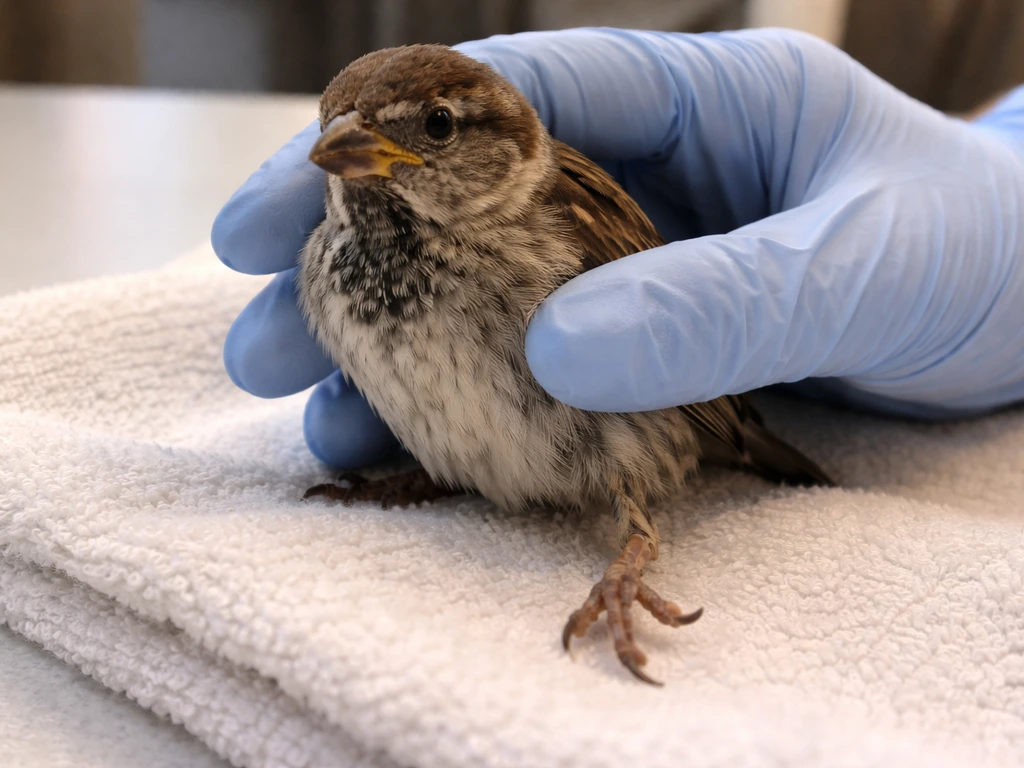
Birds are surprisingly good at hiding pain, so a broken leg doesn't always look dramatic. That said, there are clear signs to watch for. The most obvious is a leg that dangles limply, hangs at a wrong angle, or that the bird simply won't put weight on. You might also notice swelling, visible bruising, or an open wound near the joint or along the bone. If there's blood or exposed tissue, that's an open (compound) fracture, and it raises the urgency considerably.
Beyond the leg itself, watch the bird's overall posture and behavior. An injured bird often sits fluffed up with its feathers puffed out, looks dull or glassy-eyed, and is unusually quiet. Lameness or an inability to stand, combined with that lethargic appearance, is a reliable signal that something is seriously wrong. Limping and decreased physical activity are among the clearest reasons to act quickly. For a deeper look at identifying the problem, this guide on bird with broken leg covers the full range of signs across species.
One thing worth noting: sometimes what looks like a broken leg is actually a dislocated joint, severe soft-tissue injury, or even a neurological issue from a collision. You don't need to diagnose it precisely. If the leg looks wrong and the bird is struggling, treat it as a fracture until a professional says otherwise.
Immediate first aid: what to do in the first few minutes
Your main job right now is not to fix the leg. It's to stop things from getting worse. That means reducing stress, preventing shock, and avoiding any action that could cause additional fractures or injury. Here's what to do:
- Stop and breathe. Your calm directly affects the bird's stress level. Move slowly and deliberately.
- If there's active bleeding, apply gentle, direct pressure with a clean cloth or paper towel. Hold it steady rather than wiping. Do not try to clean or probe the wound.
- Do not try to splint or straighten the leg yourself. Unless you've been trained in avian first aid, any attempt to immobilize the limb at home is more likely to cause pain and additional damage than to help.
- Do not offer food or water. An injured bird in shock can aspirate (inhale liquid into the lungs), and eating can divert blood flow away from critical areas. Hold off until a professional gives the go-ahead.
- Get the bird into a container. This is the single most useful thing you can do right now.
Once the bird is contained, place the container somewhere warm (around 85–90°F if you have a way to monitor it, or simply somewhere away from cold drafts), dark, and very quiet. Darkness reduces panic significantly. A bird sitting in a quiet, darkened box is already in much better shape than one left loose on the floor or clutched in someone's hands.
How to safely restrain and transport a bird with a leg injury
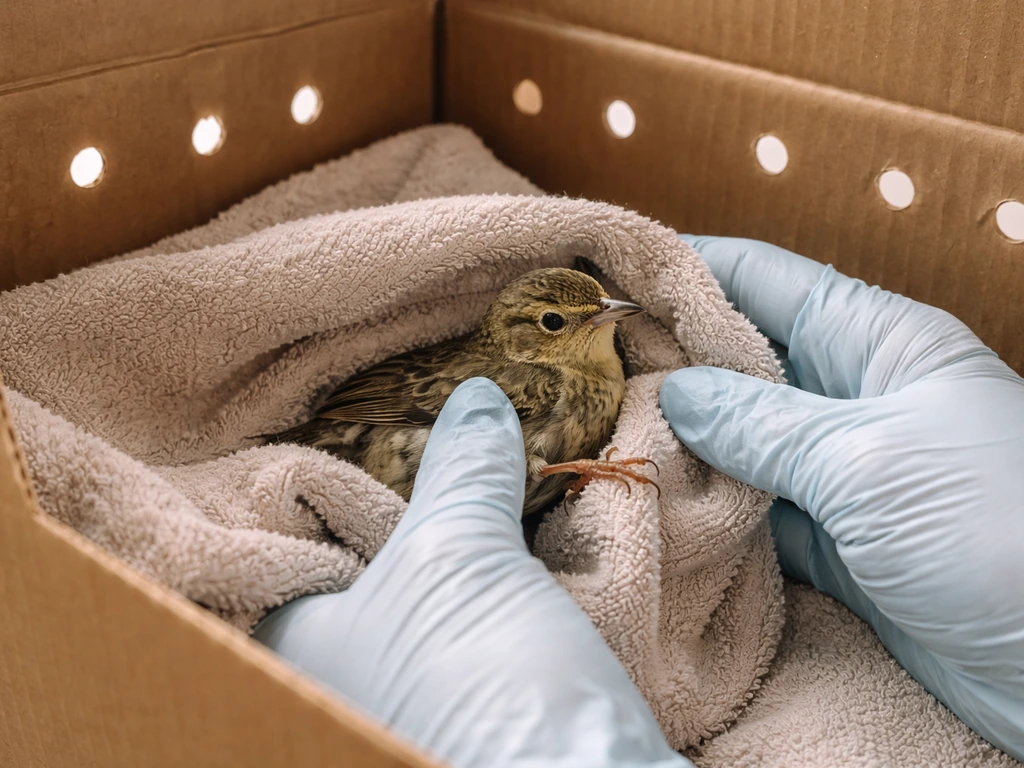
Restraint is where most well-meaning people accidentally make things worse. The instinct is to grab the bird quickly, but a panicked bird will thrash, and thrashing with an already-fractured leg can turn a single break into multiple fractures. Take a breath and follow these steps.
If the bird is small (a sparrow, finch, or similar), drape a light cloth or small towel over it first, then gently scoop it up with both hands cupping the body. The key constraint: do not squeeze the chest. Birds breathe differently than mammals, and compressing the chest restricts airflow through their air sacs. Keep your grip firm enough that the bird can't escape, but loose enough that you're not bearing down on the ribcage. Never grab by the leg or wing, as this is exactly the kind of handling that causes struggling and additional breaks.
For larger birds (crows, pigeons, ducks, raptors), a towel is even more important. Throw it over the bird to cover its head first. A bird that can't see tends to calm down almost immediately. Then wrap the towel around the body, keeping the wings against the sides, and lift. Keep the injured leg as still as possible but don't try to hold it in any particular position.
The right container makes a huge difference. A cardboard box with air holes punched in the sides works well for most wild birds. Line the bottom with paper towels or a folded cloth so the bird has some grip. Avoid wire cages, which allow the bird to grip and hang, potentially worsening the leg injury. Keep the box small enough that the bird can't bounce around inside, but large enough that it can breathe comfortably. Close the lid or flaps. Keep it in a warm spot in your car during transport, away from vents blowing cold air, and drive calmly without sudden stops.
When it's urgent: vet or wildlife rescue right now vs. a short wait
This is the decision that matters most. In general, any bird with a suspected broken leg needs professional care. The question is just how fast. Here's how to read the situation:
| Situation | Urgency Level | What to do |
|---|---|---|
| Open fracture (bone visible or wound near break) | Emergency | Call an avian vet or wildlife emergency line immediately |
| Active, uncontrolled bleeding | Emergency | Apply pressure and call immediately |
| Bird is limp, barely responsive, or in obvious shock | Emergency | Get moving now; keep warm and dark during transport |
| Bird caught by a pet (cat especially) | Urgent within 1–2 hours | Assume infection risk even if no wound is visible; vet today |
| Closed fracture, bird is alert but limping | Urgent but not immediate | Stabilize in box, contact wildlife rescue or vet within a few hours |
| Nestling or very young bird with injured leg | Urgent | Contact wildlife rehabilitator as soon as possible |
| Pet bird (budgie, parrot, etc.) limping but stable | Same day | Avian vet appointment today; monitor for deterioration |
One scenario that catches people off guard: prolonged struggling. If a bird has been stuck or thrashing for a long time (for example, a leg band caught on something), the cumulative stress can become life-threatening on its own, separate from the physical injury. The goal in any scenario is to stop the struggling as quickly and calmly as possible, then get help. Don't delay care while waiting to see if the bird improves on its own. To understand why waiting isn't a good strategy, read more about will a bird broken leg heal on its own. The short version: it won't, not well, and untreated fractures often lead to permanent disability or worse.
Preventing shock and supporting recovery while you arrange help
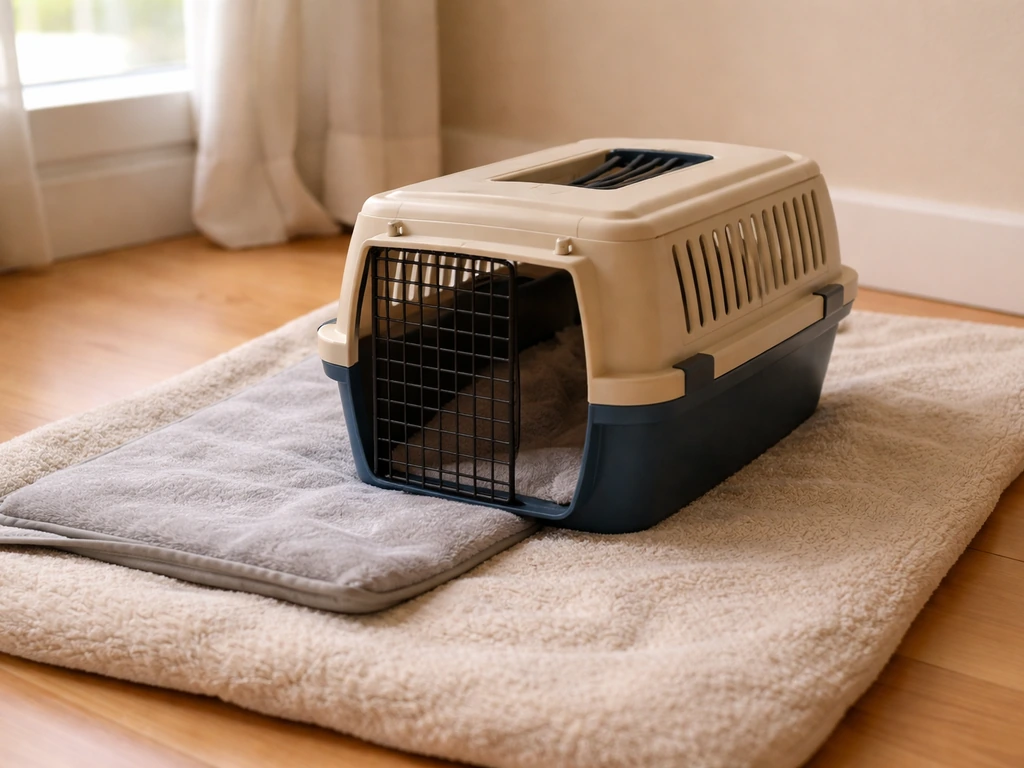
Shock is the silent killer in bird injuries. It can develop even when the visible injury seems manageable, and it moves fast. The classic signs are a bird that looks glazed over, sits very still with feathers puffed out, and doesn't respond normally to stimuli. If you're seeing that, your priority is warmth, darkness, and quiet, full stop.
Keep the container in a warm room or use a heating pad on its lowest setting placed under half the box (never the whole bottom, so the bird can move off the heat if it gets too warm). The target is a warm environment, not a hot one. Cover the box with a cloth to block light. Don't keep peeking inside to check on the bird. Every time you lift that lid, you spike the bird's stress hormones. Check once every 20–30 minutes at most.
Keep noise in the room minimal. No TV, no loud conversations near the box, no other pets in the same space. This sounds like overkill, but birds in shock are genuinely fragile, and unnecessary stimulation can tip them over the edge. The goal between now and professional care is simply to keep the bird alive and calm.
Special scenarios: pet attacks, found on the ground, and nestlings
Bird caught by a cat or dog
This is one of the most common scenarios and also one of the most deceptive. A bird grabbed by a cat may look completely fine from the outside, with no visible wound and a leg that appears intact. But cat saliva carries bacteria (most notably Pasteurella multocida) that are rapidly fatal to birds. Even a single small puncture can cause a systemic infection within hours. If a cat or dog has had the bird in its mouth, treat it as a medical emergency regardless of how the leg looks. The bird needs antibiotics from a vet within 4–6 hours of contact. Don't wait to see if it worsens.
Bird found on the ground
A bird sitting on the ground and not flying away is almost always injured or seriously ill. Healthy birds don't let people walk up to them. Before you assume it's a leg injury, check quickly for other trauma: drooping wing, head tilt, blood around the beak or nostrils, obvious impact injuries. Collision with a window is a common cause, and a bird that flew into glass might be temporarily stunned rather than fractured. Give a stunned bird 15–20 minutes in a dark, ventilated box. If it's recovered, it will tell you by becoming active and trying to escape. If it's still sitting flat and quiet after that window, assume the injury is real and proceed with getting help.
Nestlings and very young birds
A nestling with an injured leg is a specific situation that needs a wildlife rehabilitator, not a general vet and definitely not a well-meaning attempt at home splinting. Young birds' bones are developing and fragile, and their requirements for warmth, feeding frequency, and handling are extremely specific. If you find a very young bird on the ground with a suspected leg problem, resist the urge to handle it extensively. Keep it warm, place it gently in a lined box, and call your nearest wildlife rehabilitation center immediately. If the nest is visible and accessible, and the bird wasn't injured by a predator, returning it to the nest is worth attempting first.
Small pet birds like budgies
Pet birds like budgies and cockatiels can fracture a leg from something as simple as getting a toe caught in a toy or falling from a perch. Budgie bird broken leg symptoms can be subtle at first, often just a reluctance to perch on the injured side or holding the leg up slightly. Don't wait for obvious swelling to confirm your suspicion. If your pet bird is favoring a leg, call an avian vet the same day.
What happens after a vet or rehabilitator takes over
Understanding what professional care looks like helps you advocate for the bird and set realistic expectations. When a professional assesses a bird with a leg fracture, the first steps typically involve pain management, a physical examination, and often an X-ray to confirm the type and location of the break. From there, the treatment pathway depends on the fracture.
Closed, stable fractures in small bones are often managed with splinting and cage rest. A proper avian splint is nothing like the makeshift versions you might find described online, which is part of why broken leg bird splint application should be left to professionals. Done incorrectly, a splint can cut off circulation, cause pressure sores, or shift the bone into a worse position. A vet-applied splint is checked and adjusted regularly, often within 12 hours of application at first.
More complex fractures, particularly those involving the femur or those that are open (compound), may require surgical fixation using pins or external fixators. Open fractures also need wound care and antibiotics to prevent bone infection, which is a serious complication that can significantly change the prognosis. For a comprehensive breakdown of what professional care involves, the article on broken leg bird treatment goes into the options in detail.
What recovery actually looks like
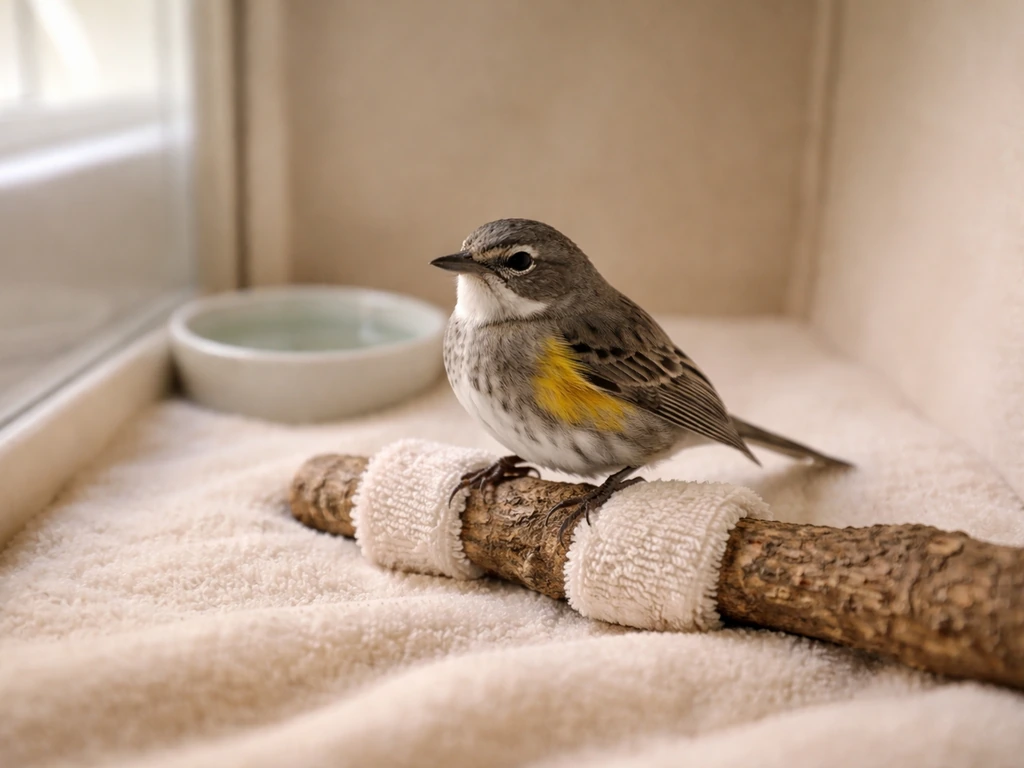
Most leg fractures in birds heal within 3 to 6 weeks, though the full process depends heavily on the location of the break, whether it was an open or closed fracture, the bird's age and overall health, and the fixation method used. Mineral density (the full strength of the healed bone) can take even longer to fully return. During recovery, the bird needs to be kept in a small, low-perch enclosure to prevent falls and re-injury. No roughhousing, no opportunities to climb or jump. This is true whether it's a pet bird at home or a wild bird in a rehab facility.
Prognosis is generally good for closed fractures caught early and treated properly. Open fractures, or those where infection develops, carry a more guarded outlook. For wild birds, the additional question is whether the bird will be fully functional enough to survive in the wild after healing. Rehabilitators make that call based on how the bird moves, grips, and bears weight once healed.
The most important thing you can do right now, in the first hour or two, is resist the urge to over-handle the bird and get it into the hands of someone qualified to help. You found it, you secured it, and you got it there. That's genuinely the best possible outcome for a bird that would otherwise have no chance at all.
FAQ
Can I put a homemade splint or wrap on a broken leg bird?
Yes, but only as a temporary measure to reduce shock and struggling. Use warmth (about room-warm to near 85–90°F if you can monitor) plus darkness and quiet. Do not attempt a splint, tie, or bandage at home, especially for an open fracture, because incorrect pressure can cut circulation or shift bone fragments.
What if my broken leg bird looks fine after a cat or dog attack?
If the bird was in a cat or dog’s mouth, treat it as an emergency even when the leg looks normal or only slightly injured. Call a vet that same route and plan to bring the bird immediately, because infection from saliva can progress within hours.
Should I give water or food to a broken leg bird while waiting for the vet?
For a presumed fracture, avoid water. Birds with injuries are stressed and can aspirate if you force fluids. If the bird is alert enough to swallow on its own, you may offer a small amount only en route, but the priority is warmth, quiet, and professional care.
How should I manage bleeding if the broken leg is an open fracture?
If the bird is bleeding externally, apply gentle pressure with a clean cloth or gauze around the area. Do not pack deep into a wound. Keep the bird warm and minimize handling, then get to an avian vet as quickly as possible.
Is it safe to give ibuprofen or Tylenol to a broken leg bird?
Do not give human pain relievers (including ibuprofen, acetaminophen, or aspirin). Birds metabolize many drugs differently and can be harmed quickly. Only a veterinarian should determine appropriate dosing for a bird.
What’s the best transport container for a broken leg bird?
Keep it in a secure, small container with air holes and a soft lining for grip, but without wire surfaces. Avoid anything where the bird can hook, hang, or bounce (wire cages or large loose containers), because movement can worsen a fracture.
How do I warm a broken leg bird without cooking it?
For transport warmth, use a heating pad on the lowest setting under only part of the container so the bird can move away if it gets too warm. Check the pad periodically, and never place direct heat where it can overheat the bird.
How can I tell if a bird is just stunned after hitting a window or actually has a broken leg?
After a window collision, a bird may be stunned and look uninjured at first. Give 15–20 minutes in a dark, ventilated box. If it is still flat, quiet, or not trying to escape after that window, treat it as injured and get professional help.
What should I do if the broken leg bird is a nestling?
If the bird is a nestling or very young, do not try home splinting or prolonged handling. Keep it warm in a lined box and contact a wildlife rehabilitator immediately. Their care needs, including feeding schedule and safe rewarming, are very specific for juveniles.
How can I safely pick up a bird with a suspected broken leg if it’s panicking?
You can, but only with proper restraint technique. Covering the head and using a towel to limit flapping helps most birds calm down quickly. Even then, avoid grabbing by the leg or wing, and do not squeeze the chest.
What other symptoms should I look for besides the bent or dangling leg?
Check whether the bird can bear weight at all, and look for other trauma such as head tilt, drooping wing, blood around the beak or nostrils, or signs of impact. Even if you suspect a leg injury, these features help professionals triage more severe injuries.
Once a broken leg bird seems better, when is it safe to let it walk or perch?
Avoid letting a recovered bird perch or roam during the early healing period. Plan for a small, low-perch, low-fall-risk enclosure until a vet clears activity, since climbing and jumping can re-injure the fracture.