
A budgie with a broken leg will usually hold the injured leg up off the perch, refuse to put weight on it, or drag it slightly when moving. The leg may look bent at an odd angle, feel swollen, or hang loosely. If you're seeing any of those signs right now, the most important thing you can do is stop handling the bird, set up a calm, warm, low space for it to rest in, and contact an avian vet as soon as possible. Broken legs in budgies are painful, can worsen quickly with activity, and rarely heal correctly without professional help.
Budgie Bird Broken Leg Symptoms: What to Do Now
Marcus Chen
22 May 2026
How budgies break their legs
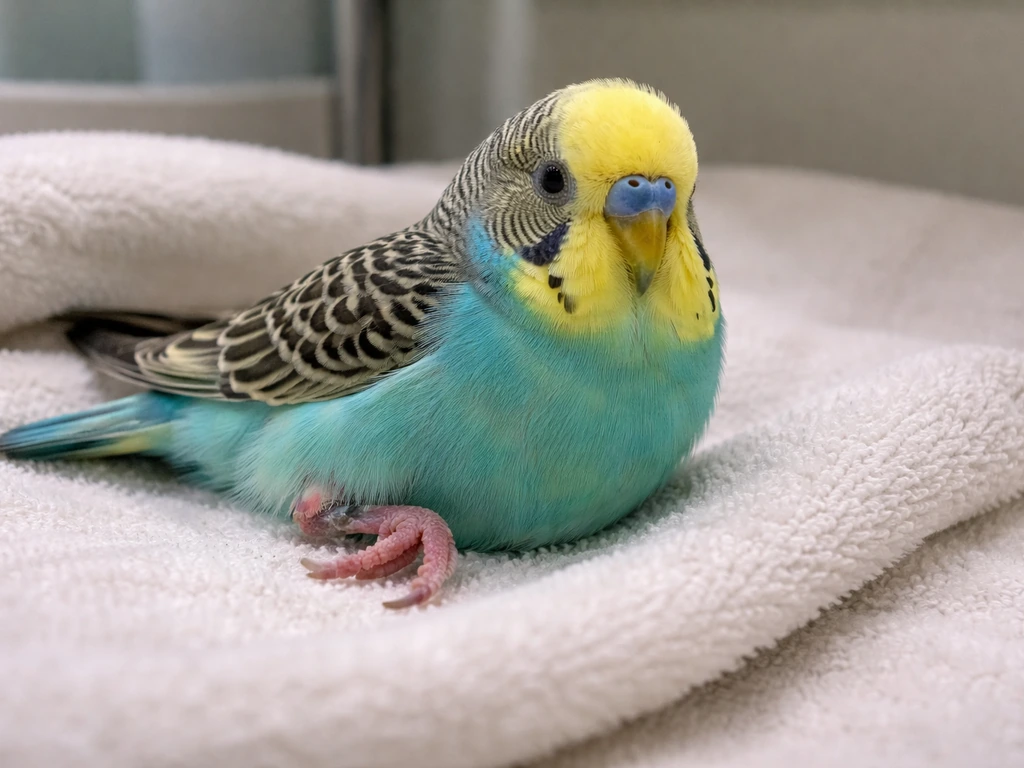
Budgie bones are hollow and surprisingly fragile, which means a leg fracture can happen in ordinary household situations. Understanding the most common causes helps you figure out how serious the injury might be and gives you useful information to share with the vet.
- Falls from a high perch or the top of an open cage door, especially after a fright or collision with a window
- Getting a leg or toe caught in cage bar spacing that is too wide (safe bar spacing is no more than half an inch or 1.2 cm for budgies)
- Getting stepped on or accidentally squeezed during handling, particularly with young birds or birds not used to being held
- A leg band catching on a perch, toy, or bar and trapping the bird, sometimes for hours before it is found
- Seizures or sudden neurological episodes that cause the bird to thrash and hit the cage walls
- Attacks from another bird in the same cage, including foot-biting or rough play
- Being caught under a closing door, drawer, or furniture
Leg band injuries deserve a specific mention. A bird trapped by a band can develop complications beyond the fracture itself, including blood loss and low blood sugar from prolonged stress. If your budgie was found with a leg caught and has been stuck for any length of time, treat this as an emergency even if the leg looks intact.
Broken leg vs. sprain vs. paralysis: what to actually look for
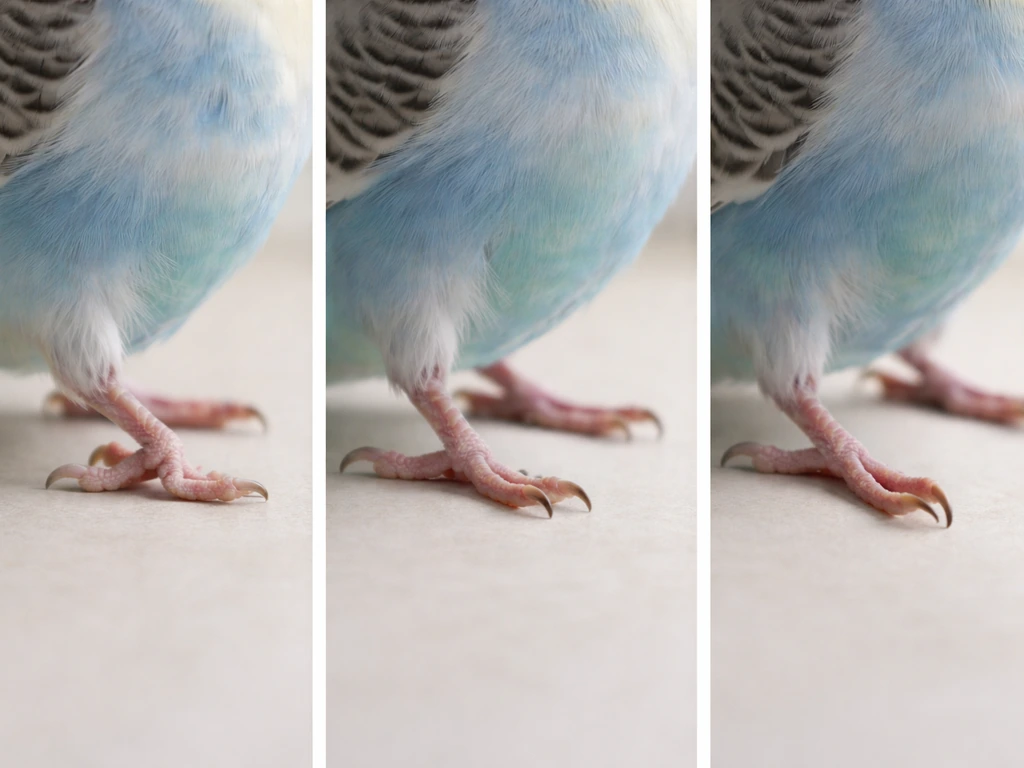
This is where most owners get confused, and understandably so. A sprain, a fracture, a dislocation, and a neurological problem can all look similar at first glance. But there are real differences in what you'll observe, and getting this right helps you make a faster, better decision about what the bird needs.
Signs that point to a broken leg
- The leg is visibly bent, twisted, or at an angle that looks wrong compared to the other leg
- The bird will not put any weight on that leg at all, or only does so for a split second before pulling it up
- There is obvious swelling, bruising, or discoloration around the leg, ankle, or foot
- The leg hangs loosely rather than being held up or tucked in normally
- You can see a break in the skin or a bone pushing against or through the skin (an open fracture, which is a serious emergency)
- The bird is sitting on the floor of the cage rather than on a perch, because perching is too painful
- The bird reacts with pain (flapping, biting, vocalizing) when the leg is gently touched
Signs that suggest a sprain or soft-tissue injury
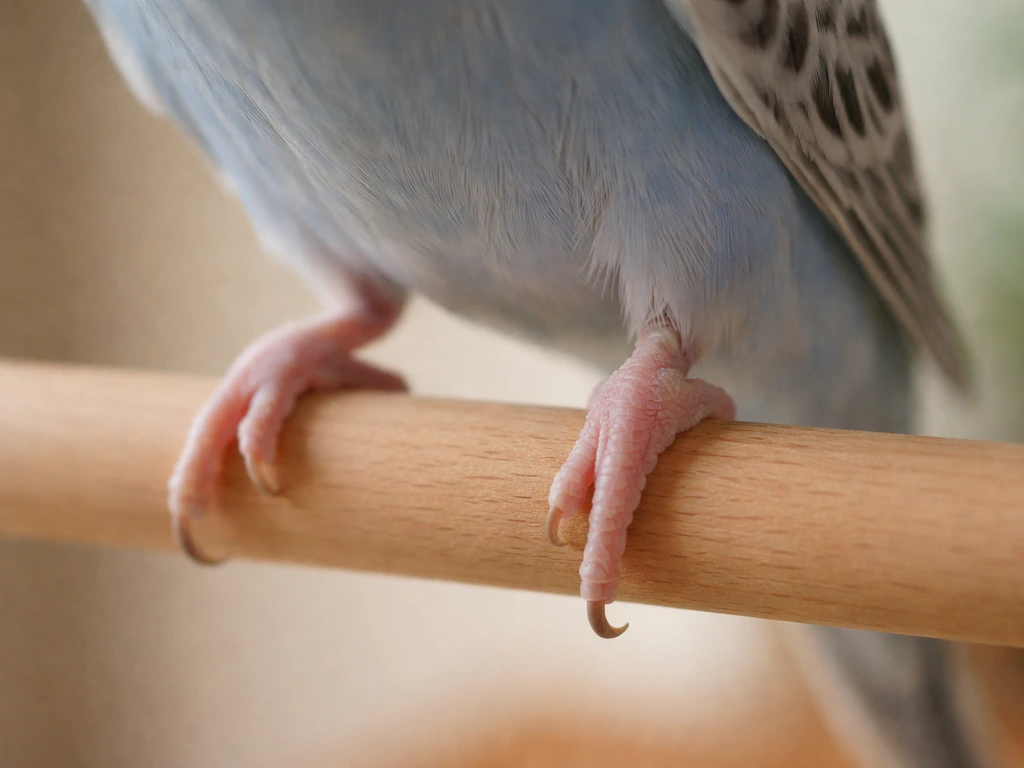
- The bird is limping but still putting some weight on the leg
- One foot is held up intermittently but the bird can grip with it when it chooses to
- There is mild swelling but no obvious deformity or abnormal angle
- The bird is alert and eating, just favoring the leg
- Symptoms came on gradually or appeared after minor activity rather than a clear traumatic event
Here is the important caveat: what looks like a sprain can actually be a fracture, dislocation, or internal injury. Signs can overlap enough that even experienced hands cannot tell for certain without a physical exam and imaging. If there is any doubt, get veterinary advice. If you are wondering, "will a bird broken leg heal on its own," the safest answer is usually no without proper evaluation and support. If limping or non-weight-bearing does not improve within 24 hours, a vet visit is needed.
Signs that suggest neurological problems rather than a physical injury
- Both legs are affected rather than just one
- The toes are curled inward or the foot is knuckled over and the bird does not seem to feel it
- The bird has poor grip strength in both feet rather than protecting one specific leg
- There is also head tilting, loss of balance, or eye movement issues alongside the leg problem
- The leg looks structurally normal but the bird cannot control it or respond normally to touch
- Muscle wasting in one or both legs visible over days or weeks
Paralysis and paresis (partial weakness) require a vet to evaluate posture, grip, reflexes, and pain responses to figure out whether the problem originates in the brain, spinal cord, nerves, or muscles rather than the bone. You cannot reliably diagnose this at home, and treatment is completely different from fracture care.
| Feature | Broken Leg | Sprain/Soft Tissue | Paralysis/Neurologic |
|---|---|---|---|
| Weight bearing | None or minimal | Partial, inconsistent | Variable, often none |
| Leg position | Abnormal angle, dangles | Held up but moves normally | Knuckled, curled, or limp |
| Deformity or swelling | Often visible | Mild swelling only | Usually none |
| Legs affected | One leg | One leg | Often both legs |
| Pain response | Yes, sharp reaction to touch | Mild to moderate | May be absent or altered |
| Perching ability | Cannot perch normally | Reduced but possible | Poor grip, may fall off perch |
| Other symptoms | Sitting on cage floor | Usually alert and eating | Head tilt, balance loss possible |
Immediate first aid: what to do right now
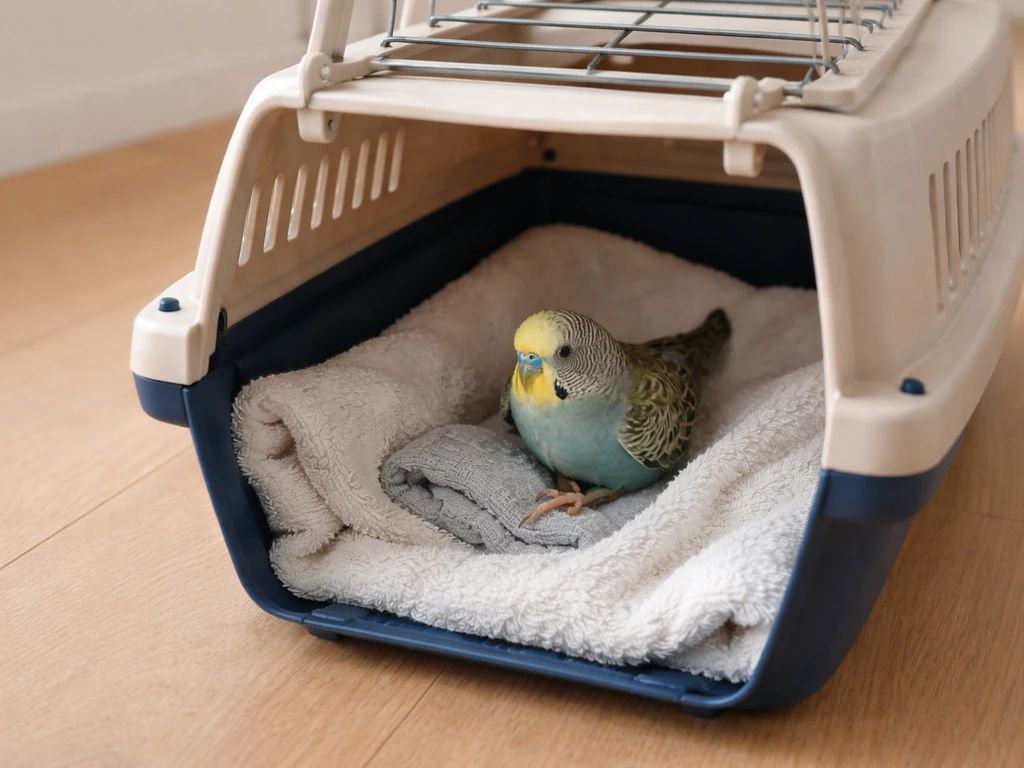
First aid for a budgie with a suspected broken leg is mostly about doing less rather than more. Your job in the first hour is to blank" rel="noopener noreferrer">stabilize the bird's environment, reduce stress and movement, keep it warm, and get professional help arranged. You are not trying to fix the leg.
Handle as little as possible
If the bird is still moving around the cage, do not chase it or grab it repeatedly. Excessive handling causes additional pain and stress that can make a small bird go into shock. If you do need to pick it up (for example to move it to a safer enclosure), cup it gently with both hands, keeping the injured leg unrestrained and supported rather than squeezed. One confident, calm movement is much better than several fumbling attempts.
Set up a hospital cage
Move the bird to a small, clean enclosure, ideally a box or small carrier with ventilation, padded with a clean soft cloth or paper towels on the bottom. Remove all perches (the bird should not be trying to climb or grip), remove toys, water bottles with tall hanging mechanisms, and anything the bird could get caught on. Put a shallow dish of water and soft food directly on the floor so the bird can reach both without climbing or balancing on the injured leg.
Keep it warm
An injured budgie needs external warmth to manage pain, stress, and shock. Target an ambient temperature of around 85°F (29.4°C) in the hospital space. You can achieve this by placing a heating pad on the lowest setting under half the enclosure (never the whole floor, so the bird can move away if it gets too warm) or by positioning a lamp nearby without direct contact. Do not overheat: if the bird is panting or holding its wings away from its body, it is too warm. Check the temperature with a thermometer rather than guessing.
Keep it calm and quiet
Move the hospital enclosure to a quiet room away from other pets, loud sounds, and heavy foot traffic. Dim the lighting slightly. Birds hide pain instinctively, but they also respond physiologically to stress, and a scared bird uses energy it needs for healing. Cover three sides of the enclosure with a light cloth to reduce visual stimulation without blocking all airflow.
What not to do
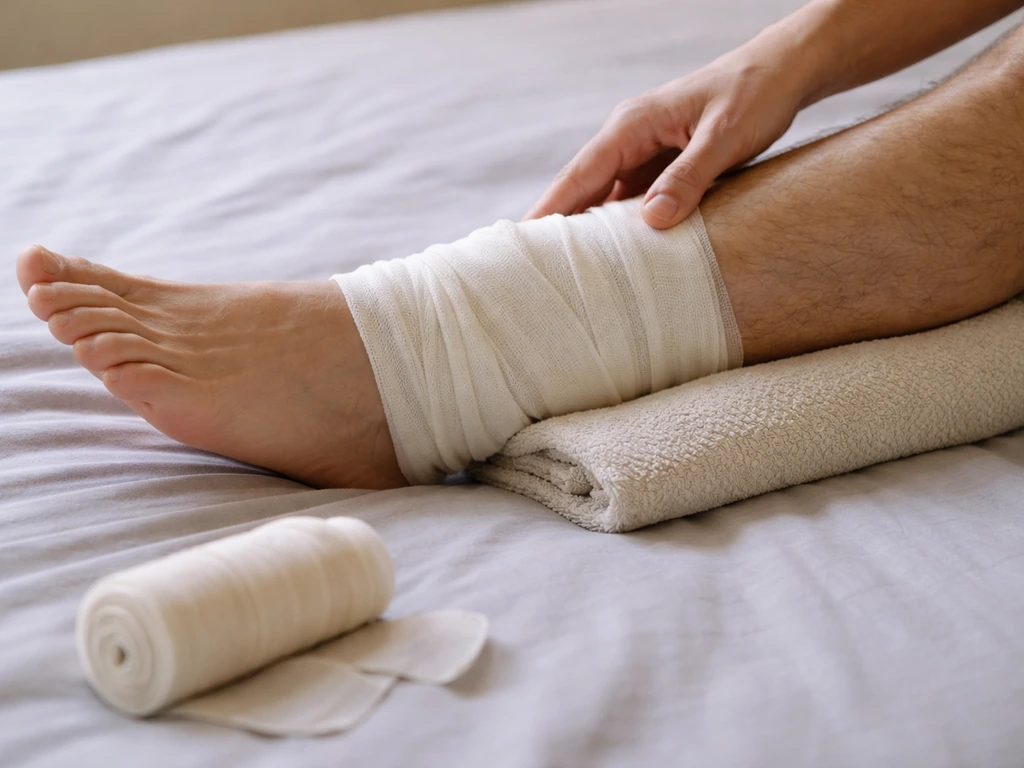
- Do not try to splint or wrap the leg yourself. Tight wrapping at home cuts off circulation and can cause permanent damage or tissue death far worse than the original fracture
- Do not give any human pain medication, including ibuprofen, aspirin, or acetaminophen. These are toxic to birds
- Do not try to straighten or reposition the leg
- Do not leave the bird with cage-mates who may peck at the injury or stress the bird further
- Do not withhold food or water while waiting for a vet appointment
When to treat it as an emergency
Not every injured leg requires a same-day emergency visit to a 24-hour clinic, but some situations absolutely do. Knowing which is which can save the bird's life and also save you unnecessary panic over something that can wait until morning.
Seek help immediately if you see any of these
- Visible bone through the skin (open/compound fracture)
- Active bleeding that does not stop within a few minutes of gentle pressure with a clean cloth
- The bird is unable to hold itself upright, is flopped on its side, or cannot lift its head
- Labored breathing, tail bobbing rapidly up and down, or the bird breathing with an open beak (signs of shock or respiratory distress)
- The toes on the injured side are turning dark, bluish, or white, which signals loss of circulation
- The bird was trapped by a leg band or object for a significant period of time
- Severe visible deformity with the leg pointing in a completely unnatural direction
- Unresponsiveness or extreme lethargy, especially if the bird was previously alert
Get a vet appointment within 24 hours for these
- The bird will not put any weight on the leg but is otherwise alert and eating
- Limping or holding the leg up that has not improved after a few hours of rest
- Mild to moderate swelling that is increasing rather than staying stable
- Any worsening of signs over time, even if the initial injury looked minor
- A toe that is larger, redder, or more swollen than the same toe on the other foot
When in doubt, call your avian vet or a wildlife rescue and describe what you are seeing. Most can advise you over the phone whether to come in immediately or monitor overnight. Never delay treatment just because the bird seems to be managing; birds are wired to hide weakness, and by the time they look obviously unwell, they are often much sicker than they appear.
What happens at the vet or rescue
If this is your first time taking a budgie to an avian vet, knowing what to expect helps reduce your own anxiety and means you arrive prepared. Bring any information you have about how the injury happened and when you first noticed symptoms.
Physical examination
The vet will do a hands-on examination, gently feeling along both legs to check for crepitus (the grinding feeling of broken bone ends), swelling, heat, and pain response. They will also assess the bird's overall condition: weight, hydration, breathing, and signs of shock or secondary complications. This palpation alone can often tell an experienced avian vet a great deal about whether a bone is fractured.
Imaging
X-rays are the standard way to confirm a fracture, see exactly where the break is, and determine the type (a simple break, a greenstick fracture in a younger bird, or a more complex fragmented break). Getting a useful X-ray in a small bird like a budgie often requires sedation or light anesthesia, both to reduce the bird's stress and to get the precise positioning needed for a diagnostic image. This is completely normal and the vet will explain the process.
Treatment options
Treatment depends on where the fracture is, how severe it is, and how stable the bird is. For many budgie leg fractures, external coaptation (a properly applied splint or bandage) is the first-line approach. A properly applied broken leg bird splint is usually the cornerstone of keeping the fracture stable while it heals. This might be a blank" rel="noopener noreferrer">padded stirrup-style splint designed to allow limited controlled weight bearing while the bone heals. The splint will need to be changed periodically as the bird grows and as healing progresses. For more complex or displaced fractures, the vet may discuss surgical options including intramedullary pins (a small metal rod placed inside the bone) combined with external fixation. Studies specifically on tibiotarsal fractures in budgerigars have compared these techniques, and the right choice depends on the fracture pattern. Pain medication formulated specifically for birds will almost certainly be part of treatment: pain management is important for healing and for the bird's quality of life during recovery.
Home care while waiting and during recovery
Whether you are waiting for a vet appointment or bringing a bird home after treatment, the quality of home care directly affects how well the leg heals. This is not passive: it requires daily monitoring and a few consistent practices.
The waiting period before the vet
Keep the bird in the hospital setup described above. Offer water and soft easy-to-eat foods like millet, soft cooked rice, or moistened pellets directly on the floor. Check on the bird every 30 to 60 minutes without disturbing it. Watch specifically for any worsening of toe color (darkening or blanching), changes in breathing, or a bird that was sitting up now lying flat. If any of those happen, escalate to an emergency visit.
After the vet: recovery at home
- Continue the hospital cage setup for the entire recovery period, which your vet will specify but is often several weeks depending on fracture severity
- Check the toes on the injured leg at least twice daily for color, warmth, and swelling. Pale, cold, or darkening toes mean the bandage or splint may be too tight and you need to call the vet immediately
- Keep the enclosure clean and change the floor padding daily to prevent infection at any skin injury site
- Give medications exactly as prescribed: do not skip doses or stop early because the bird seems better
- Keep the recovering bird separated from cage-mates until the vet clears it for reintroduction. Other birds will often peck at a splint or an injured bird, causing setbacks
- Attend all follow-up appointments: splint changes and re-checks are not optional extras, they are how the vet confirms the bone is healing correctly
- Gradually reintroduce perches at a very low height only when the vet says it is appropriate, starting with flat wide perches that require less grip strength
What recovery milestones look like
In the first week, a successfully stabilized budgie will still be resting a lot but should be eating, responsive, and not showing signs of active distress. By two to three weeks, if the fracture is healing well, the bird typically begins attempting to use the leg more. By four to six weeks, many simple fractures have healed enough for the bird to resume light activity, though your vet's timeline takes priority over any general guideline. If the bird seems in pain, stops eating, or the injured leg looks worse at any point during recovery, that is a reason to call the vet the same day rather than waiting.
Preventing future leg injuries
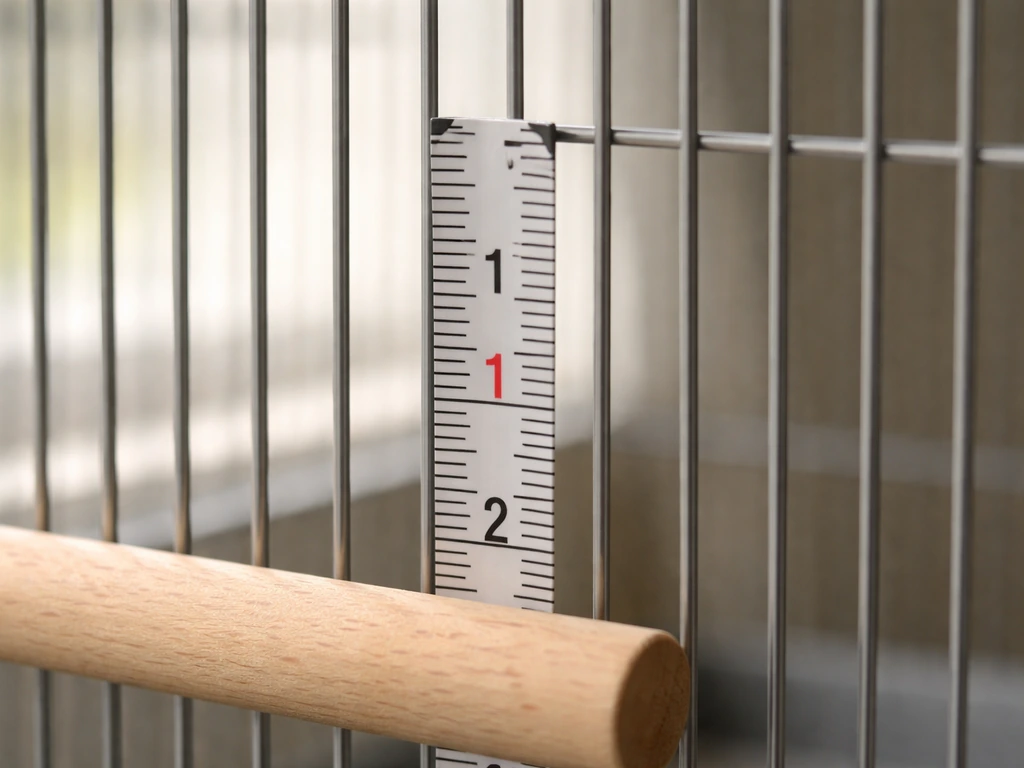
Once you have been through a leg injury with a budgie, you will almost certainly want to make sure it never happens again. Most leg injuries are preventable with some straightforward changes to the cage and environment.
- Check bar spacing on the cage: gaps should be no more than half an inch (1.2 cm) to prevent legs and feet from getting caught
- Inspect all toys, perches, rope items, and cage furniture regularly for fraying, loose threads, or gaps that a toe or leg could get stuck in
- If your bird wears a leg band, ask your vet whether it is the correct size and whether removal would reduce injury risk
- Provide perches of varying widths and textures at different heights so the bird can choose comfortable grip positions and reduce repetitive strain on feet and joints
- Supervise all out-of-cage time; most steps-on and door injuries happen when the bird is flying free and the owner is not watching closely
- Keep the cage away from areas where children or other pets can startle the bird into a panicked crash flight
- Never house a budgie with a significantly larger or more aggressive bird, even briefly
- After any injury and recovery, have the vet confirm the bird's bone health and ask whether a calcium-adequate diet or any supplements are appropriate to support long-term bone strength
Cage setup and daily observation are your best long-term tools. A budgie that has broken a leg once may have subtle vulnerability in that limb going forward, so monitoring for any early signs of limping, changed posture, or reluctance to grip means you can catch problems early rather than waiting until they become serious. The good news is that with prompt care and proper treatment, many budgies recover full or near-full use of an injured leg and go on to live normal, active lives.
FAQ
If my budgie’s leg looks crooked, should I straighten it or apply gentle massage?
Do not try to “straighten” or massage the leg. Instead, keep the injured limb supported and relaxed by minimizing movement, and only move the bird if you must (for example, to a smaller hospital enclosure). If the leg appears bent at an odd angle, treat it as a fracture until a vet proves otherwise.
How do I tell when budgie broken leg symptoms are an emergency right now, not just something to monitor?
Yes. If the bird is panting, breathing unusually fast, very cold to the touch, extremely lethargic, bleeding, or has toes that turn dark or pale, treat it as urgent and call for immediate guidance. “Still moving” does not rule out internal damage or shock in birds.
Should I keep my budgie in the cage with its favorite perch to reduce stress?
Avoid keeping the bird on the original perch or letting it climb during the first days. Perches encourage gripping and impact, which can worsen a fracture or dislocation. The safer setup is a small, clean, padded floor area with food and water placed where the bird does not need to balance on the injured leg.
What is the least risky way to move my budgie to the carrier if it keeps trying to hop?
To prevent further injury, support the injured leg when you relocate the bird, and use a calm, single transfer rather than repeated grabs. If you need a second person, ask one person to help contain the bird while the other keeps the leg supported, and use a ventilated carrier lined with paper towels or a soft cloth.
My budgie seems okay at rest. Can I assume the leg is not broken?
It can happen, and you should still call a vet. Budgies often hide weakness, so “no obvious worsening” is not the same as recovery. If the bird is not putting any weight on the leg, or if symptoms do not clearly improve within about 24 hours, plan on an in-person avian evaluation.
What broken-leg-like symptoms could actually be paralysis or nerve damage?
If you suspect a neurological issue, do not focus only on the leg. Watch for abnormal head posture, loss of balance, dragging, inability to grasp correctly, or weakness that is spreading beyond the leg. Those signs require veterinary assessment because nerve, spinal cord, and brain causes need different treatment than fracture care.
What should I do if the leg was caught in a band or ring?
Yes, but it depends on the situation. Band or ring injuries can cause constriction, compromised circulation, and even blood loss or severe stress, so you should treat a stuck leg band as urgent. Remove it only if it can be safely taken off without cutting into tissue, and otherwise seek immediate avian help.
What toe or circulation changes mean I should escalate care immediately?
If toe color changes (darkening, blanching, or swelling around the toes) or sensation appears abnormal, that suggests circulation is impaired or the fracture has disrupted blood flow. Do not wait, contact an emergency avian clinic or call your vet right away.
Can I make my own splint at home if I cannot reach a vet right away?
Do not attempt homemade splints (tape, popsicle sticks, or tight wraps). Improper splinting can cut off circulation, rub the skin, or allow too much motion, which can make healing worse. If a splint is needed, the vet should apply and tailor it to the exact fracture location and stability.
Should I give a painkiller while waiting for the vet, and what can I use?
Pain can increase stress and reduce appetite, and birds can develop shock even when they look “mostly alert.” You should not give human pain medicines, since many are dangerous to birds. Ask your avian vet what analgesics are appropriate for budgies and how to dose them safely.
When can my budgie start using the injured leg again, and how should I reintroduce activity?
For recovery, you can remove obstacles and provide easy-to-reach food and water, but you still need a strict activity limit. Once the vet approves increased use, return to light movement gradually. Even after improvement, allow time for bone consolidation, since budgie bones can be fragile and re-injury can happen quickly.
Next Articles
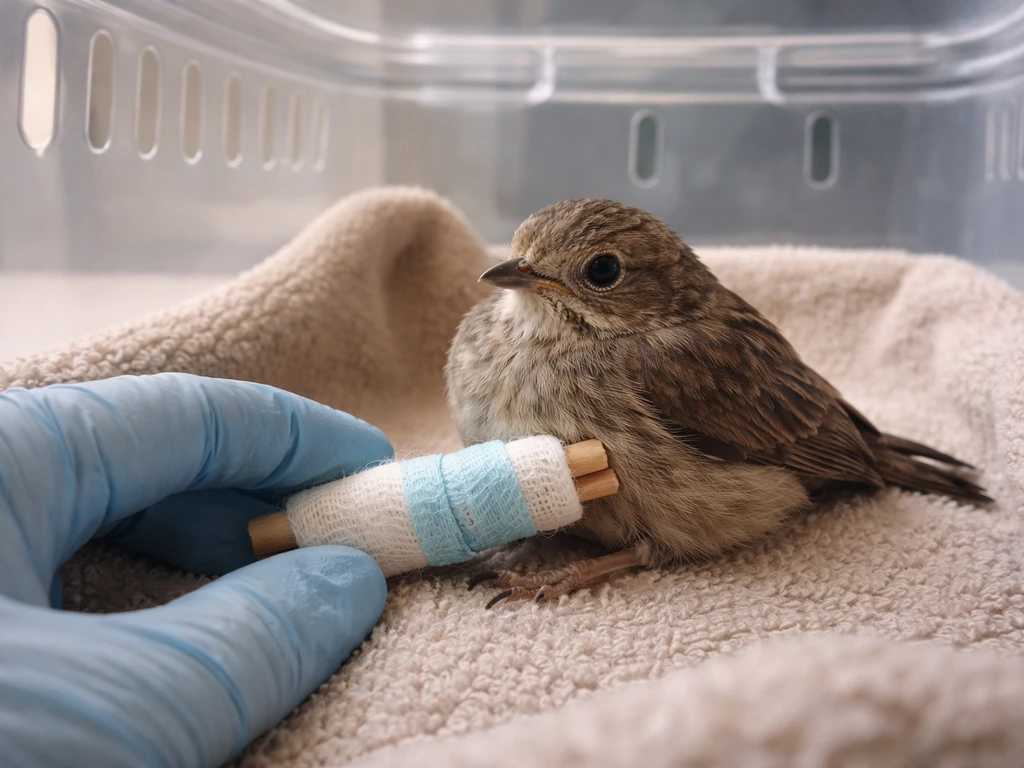
Broken Leg Bird Splint: First Aid Steps and When to Stop
Step-by-step broken leg bird splint first aid, safe stabilization, red flags, and when to get avian vet help.
Bird With Broken Leg: Immediate First Aid Steps
Step-by-step first aid for a bird with broken leg: confirm injury, protect it, keep warm, and get urgent vet care.
Broken Leg Bird: First Aid, Restraint, and Vet Care
Spot signs of a broken leg bird, give safe first aid and restraint, and transport to an avian vet or rescue fast.