
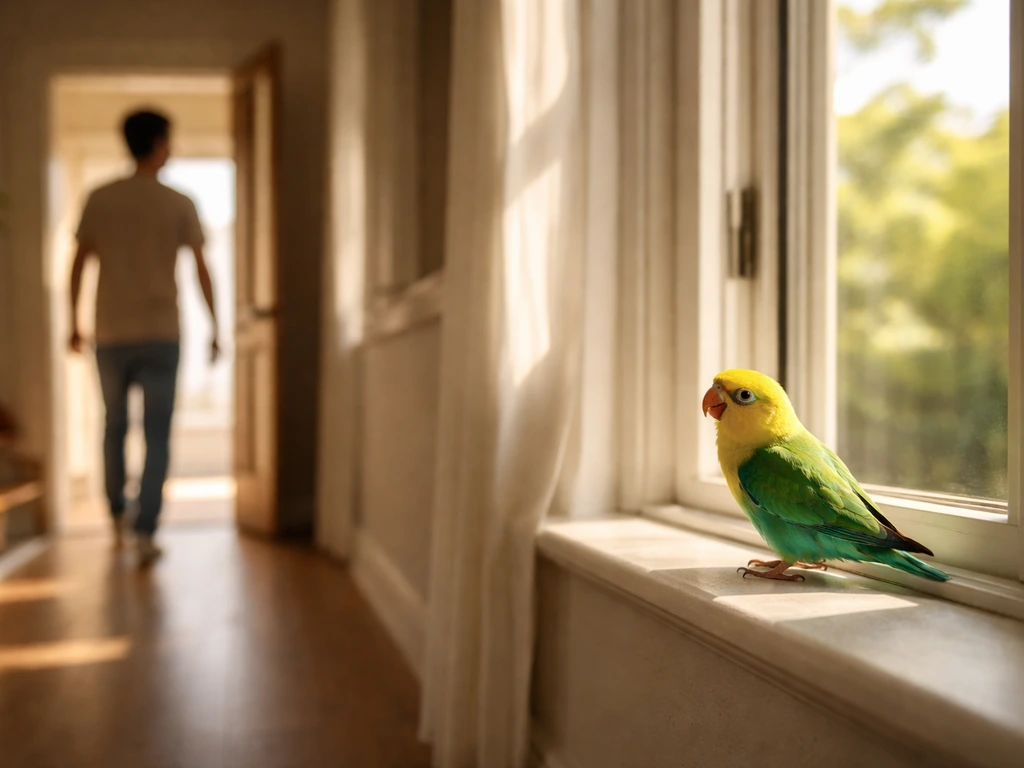
Stop, take a breath, and do not chase the bird. The single biggest mistake people make in the first few minutes is running after their bird in a panic, which pushes it further away. If your bird just flew out a window or door, stay as still and quiet as possible, keep your eyes locked on exactly where it lands, and then move slowly. Most lost companion birds are found within a mile of where they escaped, and many return on their own within hours if you set things up right.
My bird flew away: what to do now and how to recover it
Marcus Chen
20 May 2026
What to do in the first few minutes
The first ten minutes matter more than any other part of the search. Here is exactly what to do, in order.
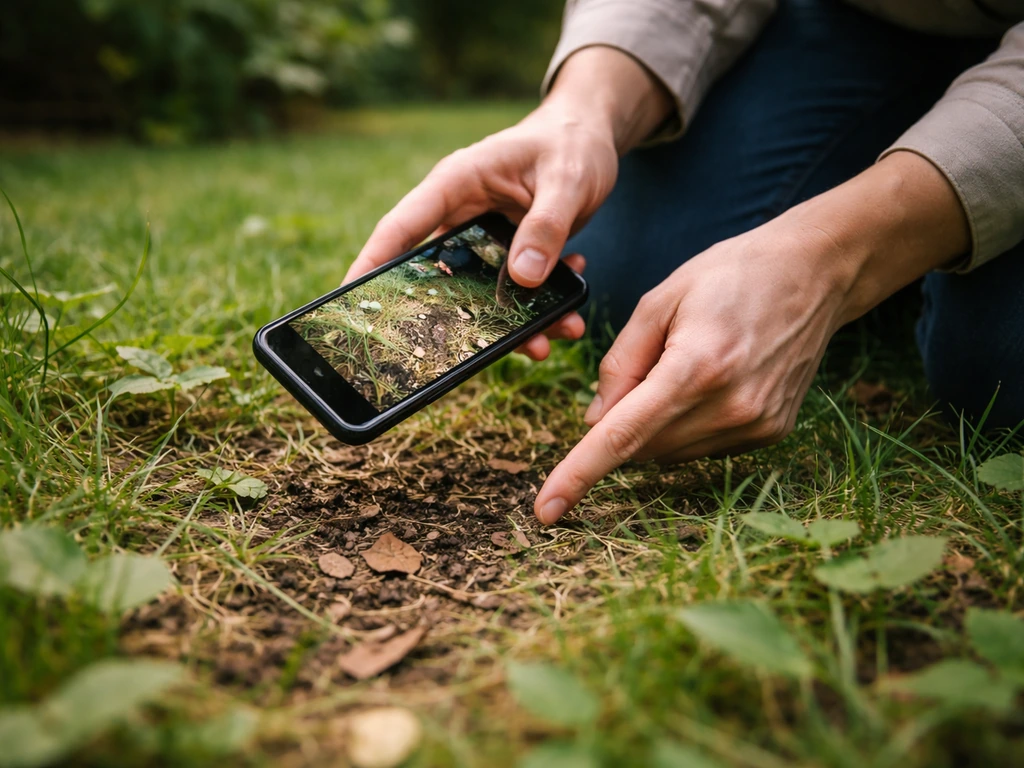
- Mark the spot. Note or photograph the exact location where you last saw the bird land or fly toward. This is your search center.
- Secure the area. Close all doors, windows, and gates around your home so the bird cannot re-enter and get trapped somewhere you cannot find it, and so other pets cannot get out.
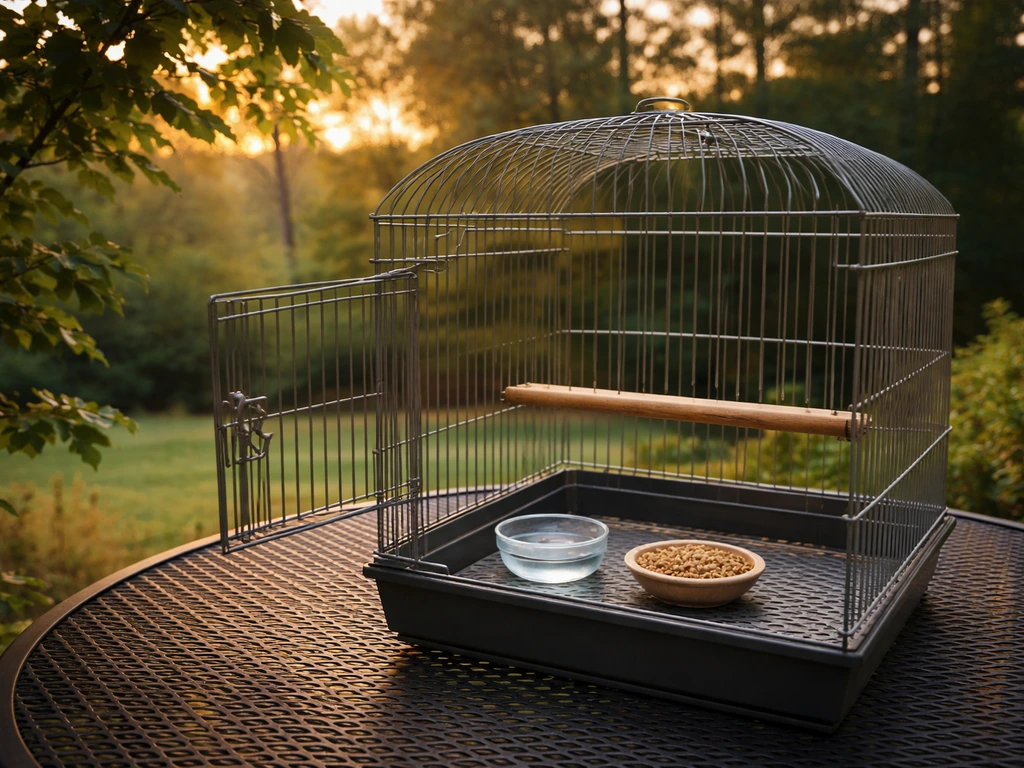
- Bring the cage outside. Place the bird's enclosure in a visible, safe spot near the last known location with the door open. Put fresh food and water inside. Have someone sit quietly nearby so they can close the door the moment the bird returns.
- Call out calmly. Use your bird's name, its favorite phrase, or a sound it associates with you. Do not shout or screech. A calm, familiar voice is far more inviting than an anxious one.
- Get help fast. Text or call neighbors immediately. The more pairs of eyes you have watching from different angles, the better. Ask them to stay quiet and just watch and report, not to chase.
How to search smarter, not just harder
Randomly walking around looking up at trees is the least effective search strategy. Structure your search and use the bird's own instincts to your advantage.
Search radius and timing
Start at the last known location and work outward in concentric circles. Companion birds are most often found within 0.5 to 2 miles of where they were last seen, so start tight and expand gradually. A bicycle is more useful than a car for this kind of search because you can cover ground quickly while still being able to hear and see.
The best times to search are early morning and late afternoon. Birds are most vocal and active then, and background noise is lower, so your bird is more likely to respond to your calls. Midday heat makes birds quiet and still, which makes them harder to find and less likely to respond.
Use the bird's own cues
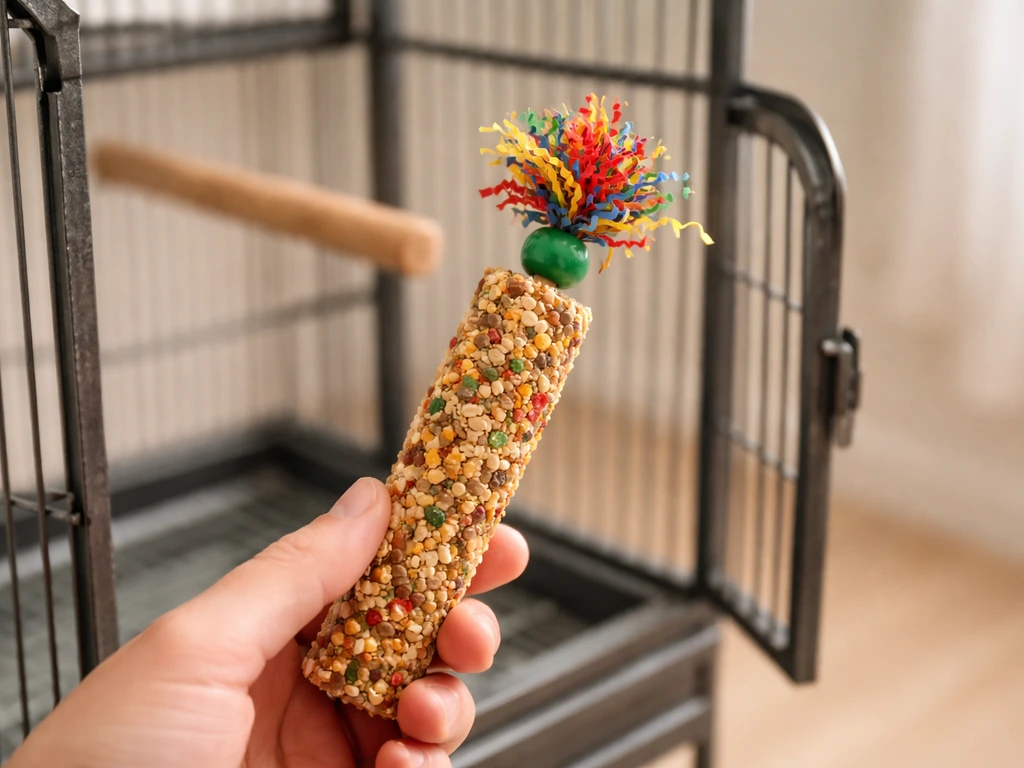
- Bring a familiar toy or treat and hold it up visibly while calling.
- Play a recording of your bird's own voice or calls from your phone at a moderate volume.
- Bring the cage itself into the search area if you can carry it, as birds often recognize and are drawn back to their home enclosure.
- Listen for your bird calling back before you see it. Scan trees at mid-height first, not just the tops, since a frightened bird often perches at a comfortable mid-level rather than the highest branch.
- Check areas with food and water nearby: fruit trees, birdbaths, garden feeders, and puddles are common resting spots.
Environmental factors to keep in mind
Wind direction matters. A bird that escaped in a strong gust may have traveled further downwind than it intended. Check the direction the wind was blowing when it escaped and extend your search that way. Rain and cold temperatures create urgency because companion birds are not adapted to survive prolonged exposure to wet or cold conditions, so if the weather is turning, prioritize the search and retrieval steps below.
When to approach your bird and when to hold back
Knowing when to walk toward your bird and when to stay still is one of the most important judgment calls you will make. Getting it wrong can send the bird flying again just when you are close to catching it.
Approach when: the bird is sitting calmly, making eye contact with you, or calling back to you. Move slowly, speak in a low steady voice using familiar words or its name, and offer your hand or a familiar perch at the bird's chest level. Do not reach over or above the bird.
Hold back when: the bird is clearly injured (wing drooping, unable to fly even a short distance, sitting hunched on the ground), because a panicked chase could cause more injury or stress. If your bird was a bird hit by car what to do situation, treat it as an urgent injury case and follow the same immediate stabilization and vet contact steps right away. If the bird appears hurt, your goal shifts from coaxing it back to containing it safely, which is covered in the injury section below.
Also hold back when the bird is high in a tree and alert. Waiting it out at ground level with food and the cage visible is often more effective than climbing or using a ladder, which almost always startles the bird into another flight.
Different situations need different responses
Window collision
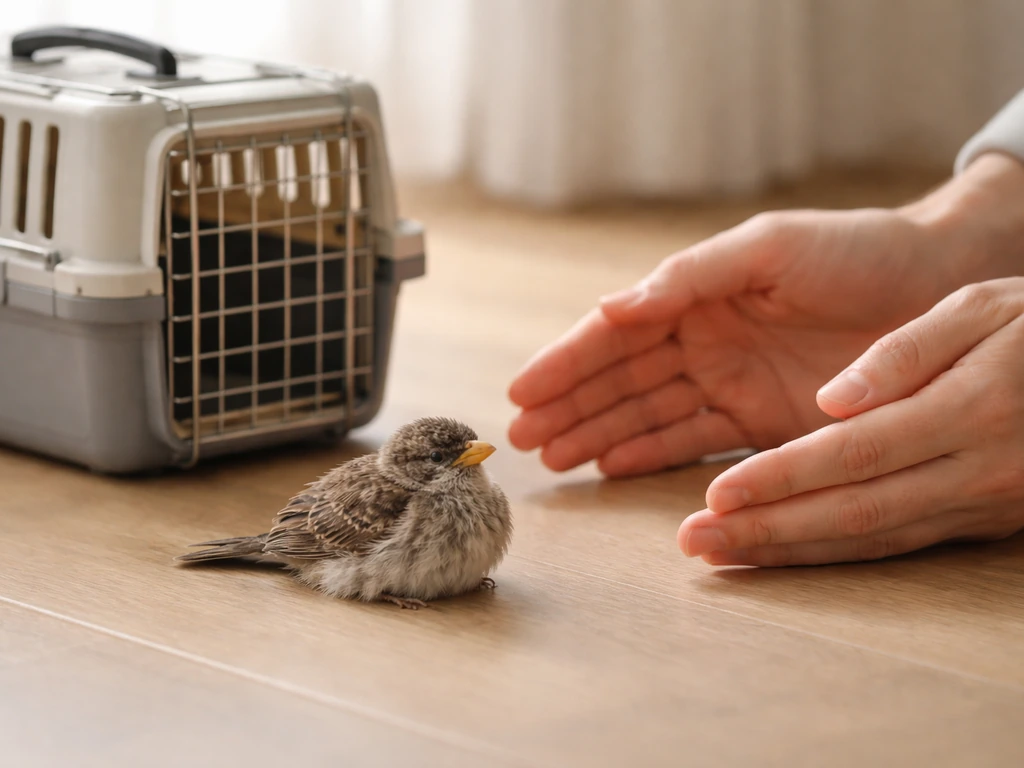
If your bird flew into a window and is now on the ground or a low surface looking dazed, it may just be stunned. Give it a few minutes of quiet observation from a short distance. Many birds recover fully within 15 to 30 minutes of a mild collision.
If it is still sitting in the same spot after an hour, or if it cannot hold its head upright, cannot stand, or is bleeding, it needs professional care today, not tomorrow. Do not offer food or water to a stunned bird. Instead, gently contain it in a small, ventilated box lined with a soft cloth, keep it warm and dark and quiet, and get it to a wildlife rehabilitator or avian vet.
Pet interaction (cat or dog attack)
This is an emergency, even if the bird looks physically fine. Cat saliva contains bacteria that cause fatal infections in birds within 24 to 48 hours of even a small puncture wound. If a cat or dog grabbed or struck your bird and it has now flown away to a nearby perch or the ground, your priority is to contain the bird as quickly and calmly as possible and get it to an avian vet the same day.
If a cat caught your bird and it is still alive, keep it contained safely and get it to an avian vet the same day cat caught bird still alive what to do. If your cat injury affected the bird, containing it safely and getting it to an avian vet the same day is critical a cat or dog grabbed or struck your bird. Do not wait to see if it seems okay.
Visible wounds, broken feathers, or shock-like behavior (fluffed up, not moving, eyes half closed) all signal the need for urgent professional help. If your cat injured your bird, the priority is to stabilize it safely and contact an avian vet or wildlife rehabilitator right away cat injured bird what to do. The same approach applies whether your own pet was involved or a neighbor's animal.
Outdoor escape (door or window left open)
This is the most common scenario for companion bird owners. Follow the full search protocol above. The cage outside with food and water is your best tool here. Birds that escape accidentally are usually frightened and disoriented rather than injured, and they actively want to come back to their familiar home and person. Most are recovered within 24 to 48 hours when owners search consistently and set up the return station.
Fledgling or nest situation
If you [found a bird on the ground](/birds-injured-by-pets/found-a-bird-on-the-ground-what-should-i-do) and assumed it flew away from somewhere, check first whether it is actually a fledgling. Fledglings are fully or nearly fully feathered, look a bit fluffy or short-tailed, and hop rather than fly. This is completely normal. Fledglings are supposed to be on the ground as part of learning to fly, and their parents are almost always nearby even if you cannot see them.
The right move is to leave the fledgling alone, keep pets and people away, and monitor from a distance. Do not attempt to feed it or bring it inside unless it is clearly injured.
Tufts Wildlife Clinic also advises focusing on whether the baby is a true fledgling versus a more vulnerable nestling and contacting a wildlife rehabilitator or avian vet when injury is present or it needs professional care Do not attempt to feed it or bring it inside unless it is clearly injured. .
If it has a broken wing, a wound, or is in immediate danger from traffic or predators, then gentle containment and a call to a wildlife rehabilitator is the right next step.
If your bird won't come back on its own
Some birds take longer than a few hours to feel safe enough to return or be retrieved. Here is how to set yourself up for success over the next 12 to 48 hours.
Set up a return station
Keep the cage outside in the same spot with fresh food, water, and a familiar toy. Place it somewhere the bird can see it from a tree or perch. If you have a recording of your bird's own sounds, play it softly near the cage at regular intervals. Change the food each day so it stays fresh and appealing.
Trap options
If your bird is returning to the area but not entering the cage, you can rig a simple drop trap using the cage door tied to a string you hold from a distance. Sit quietly, wait for the bird to go inside, then pull the string to close the door. Do this from at least 10 to 15 feet away so your presence does not spook the bird. Some bird rescue groups also loan out live traps designed specifically for this, so it is worth calling a local avian rescue to ask.
Nighttime planning
At dusk, birds look for a safe, sheltered place to roost. If you know roughly where your bird was last seen, go back at last light and listen. Frightened birds often call out when it gets dark. If you locate the bird roosting in a tree at night, mark the exact spot and return at first light with the cage. A bird that has roosted overnight is often calmer and more approachable in the early morning than it was the day before. Leave the cage near the roosting tree overnight if it is safe to do so.
Spread the word
- Post on local Facebook groups, Nextdoor, and community boards with a clear photo and description.
- Contact local pet stores and veterinary clinics in case someone brings the bird in.
- File a lost bird report with sites like PetFBI or 911 Parrot Alert so people searching for found birds can match yours.
- Put up physical flyers in a two-mile radius with a photo, color description, and your phone number.
When to call a wildlife rescue or avian vet
Some situations require a professional, and waiting even a few hours can make the difference between recovery and a much worse outcome. Call or go in immediately if any of the following are true.
- The bird was caught or struck by a cat or dog, even if it looks uninjured.
- There is any visible bleeding that does not stop within a couple of minutes.
- A wing is drooping, hanging at an odd angle, or the bird cannot bear weight on a leg.
- The bird is not responsive to sound or movement, or cannot hold its head up.
- The bird has not recovered from a window collision after an hour or two.
- The bird is shaking, fluffed up, or showing signs of shock (eyes closing, not moving).
- The bird is a nestling (pink, mostly bare skin, no real feathers) found on the ground.
To find help, search for a licensed wildlife rehabilitator in your area through the National Wildlife Rehabilitators Association (NWRA) directory or the Wildlife Rehabilitator directory at IWRC. For a companion bird, search for an avian-certified veterinarian through the Association of Avian Veterinarians (AAV) find-a-vet tool. If you are unsure which to call, start with your nearest animal control agency or humane society and they can direct you. When you call, describe the bird's species if you know it, the injury symptoms, and how long it has been since the incident. If there is active bleeding or severe injury, drive to the nearest animal hospital immediately and call ahead on the way.
Once you have your bird back: quick injury checks and next steps
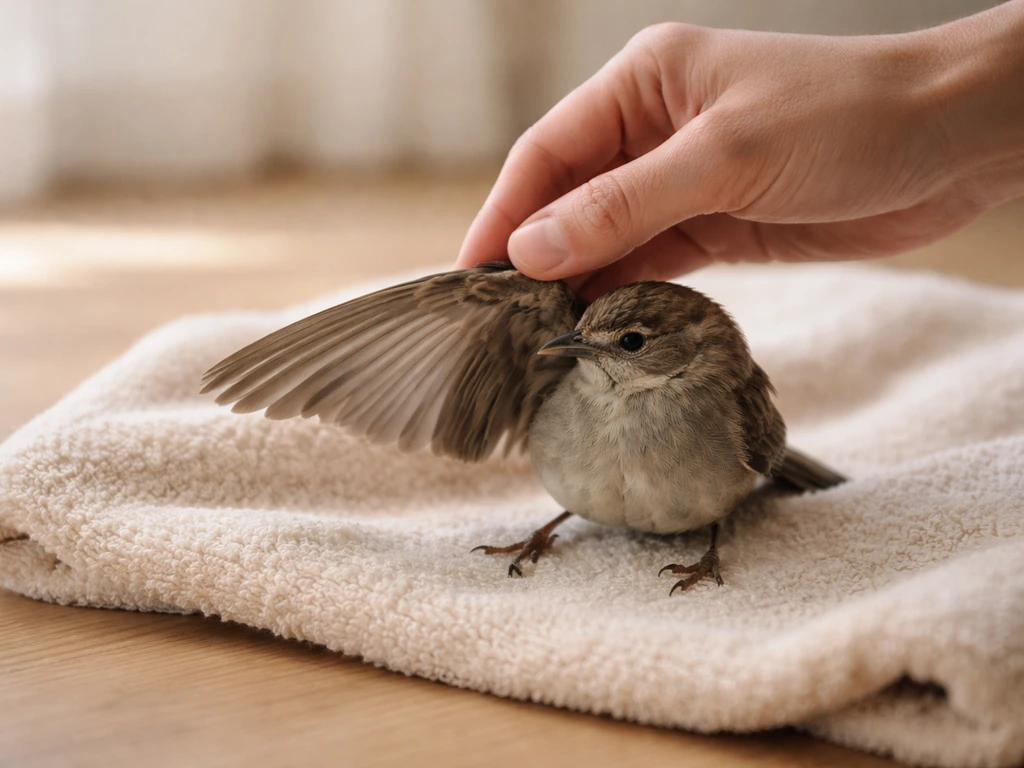
The moment you get your bird back, resist the urge to smother it with affection. Give it a few minutes in a quiet, warm, familiar space first. Then do a calm, systematic check before deciding whether it needs vet attention.
Quick at-home check
| What to check | What to look for | What it may mean |
|---|---|---|
| Wings | Drooping on one side, held out awkwardly, asymmetry | Possible fracture or soft tissue injury: vet visit needed |
| Legs and feet | Limping, not gripping a perch, one leg hanging | Fracture or dislocation: vet visit needed |
| Beak | Crack, chip, misalignment, or bleeding at the base | Beak injury: vet visit needed |
| Feathers and skin | Bald patches, puncture wounds, bleeding under feathers | Trauma or cat/dog strike: vet visit needed same day |
| Eyes | Cloudiness, discharge, one eye closed | Concussion or infection: vet visit needed |
| Behavior | Alert, perching, vocalizing normally | Likely okay, monitor for 24 hours |
| Behavior | Fluffed, quiet, eyes closing, not eating | Stress or injury: call vet for advice |
Immediate first aid before transport
If you find any of the injury signs above, your job before reaching a vet is to stabilize, not treat. Place the bird in a small, ventilated container lined with a soft cloth. Keep it warm: a heating pad on the lowest setting placed under half the container, or a small bottle of warm water wrapped in a cloth next to the bird. Keep the container dark and quiet to reduce stress.
Do not force food or water. Do not splint or bandage a limb unless you have been specifically trained to do so, as incorrect splinting can cause more damage. Active bleeding from a feather shaft can sometimes be slowed by gentle, firm pressure with a clean cloth, but if it continues for more than a minute or two, get moving to a vet immediately.
If your bird seems physically fine after returning, offer familiar food and water, keep the environment calm and warm for the rest of the day, and watch closely for any behavioral changes over the next 24 to 48 hours. Birds are good at hiding illness and injury, so a bird that seems fine right after a stressful escape can sometimes show symptoms the following day. When in doubt, a call to your avian vet is always the right move.
FAQ
How do I tell if I should keep searching or stop and wait for my bird to come back on its own?
Use behavior as your decision tool. If your bird is still calling from a known perch or keeps responding to your familiar sounds, keep searching briefly but prioritize the return setup near that location. If you cannot see it and it is not answering calls after a structured sweep of the last-known area (then expanding outward), switch to the next-day cage and roost plan rather than continuing to panic-walk the neighborhood.
Should I use bird calls, recordings, or whistling, and how loud should I be?
Yes, but keep it controlled. Play or call softly and at regular intervals near the cage and within the search area, because loud, constant calling can draw you toward wrong areas and may spook a frightened bird. If your bird stops responding, pause for a few minutes, then try again, rather than increasing volume.
My bird escaped at night. What is different about searching and retrieving then?
At night, shift from active searching to listening and positioning. Return to the last-known area at dusk or just after dark, stay quiet, and focus on where it calls or where you see eye-shine or movement. If you locate a roost, mark the exact spot and wait until first light to return with the cage, because moving in the dark often startles birds into re-flight.
When my bird is on the ground, should I approach slowly or call out from far away?
Call and approach based on posture. If it is alert, making eye contact, and calm, slow approach with familiar sounds can work. If it is hunched, fluffed, barely moving, or cannot hold itself upright, do not try to coax it, gently contain it (especially if cats, traffic, or predators are nearby), and contact an avian vet or wildlife rehabilitator urgently.
What if I can’t find the bird, but I see a lot of feathers or hear repeated calls from different spots?
Treat this as a wider search with specific anchors. Feathers can indicate recent movement, and repeated calls from multiple spots can mean it is relocating. Start from the last known location, search concentric circles, and also sweep along likely travel lines like rooftops, fences, and treetops in the direction of wind.
Can I leave the cage outside unattended overnight and still expect my bird to return?
Usually, yes, if it is safe and visible. Keep food, fresh water, and a familiar toy in the same area, and place the cage where the bird can see it from a perch. Avoid leaving it where it could be knocked over, reach other pets, or expose it to predators. If the area is unsafe, use a safer temporary setup indoors near a window while you continue search coverage in daylight.
Is it safe to use a net or throw things to get my bird into the cage?
No, avoid nets, tossing objects, or sudden grabs. Those actions can trigger another flight, cause wing injuries, and increase stress. If you need a trap, use the simple drop-trap concept from a distance (or a live trap loan from a rescue), and keep your movements slow and predictable.
What should I do immediately if a cat or dog was involved but my bird flew away and seems fine?
Treat it as urgent regardless of how it looks. Even without obvious wounds, bites or small punctures can lead to rapid infection. Keep the bird contained if you are able, contact an avian vet the same day, and do not wait for symptoms before seeking professional guidance.
If my bird hit a window and is “acting normal” after an hour, do I still need a vet check?
It might, depending on the collision and behavior. If it was dazed and then became alert, recovery can happen within the first hour or so, but watch closely over the next 24 to 48 hours for balance problems, persistent fluffed posture, breathing changes, or refusal to eat. If any symptoms appear, contact an avian vet the same day.
I found a baby bird. How can I confirm it’s a fledgling and not a baby that needs help?
Look at feathers and mobility. Fledglings are usually fully or nearly fully feathered, may look a bit fluffy or have a short tail, and hop instead of flying. If the bird is mostly bare, cannot hop, or appears cold, weak, bleeding, or in immediate danger, that is more consistent with needing help and you should contact a wildlife rehabilitator for instructions.
When I finally catch my bird again, what’s the safest way to check it without making things worse?
Keep it calm and warm first, then do a quick, systematic check. Use a quiet, familiar space, avoid immediate smothering, and look for injury indicators like drooping wing, bleeding, unusual breathing, repeated fluffed hiding, and trouble standing. If anything suggests injury or if a pet exposure occurred, stabilize in a ventilated container and contact a vet rather than trying to treat at home.