
If you've just found a bird hit by a car, move it out of the road first, then put it somewhere warm, dark, and quiet while you call a wildlife rehabilitator or avian vet. NYC Bird Alliance also advises that you should place an injured bird in a dark, quiet container and then contact a wildlife rehabilitator or appropriate organization for next steps.
Bird Hit by Car: What to Do Immediately and Next
Marcus Chen
18 May 2026
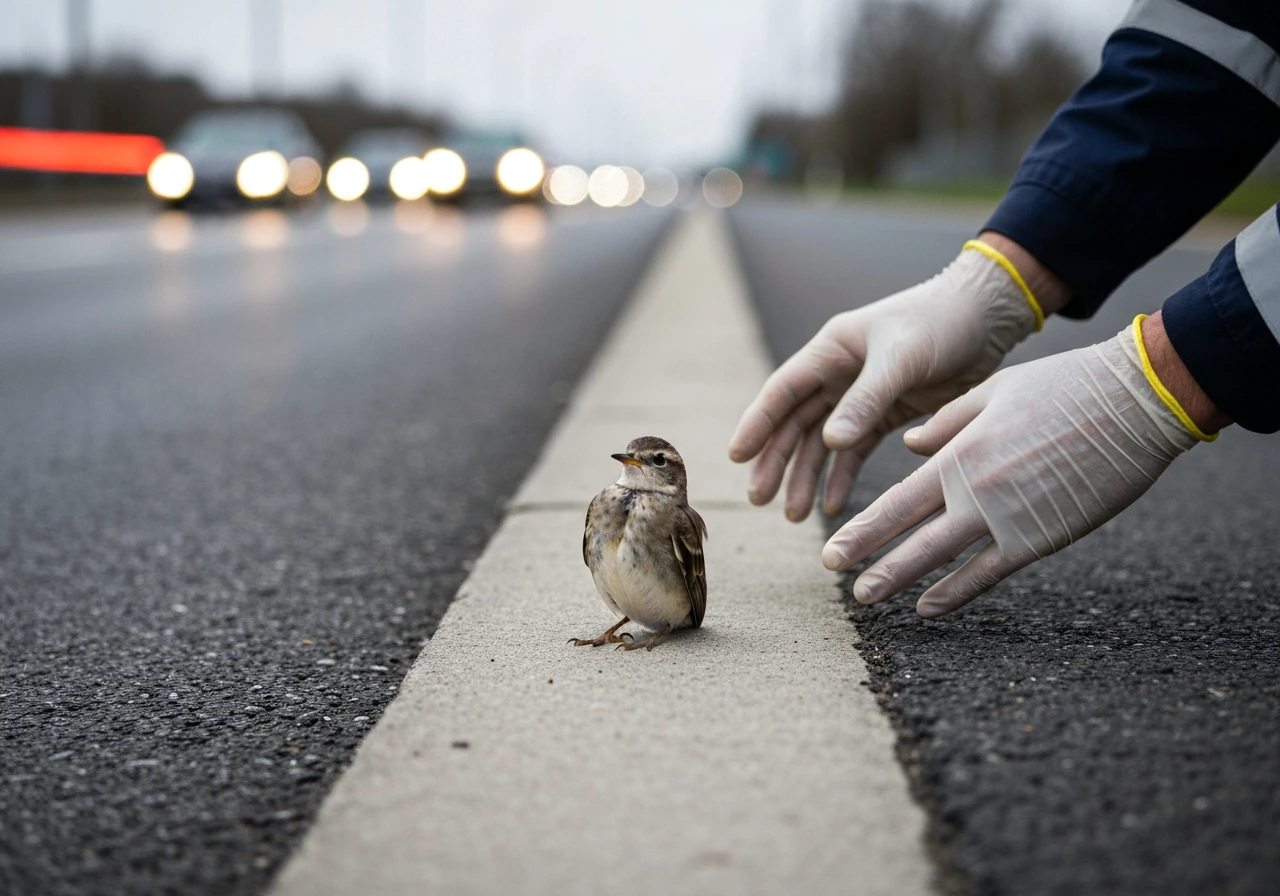
If you found a bird on the ground, the safest next step is to contact a wildlife rehabilitator or avian vet for guidance right away. Don't give it food or water. Don't try to splint anything. The single most important thing you can do in the next 10 minutes is reduce its stress and get professional help on the way.
First, make it safe and assess the bird quickly
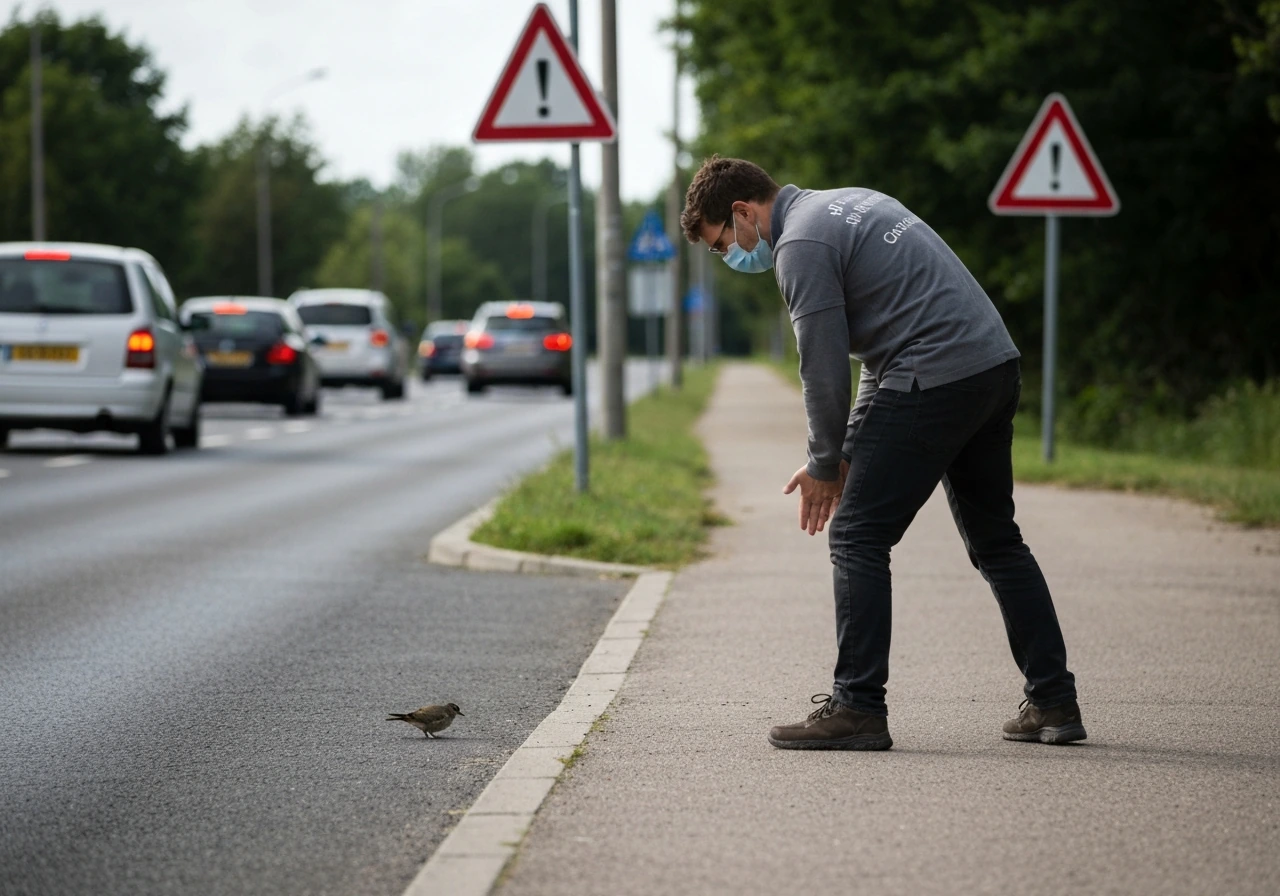
Before you even think about injuries, get the bird out of immediate danger. If it's still in the road or on the shoulder where traffic is moving, your first job is to remove that threat. Don't chase it. Approach slowly and calmly from the side rather than head-on, and scoop it up with both hands or a cloth. Move it to the nearest safe, flat surface away from the road.
Once you're both safe, do a quick visual check without picking the bird up and turning it over repeatedly. You're looking for a few key things: Is the bird conscious and upright? Is it breathing with its beak open or bobbing its tail with each breath? Do you see blood? Is one wing hanging lower than the other? Can it grip the ground or stand? These observations will tell you a lot about severity before you even touch it again.
- Conscious and alert but not flying: likely shock, possible injury underneath
- Unconscious or unresponsive: serious head trauma or internal injury, treat as an emergency
- Open-mouth breathing or tail bobbing with each breath: respiratory distress, get help immediately
- Active bleeding: apply very gentle pressure with a clean cloth and call for help now
- One wing drooping noticeably lower: probable fracture or dislocation
- Unable to stand or grip: possible leg fracture, spinal involvement, or deep shock
Keep your assessment brief. The longer the bird is in your hands being examined, the more stressed it gets, and stress alone can kill an already-injured bird. You don't need a diagnosis. You just need enough information to make the call on next steps.
Immediate first aid: warmth, quiet, containment, and handling
Your goal right now is stabilization, not treatment. A cardboard box or shoebox with a few air holes punched in the lid works perfectly as a temporary container. Line the bottom with a folded cloth, a paper towel, or anything soft. Place the bird gently inside and close the lid. Darkness calms birds quickly and reduces the panic response that burns their energy reserves.
If the bird feels cold to the touch, add gentle warmth. Place one end of the box on top of a towel laid over a heating pad set to its lowest setting, so the bird can move away from the heat if it gets too warm. A warm water bottle wrapped in a cloth tucked to one side of the box also works. The critical rule: the bird must never be in direct contact with the heat source itself. Half the box on heat, half off. Overheating a bird in shock can be just as dangerous as leaving it cold.
Do not give the bird food or water. This is one of the most common well-meaning mistakes people make. An injured bird in shock cannot safely swallow, and attempting to give water can cause it to aspirate. Even if it looks hungry, hold off. Wildlife rehabilitators and avian vets are consistent on this point.
When handling the bird, use minimal contact. If you can wear thin gloves, do so. Keep your grip gentle but secure enough that the bird can't thrash and injure itself further. Wrap it loosely in a cloth before placing it in the box if it's struggling. Avoid excessive petting, talking at close range, or showing it to others. Keep the environment as quiet as possible. No kids crowding around, no dogs nearby, no loud radio.
Common injuries from car impacts and what to look for
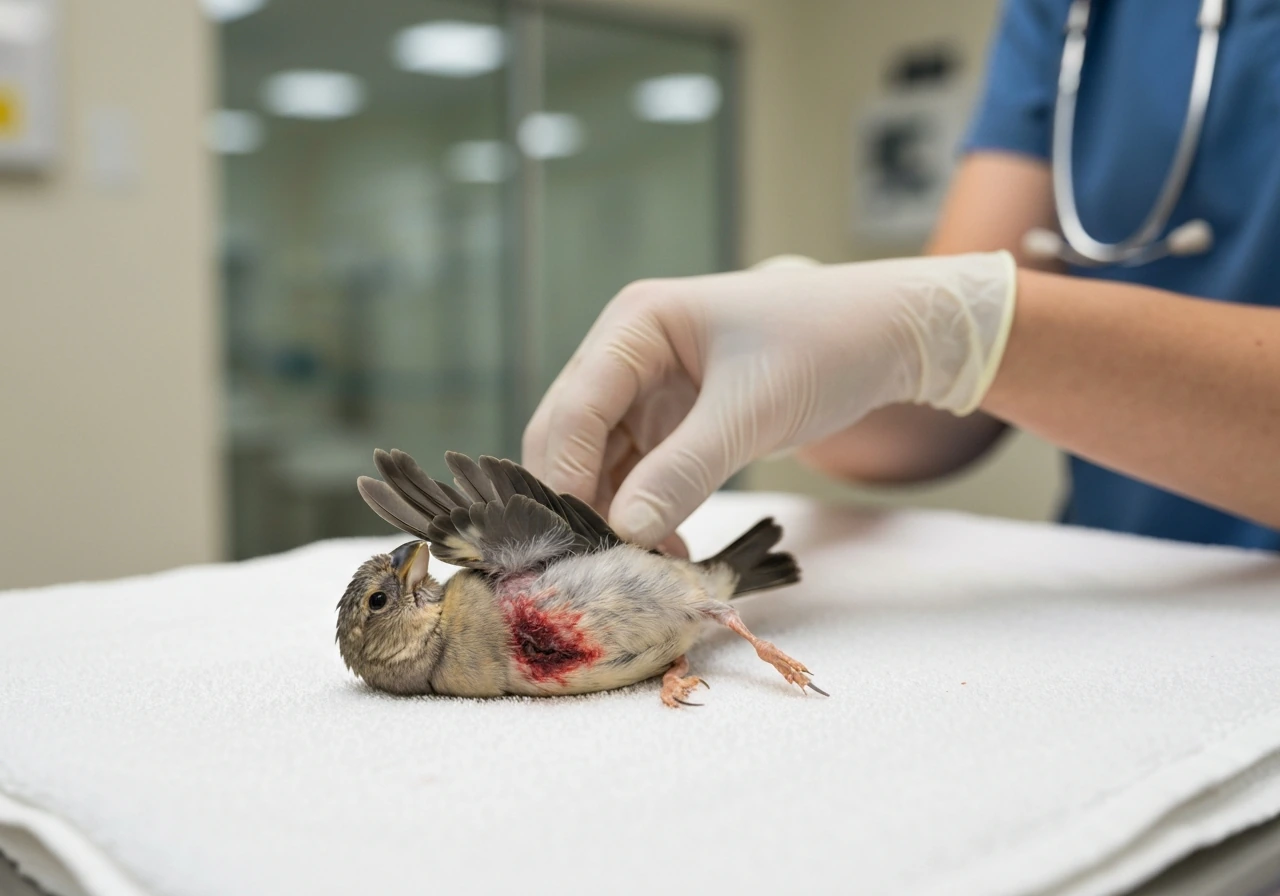
Car strikes are brutal. Even if the bird looks mostly okay from the outside, the internal picture can be very different. These are the injury types you're most likely to dealing with, and what each one looks like from your side of things.
| Injury type | What you might see | Urgency level |
|---|---|---|
| Post-impact shock | Alert but not moving, dull eyes, sitting flat on the ground | High: needs warmth, quiet, and a vet call soon |
| Head trauma / concussion | Unresponsive, tilted head, spinning or circling, disorientation | Emergency: call immediately |
| Wing fracture | One wing drooping, bird unable to fold wing normally | Urgent: needs professional splinting |
| Leg fracture | Unable to stand, leg at abnormal angle, knuckling over | Urgent: keep contained, call vet |
| Internal bleeding | Weak, pale around eyes/beak, rapid deterioration | Emergency: no visible blood but life-threatening |
| Visible bleeding | Blood on feathers, beak, feet, or vent | Emergency: gentle pressure, call now |
| Respiratory distress | Open-mouth breathing, tail bobbing, clicking sounds | Emergency: oxygen and vet care needed |
Head trauma deserves special attention here because it's so common with car strikes and can be deceptive. A bird might seem to be recovering, then crash suddenly. Disorientation, spinning in circles, or a head that tilts to one side are all warning signs of brain injury or inner ear damage. These birds need professional care even if they seem to be improving.
Window collisions produce a similar injury profile to car strikes, and if you've ever dealt with a bird after a window hit, the presentations look almost identical. The main difference is that car strikes often come with more blunt-force trauma and a higher chance of broken bones alongside the neurological symptoms.
When to call a wildlife rescue or avian vet right now
Some situations don't warrant a "wait and see" approach. Call for professional help immediately if you observe any of the following.
- The bird is unconscious or completely unresponsive
- There is active bleeding that doesn't slow within a minute or two of gentle pressure
- The bird is breathing with its mouth open or its tail is pumping with each breath
- The bird is circling, spinning, or has its head tilted to one side
- A wing or leg is visibly broken or at an abnormal angle
- The bird is a bird of prey (hawk, owl, falcon) — raptors require specialized handling and care
- The bird is deteriorating rapidly after initial stabilization
- You're unsure about severity and it's been more than 30 minutes with no improvement
To find help, search for "wildlife rehabilitator near me" or "avian vet near me" right now. In the US, the Wildlife Center of Virginia, the National Wildlife Rehabilitators Association (NWRA), and your state's fish and wildlife agency all maintain searchable directories. Many areas have 24-hour wildlife hotlines. When you call, tell them the species if you can identify it, where you found it, what you observed, and what you've done so far.
If the bird was found near a road or in a suburban area, lead with that context. Rehabilitators can often give you phone guidance for the next steps while you arrange transport, which is genuinely helpful if you're feeling unsure.
How to transport a bird safely (and what not to do)
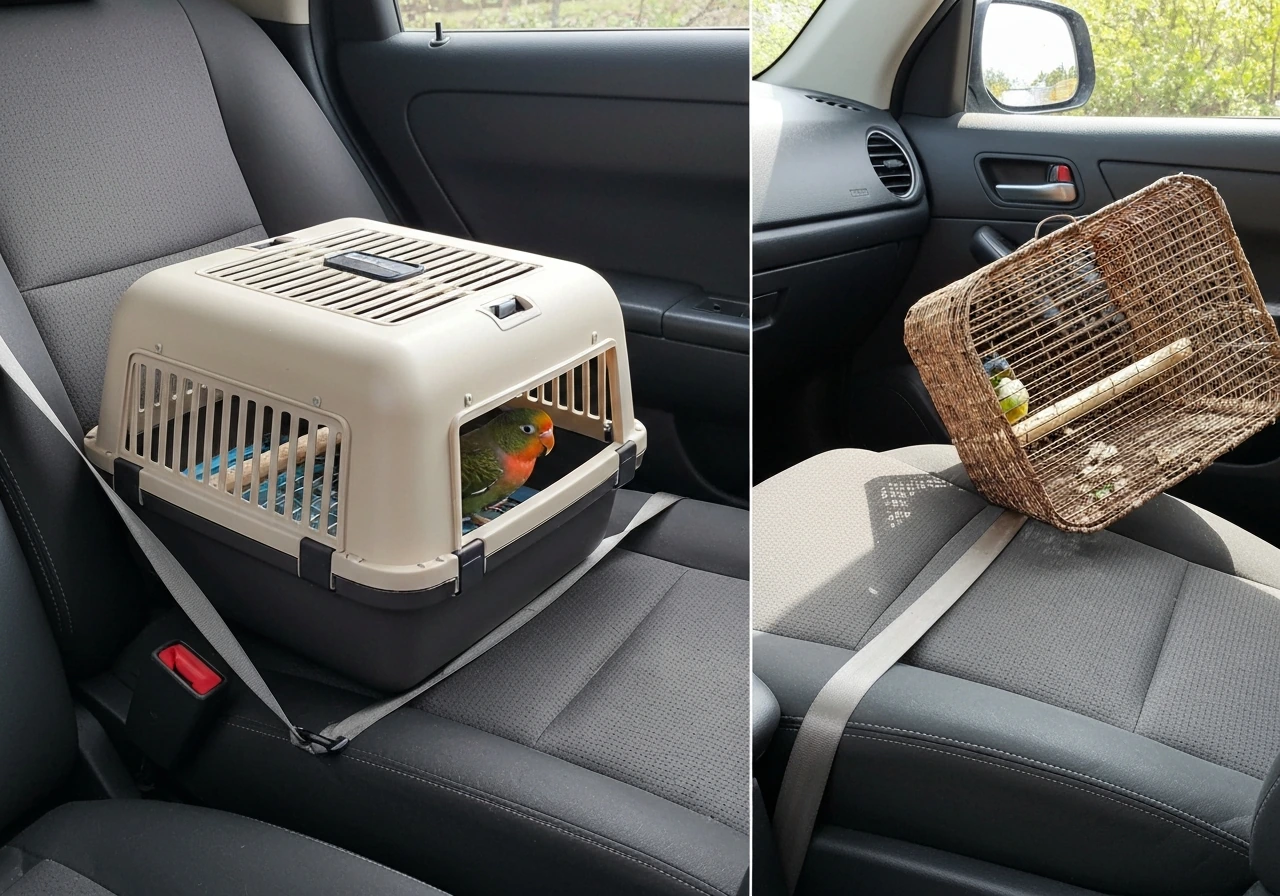
Transport is where a lot of additional harm happens, so it's worth slowing down and doing this right. The container you already have the bird in is probably fine for transport. Keep the lid closed. Do not open the box repeatedly to check on the bird during the drive. Every time you open it, you spike its stress response.
Place the box on the floor or the back seat, somewhere it won't slide around. A towel under the box helps keep it stable. Keep the car quiet: no loud music, no air conditioning blasting directly at the box, and try to drive smoothly. If you have a passenger, have them hold the box steady rather than leaving it to shift on turns.
For larger birds like raptors, a plastic pet carrier with a towel lining is sturdier and safer than a cardboard box. Raptors can punch through cardboard with their talons and injure themselves further. If you're dealing with a hawk or owl, thick gloves are essential before any handling attempt at all.
- Do not transport in a wire cage or open container
- Do not let the bird loose in the car
- Do not place the box in a hot trunk
- Do not try to feed or water the bird during transport
- Do not stop frequently to check inside the box
- Do not bring children or other animals in the car if it causes additional noise and movement
Call ahead to the vet or rehab center before you arrive so they can prepare. Some clinics have specific intake protocols, and a quick heads-up means faster care when you get there.
If the bird seems okay: observation and release considerations
Occasionally, a bird hit by a car or clipped by a vehicle is genuinely just stunned. If the bird is alert, upright, responsive, breathing normally, and showing no visible injuries after 30 to 60 minutes in a quiet, warm box, it may be in the early stages of recovering from impact shock rather than dealing with serious injury.
If after an hour the bird is sitting upright, its eyes are bright, it's reactive to sound and movement, and it's trying to get out of the box, that's a reasonable sign it may be ready for a gentle release attempt. Take it back to a safe, sheltered spot away from the road (ideally some shrubs or low vegetation nearby), open the box quietly, and step back. Give it time. Don't force it out.
If the bird does not fly away on its own, or if it only hops a short distance and sits again, don't interpret that as fine. A bird that can't fly is a bird that can't feed itself, escape predators, or survive independently. At that point, the right call is to re-contain it and contact a rehabilitator.
If a cat caught a bird and it is still alive, follow the same immediate steps: keep it warm and contained, minimize handling, and call a wildlife rehabilitator or avian vet right away contact a rehabilitator. It's the same situation you'd face if you found any bird on the ground that couldn't get airborne, and the guidance is the same: it needs professional evaluation.
One thing worth knowing: even if a bird flies off after being hit by a car, it may still have internal injuries that won't be obvious right away. Even if your bird flew away after being hit or scared, it can still be injured and may need a wildlife rehabilitator to assess it even if a bird flies off. If you can watch from a distance for a few minutes and the bird seems to be flying normally and navigating well, it's probably okay. If it flies but lands immediately, flies erratically, or crashes, it still needs help.
Aftercare and preventing the next incident
Once the bird is in professional care, there are a few practical things worth doing. If this happened on a specific stretch of road where birds regularly feed, roost, or cross, note the location. Roads that run alongside fields, wetlands, or forest edges are high-risk zones. Some municipalities and land managers will act on repeated reports of wildlife strikes at specific locations.
If you have bird feeders or water sources near a road, consider relocating them further from the traffic zone. Birds in feeding mode are distracted, and the flush-flight response when startled can send them straight into traffic. Moving feeders at least 10 to 15 feet further from the road edge can make a real difference.
For people who encounter injured birds more than occasionally, it's worth saving the contact numbers for your nearest wildlife rehabilitator and an avian vet before you need them in a rush. Searching for help while standing over an injured bird on the side of a road is stressful. Having those numbers ready means you can skip straight to getting help. Keep a shoebox and a cloth in your car if you're in an area where this happens regularly.
Car collisions are not the only way birds end up grounded and in need of help. Birds can also become grounded after being bitten by a cat, so the same containment, warmth, and quick professional help apply my bird was bitten by a cat. Cat encounters are another very common cause of bird injuries, and the injury profile is different in important ways since puncture wounds from cat bites introduce bacteria that can cause rapid, life-threatening infection even when the bird looks okay on the surface. The same core approach applies though: contain, warm, quiet, call a professional. The faster you act, the better the outcome in almost every case.
FAQ
What if the bird is still on its feet and tries to hop away, can I just pick it up quickly?
Yes, as long as you do it safely: use a quiet approach and place the bird in the box right away, then call a rehabilitator. Only attempt feeding or water if a professional specifically tells you to, because shock and injury make swallowing risky.
If the bird seems okay after the crash, do I still need to call for help?
No. Even if the bird looks “mostly fine,” internal injuries can develop after the adrenaline fades. Recheck breathing and posture in the box, and still contact a wildlife rehabilitator if there was any car impact, erratic movement, or visible blood.
Is it safe for me to touch a bird hit by a car, what about germs or bites?
Wear gloves if you have them, but if you do not, wash hands thoroughly afterward. Avoid touching your face while handling. Use the cloth to move the bird when possible to reduce contact.
Can I check on the bird often while it is in the box?
Do not. Keep the container dark and closed, and limit openings to the bare minimum needed for the drive or a call. If you need to confirm breathing, look through a small gap rather than repeatedly removing the lid.
The bird is chirping and seems thirsty, should I give it water?
If it is conscious and breathing normally, the “no food or water” rule still applies during transport and until a professional assesses it. A bird that is alert can still be in shock or unable to swallow safely.
What should I do if I see bleeding?
If the bird is bleeding, apply gentle pressure only if you can see a small external wound and a cloth does not stick. Do not attempt bandages or splints. Any significant blood loss is an emergency, call a rehabilitator immediately.
How can I tell if it is head injury versus just being stunned?
If it was hit on a road, assume there may be head or bone injury even if you cannot see it. Call for professional guidance right away, and if you notice head tilt, spinning, repeated crashes, or inability to stand, treat it as urgent.
What if the bird is a hawk or owl, is it treated differently than smaller birds?
Use the quiet, warm setup already described, then call. For suspected raptor injuries, do not try to “test” the wing or force movement. A sturdy carrier with a towel is safer, and thick gloves help before any handling.
I think a wing is broken, should I splint it at home?
Do not try to “fix” fractures or straighten wings. Splinting without training often causes more harm and can worsen circulation. Put it in the box, keep it calm, and prioritize professional care.
If the bird flies off after being hit, what should I do next?
Yes, get help even if the bird flies away. Watch from a distance for a few minutes, and if it lands immediately, moves erratically, or cannot navigate normally, contact a rehabilitator and try to note where it went.
What if it is cold outside or I do not have a heating pad?
If you cannot find a warm, quiet place quickly, prioritize containment and safety, then warm gradually once you can. In cold conditions, use the half-warm rule with the lid closed, and prevent direct heat contact to avoid overheating.
When is it okay to attempt a release, and when should I stop?
If you have already moved it into the box and it remains upright and responsive, you can wait 30 to 60 minutes in quiet warmth before attempting a careful release only when it is truly alert and breathing normally. If it cannot fly away after that, re-contain and contact a rehabilitator.
If a cat bit the bird and it seems fine, is it still urgent?
If a cat was involved and the bird is still alive, contain it, keep it warm and quiet, and call a wildlife rehabilitator or avian vet right away. Cat bite wounds can become life-threatening fast even when external injuries look small.
What details should I tell the rehabilitator when I call?
Prepare the bird for transport, then call ahead if possible. Tell them the species, exact location, how you found it, and whether you saw breathing difficulty, blood, head tilt, or wing droop.
Next Articles
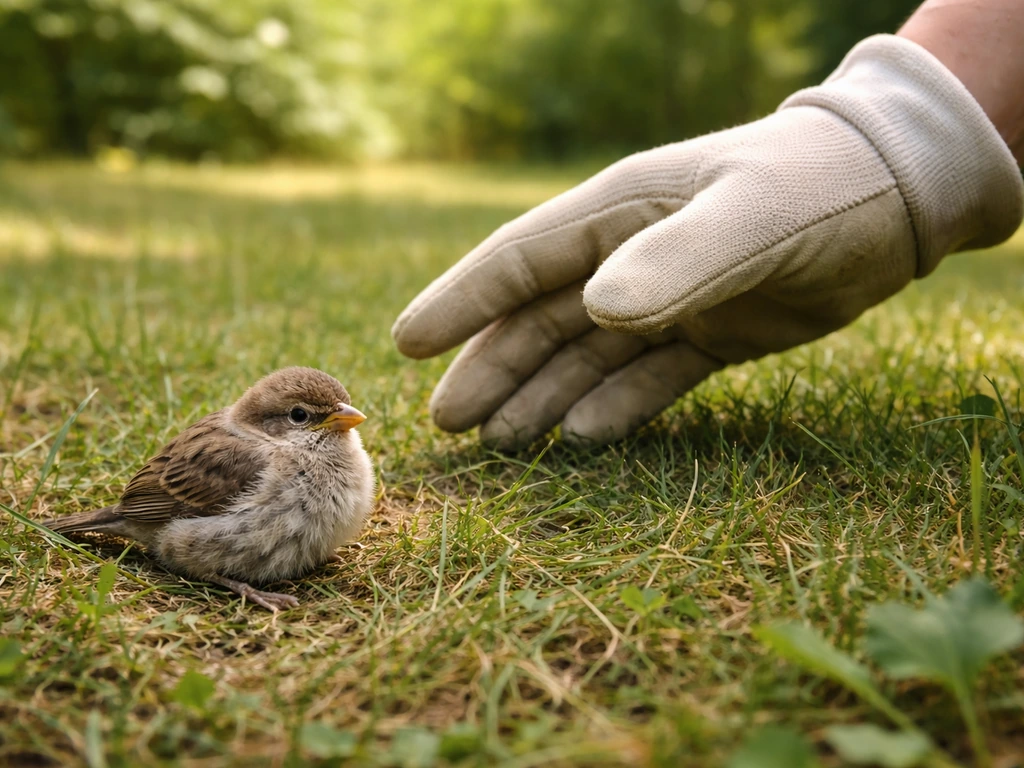
Found a Bird on the Ground What Should I Do Right Now
Step-by-step actions to help a bird on the ground safely, tell injuries from baby birds, and know when to call a rehabbe
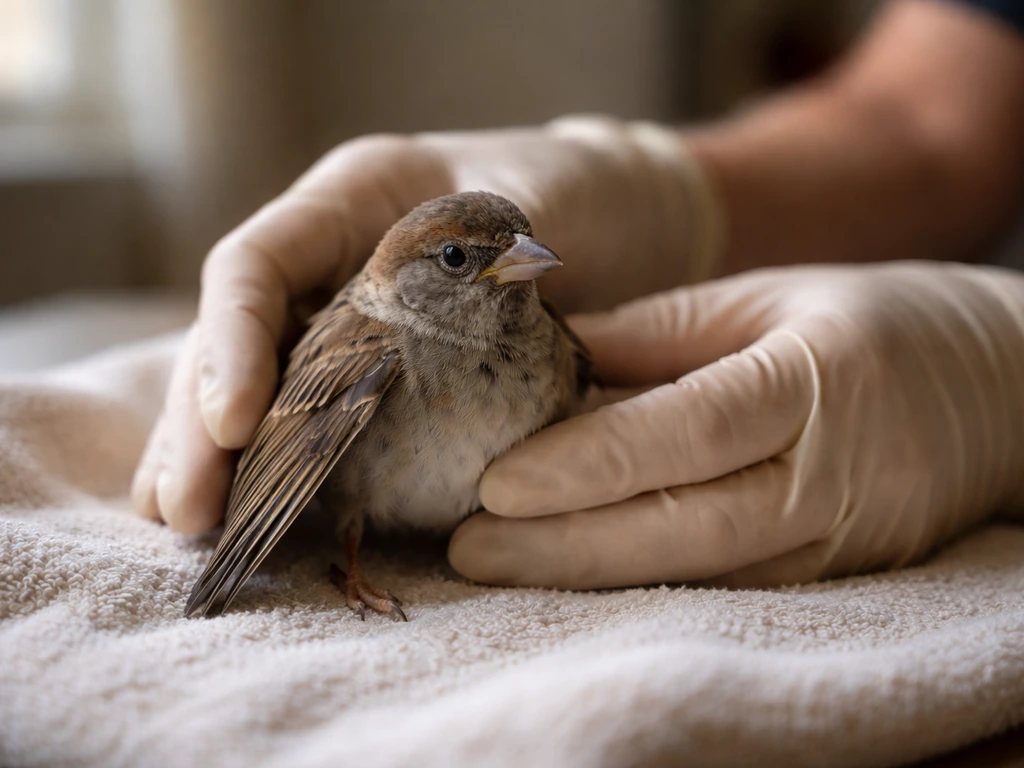
Can a Bird Live With One Wing? Survival and First Aid
Can a bird live with one wing? Injury outcomes and step-by-step first aid, plus when to get urgent help.
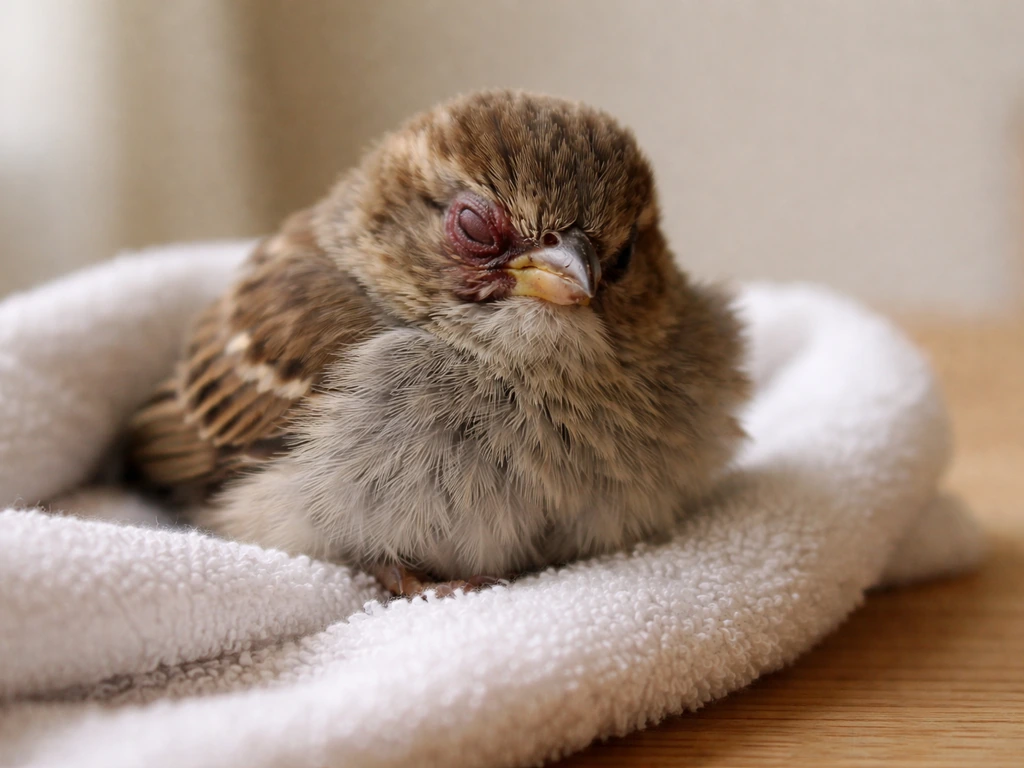
Can a Bird Survive With One Eye? What to Do Now
Learn if birds can cope with one eye and what to do now for an injured bird’s eye safely and urgently.