
Get the bird away from the cat right now, put it in a shoebox with a few air holes, and keep it somewhere warm, dark, and quiet while you call a wildlife rehabilitator or avian vet. That's the core of it. Cat attacks are a genuine emergency for birds even when the bird looks okay, because cat saliva carries bacteria that can kill a bird within hours if left untreated.
Cat Caught Bird Still Alive What to Do Step by Step
Marcus Chen
19 May 2026
Cat attacks can also cause hidden internal infection, so prompt professional treatment is essential even if the bite is small my bird was bitten by a cat. So the clock is already ticking, and the single most important thing you can do is get the bird to a professional the same day, ideally within a few hours.
If you found a bird on the ground, the safest move is to get it to a professional as soon as possible found a bird on the ground what should i do.
First actions right now
Before anything else, separate the bird from the cat. Put the cat inside or in another room. Even a well-meaning cat will stress the bird further just by being nearby, and a stressed bird can go into shock fast. If you are dealing with the related situation of a bird that flew away, the safest next step is still to contact a wildlife rehabilitator for guidance right away my bird flew away what do i do.
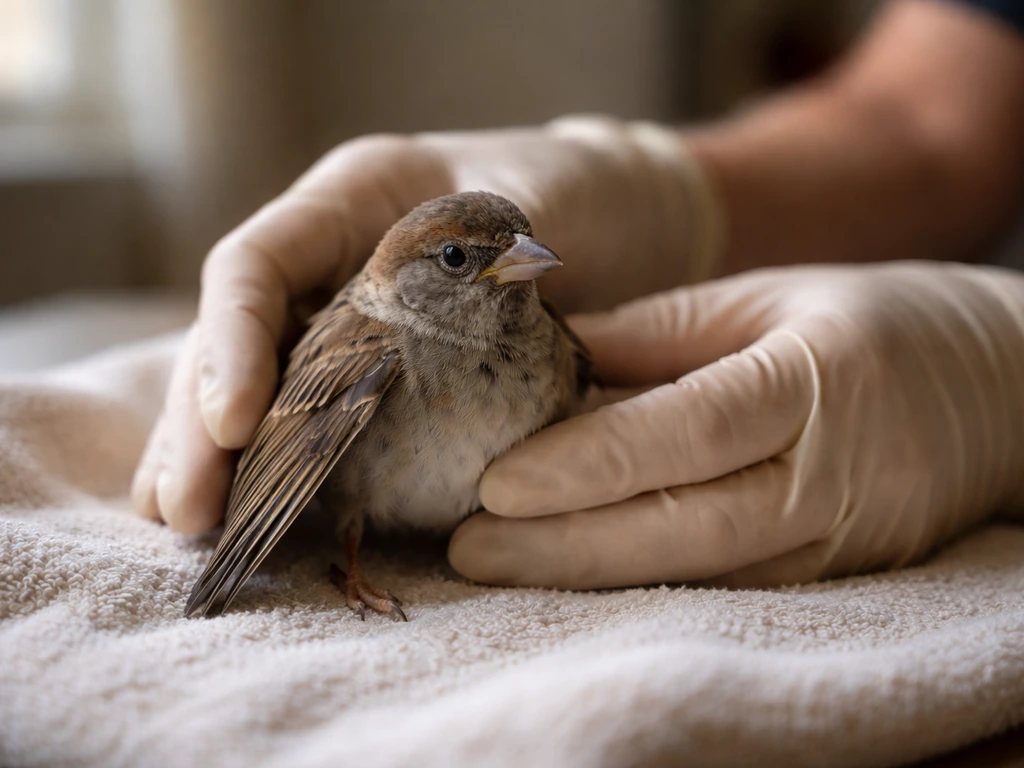
Then protect yourself before you touch the bird. Wild birds can bite and scratch when frightened, and some larger species can do real damage. Use a light towel, a folded shirt, or gardening gloves to scoop the bird up gently. Don't grab it bare-handed if you can avoid it, and keep your face away from its beak. Once you have it, hold it loosely but securely in the cloth so it can't flap and hurt itself further.
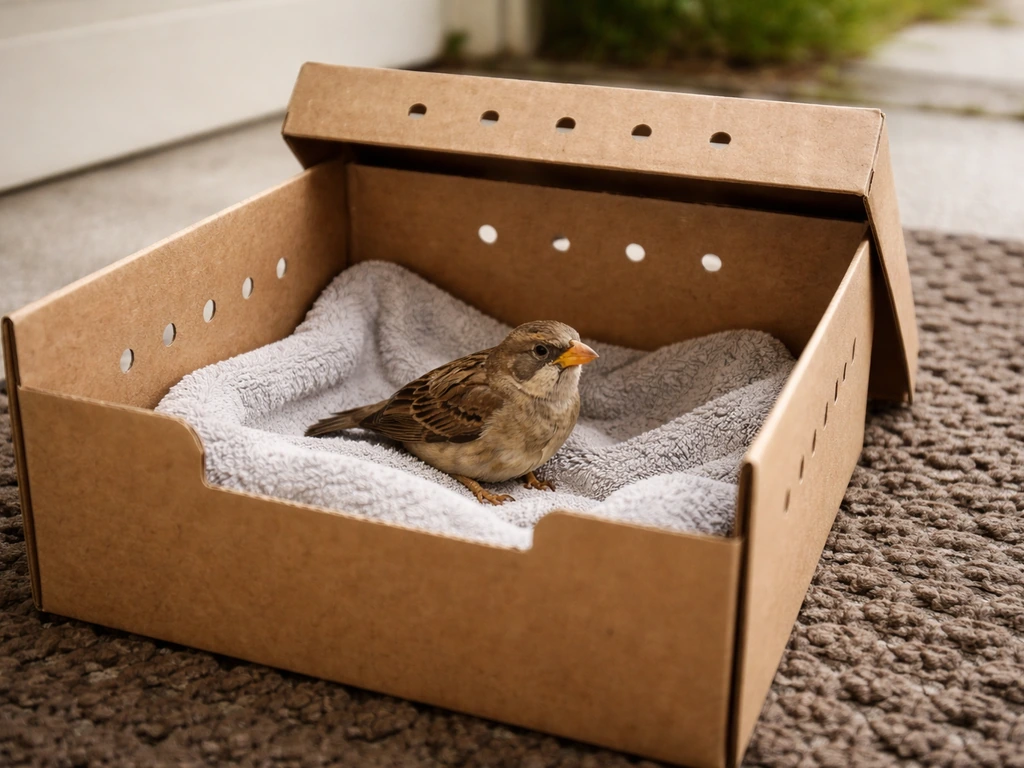
Get a shoebox or any small cardboard box. Poke several small holes in the sides for ventilation, line the bottom with a piece of cloth or a few paper towels, and lower the bird in. Put the lid on. Keep that box in a warm, quiet room away from kids, dogs, and noise. That's your holding setup while you make calls.
How to tell if the bird is just stunned or actually injured
Here's the honest truth: with a cat-caught bird, it almost doesn't matter. Even if the bird looks completely fine, you still need to treat it as injured and get it to a professional, because cat saliva penetrates feathers and skin and can introduce fatal bacteria with no visible wound at all. That said, knowing what you're dealing with helps you communicate clearly when you call for help and helps you understand how urgent the situation is.
Signs the bird may be stunned but not severely injured
- Sitting upright, holding its head normally
- Eyes are open and tracking movement
- Feathers are smooth or only slightly ruffled
- Breathing is steady and quiet, beak closed
- No obvious blood, no wing or leg at an odd angle
Signs the bird has a serious injury or is in shock
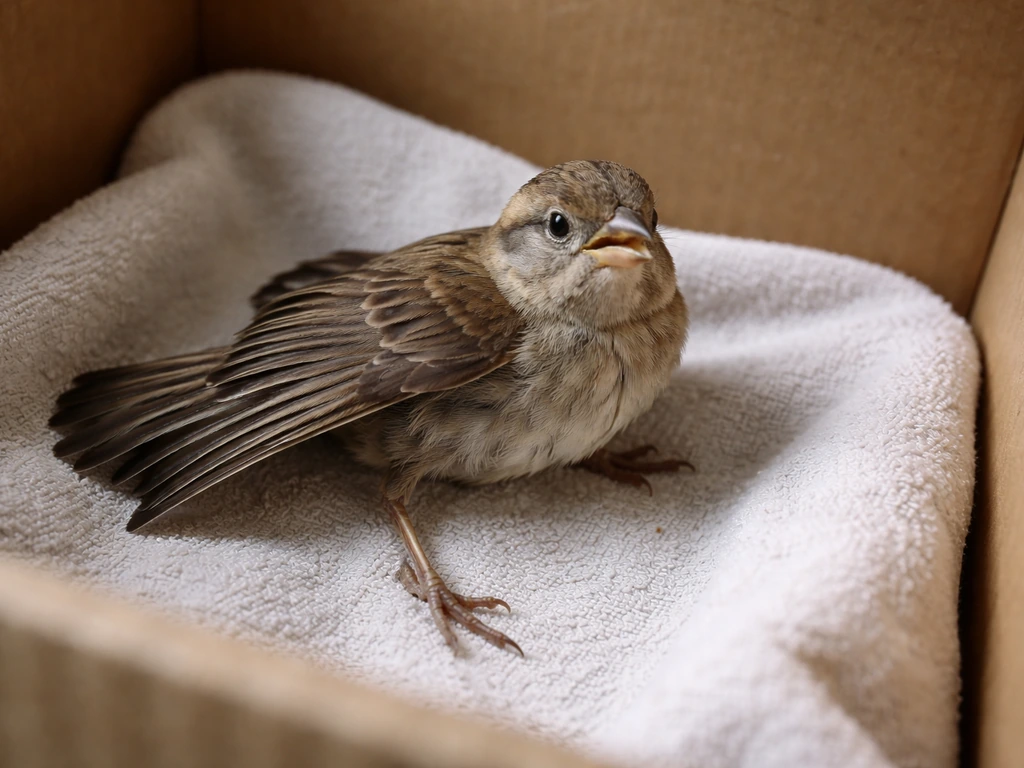
- One or both wings drooping, or a wing held out at an odd angle
- A leg sticking out to the side or twisted
- Open-mouth breathing when the bird isn't visibly overheated
- Raspy, wheezing, or rattling breath sounds
- Inability to stand, or constant falling over
- Head tilted sharply to one side, or the head twisted down
- Visible blood on feathers, skin, or around the beak
- Unresponsive or extremely weak, barely reacting to being touched
- Eyes closed and body hunched
Any one of those signs means the bird is in serious trouble and needs urgent professional care, not just observation. Shock from blood loss or trauma can develop quickly after a cat attack, so even a bird that starts off sitting upright can deteriorate within minutes. Keep checking on it, but keep handling to an absolute minimum.
What to do with a still-alive bird after a cat catch
Once the bird is in the box, your job is essentially to do as little as possible while moving as fast as possible to get it professional help. That might sound counterintuitive, but birds are incredibly stress-sensitive. Every time you open the box, every loud sound, every peek to check on it adds stress that can push a fragile bird closer to shock. So resist the urge to check constantly.
Start calling wildlife rehabilitators and avian vets immediately. In many areas, wildlife rehabilitators are the best option for wild birds and they're often free or low-cost. You can search the National Wildlife Rehabilitators Association directory, or call your local animal shelter or wildlife agency, who usually keep referral lists. If you're in the US, the Wildlife Center of Virginia hotline and similar regional lines can point you to someone nearby quickly.
While you're making calls, keep the box somewhere that's around room temperature or slightly warmer. Don't leave it in a cold garage or a hot car. If you're waiting more than 20 to 30 minutes before transport, add a little warmth as described in the first aid section below.
Immediate first aid dos and don'ts
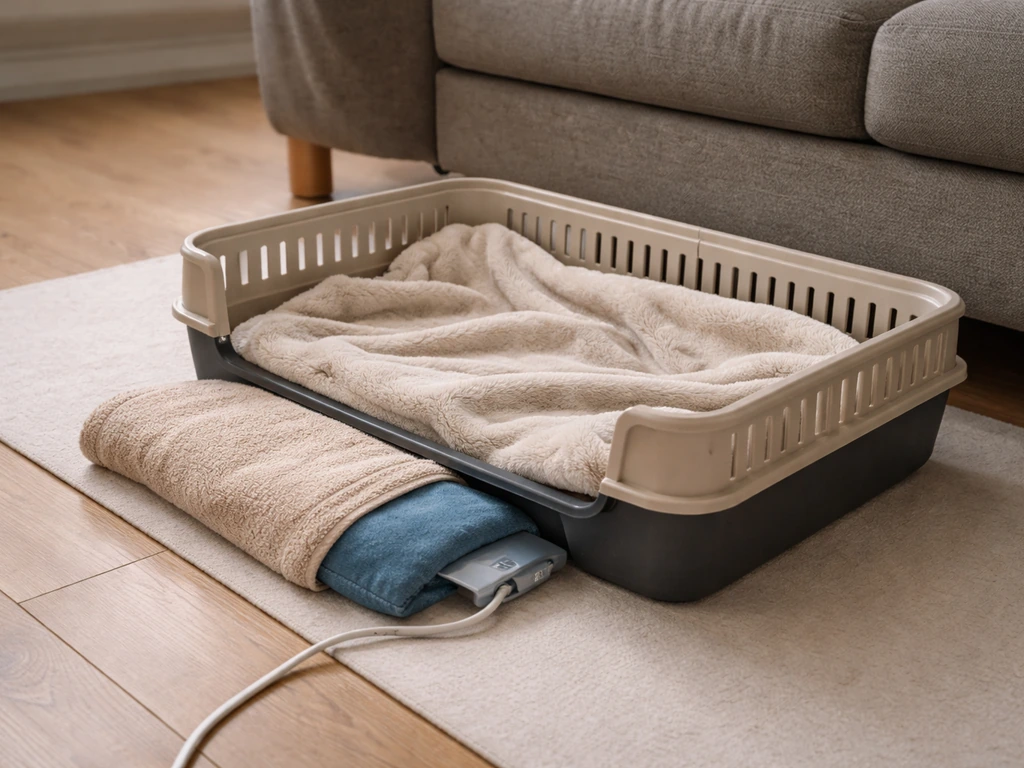
This section covers what you can and should do at home, and just as importantly, what you absolutely shouldn't do. Getting this wrong can genuinely make things worse.
Heat and warmth
If the bird feels cold to the touch or seems lethargic, warmth is important. Place a hot water bottle or a heating pad set to low under one half of the box only, not the whole bottom. This lets the bird move away from the heat if it gets too warm, which matters because overheating a bird in shock is a real risk. A temperature that feels comfortably warm to your hand is about right. Do not put the bird directly on a heating pad, and don't use a heat lamp unless you can keep it well away from the box and monitor carefully.
Quiet and darkness
Keep the box in a quiet room. No TV, no kids poking at it, no barking dogs nearby. Darkness calms birds significantly and reduces stress-related deterioration. This is one of the most effective things you can do that costs nothing.
Bleeding
If you can see active bleeding, you can apply very gentle direct pressure with a clean cloth or folded paper towel. Hold it steady for a minute or two. Don't rub. A cotton swab can help dab at a small wound site or move wet, blood-soaked feathers away from a wound so you can see what you're dealing with. If bleeding is heavy, doesn't slow down, or is coming from the body cavity, stop fussing with it and focus entirely on getting the bird to a vet fast. That's beyond home first aid.
What not to do
- Do not give the bird food or water by mouth. Aspiration (fluid going into the lungs) is a real risk, and birds in shock often can't swallow safely. This applies even if the bird seems alert.
- Do not try to splint a broken wing or leg yourself. You're very likely to make it worse.
- Do not keep opening the box to check on it. Every peek adds stress.
- Do not give any medication, including human pain relievers. Many are toxic to birds.
- Do not assume a bird that looks okay is okay. With cat attacks especially, internal injury and infection are invisible.
- Do not release the bird outside, even if it seems to perk up. Cat bacteria need antibiotic treatment that can only come from a professional.
When and how to get professional help
For a wild bird caught by a cat, the answer is always: contact a professional today, same day, within hours if at all possible. This is not a wait-and-see situation. Cat saliva contains Pasteurella bacteria that can cause fatal sepsis in birds within 24 to 48 hours, and the bird needs antibiotics specifically formulated for birds to survive that risk. No amount of home care substitutes for that.
Wildlife rehabilitator vs. avian vet: which to call
| Option | Best for | Cost | How to find one |
|---|---|---|---|
| Wildlife rehabilitator | Wild birds (songbirds, raptors, waterfowl) | Usually free or donation-based | NWRA directory, local animal shelter, state wildlife agency |
| Avian veterinarian | Pet birds AND wild birds when no rehab is available | Standard vet fees apply | Association of Avian Veterinarians directory, local vet referral |
For most wild birds, a licensed wildlife rehabilitator is your first call. They are specifically trained for this situation, they have access to the right antibiotics, and they don't charge for wild bird intake in most cases. If you can't reach one quickly, call an avian vet as your backup. A general practice vet can help in a pinch but may not have the specific medications or experience needed for wild birds.
If you're struggling to find anyone, try calling your local animal shelter, the Humane Society, or your state's fish and wildlife agency. In the US, the USDA Animal Care line can also point you in the right direction. Don't give up after one call.
Transport: how to get the bird there safely
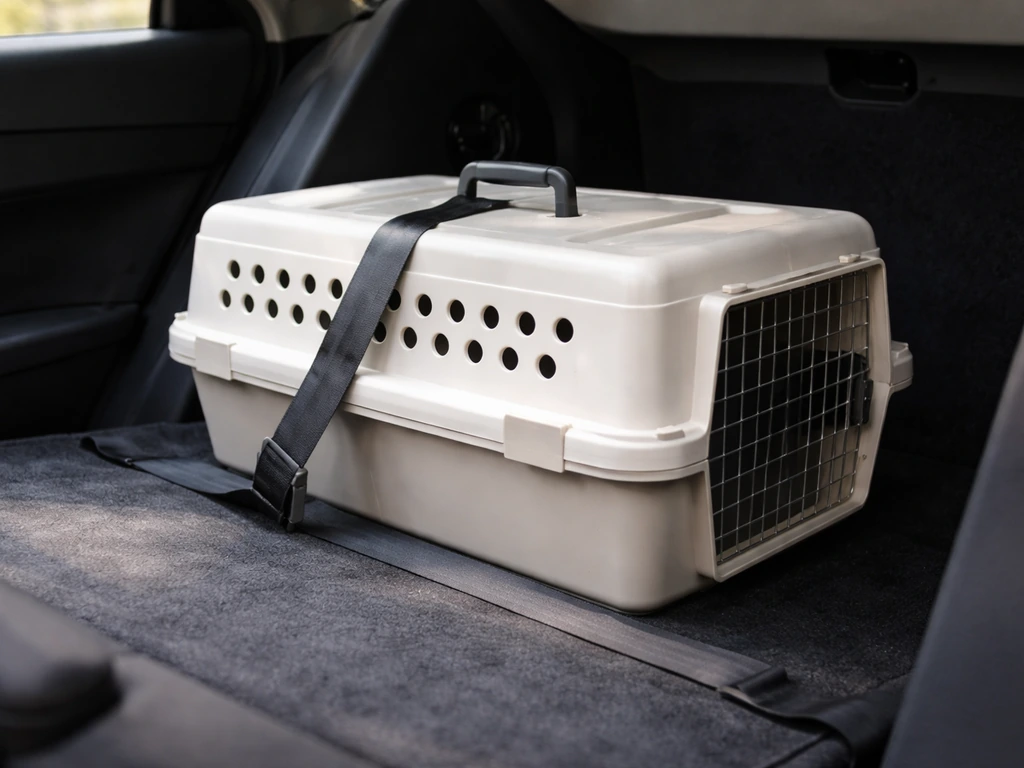
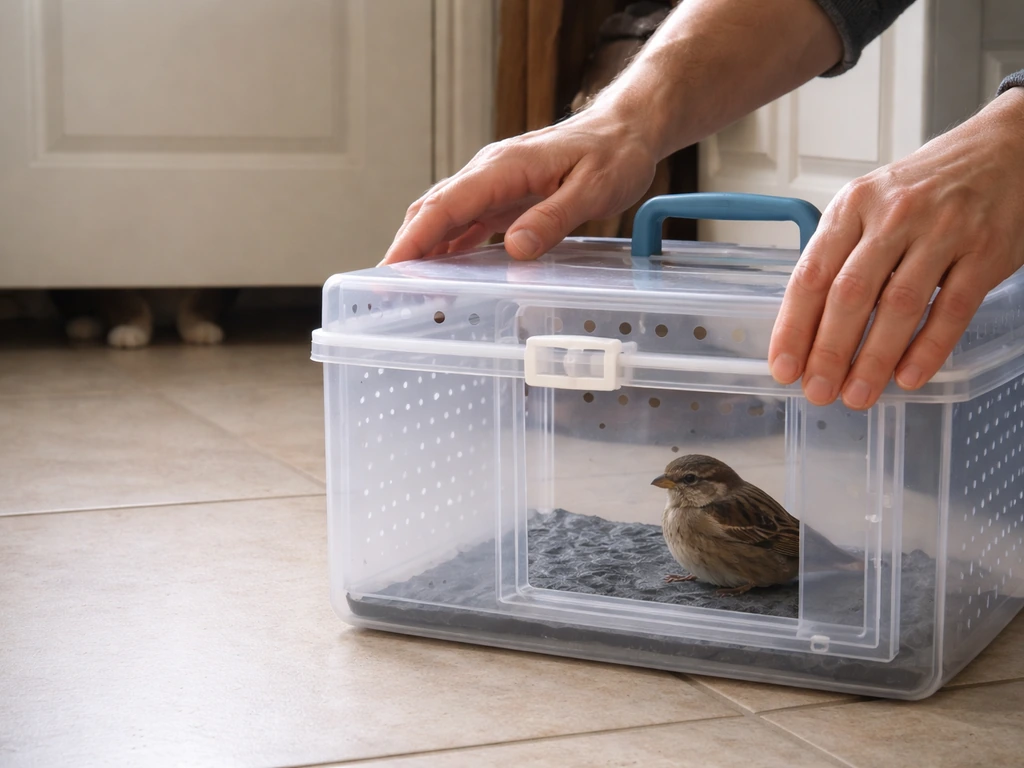
The box setup you already have is your transport container. A few things to confirm before you leave: the box has air holes on the sides (not just the top), it's not so big that the bird can bounce around inside, and the bird can't get a foot or wing stuck in any gap. A small box is better than a large one.
During the drive, keep the box on a flat surface so it doesn't slide around. Turn the radio off. Don't talk loudly near the box. If it's cold outside, keep the car warm but crack a window slightly so there's airflow. Don't place the box in direct sunlight through the window. The goal is steady, calm, quiet, and slightly warm. If instead you suspect a bird hit by a car, follow the specific steps for that situation so you can reduce shock and get the right help quickly what to do if a bird is hit by a car.
What to tell the rehabilitator or vet when you arrive
Be specific. Tell them it was a cat attack, not just that you found an injured bird. The words "cat attack" or "cat saliva exposure" are critical because they change the treatment protocol immediately. The professional needs to know this so they can prioritize antibiotic treatment. Also tell them:
- When the attack happened (as close as you can estimate)
- Any visible injuries you noticed (drooping wing, bleeding, etc.)
- How the bird has been behaving since you contained it (alert, lethargic, breathing changes)
- What you've done so far (warmth, any pressure on a wound)
- Where you found the bird (yard, park, rural, urban) so they can identify the species if needed
How to stop it happening again
Cats are highly effective predators and their hunting instinct doesn't switch off. Even cats that are well-fed and seemingly lazy will catch birds given the opportunity. The most reliable prevention is also the simplest: keep cats indoors, or give them supervised outdoor time only. Policy guidance emphasizes preventing cats from accessing bird resources like feeders and baths by using cat-proof outdoor enclosures cat-proof outdoor enclosures and prevent cats from having access to bird resources (feeders/baths).
Practical steps that actually work
- Keep cats indoors full-time if possible. This is the most effective single action and also protects the cat from outdoor risks like traffic and disease.
- Build or buy a 'catio' (an enclosed outdoor cat enclosure) if your cat needs outdoor time. A well-built catio gives the cat fresh air and stimulation without access to birds.
- Supervise outdoor time and call the cat in when birds are most active, especially early morning and late afternoon.
- Move bird feeders and baths to locations that are harder for cats to approach undetected, such as high poles in open ground with at least 10 feet of clear space around them.
- Avoid dense low plantings right around feeders that give cats a place to hide and stalk.
A word on cat bells
Bells on cat collars are widely recommended but the evidence is mixed. Research published in the Journal of Zoology found no reliable reduction in bird predation from bells, and some studies suggest cats adapt to them over time. A bell is better than nothing, but don't rely on it as your main prevention strategy. Supervision and physical barriers are more dependable.
If you're dealing with a neighbor's cat rather than your own, it's worth a calm conversation with the owner. Many people genuinely don't know how significant the problem is. Local ordinances vary on outdoor cats, so checking with your animal control agency is also worth doing if the issue is ongoing.
Your next steps, simplified
- Separate the bird from the cat and contain the bird in a ventilated shoebox lined with cloth or paper towels.
- Put the box somewhere warm, dark, and quiet. Add gentle heat under one side of the box if the bird feels cold.
- Do not feed or give water to the bird.
- Call a wildlife rehabilitator or avian vet right now. Use the words 'cat attack' when you call.
- Transport the bird in the closed box, keeping the car quiet and calm.
- Tell the professional exactly when the attack happened and what injuries you observed.
- Once the crisis is handled, take one concrete prevention step: supervised outdoor time only, a catio plan, or moving your bird feeder away from cat-accessible cover.
You've already done the hardest part by catching the situation early. A bird that gets to a rehabilitator within a few hours of a cat attack has a genuinely good chance of survival and release. The key is moving quickly and not getting distracted by home remedies. Box it, warm it, call for help, and drive.
FAQ
What if the cat dropped the bird and it is still breathing, but I cannot find an avian vet or wildlife rehabilitator right away?
Keep the bird in the same warm, dark, quiet shoebox setup and call for help continuously, including your local animal shelter, Humane Society, and state fish and wildlife agency. If you truly cannot reach a specialist within a short window, call an avian-experienced emergency clinic and say “cat attack” or “cat saliva exposure,” so they treat it as a bite-risk case, not a routine injury.
Should I feed or give water to a cat-caught bird before I transport it?
No. Do not offer food or water, since many birds cannot swallow safely when stressed and dehydration can worsen aspiration risk. Focus on warmth, quiet, and transport, and let the professional guide any fluids or medications.
The bird looks fully awake and moves normally. Do I still need to rush it to help?
Yes. A cat can introduce bacteria and internal injury without an obvious external wound, so “looks fine” is not a reliable safety signal. If there was contact with the cat, same-day professional care is still the correct choice.
What is the safest way to pick up the bird if it is not calm and keeps trying to bite or flap?
Use a light towel or folded shirt to scoop it while keeping your face away from the beak. Hold it securely but loosely, so it cannot flap hard enough to injure itself. If it is extremely active, reduce handling time, then move it directly into the boxed transport setup.
Is it okay to keep the box in the bathroom, laundry room, or garage while I wait to leave?
Avoid garages that are cold and avoid places with noise or strong fumes. A quiet room is best, keep it around room temperature or slightly warmer, and prevent temperature extremes. If you must wait, warmth should come from under one half of the box only (not direct contact to the bird).
How long can the bird stay in the box before transport without making it worse?
The goal is within hours. If you expect a delay, minimize openings and loud activity, and keep the box at a safe, steady temperature. Add gentle warmth only if it is cooling down, and do not overheat the bird.
Can I use peroxide, ointments, or spray disinfectants on any visible wound?
Avoid harsh antiseptics or medicated sprays on small wounds unless a vet or rehabilitator instructs you. For minor visible bleeding, gentle direct pressure is reasonable, otherwise focus on boxing and transport. Cat-bite treatment typically requires bird-appropriate antibiotics, not home disinfecting.
What if the bird is bleeding heavily or blood is coming from the body cavity, should I keep trying first aid?
Do not spend time on first aid if bleeding is heavy, does not slow, or involves the body cavity. Move priority to immediate transport and keep the bird contained and warm in the box while you go.
Do I need to separate the bird from my other pets and people beyond putting the cat away?
Yes. Keep dogs, other cats, and children away, and limit people noise and peeking. Even without the cat present, stress from motion and attention can push a fragile bird toward shock faster.
Is it better to use a shoebox with air holes or something else like a carrier or laundry basket?
A small box with ventilation holes on the sides works best because it limits movement and provides calm confinement. A large container lets the bird bounce and risks feet or wings getting caught. If you must use a carrier, ensure tight fit, stable placement, and clear side ventilation.
What should I tell the rehabilitator or vet, exactly, when I call?
Be specific: say “cat attack” and that there was “cat saliva exposure,” even if there is only minimal visible injury. Mention whether the bird was actively bleeding, whether it feels cold or lethargic, and how long it has been since the attack.
If the bird survives and the cat is unknown, should I still worry about rabies or cat-transmitted disease exposure?
Rabies is a low-probability but serious concern, especially if you were bitten or scratched. If you or anyone in your household was scratched or bitten by a cat, contact a healthcare professional promptly for advice. For the bird’s care, still treat it as an emergency bite-risk case.
Next Articles
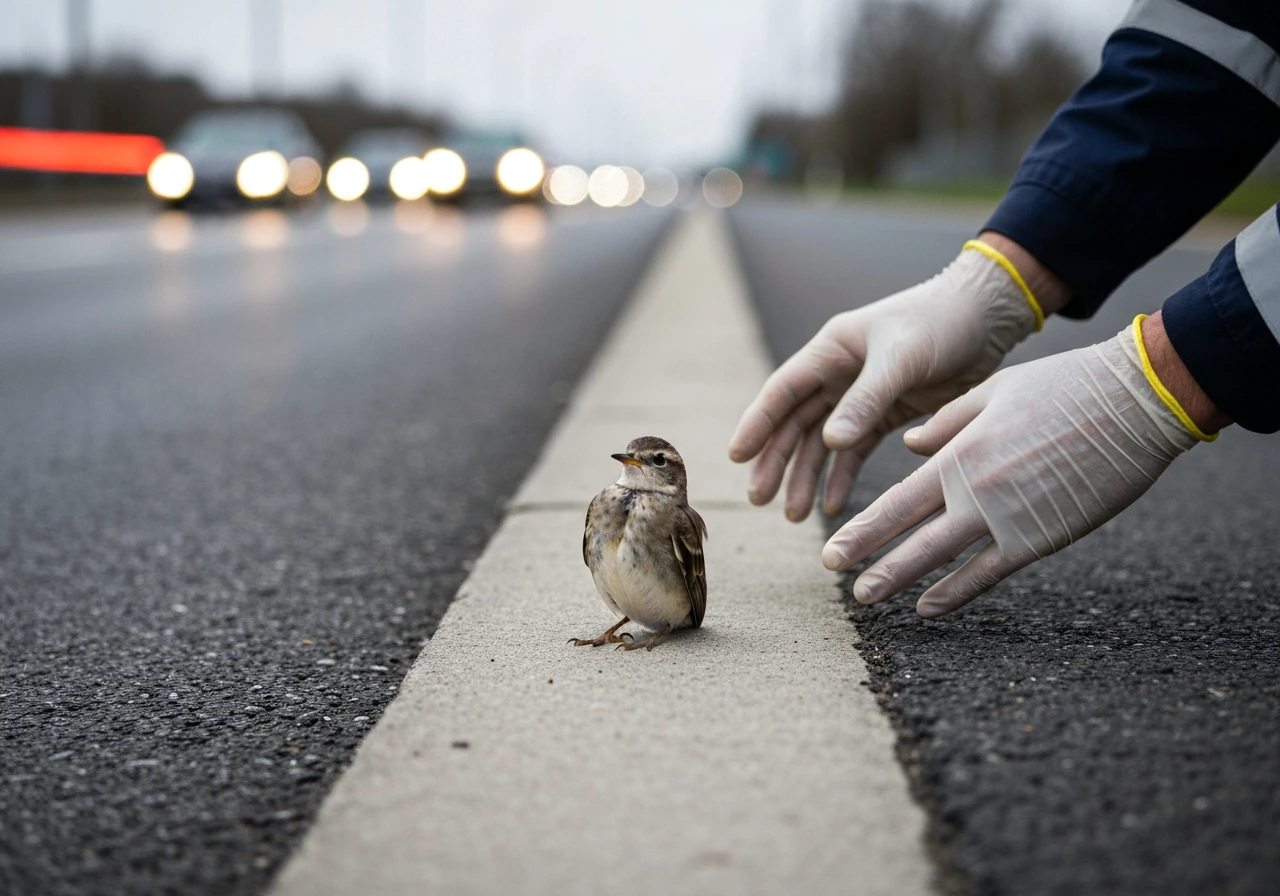
Bird Hit by Car: What to Do Immediately and Next
Step-by-step first aid and safety steps for a car-struck bird, including when to call a vet or rescue now.
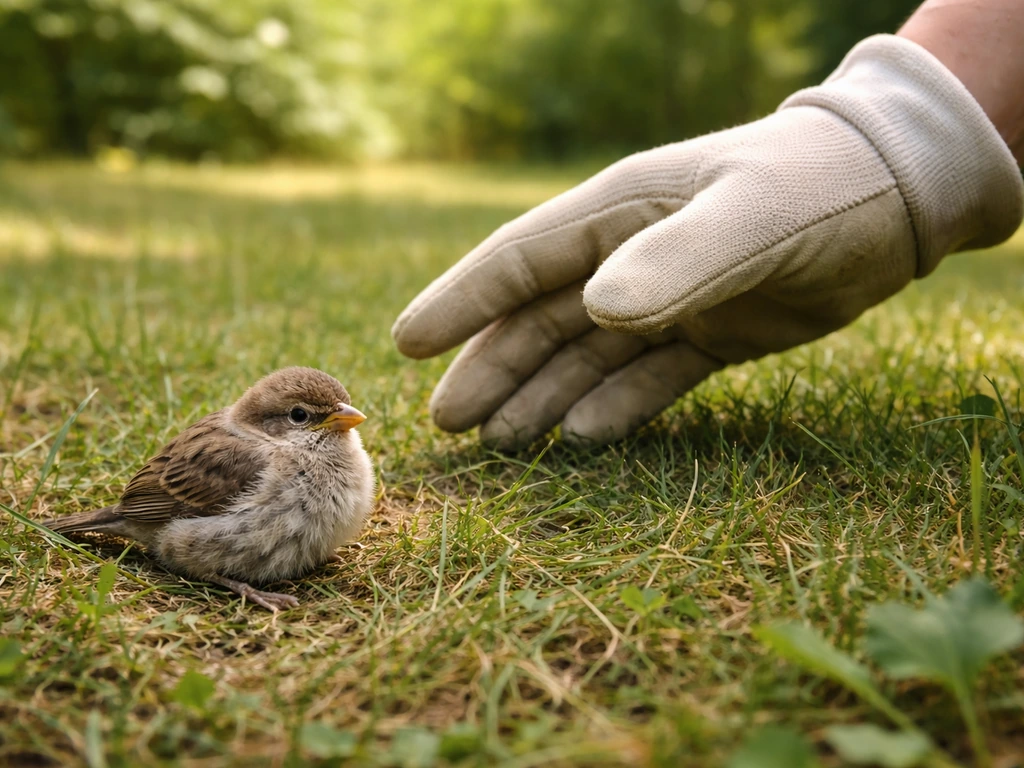
Found a Bird on the Ground What Should I Do Right Now
Step-by-step actions to help a bird on the ground safely, tell injuries from baby birds, and know when to call a rehabbe
Can a Bird Live With One Wing? Survival and First Aid
Can a bird live with one wing? Injury outcomes and step-by-step first aid, plus when to get urgent help.