
If you find a fallen nest with broken eggs, stop and take a breath before touching anything. In the next few minutes, scan for any living hatchlings or unbroken eggs, remove immediate dangers like predators or sharp shell fragments, get any survivors into a warm, quiet, dark container, and call a licensed wildlife rehabilitator. That is the entire plan. Everything below walks you through each step in order.
Bird Nest Fell Out of Tree With Broken Eggs: What to Do
Marcus Chen
23 Apr 2026
First: check for life and active danger before you touch anything
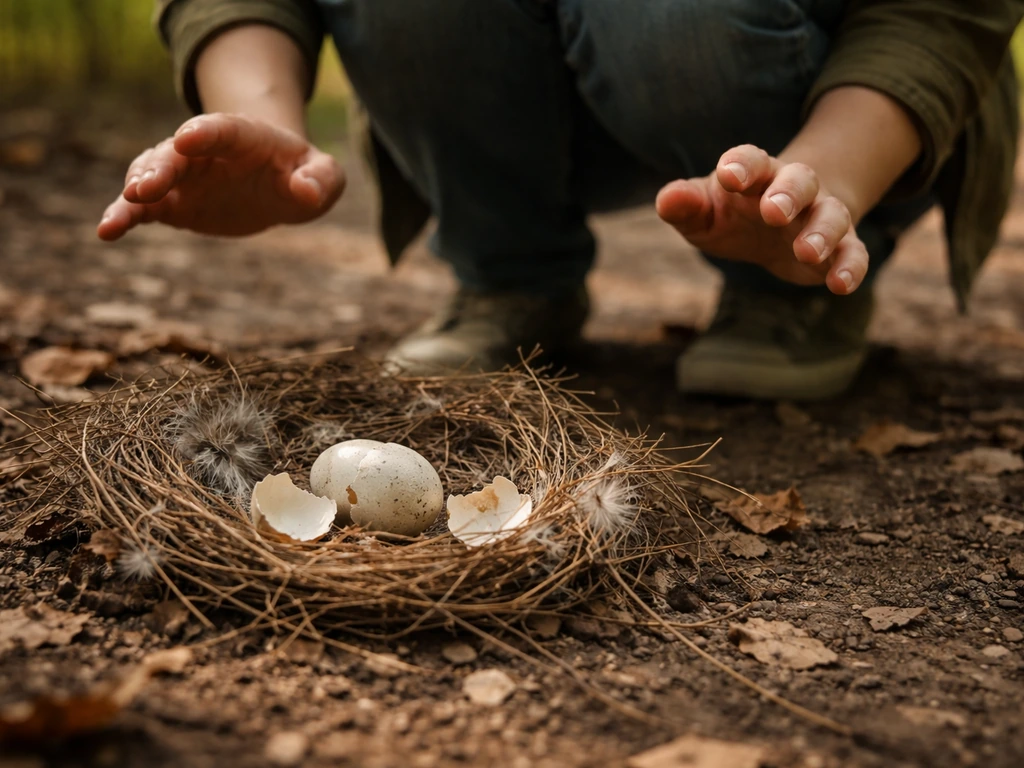
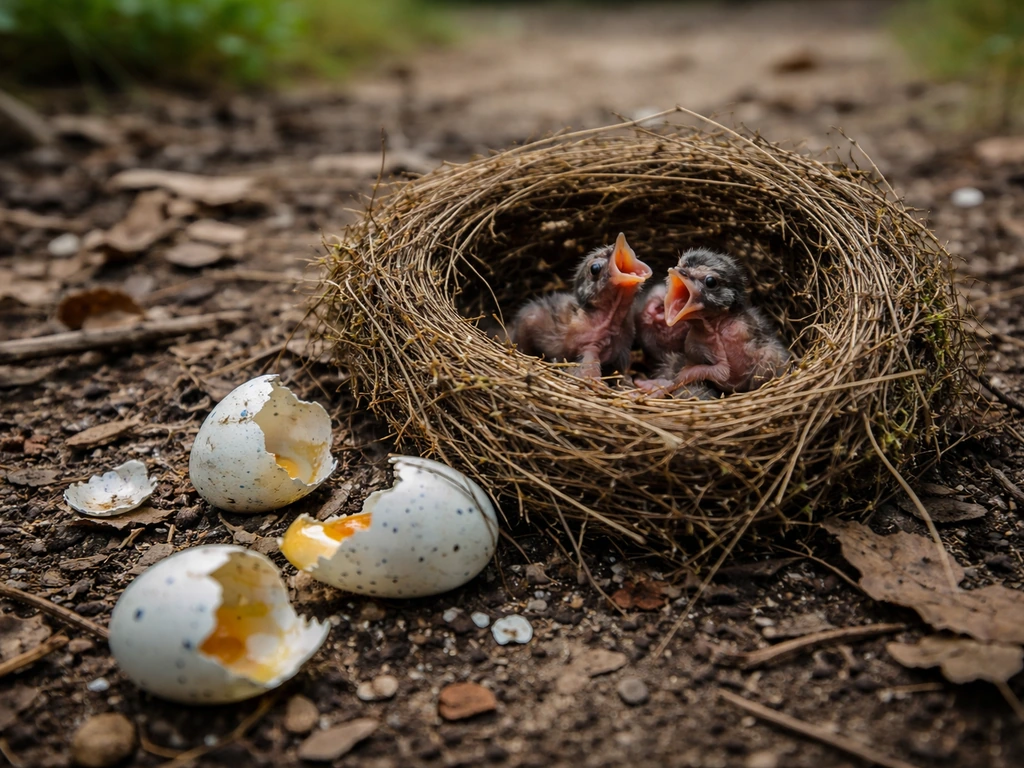
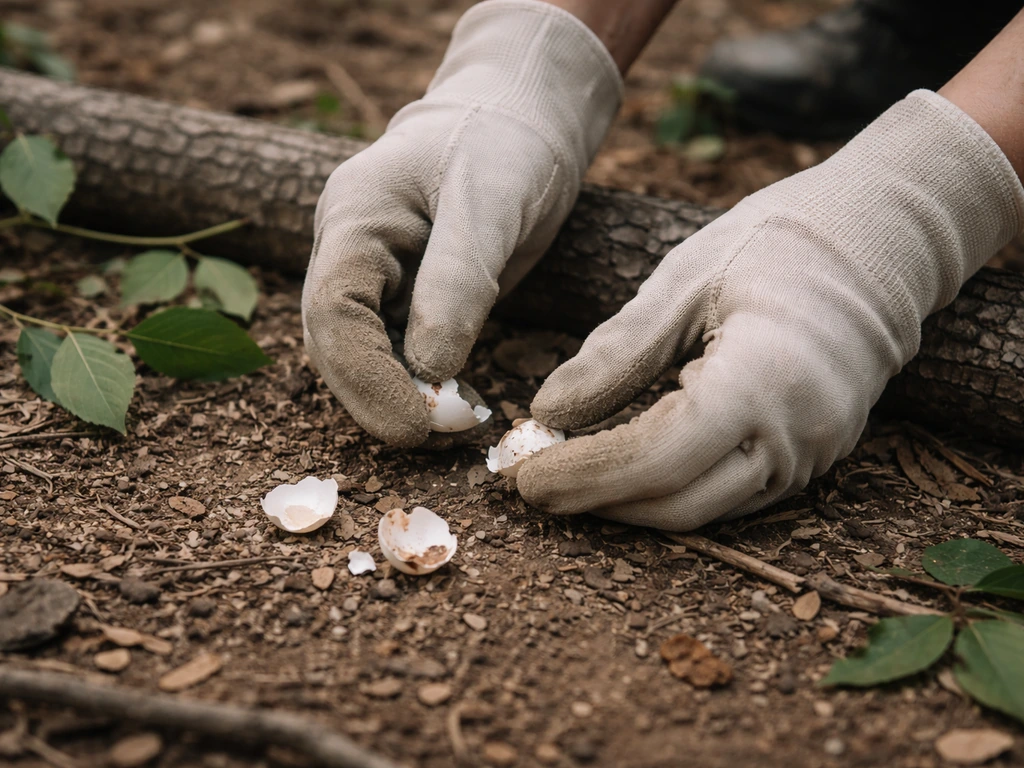
Spend 30 seconds just looking. Some eggs will be visibly shattered with nothing salvageable inside. Others may be cracked but still warm, or you may spot a tiny hatchling that got thrown clear of the nest when it hit the ground. Featherless chicks with closed eyes (nestlings) are the most fragile and the ones most likely to need your help right now.
If you are dealing with when bird falls out of nest, treat it as urgent wildlife help and follow the steps below. Fledglings with real feathers and open eyes are tougher, but if they are lying still and not attempting to hop or move, that is a bad sign. A bird fell out of its nest and cannot fly should be treated as an urgent wildlife situation and handled according to the steps in this guide.
A bird has fallen out of nest A bird fell out of its nest and cannot fly.
At the same time, look for active threats. A cat crouched nearby, a dog sniffing around, heavy rain coming in, or a nest that fell into a driveway with traffic all count as active danger. Get the threats away first. If it is a pet, bring it inside immediately. A cat scratch or bite on a nestling is a veterinary emergency on its own because cat saliva carries bacteria that can kill a small bird within hours, even with no visible wound.
Check the shell fragments too. Jagged pieces can cut exposed skin on hatchlings that land on or near them. You do not need to obsessively clean the area, but if a chick is sitting on sharp debris, gently move the chick rather than the debris.
What to do right now with the eggs and any living hatchlings
Broken eggs that are fully cracked open with visible yolk and no movement are not going to hatch. You can set those aside. Your focus is on two things: unbroken or minimally cracked eggs that may still be viable, and living nestlings or hatchlings that are already out of their shells.
For any living chick: the single best outcome is returning it to its nest. If the nest itself is intact but just knocked to the ground and the tree or shrub it came from is identifiable, you can attempt to re-secure the nest. Use a small plastic container (a berry basket, a cleaned margarine tub with drainage holes poked in the bottom, or a small bowl) lined with some of the original nest material and place the chick inside.
Wire or zip-tie it as high as you can reach on the original tree, in a sheltered spot out of direct sun. Parent birds will return to a re-located nest. The myth that a parent will abandon a chick you have touched is not true for most songbirds.
If the nest is destroyed beyond use, the tree is inaccessible, or you cannot safely reach a secure spot, do not leave the chick on the ground. Get it into a temporary container while you make calls.
Unbroken eggs on the ground almost never survive without an incubator and a parent. Do not try to incubate them yourself at home. Place them gently in the temporary container with the chick if you have one, and let the rehabilitator advise you when you call.
How to safely contain the situation without causing more harm
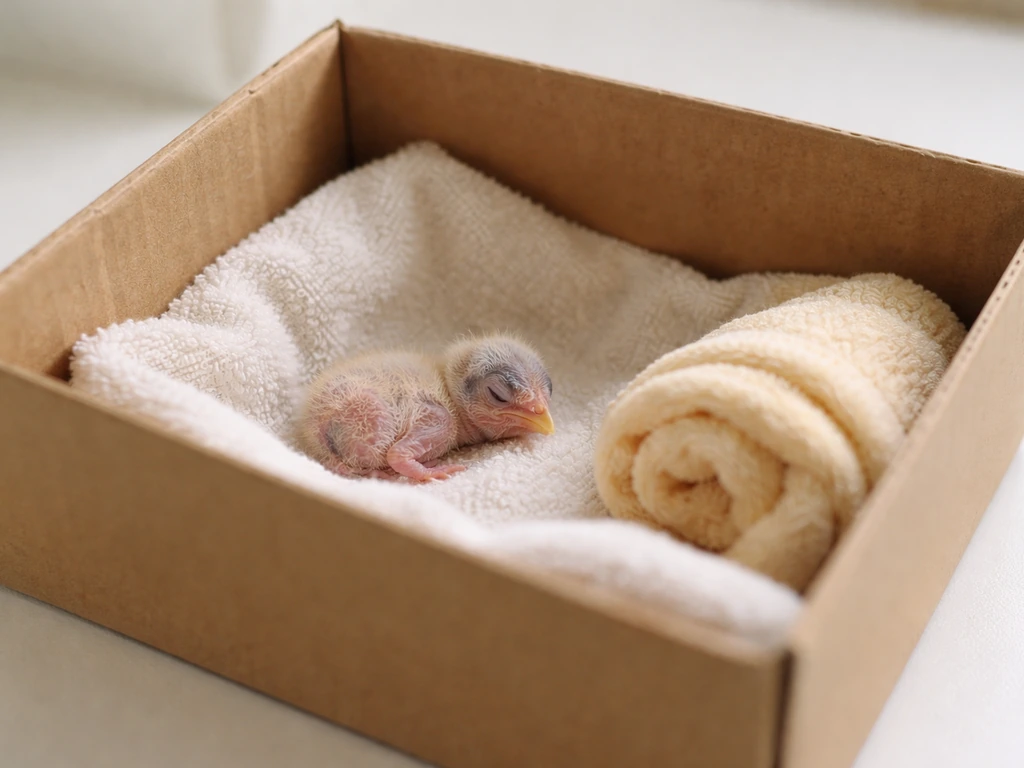
You need a small cardboard box or paper bag, a clean soft cloth or paper towels, and something to provide warmth. That is it. Do not use a wire cage, a plastic bag, or a fish tank. The goal is dark, warm, quiet, and still.
- Line the bottom of the box with a soft cloth or a few layers of paper towels folded into a shallow nest shape.
- Place the chick (or chicks) gently inside using cupped hands or a cloth. Minimize handling time to 30 seconds or less per bird.
- Place a heating pad on its lowest setting under ONE HALF of the box only, with a folded towel between the pad and the box. This gives the chick a warm zone and a cooler zone so it can self-regulate and does not overheat.
- If you have no heating pad, fill a small water bottle or zip-lock bag with warm (not hot) water, wrap it in a cloth, and place it beside (not under) the chick.
- Cover the box with a light cloth or place the lid loosely on top to keep it dark. Do not seal it airtight.
- Put the box in a quiet room away from children, pets, noise, and drafts. Do not check on the chick every few minutes. Leave it alone.
blank" rel="noopener noreferrer">Do not give the bird food, water, milk, bread, or anything else. This is one of the most important rules. Even well-meaning feeding can cause aspiration (fluid in the lungs), which kills quickly. Even well-meaning feeding can cause aspiration (fluid in the lungs), which kills quickly bird fell out of nest and can't fly. Do not squirt water into its beak. Do not apply any ointment, petroleum jelly, or antiseptic to wounds. Keep it warm, dark, and still until you have spoken with a rehabilitator.
When to call wildlife rehab or an avian vet, and what to tell them
Call immediately if any of the following apply. Boston Animal Care & Control advises contacting animal care or wildlife rehab for assistance when appropriate contact animal care or wildlife rehab for assistance. Do not wait to see if things improve on their own.
- The chick is featherless or has its eyes closed (a true nestling, not a fledgling)
- Any bird has visible bleeding, a drooping or deformed limb, or is unable to hold its head up
- A cat or dog has touched or grabbed the bird, even if there is no visible wound
- The bird is shivering, gasping, or has labored breathing
- You cannot re-attach the nest and there is no parent visible after 30 to 45 minutes
- The parent bird is dead nearby
When you call, have this information ready: the species if you know it (or a description), whether the bird is feathered or featherless, whether eyes are open or closed, the exact location where you found it, what happened (nest fall), any visible injuries, and whether you can transport the bird. Rehabilitators need that information to triage fast and tell you whether to bring the bird in now or hold it overnight.
How to find a licensed wildlife rescuer fast
Most songbirds, raptors, and waterfowl are federally protected migratory birds, which means only a licensed wildlife rehabilitator can legally hold, treat, or attempt to raise them. This is not a technicality to ignore. It is also genuinely in the bird's best interest, because a trained rehabber has the right food, housing, and protocols.
Here are the fastest ways to find someone today:
- Search the National Wildlife Rehabilitators Association (NWRA) directory at nwrawildlife.org or the National Wildlife Federation's 'Find a Wildlife Rehabilitator' search.
- Call your state's fish and wildlife agency directly. Most have a hotline or can give you a local contact within minutes.
- Search '[your county or city] wildlife rehabilitator' and look for results from .gov, .edu, or established nonprofit domains.
- Call a local avian vet or wildlife vet clinic. Even if they cannot take the bird, they will know who in your area can.
- Animal control in your city or county often has direct contacts for wildlife rehab, especially for common songbirds.
A few things to avoid: do not post on social media and wait for crowd-sourced advice while the bird is declining. Do not take the bird to a general pet store or a domestic animal shelter unless they have confirmed they can handle wild birds. Do not attempt to raise the chick yourself at home, even temporarily beyond the emergency holding stage. Rehabilitators are not always available 24 hours a day, but most have voicemail with instructions for overnight emergencies, and many state agencies have after-hours contacts.
If a parent bird is still nearby
This is actually a hopeful sign. If you can see or hear an adult bird calling or hovering near the area, back away. Put at least 10 to 15 feet between yourself and the nest site, go indoors or out of sight, and watch from a window for 30 to 45 minutes. Parent birds often stop approaching when humans are close, but they will come back. If you can successfully re-secure the nest in the tree and the parent returns to feed within that window, you may not need to intervene further.
Keep all pets indoors during this monitoring period. A single cat sighting is enough to make a parent bird abandon the area temporarily, and it puts any chick on the ground at serious risk. If you have outdoor cats, keep them in for the rest of the day at minimum.
If after 45 minutes you see no parent returning and the chicks are still on the ground, that is your cue to step in. The situation is different if the nest fell at night. Parent birds do not feed after dark, so nighttime inactivity is normal. Secure the chicks in your warm, dark container overnight and call first thing in the morning.
It is also worth noting that if a chick has already been removed from the nest site before you read this, the parent can still be attracted back by sound. Some rehabbers advise placing the container near the original nest site (safely secured from predators) while monitoring, so the parent can hear the chick's calls and potentially resume care. Ask the rehabilitator you reach whether this applies in your specific situation.
After this is resolved: preventing repeat nest falls and cleaning up safely
Once the immediate situation is handled, take a look at the tree or structure the nest fell from. Nests fall for a few common reasons: storm or wind damage to the branch, an overloaded or poorly anchored nest, predator interference (a crow or squirrel often dislodges nests), or the branch itself breaking. If the branch is cracked or dead, have it assessed by an arborist before the next nesting season. A dead branch that falls with a nest mid-season is one of the more common calls wildlife rehabbers get in spring.
Cleaning up the fallen nest and broken shell material is straightforward. Wear gloves. Broken eggs decompose quickly and attract insects and other wildlife. Bag the debris and put it in your trash. Do not compost it. The nest itself can be composted if it did not contain dead chicks, but if it had any casualties, bag that too.
If the same area sees nesting birds every year, consider trimming back branches that are structurally weak in late fall or winter, when no active nests are present. Avoid trimming trees between March and August in most of North America unless there is a safety emergency, as active nests may be present even when you cannot see them. Some homeowners also add deterrents for nest predators like squirrels and corvids near known nesting trees, though this is something to think through with a local wildlife organization before acting.
If this nest fell and there were surviving chicks or partially intact eggs, you may find that the parent birds attempt to re-nest in the same tree within days or weeks. That is normal and a good sign. Give them space, keep pets away from the area, and let them do their thing.
FAQ
What if I find a nest with broken eggs but I cannot tell if any chicks are alive or just cooling?
Use a quick, careful 30 second check for movement, open mouth breathing, or warm body heat. If you see no movement and the eggs are fully cracked open with visible yolk, set them aside. If any chick might be alive (or you cannot confirm), treat it as urgent wildlife help and get it into a warm, dark container while you contact a rehabilitator.
Should I try to keep the unbroken eggs in the refrigerator or bring them inside to “save” them?
No. Refrigeration will not make eggs hatch, and it can delay or prevent proper incubation. Unbroken eggs on the ground almost never survive without a parent and incubator, so place any possibly viable eggs into the same temporary container you use for living chicks and wait for the rehabilitator’s instructions.
Can I offer water or fruit juice because the chick might be dehydrated?
Do not. Feeding or adding liquids (including squirting water into the beak) increases the risk of aspiration, which can kill small birds quickly. The correct first aid is warmth, darkness, quiet, and minimal handling until a licensed rehabilitator advises next steps.
What temperature should the temporary container be, and how do I provide warmth safely?
Aim for a gentle, steady warmth without overheating. A common approach is to use a heating pad set low under half of the container, or a warm water bottle wrapped in cloth placed alongside (not directly against skin). Keep the container dark and still, and if the chick is becoming very hot or panting, remove the extra heat source and call immediately.
If I touch the chick to move it away from shell fragments, will the parents reject it?
For most songbirds, touching does not cause abandonment. Parents typically return to care after the threat is removed. The higher priority is getting the chick out of danger, then either returning it to the re-secured nest or moving it into a temporary container while you contact a rehabilitator.
What should I do if the nest is in a place I cannot reach, like a roof edge, balcony, or low gutter?
Do not climb into unsafe areas or try to improvise a nest placement without a safe, sheltered option. Put any living chicks into a temporary container and keep them warm and quiet. Then call the rehabilitator and describe the exact location so they can advise whether you should hold overnight, monitor, or attempt a supervised relocation from the ground.
Is it okay to relocate the entire nest if it is intact but knocked down?
Only if you can re-secure it in a safe, stable spot on the original tree or structure within your reach and in a way that protects from direct sun and predators. If the nest is destroyed, the original support is inaccessible, or you cannot secure it safely, do not leave chicks on the ground, use a temporary container, and let the rehabilitator guide further options.
What if the chick is feathered and seems mobile, should I still intervene?
It depends on whether it is actively trying to move and whether it is safe. Fledglings that are alert and hopping normally may still be learning, but if it is lying still, unable to get up, or exposed to immediate threats like cats, rain, or traffic, treat it as urgent wildlife help and contact a rehabilitator.
How long should I wait for parents to return before I step in?
If it is daytime, monitor for 30 to 45 minutes from a distance (at least 10 to 15 feet), with people and pets out of sight. If no parent returns within that window and chicks are still on the ground, secure them in a warm, dark container and call. If it happened at night, parent feeding does not resume after dark, so move to overnight holding and call first thing in the morning.
Do I need to take photos or videos when I call, and should I post online first?
When you call, having the species (if known), chick age clues (feathered vs featherless), eye status, exact location, and visible injuries matters most. Avoid posting to social media and waiting for online advice, because crowdsourcing can delay care and can also attract attention from predators or well-meaning people handling the bird.
What if I already removed a chick from the nest before I found this guide?
Many rehabbers can still help. Keep the chick warm and dark, reduce handling, and contact a rehabilitator. If the chick calls, some rehabbers advise positioning the secured container near the original nest site (safely protected from predators) so parents can locate it by sound, but confirm this approach with the person you reach.
Is it safe to use a wire cage, fish tank, or aquarium-style container for holding?
No. Use a small cardboard box or paper bag lined with a clean soft cloth or paper towels. Avoid wire cages and plastic bags because they can be unsafe, too reflective or ventilated inconsistently, or difficult to keep calm and dark. The goal is secure, warm, dark, quiet conditions.
What if I suspect the nest is from a protected species like raptors or waterfowl?
Do not keep the bird yourself. Many raptors, waterfowl, and several other birds are protected migratory birds, and only licensed wildlife rehabilitators can legally hold or treat them. Call a rehabilitator or state wildlife agency contact so the bird gets handled properly.
Should I clean the area or disinfect everything before leaving?
Bag and remove broken egg debris and nest material wearing gloves, then trash it, do not compost if there were casualties. There is no need to aggressively disinfect the ground, but remove hazards like jagged shell pieces that could injure remaining hatchlings. Focus on safety and keeping pets away until the situation is resolved.
After the immediate crisis, when can I resume normal yard activity?
Give parents space after any re-securing attempt or after chicks are placed in a container and monitoring begins. Keep pets indoors during the monitoring period and away until the rehabilitator advises otherwise. If you later see adults returning repeatedly and feeding, that is usually a sign the nest is stabilizing, but continue to prevent cat and dog access.
Next Articles
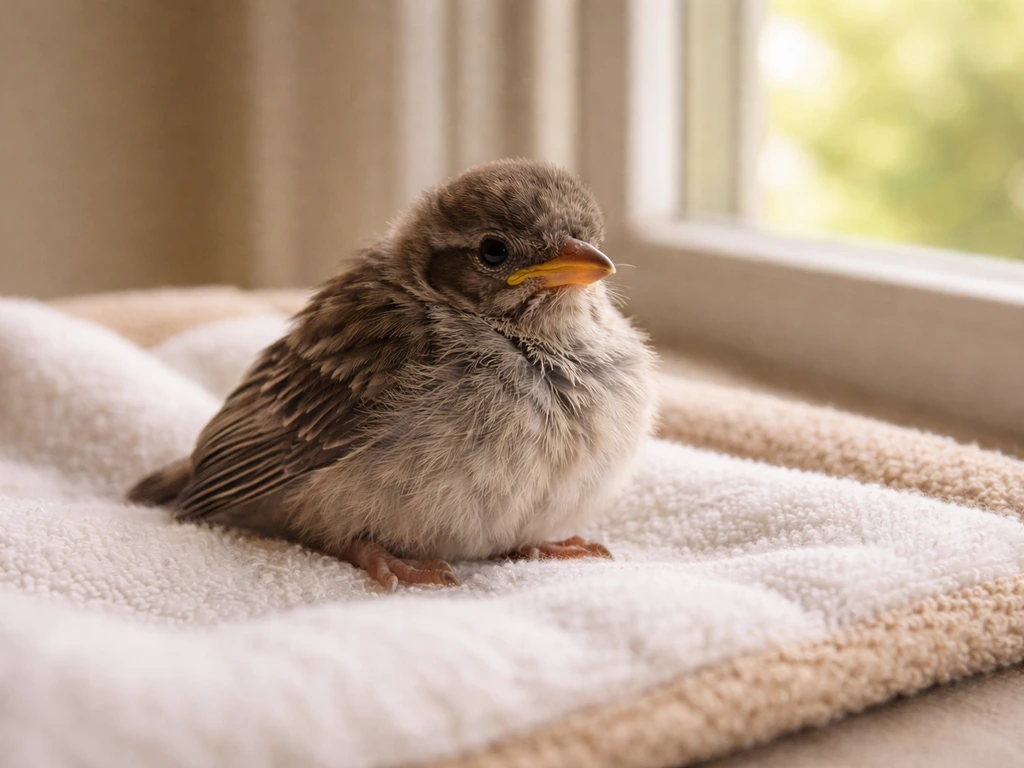
Bird Fell Out of Nest and Can’t Fly: What to Do Now
Step-by-step triage for a fledgling that can’t fly: safety, warmth, when injured, containment, and vet or rescue next st
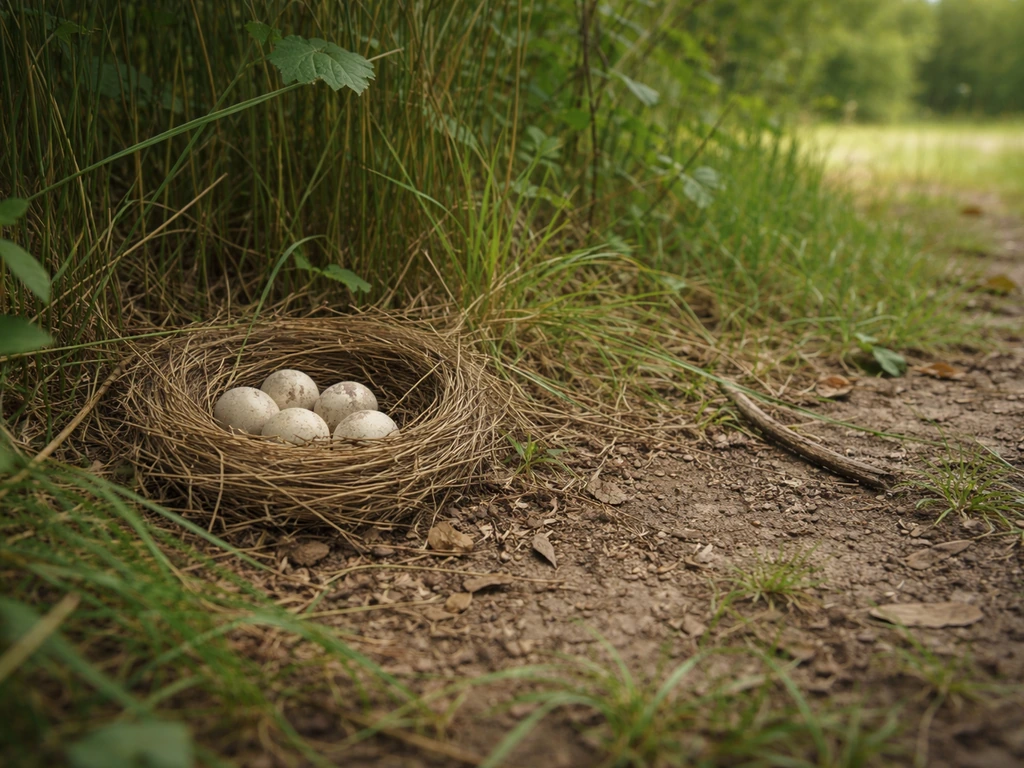
Will a Bird Come Back to a Disturbed Nest? What to Do
Learn if birds return after nest disturbance, how to monitor safely, and what to do if parents do not come back.
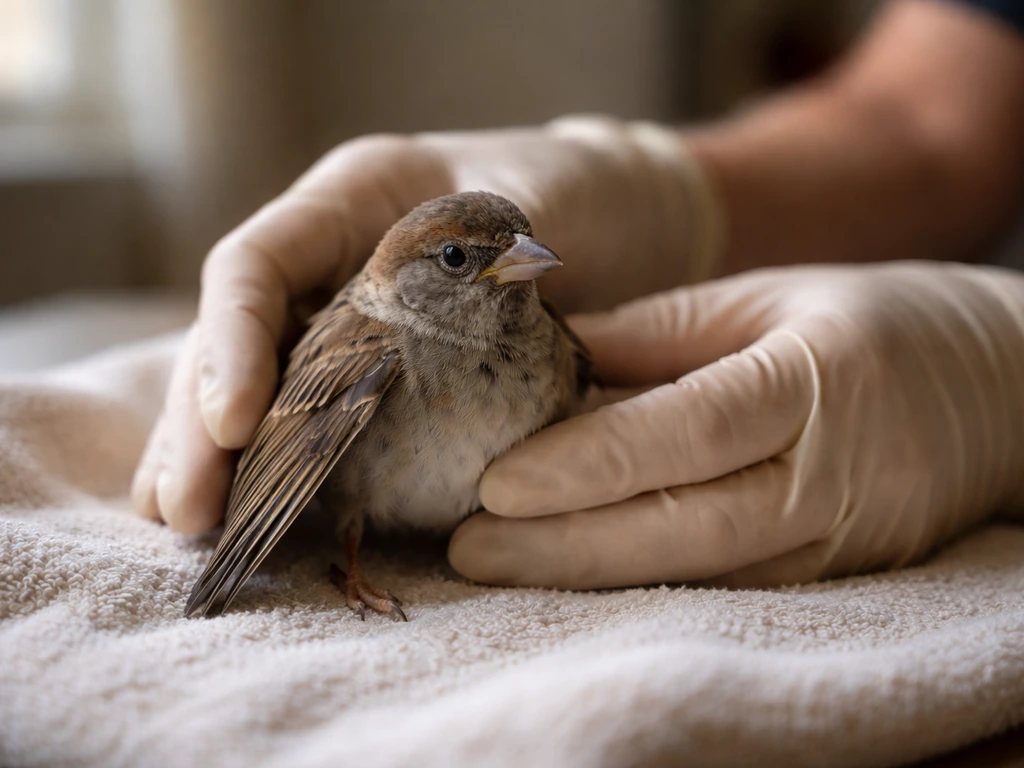
Can a Bird Live With One Wing? Survival and First Aid
Can a bird live with one wing? Injury outcomes and step-by-step first aid, plus when to get urgent help.