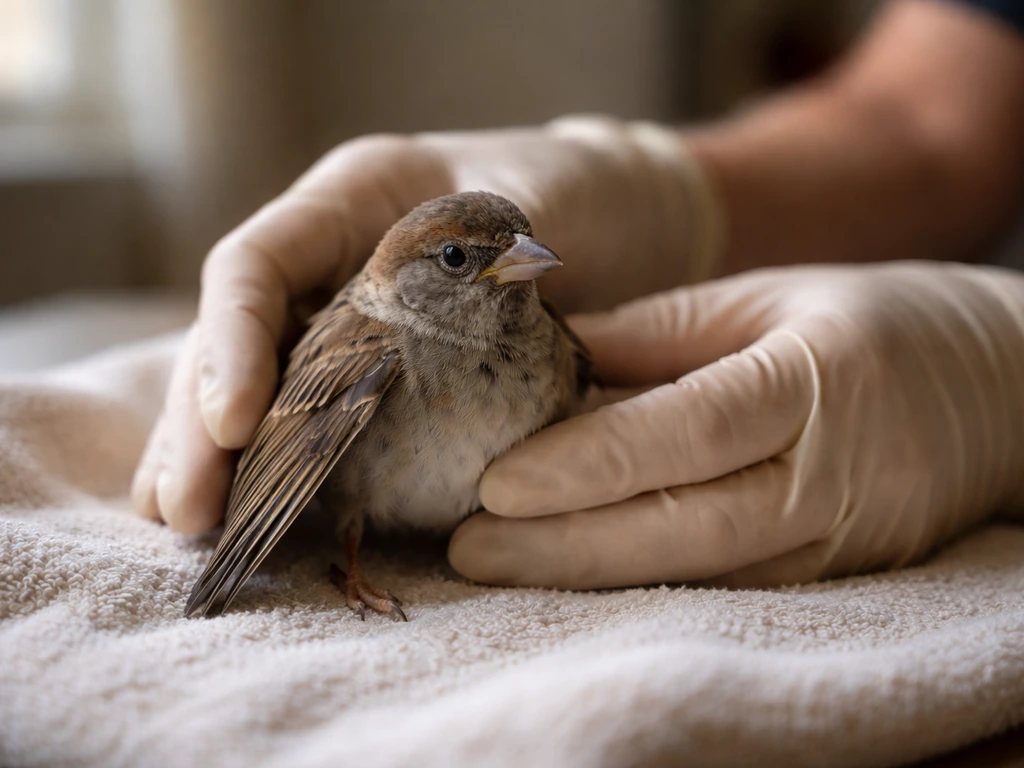
If you've found a hurt bird and need to know where to take it right now, here's the short answer: your first call should be to a licensed wildlife rehabilitator or an avian veterinarian. Those are the two options that can actually help. Everything else, including keeping it yourself, feeding it, or waiting to see if it improves on its own, is likely to make things worse. This guide walks you through exactly how to figure out which option applies to your situation, how to find someone near you, and what to do with the bird in the meantime.
Where Do I Take a Hurt Bird Near Me: Fast Steps
Marcus Chen
3 Apr 2026
Decide what kind of emergency this is
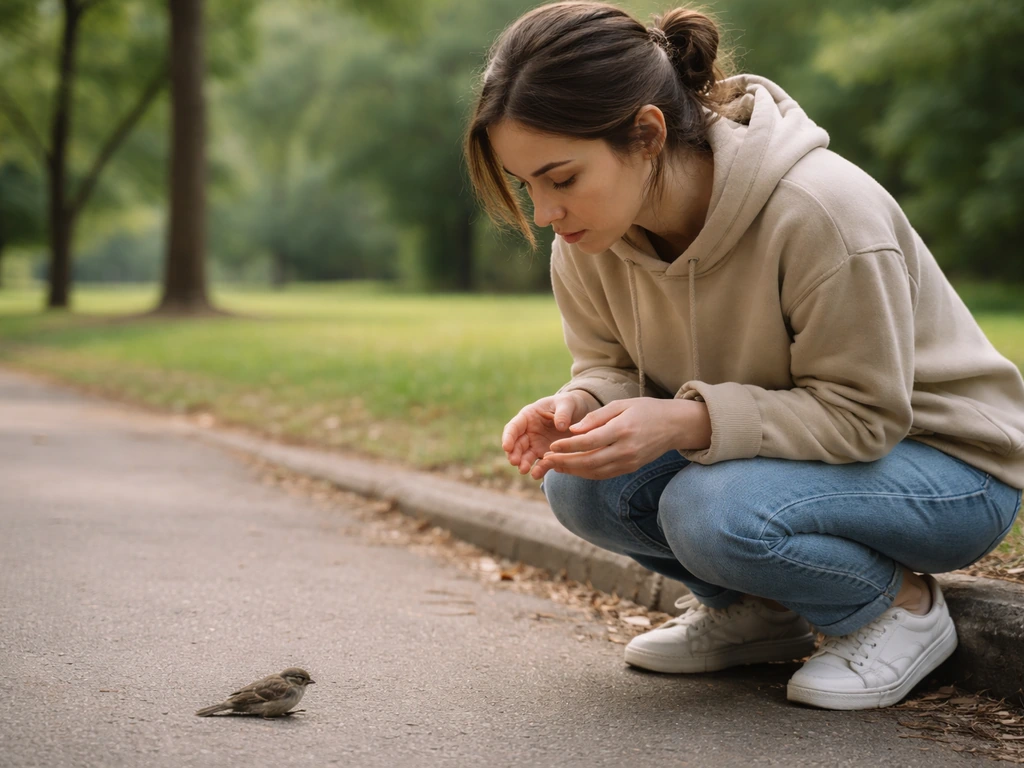
Not every hurt-looking bird is in the same kind of danger, and knowing the difference changes how fast you need to move. Start by looking at the bird from a short distance before you touch it. You're trying to figure out two things: how serious the injury is, and what kind of bird it is.
Get help immediately, without waiting, if you see any of these signs:
- Active bleeding that isn't stopping
- Labored or open-mouth breathing, or gasping
- Seizures, walking in circles, or severe disorientation (signs of brain injury or head trauma)
- The bird is limp, unresponsive, or clearly in shock
- A cat or dog attacked it, even if wounds aren't visible (puncture wounds from animal bites cause internal infection fast)
These are true emergencies. Don't wait for a callback or try home remedies. Contain the bird carefully and start driving to the nearest facility while someone else makes calls.
Less urgent, but still needs professional care today: a bird that hit a window and is sitting dazed, a bird that can't fly but is alert and calm, or a bird with a visibly drooping wing or injured leg. Birds hide pain extremely well, so even a bird that looks "okay" may have internal injuries or head trauma that aren't obvious from the outside. A bird sitting on the ground and allowing you to approach it is almost certainly injured. Wild birds don't do that voluntarily.
Also take a moment to identify whether you're dealing with a wild bird or someone's pet. Wild birds (sparrows, pigeons, robins, hawks, owls, waterfowl) go to wildlife rehabilitators. If you're dealing with a sick wild bird versus a pet parrot or canary that escaped, the destination is different. Pet birds go to an avian vet. This guide focuses mainly on wild birds, which is by far the most common scenario.
Best places to take an injured bird (rehab vs avian vet)
There are really three types of places that can help an injured bird. Understanding the difference will save you time and get the bird better care.
| Option | Best for | Cost | Availability |
|---|---|---|---|
| Licensed Wildlife Rehabilitator | Wild birds (songbirds, raptors, waterfowl, pigeons, etc.) | Usually free or donation-based | Varies by region; often by appointment or drop-off hours |
| Avian Veterinarian | Pet birds; wild birds when no rehabber is available | Fee applies | Business hours; some have emergency lines |
| General Emergency Vet (with wildlife experience) | Stabilization only, especially outside business hours | Fee applies | Often 24/7 |
Wildlife rehabilitators are your best first choice for any wild bird. Mass.gov also notes that wildlife rehabilitators must have a Federal Migratory Bird Rehabilitation permit to care for migratory birds, including raptors, songbirds, and waterfowl. They hold a special government-issued permit that legally authorizes them to take in, treat, and house injured wildlife. In most U.S. states, it's actually illegal for anyone without that permit to keep a wild bird, even temporarily with good intentions. Rehabbers are trained specifically in wild bird care, diet, and release, which is a very different skill set from domestic animal medicine.
Avian vets are the right call when you can't reach a rehabber quickly, when the bird is a pet, or when the injury is severe enough to need immediate medical stabilization (like surgery for a badly broken wing). Not all vets see birds, so call ahead and confirm before you drive over. A regular dog-and-cat vet is generally not equipped to treat wild birds, though some will accept them in an emergency for stabilization.
If you're still figuring out who will take an injured bird in your area, start with rehabilitators and fall back to avian vets if needed. Animal control agencies are also listed as an option in some emergency guidance, particularly if you have no other contacts, but they're not specialists and the bird's outcome there is less predictable.
Find help near you (how to locate and contact nearby services)
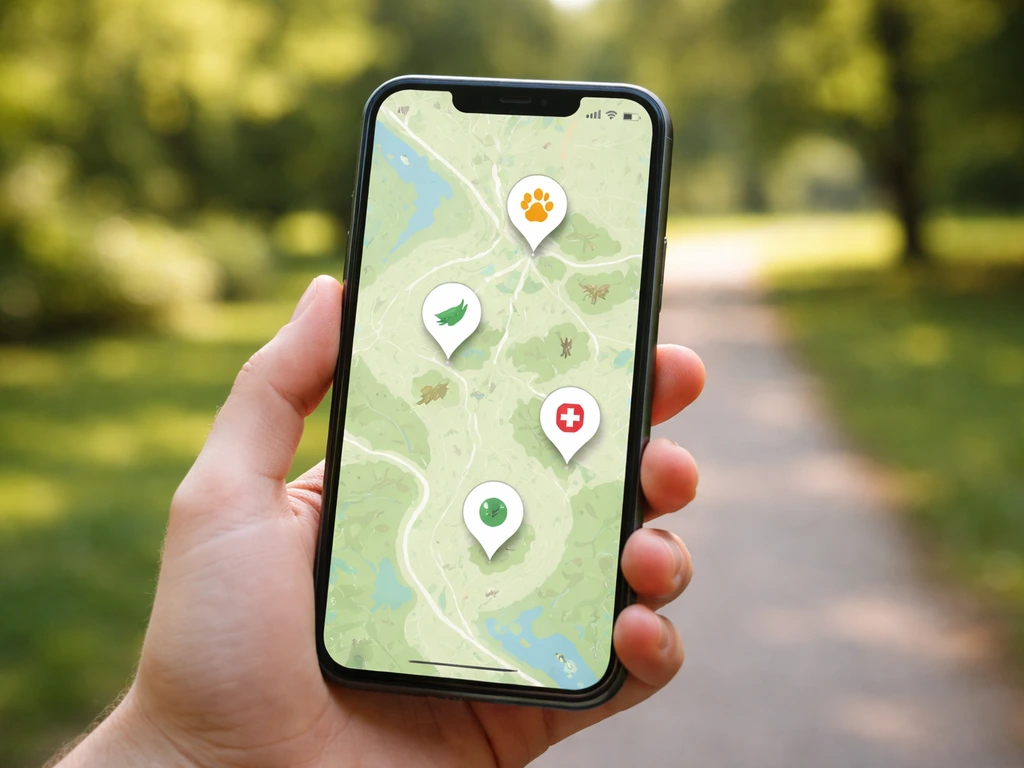
The fastest way to find a licensed wildlife rehabilitator near you right now is to use Animal Help Now (ahnow.org). It's a real-time search tool that maps licensed wildlife resources by location. Type in your ZIP code or allow location access and it will show you the nearest options with contact info. This is the tool recommended by multiple wildlife hotlines across the country.
Other reliable ways to find help fast:
- Call your state's wildlife agency directly. Many have dedicated helplines. For example, Virginia's Department of Wildlife Resources runs a toll-free wildlife conflict helpline at 1-855-571-9003 (weekdays 8:00 AM to 4:30 PM) that connects you with permitted rehabilitators.
- Search the National Wildlife Rehabilitators Association (NWRA) or Wildlife Rehabilitators directory online for listings in your state.
- Call your local Humane Society or animal shelter and ask for a referral. Even if they can't take the bird, staff usually know who in the area can.
- In some states, you can contact a local game warden or state police dispatch and they will direct you to the right resource.
If you want to know whether there is a bird rescue near you, the Animal Help Now tool is the most current and reliable search available. Many rehab facilities are small, volunteer-run operations that don't show up prominently in a Google search, so using a dedicated wildlife directory matters.
When you call, be ready to get voicemail. Many rehabilitators are one- or two-person operations running out of their homes. Leave a message with your name, phone number, location, and a brief description of the bird and its condition. Then try the next number on the list while you wait for a callback.
Quick first aid and transport prep before you go
Before you do anything else, contain the bird. This protects both of you and keeps the bird from injuring itself further trying to escape. Here's exactly how to do it.
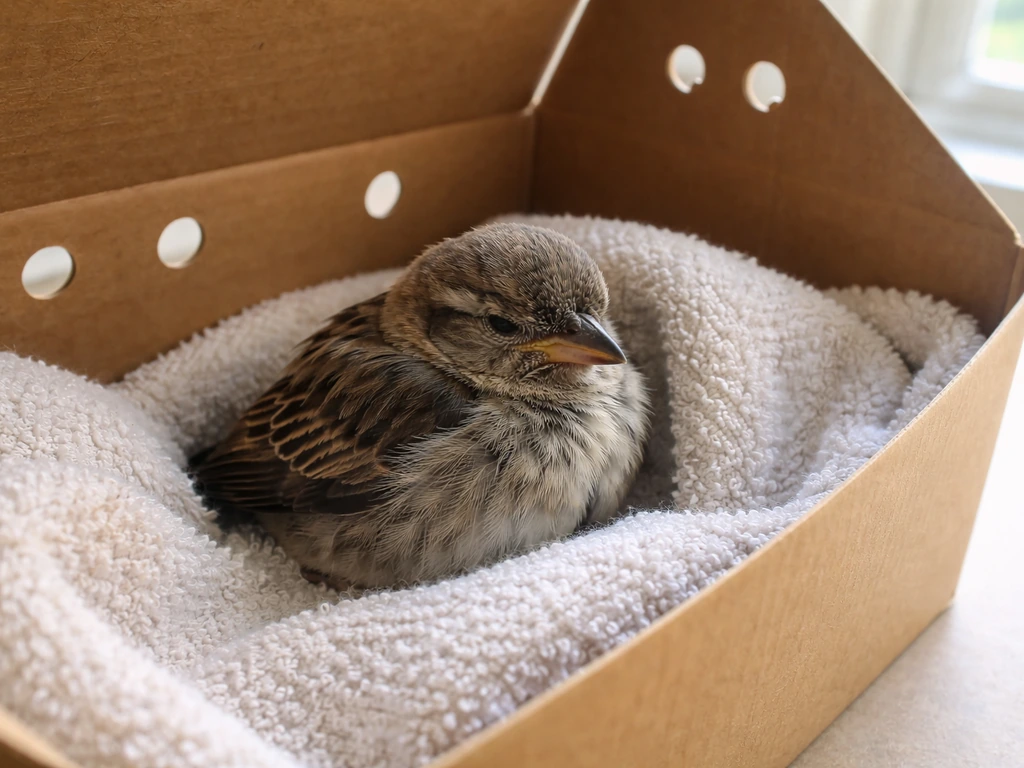
- Find a cardboard box with a lid. A shoebox works for small birds; use a larger box for hawks, owls, or waterfowl. Poke a few small air holes in the sides.
- Line the bottom with a folded towel or paper towels so the bird has traction and can't slide around.
- Put on gloves if you have them, or use a light towel to pick up the bird. Scoop gently from underneath and place it in the box. Don't grab by the wings.
- Close the box. Darkness calms birds almost immediately by reducing visual stimulation. Within a few minutes, most birds will settle.
- Add warmth if the bird is very small, very young, or showing signs of shock. Place a heating pad on LOW under half the box (not the whole bottom, so the bird can move away from heat if needed). You can also use a warmed rice sock or a warm water bottle wrapped in a towel placed beside, not under, the bird. Target temperature for an injured songbird is around 85°F.
- Keep the box in a quiet room away from children, other pets, and noise. Do not check on the bird repeatedly. Stress kills injured birds.
The single most important rule across every wildlife organization's guidance: do not feed the bird and do not give it water. This is not optional guidance. Feeding the wrong food can kill a bird, and attempting to give water to a bird in shock or with neurological symptoms can cause it to aspirate and drown. Even if the bird looks hungry or dehydrated, hold off until a rehabilitator tells you otherwise.
Once the bird is boxed and warm, you're ready to transport. Drive calmly. Keep the heat on in the car if it's cold. Don't open the box during the trip. If you're wondering where you can drop off an injured bird once you've contained it, that's exactly what the next section covers.
What to tell the intake line and what to expect
When you reach a rehabilitator or vet, give them the following information as quickly and clearly as you can. They'll need it to assess urgency and prepare for the bird's arrival.
- Your location and how far you are from the facility
- What kind of bird it is, or your best description (small brown songbird, large grey bird of prey, duck, etc.)
- Where and when you found it
- What you think happened, if you know (window hit, cat attack, found in road, fell from nest)
- What the bird is doing: is it alert, lethargic, breathing hard, bleeding, holding a wing oddly?
- Whether there is active bleeding and roughly how much
- How long ago you found it
- What you've done so far (boxed it, added heat, etc.)
Most wildlife rehab facilities have specific drop-off hours and procedures. Some ask you to call ahead rather than just show up, especially if they're volunteer-run from a home. Many centers operate seven days a week during daytime hours, but hours vary widely. When you arrive, staff will typically do a quick intake assessment, ask you to sign a release form, and take over care. You won't usually get updates on the bird's progress afterward due to the volume of animals they handle, but you can ask at drop-off whether follow-up inquiries are welcome.
What if you can't get a facility right away
It happens: it's a Sunday evening, every rehabber in your area went to voicemail, the nearest avian vet is two hours away. Here's what to do while you keep trying.
Keep the bird in its dark, warm, quiet box and keep calling. Work through every number on Animal Help Now's list for your area. Call the next county or the next city over. Some rehabbers will travel to meet you partway, or can advise you over the phone on whether the bird is stable enough to wait until morning.
If you genuinely can't reach anyone and the bird is showing life-threatening signs (heavy bleeding, seizures, breathing distress), drive to the nearest 24-hour emergency animal hospital and explain the situation. They may not specialize in birds, but they can provide stabilizing care: stopping bleeding, treating shock, providing oxygen. It's not ideal, but it's better than no care.
If the bird is stable, alert, and just needs a safe overnight holding spot while you line up proper care for the morning, the box setup described above is appropriate for a short period. Keep it warm (around 85°F for small birds), dark, and quiet. Put the box in a closet or a room where pets and people won't disturb it. Check on it as little as possible. Do not offer food or water overnight.
One thing that's tempting but genuinely harmful: trying to nurse the bird yourself over days or weeks. Even experienced animal lovers cause real damage this way, not from bad intentions but because wild bird care is specialized. The goal of this whole process is to get the bird to a licensed professional as soon as possible. Your job is safe containment and transport, not treatment.
If the situation involves a bird that doesn't seem physically injured but is sick or behaving strangely, that's a slightly different path. Learning more about what to do with a sick wild bird can help you figure out whether you're dealing with illness, toxin exposure, or something else that changes where the bird needs to go.
A quick recap so you can act right now
Box the bird (dark, ventilated, lined with a towel). Add gentle warmth if it's a small or young bird. Do not feed it or give it water. Call a licensed wildlife rehabilitator first using Animal Help Now or your state wildlife agency's helpline. If no rehabber is available, call an avian vet. For life-threatening emergencies, head to the nearest 24-hour emergency animal hospital. Give intake staff your location, what the bird looks like, what happened, how long ago, and what symptoms you're seeing. Then hand it over and let the professionals take it from there.
FAQ
How long should I wait for a wildlife rehabilitator before going to a vet or emergency hospital?
If the bird has any emergency signs or you suspect head, breathing, or severe bleeding issues, treat it as time-critical. Try to reach a licensed wildlife rehabilitator first, but if you cannot confirm help within about 30 to 60 minutes, call an avian vet or drive to the nearest 24-hour emergency animal hospital if symptoms are life-threatening.
What container should I use to hold a hurt bird for transport, and what should I avoid?
Using a pet carrier or rigid box is better than an open container because it limits flapping and prevents the bird from panicking or injuring itself. Make sure the container is dark, ventilated, and lined with a towel, and keep the bird separate from people and other pets during transport.
What if the bird looks alert but has a visible problem, do I still need a specialist today?
Check the bird's behavior before you touch it. If it is alert but cannot fly, or it has a drooping wing or injured leg, that is still professional-care today. Avoid deciding it is fine based only on appearance, because birds can hide internal injury and concussion.
Can I give a hurt bird a little water or something easy to eat so it doesn't dehydrate?
Do not give food or water at any point before a rehabilitator or vet takes over. Even small amounts can be dangerous if the bird is in shock, has a head injury, or has aspiration risk, and the wrong diet can cause fatal digestive issues.
The bird is sitting calmly near me, does that mean it's not injured or I should just release it?
If it is a wild bird, call wildlife rehabilitators even if it seems friendly or tame, because “being approachable” usually indicates distress or illness. If it is a pet bird, it needs an avian vet, but first confirm ownership or banding if you can do so without handling longer than necessary.
A bird hit my window and is dazed, should I treat that as an emergency even if it seems to recover quickly?
For window strikes, the risk is concussion and internal injury, not just a broken wing. Keep it in a dark, warm, quiet box, then call a wildlife rehabilitator or avian vet. If it seems dazed, has trouble breathing, or won't stand normally, prioritize emergency response.
What should I do during the drive to prevent the bird from getting worse?
If you must drive, keep the environment calm and stable. Avoid opening the box, keep temperature steady with gentle warmth in cold conditions, and drive smoothly. If you are using a phone to navigate, do not take the bird out while you adjust directions or parking.
Can a wildlife rehabilitator tell me what to do over the phone, or do I always need to bring the bird immediately?
Some rehabbers will give instructions by phone if you describe symptoms and how long ago the injury happened. Call ahead if possible, but do not delay transport when breathing distress, heavy bleeding, seizures, or extreme lethargy are present.
What if it's late at night and the bird seems stable, is overnight care okay if I won't be able to reach anyone?
If you can't reach any local options and the bird is stable, keep it warm, dark, and quiet overnight, and do not feed or water. Then resume calling at opening time and bring it as soon as a facility can accept drop-off.
I found a baby bird or a bird that fell from a nest, what should I do right away?
If the bird is from a nest, still-call-a-rehabber guidance applies. Handling and improper warmth or feeding can cause serious injury. If you relocate it temporarily to a safe nearby spot, do not feed it, and contact a licensed rehabilitator for a specific nestling plan.
Next Article
Can a Bird Live With One Wing? Survival and First Aid
Can a bird live with one wing? Injury outcomes and step-by-step first aid, plus when to get urgent help.