Yes, there almost certainly is a bird rescue or wildlife rehabilitator near you, even if you've never heard of one before. The hard part isn't that they don't exist, it's knowing where to look and what to do in the next 10 to 30 minutes while you search. This guide walks you through both at the same time.
Is There a Bird Rescue Near Me What to Do Now
Marcus Chen
15 Apr 2026
Quick triage: is this an emergency right now
Before you do anything else, take 30 seconds to assess the bird. You're trying to answer one question: does this bird need help in the next hour, or can you take a few minutes to gather information first?
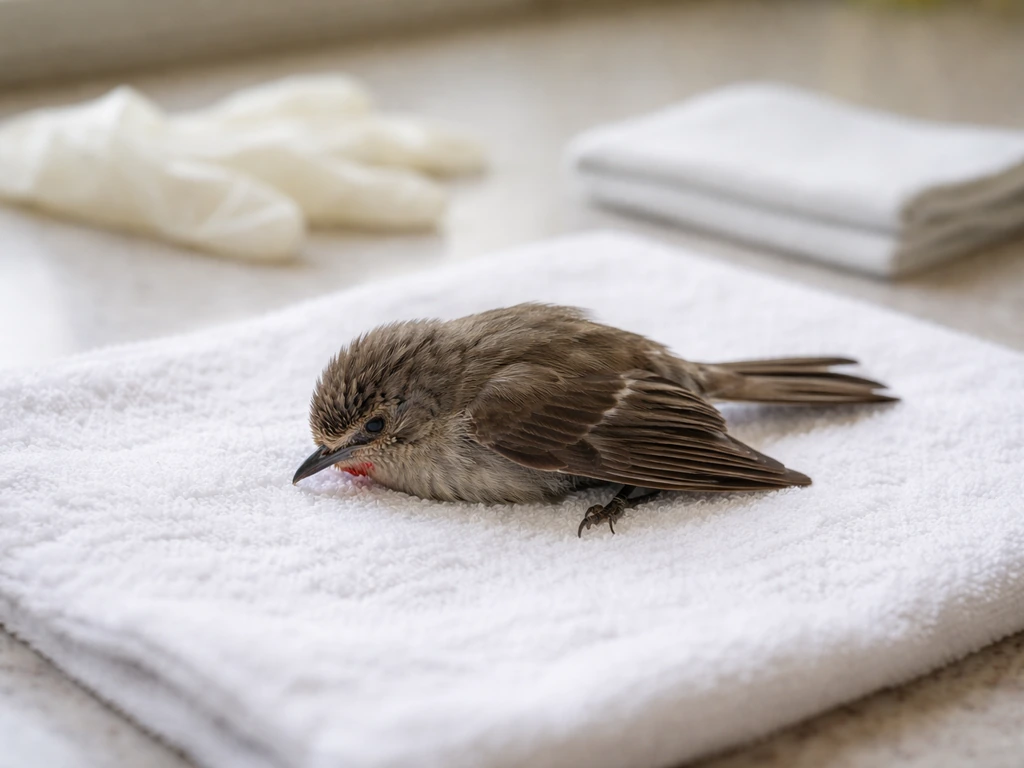
Treat it as an emergency requiring immediate professional contact if you see any of the following:
- Active bleeding that isn't stopping
- A wing or leg dangling at a clearly unnatural angle
- The bird is on its back and can't right itself
- It's weak, shivering, puffed up, and not moving at all
- It's been caught or bitten by a cat or dog (even a brief puncture wound from a cat is a medical emergency because of bacteria in cat saliva)
- The bird is unconscious or barely responding
If the bird is upright, alert, and blinking but just sitting still, that's a different situation. It could be stunned from a window collision and may recover on its own within 15 minutes to a few hours. But "alert and sitting still" is only reassuring if you're watching it continuously. A bird that looks fine one minute can crash fast, so keep an eye on it while you make calls.
One thing to keep in mind: if the bird is a baby (tiny, fluffy, no or few feathers, hopping but not flying), that's not automatically an emergency, but it does need a rehabilitator. More on that in the scenarios section below.
How to safely stabilize the bird while you look for help
The goal here is simple: reduce stress, maintain warmth, and keep the bird contained without making things worse. You don't need to diagnose the injury or provide treatment. Leave that to the professionals.
Containing the bird
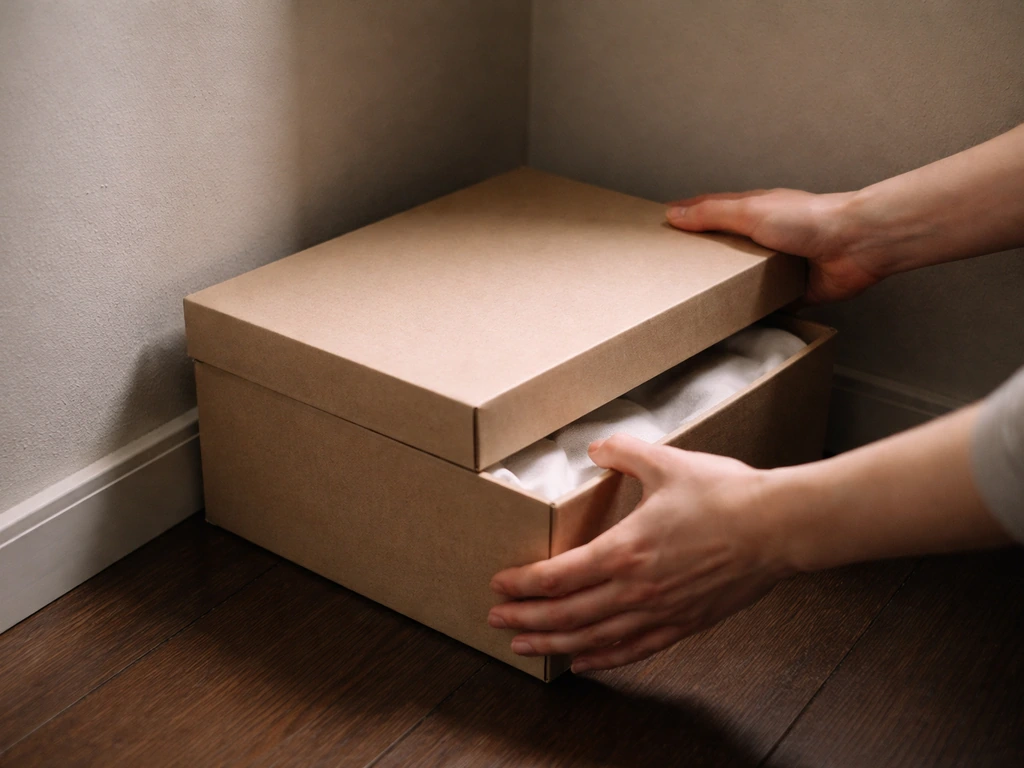
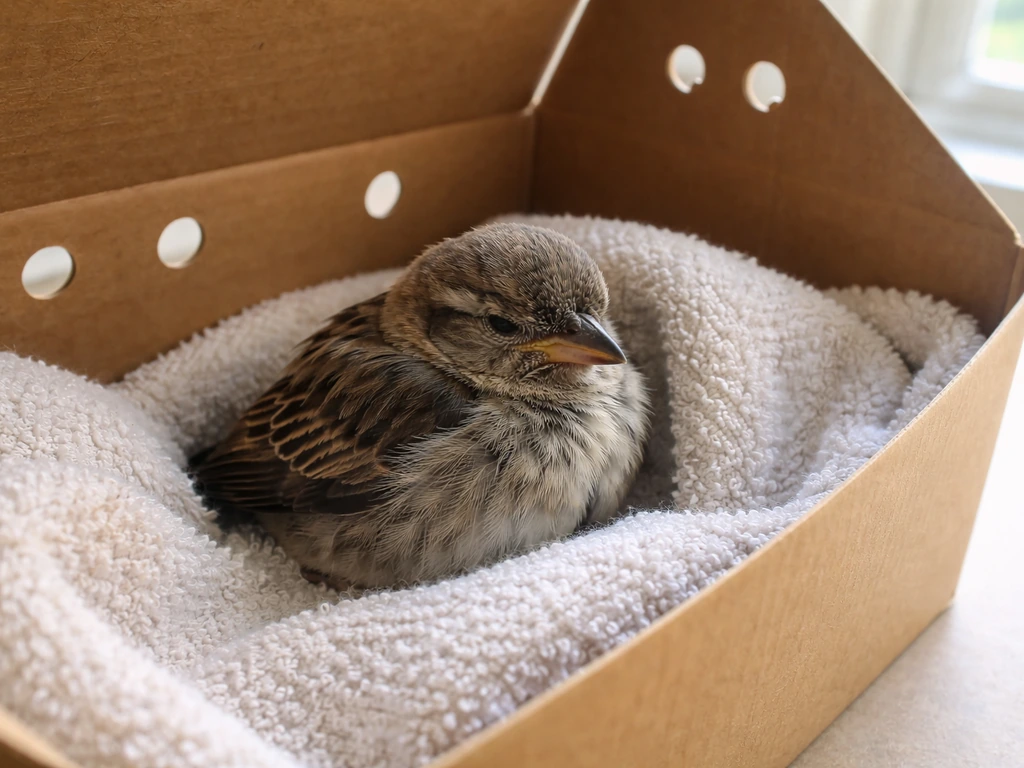
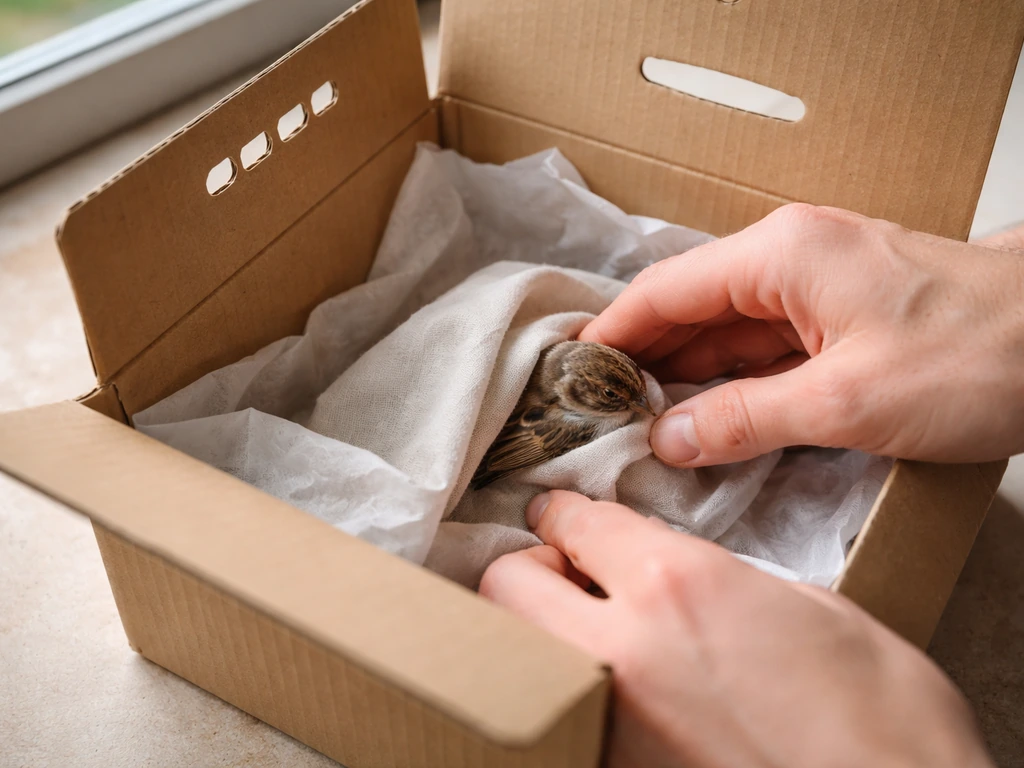
Find a cardboard box with a lid, or any container you can close. Line the bottom with a soft cloth or paper towels so the bird has something to grip. Gently pick up the bird using a light towel or cloth (this protects you from scratches or bites and reduces direct stress to the bird from human touch). Place it in the box, close the lid, and poke a few small air holes if there aren't any. Don't use a wire cage or anything the bird can see through easily, as visibility increases panic.
Where to put the box
Place the closed box in a warm, dark, quiet room away from children, pets, and noise. If the room is cold, you can put a heating pad set to low under half of the box (not the whole bottom, so the bird can move away from heat if needed). A consistent, calm environment reduces stress enormously, and stress is genuinely one of the biggest killers of injured wild birds.
What not to do
- Do not give food or water. This is one of the most common mistakes. Giving water by squirting it into a bird's mouth can cause aspiration and kill it quickly.
- Do not give any medications, including human or pet medicines.
- Do not handle the bird more than necessary. Every time you open the box to check on it, you're adding stress.
- Do not leave it outside in the box where temperature, cats, or other animals can reach it.
- Do not keep it at home longer than absolutely necessary. It's also worth knowing that in most states, keeping a wild bird without a permit is illegal.
Finding a bird rescue near you (search steps that actually work)
The fastest route to finding a local bird rescue is the Animal Help Now website or app (ahnow.org). It uses your GPS location to show you the nearest licensed wildlife rehabilitators and emergency contacts sorted by current hours of operation. This is genuinely the best single tool available right now, and it works across the entire country. Many local wildlife hotlines even recommend it as a backup when their own volunteers aren't available.
If you prefer a search-engine approach, here's what actually works:
- Search "wildlife rehabilitator [your city or county]" rather than just "bird rescue near me." Rehabilitators are the licensed professionals who handle wild birds specifically.
- Search your state fish and wildlife agency website. Most states (like Massachusetts, Washington, and Florida) maintain an official directory of licensed rehabilitators you can filter by county or region.
- Search the International Wildlife Rehabilitation Council's directory online for a vetted list of member organizations.
- If you're in a rural area with limited results, try searching by the nearest large city or the county seat.
- Look up your state's wildlife department phone number and call them directly. They can usually refer you to the right contact even after hours.
Some wildlife rescues operate 24/7 with emergency hotlines and on-site veterinary hospitals. Others are volunteer-run and only reachable during certain hours. This is why having two or three contacts ready before you start calling matters.
Calling a rescue or vet: what to say and what info to provide
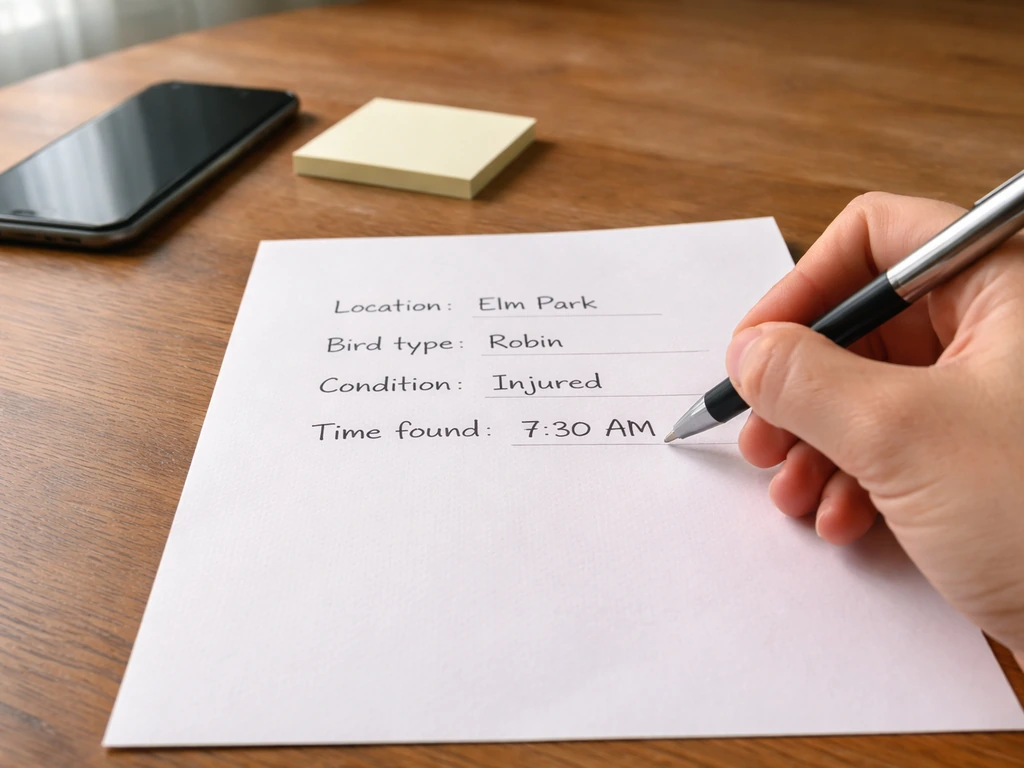
When you get someone on the phone, don't worry about having all the answers. Just work through these details as naturally as you can. Rehabilitators are used to talking with people who are stressed and unsure. Having this information ready helps them figure out how urgent the situation is and whether they can take the bird.
- Your location: city, street, or nearest landmark (they need to know if you're in their coverage area)
- What kind of bird it is, if you can tell (pigeon, sparrow, hawk, duck, etc. — even a rough size helps)
- How you found it: window collision, cat attack, fell from a nest, found on the road
- What the bird is doing right now: upright and alert, lying on its side, bleeding, panting, not moving
- Any visible injuries: drooping wing, swollen area, obvious wound, missing feathers
- How long you've had it and what you've done so far (contained it, kept it warm, haven't given food or water)
When you hand the bird off, make sure to pass along all of this information to the rehabilitator in person too. Details about where exactly you found it, what it looked like when you first saw it, and how it behaved in the box all help them triage and treat it faster.
Choosing the right type of help
Not all rescue contacts are the same, and knowing the difference saves you time. Here's a quick comparison so you can make the right call on your first try:
| Type of help | Best for | Limitations |
|---|---|---|
| Licensed wildlife rehabilitator | Injured or orphaned wild birds of any species, including songbirds, raptors, waterfowl, and shorebirds | May have intake limits; some operate by appointment or specific hours |
| Avian veterinarian | Urgent medical care when a rehabilitator isn't available, or for pet birds that are also injured | May charge fees; not always equipped to house wildlife long-term |
| Animal control / local government | Public safety situations (large injured bird blocking traffic, aggressive behavior) or when you can't reach anyone else | Typically not equipped to rehabilitate wildlife; may euthanize if no rehab contact is available |
| General wildlife rescue group | Initial intake and triage, transport coordination, or connecting you with the right specialist | Varies widely by organization; some only handle certain species |
If you're unsure who will take an injured bird in your area, a licensed wildlife rehabilitator is almost always the right first call for a wild bird. Avian vets are the better option when the bird needs immediate medical intervention (severe bleeding, broken bone causing distress) and you can't reach a rehabilitator quickly.
Animal control is a last resort for wild birds. They're better equipped for domestic animals and may not have wildlife-specific resources. That said, they can sometimes connect you to state wildlife enforcement or local rehab contacts, so don't rule them out entirely if you're stuck.
Common scenarios: what you're probably dealing with
Window collisions
This is one of the most common reasons people find a bird on the ground. The bird flies into a window, stuns itself, and ends up grounded. If you witnessed the collision and the bird is upright and blinking, place it in a box and give it a quiet 15 to 30 minutes. Recovery from a window strike can take anywhere from 15 minutes to overnight. If it's not improving after 30 minutes, or if it's clearly injured (tilted head, can't stand, bleeding), contact a rehabilitator. For suspected window strikes, the U.S. Fish & Wildlife Service recommends placing the bird in a safe holding situation and contacting a local licensed wildlife rehabilitation facility when appropriate, especially if the bird is at risk contact a rehabilitator. According to U.S. Fish and Wildlife Service guidance, a licensed wildlife rehabilitation facility is the appropriate next step when a collision results in visible injury.
Pet injuries (cat or dog attacks)
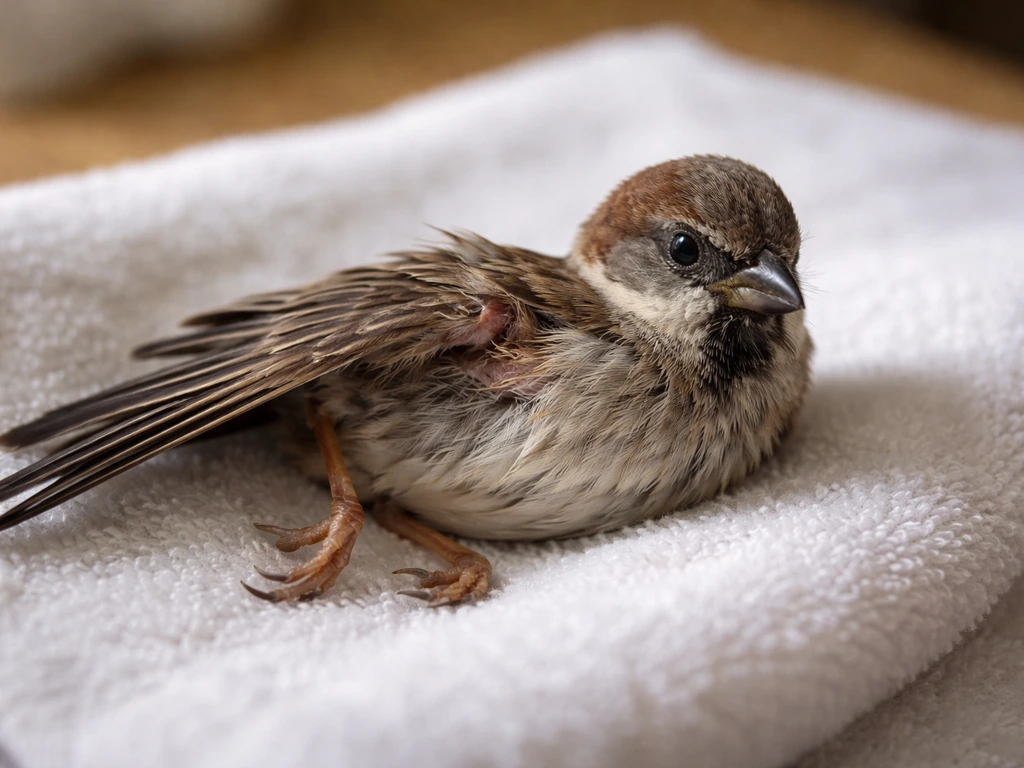
Even if a bird looks completely fine after being grabbed by a cat, treat it as an emergency. Cat saliva contains bacteria that cause a fatal infection called pasteurellosis, and birds can die within 24 to 48 hours even without visible wounds. If a cat (or dog) has had the bird in its mouth even briefly, that bird needs antibiotics from a vet or rehabilitator as soon as possible. Don't wait to see if it gets better. If you've been scratched or bitten while handling the bird, wash the wound thoroughly and consider checking in with a doctor, especially if a bat was involved.
Broken wings, legs, or beaks
If a wing or leg is visibly broken (hanging loosely, bent at a wrong angle, or the bird is dragging it), do not attempt to splint it yourself. Improper splinting causes more damage and significant pain. Get the bird into a box, keep it calm and warm, and get it to a professional as fast as you can. Where do I take a hurt bird depends on your location, but a licensed rehabilitator or avian vet are both appropriate for fracture cases.
Baby birds and nest emergencies
If you find a baby bird on the ground, first check whether it's a nestling (naked or mostly featherless, eyes possibly closed) or a fledgling (feathered, hopping, short tail). Fledglings are supposed to be on the ground. They're learning to fly and their parents are usually nearby. Leave them alone unless they're in immediate danger (cat nearby, middle of a road). Nestlings that have fallen out of a nest should be returned to the nest if you can safely reach it. If the nest is destroyed or you can't reach it, contact a wildlife rehabilitator. If you can't return the baby to its nest, the nearest rehabilitator is the right next step.
If nobody answers: backup options and transport guidance
It happens, especially on weekends, holidays, or late at night. You call three numbers and nobody picks up. Here's what to do:
- Try Animal Help Now (ahnow.org) if you haven't already. It filters by hours of operation, so you're more likely to reach someone who's actually available right now.
- Search for your state fish and wildlife agency's emergency line. States like Florida direct you to a regional FWC office if a rehabilitator can't be reached. Washington state advises calling the WDFW enforcement office for immediate public safety situations.
- Call a 24-hour emergency animal hospital and ask if they have an avian vet on staff, or if they can refer you to one. Not all emergency vets treat birds, but they often know who does.
- Check if your area has a local bird club, Audubon Society chapter, or raptor center. They often have informal networks and emergency contacts that aren't listed in official directories.
- If you're in a genuinely remote area with no options tonight, keep the bird stable (warm, dark, quiet, no food or water) and call first thing in the morning when lines open.
When transporting the bird yourself, keep the box on the seat or floor (not in a hot trunk), keep the car quiet and as dark as possible, and drive directly to the destination without stops. Don't open the box in the car. The less stimulation during transport, the better the bird's chances.
If you're wondering where you can drop off an injured bird when you arrive, most wildlife rehabilitators will direct you to a specific entrance or intake area. Call ahead so they can be ready, and bring the bird in the box rather than loose in your hands.
Your step-by-step plan for right now
Here's everything in order, simplified for the next 30 minutes:
- Assess the bird quickly using the emergency signs listed above. Is this urgent or stable?
- Contain the bird in a closed cardboard box lined with a soft cloth. Handle it with a towel, minimally.
- Put the box in a warm, dark, quiet room. No food, no water, no peeking more than necessary.
- Open Animal Help Now (ahnow.org) on your phone or search your state's wildlife agency directory for a licensed rehabilitator near you.
- Call the top result and have your information ready: location, bird type, how you found it, what it's doing, any visible injuries.
- If you can't reach anyone, work through the backup list above: state wildlife agency line, emergency vet, local Audubon chapter.
- Transport the bird in the closed box directly to whoever can take it, keeping the car calm and quiet.
If you're also dealing with a sick wild bird rather than a clearly injured one (lethargic, fluffed up, not eating, behaving strangely), the same steps apply. The difference between sick and injured is often less important than getting the bird to a professional fast.
You've already done the hardest part by stopping to help. Most people walk past injured birds without a second thought. The bird's best chance now is getting to a licensed rehabilitator or avian vet as quickly and calmly as possible, and you have everything you need to make that happen.
FAQ
How do I tell if a “bird rescue” is actually the right licensed wildlife rehab or vet to call?
Ask the first contact whether they are licensed for wildlife rehabilitation (or can accept wild birds) and what their current intake hours are. If they only handle pets, direct you to a different number, or cannot confirm wildlife intake, use that as a sign to call the next option on your list.
What should I say when I call so I get the right instructions fast?
Start with location (nearest cross streets or ZIP), what you observed (injury signs or behavior), whether it came from a cat or window collision, and how long it has been in your care. You do not need to diagnose, but saying the bird’s posture (upright/able to stand/dragging) speeds triage.
I can’t find any local numbers right away, what’s the best backup while I search?
Keep searching for nearby licensed rehabilitators on Animal Help Now, and simultaneously call an avian veterinarian or an emergency vet to ask who they recommend for wild birds. If you reach animal control, ask specifically whether they can transfer you to the state wildlife enforcement contact or a local rehab network.
Is it okay to keep searching online while the bird is in a box?
Yes, as long as the bird is secured, warm, and kept in a quiet dark room. If the bird’s condition changes (worsening breathing, repeated collapse, bleeding, or inability to stand), stop searching and call emergency contacts immediately.
Should I feed or give water to a wild bird while waiting for a rescue?
No. Until a professional advises otherwise, do not offer food or water, because aspiration and stress are common risks. Focus on containment, warmth, and minimizing handling, then bring it in as directed.
What if the bird is on the roadside and I’m worried it will get hit while I make calls?
If moving it is necessary to prevent immediate harm, pick it up gently using a towel and place it in the box, then drive or walk to safety while you keep calling. Avoid long delays with the bird exposed, and keep transport direct and calm.
What if the bird appears fine but I’m not sure, should I still contact someone?
Contact a rehabilitator if the bird was a cat target, shows any loss of balance, cannot fly normally, or you found it after a collision and it is not clearly improving within about 30 minutes. “Looks fine” is not the same as “healthy,” especially after a predator encounter.
Can I bring the bird to a rehab center without calling first?
Call ahead when possible, but if the bird is in immediate danger or you are traveling far, take it in promptly. In that case, secure it in the box for the ride, then tell staff you are arriving without prior confirmation and ask for the intake entrance.
What temperature risk should I watch for during waiting and transport?
Avoid overheating and avoid chilling. Use a low heating pad under part of the container only if the room is cold, and make sure the bird can move away from warmth. Do not put the bird near vents, direct sun, or a hot car, even briefly.
Is it safe to handle the bird with bare hands to move it faster?
Usually no. Wear a light towel or use gloves if recommended by staff, since birds can bite and claws can scratch. If you are scratched or bitten, wash thoroughly and consider medical care, especially if a bat was involved.
What if the bird is a hatchling or nestling, and I can see the nest nearby?
If it is truly a nestling (naked or mostly featherless) and you can reach the nest safely, return it. If the nest is destroyed, you cannot reach it, or the bird is in obvious danger, call a rehabilitator rather than keeping it for extended periods.
Next Article
Where Do I Take a Hurt Bird Near Me: Fast Steps
Quick steps to take an injured bird near you: who to call, transport prep, and when it’s urgent