If you have an injured bird right now, the best place to drop it off is a licensed wildlife rehabilitation center. If you can't find one immediately, an avian veterinarian is your next best option. Either way, call ahead before you drive anywhere, contain the bird safely in a cardboard box, and do not offer food or water. That's the short answer. Keep reading for exactly how to do all of that, including what to say when you call and how to handle trickier situations like window strikes, cat attacks, and baby birds.
Where Can I Drop Off an Injured Bird? Call First Guide
Marcus Chen
17 Apr 2026
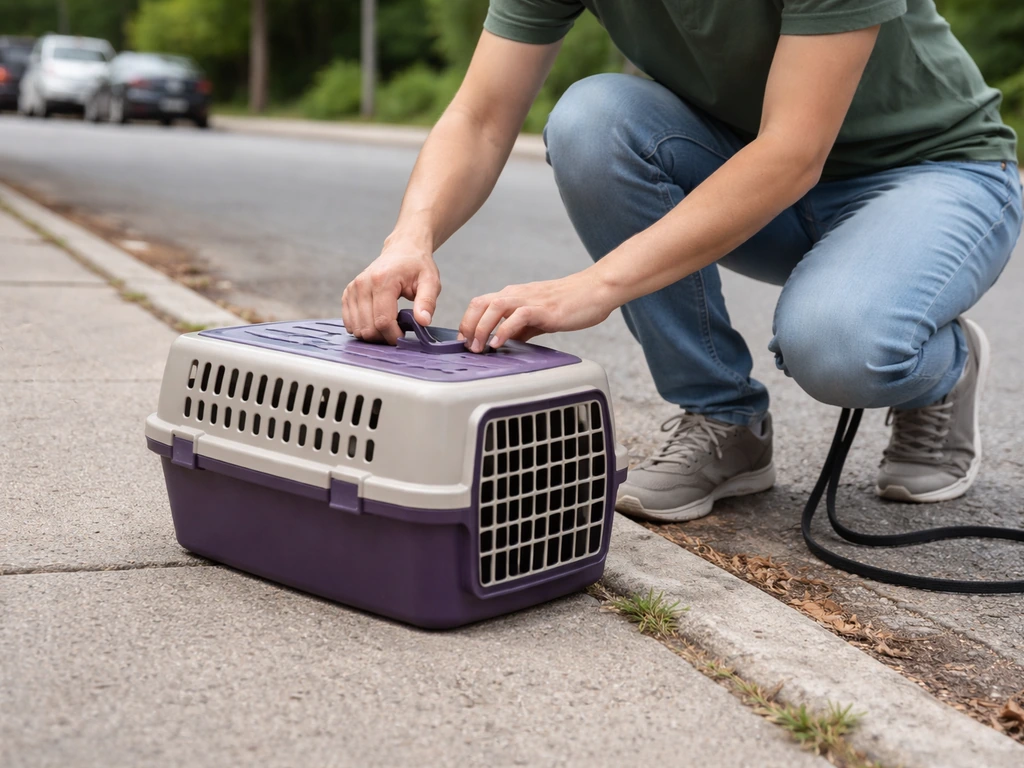
Do these things before you go anywhere
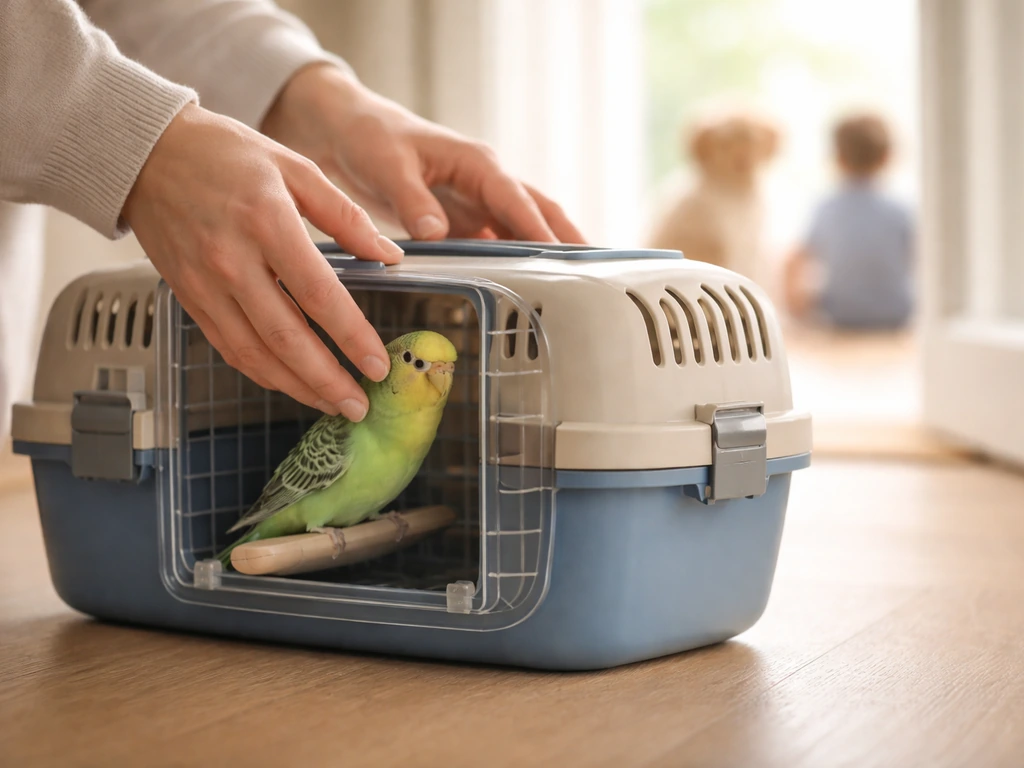
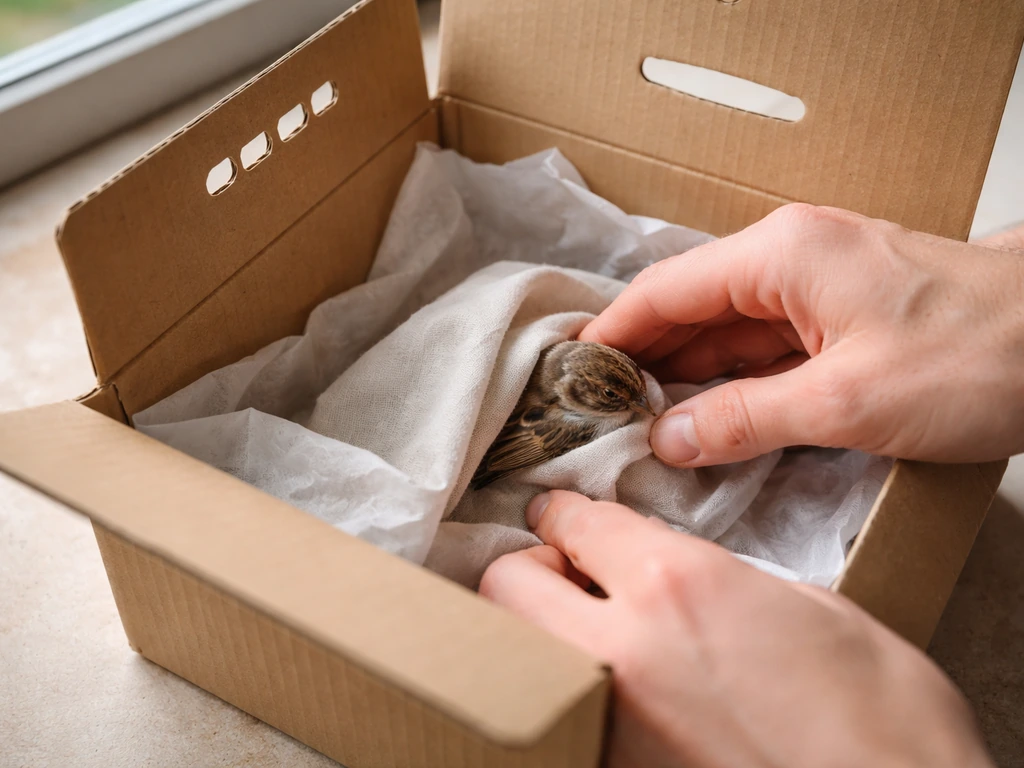
Before you even think about where to drive, spend three to five minutes getting the bird contained safely. This matters more than people realize. A stressed, uncontained bird can injure itself further, go into shock, or escape in your car. Here's the order to follow:
- Move pets and children away from the area first. If a cat or dog is nearby, get them inside before you approach the bird. Chasing and stress can be fatal for an already-injured animal.
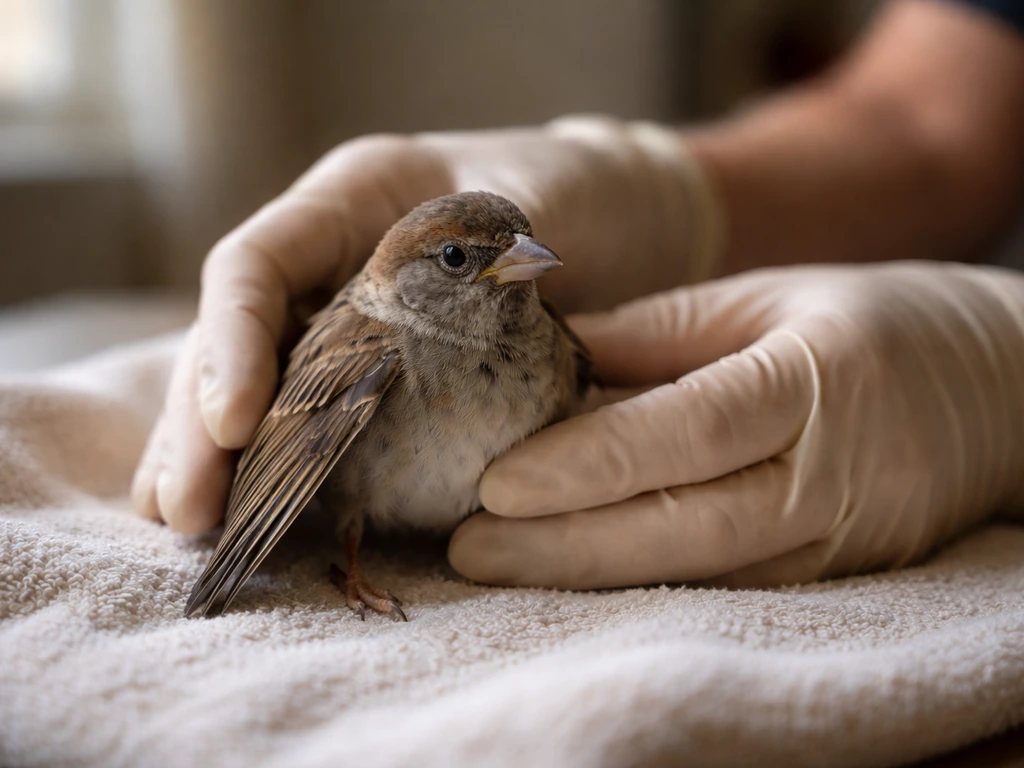
- Pick up the bird gently using a light towel or cloth, covering its head to reduce visual stress. Use gloves if you have them, especially if there's blood.
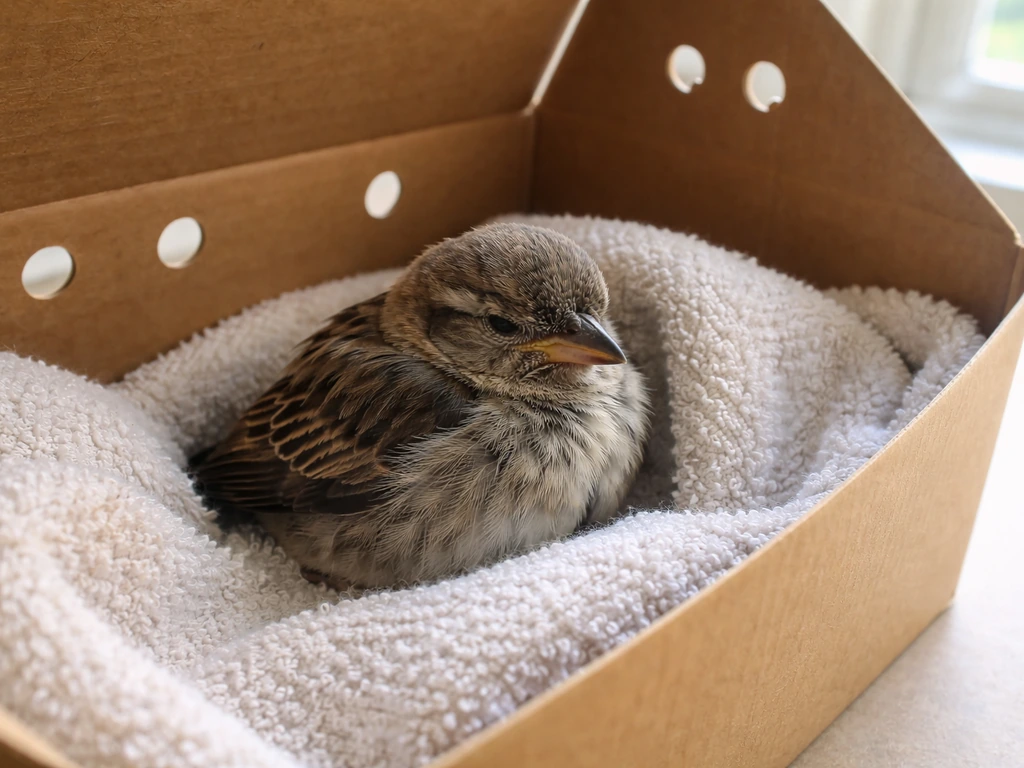
- Place it in a cardboard box with a few air holes punched in the lid. A shoebox with a paper towel lining works perfectly for most songbirds. Do not use a wire cage or glass tank.
- Add warmth. A hand warmer or warm water bottle wrapped in a towel placed beside (not under) the bird gives gentle heat. Bird body temperatures run around 105°F, and cold ground can drain them fast, especially after a window collision.
- Put the box somewhere dark, quiet, and away from people. A bathroom or car trunk works if you're heading out soon. No talking to it, peeking in, or handling it further.
- Do not give food or water. This is the rule that surprises most people, but it's firm: injured birds can't safely process food or fluids, and forcing water can actually cause aspiration or worsen internal injuries. Wait for professional guidance.
That's it for now. Once the bird is contained and calm, you're ready to make calls.
Wildlife rehab centers: your first call and best drop-off
Licensed wildlife rehabilitators are the gold standard for injured wild birds. These are people (and organizations) with state and federal permits to legally care for wild animals, the right medications, the right enclosures, and experience with species you'd never see at a regular vet. Rehabilitators handle everything from broken-winged sparrows to raptors, and most of them do it for free or very low cost.
The fastest way to find one near you is blank" rel="noopener noreferrer">Animal Help Now (ahnow.org or their free app). It uses your location to pull up the closest licensed wildlife emergency helpers with addresses and phone numbers. It works coast to coast. If you're thinking is there a bird rescue near me, that site is going to answer your question faster than any search engine.
You can also search through the National Wildlife Rehabilitators Association directory or call your local animal shelter or humane society. They may not take the bird themselves, but they almost always know who does. Time matters here: as Best Friends Animal Society puts it, "time is of the essence" for wildlife emergencies, so don't spend an hour researching when a quick call can get you a direct answer.
One important note: not every rehab center handles every species. Some focus on raptors, others on songbirds, some only on waterfowl. When you call, tell them what kind of bird you have (even a rough description helps) and they'll either take it or point you to someone who can.
Also worth knowing: the U.S. Fish and Wildlife Service does not rescue or rehabilitate injured birds. Don't waste time calling federal agencies. Go straight to a licensed local rehab organization.
Finding an avian vet when rehab isn't available
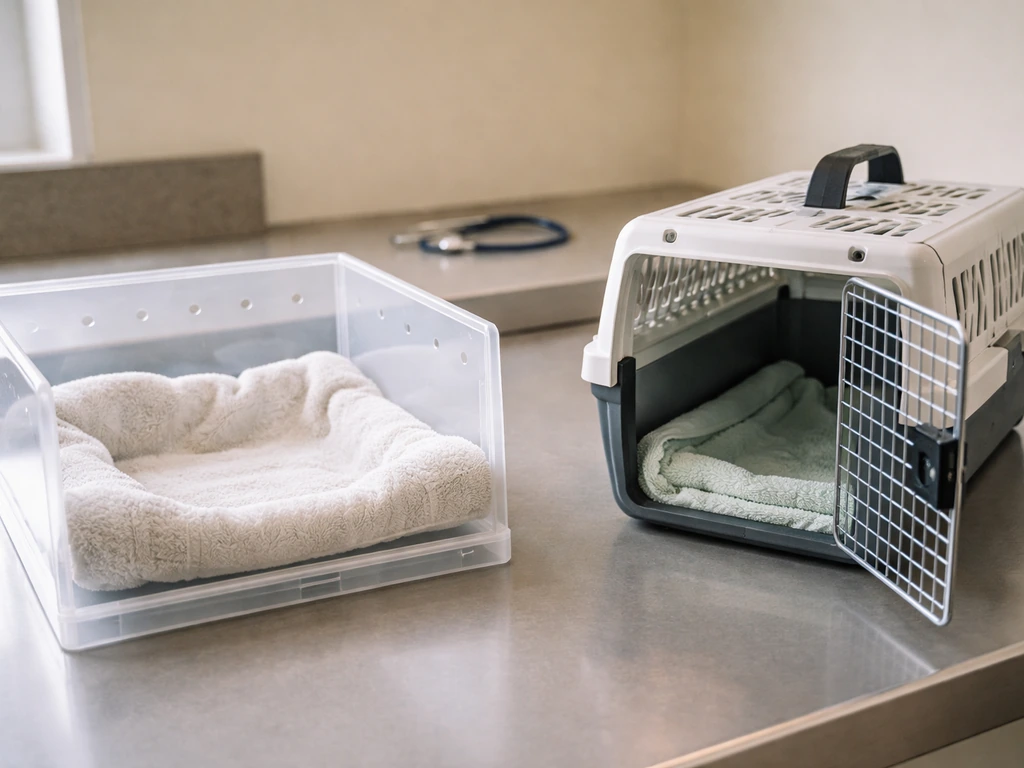
If you can't reach a wildlife rehab center quickly, or the bird is in critical condition and needs medical attention right now, an avian veterinarian is your next stop. The key word there is avian. A standard 24-hour emergency vet may not have anyone on staff who can properly treat a wild bird, especially outside business hours. Don't assume any vet will do.
The Association of Avian Veterinarians (AAV) runs an online Find A Vet directory at aav.org that lets you search by location for vets with bird experience. Lafeber's website also has a bird-vet locator. When you're searching, look for the credential "Dipl. ABVP (Avian)" after a vet's name. That board certification means they've specifically trained in avian medicine and passed rigorous exams, which is a strong signal they'll know what they're doing with a wild bird.
Call ahead before you drive. Some avian vets don't accept walk-ins, and some won't take wild birds at all (as opposed to pet parrots or chickens). Explaining upfront that you have an injured wild bird, not a pet, helps them tell you quickly whether they can help. If the bird needs emergency stabilization before transport or before a rehab center opens, an avian vet can at minimum assess the injury, provide pain relief, and give you a clearer picture of what you're dealing with.
Call first: who to contact and what to say
The call-first workflow is the most important habit to build here. Showing up unannounced at a rehab center or vet with an injured bird can slow everything down. A quick call takes two minutes and gets the bird better care faster.
When you call, have this information ready:
- Your name and location (city/neighborhood, or a cross street)
- Where and when you found the bird
- A description of the bird: size, color, any identifying features (big hooked beak = raptor, tiny and brown = sparrow-type, etc.)
- What you observed: Did it fly into a window? Was it caught by a cat? Is it a baby that fell from a nest? Is a wing drooping? Is it bleeding?
- Its current condition: Is it breathing normally? Is it alert or unresponsive? Is it upright or lying on its side?
Some hotlines will ask you to text a photo. Think Wild, for example, has a text-a-photo option on their hotline so staff can quickly identify the bird's age and condition and give you more specific guidance. Take a quick picture before boxing the bird if you can do it without stressing it further.
As for the hand-off-now vs. wait question: if you see visible bleeding, an obvious broken bone (wing or leg held at an unnatural angle), labored breathing or gasping, or the bird is completely unresponsive, get moving immediately. Don't wait. Those are signs the bird needs professional help within the hour. If the bird appears stunned but is upright, alert, and breathing normally (common after window strikes), you can keep it contained in the dark box for 20 to 30 minutes to see if it recovers on its own, but still call a rehabber right away to get their guidance.
If you're unsure who will take an injured bird in your area, Animal Help Now and your local humane society are the two fastest ways to find out.
Special situations that change what you do
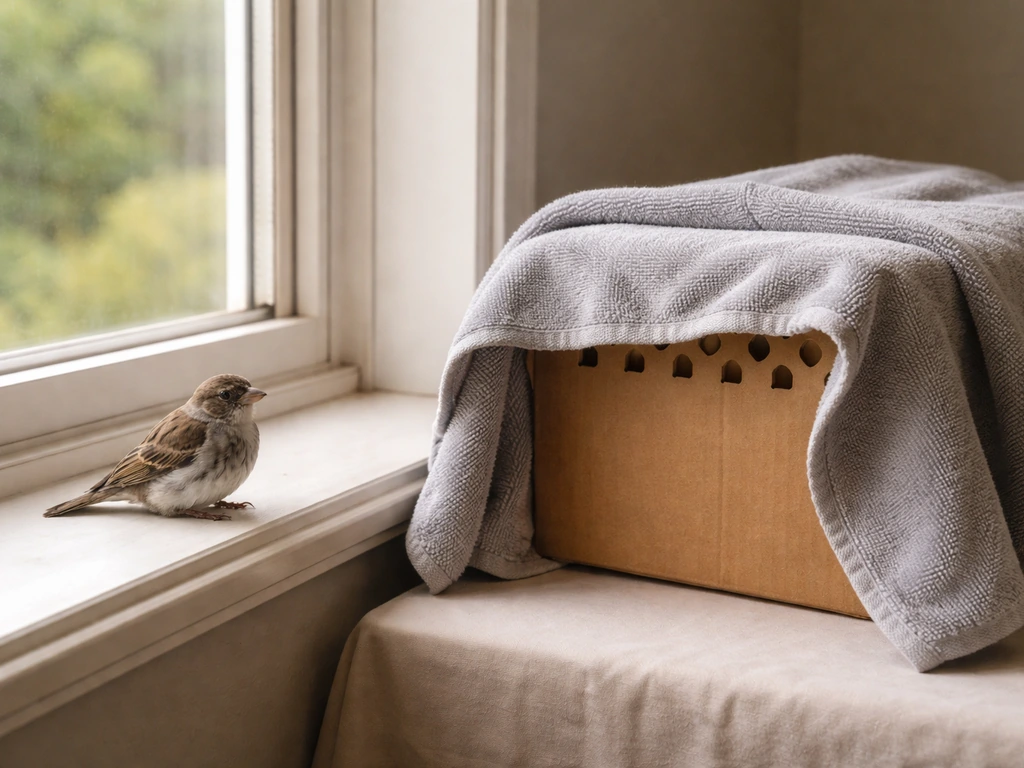
Window collisions
Window strikes are one of the most common calls wildlife rehabbers get. The bird looks dead or stunned, then sometimes just flies away. But don't let that fool you into waiting it out. Even if the bird seems to recover and hop around, it may have internal bleeding or a concussion that isn't visible.
Tufts Wildlife Clinic also notes that window hits can cause severe internal injuries and death, so the bird should be seen by a veterinarian or wildlife rehabilitator if it does not recover within a couple of hours internal bleeding or a concussion that isn't visible. According to Audubon, a bird lying on a sidewalk or cold surface after a collision loses body heat fast.
Get it into a warm, dark box immediately and call a rehabber. Per Rockfish Wildlife Sanctuary, a window-strike bird should be seen by a professional even if it looks okay, because injuries from impact often aren't obvious at first. The best outcome for these birds is a wildlife rehabber, full stop.
Cat or pet attacks
This one is urgent even when there's no visible wound. Cat saliva contains bacteria (Pasteurella multocida is the main culprit) that can cause fatal infections in birds within 24 to 48 hours of a bite. A bird that looks physically fine after a cat attack still needs antibiotic treatment from a vet or rehabber as fast as possible. Keep the bird in a closed box away from all pets, do not handle it more than necessary, and get it to a wildlife rehabber or avian vet that same day. This is not a wait-and-see situation.
Baby birds and nestlings
Baby birds fall into two categories: nestlings (no feathers or very few, eyes closed) and fledglings (feathered, alert, hopping around). A fledgling on the ground is usually fine and learning to fly. Its parents are likely nearby. Don't pick it up unless it's in immediate danger from traffic or a cat.
A nestling on the ground is a different story. These birds need warmth immediately. If you can see the nest and safely reach it, you can place the bird back in. The "humans touching baby birds makes the parents abandon them" idea is a myth. Birds have a very poor sense of smell. If you can't find or reach the nest, get the nestling into a warm, dark box lined with a paper towel and call a rehabber immediately. Where to take a sick wild bird covers the full range of baby and adult bird scenarios if you want more detail on that decision.
How to transport the bird safely
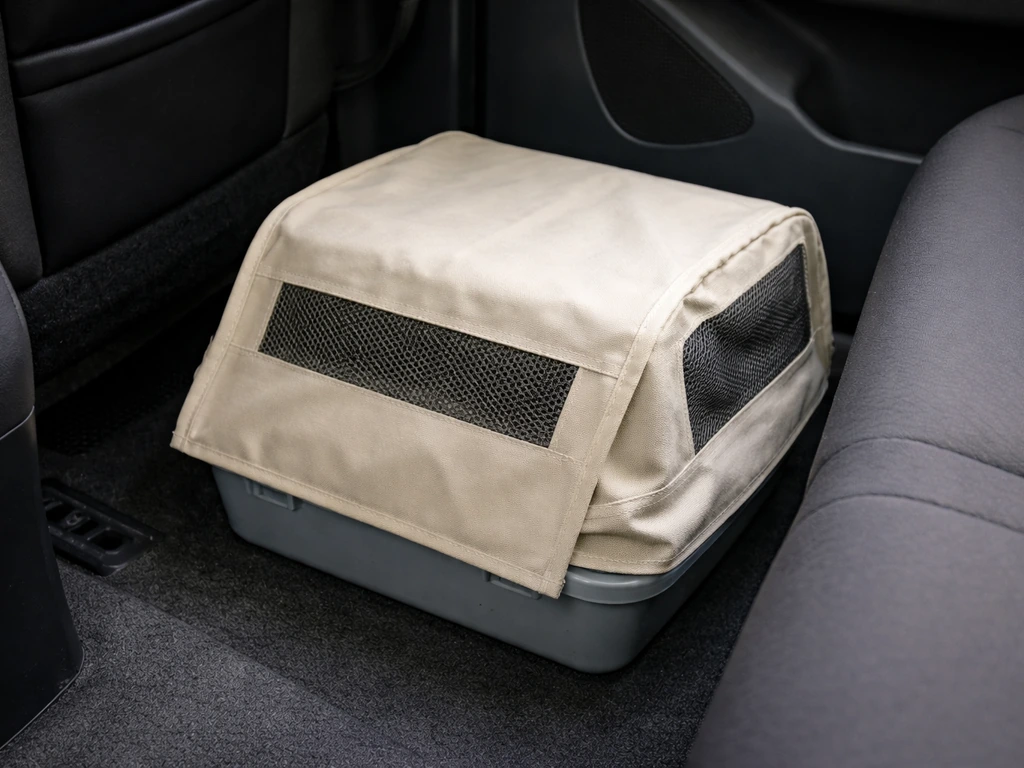
Once you know where you're going, the transport itself is simple but matters. Keep the box closed and in a stable spot in your car (floor of the back seat, or passenger-side footwell). Don't put it in the trunk if it's very hot or cold. Keep the car quiet and calm. No radio blasting, no talking to the box. The goal is to keep the bird's stress as low as possible because stress alone can kill an already-weakened bird.
If you need a full walkthrough on where do I take a hurt bird including transport options, that guide covers the logistics in more depth.
The 24 hours after drop-off
Once you've handed the bird off, your job is mostly done. But there are a few things worth doing before you leave and in the hours after:
- Write down or photograph the name of the facility, the staff member you spoke with, the date and time of drop-off, and any intake number or case ID they give you. This is your record if you want to follow up.
- Ask at drop-off whether they accept follow-up calls and how long before you'd hear about the bird's condition. Many wildlife rehab centers are volunteer-run and can't give daily updates, but they can usually tell you the bird's status after initial assessment.
- If you have photos of where and how you found the bird, share them at intake. Photos of the bird's condition, the location, and any objects involved (like the window it hit) can genuinely help the intake team assess what happened.
- Don't bring food, bedding, or toys. The rehab center will handle all of that with appropriate materials.
- Check in once after 48 to 72 hours if you want an update, but be prepared for the honest answer: many injured wild birds, especially those with severe head trauma or internal injuries, don't survive even with expert care. That's not a failure on your part. Getting the bird to a rehabber gave it the best possible chance.
Wildlife rehabilitation permits are required by law in most states for anyone providing care beyond basic containment and transport. This is why you can't (and shouldn't try to) treat an injured wild bird at home beyond the immediate steps above. The good news is that the professionals on the other end of that call are trained exactly for this.
One last thing: if you found the bird in a yard or on private property, you don't need to call any government agency. The U.S. Fish and Wildlife Service doesn't handle these situations and will redirect you to a licensed rehabber anyway. Stick with Animal Help Now, the AAV Find A Vet directory, or your local humane society, and you'll get to the right person fast.
FAQ
What should I do if I call and no one answers, or the rehab center is closed?
If you cannot reach a rehab center by phone within 10 to 15 minutes, switch to an avian veterinarian immediately (using the AAV directory) rather than continuing to wait. For after-hours calls, leave a detailed voicemail or message if offered, but plan on transport only if the clinic confirms they will see injured wild birds.
Can I drop an injured bird off at any emergency vet, or does it have to be avian?
Do not bring a bird to a general emergency hospital or non-avian pet clinic unless they specifically confirm they treat wild birds and have someone trained in avian medicine. Even if they agree to “triage,” you want pain control and species-appropriate assessment, which many non-avian teams cannot provide.
I’m afraid to handle the bird, how can I safely contain it without making things worse?
If the bird is bleeding or looks broken but you are worried about catching it, use the approach the article recommends for containment, not “free handling.” Wear gloves if you have them, place a towel or box cover over the bird to calm it, then move quickly into a ventilated cardboard box. Keep handling to the minimum needed to get it contained.
What’s the safest way to transport the bird once I’ve found where to take it?
For transporting, a cardboard box is fine, but ensure airflow (for example, a few small holes near the sides). Avoid plastic bags, open carriers, or buckets, which trap heat and can increase stress. Also keep the box out of direct sun and away from heater vents.
If I found the bird indoors, should I release it outside instead of dropping it off?
If the bird is in your house, keep it in the closed box in a quiet room away from other people and pets, and do not release it outside unless a licensed professional tells you to. Release decisions depend on species, injury pattern, and whether internal damage might be present.
Do I still need to call first if I can’t get there immediately?
Yes. Even if you plan to visit later, calling ahead still matters, because some locations have intake windows, require forms, or need you to bring the bird in a specific way (species, box type, and timing). If the bird is critical, do not delay transport to “when they open,” call and ask what to do during the gap.
The injury happened hours ago and the bird looks slightly better. Should I still call a rehabber?
If you missed the immediate window, do not assume the bird is “past help.” Many rehabbers can advise on temporary stabilization and intake timing, especially for mild-appearing window strike cases. Still mention the time since injury and any changes you observed (lethargy, breathing, ability to stand).
What if I cannot identify the bird species when I call?
For bird species you cannot identify, describe the size and key features clearly, and include location and circumstances (for example, “small gray songbird, found under a tree after a window strike”). This helps the intake team prioritize likely injuries and determine whether they treat that category of birds.
What should I do if I find a fledgling on the ground but it seems alert?
If you see a fledgling with a parent nearby, the guidance is usually to leave it where it is and protect it from immediate dangers (cats, traffic). If it is injured, not alert, or in a situation where it cannot be safely left, still call a rehabber, and ask whether relocation or pickup is appropriate for your exact scenario.
How do I keep a nestling warm safely until I can deliver it?
For nestlings, the article’s “warm, dark box” advice is especially important if you cannot return it to a nest. Add that you should keep it warm without overheating (avoid hot packs directly against the bird) and call right away so the rehabber can instruct you on safe temperature and timing.
If there’s no obvious wound after a cat attack, is it still urgent?
If a cat or dog might have touched the bird, treat it as urgent even when there are no visible bite marks. The key detail is that saliva-related infection can progress quickly, so ask the intake person whether they want immediate drop-off at an avian vet or straight to the rehab center.
How do I decide whether to pick up the bird or leave it where it is?
If you are unsure whether to move the bird at all, use the “intake-first” approach: contain it and call. The only time to delay pickup is when a fledgling is clearly in a safe learning spot and you can prevent threats without handling it. Otherwise, call to get a decision fast based on your exact location and bird behavior.