
If a bird just flew into your window, here is what to do right now: stay calm, don't rush toward it, and give it a minute before you do anything. Most birds that hit windows are stunned rather than dead, and your first job is to assess the situation carefully before you touch anything. This guide walks you through every step, whether the bird is dazed, visibly injured, or has died.
Bird Flew Into Window: What to Do Next Step by Step
Marcus Chen
6 Apr 2026
Your immediate safety steps (and the bird's)
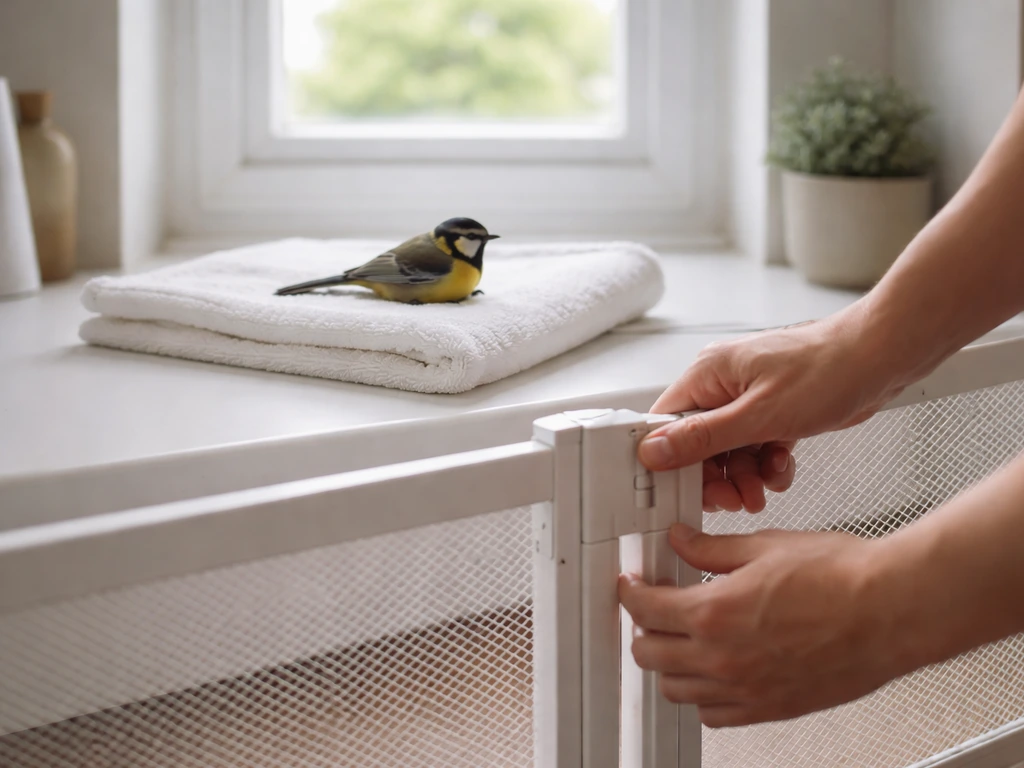
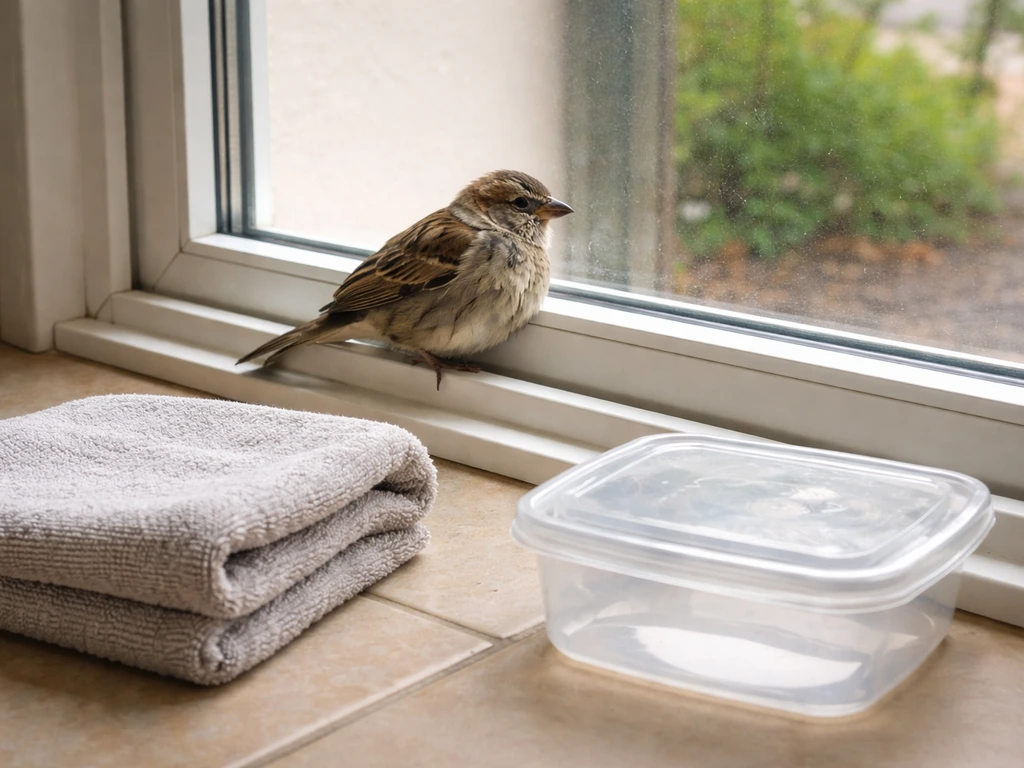
Before you approach, keep pets and children away from the area. A stunned bird on the ground is extremely vulnerable to cats and dogs, and a panicked bird that suddenly recovers can injure itself further trying to escape a crowd. Give it about 30 to 60 seconds of quiet observation from a distance before stepping closer.
From a disease standpoint, the risk to you is low but real. Before touching any bird, put on disposable gloves. If you don't have gloves, place a plastic bag over your hand like a mitt. Wash your hands thoroughly with soap and water afterward regardless. Avoid handling a bird in a way that stirs up feathers or debris near your face, since some pathogens can be inhaled.
If the bird is alive but motionless, resist the urge to pick it up immediately. Give it a few minutes. A bird that is only mildly stunned may simply need a moment to reset and will fly off on its own. Watch from indoors if you can.
Shock vs. real injury: how to tell the difference
This is the most important assessment you'll make, and it comes down to watching the bird carefully for a minute or two. Window collisions cause a concussion-like shock in many birds, and a shocked bird can look dead or severely injured when it actually just needs time and quiet to recover. That said, real injuries are common too, and they don't always look dramatic at first.
Signs the bird is likely in shock but not critically injured include: sitting upright or attempting to sit upright, blinking slowly, breathing steadily without obvious effort, and holding its wings normally against its body. It may look dazed and not react much to movement nearby.
Signs that point to serious injury and mean you should act faster and contact a wildlife rehabilitator right away include the following:
- Labored or gasping breathing, or visible chest heaving
- A wing or leg held out awkwardly or dragging
- Squinting eyes or inability to keep the head upright
- Visible bleeding or an open wound
- The bird is on its side or back and cannot right itself
- Seizure-like trembling or convulsions
One thing I want to flag: injuries are not always visible right away. Internal bleeding, brain swelling, and spinal issues can look like mild shock at first and worsen over the next hour. If you're unsure, err on the side of containing the bird and contacting a rehabilitator. You can read more about the specific scenarios covered in our guide on what to do when a bird hit a window and can't fly, which goes deeper on the injury assessment side.
How to help a stunned bird (and when to leave it alone)
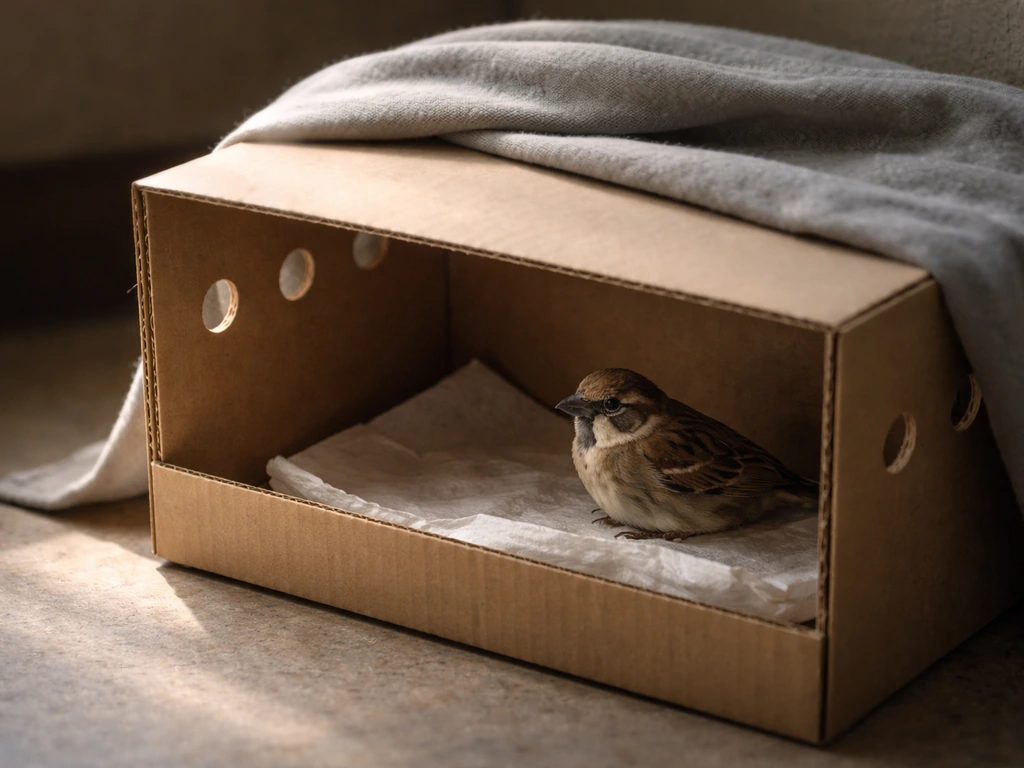
If the bird shows no visible injuries and is just stunned, the best thing you can do is contain it gently and let it rest in a quiet, dark space. Here is how to do that safely:
- Find a cardboard box with some ventilation holes, or a plastic pet carrier. Line the bottom with a small cloth or paper towel.
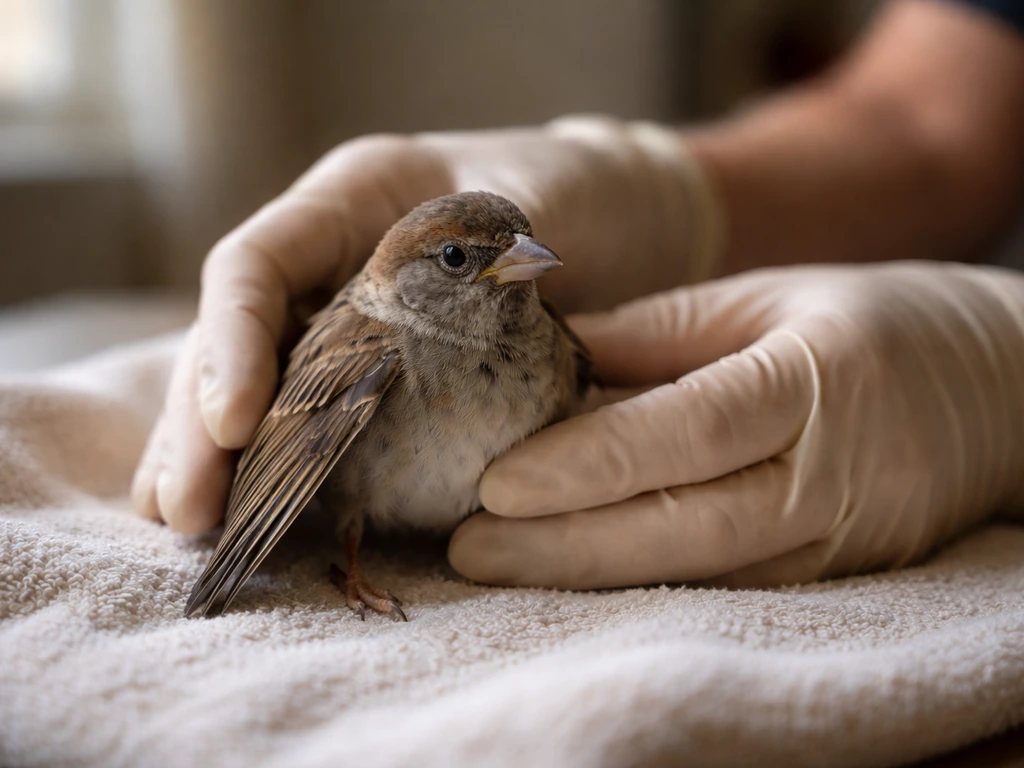
- Wearing gloves, gently place both hands over the bird from above, cradling its wings against its body. Lift it smoothly and place it in the box.
- Close the box and put it somewhere quiet, away from pets, people, and direct sunlight. A bathroom, laundry room, or garage works well.
- Keep it at room temperature. The bird should not be cold, but do not use a heat lamp or place it on a heating pad without specific guidance from a rehabilitator.
- Open the box every 15 minutes to check if the bird is alert and attempting to fly. If it looks steady and oriented, take it outside, open the box, and let it fly away on its own terms.
- If the bird has not recovered and flown on its own within about an hour, contact a wildlife rehabilitator.
Do not offer food or water. I know it feels helpful, but birds can easily aspirate liquid or food when they are stressed or disoriented, which can be fatal. Just leave the box closed, dark, and quiet. That environment is the single most helpful thing you can provide.
Also do not keep checking on it every few minutes out of worry. Every time you open the box, you stress the bird further. Set a timer for 15 minutes and wait. For birds that seem more seriously affected, our article on birds that can't fly after hitting a window covers the next steps in more detail.
What to do if the bird has died
Unfortunately, not every bird that hits a window survives. If the bird is clearly dead, here is how to handle the situation safely and respectfully.
Handling and disposing of the bird
Put on disposable impermeable gloves before touching the bird. Place it directly into a plastic bag and seal it. Double-bagging is a good idea. Dispose of it in an outdoor trash bin.
If you suspect the bird may have been sick rather than killed purely by trauma, or if there are many dead birds in your area, contact your state wildlife agency or state health department before disposing of it. They may want to test it, particularly for diseases like West Nile Virus.
The CDC notes that reporting and testing dead birds is one way to check for West Nile virus activity in the environment test it, particularly for diseases like West Nile Virus.
The CDC specifically recommends against pressure-washing or using any method that aerosolizes debris or droppings during cleanup of the area.
After bagging the bird, remove your gloves by turning them inside out and bag those too. Wash your hands immediately with soap and water for at least 20 seconds.
Cleaning up around the window
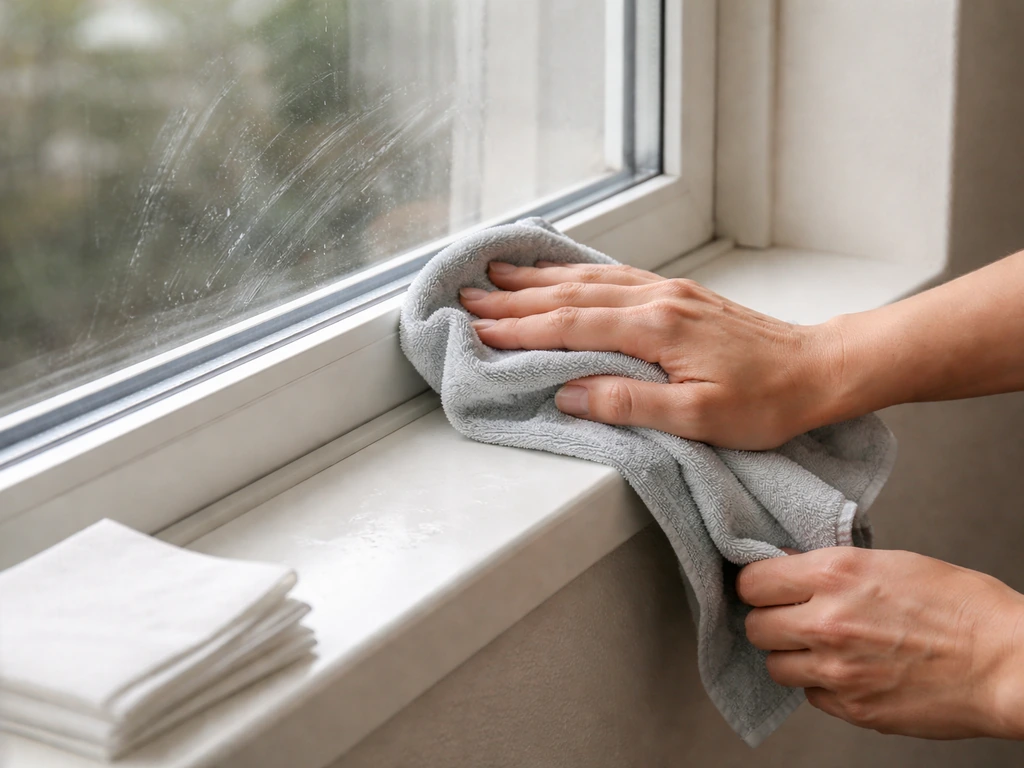
Wipe down the window and surrounding area with a damp cloth or paper towels. Avoid dry-sweeping or anything that kicks up dust. A diluted household disinfectant is fine for hard surfaces. Bag and discard your cleaning materials, and wash your hands again after you're done.
Temporary housing, keeping the bird warm, and reducing stress
Whether the bird is mildly stunned or more seriously injured, the temporary housing setup matters a lot. A well-ventilated cardboard box is the go-to. Poke several small holes in the sides about halfway up (not near the bottom where the bird sits). The interior should be dim or dark, which reduces panic.
Room temperature is the right target: roughly 65 to 75 degrees Fahrenheit. If the environment is cold and you're waiting for a rehabilitator, placing the box near (but not on top of) a gentle heat source can help. Do not use a heating pad directly under the bird, and do not put the bird in direct sunlight, which can overheat it quickly.
Keep the space quiet. No TV, no music, no kids peeking through the box flaps. I've seen well-meaning people stress a bird so badly during the 'recovery' hour that it was in worse shape by the time they called me. Darkness and quiet are genuinely the best medicine you can provide at home. And again, no food or water.
One more thing: if the bird recovers and flies off, don't assume it's completely fine. Even birds that fly away after a window strike can have internal injuries that worsen over the next 24 hours. If you can follow up with a local wildlife rehabilitator just to report what happened and describe the bird's behavior, that's worth doing. To reduce future collisions, the American Bird Conservancy recommends using properly spaced exterior window solutions,such as decals, films, tapes, or screens,to make windows visible to birds (see abcbirds.org for details) Solutions for Homes.
When to call a wildlife rescue or avian vet (and how to find one)
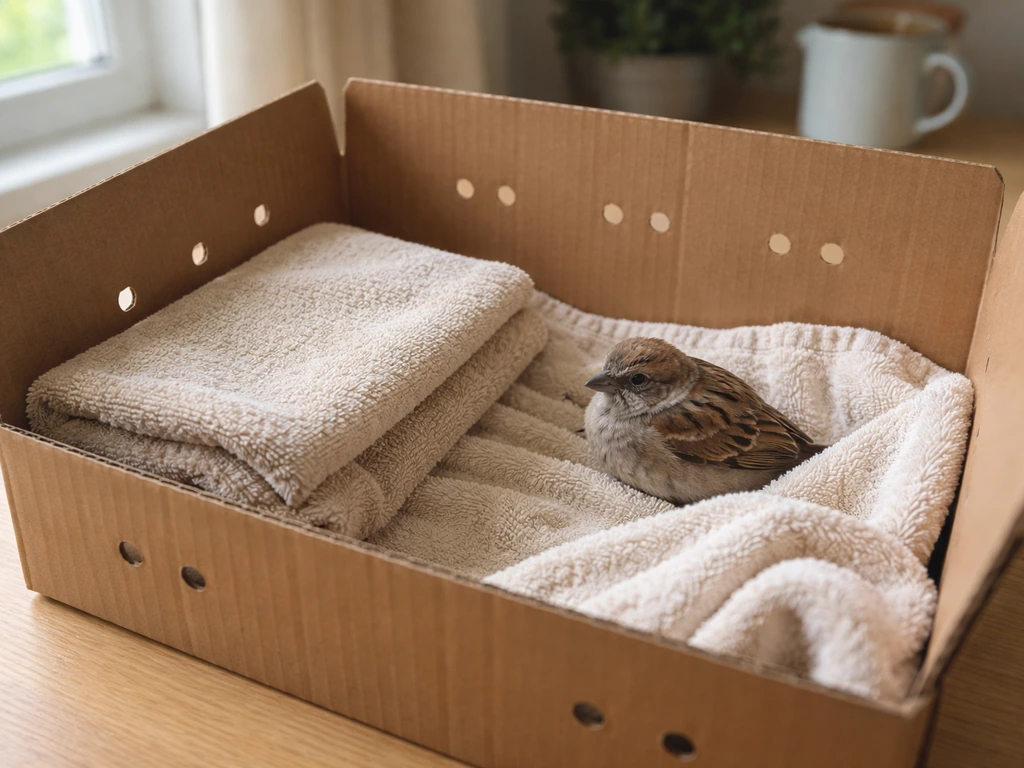
The honest truth is that the sooner an injured bird gets to a licensed wildlife rehabilitator, the better its chances. Lay rescuers, no matter how caring, cannot reliably spot all injury signs or provide proper medical treatment. If there is any doubt about the bird's condition, make the call.
Call a wildlife rehabilitator immediately if the bird shows any of these signs: labored breathing, can't hold its head up, has a wing or leg held out abnormally, is bleeding, or has not recovered and flown on its own within about an hour. Some injuries that look minor, like a slightly drooping wing, can indicate a break that will worsen without treatment. You can find more information about one of the more serious possible outcomes in our guide on bird hit window broken neck, which explains what that actually looks like and what it means. For causes and practical prevention tips (including making windows more visible to birds), see the U.S. Geological Survey guidance: https://www.usgs.gov/faqs/how-can-i-stop-birds-repeatedly-hitting-my-windows blank" rel="noopener noreferrer">How can I stop birds from repeatedly hitting my windows?.
To find a rehabilitator near you, try any of these approaches: Washington Department of Fish & Wildlife advises calling a permitted wildlife rehabilitator as soon as possible and following their instructions after finding an injured wild animal How to find a permitted wildlife rehabilitator.
- Search the USFWS online self-service portal for injured wildlife to locate a licensed rehabber in your area.
- Contact your state or provincial wildlife agency directly. They maintain lists of licensed rehabilitators and can direct you quickly.
- Call a local wildlife rescue hotline, humane society, or nature center. Many have 24/7 phone support.
- Search 'wildlife rehabilitator near me' or 'avian vet near me.' Many avian vets will see wild birds in emergencies even if they typically treat pets.
When you call, describe the bird's condition clearly: is it breathing normally, can it stand, are any wings or legs held out, is there visible blood. That helps the rehabber triage over the phone and tell you whether to come in immediately or manage it at home for a bit longer. If you've already gone through the basic steps and are still unsure of your next move, our article on what to do when a bird ran into a window covers additional scenarios and next steps that may apply to your situation.
Stopping this from happening again
Window collisions are one of the leading sources of bird mortality, and the vast majority are preventable. The core problem is that birds cannot perceive glass as a solid barrier. During the day, they see reflections of sky and trees. At night, interior lighting draws them toward the glass. Both scenarios result in strikes.
Treatments that actually work
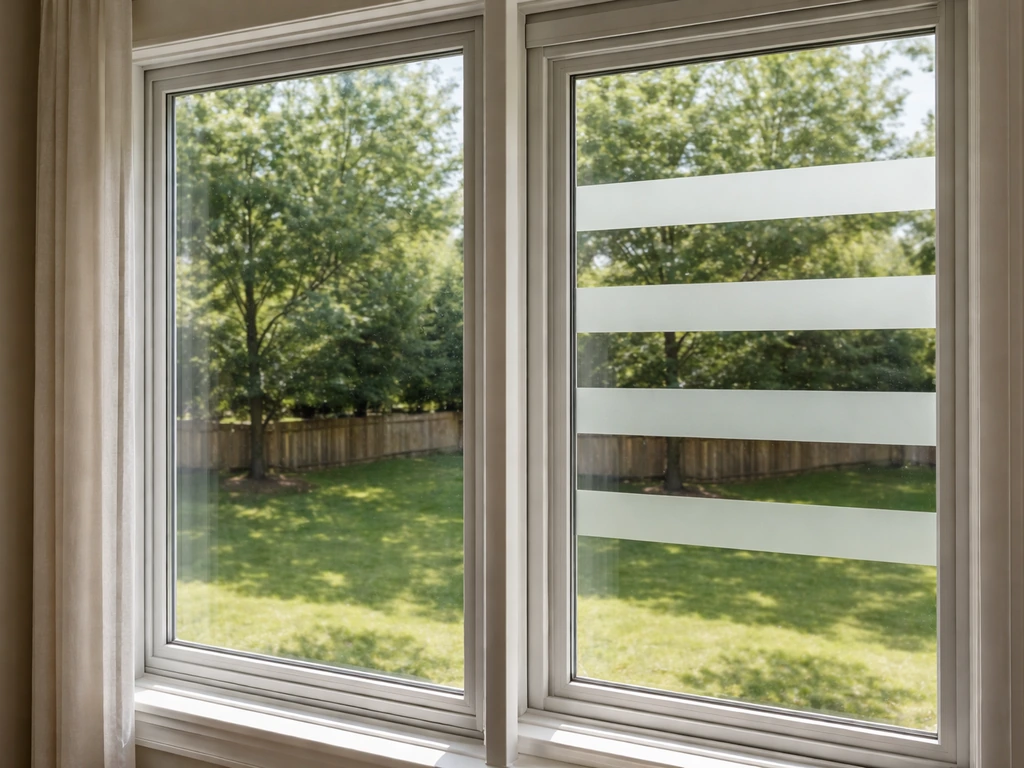
The most effective fix is applying a visual pattern to the outside surface of the glass. Decals, films, parachute cord, or tape applied to the exterior work better than interior treatments because birds react to what they see approaching from outside. Spacing matters critically: if the elements in your pattern are too far apart, birds will simply try to fly through the gap. Effective spacing guidelines call for no more than 10 cm between vertical elements and no more than 5 cm between horizontal ones. A striped bird-safe film applied to a city building in one documented case reduced collisions by 94 percent.
For a full breakdown of retrofit options for home windows, the American Bird Conservancy publishes detailed guidance on bird-friendly window solutions, covering everything from exterior films to screens and one-way transparent coatings.
Quick changes you can make today
- Apply window alert decals or tape strips to the outside of your most-struck windows, spacing them no more than 10 cm apart vertically.
- Move bird feeders and birdbaths either closer than 1 meter or farther than 10 meters from windows. Birds at close range don't build up fatal velocity; birds far away have time to perceive and avoid the glass.
- Turn off non-essential interior and exterior lighting at night, especially during spring and fall migration seasons.
- Draw blinds or shades in the evening to reduce the 'lit interior' effect that attracts birds toward the glass at night.
- Move indoor plants away from windows so they don't create a visual 'target' that birds fly toward.
- Angle any outdoor lights downward rather than outward, and keep them away from areas birds frequent.
No single fix is perfect, but combining an exterior window treatment with better nighttime lighting management cuts your strike rate dramatically. If you've dealt with a window strike today and want to go deeper on the subject, it's worth reading through our overview of what happens when a bird hits a window and can't fly to understand the full range of outcomes and how to prepare better for next time.
Quick reference: what to do based on what you see
| What you observe | What it likely means | What to do right now |
|---|---|---|
| Bird is on the ground, dazed but upright, breathing normally | Mild shock/concussion | Box it up, keep it dark and quiet, check every 15 min for up to 1 hour |
| Bird is sitting but has a wing or leg held out oddly | Likely injury (possible break) | Contain gently, call a wildlife rehabilitator immediately |
| Bird is gasping, chest heaving, or can't hold head up | Serious injury or trauma | Contain and get to a rehabilitator or avian vet as fast as possible |
| Bird flew away on its own after a few minutes | Possible mild concussion only | Monitor if possible; report to a rehabber if you can describe the bird |
| Bird is not moving, stiff, and clearly dead | Deceased | Gloves on, bag it, dispose in outdoor trash, clean the area safely |
| Bird recovered but you're not sure it's fully okay | Possible internal injury | Contact a rehabilitator to report and get advice on follow-up |
FAQ
How long should I wait before deciding the bird needs professional help?
If the bird is alive but not moving, use a timer. Keep it undisturbed in the dim, ventilated box and check from a distance after about 15 minutes, not every few minutes. If it still will not get up or fly within about an hour, or if you notice breathing trouble, contact a wildlife rehabilitator.
Can I pick up a stunned bird to put it somewhere safer?
Yes, but only as a safety step. If you must move it, do so gently with gloved hands (or by using a plastic bag as a barrier), and avoid grabbing the bird firmly around the chest. The goal is transfer and containment, not prolonged handling.
What’s the best way to keep the bird warm while I’m waiting for a rehabber?
Do not leave it near a heat pad or in direct sun, overheating can happen quickly. Instead, use a dim, quiet room temperature space, and if it is cold, place the box near (not on top of) a gentle heat source. Aim for comfort, roughly room temperature range, and monitor for overheating signs like panting or extreme restlessness.
Should I give the bird water or seeds to help it recover?
No. Refusing food and water is important because stressed birds can inhale liquids or small particles into the lungs (aspiration). If the bird improves, you can let it rest until it recovers enough to leave on its own, with no feeding or watering at home.
What if the bird suddenly seems fine and flies away, should I still call someone?
If the bird starts to struggle, flap hard, or repeatedly tries to escape, it may still be concussed or injured. Keep the box closed, dim, and calm. Even if it flies away, consider calling a wildlife rehabilitator to report the strike, because internal injuries can worsen over the next day.
How should I clean up the area after the bird dies or leaves behind debris?
Avoid sweeping or vacuuming dry debris and droppings. If cleanup is needed, wipe with damp paper towels or a damp cloth, use a diluted disinfectant on hard surfaces, bag the cleanup items, and wash hands afterward. This reduces the chance of spreading aerosolized particles.
What should I do differently if the bird appears sick rather than just injured from the collision?
If you suspect it was ill, or if multiple birds died from window strikes in your area, contact your state wildlife agency or state health department before disposing. They may request testing and may advise on disposal and area treatment for disease control.
How can I tell the difference between shock and an injury that will worsen?
If you find a bird that is already in the “recovery” posture and seems otherwise stable, keep it quiet and contained. But if it shows labored breathing, bleeding, inability to hold its head up, abnormal wing or leg position, or no improvement within about an hour, treat that as urgent and call a rehabber immediately.
What if more than one bird hit the window (or I find several in the yard)?
If multiple birds hit the same window, start by isolating each bird in a separate dark, ventilated container, away from pets and kids. Then prioritize calling the nearest wildlife rehabilitator, since capacity limits can matter. Avoid gathering them into one box, it increases stress and injury risk.
What’s the most effective way to prevent future window strikes at my home?
For glass prevention, focus on exterior modifications and manage night attraction by reducing interior light near the window at night. Exterior decals, films, or cord patterns work better because birds react to what they see approaching from outside, and interior-only fixes can be less effective.
Next Articles
Can a Bird Live With One Wing? Survival and First Aid
Can a bird live with one wing? Injury outcomes and step-by-step first aid, plus when to get urgent help.
Can a Bird Survive With One Eye? What to Do Now
Learn if birds can cope with one eye and what to do now for an injured bird’s eye safely and urgently.
Can a Bird Survive With a Broken Beak? What to Do Now
Learn if a bird with a broken beak can survive, spot danger signs, and do safe first aid until a vet rescues it.