
If you can hear chirping, flapping, or scratching coming from inside your wall, there is almost certainly a bird trapped in the wall cavity. The most important thing you can do right now is stay calm, reduce noise and activity near that wall, and figure out where the bird got in. In most cases, finding and opening the entry gap is enough to let the bird find its own way out. If the bird sounds weak, has stopped moving, or you suspect it is injured, skip straight to calling a wildlife rehabilitator or avian vet today.
There Is a Bird Stuck in My Wall: What to Do Today
Marcus Chen
30 Apr 2026
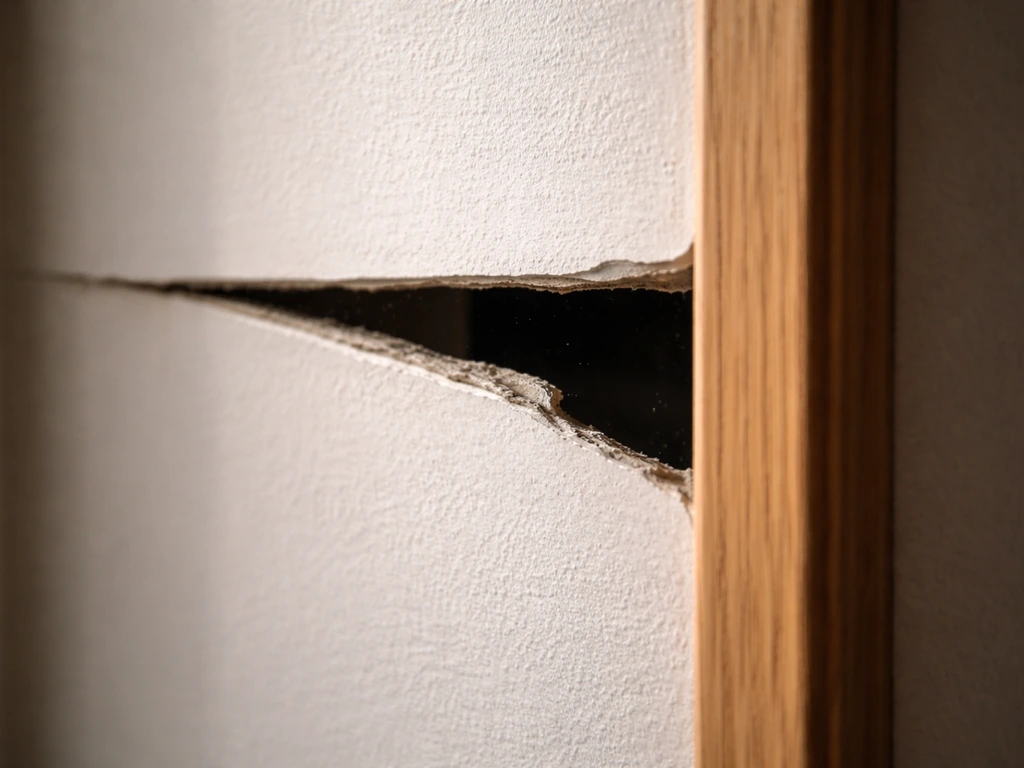
How to confirm it's really a bird and figure out how urgent this is
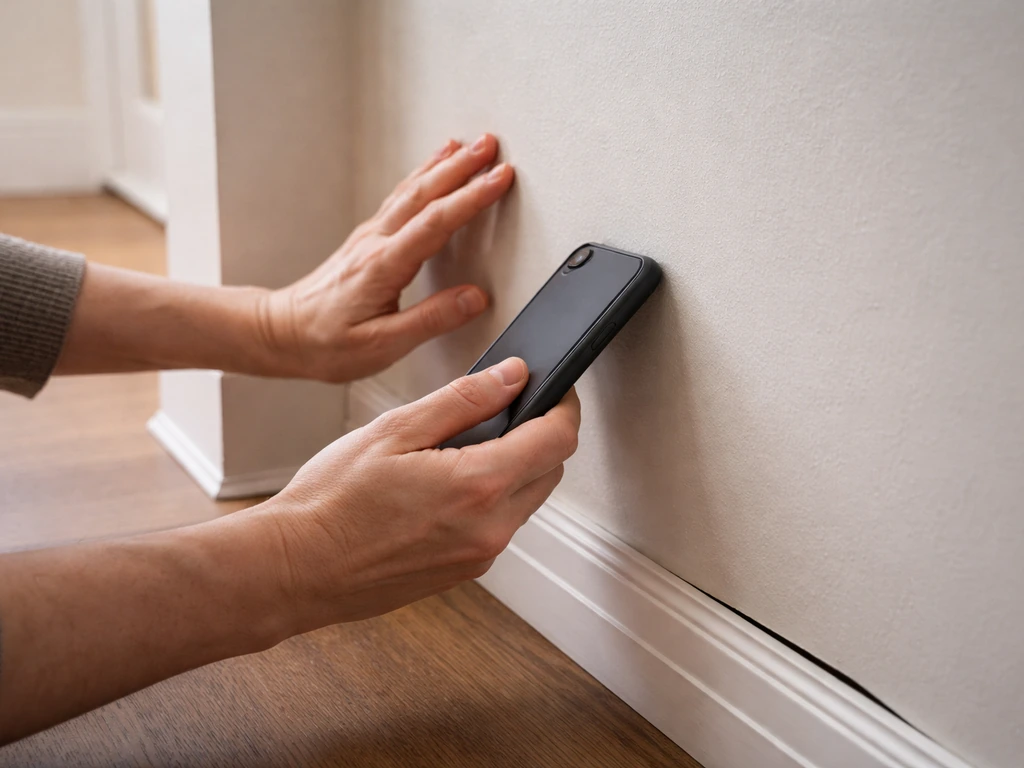
Wall noises can come from several sources, so before you do anything else, take a few minutes to really listen. Birds in walls tend to produce chirping or distress calls combined with flapping and scratching sounds as they try to push their way out. You might also hear rapid tapping or a light rustling. What you are less likely to hear from a bird is slow, steady gnawing or a heavy thud, which would point more toward a rodent or larger animal. If the sound is a sharp electrical pop or buzz, do not touch anything and call an electrician first.
Once you are fairly sure it is a bird, pace along the wall and listen carefully to narrow down the location. Mark the spot with a piece of tape. Then check whether the sounds are continuous or happening in short bursts. A bird that chirps and flaps in bursts is stressed but still active and probably still healthy. A bird that has gone silent after earlier frantic activity is more concerning, since birds in shock or severe distress often stop calling.
Assess urgency by asking yourself a few quick questions. Is the noise getting weaker or stopping entirely? Have you seen the bird (for example through a vent or gap) and noticed any visible bleeding, a drooping wing, or labored open-mouth breathing? If you notice obvious injuries like bleeding or a broken wing, Audubon advises contacting a wildlife rehabilitation agency visible bleeding, a drooping wing, or labored open-mouth breathing. Have household pets been in contact with the bird? Weakness, visible injury, or pet contact all push this situation into the urgent category and mean you should call for professional help now rather than attempting a DIY rescue.
Immediate safety steps for you and the bird
The moment you know a bird is in the wall, lower the stress level in that space as much as possible. Stress alone can be deadly to a wild bird. Keep children and pets away from the area completely. Turn off any fans, heating vents, or HVAC systems that run near that wall, especially if the bird might be near a duct opening. Reduce loud noise in the room: no TV, no music, no shouting. The quieter and calmer the environment, the better the bird's chances.
Do not repeatedly knock on the wall to find out if the bird is still there. Every knock sends a stress spike through the bird. Check once, gently, and then leave it alone. If you have a stud finder or can simply put your ear against the wall, use that instead of tapping.
From a personal safety standpoint, be aware that birds in enclosed cavities can carry parasites or bacteria. If you do need to handle a bird at any point, wear gloves and wash your hands thoroughly afterward. Do not put your hand into a wall cavity blindly, as there may be sharp materials, insulation irritants, or nails inside.
How to free the bird safely without chasing it
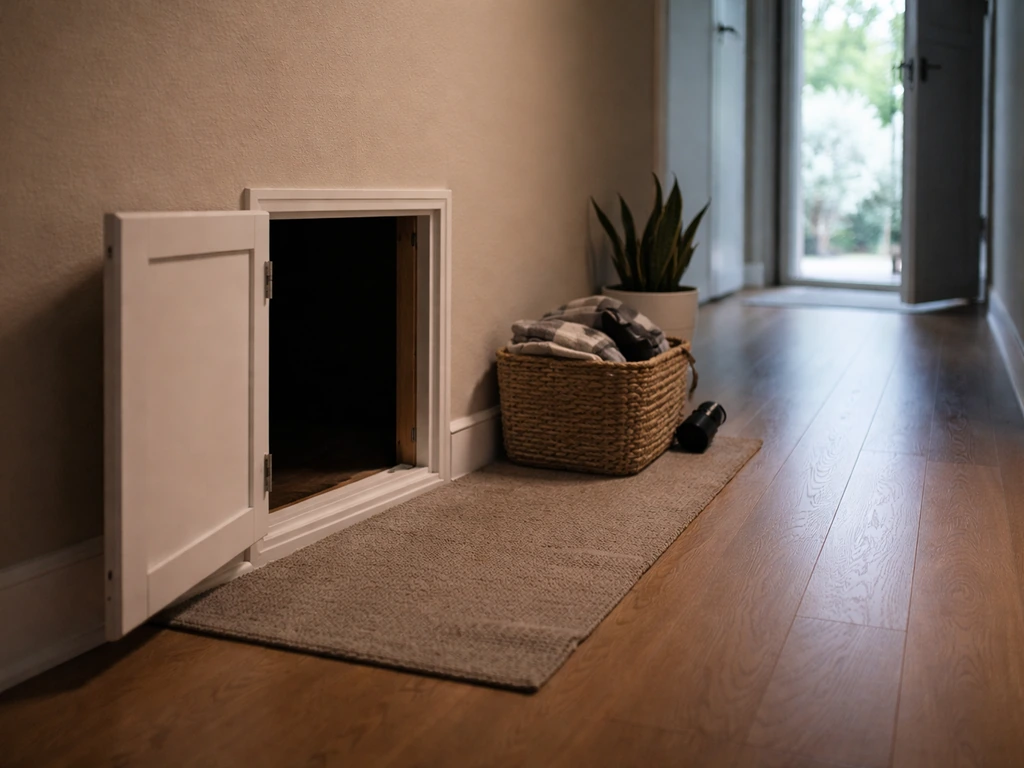
The goal here is to create one clear, obvious exit and then get out of the way. Birds respond to light: they move toward it. If you can find or open the gap the bird used to get in, that is your best exit point. Sometimes a bird can get trapped in a chimney as well, especially if it can enter through a damper, flue opening, or gap near the top.
Go outside and inspect the area near where you heard the noise. Look for gaps at eaves, loose soffit panels, uncovered pipe penetrations, missing mortar, or any opening wider than about half an inch. If you find the entry gap and it leads directly to an exterior opening, the bird may find its own way out with no further help from you.
If the bird is in a room-accessible wall cavity (for example, behind a removable vent cover or a section of baseboard), you can try opening that access point carefully, then doing what wildlife rescuers call the single-exit method. Open one external door or one window in the room, turn off all interior lights, and close or cover all other windows so the only source of daylight is the one exit. Then leave the room entirely and give the bird at least 30 to 60 minutes to find its way out on its own. Resist the urge to check every five minutes.
If the bird needs a little more guidance, a gentle, dim light source positioned just outside the exit can help attract it toward the opening. Do not use a bright flashlight pointed at the bird directly, as that causes panic. The idea is a calm, low light at the destination, not a spotlight on the bird itself.
One thing to avoid entirely: do not try to shoo or chase the bird. Even well-meaning movement toward a trapped bird causes it to flee away from you rather than toward the exit, which often means it goes deeper into the wall. Your job is to create the path and disappear.
When to call wildlife rescue or an avian vet instead of doing this yourself
There are clear situations where DIY is the wrong call, and recognizing them quickly matters. Contact a licensed wildlife rehabilitator or avian vet if any of the following apply. Washington Department of Fish & Wildlife also advises calling a permitted wildlife rehabilitator as soon as possible and following their instructions Contact a licensed wildlife rehabilitator or avian vet if any of the following apply..
- You cannot locate the entry gap and have no safe way to access the wall cavity
- The bird has gone silent after earlier frantic activity and may be in shock or injured
- You can see the bird through a gap and it has visible injuries: a drooping or deformed wing, a bloody beak, or it cannot stand
- The bird is a nestling (a very young bird with little or no feathers) or you can hear multiple baby birds, which suggests an active nest inside the wall
- Accessing the wall requires cutting drywall, removing structural sections, or working at height
- You have tried the single-exit method for two or more hours and the bird has not moved toward the exit
- The bird is repeatedly panicking and crashing rather than moving calmly toward the opening
- There are household pets that have already made contact with the bird, as cat saliva in particular causes serious infection even without visible wounds
To find help, search for a wildlife rehabilitator in your area through your state or provincial wildlife agency, or call a local avian vet's office and ask who they recommend for wild bird emergencies. Many rehabilitators will talk you through the situation over the phone before you even bring the bird in, which can be enormously helpful when you are not sure what you are looking at.
It is worth knowing that similar situations come up with chimneys and air conditioning units, where the same principle applies: if the bird cannot be given a clear, safe exit path, the right call is to reach out to a professional rather than attempt a DIY extraction that risks injuring both you and the bird.
What to do if the bird is injured or you can finally reach it
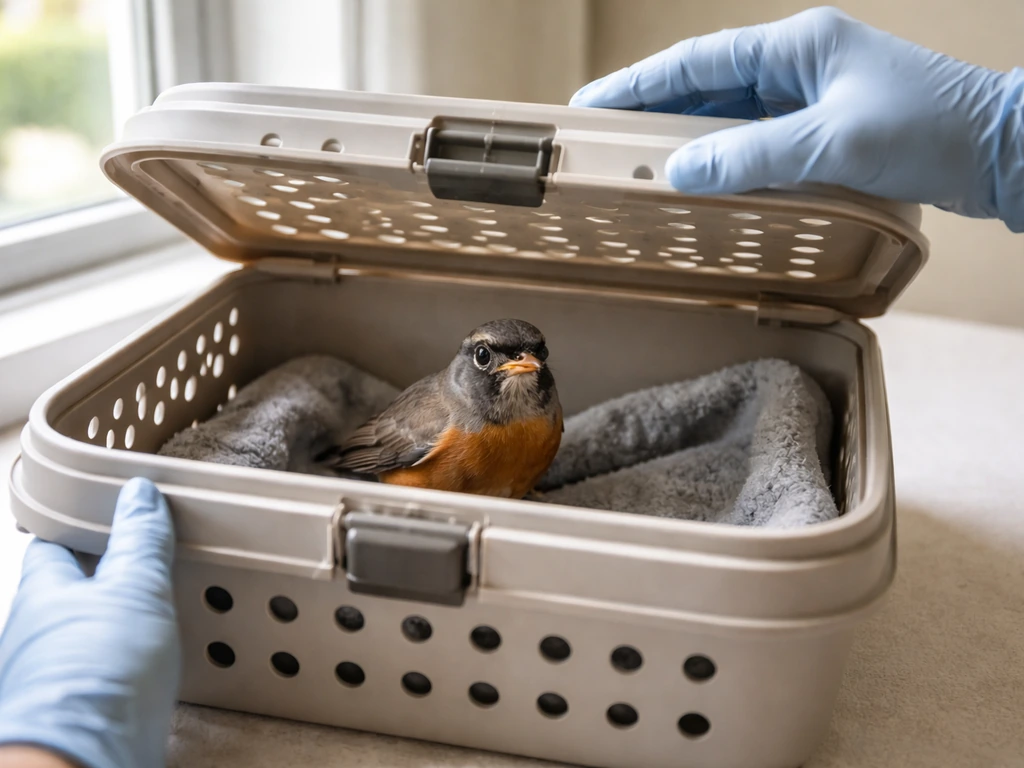
If you have managed to access the bird and it is clearly injured, or if it has come out of the wall on its own and cannot fly, move it to a safe, contained space before doing anything else. Place it gently in a small cardboard box with ventilation holes punched in the lid. Line the box with a clean cloth (not terrycloth, as the loops can catch toes). Put the box in a quiet, dark, warm room. Do not offer food or water at this stage, since force-feeding an injured bird can cause serious harm.
Here are the most common injury signs you might see in a bird that has been trapped and stressed in a wall cavity, and what to do about each one while you arrange professional care.
| Injury or symptom | What you may see | What to do right now |
|---|---|---|
| Shock | Sitting still, eyes half closed, unresponsive, cold to the touch | Warmth and darkness; do not handle more than necessary; call a rehabilitator |
| Broken or drooping wing | One wing hanging lower than the other, bird cannot fold it normally | Contain in a box so the bird cannot injure it further; do not splint it yourself; get professional help |
| Bleeding feathers or skin wound | Visible blood on feathers or body; actively dripping | Apply gentle pressure with clean cloth for 1 to 2 minutes; if bleeding does not slow, rush to a vet or rehabilitator |
| Bleeding from beak or mouth | Blood around the beak or inside the mouth | This is an emergency; do not put anything in the mouth; go directly to an avian vet |
| Labored or open-mouth breathing | Beak open, tail bobbing with each breath, wheezing | Critical sign; minimize handling entirely and get to a vet as fast as possible |
| Broken leg | Leg bent at abnormal angle, bird cannot bear weight | Contain safely; do not attempt to set or splint; professional care needed today |
The most important rule across all of these scenarios is to limit handling. Stress is genuinely life-threatening to wild birds, and every extra minute of handling raises that risk. Get the bird into a dark, quiet box and get professional help on the phone. That is the best first aid you can give.
How to stop birds from getting into your walls again
Once this situation is resolved, sealing the entry points is the single most effective thing you can do. Birds get into wall cavities most often through gaps at the eaves, open or broken soffit vents, pipe and cable penetrations, missing mortar in brick walls, and unscreened attic vents. Walk the exterior of your house at eye level and from a ladder if you can do so safely, looking for any opening larger than about half an inch.
For vents and openings that need airflow, use rust-resistant wire mesh or hardware cloth with openings no larger than half an inch by half an inch. Plastic mesh of the same dimension also works and does not corrode. Exposed rafter tails at eave lines, gaps around dryer vents, and open pipe sleeves are all common entry points that are easy to miss during a quick inspection but simple to seal once you find them.
One critical timing note: do not seal wall cavities or gaps during breeding season without first confirming there are no active nests inside. In most parts of North America, the primary nesting window runs roughly from May through mid-July, though this varies by species and region. Sealing an active nest traps nestlings inside the wall, which is both harmful to the birds and likely illegal under federal migratory bird protections. If you find a nest inside the cavity, wait until the young have fledged before sealing. A wildlife rehabilitator or your local wildlife agency can advise on timing for your specific area.
If you want to close entry points during breeding season without waiting, a licensed wildlife professional can install a one-way door over the entry gap. This allows any birds inside to exit normally but prevents re-entry, and it is the most humane approach during active use periods.
Your action plan right now
Use this checklist to figure out exactly where you stand and what to do next, depending on what you are seeing and hearing. If your situation is actually a bird stuck in a tree, the safest next steps may be different than when it is trapped inside a wall my bird is stuck in a tree. If you are dealing with a pet bird that is stuck in a tree, the approach is different, so use the right guidance for that situation pet bird stuck in a tree.
- Listen carefully and confirm the sound is chirping, flapping, or scratching (not gnawing or electrical buzzing)
- Mark the approximate location on the wall with tape
- Remove pets and kids from the area immediately
- Turn off fans, HVAC, and reduce noise in the room
- Go outside and inspect the exterior near that location for entry gaps
- If you find a gap: open it carefully, set up a single dark-room exit (one open door or window, all other light blocked), and leave for at least 30 to 60 minutes
- If the bird exits on its own and looks healthy: watch it for a few minutes to confirm it can fly, then let it go
- If the bird exits but appears injured: box it gently, keep it dark and warm, and call a wildlife rehabilitator or avian vet now
- If you cannot find the gap, the bird has gone silent, you see injury signs, or the bird does not move toward the exit after an hour: call a wildlife rehabilitator or avian vet now
- Once everything is resolved: seal all entry gaps with half-inch mesh, and schedule any larger sealing work outside of local breeding season (roughly May through mid-July in most of North America)
FAQ
How can I tell if it is definitely a bird and not a rodent or something in the attic?
Start by listening and confirming the sound is coming from the wall cavity, not from an adjacent attic, chimney, or vent. If you can hear a faint voice from inside the wall plus movement that changes when you move your position, that usually indicates an entry gap nearby. If the noises match a steady rattling or repeated electrical-like pops, stop and rule out wiring or HVAC before doing anything else.
If I open a vent or access panel, how often should I check to see if the bird moved?
Do it only if you are certain the bird is still active and you have a clear, single exit. A good practical rule is to check no more than once at the access point, then leave immediately. If you cannot hear movement change within a short window after you open the gap, assume the bird may be deeper than the opening and switch to calling a wildlife rehabilitator.
Should I turn off my HVAC or fans, and what if the sound is near a vent?
If you have a smart home thermostat or HVAC controls, turn off only the system that feeds the wall area near the sound, then leave it off. Avoid running air circulation fans that could blow debris into the cavity. Once the bird is out, you can restore normal ventilation after the area is confirmed clear.
Can I use a flashlight or lights to guide the bird out, and what’s the safest way to do it?
Yes, but only in a way that reduces stress, not that turns the room into a spotlight. Use one low, dim light positioned outside or at the exit, keep the rest of the room dark, and avoid shining light directly into the cavity where the bird may be panicking. Also, do not create multiple open doors, since the bird can fly toward the wrong exit.
Is it okay to grab the bird if it comes out of the wall and looks tame?
Avoid it. Even if the bird seems calm, handling can worsen shock, cause feather damage, and increase the risk of bites and scratches. If you must relocate it after it is already out and clearly grounded, use a ventilated box immediately and minimize time with bare hands, gloves first if you have to touch the bird.
What if I suspect there could be a nest inside the wall cavity?
If you find any sign of active nesting, do not seal or permanently block that entry yet. During breeding season, sealing can trap nestlings inside, which is both harmful and may violate migratory bird protections. If you are unsure, call a wildlife rehabilitator for guidance before you patch or cover the gap.
What should I do if I find the hole it entered but it does not obviously lead to the outside?
If you can only locate an opening that does not lead directly outside, do not assume DIY will work. Many walls create dead ends where the bird cannot find a safe lighted route, and the bird can retreat deeper. In that case, contacting a wildlife rehabilitator is the best next step, especially if the bird has gone silent.
Are there any common traps or sprays I should use to get rid of a bird in a wall?
Do not use glue traps, poisons, or aerosol deterrents, and do not set household traps in walls. These can injure the bird further, create chemical exposure risk, and make the problem harder to resolve safely. If you need a barrier, use temporary measures that keep people and pets away while you arrange professional help.
How soon should I seal the entry point after the bird is gone?
After the bird is confirmed out, seal the entry points using rust-resistant hardware cloth or wire mesh sized to block small heads. Wait for the bird to be gone for at least a few hours, and re-check the area once the cavity is quiet, since birds may linger near the opening for a time before leaving.
What is the best first aid if the bird comes out but seems unable to fly?
If the bird comes out but cannot fly, place it in a dark, warm, quiet ventilated box, and contact an avian vet or wildlife rehabilitator the same day. Do not offer water or food immediately, because force-feeding and wrong diets can cause choking or aspiration. Keep the box in a controlled room away from windows and pets.
Next Articles
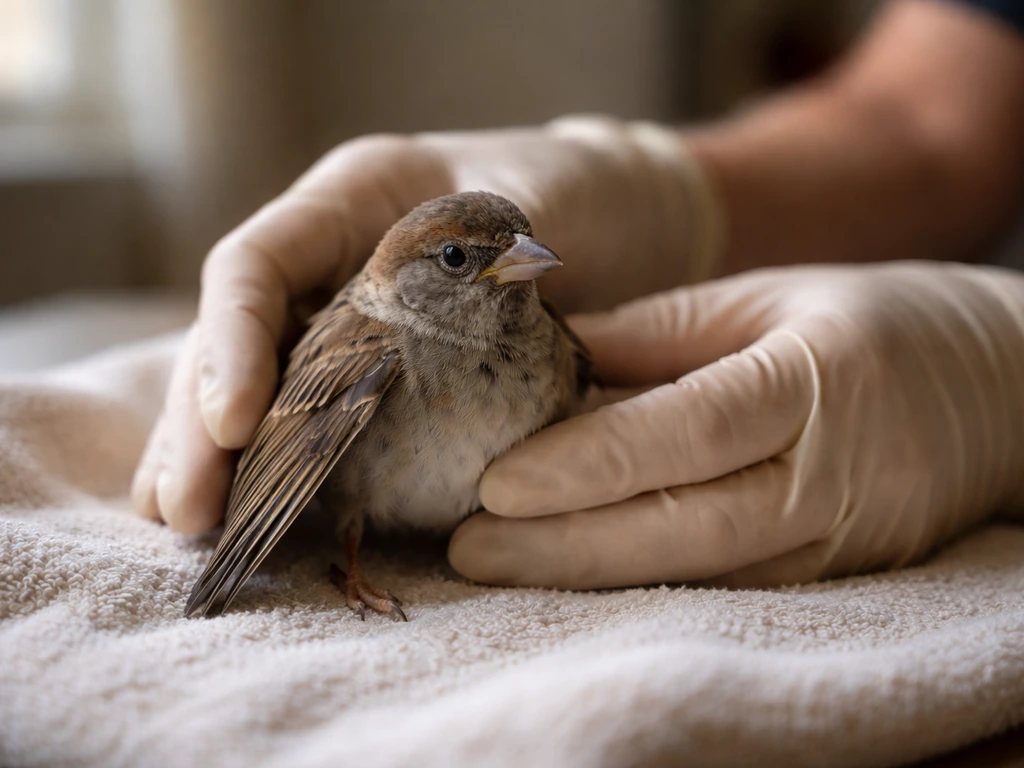
Can a Bird Live With One Wing? Survival and First Aid
Can a bird live with one wing? Injury outcomes and step-by-step first aid, plus when to get urgent help.
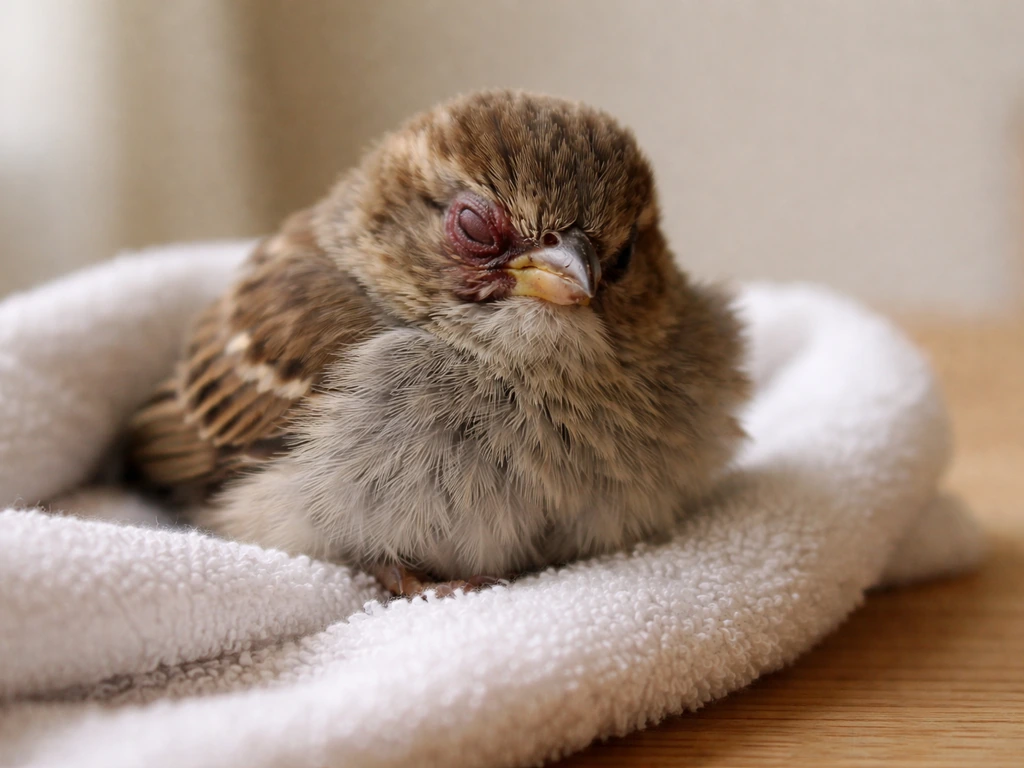
Can a Bird Survive With One Eye? What to Do Now
Learn if birds can cope with one eye and what to do now for an injured bird’s eye safely and urgently.
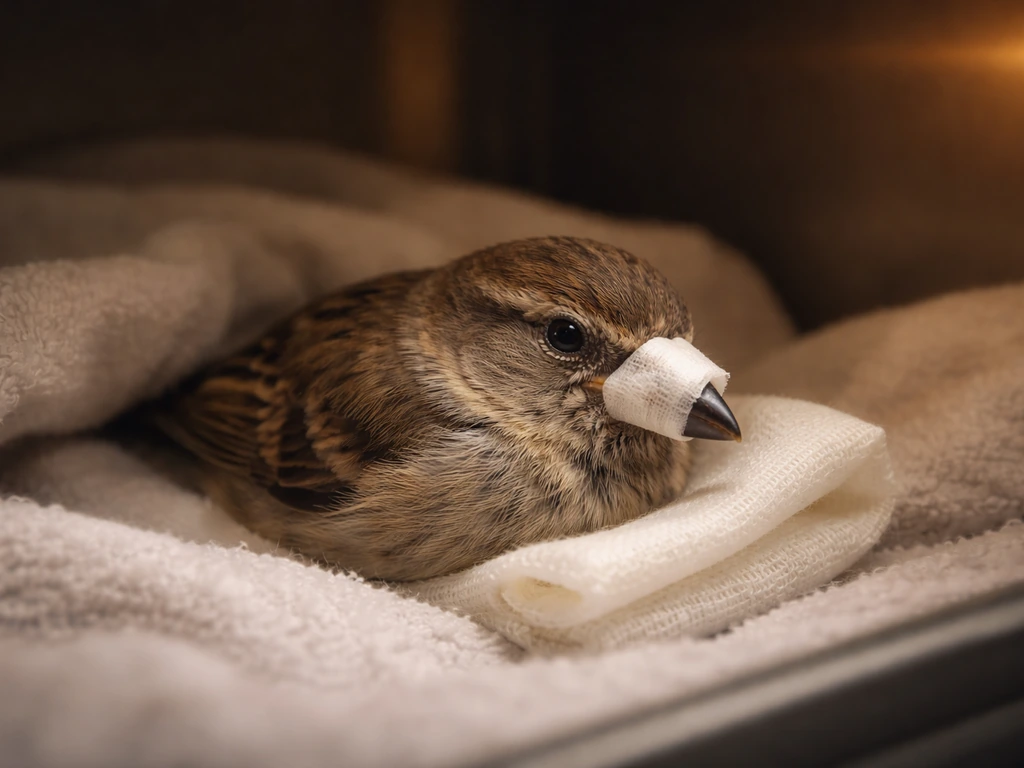
Can a Bird Survive With a Broken Beak? What to Do Now
Learn if a bird with a broken beak can survive, spot danger signs, and do safe first aid until a vet rescues it.